

We may earn a commission when you buy through links on this page, at no extra cost to you. Learn more.
The san juan wine festival is Argentina’s National Grape and Wine Festival, a traditional celebration held in Caucete, San Juan Province, honoring the region’s grape harvest, winemaking heritage, local food, music, and culture. Known officially as the Fiesta Nacional de la Uva y el Vino, the event has been celebrated since 1980 and traditionally takes place between February and March. Visitors can experience folk performances, decorated parade floats, regional food, artisan displays, and a connection to one of Argentina’s most important wine-producing provinces.
San Juan’s wine identity extends well beyond the festival grounds. Located in western Argentina near the Andes, the province produces distinctive wines from grapes including Syrah, Malbec, Bonarda, and Torrontés. Its vineyards, agricultural traditions, and regional cuisine provide the background for a celebration that brings together wine producers, local residents, musicians, and visitors. Understanding the festival’s location, traditions, and surrounding wine country makes it easier to plan a rewarding visit.
What the San Juan Wine Festival Celebrates
The San Juan Wine Festival celebrates the agricultural work behind the grape harvest and the importance of wine production to the province. Its identity combines vineyard traditions, community celebrations, regional food, and Argentine entertainment rather than focusing exclusively on formal wine tastings.
The official name, Fiesta Nacional de la Uva y el Vino, translates as National Grape and Wine Festival. The event began in 1980 in Caucete, a community whose economic history became closely associated with grape cultivation and wine production. During the early twentieth century, local farmers increasingly concentrated on growing grapes, and vineyards gradually displaced livestock raising and other agricultural activities as an important source of income.
The festival originally centered on traditional meals marking the completion of the harvest. As the celebration developed, its program expanded to include music, dance, agricultural exhibitions, artisan activities, and public ceremonies. This growth reflects the importance of winemaking to Caucete and the wider San Juan region.
The festival also experienced interruptions. According to Argentina’s national government tourism information, financial and organizational difficulties prevented continuous annual celebrations and led to a seven-year suspension. Its eventual return reflected renewed interest in the area’s agricultural production and cultural traditions.
One important distinction for visitors is that this is a regional harvest celebration rather than an international wine trade exhibition. Although wine provides the central theme, the atmosphere includes entertainment, community participation, food, and local agricultural products. Visitors interested in the broader San Juan wine region can use the festival as an introduction before exploring the province’s vineyards and wineries.
Location, Timing, and Festival Grounds
The National Grape and Wine Festival takes place in Caucete, approximately 35 kilometers east of San Juan City. The traditional celebration falls between February and March, with the Municipal Grounds serving as its principal venue.
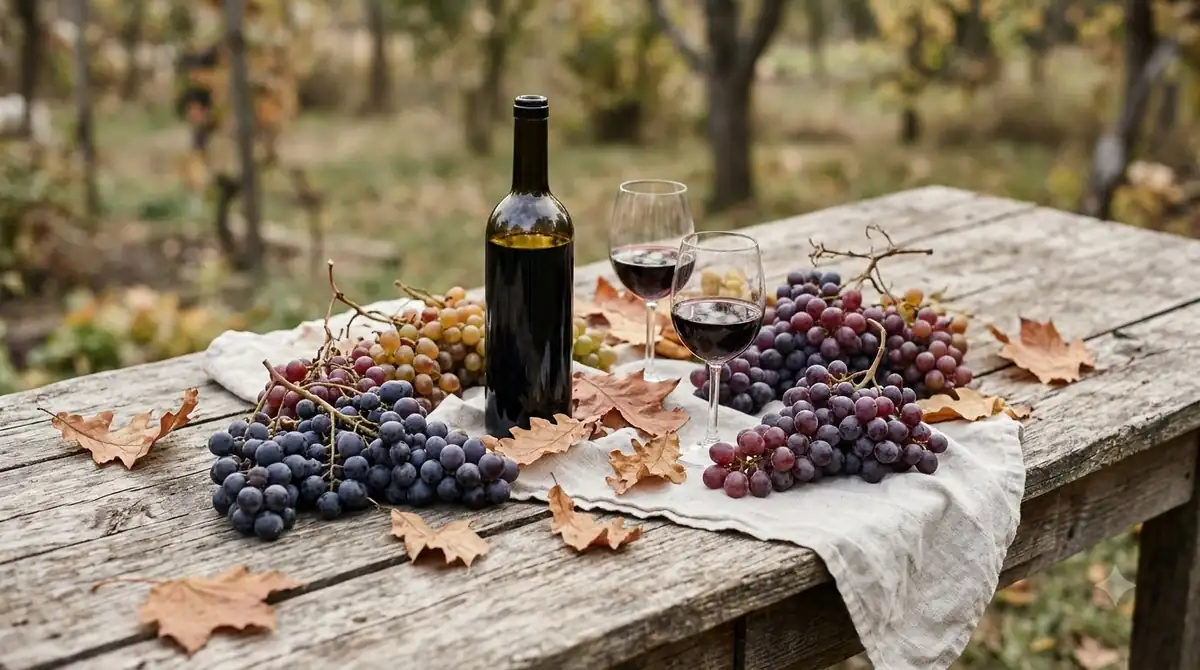
Caucete belongs to the Tulum Valley area, one of the important agricultural and wine-producing parts of the province. Its location makes it possible to combine a festival visit with time in the provincial capital and excursions to nearby wine-growing communities. The distance from San Juan City is short enough for a day trip, although staying overnight can provide more flexibility when the event schedule extends into the evening.
The main venue has a particularly appropriate connection to the celebration: the Municipal Grounds occupy the site of a former winery. This setting reinforces the relationship between the town’s agricultural history and the modern festival. Visitors should distinguish the festival grounds from Cristo Rey Church, where the traditional Blessing of the Fruits takes place as part of the opening ceremonies.
The usual February-to-March timing is a useful starting point for planning, but it should not be treated as a guaranteed annual schedule. Individual editions can have different dates, programs, and arrangements. The official San Juan tourism festival information provides background about the traditional location, ceremonies, and entertainment, while municipal announcements can provide additional details about individual editions.
| Festival detail | Typical information |
|---|---|
| Official name | Fiesta Nacional de la Uva y el Vino |
| Location | Caucete, San Juan, Argentina |
| First edition | 1980 |
| Usual season | February to March |
| Distance from San Juan City | Approximately 35 km |
| Main venue | Municipal Grounds, a former winery |
| Opening tradition | Blessing of the Fruits |
| Main parade | Diagonal de las Reinas |
For international travelers, San Juan City is the practical base for reaching Caucete. The provincial capital has an airport and a bus terminal, and visitors can arrange onward transportation by car or local transport. Allow additional time for reaching the festival grounds during major evening performances, when local traffic and parking demand may increase.
Tip: Plan around the confirmed festival program rather than assuming that every activity happens at the same time each year. In particular, verify the opening ceremony, parade schedule, and evening performances before choosing transportation and accommodation.
Traditional Ceremonies, Parades, and Entertainment
The festival’s traditional ceremonies provide a connection between the grape harvest, local identity, and the community’s agricultural history. Visitors can expect religious symbolism, decorated floats, music, and dance rather than a schedule devoted entirely to wine sampling.
One of the most significant traditions is the Blessing of the Fruits, or Bendición de los Frutos. The ceremony takes place at Cristo Rey Church in Caucete and honors the agricultural produce harvested during the year. It marks the beginning of the festival and expresses gratitude for the work of growers and agricultural communities.
The Diagonal de las Reinas is another recognizable part of the celebration. During this parade, decorated floats travel along the central streets of Caucete, featuring candidates associated with the festival’s traditional queen selection. The procession provides a public display of local identity and gives visitors an opportunity to see the town participating in the celebration beyond the main venue.
The selection of a National Grape and Wine Queen and Vice-Queen has traditionally formed part of the program. Although the format and individual details can change, the ceremony represents a longstanding feature of the festival’s cultural identity.
Music is equally important. The program traditionally features folk groups and tropical music performers from local, provincial, and national scenes. Dance academies also participate, presenting choreography that reflects Argentine popular and regional traditions.
Visitors should expect an energetic public celebration, particularly during the evening. The musical program makes the event accessible to people who may not have extensive knowledge of wine. Families and groups of friends often attend for the performances and social atmosphere as much as for the agricultural theme.
For a more complete experience, consider arriving before the main evening program. This allows time to explore the grounds, visit exhibition areas, discover local food, and understand the festival’s agricultural background before the largest crowds arrive.
Regional Wine Culture and the Grapes of San Juan
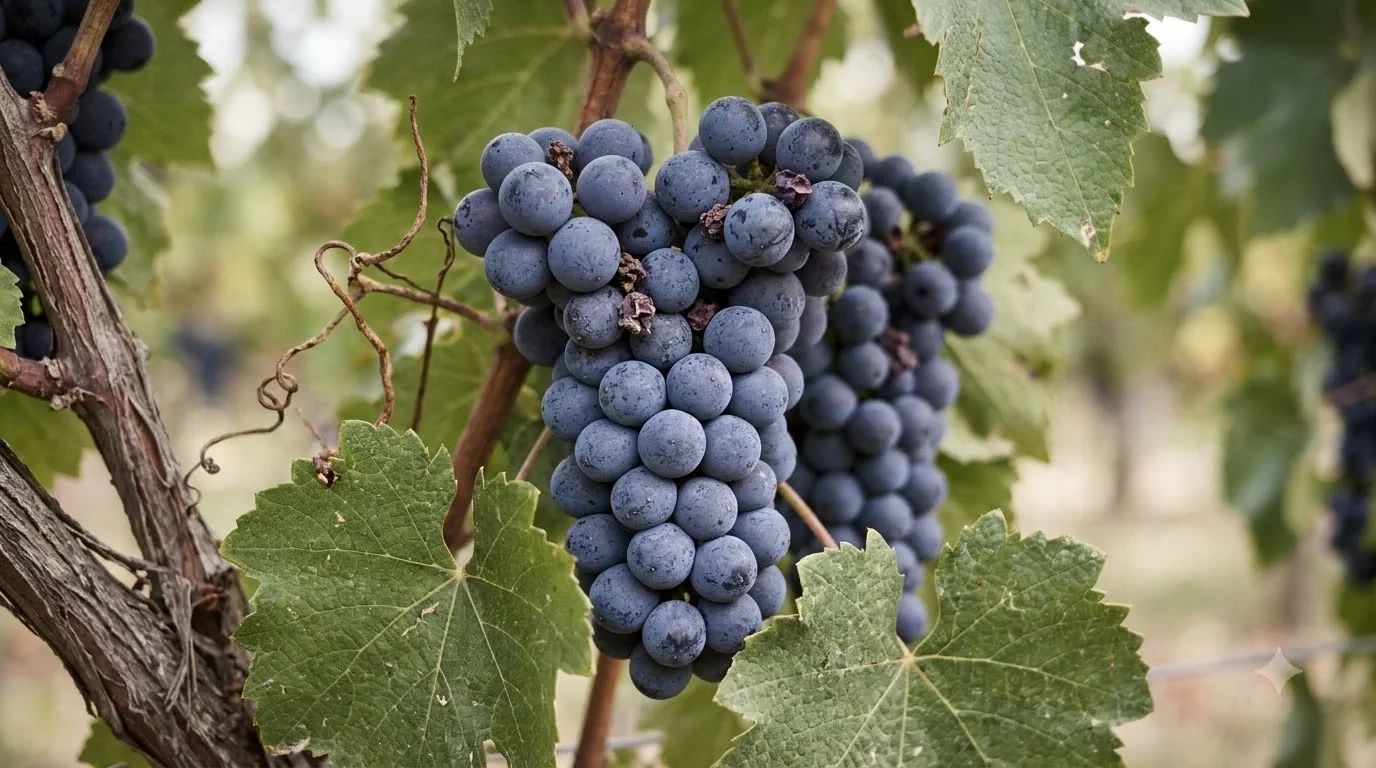
San Juan is Argentina’s second-largest wine-producing province after Mendoza, and its wines provide the agricultural foundation for the celebration. Syrah is especially associated with the province, while Malbec, Bonarda, Cabernet Sauvignon, and several traditional white grapes contribute to its varied wine identity.
The province’s wine-growing tradition developed through the arrival of Spanish and Italian immigrants more than a century ago. Their influence helped establish vineyard cultivation and winemaking practices that became central to the regional economy. Over time, San Juan developed its own wine identity, shaped by its dry climate, abundant sunshine, and varied valley landscapes.
Syrah is the variety most strongly associated with the province. Argentine tourism information describes it through characteristics including black tea, plum, berries, and ground pepper. Depending on the vineyard location and winemaking approach, Syrah can produce deeply colored wines with substantial structure and ripe fruit character.
Malbec is another important grape. Although internationally associated with Mendoza, it also has a significant place in San Juan’s vineyards. Visitors comparing wines from the two provinces may notice differences in fruit expression, structure, and overall style. The particular producer and vineyard conditions matter as much as the grape name.
Bonarda is another red variety worth exploring. It can offer approachable fruit character and a useful contrast with the firmer structure of Syrah. Cabernet Sauvignon is also cultivated, providing an alternative for drinkers who prefer recognizable dark-fruit flavors and more pronounced tannins.
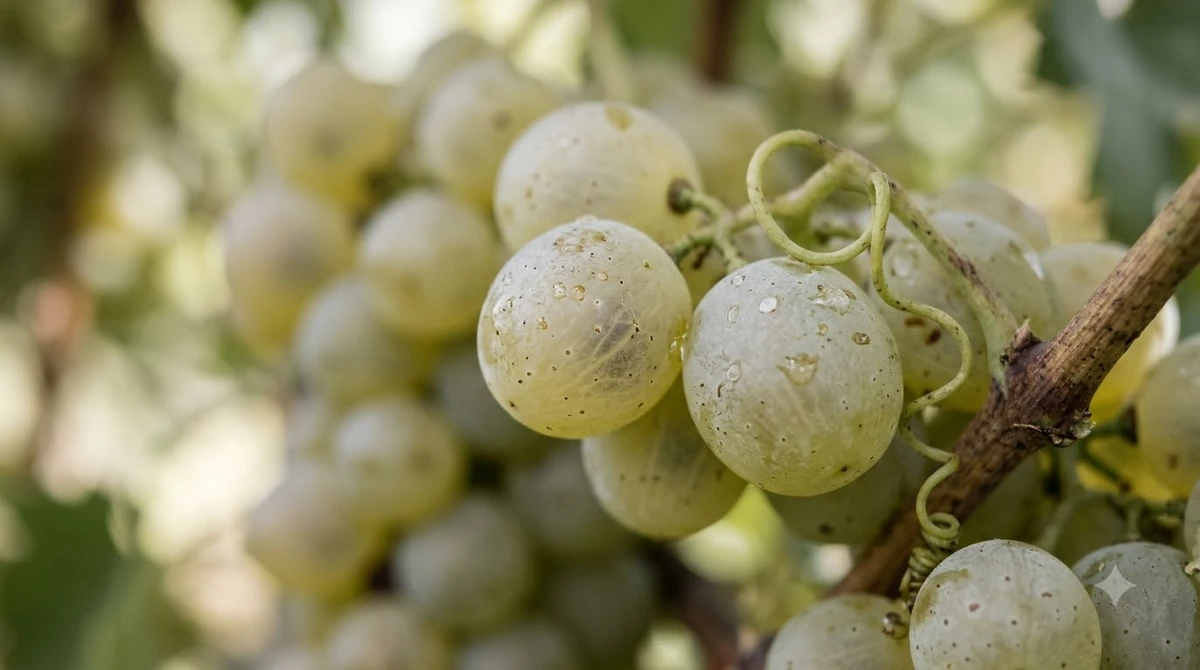
White wine drinkers should look for Torrontés, a distinctive Argentine aromatic grape. Pedro Giménez and Moscatel de Alejandría are also part of the province’s white-grape tradition. These varieties demonstrate that San Juan’s wine production is not limited to powerful red wines.
The province’s vineyards occupy several important valleys, including Tulum, Zonda, and Ullum. Each contributes to the region’s agricultural diversity. The broader province also contains the Pedernal, Calingasta, Iglesia, and Jáchal wine-growing areas.
Understanding these grapes makes festival wine discoveries more interesting. Instead of choosing bottles solely by color or familiar grape names, visitors can ask producers where the grapes were grown, how the wine was fermented, and whether oak aging influenced the final style.
The San Juan Wine Route described by Visit Argentina provides further information about the province’s characteristic grape varieties, wine-growing valleys, and traditional and modern wineries.
Food, Agricultural Exhibitions, and Local Products
Food and agricultural displays are important parts of the festival because the event celebrates more than bottled wine. Regional cheese, traditional dishes, artisan demonstrations, and agricultural businesses help explain the relationship between local production and community life.
One notable regional food is quesillo de cabra, a fresh-style cheese made from goat’s milk. Argentina’s national tourism information specifically identifies this specialty as part of the festival’s food offering. Its mild dairy character makes it an interesting companion to regional wines, especially wines with enough acidity to balance the richness of the cheese.
Wine patero is another traditional product associated with the celebration. The name refers to a rustic style connected with traditional grape processing. Its presence reflects the historical importance of small-scale agricultural production and the ways wine became part of local food culture.
The agroindustrial exhibition gives businesses an opportunity to display their products. For visitors, this is a useful place to learn about the agricultural economy beyond wine itself. The festival’s broader connection to grape growing also extends to table grapes and raisins, which are significant products in San Juan.
Artisan activities contribute another dimension. Demonstrations of vicuña wool spinning have been associated with the artisan fair, showing traditional textile techniques alongside agricultural displays. Such activities provide a contrast to the modern equipment and commercial products found in the exhibition area.
Food stalls and communal dining areas are useful places to try regional specialties. Rather than treating the festival as a formal restaurant experience, approach the food offerings as an opportunity to sample local preparations and discover combinations that reflect the province’s agricultural traditions.
Wine pairing can make these discoveries more rewarding. A fresh goat cheese can work with a lively white wine or sparkling wine. A grilled meat dish can suit a structured Syrah, while less tannic red wines can be easier matches for lighter preparations.
Remember that chili heat becomes more pronounced alongside alcoholic and tannic wines. If a dish is especially spicy, a lower-alcohol wine with refreshing acidity may provide a more comfortable pairing than a powerful red.
Planning a Wine Country Visit Around the Festival
The festival works particularly well as part of a wider visit to San Juan’s wine country. Visitors can combine the Caucete celebration with winery appointments, vineyard tours, and cultural attractions in San Juan City and the surrounding valleys.
The Tulum Valley is a practical starting point because it includes Caucete and several other agricultural communities. Zonda and Ullum provide additional opportunities to explore the province’s wine-growing landscape. These areas feature both established wineries and smaller producers with different approaches to grape growing and winemaking.
Official tourism information describes a mixture of traditional and modern wineries, organic wine producers, and boutique establishments. Some smaller operations offer personal visits where owners or winery representatives introduce their vineyards and explain their production methods.
The provincial wine route also includes guided visits that cover the production process from vineyard to bottle. Visitors can learn about grape cultivation, fermentation, stainless-steel tanks, refrigeration systems, and oak aging. These experiences provide valuable context for understanding why wines from the same grape variety can taste different.
A particularly interesting cultural stop in San Juan City is the Santiago Graffigna Museum. The museum presents the history of a pioneering wine-producing family and provides a historical perspective on the province’s wine industry. It can be a useful addition for travelers who want to understand the people and businesses behind San Juan’s agricultural development.
For visitors interested in planning structured San Juan wine tasting experiences, advance communication with individual wineries is advisable. Not every winery necessarily offers daily walk-in tastings, and smaller producers may require reservations.
The official tourism authority recommends approximately two to four days for exploring the San Juan Wine Route. This is a helpful reference for building an itinerary that includes the festival and several winery visits without making every day overly busy.
For a broader introduction to Argentine wine geography, the Wine Regions section provides useful background on the differences between the country’s major producing areas.
Practical Visitor Advice, Transportation, and Wine Tasting
A successful festival visit requires a little preparation, especially because the main performances traditionally take place in the evening. Plan transportation, accommodation, and winery appointments around the confirmed schedule rather than relying on assumptions about annual programming.
San Juan City is the most convenient accommodation base for many visitors. It offers access to the provincial airport, bus terminal, restaurants, and cultural attractions. Caucete is approximately 35 kilometers away, making the festival accessible as a separate excursion.
Travelers arriving by air can use Domingo Faustino Sarmiento Airport, which serves the provincial capital. Visitors arriving by bus can use the city’s main bus terminal. From either location, onward travel to Caucete can be arranged through local transportation or a rental car.
Driving is useful for visiting multiple wineries, but anyone planning to taste wine should arrange a designated driver or another transportation option. A guided wine tour can be a practical alternative, particularly when visiting several producers in one day.
San Juan’s climate is generally dry, with substantial temperature differences between parts of the day. The official tourism information recommends clothing suitable for changing temperatures and sun protection. Comfortable walking shoes are especially helpful for festival grounds, winery visits, and vineyard tours.
For winery tastings, a useful approach is to begin with lighter wines before moving toward fuller reds. Try Torrontés or another aromatic white, followed by Malbec and then Syrah. This sequence allows the more structured wines to be appreciated without overwhelming the palate early in the tasting.
Serving temperature also influences how wines taste. Sparkling wines generally show best at 40 to 50 F, light whites and rosé at 45 to 50 F, and fuller whites at 50 to 55 F. Light reds benefit from approximately 55 to 60 F, while fuller reds are generally served at 60 to 65 F.
For structured young Syrah, a little air can help soften the initial impression. Decanting a young, full-bodied red for approximately 30 to 60 minutes is a useful general guideline. At a tasting, however, smaller pours and time in the glass can also reveal how the wine develops.
Remember that a standard wine serving is approximately 5 ounces, and a 750-milliliter bottle provides about five standard glasses. This is useful when estimating how much wine to order during a meal or when planning a tasting with several wines.
Wine storage matters if you purchase bottles during the trip. Unopened wine is generally best stored on its side in a cool location near 55 F, away from direct sunlight and temperature fluctuations. For bottles intended as souvenirs, proper packaging and compliance with airline and customs regulations should be considered before traveling home.
Frequently Asked Questions
Is the San Juan Wine Festival the same as the National Sun Festival?
No. The National Grape and Wine Festival takes place in Caucete and focuses on grape growing, wine production, and regional agricultural traditions. The National Sun Festival is a separate major celebration associated with San Juan Province’s wider cultural and artistic identity. The two events have different programs and should not be confused when planning a visit.
What does the name Fiesta Nacional de la Uva y el Vino mean?
The Spanish name translates as National Grape and Wine Festival. The word uva means grape, while vino means wine. The name emphasizes both the agricultural harvest and the finished product, reflecting the importance of grape cultivation to Caucete’s history.
What is wine patero traditionally associated with?
Wine patero is associated with traditional, small-scale winemaking and grape processing. Its name is linked to historical methods of crushing grapes by foot. It represents a rustic element of regional wine culture rather than a specific internationally standardized grape variety.
What is the Zonda wind in San Juan?
The Zonda is a warm, dry wind associated with the eastern slopes of the Andes and western Argentina. It can produce sudden changes in local weather conditions and is part of the environmental identity of San Juan’s wine country. Visitors should be prepared for changing conditions when traveling between vineyards and mountain areas.
Can visitors explore San Juan’s wine country without attending the festival?
Yes. The provincial wine route operates as a separate wine tourism experience, with winery visits and tastings available in different parts of the province. The Tulum, Zonda, and Ullum valleys are useful starting points, and the Santiago Graffigna Museum offers a historical introduction to local winemaking. A visit can therefore be worthwhile even outside the festival season.
The San Juan Wine Festival offers a distinctive introduction to Argentine wine culture through harvest traditions, regional food, music, and community celebrations in Caucete. Combining the event with visits to the Tulum, Zonda, and Ullum valleys makes it possible to understand the wines and agricultural traditions behind the celebration. For travelers interested in discovering Argentina beyond its best-known wine destinations, San Juan provides a rewarding combination of local history, distinctive grapes, and authentic regional experiences.
More in Wine Regions
 Willcox Wine Trail: Discover Arizona’s High-Elevation Wine CountryUpdated Nov 20, 2026
 Yakima Valley Wine Region: Find the Best Styles to TryUpdated Nov 20, 2026
 Vosne Romanee Wine Tasting: Identify Aromas and Choose Better PairingsUpdated Nov 20, 2026
 Yakima Valley Wine Festival: Find the Best Seasonal Wine EventsUpdated Nov 20, 2026
 Wales Vineyards: Discover Cool-Climate Wines and Where to VisitUpdated Nov 20, 2026
 Yountville Wine Festival: Discover Napa Wines and Local FoodUpdated Nov 20, 2026