

We may earn a commission when you buy through links on this page, at no extra cost to you. Learn more.
San Juan wine tasting introduces visitors to Argentina’s distinctive Syrah, expressive Malbec, aromatic Torrontés, and sparkling wines across the province’s Tulum, Zonda, Ullum, Pedernal, and Calingasta valleys. Located in the Cuyo region east of the Andes, San Juan is Argentina’s second-largest wine-producing province after Mendoza. Its sunny, dry climate, mountain-influenced vineyards, and varied elevations give local wines recognizable fruit concentration and regional character. Visitors can explore traditional family wineries, modern tasting rooms, and smaller producers while discovering a wine culture shaped by Spanish and Italian immigration.
San Juan deserves a place on an Argentine wine itinerary, particularly for travelers interested in varieties beyond the country’s internationally familiar Malbec. Syrah is the province’s signature red grape, but its vineyards also produce Cabernet Sauvignon, Bonarda, Torrontés, and several other varieties. A good visit combines guided tastings with vineyard walks, regional cooking, and time to understand how different valleys influence the wines in the glass. Whether you have one afternoon or several days, knowing where to go and what to taste makes the experience more rewarding.
Why San Juan Is an Important Argentine Wine Destination
San Juan is Argentina’s second-largest wine-producing province, and its importance extends beyond the volume of wine made here. Its dry climate, intense sunshine, and diverse growing environments support a broad selection of grapes, while its established winemaking tradition gives visitors access to both historic and contemporary producers.

The province lies in western Argentina, within the Cuyo region, east of the Andes Mountains. Mendoza is its better-known neighbor, but San Juan has developed a distinctive identity through its signature Syrah, warm-climate reds, aromatic whites, and sparkling wines. The vineyards are distributed across several valleys rather than concentrated in one small destination. This geographic variety makes a tasting itinerary particularly interesting because wines from different districts can show noticeably different expressions.
San Juan’s viticultural history developed through Spanish and Italian immigration. Generations of growers established vineyards and winemaking businesses suited to the province’s arid environment. That heritage remains visible in traditional agricultural districts, family-operated wineries, and the historic buildings and equipment preserved by local wine institutions. Modern producers have added contemporary winemaking facilities and smaller-scale projects that emphasize individual vineyard sites.
The climate is one of the defining elements of the region. Sunny days support grape ripening, while cooler nighttime conditions in many vineyard locations help preserve freshness. Rainfall is relatively limited, and irrigation is an important part of vineyard management. The Zonda, a warm and dry regional wind, is another characteristic feature of the local environment. These conditions influence how growers manage their vines and when they harvest.
Elevation also contributes to San Juan’s diversity. Wines of Argentina identifies vineyard elevations ranging from approximately 1,805 to 6,562 feet across the province. Lower and warmer locations can produce generous fruit flavors and fuller-bodied reds, while higher sites can offer a different balance of freshness, acidity, and aromatic intensity. Soil composition varies as well, although alluvial deposits containing different proportions of sand and clay are common.
Travelers interested in understanding the wider Argentine wine landscape can also explore our guide to Wine Regions. San Juan provides an especially useful comparison with Mendoza because it demonstrates how neighboring provinces can produce different expressions of familiar grapes. For additional regional background, Wines of Argentina’s San Juan regional profile describes the province’s vineyard geography, growing conditions, and predominant varieties.
For visitors, the principal attraction is the opportunity to experience this diversity directly. A tasting might begin with a fresh white wine, move to a fruit-forward Malbec, and finish with a structured Syrah or a sparkling wine. Guided visits also explain irrigation, vineyard conditions, fermentation, and maturation, connecting the landscape to the finished wine.
The Best San Juan Wine Valleys to Explore
San Juan’s wine route includes several valleys with different landscapes, elevations, and winery experiences. Tulum, Zonda, and Ullum are convenient starting points near the provincial capital, while Pedernal and Calingasta offer more mountain-oriented wine destinations.
The Tulum Valley is an important center of provincial viticulture. Its wine-growing districts include Albardón, Caucete, San Martín, Angaco, Pocito, and Sarmiento, among others. The valley is particularly useful for visitors who want to explore multiple producers without immediately traveling into more remote mountain areas. Traditional wineries, larger operations, and contemporary tasting facilities all contribute to its appeal.
Several recognizable wineries are associated with Tulum, including Viñas de Segisa, Marale Wines, Las Marianas, Callia, El Milagro, and Bodega Argus. These names provide useful starting points when researching a visit, although tasting availability, opening hours, and tour arrangements should be confirmed individually before traveling.
Zonda and Ullum offer a different setting, with mountain scenery and vineyards that make the landscape an important part of the tasting experience. Apotema and Finca Sierras Azules are among the producers associated with this area. Visitors can combine a winery appointment with time exploring the surrounding countryside, making this a good option for travelers who want more than a succession of tasting rooms.
Pedernal Valley is particularly interesting for visitors seeking higher-altitude wines. According to Argentina’s official tourism information, vineyards in this valley sit approximately 3,609 to 4,921 feet above sea level. The valley lies nearly 100 kilometers south of San Juan city and is associated with producers such as Pyros Wines, Guarida del Malbec, and Graffigna Yanzón.
Its elevation and mountain environment make Pedernal a worthwhile destination for comparing the structure and aromatic character of wines from different vineyard locations. A tasting here can provide useful context for understanding why altitude, sunlight, temperature variation, and soil all matter to wine style.
Calingasta adds another dimension to the province’s wine route. Set against the Andes and their foothills, the area includes producers such as Entre Tapias, Bodega del Carmen, Los Dragones, 35.Cinco, and Alta Bonanza de los Andes. It is a particularly appealing choice for travelers who want to connect wine with a broader mountain itinerary.
These valleys are not interchangeable stops. A practical plan should consider driving distances, appointment availability, and the type of wines you most want to explore. The official San Juan wine region overview is a useful companion when deciding which growing areas deserve the most time.
| Wine area | Notable producers | Main attraction | Best for |
|---|---|---|---|
| Tulum Valley | Viñas de Segisa, Callia, Marale Wines | Established wine-growing districts and varied winery styles | First-time visitors and multiple tastings |
| Ullum-Zonda | Apotema, Finca Sierras Azules | Mountain surroundings and boutique producers | Scenic winery visits |
| Pedernal Valley | Pyros Wines, Guarida del Malbec | Vineyards at approximately 3,609–4,921 feet | Higher-altitude wine comparisons |
| Calingasta | Entre Tapias, Bodega del Carmen, Los Dragones | Andean landscapes and distinctive vineyard settings | Wine and mountain itineraries |
Which Grapes and Wines to Taste in San Juan
Syrah should be at the top of any San Juan tasting list, but the province offers considerably more than one signature red. Malbec, Cabernet Sauvignon, Bonarda, and Torrontés provide useful comparisons, while sparkling wines and traditional white varieties broaden the experience.
Syrah: The Signature Variety
Syrah is the grape most closely associated with San Juan’s wine identity. It is particularly important for visitors who already know Argentine Malbec and want to discover another major expression of the country’s wine culture.
San Juan Syrah can show concentrated dark-fruit character, including plum and berry flavors, alongside black tea and ground pepper. These are characteristic tasting notes highlighted by Argentina’s official tourism information. Depending on the producer and winemaking choices, the wine may also reveal savory nuances, firm structure, and a fuller texture.
Its tannins are an important part of the experience. Syrah generally has medium-plus to high tannin, giving it more grip than softer reds such as many Merlots. The grape’s structure makes it a natural partner for grilled meats and other substantial dishes. Visitors should try at least two different examples if possible, particularly wines from different vineyard locations.
Malbec: A Familiar Grape with Regional Character
Malbec is another important variety to include. Argentine Malbec is widely recognized for its dark fruit, rounded texture, and approachable style, but San Juan’s warm conditions and diverse vineyard elevations create their own interpretations.
Look for ripe plum, blackberry, and dark cherry flavors. Some wines may show spice or oak-derived notes, depending on maturation. Compared with Syrah, Malbec often has medium to medium-plus tannin and can feel softer and more rounded, although structure varies considerably between bottles.
Tasting Malbec beside Syrah is one of the most useful ways to understand the province’s red-wine identity. Both can be full-flavored, but their aromatic profiles and tannin structures create different drinking experiences.
Cabernet Sauvignon and Bonarda
Cabernet Sauvignon offers another perspective on San Juan’s red wines. Its higher tannin level, darker fruit, and possible herbal or peppery characteristics make it a useful comparison with Syrah. It is particularly interesting when paired with grilled beef or slow-cooked dishes.
Bonarda also deserves attention. It is an important Argentine red variety and has a significant presence in San Juan’s vineyard landscape. Depending on its style, it can deliver approachable red-fruit character, generous flavor, and moderate structure. It provides an alternative for visitors who prefer a less forceful red than a heavily structured Cabernet Sauvignon.
Torrontés and Other White Wines
Torrontés is an aromatic white grape that adds variety to a San Juan tasting. Expect floral aromas and expressive fruit, with citrus and other fresh-fruit notes contributing to its character. The grape is closely associated with Argentine wine culture and offers a contrasting experience after several powerful reds.
Other white varieties grown in the province include Pedro Giménez, Chardonnay, and Moscatel de Alejandría. Their styles can vary, so visitors should ask about the winemaking approach rather than assuming every white wine will have the same texture or acidity.
Sparkling Wines
San Juan also produces sparkling wines, including organic examples. These are especially useful for beginning a tasting or accompanying lighter regional dishes. Ask whether a producer offers a traditional-method sparkling wine or another production style, since fermentation methods influence texture and flavor.
For a broad tasting, a useful sequence is sparkling wine, Torrontés, Malbec, Bonarda, Cabernet Sauvignon, and Syrah. This progression moves from lighter and more refreshing styles toward wines with greater body and tannin.
Wineries, Tasting Rooms, and Cultural Experiences
The San Juan wine route combines traditional wineries, modern production facilities, and smaller boutique businesses. Visitors can learn about vineyard management and winemaking while tasting wines that reflect different parts of the province.

The official provincial wine-route information describes wineries that use both artisanal techniques and modern production technology. Depending on the establishment, a guided visit may include vineyard walks, explanations of grape varieties, fermentation facilities, stainless-steel tanks, oak barrels, and a seated tasting. Some boutique operations offer a more personal introduction, with owners or winery staff explaining the decisions behind individual wines.
Exploring the Tulum Valley
Tulum is a sensible starting point for visitors based in San Juan city. Its established winery network provides opportunities to explore several different producers without making every tasting an extensive mountain excursion.
Viñas de Segisa, Marale Wines, Las Marianas, Callia, El Milagro, and Bodega Argus are among the wineries associated with the valley. Research each producer’s visitor arrangements before selecting stops. Some wineries may require advance reservations, while others may offer different types of tours depending on the day.
Rather than trying to visit every available winery, choose two or three establishments with contrasting wine styles. For example, a visit focused on Syrah and Malbec can be paired with a producer offering sparkling wine or aromatic whites. This creates a more informative experience than tasting several similar wines in quick succession.
Discovering Ullum and Zonda
Apotema and Finca Sierras Azules are useful names to investigate when planning a visit to the Ullum-Zonda area. The surrounding mountain scenery provides an appealing backdrop, and the smaller-scale winery experience can offer opportunities to discuss vineyard locations and production decisions in greater detail.
These visits are particularly suitable for travelers interested in learning about how local growing conditions affect the final wine. Ask about vineyard elevation, irrigation, grape selection, harvest timing, and the use of oak. Even a short conversation about these subjects can make a tasting more informative.
Visiting the Santiago Graffigna Museum
Wine tourism in San Juan is not limited to active vineyards. The Santiago Graffigna Museum in the provincial capital offers historical context through the story of a pioneering local winemaking family.
The museum’s exhibits include historic agricultural implements and enormous old oak barrels. This makes it an especially worthwhile stop for travelers who want to understand how wine production developed in the province before visiting modern facilities.
Combining the museum with a winery appointment is a practical way to balance cultural history and contemporary wine. It also provides a better understanding of how immigrant traditions, agricultural experience, and changing technology have shaped the local industry.
Tip: Arrange winery appointments before traveling, especially for smaller producers in Pedernal and Calingasta. Confirm the tour language, tasting format, available wines, transportation arrangements, and whether food is included. Do not assume that every winery accepts walk-in visitors.
Planning a San Juan Wine-Tasting Trip
Two to four days is a useful starting point for exploring San Juan’s wine route, although travelers who want to visit several distant valleys should allow additional time. The provincial capital provides a practical base for beginning with nearby wineries and then organizing longer excursions.
Domingo Faustino Sarmiento Airport serves the city of San Juan, making air travel a straightforward arrival option for visitors coming from elsewhere in Argentina. Long-distance buses also connect the city with other Argentine destinations, and private vehicles offer flexibility for exploring the different valleys.
For a shorter itinerary, concentrate on Tulum, Zonda, and Ullum. These areas provide a good introduction to San Juan’s wine styles and winery experiences without requiring a complicated route through the province. A two-day schedule could include one day of Tulum tastings and another focused on Ullum-Zonda and the city’s cultural attractions.
Travelers with three or four days can consider a longer excursion to Pedernal. Its higher vineyards offer a different perspective on San Juan’s wine production, particularly for those interested in Syrah and Malbec. Calingasta can be added to a longer itinerary, although its mountain setting means that driving time and accommodation arrangements deserve careful attention.
Spring and fall are attractive periods for exploring the vineyards because temperatures are generally more comfortable for outdoor activities than during the hottest part of summer. Harvest timing varies with grape variety, vineyard elevation, and seasonal weather, so visitors interested in seeing harvest activity should contact wineries directly before setting dates.
San Juan has considerable temperature variation, so clothing layers are practical throughout the year. Bring comfortable walking shoes, sunglasses, a hat, and sunscreen. Warm clothing is also useful for cooler evenings and higher-elevation excursions.
Transportation requires particular attention. Wine tastings often involve several pours, so driving between wineries after drinking is not a suitable plan. Arrange a designated driver, private transfer, organized wine tour, or another safe transportation option before starting the day. This also allows visitors to concentrate on the tasting rather than worrying about the next journey.
When scheduling appointments, allow enough time to appreciate each producer’s wines. A guided winery visit may involve much more than the tasting itself, including a walk through the vineyards, a tour of production areas, and a discussion of regional grape varieties. Rushing between several appointments can make the day less enjoyable and reduce the opportunity to ask questions.
Visitors interested in combining wine with other regional attractions can also consider the province’s olive-growing heritage, outdoor activities, and cultural sites. The official tourism information highlights the Ischigualasto Provincial Park, the Jáchal River, and El Leoncito National Park among the wider attractions. These excursions are better planned as separate activities rather than squeezed into a busy winery day.
For practical travel information, the official Visit Argentina guide to the San Juan wine route recommends two to four days for exploring the principal wine centers and provides guidance on transportation, climate, and clothing.
Food Pairings and Tasting Tips for San Juan Wines
Regional food makes San Juan wine tasting more complete, particularly because the province’s reds are well suited to substantial dishes. Grilled meats, roasted vegetables, local cheeses, and savory regional cooking provide useful pairing opportunities.
Syrah is a natural choice for grilled beef, lamb, and richly seasoned meat dishes. Its dark-fruit flavors and firm tannins complement the savory character of grilled food. Salt and fat also soften the perception of tannin, helping a structured red feel more balanced alongside a substantial meal.
Malbec works well with grilled beef, empanadas filled with meat, roasted vegetables, and aged cheeses. Its fruit-forward profile and generally softer tannin structure make it versatile at the table. Bonarda is another good option for meat-filled pastries, grilled sausages, and dishes with moderate seasoning.
Cabernet Sauvignon can accompany richer cuts of beef and slow-cooked meat. Its higher tannin level benefits from the fat and protein in these foods. For lighter meals, however, a softer red or white wine may provide a more comfortable match.
Torrontés is an excellent partner for empanadas, vegetable dishes, seafood, and aromatic foods. Its expressive fragrance works particularly well with ingredients that include herbs, citrus, or mild spices. Sparkling wines can accompany appetizers, cheeses, and fried foods because their bubbles and acidity provide a refreshing contrast.
Pay attention to the intensity of the food as well as its ingredients. A full-bodied Syrah can overwhelm a delicate fish dish, while a light white may disappear beside a heavily seasoned beef preparation. Chili heat also tends to feel stronger with wines that have substantial alcohol and tannin. For spicy dishes, a fresher white or a slightly off-dry wine can be a better choice.
Serving Temperatures and Tasting Order
Serving temperature affects how a wine’s aromas, acidity, alcohol, and tannins are perceived. Full-bodied reds should not be served excessively warm, and whites benefit from enough chilling to preserve their freshness without suppressing their aromas.
| Wine style | Recommended temperature | Useful food pairing |
|---|---|---|
| Syrah | 60–65°F | Grilled beef, lamb, roasted meats |
| Malbec | 60–65°F | Beef empanadas, grilled vegetables |
| Cabernet Sauvignon | 60–65°F | Rich meat dishes, aged cheese |
| Bonarda | 55–60°F | Roasted chicken, sausages, meat pastries |
| Torrontés | 45–50°F | Seafood, empanadas, fresh cheeses |
| Chardonnay | 50–55°F | Roasted poultry, creamy dishes |
| Sparkling wine | 40–50°F | Appetizers, fried foods, soft cheeses |
During a tasting, begin with sparkling wines and lighter whites before moving to fuller whites and reds. Within the red category, start with softer styles and finish with more tannic wines such as structured Syrah and Cabernet Sauvignon. This order helps preserve your ability to recognize differences in aroma and texture.
Take a moment to observe each wine’s appearance before smelling it. Swirl the glass gently, identify the main fruit aromas, and then taste a small amount. Consider whether the wine feels light or full-bodied, whether its acidity is refreshing, and how strongly the tannins affect your mouth.
For a standard tasting, small pours are more useful than full restaurant servings. A typical wine serving is approximately 5 ounces, and a 750-milliliter bottle provides about five standard glasses. During a multi-winery visit, tasting portions should remain manageable so you can compare wines carefully without rushing.
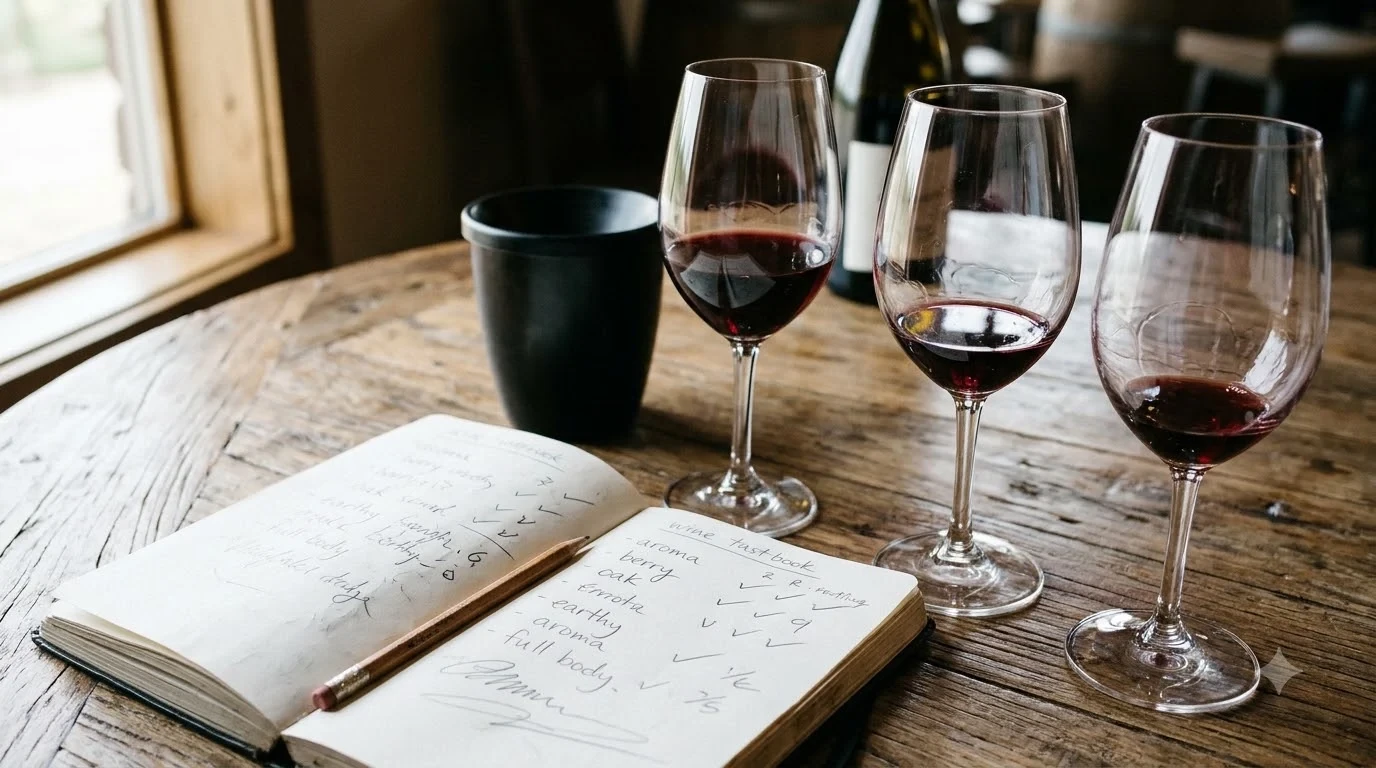
Keep brief notes about the producer, grape variety, valley, and characteristics you notice. This is particularly helpful when comparing Syrah from different locations or deciding which Malbec style you prefer. If a wine has an unfamiliar flavor, ask the winery staff about its grape source, fermentation, maturation, and intended drinking style.
Frequently Asked Questions
Is San Juan better known for wine or olive oil?
San Juan is an important destination for both wine and olive production. Its agricultural identity includes vineyards, table grapes, raisins, and olive-growing businesses. Visitors can combine the Wine Route with the provincial Olive Route to discover how these agricultural traditions developed alongside one another.
What is the Zonda wind, and why does it matter to vineyards?
The Zonda is a warm, dry wind associated with the eastern slopes of the Andes in western Argentina. It can influence vineyard temperatures and increase the need for careful vineyard management. Its regional importance is reflected in San Juan’s wine-tourism descriptions and local agricultural identity.
Can visitors buy wine directly from San Juan wineries?
Many wineries have visitor-oriented facilities or arrangements that may include opportunities to purchase their wines. Availability depends on the producer and its visitor services. Ask about direct sales, shipping options, and packaging before making a purchase, particularly if you are traveling internationally.
What is the difference between a winery tour and a wine tasting?
A winery tour usually includes an explanation of production, equipment, and sometimes vineyard management, while a tasting concentrates on sampling and discussing the wines. Some San Juan establishments combine both activities in one appointment. Others may offer a shorter tasting without access to the production areas, so confirm the format when booking.
Can San Juan wines be found outside Argentina?
Some San Juan producers export their wines to international markets, although availability varies by producer, importer, and country. Specialty Argentine wine retailers and importers are useful places to investigate. Asking for the producer’s full name and grape variety makes it easier to locate a particular bottle abroad.
San Juan offers a rewarding wine experience for travelers interested in distinctive Argentine varieties, especially its expressive Syrah, regional Malbec, and aromatic Torrontés. Begin with the accessible wineries around Tulum, Zonda, and Ullum, then allow additional time for the higher vineyards of Pedernal or the mountain scenery of Calingasta. With advance reservations, thoughtful transportation arrangements, and a little curiosity about local food and winemaking traditions, a San Juan wine itinerary can become one of the most memorable parts of a visit to western Argentina.
More in Wine Regions
 Willcox Wine Trail: Discover Arizona’s High-Elevation Wine CountryUpdated Nov 20, 2026
 Yakima Valley Wine Region: Find the Best Styles to TryUpdated Nov 20, 2026
 Vosne Romanee Wine Tasting: Identify Aromas and Choose Better PairingsUpdated Nov 20, 2026
 Yakima Valley Wine Festival: Find the Best Seasonal Wine EventsUpdated Nov 20, 2026
 Wales Vineyards: Discover Cool-Climate Wines and Where to VisitUpdated Nov 20, 2026
 Yountville Wine Festival: Discover Napa Wines and Local FoodUpdated Nov 20, 2026