

We may earn a commission when you buy through links on this page, at no extra cost to you. Learn more.
The saint estephe wine region is a northern Médoc appellation in Bordeaux, France, known for powerful, structured red wines made primarily from Cabernet Sauvignon and Merlot. Its vineyards grow on a distinctive combination of gravel, clay, sand, and limestone near the Gironde Estuary. The resulting wines combine dark-fruit flavors, substantial tannins, and excellent aging potential, making Saint-Estèphe an important destination for anyone exploring classic Left Bank Bordeaux.
Saint-Estèphe occupies an interesting position among Bordeaux’s celebrated red wine appellations. It has the prestige of historic classified estates, the diversity of smaller independent producers, and a distinctive terroir that gives its wines considerable character. Understanding its geography, grape varieties, and winemaking traditions makes it easier to recognize what separates these bottles from neighboring Médoc wines and how to choose the right one for your table or cellar.
Where Saint-Estèphe Sits in the Médoc
Saint-Estèphe is a communal wine appellation in the northern Médoc, on Bordeaux’s Left Bank. Its position near the Gironde Estuary and approximately 50 kilometers north of Bordeaux gives it a maritime influence that helps shape the growing season and the character of its Cabernet Sauvignon-based reds.
The appellation takes its name from the village of Saint-Estèphe in the Gironde department. It is the northernmost of the four major prestigious communal appellations commonly discussed together in the Médoc: Margaux, Saint-Julien, Pauillac, and Saint-Estèphe. Its vineyards occupy a substantial area along the estuary, with INAO identifying approximately 1,250 hectares under the appellation.
Saint-Estèphe received official recognition as an appellation in 1936. Its geographical boundaries are important because the AOC designation is reserved for qualifying wines produced from designated vineyard parcels within the permitted area. The appellation is specifically for still red wine rather than a general designation for every wine produced in the surrounding countryside.
The nearby estuary is one of the region’s defining geographical features. Water moderates temperature fluctuations, while Atlantic influences bring maritime conditions and regular breezes. These influences matter during both flowering and grape ripening, particularly in a region where Cabernet Sauvignon needs sufficient time and favorable weather to reach maturity.
Saint-Estèphe is also part of a larger network of wine-growing communities that have made Bordeaux famous. To understand how its location affects its wine style, it helps to compare it with the Saint-Julien wine region, which lies farther south and is also known for Cabernet Sauvignon-led blends. The two appellations share Bordeaux’s traditional blending culture but express their individual vineyard conditions differently.
For visitors, Saint-Estèphe offers a combination of vineyard landscapes, historic château architecture, and smaller wine estates. Its proximity to the Gironde makes the geography especially interesting: the vineyards are not simply a collection of uniform gravel plots but a patchwork of elevations, soil types, and exposures.
Gravel, Clay, and Limestone Shape the Terroir
Saint-Estèphe’s distinctive wine character begins with its varied soils. Gravel provides drainage and warmth, while clay and limestone contribute water regulation and freshness, creating different growing conditions across the appellation’s vineyard parcels.
The gravel deposits are associated with ancient geological activity. Over long periods, rivers carried stones and sediment from distant areas and deposited them across the Médoc. These deposits include small rounded pebbles, white quartz, sand, and other mineral materials. Their depth and composition vary from one vineyard to another.
Gravel is particularly important for Cabernet Sauvignon. Its natural drainage encourages vines to develop deep root systems, while the stones can absorb and release warmth. These conditions can support the long ripening period needed by this late-maturing variety. Cabernet Sauvignon planted on suitable gravelly sites often provides the structure and tannin that make Saint-Estèphe wines suitable for extended cellaring.
Clay-rich soils offer a different set of advantages. They retain more water than gravel and can help vines maintain a more consistent supply during dry periods. Clay-limestone combinations are especially relevant for Merlot, which generally ripens earlier than Cabernet Sauvignon and performs well in these conditions.
Limestone also plays a role in the region’s geological diversity. The proportions of limestone, clay, gravel, and sand vary between parcels, so two vineyards situated relatively close to each other can produce grapes with different ripening patterns and structural characteristics.
The influence of terroir is not limited to soil composition. Slope, elevation, drainage, sunlight exposure, and proximity to the estuary all contribute to vineyard conditions. A gently elevated gravel site can behave differently from a lower clay-rich parcel, even when both experience the same regional weather.
This variation helps explain why Saint-Estèphe cannot be reduced to one rigid wine style. Some producers emphasize Cabernet Sauvignon and firm tannins, while others use a greater proportion of Merlot to create a rounder expression. The individual vineyard and the winemaker’s blending decisions both matter.
Tip: When comparing two Saint-Estèphe wines, look beyond the appellation name. Information about the estate’s vineyard soils, grape proportions, and aging methods can explain why one wine feels more structured while another is softer and more approachable.
The Six Permitted Grape Varieties
Saint-Estèphe wines are blends of permitted red Bordeaux varieties, led by Cabernet Sauvignon and Merlot. Cabernet Sauvignon provides structure and longevity, while Merlot adds fruit and roundness; smaller quantities of Cabernet Franc, Petit Verdot, Côt, and Carmenère provide additional blending options.
The principal grape varieties are distributed unevenly across the vineyard area. According to the Maison du Vin de Saint-Estèphe, Cabernet Sauvignon accounts for approximately 49.35% of plantings, while Merlot represents around 43.20%. Cabernet Franc and Petit Verdot make up much smaller proportions.
| Grape variety | Approximate vineyard share | Area or role |
|---|---|---|
| Cabernet Sauvignon | 49.35% | 617 hectares; structure and aging potential |
| Merlot | 43.20% | 540 hectares; roundness and fruit |
| Cabernet Franc | 4.00% | 50 hectares; freshness and aromatic complexity |
| Petit Verdot | 3.20% | 40 hectares; color and tannic intensity |
| Côt (Malbec) | Minor quantity | Approximately 2.5 hectares; color and fruit |
| Carmenère | Minor quantity | Approximately 0.5 hectares; spice and tannin |
The percentages and vineyard areas are published by the Maison du Vin de Saint-Estèphe. Small differences in reported totals can occur because of rounding and the way minor varieties are presented.
Cabernet Sauvignon
Cabernet Sauvignon is the leading variety and one of the main reasons Saint-Estèphe wines have their characteristic structure. It contributes concentrated blackcurrant, blackberry, and other dark-fruit flavors, alongside substantial tannins and the capacity to develop complexity in the bottle.
Its relatively late ripening makes vineyard conditions especially important. Deep gravel sites are useful because they provide drainage and can retain warmth, helping the grapes reach suitable maturity. In a blend, Cabernet Sauvignon often forms the structural foundation around which the other varieties are arranged.
Merlot
Merlot is nearly as important as Cabernet Sauvignon in the local vineyard landscape. It ripens earlier and adapts well to clay and clay-limestone soils, where moisture retention can support consistent vine development.
Its role is to soften and broaden the blend. Expect flavors associated with ripe red fruit, plum, and sometimes fig, together with a rounder texture than a Cabernet-dominant wine might display. Merlot also helps make some Saint-Estèphe wines enjoyable at a younger age.
The Supporting Varieties
Cabernet Franc adds freshness, aromatic detail, and relatively elegant tannins. Its characteristic fruit and floral notes can include raspberry and violet, making it a useful partner for the two dominant grapes.
Petit Verdot is generally used in smaller proportions. It contributes deep color, concentrated dark fruit, aromatic intensity, and additional tannic structure. Côt, better known as Malbec, and Carmenère are permitted but occupy very small areas of the appellation.
There is no single mandatory blend percentage that defines every Saint-Estèphe wine. Producers make decisions based on vineyard conditions, the quality of each parcel, and the style they want to achieve. This flexibility is one reason bottles from different estates can have noticeably different personalities.
What Saint-Estèphe Wine Tastes Like
Saint-Estèphe is best known for full-bodied red wine with dark-fruit flavors, firm tannins, and a substantial finish. Cabernet Sauvignon contributes much of its structure, while Merlot brings a rounder texture and helps balance the wine’s intensity.
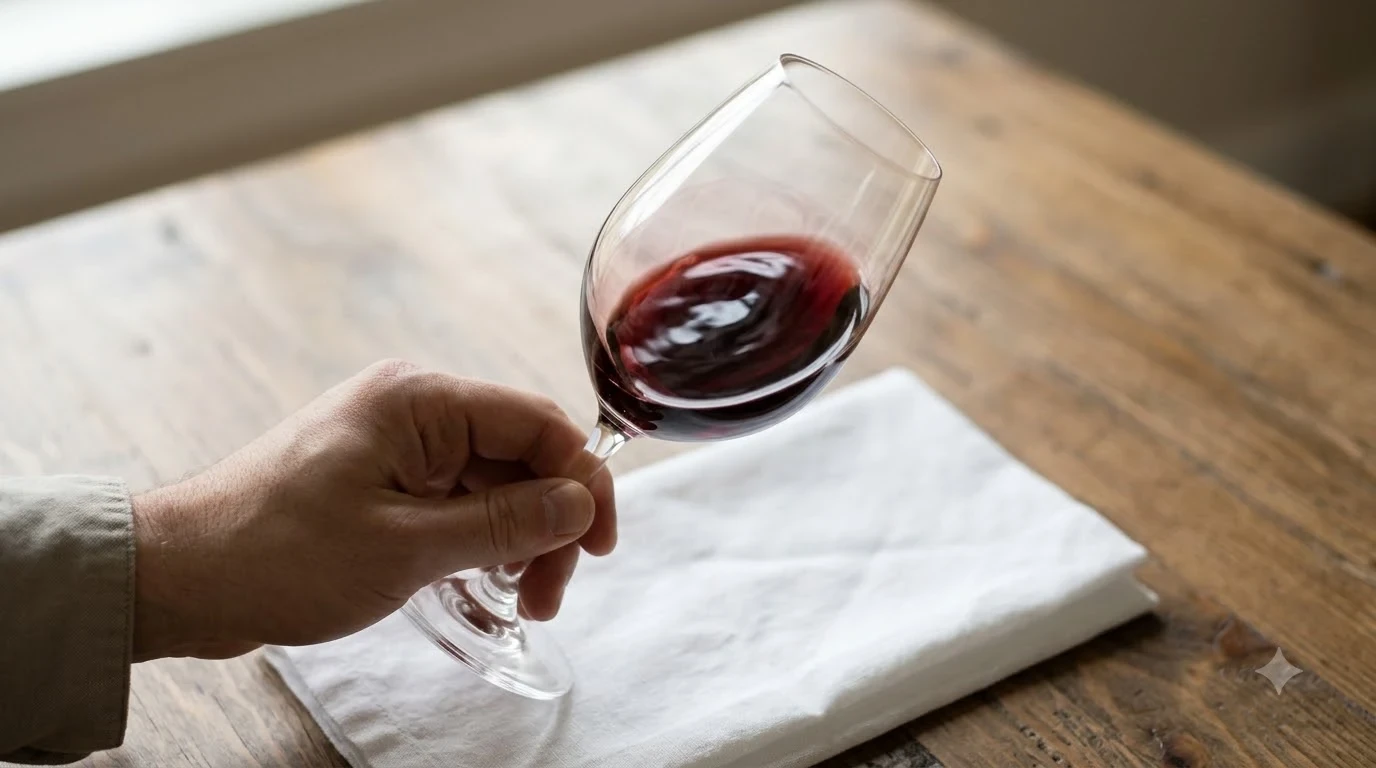
Blackcurrant and blackberry are characteristic fruit aromas. Depending on the producer, vintage, and maturation method, other notes can include plum, violet, licorice, vanilla, mocha, and baking spices. Some wines have a distinctly savory character, with earthy or mineral impressions accompanying the fruit.
The tannins are an important part of the appellation’s identity. Cabernet Sauvignon naturally has high tannin, and its significant presence in Saint-Estèphe often produces wines that feel firm and concentrated when young. These tannins give the wine structure, but they can also make an early bottle seem less approachable than a softer Merlot-based red.
Acidity provides another component of balance. Saint-Estèphe is not simply about concentration and tannin. Good examples combine ripe fruit, freshness, and structural firmness, allowing the wine to develop without feeling excessively heavy.
Oak aging can influence the final profile. Depending on the estate’s approach, barrel maturation may introduce notes of vanilla, toast, cedar, and spice. The amount of new oak and the length of maturation vary, so these characteristics should not be assumed to be identical across all producers.
Young wines often emphasize black fruit and assertive tannins. With bottle age, the primary fruit can become more integrated, while secondary and tertiary aromas develop. Cedar, tobacco, earth, dried fruit, and savory nuances may become more noticeable as the wine matures.
There is also meaningful variation between vintages. Weather conditions influence flowering, fruit development, and the timing of harvest. A warm growing season may encourage fuller fruit and softer impressions of tannin, while cooler conditions can emphasize freshness and a more restrained expression.
For drinkers who prefer lighter reds, Saint-Estèphe may initially feel powerful. Those who enjoy Cabernet Sauvignon from Bordeaux, however, often appreciate its combination of dark fruit, firm structure, and ability to develop additional complexity over time. For further regional context, Decanter’s Saint-Estèphe regional profile examines the appellation’s leading estates, vineyard conditions, and differences between producers.
Historic Châteaux and the 1855 Classification
Saint-Estèphe has five estates included in the historic 1855 Bordeaux classification. These classified properties are important reference points, but the appellation also contains Crus Bourgeois, Crus Artisans, and independent producers whose wines offer a wider range of styles.
The five classified growths are:
- Château Cos d’Estournel: A Second Growth with a distinctive architectural identity and an important place in the appellation’s history.
- Château Montrose: A Second Growth particularly associated with structured, Cabernet Sauvignon-led wines.
- Château Calon-Ségur: A Third Growth with a long historical association with the Saint-Estèphe village.
- Château Lafon-Rochet: A Fourth Growth known for its position among the appellation’s established classified estates.
- Château Cos Labory: A Fifth Growth included in the original classification.
The classification dates from 1855 and was originally created for the Paris Exposition. It ranked selected Bordeaux estates according to their historical reputation and commercial standing at that time. It remains an influential part of Bordeaux wine culture, although it does not represent a complete ranking of every good producer in the region.
Other Important Producers
Château Phélan Ségur is another prominent Saint-Estèphe name, even though it is not one of the five classified growths. Its wines have helped demonstrate the quality available beyond the original 1855 hierarchy.
Château Meyney and Château Ormes de Pez are additional names worth recognizing. They illustrate how producers outside the classified group contribute to the appellation’s identity and range of wine styles.
Château Haut-Marbuzet is another notable estate associated with a distinctive interpretation of Saint-Estèphe. Such producers help make the appellation interesting for wine drinkers who want to explore beyond the most internationally recognized labels.
There are also around 20 Crus Bourgeois and three Crus Artisans identified in INAO’s description of the appellation. These categories provide additional ways to discover producers with different vineyard holdings and winemaking approaches.
The best buying decision should therefore consider the estate, vintage, and intended drinking period rather than relying exclusively on classification. A highly regarded smaller château can be an excellent introduction to the appellation, particularly for someone who wants to understand its style before exploring more expensive classified bottles.
For a broader comparison of Bordeaux’s Right Bank traditions, the Saint-Émilion wine region offers a useful contrast. Merlot plays a particularly important role there, whereas Saint-Estèphe retains a strong Left Bank identity built around Cabernet Sauvignon and its structured blends.
Food Pairings, Serving Temperature, and Cellaring
Saint-Estèphe pairs particularly well with rich foods that can stand up to its tannins and concentrated fruit. Beef, lamb, game, and aged cheeses are especially suitable because their savory flavors and textures complement the wine’s substantial structure.
Grilled ribeye is a classic match. The richness of the meat and its browned exterior provide a satisfying counterpoint to the wine’s blackcurrant fruit and firm tannins. A roast beef dinner with herbs, mushrooms, and a savory pan sauce is another natural combination.
Lamb is equally suitable. Roast leg of lamb, grilled lamb chops, and slow-cooked shoulder all work well with Cabernet Sauvignon-led Bordeaux. Rosemary, thyme, garlic, and black pepper can reinforce the savory qualities found in mature Saint-Estèphe.
Game dishes offer further possibilities. Venison, duck breast, and wild boar can match the intensity of a structured red, especially when prepared with earthy ingredients such as mushrooms or root vegetables. The richness of the dish helps balance the wine’s tannins.
Aged hard cheeses are also useful partners. Comté, aged cheddar, and mature Gouda have enough flavor and texture to complement a substantial Bordeaux red. Salt and fat can soften the perception of tannin, helping the wine feel more balanced alongside the food.
Very spicy dishes are less suitable because chili heat can be amplified by alcohol and tannin. Oily fish is also a less reliable match for tannic red wines. For delicate fish preparations, a fresher white wine is generally a better choice.
Serving Temperature
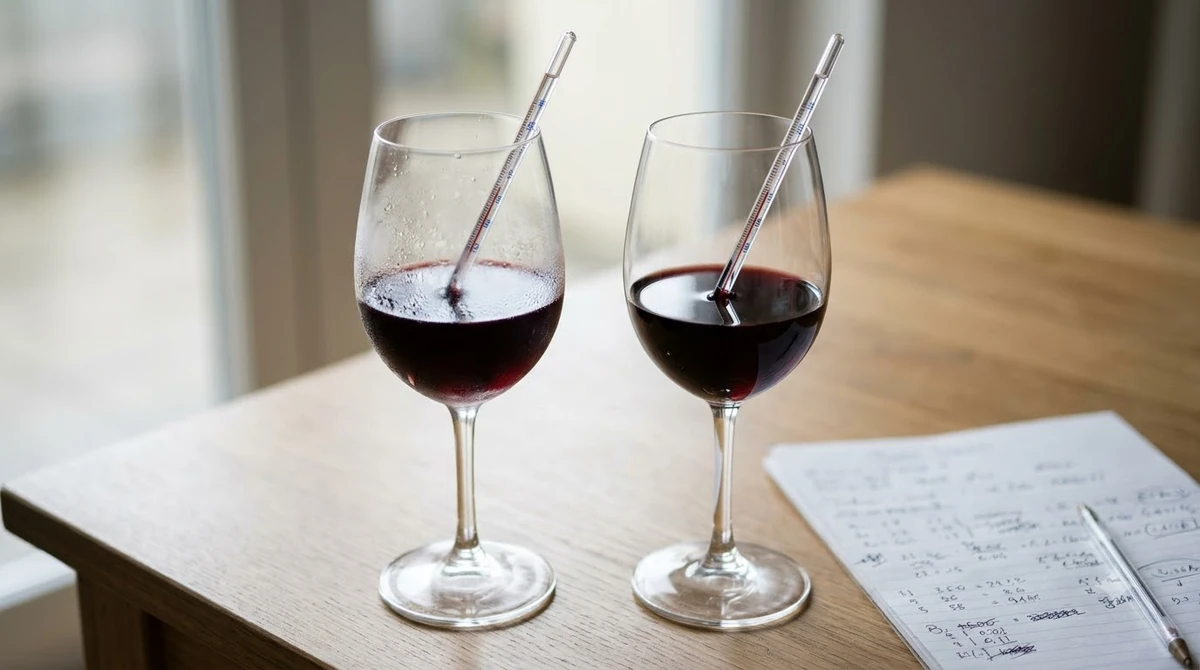
Serve Saint-Estèphe at approximately 60-65 F. This range allows the wine to show its fruit and aromatic complexity without making its alcohol seem overly prominent. Excessive warmth can make the wine feel heavy, while serving it too cold can exaggerate tannin and suppress its aromas.
Pour approximately 5 ounces per glass. A standard 750 ml bottle provides about five servings, making it a practical size for a dinner shared by several people.
Decanting and Drinking Windows
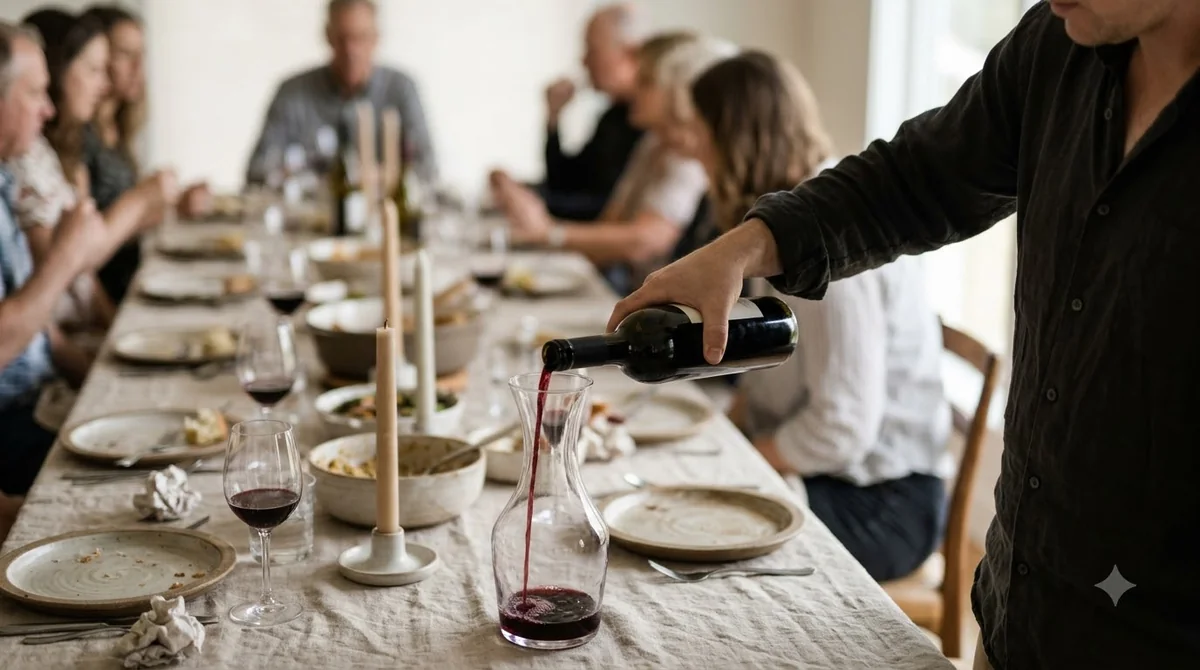
Young, full-bodied Saint-Estèphe wines often benefit from decanting. A period of approximately 30-60 minutes can help open the aromas and soften the initial impression of firm tannins. The precise time depends on the wine’s age, structure, and condition.
Older bottles need a different approach. Instead of assuming that more aeration is better, open a mature wine carefully and assess its condition. Older wines can be more delicate, and prolonged exposure to oxygen may cause their aromas and flavors to fade.
Cellaring potential depends on the producer, vintage, and quality of the bottle. Many substantial examples are suitable for several years of aging, while top classified wines can develop over considerably longer periods. A structured young wine may need patience before its tannins and fruit become fully integrated.
For storage, keep bottles on their sides in a dark, stable environment near 55 F. Avoid large temperature fluctuations, direct sunlight, and excessive vibration. Consistent conditions are more important than trying to create a complicated storage system.
Tip: If a young Saint-Estèphe seems too firm, try serving it with roast beef or lamb and allowing 30-60 minutes of decanting. Rich food and controlled aeration can make the wine more approachable without requiring years of additional bottle age.
How Saint-Estèphe Compares With Other Bordeaux Appellations
Saint-Estèphe shares its basic blending tradition with the other great Médoc communes, but its northern position, soil diversity, and substantial Merlot plantings give it a recognizable identity. Comparing it with Pauillac, Saint-Julien, and Margaux helps explain why the appellation attracts drinkers who enjoy structured Bordeaux reds.
Pauillac is especially famous for Cabernet Sauvignon and some of Bordeaux’s most internationally recognized estates. Its wines are frequently associated with cassis, cedar, pronounced structure, and considerable aging potential. Saint-Estèphe also produces Cabernet Sauvignon-led wines, but its greater diversity of clay-rich soils and strong Merlot presence can create different expressions of weight and texture.
Saint-Julien is often appreciated for its combination of structure, balance, and polish. Its wines can be powerful without losing a sense of refinement. Saint-Estèphe, by contrast, is frequently associated with a more substantial and firmly structured impression, although individual estates and vintages can differ considerably.
Margaux is commonly associated with aromatic finesse, floral character, and relatively supple tannins. Its gravelly vineyard sites contribute to a style that can feel more delicate than the powerful reds of northern Médoc. This is a broad stylistic comparison rather than an absolute rule: producer decisions and vintage conditions remain important in every appellation.
Saint-Estèphe also differs from the Right Bank. The Saint-Joseph wine region belongs to the northern Rhône Valley, where Syrah is the principal red grape. Its wines have a different grape identity and flavor profile from Bordeaux Cabernet Sauvignon and Merlot blends. Comparing the two illustrates just how varied French red wine can be.
For readers who want to explore more of Bordeaux and other French regions, the broader Wine Regions collection provides a starting point for understanding the geography, grapes, and traditions behind different appellations.
Ultimately, Saint-Estèphe is especially appealing to people who enjoy wines with a clear structural backbone. It offers the Cabernet Sauvignon character associated with the Left Bank, the fruit and roundness of Merlot, and a terroir that gives producers room to create distinctive interpretations.
Frequently Asked Questions
Is Saint-Estèphe part of the Haut-Médoc appellation?
Saint-Estèphe is a separate communal AOC within the Médoc, rather than simply a wine sold under the broader Haut-Médoc designation. Its name identifies a specifically delimited production area around the village of Saint-Estèphe. This distinction matters because appellation rules determine which vineyard parcels and production conditions qualify for the name.
Does Saint-Estèphe produce white Bordeaux wine?
The Saint-Estèphe AOC is reserved for still red wines. White wines produced by estates in the wider area may use another applicable Bordeaux designation rather than the Saint-Estèphe red appellation. Sauvignon Blanc and Sémillon are important white Bordeaux varieties, but they are not the defining grapes of Saint-Estèphe AOC red wine.
What does the heart on the Château Calon-Ségur label represent?
The heart is associated with the estate’s historical identity and the famous attachment of the Marquis Nicolas-Alexandre de Ségur to Calon-Ségur. The Bordeaux appellation’s historical account connects the château with his memorable declaration that his heart belonged to Calon despite his ownership of other prestigious properties. The emblem has become one of the estate’s most recognizable visual features.
Why is Saint-Estèphe sometimes considered a cooler Médoc appellation?
Its northern position within the Médoc and its proximity to the Atlantic-influenced estuary contribute to a relatively cool regional climate compared with some more southerly Bordeaux vineyard areas. This can influence grape ripening and harvest decisions. The differences are not uniform across every parcel because slope, soil composition, and exposure also affect local temperatures.
What is the difference between a Saint-Estèphe Grand Cru Classé and a Cru Bourgeois?
Grand Cru Classé in Saint-Estèphe refers to the estates included in the historic 1855 Bordeaux classification. Cru Bourgeois is a separate classification system for eligible Médoc estates and is not an additional rank within the 1855 hierarchy. The two designations therefore describe different classification traditions rather than interchangeable quality levels.
Saint-Estèphe remains one of Bordeaux’s most distinctive red wine appellations, combining Cabernet Sauvignon structure, Merlot richness, and a complex mixture of gravel, clay, and limestone soils. Whether choosing a classified château or discovering a smaller producer, understanding these regional characteristics makes it easier to appreciate the wine’s style and aging potential. For anyone interested in powerful, food-friendly Bordeaux reds, Saint-Estèphe is an excellent appellation to explore.
More in Wine Regions
 Willcox Wine Trail: Discover Arizona’s High-Elevation Wine CountryUpdated Nov 20, 2026
 Yakima Valley Wine Region: Find the Best Styles to TryUpdated Nov 20, 2026
 Vosne Romanee Wine Tasting: Identify Aromas and Choose Better PairingsUpdated Nov 20, 2026
 Yakima Valley Wine Festival: Find the Best Seasonal Wine EventsUpdated Nov 20, 2026
 Wales Vineyards: Discover Cool-Climate Wines and Where to VisitUpdated Nov 20, 2026
 Yountville Wine Festival: Discover Napa Wines and Local FoodUpdated Nov 20, 2026