


We may earn a commission when you buy through links on this page, at no extra cost to you. Learn more.
The Rogue Valley Wine Festival is an opportunity to discover Southern Oregon wines, meet local winemakers, and explore the distinctive grape varieties produced across the Rogue Valley AVA. One of the region’s signature celebrations is Savor Southern Oregon, which brings together more than 50 wineries showcasing wines grown and produced in the Rogue Valley. Visitors can enjoy regional wine tastings, discover new producers, purchase bottles, and experience the food, scenery, and hospitality of Southern Oregon.
Located between the Cascade and Siskiyou mountain ranges in southwestern Oregon, the Rogue Valley has a wine culture shaped by varied elevations, warm growing seasons, and substantial differences between daytime and nighttime temperatures. Its vineyards produce everything from Pinot Noir and Chardonnay to Syrah, Tempranillo, Viognier, and other less familiar varieties. A wine festival offers a convenient introduction to this diversity, particularly for visitors who want to compare several producers without driving between individual tasting rooms. Understanding the festival’s location, event arrangements, wine styles, and surrounding attractions will help you plan a more rewarding visit.
What the Rogue Valley Wine Festival Celebrates
The Rogue Valley Wine Festival celebrates the producers, vineyards, and distinctive wines of Southern Oregon. Savor Southern Oregon is particularly relevant to visitors looking for a regional event because its participating wineries must grow and produce their wines exclusively from the Rogue Valley AVA.
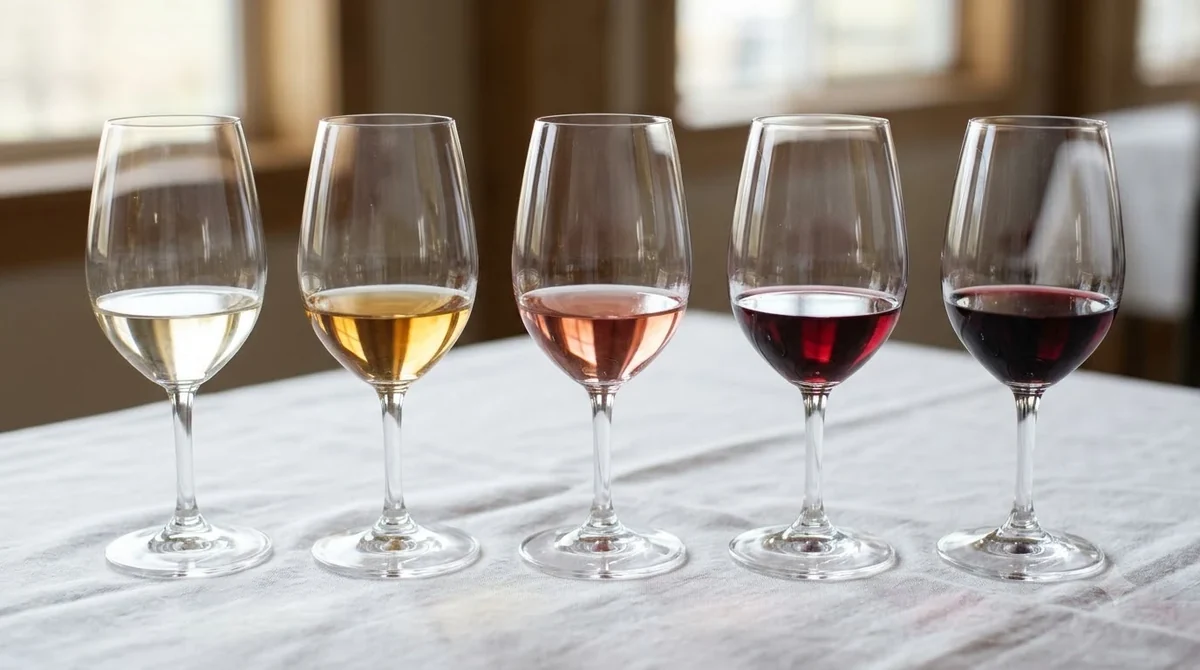
The event brings together more than 50 wineries, creating an opportunity to compare different expressions of the region without visiting every individual vineyard. Instead of concentrating on one grape or a single winemaking style, the celebration introduces visitors to the breadth of Southern Oregon wine production. You may encounter structured Cabernet Sauvignon, aromatic Viognier, fruit-forward Syrah, and lighter Pinot Noir during the same visit.
That variety reflects the region’s geography. The Rogue Valley contains several distinct growing areas, including Bear Creek Valley, the Valley of the Rogue, Applegate Valley, and Illinois Valley. Differences in elevation, exposure, soil, and local weather allow winemakers to work with grapes that have different ripening requirements. Consequently, two wineries located relatively close to one another can produce noticeably different wines.
The festival also gives visitors an opportunity to speak directly with the people responsible for those wines. A conversation with a winemaker or winery representative can explain why one vineyard favors Syrah while another focuses on Pinot Noir or Chardonnay. Ask about vineyard elevation, harvest timing, fermentation choices, and the differences between individual bottlings. These details often make a tasting more informative than simply comparing wine labels.
For newcomers, the event provides an accessible introduction to Oregon wine beyond the better-known Willamette Valley. Experienced wine enthusiasts can use the gathering to investigate smaller producers, regional blends, and varieties that receive less attention outside Southern Oregon.
Festival Location, Dates, and Event Arrangements
Savor Southern Oregon has been organized at Bigham Knoll Campus in Jacksonville, Oregon, near Medford. The published 2026 celebration took place June 12–13, while the official event FAQ currently indicates that information about the 2027 edition is coming soon.

Jacksonville is a natural setting for a regional wine gathering. This historic town is closely connected to Southern Oregon’s early agricultural and wine history, and its location makes it convenient for visitors exploring wineries around Medford and the Applegate Valley. Bigham Knoll Campus provides an outdoor grassy setting, with participating vendors operating under enclosed tents. Indoor and outdoor seating areas also give guests places to take a break between tastings.
It is important to distinguish the dates of a previous festival from those of a future edition. The June 12–13 dates refer to the published 2026 event, not a confirmed future schedule. Visitors planning a later trip should consult the event organizer’s official Savor Southern Oregon event information for announcements about the next celebration, admission arrangements, participating wineries, and any changes to the venue.
Because festival arrangements can change, avoid making nonrefundable travel plans around an assumed date. Confirm the event schedule, opening hours, ticket conditions, and available transportation information before booking accommodation. If you are traveling from outside Oregon, it is also sensible to allow some flexibility for exploring Jacksonville and nearby wineries rather than planning the entire trip around a single afternoon.
The event’s published rules establish a minimum age of 21, with no exceptions. Pets are not permitted. The organizer also describes the expected dress code as Wine Country Casual, recommending practical clothing and footwear for an outdoor setting. These details matter particularly for visitors attending with family members or planning to bring a dog while traveling through Southern Oregon.
Rogue Valley Wine Varieties to Look For
The Rogue Valley is notable for its grape diversity, with more than 70 varieties planted across its different growing areas. Festival visitors can expect opportunities to explore both familiar international grapes and varieties that demonstrate the region’s distinctive Southern Oregon character.
Several varieties are especially useful starting points for a tasting. Pinot Noir and Chardonnay offer comparisons with wines from cooler Oregon growing areas, while Syrah, Cabernet Sauvignon, and Tempranillo demonstrate the potential of the Rogue Valley’s warmer sites. Viognier and Pinot Gris provide additional perspectives on the region’s white wine production.
Rather than approaching every tasting as a search for the biggest or most concentrated wine, consider the differences in acidity, body, aroma, and structure. A bright Pinot Noir can offer red cherry, cranberry, and earthy notes, while a Syrah may present darker fruit, pepper, and more substantial tannins. Chardonnay can range from crisp and restrained to richer styles influenced by oak aging and winemaking choices.
The following table provides a practical starting point for identifying regional varieties and understanding what to compare during a festival tasting. These are general grape characteristics rather than guarantees about every individual bottle.
| Grape variety | Typical style | What to notice |
|---|---|---|
| Pinot Noir | Light to medium-bodied red | Red cherry, raspberry, earthy notes, and lively acidity |
| Syrah | Medium to full-bodied red | Dark berries, pepper, savory notes, and substantial tannin |
| Cabernet Sauvignon | Full-bodied red | Blackcurrant, structure, and relatively high tannin |
| Tempranillo | Medium to full-bodied red | Red and dark fruit, spice, and savory characteristics |
| Viognier | Medium to full-bodied white | Peach, apricot, floral aromas, and moderate acidity |
| Chardonnay | Light to full-bodied white | Apple, citrus, stone fruit, and possible oak influence |
| Pinot Gris | Light to medium-bodied white | Pear, apple, citrus, and refreshing acidity |
| Merlot | Medium-bodied red | Plum, black cherry, and softer tannins than Cabernet Sauvignon |
One productive approach is to taste the same grape from two or three different producers. For example, compare Pinot Noir from a cooler hillside vineyard with a bottle from a warmer site. Look for differences in ripeness, acidity, fruit intensity, and texture. You can apply the same method to Syrah, Chardonnay, or Viognier.
Blended wines deserve attention too. Southern Oregon winemakers have access to several varieties traditionally used in Bordeaux- and Rhône-inspired blends. A bottle combining Syrah, Grenache, and Mourvèdre, for example, may offer a different balance of fruit, spice, acidity, and tannin from a single-variety Syrah. These comparisons help explain why the region’s grape diversity is an important part of its identity.
Understanding Rogue Valley Geography and Wine Country
The Rogue Valley AVA covers approximately 1,139,800 acres, with around 5,635 acres planted to wine grapes according to Oregon Wine. Its landscape includes river valleys, mountain foothills, and varied vineyard elevations, creating growing conditions that support both cool-climate and warm-climate varieties.
The region’s geography is one reason a festival tasting can be so diverse. The Rogue River and its tributaries, including the Applegate, Bear Creek, and Illinois rivers, have influenced the development of local soils and agricultural landscapes. The Cascade, Siskiyou, and Coastal mountain ranges also contribute to the region’s distinctive weather patterns.
Daytime warmth encourages grape ripening, while cooler nights help preserve acidity. Oregon Wine notes that nighttime temperatures can drop by as much as 70 degrees Fahrenheit from daytime conditions. This substantial temperature variation is important because it allows grapes to develop ripe fruit characteristics without necessarily losing all of their freshness.
The Applegate Valley is particularly interesting for visitors who want to understand the region’s internal differences. This sub-appellation extends approximately 50 miles from the California border toward the Rogue River near Grants Pass. Its vineyards can reach elevations of about 2,000 feet, and its surrounding Siskiyou Mountains help shield the area from cooling marine influences.
The soils of the Applegate Valley include stream terraces and alluvial fans formed through the influence of the Applegate River. These well-drained sites support a range of varieties, including Syrah, Tempranillo, Merlot, Cabernet Sauvignon, Chardonnay, and Pinot Noir.
For a more detailed understanding of the region, explore the Rogue Valley wine region before attending. Learning how the larger AVA relates to its smaller growing areas makes it easier to understand why wines from different parts of Southern Oregon can taste quite different even when they share the same grape variety.
How to Plan a Successful Festival Tasting
A little preparation can make a wine festival more enjoyable and informative. Start by deciding which grapes or producers interest you most, then leave enough room in your schedule to discover unfamiliar wines rather than concentrating exclusively on familiar labels.
At an event with more than 50 wineries, trying to taste everything is rarely a useful objective. A better approach is to select a manageable group of producers and compare a few representative wines from each. For example, you could begin with two white wines, move to Pinot Noir, and then explore Syrah and Cabernet Sauvignon. This creates a clearer progression than jumping randomly between styles.
Use a small notebook or your phone to record producer names, grape varieties, vintage information, and impressions. Notes such as bright acidity, firm tannins, floral aromas, or pronounced oak influence will be more useful later than simply writing that you liked a wine. If a particular producer interests you, ask whether its vineyard is in Bear Creek Valley, Applegate Valley, or another part of the Rogue Valley.
Dress for the outdoor setting
The festival’s published dress guidance is Wine Country Casual. Comfortable shoes are especially important because the event takes place on grass, and some walking surfaces may be uneven. Light clothing, a hat, sunglasses, and an additional layer are sensible choices for a day spent outdoors.
Weather conditions can vary during a Southern Oregon visit, even in the warmer part of the year. A light jacket is useful if the afternoon becomes breezy or the event continues into the evening. Avoid footwear that makes walking across grass difficult, particularly if you plan to visit several tasting stations.
Manage your tasting pace
Allow time between wines, drink water, and use any available food options to make the experience more comfortable. Tasting smaller pours and taking breaks can help you pay attention to differences between wines. If you find a particularly interesting bottle, make a note of its name instead of relying on memory.
Tip: Choose three priorities before arriving: one familiar grape to compare across producers, one unfamiliar variety to discover, and one winery you specifically want to meet. This gives your visit structure while leaving room for unexpected finds.
Remember that a tasting event is not a competition to sample the largest number of wines. Taking time to ask questions and understand the differences between producers will generally provide a more rewarding experience than rushing from one table to another.
Food Pairings, Bottle Purchases, and Nearby Attractions
Food and wine are important parts of a Rogue Valley visit, and the surrounding towns provide opportunities to continue exploring local flavors after the festival. Jacksonville, Medford, Ashland, and Grants Pass each offer different combinations of dining, cultural attractions, and access to wineries.
When considering food pairings at a festival, begin with the wine’s acidity, tannin, body, and sweetness. Pinot Noir generally works well with roast chicken, mushrooms, and grilled salmon because its relatively restrained tannins and bright acidity do not overwhelm these foods. Syrah can pair with grilled lamb, sausages, and roasted vegetables, while Cabernet Sauvignon is a natural partner for richer beef dishes.
White wines offer additional options. Viognier can complement aromatic dishes and roasted poultry, while Chardonnay works with seafood, chicken, and creamy preparations. Pinot Gris is particularly useful with salads, shellfish, and lighter dishes. For spicy food, wines with moderate alcohol and lower tannin are often easier partners because high alcohol and substantial tannin can intensify chili heat.
For a sweet dessert, choose a wine that is at least as sweet as the dish. Similarly, highly acidic foods are best paired with wines that have equal or greater acidity. Salt and fat can soften the perception of tannin, making a structured red wine more approachable alongside rich meat dishes and aged cheeses.
Purchasing wine at the festival
The Savor Southern Oregon event information confirms that visitors can purchase wines from participating wineries. Its published arrangements also describe a will-call system, allowing guests to leave purchased bottles with the event and collect them when departing.
This arrangement is useful if you want to continue exploring the festival without carrying bottles between tasting stations. Before purchasing, ask about the collection procedure, available payment methods, and any restrictions on the number of bottles or the timing of collection. If you are flying home, consider how you will transport purchases safely and whether your airline permits wine in checked luggage.
It is also sensible to distinguish between wines intended for immediate enjoyment and bottles that may benefit from additional aging. Ask the winery representative about drinking windows, storage conditions, and serving temperatures. Most still wines are best stored away from direct sunlight and major temperature fluctuations, ideally in a cool location near 55 degrees Fahrenheit.
Explore Jacksonville and surrounding towns
Jacksonville is a good place to continue a festival visit because it combines historic architecture, independent businesses, and access to local wine producers. The town is also closely connected to the Britt Music & Arts Festival, a summer outdoor music celebration that honors early regional wine pioneer Peter Britt.
Medford provides another convenient base for visitors. The surrounding countryside includes wineries such as RoxyAnn Winery, 2Hawk Vineyard & Winery, and Upper Five Vineyard. Central Point is also worth visiting for its food experiences, including Rogue Creamery and nearby specialty food businesses.
Ashland offers a different atmosphere, with the Oregon Shakespeare Festival, downtown galleries, and Lithia Park. Nearby Irvine & Roberts Vineyards and Weisinger Family Winery provide opportunities to explore regional wines in a tasting-room setting. These destinations are particularly suitable if you want to combine a wine-focused trip with theater, gardens, and local dining.
Visitors with additional time can head into the Applegate Valley, where Red Lily Vineyards and Troon Vineyard offer distinctive wine experiences. The area has nearly 20 wineries, according to the Oregon Wine Board’s regional itinerary. You can find more planning ideas through Rogue Valley wine country and its regional winery information.
For visitors interested in smaller producers, Rogue Valley vineyards are another useful starting point. A separate tasting-room visit can provide a slower experience than a festival, with more time to discuss vineyard conditions, winemaking decisions, and individual bottlings. Combining both experiences gives you a broader understanding of the region.
Frequently Asked Questions
Is the Rogue Valley Wine Festival suitable for beginners?
Yes. The event is an accessible introduction to Southern Oregon wine because it brings together many producers in one setting. Beginners can start with familiar grapes such as Pinot Noir and Chardonnay before exploring varieties such as Tempranillo, Viognier, and Mourvèdre. Asking winery representatives about grape characteristics and production methods can make the experience more approachable.
Can visitors attend the festival without being wine experts?
Yes. No specialist wine knowledge is necessary to appreciate the festival. Visitors can compare aromas, flavors, acidity, and body at their own pace, and winery representatives can explain unfamiliar terminology. It is perfectly reasonable to ask basic questions about grapes, fermentation, oak aging, or regional differences.
Does the Rogue Valley produce sparkling wine?
Southern Oregon’s diverse grape-growing conditions allow producers to experiment with different wine styles, including sparkling wines. The availability of particular sparkling bottlings depends on participating producers and their current selections. Ask individual wineries whether they offer traditional-method or tank-method sparkling wines and which grapes they use.
What is the historical connection between Peter Britt and Oregon wine?
Peter Britt began planting wine grapes in the Rogue Valley in 1852 and opened Valley View Winery in 1873. His work established an important part of the region’s early wine history. Jacksonville preserves that historical connection through its association with Britt and the Britt Music & Arts Festival.
Can visitors explore other Southern Oregon wine regions during the same trip?
Yes. The broader Southern Oregon AVA includes several distinct wine-growing areas, including Umpqua Valley, Rogue Valley, and Applegate Valley. Visitors with additional time can extend their trip north toward Roseburg and the Umpqua Valley or explore the vineyards around the Applegate River. Each area offers different combinations of grape varieties, elevations, and growing conditions.
The Rogue Valley Wine Festival offers an engaging introduction to one of Oregon’s most diverse wine-growing regions. Whether you attend Savor Southern Oregon, visit individual wineries, or combine wine tasting with Jacksonville’s historic attractions and Ashland’s cultural experiences, Southern Oregon provides plenty of opportunities to discover distinctive wines and meet the people who produce them. Confirm the next festival’s official dates and arrangements before traveling, and leave enough time to explore the vineyards beyond the event itself.
More in Wine Regions
 Willcox Wine Trail: Discover Arizona’s High-Elevation Wine CountryUpdated Nov 20, 2026
 Yakima Valley Wine Region: Find the Best Styles to TryUpdated Nov 20, 2026
 Vosne Romanee Wine Tasting: Identify Aromas and Choose Better PairingsUpdated Nov 20, 2026
 Yakima Valley Wine Festival: Find the Best Seasonal Wine EventsUpdated Nov 20, 2026
 Wales Vineyards: Discover Cool-Climate Wines and Where to VisitUpdated Nov 20, 2026
 Yountville Wine Festival: Discover Napa Wines and Local FoodUpdated Nov 20, 2026