

We may earn a commission when you buy through links on this page, at no extra cost to you. Learn more.
The Quebec wine region is a cool-climate wine-producing area in eastern Canada, known for cold-hardy hybrid grapes, lively white wines, distinctive reds, sparkling wines, and naturally frozen icewine. Its vineyards are concentrated in southern Quebec, particularly the Eastern Townships, Montérégie, and areas surrounding the St. Lawrence River. Producers work with varieties such as Vidal, Frontenac, Seyval Blanc, Marquette, and Chardonnay to accommodate short summers and severe winter conditions. The result is a developing wine industry with a distinctive regional identity and increasingly diverse styles.
Quebec offers a different perspective on Canadian wine than the better-known vineyards of British Columbia and Ontario. Its winemakers have had to adapt their vineyards to freezing winters, spring frosts, and a relatively short growing season. Those challenges have encouraged experimentation with disease-resistant hybrids and carefully selected European grapes. Today, visitors can explore family-run estates, discover distinctive regional terroirs, and find wines that express the character of one of Canada’s most northerly commercial wine-producing areas.
Quebec’s Wine Industry and Its Geographic Setting
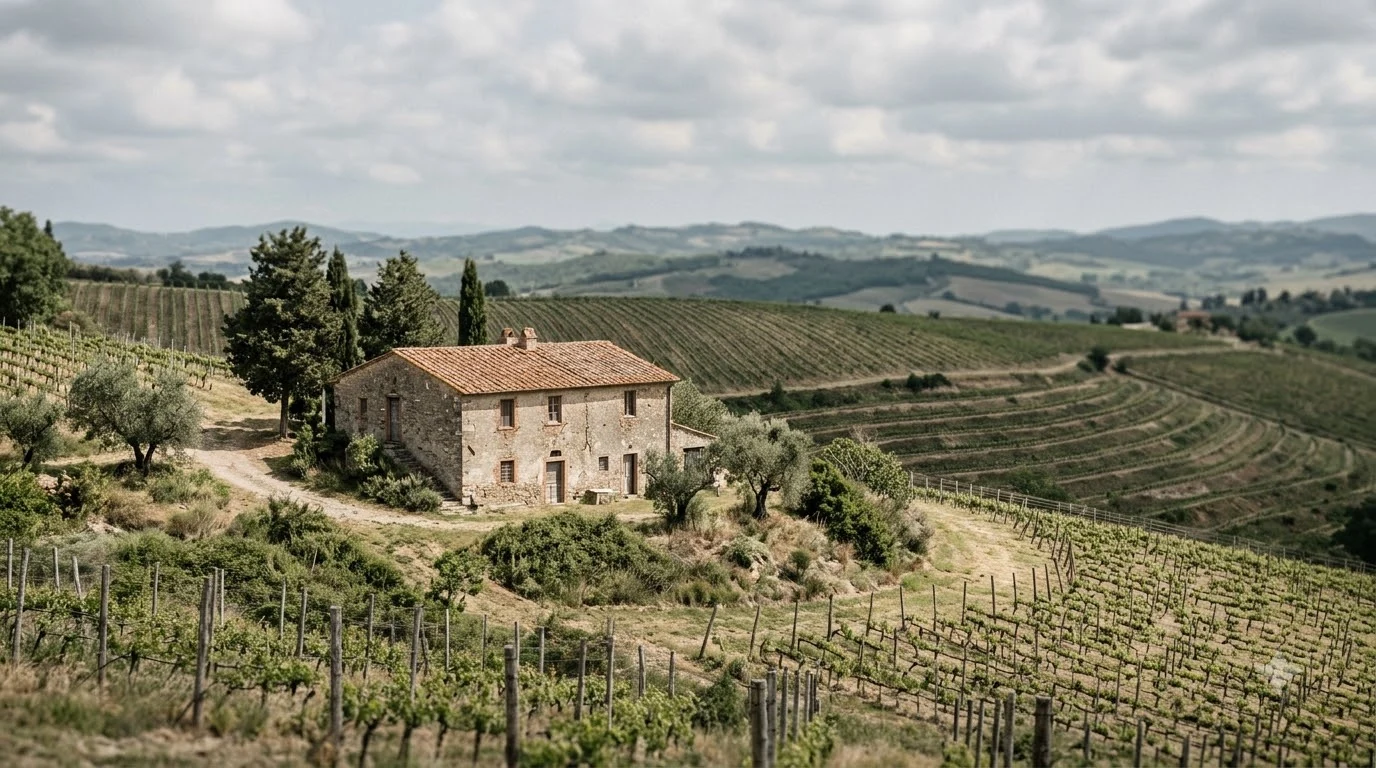
Quebec’s wine industry is relatively young, but its agricultural foundations have developed into a substantial network of vineyards and wineries. Southern Quebec is the center of commercial production, with the greatest concentration of grape-growing operations in Montérégie and the Eastern Townships.
Commercial viticulture began gaining momentum during the 1980s. The province recorded 423 grape-growing operations and 1,383.7 hectares of cultivated land in 2024, producing 4,312 tonnes of grapes. These figures include a wide range of agricultural operations, from small family vineyards to larger commercial properties. Most Quebec vineyards cover fewer than five hectares, giving the industry a strong small-producer character.
The geography is important because Quebec is a large province with substantial differences in elevation, soil composition, rainfall, and growing-season conditions. Its southern vineyards benefit from comparatively warmer conditions, particularly near the St. Lawrence River, Lake Champlain, and other bodies of water. These geographic influences help moderate temperature fluctuations and create growing conditions suitable for selected grape varieties.
Montérégie is particularly important, accounting for 39% of the province’s grape-growing operations. Other important agricultural areas include Chaudière-Appalaches, Laurentides, Capitale-Nationale, Estrie, and Outaouais. The Eastern Townships, near the Vermont border, are especially important to Quebec’s reputation for quality-focused winemaking.
Commercial production includes considerably more than traditional table wines. Quebec wineries make still white, red, and rosé wines, along with sparkling wines, orange wines, late-harvest bottlings, and icewine. White wine accounts for nearly half of provincial production, while red wine represents approximately one-third.
The province’s wines are also becoming more visible beyond their immediate growing areas. Local wineries sell through their tasting rooms, specialist retailers, restaurants, public markets, and the Société des alcools du Québec distribution network. This growing visibility makes Quebec an increasingly interesting region for people exploring Canadian wine.
Climate, Winter Protection, and Vineyard Conditions
Quebec’s continental climate shapes almost every aspect of its winemaking. Cold winters, spring frost risks, and relatively short summers favor hardy grape varieties, careful vineyard-site selection, and protective winter management.
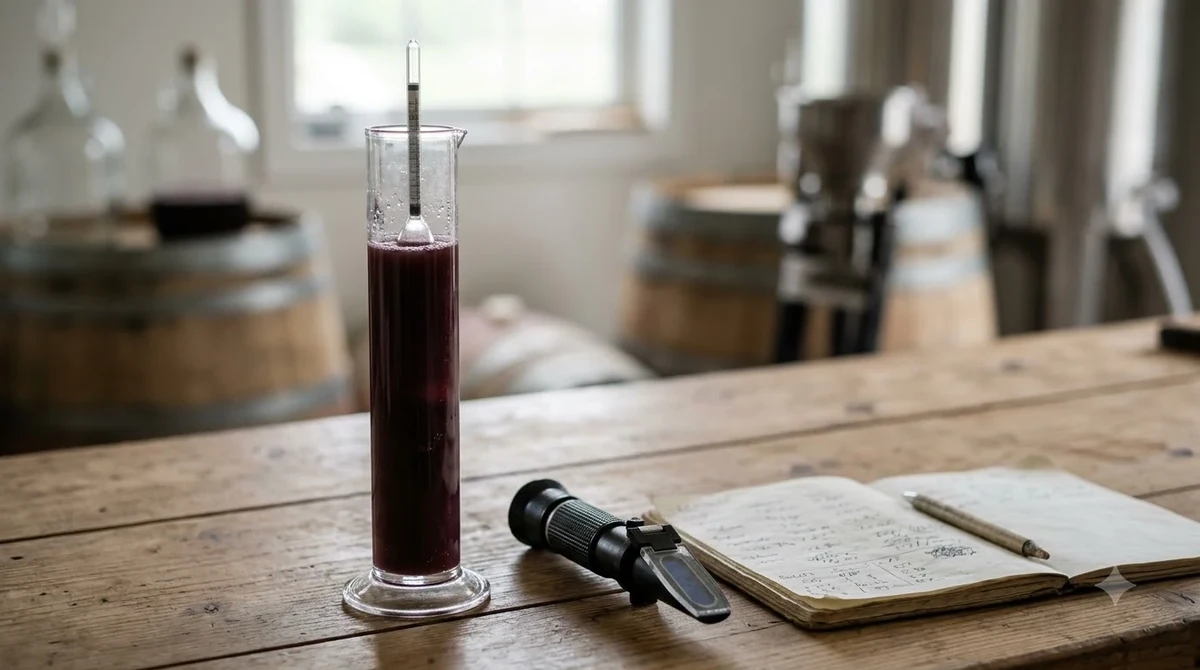
Winter temperatures can become severe enough to damage or kill grapevines that are not adapted to the conditions. The problem is particularly important for Vitis vinifera varieties such as Chardonnay and Pinot Noir. These European grapes can produce excellent wines in suitable Quebec sites, but their sensitivity to cold means growers may need additional protection.
Some producers use insulating materials, including geotextile fabrics, to protect vines during winter. Other vineyard-management approaches include burying vines beneath soil or taking advantage of natural snow cover. Wine Enthusiast has documented the use of protective fabrics and snow burial in the Eastern Townships, where winter temperatures can reach approximately -30°F.
Spring frost creates another challenge. Buds can begin developing during warmer periods and become vulnerable when temperatures fall again. Growers therefore need to manage vineyard exposure, monitor forecasts, and select varieties with appropriate growing characteristics. Late-budding grapes can be useful because they reduce the risk of early-season frost damage.
Summer conditions are also important. A short growing season requires varieties capable of reaching suitable maturity without excessive time on the vine. Warm daytime temperatures encourage ripening, while cooler nights help preserve acidity. This combination can contribute to wines with fresh fruit character and lively structure.
The influence of lakes and rivers creates meaningful differences between vineyard locations. The St. Lawrence River, Lake Champlain, and the Ottawa River can moderate local temperature variations. Hillsides, soil drainage, wind exposure, and elevation also influence how individual vineyards perform.
Growing-season measurements
Winegrowers use growing degree-days to estimate the heat available for grape development. This measurement helps identify whether a particular location can support a grape variety’s ripening requirements. Frost-free days provide another useful indication of the length of the growing season.
The following figures from Vins du Québec illustrate how growing conditions differ between three important southern areas.
| Wine-growing area | Frost-free days | Growing degree-days | Annual rainfall |
|---|---|---|---|
| Deux-Montagnes | 164–187 | 1,049–1,383 | 589–763 mm |
| Richelieu River Valley | 205–212 | 1,191–1,415 | 572–698 mm |
| South Appalachian Foothills | 196–207 | 1,171–1,348 | 661–819 mm |
These measurements show why choosing a vineyard location matters. The Richelieu River Valley has a particularly long frost-free period, while the South Appalachian Foothills include cooler elevated sites and warmer areas influenced by Lake Champlain. Such differences help explain the variety of grape varieties and wine styles found throughout the province.
Important Quebec Grape Varieties
Quebec’s vineyards are dominated by cold-resistant hybrid grapes, although European Vitis vinifera varieties are becoming increasingly important at suitable sites. Vidal, Frontenac, Seyval Blanc, and Marquette are among the varieties that define the province’s distinctive wine identity.
Hybrid grapes are produced through crosses between different grape varieties or species. Their appeal in Quebec is practical: many have better tolerance for winter cold and vineyard diseases than traditional European grapes. This allows growers to cultivate vines that would otherwise struggle under the province’s climate.
White grapes
Vidal is one of Quebec’s most recognizable white varieties. It is valued for its adaptability to cold conditions and its usefulness in producing dry, aromatic, late-harvest, and icewine styles. Depending on ripeness and winemaking, Vidal can show citrus, orchard fruit, floral, and honeyed characteristics.
Frontenac Blanc is another important hybrid. It can produce expressive wines with fresh acidity and fruit-driven aromas. Its versatility makes it suitable for different approaches to winemaking, including dry and off-dry bottlings.
Seyval Blanc is valued for its suitability to cooler growing conditions. It can deliver crisp wines with citrus and green-fruit characteristics. Some producers use it in blends to provide freshness and additional complexity.
Frontenac Gris offers another expression of the Frontenac family. Its wines can show peach, citrus, and other ripe fruit notes, with acidity that helps balance the flavors.
Saint-Pépin is a cold-hardy white variety that can produce aromatic wines. It is particularly relevant to producers seeking grapes that can handle Quebec’s challenging winters.
Chardonnay is one of the most familiar European varieties cultivated in Quebec. It can produce fresh, structured wines with citrus, apple, and mineral characteristics. Some winemakers use oak aging, while others favor stainless-steel fermentation to preserve a more direct expression of the fruit.
Red grapes
Frontenac Noir is among the province’s leading red hybrids. It can produce deeply colored wines with cherry, raspberry, and darker berry flavors. Its naturally pronounced acidity is an important part of its structure.
Marquette is another significant cold-climate red grape. Its wines can show dark berries, plum, and spice. Depending on ripeness and cellar techniques, Marquette can produce approachable reds as well as more structured bottlings.
Maréchal Foch is a traditional cold-climate red variety that has a place in Quebec’s winemaking history. It is used for fruit-forward red wines and can offer flavors of cherry and other dark fruits.
Pinot Noir is a more challenging but increasingly interesting option. It requires careful vineyard management and appropriate sites, but successful examples can deliver red cherry, raspberry, earthy notes, and relatively delicate tannins.
The balance between hybrids and European grapes is one of Quebec’s defining characteristics. Wine Enthusiast estimates that approximately 80% of planted wine grapes are hybrids, with Chardonnay and Pinot Noir representing around 6% and 4% of plantings, respectively.
Tip: If you are exploring Quebec wines for the first time, begin with a Vidal or Seyval Blanc white, a Frontenac Noir or Marquette red, and a Vidal icewine. These varieties provide a useful introduction to the grapes that make the province distinctive.
Major Wine-Growing Areas and Their Terroirs
Quebec contains several distinct wine-growing areas, each with its own combination of soil, elevation, water influences, and seasonal temperatures. The Eastern Townships, Richelieu River Valley, Monteregian Hills, and Deux-Montagnes are particularly useful starting points for understanding the province’s regional diversity.
Eastern Townships and the South Appalachian Foothills
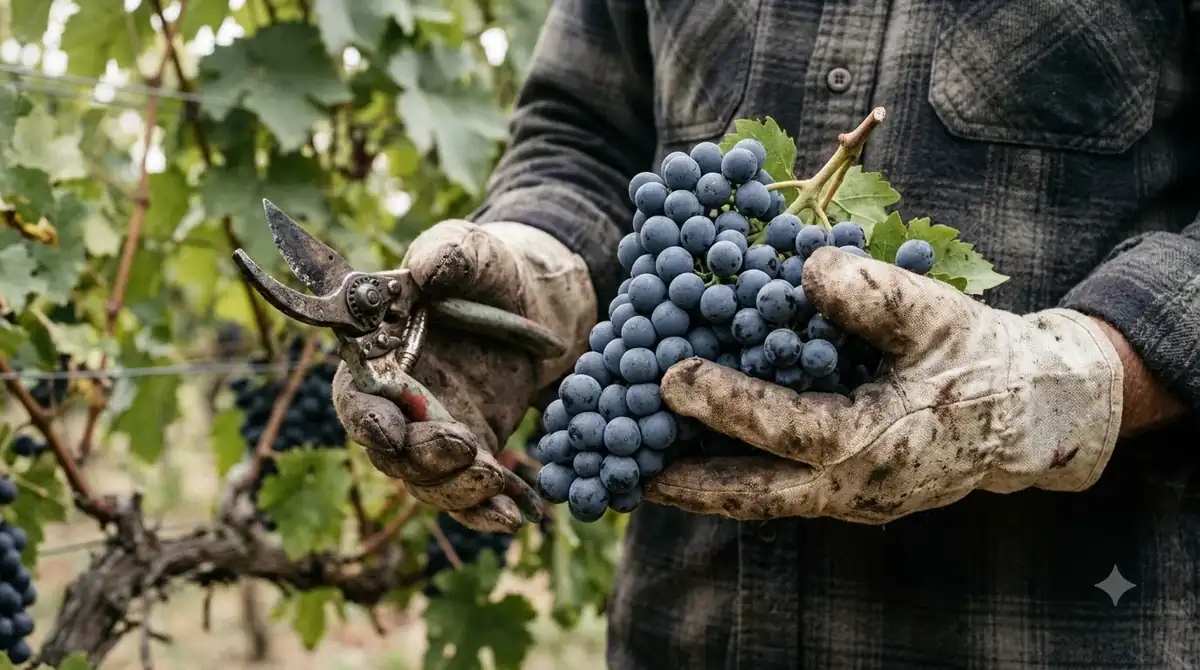
The Eastern Townships, also called Cantons de l’Est, are among Quebec’s most established wine-producing areas. Located approximately an hour east of Montreal near the Vermont border, this area includes Dunham, a historic center of Quebec wine production.
The wider South Appalachian Foothills extend from Lake Champlain toward the Sutton Mountains. Vineyard sites include different elevations and exposures, creating substantial local variation. Lower vineyards around Saint-Armand benefit from the moderating influence of Lake Champlain, while higher locations near Sutton and Frelighsburg can be cooler.
According to Vins du Québec, this area has approximately 196 to 207 frost-free days, 1,171 to 1,348 growing degree-days, and annual rainfall of 661 to 819 millimeters. These conditions allow a combination of hybrid and European varieties to be cultivated, although individual vineyard locations remain important.
The Eastern Townships are also home to quality-focused independent producers. Les Pervenches, near Farnham, is a family operation with approximately ten acres of vineyards. Its range includes Chardonnay, Pinot Noir, Pinot Gris, Gewürztraminer, Zweigelt, and Seyval Blanc blends. The winery’s development illustrates the increasing attention given to site-specific wines and careful vineyard practices.
Richelieu River Valley
The Richelieu River Valley stretches east of the St. Lawrence River, including areas around Iberville and Sabrevois. Its combination of clay, organic matter, glacial deposits, and pockets of gravelly soil provides a variety of vineyard conditions.
Vins du Québec identifies this region as having one of the province’s most favorable growing-season profiles. Its frost-free period of approximately 205 to 212 days is among the longest in Quebec, while its growing degree-day range reaches 1,191 to 1,415.
These conditions can help growers work with varieties requiring a relatively long period to ripen. The region’s rolling landscapes and different soil types also create opportunities for producing wines with varying fruit intensity and structure.
Montérégie and the Monteregian Hills
Montérégie is central to Quebec’s wine industry, accounting for the largest share of its grape-growing operations. The Monteregian Hills area includes vineyards around Saint-Bruno, Saint-Hilaire, Rougemont, Saint-Grégoire, and Yamaska.
The region’s geological landscape is particularly interesting. The Monteregian Hills consist of ten formations that developed approximately 90 to 125 million years ago. Surrounding areas contain sand and gravel deposits associated with the ancient Champlain Sea.
Many vineyards occupy sites where drainage and exposure are favorable for grape cultivation. Different hillside orientations can influence sunlight and local temperatures, giving growers opportunities to select varieties suited to individual locations.
Deux-Montagnes and the Outaouais Valley
Deux-Montagnes encompasses areas around Mirabel and Vaudreuil-Soulanges, as well as parts of western Montreal and Laval. Its vineyards benefit from the moderating influence of nearby lakes and rivers, including Lake Saint-Louis, Deux-Montagnes Lake, the Ottawa River, and the St. Lawrence River.
Its soils include marine sediments and glacial deposits. The region typically experiences between 164 and 187 frost-free days, with 1,049 to 1,383 growing degree-days. Winter snowfall can also provide an insulating layer around vines.
The Outaouais Valley has a humid continental climate, with cold winters and warm summers. Its soils include clay, sand, gravel, and deposits associated with the former Ottawa River shoreline. The area’s combination of soils and climate offers further opportunities for cold-climate viticulture.
For a closer look at the geography, vineyard locations, and characteristics of the province’s individual growing areas, consult the Vins du Québec regional wine overview.
Quebec Wine Styles and What to Expect in the Glass
Quebec produces a wider range of wine styles than its reputation for icewine might suggest. Dry whites, fruit-driven reds, rosés, sparkling wines, orange wines, and sweet late-harvest bottlings all contribute to the province’s wine identity.
White wines
White wines are the largest category by production volume, representing nearly half of Quebec’s wine output. Vidal, Seyval Blanc, Frontenac Blanc, and Chardonnay are among the important grapes.
Many dry whites emphasize freshness rather than heavy oak influence. Common characteristics include green apple, pear, citrus, floral aromas, and lively acidity. Chardonnay can offer a more familiar international reference point, particularly when made in a restrained style.
Vidal can produce both dry and sweeter wines. Its versatility makes it especially useful in a region where producers work with different ripeness levels and winemaking approaches.
Red wines
Quebec reds frequently emphasize fresh fruit, moderate body, and vibrant acidity. Frontenac Noir, Marquette, and Maréchal Foch are important varieties, while Pinot Noir provides a connection to traditional European wine styles.
Expect cherry, raspberry, blueberry, plum, and sometimes earthy or spicy characteristics. Tannin levels vary with grape variety, ripeness, extraction, and aging. Many hybrid reds are more fruit-focused than heavily structured Cabernet Sauvignon-based wines.
Oak aging can add texture and additional tannin, but it is not necessary for every wine. Some producers favor a lighter approach that preserves the freshness and distinctive fruit profile of the grapes.
Rosé and orange wines
Rosé is another part of the local wine scene. Depending on the grape variety and production method, these wines can range from light and delicate to more deeply colored, fruit-forward examples.
Orange wine is produced by fermenting white grapes with their skins, rather than separating the juice immediately after pressing. This approach can contribute additional texture, color, and tannin. Quebec’s experimental producers use a variety of grapes and cellar techniques to create distinctive expressions.
Sparkling wines
Quebec’s natural acidity makes the province interesting for sparkling wine production. Cool-climate grapes can retain freshness, which is an important characteristic in traditional sparkling styles.
Look for bottles made from Chardonnay, hybrid varieties, or blends. Traditional-method sparkling wine undergoes its second fermentation in the bottle, while tank-method wines develop their bubbles in a pressurized tank. The production method influences texture, aromatic development, and the character of the finished wine.
Icewine and late-harvest wines
Icewine is among Quebec’s most distinctive specialties. Vidal is particularly suitable for this style because it can withstand cold conditions and retain acidity alongside concentrated sweetness.
Late-harvest wines are a separate category. They are made from grapes harvested later than usual, allowing additional ripeness and sugar concentration. They should not automatically be described as icewine, since the latter requires natural freezing on the vine and compliance with specific production standards.
Vin du Québec Certification and Icewine Standards
Quebec has formal geographical and quality certification systems that help consumers identify wines made from local grapes. The Vin du Québec Protected Geographical Indication and the separate Vin de glace du Québec designation provide important guarantees about origin and production.
Vin du Québec PGI
The Vin du Québec PGI, also known by its French designation IGP Vin du Québec, was recognized in 2018. It requires certified wine to be made from grapes grown within the designated Quebec geographical area.
The designated area is bounded by the Laurentian mountain range to the north, the United States border to the south, Ontario to the west, and the Appalachian Mountains to the east. Eligible vineyard locations must have at least 900 growing degree-days.
The certification covers both hybrid and European grape varieties. Frontenac Noir, Vidal, Saint-Pépin, Gamay, and Chardonnay are examples of varieties that can be used when the other production requirements are met.
Certification involves more than checking the grape origin. Production specifications govern important vineyard and cellar practices, and the wine must satisfy the applicable vinification and bottling requirements. Independent laboratory analysis evaluates alcohol, pH, acidity, and residual sugar.
An approval committee also carries out a sensory assessment to identify wines that do not meet the required quality standards. Importantly, certification is awarded to individual wines rather than automatically to every wine produced by an approved vineyard. Each wine must undergo the certification process for every vintage.
Vin de glace du Québec
Quebec also has a separate protected designation for icewine. To qualify, the grapes must be grown within the designated geographical area and freeze naturally on the vine before harvesting.
Natural freezing removes water from the grapes in the form of ice, concentrating sugars, acidity, and aromatic compounds in the remaining juice. Winter cold, wind, low humidity, and repeated freezing and thawing contribute to the process.
This is different from simply freezing harvested grapes in a commercial freezer. The natural freezing requirement is central to the authenticity of the designation. Each qualifying wine must also meet the applicable geographical and quality-control requirements.
Quebec icewine is typically rich and sweet, but acidity helps keep the wine balanced. Depending on the grape and vintage, aromas can include apricot, peach, citrus, tropical fruit, honey, and floral notes.
The Quebec government’s Vin du Québec certification information explains the geographical requirements, permitted wine styles, and quality controls associated with the designation.
For a more detailed understanding of geographical wine certification, the Wine Regions resource provides a useful starting point for comparing regional wine identities and appellation systems.
Food Pairings, Serving Temperatures, and Buying Quebec Wine
Quebec wines are especially enjoyable when their acidity, body, tannin, and sweetness are matched with the right food. Fresh whites work well with seafood and lighter dishes, while fruit-driven reds suit poultry, pork, and grilled vegetables.
Food pairing suggestions
Dry Vidal and Seyval Blanc are good partners for freshwater fish, shellfish, goat cheese, and vegetable dishes. Their acidity complements seafood and helps refresh the palate between bites. For dishes with lemon or vinegar, choose a wine with at least as much acidity as the food.
Chardonnay pairs well with roasted chicken, creamy pasta, grilled salmon, and dishes prepared with butter or mushrooms. A lightly oaked example can work particularly well with roasted poultry, while a fresher stainless-steel style is a natural partner for shellfish.
Frontenac Noir and Marquette work with grilled pork, duck, roasted mushrooms, and moderately seasoned meat dishes. Their fruit character can complement savory flavors without requiring the heavy tannin structure associated with Cabernet Sauvignon.
For richer red wines, salt and fat can soften the perception of tannin. However, heavily tannic wines are generally poor partners for oily fish. Chili heat can also become more pronounced with higher alcohol and tannin, so lightly spiced dishes are often safer choices for stronger reds.
Quebec icewine pairs naturally with fruit-based desserts, blue cheese, pâté, and rich desserts that are no sweeter than the wine itself. A wine should be at least as sweet as the dessert to avoid tasting thin or excessively acidic alongside it.
Recommended serving temperatures
Serving temperature has a significant effect on the balance and aromatic expression of wine. Whites served too warm can seem heavy, while reds served too warm may emphasize alcohol and soften their freshness.
- Dry Vidal and Seyval Blanc: 45–50°F.
- Chardonnay: 45–55°F, depending on its body and oak influence.
- Rosé: 45–50°F.
- Light-bodied Frontenac or Pinot Noir: 55–60°F.
- Fuller-bodied Marquette or other structured reds: 60–65°F.
- Quebec icewine: 43–50°F.
- Sparkling wine: 40–50°F.
Where to find and how to explore Quebec wines
Visitors can explore the region through winery tasting rooms, agricultural tourism routes, and local restaurants. The Eastern Townships are an especially rewarding destination because they combine established vineyard areas with independent producers experimenting with both hybrids and European grapes.
Montérégie is another practical starting point, particularly for travelers interested in the province’s largest concentration of grape-growing operations. The Richelieu River Valley offers a different perspective through its longer growing season and varied vineyard sites.
When purchasing bottles, look for the Vin du Québec PGI seal if you want formal assurance that the wine comes from the designated Quebec growing area and satisfies its certification requirements. The icewine designation is particularly important for consumers seeking an authentic naturally frozen wine.
Quebec’s wine scene can also be compared with other cool-climate growing areas. The Savoie wine region offers another example of mountain-influenced viticulture, while the Tasmania wine region provides an interesting comparison for fresh, cool-climate Chardonnay and sparkling wines.
For a broader understanding of how climate influences grape selection, the Switzerland wine region is another useful comparison, particularly for its distinctive local varieties and geographically varied vineyard sites.
Frequently Asked Questions
Does Quebec have its own indigenous grape varieties?
Yes. Vandal-Cliche is a white hybrid developed in Quebec by viticulturist Albert K. Vandal and his collaborators. It was selected for characteristics suited to the province’s challenging growing conditions, including early ripening and cold tolerance. It is an example of the local grape-breeding work that has helped establish Quebec’s wine identity.
Can Quebec wine be made entirely from European grapes?
Yes. European Vitis vinifera varieties such as Chardonnay and Pinot Noir can be grown in suitable Quebec vineyards. Some producers concentrate on these grapes, while others combine them with cold-hardy hybrids. The PGI designation permits both categories provided the grapes meet its geographical and production requirements.
Is Quebec icewine always made from Vidal?
No. Vidal is particularly associated with Quebec icewine, but the designation does not restrict production exclusively to this grape. Other suitable varieties can also be used if they satisfy the geographical and production requirements. The defining characteristic is that the grapes freeze naturally on the vine before harvest.
Are Quebec wineries open during the winter?
Some wineries operate year-round, while others concentrate their visitor services during the warmer months. Winter visits can offer a different perspective on vineyard management, including vine protection and icewine production. Opening schedules, tasting availability, and reservations vary by producer, so travelers should confirm arrangements before visiting.
What is the French name for Quebec’s Eastern Townships?
The Eastern Townships are called Cantons de l’Est in French. The name is widely used in Quebec tourism and regional wine references. Dunham, Farnham, Frelighsburg, and Sutton are among the communities associated with the area’s wine-growing landscape.
The Quebec wine region offers an appealing combination of cold-climate innovation, distinctive hybrid grapes, and increasingly accomplished wines made from European varieties. Its vineyards demonstrate how careful grape selection and regional adaptation can turn difficult growing conditions into a recognizable wine identity. From crisp Vidal and expressive Marquette to naturally frozen icewine, Quebec provides plenty of reasons to explore Canadian wine beyond its more familiar regions.
More in Wine Regions
 Willcox Wine Trail: Discover Arizona’s High-Elevation Wine CountryUpdated Nov 20, 2026
 Yakima Valley Wine Region: Find the Best Styles to TryUpdated Nov 20, 2026
 Vosne Romanee Wine Tasting: Identify Aromas and Choose Better PairingsUpdated Nov 20, 2026
 Yakima Valley Wine Festival: Find the Best Seasonal Wine EventsUpdated Nov 20, 2026
 Wales Vineyards: Discover Cool-Climate Wines and Where to VisitUpdated Nov 20, 2026
 Yountville Wine Festival: Discover Napa Wines and Local FoodUpdated Nov 20, 2026