

We may earn a commission when you buy through links on this page, at no extra cost to you. Learn more.
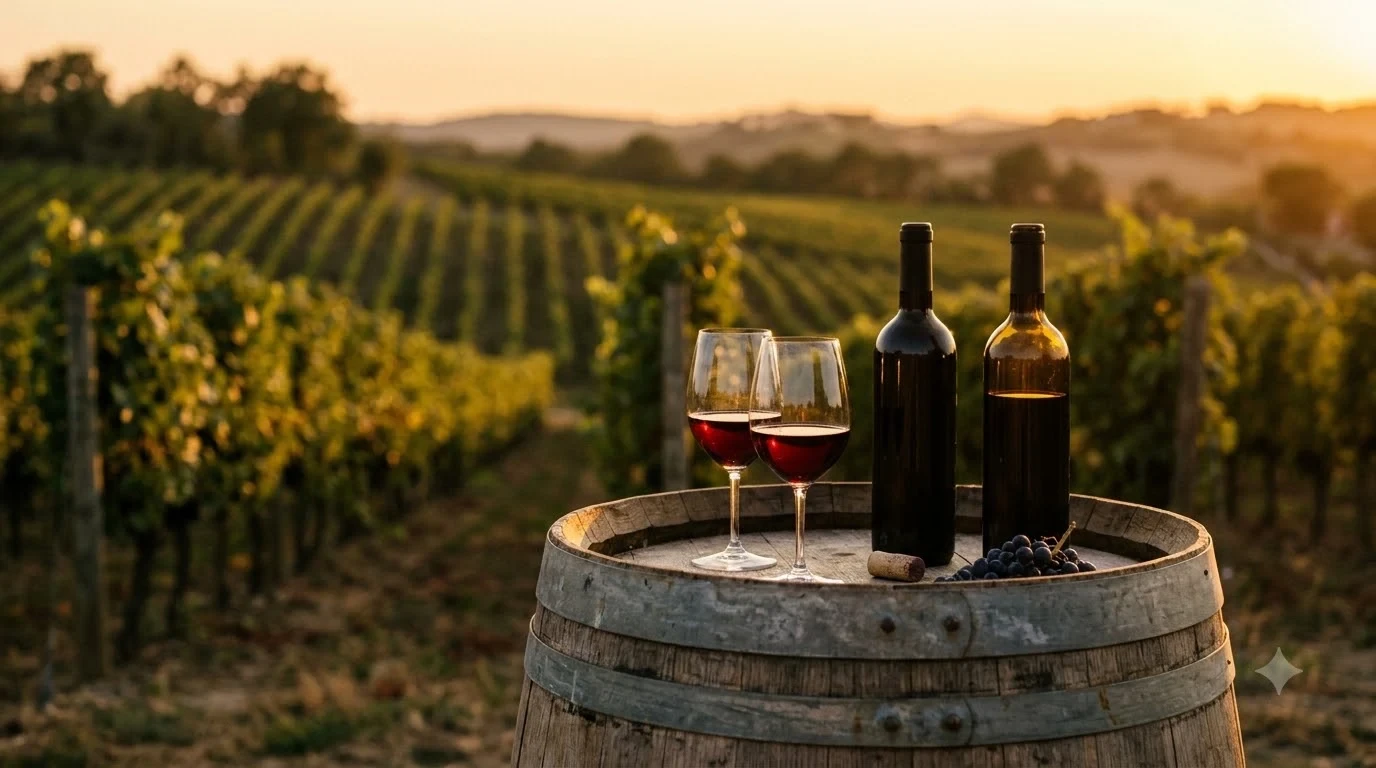
Quebec wine tasting introduces visitors to distinctive cold-climate wines made from grapes such as Vidal, Frontenac, Marquette, and Seyval Blanc, alongside naturally frozen ice wines. The province’s vineyards stretch across the Eastern Townships, Montérégie, the Richelieu River Valley, and other growing areas with different soils and climatic conditions. Visitors can explore small family-run wineries, sample traditional and experimental styles, and discover how Quebec winemakers adapt European grape varieties and cold-hardy hybrids to northern conditions. Ice wine, fresh white wines, aromatic reds, and sparkling wines make the region particularly interesting for wine enthusiasts.
Quebec is not simply a colder version of a traditional European wine region. Its winemaking identity has developed around a shorter growing season, challenging winters, distinctive hybrid grapes, and a strong connection between vineyards and local food. A tasting visit offers an opportunity to understand these influences directly, whether at a family vineyard near Dunham, an estate overlooking the Eastern Townships, or a winery producing ice wine from naturally frozen grapes. Understanding the grapes, regional differences, and tasting styles makes it easier to appreciate what each bottle contributes.
What Makes Quebec Wine Tasting Different?
Quebec wine tasting centers on cool-climate character, cold-hardy grape varieties, and the creativity required to grow wine grapes through severe winters. The province produces everything from crisp whites and structured reds to sparkling wines and concentrated dessert wines.
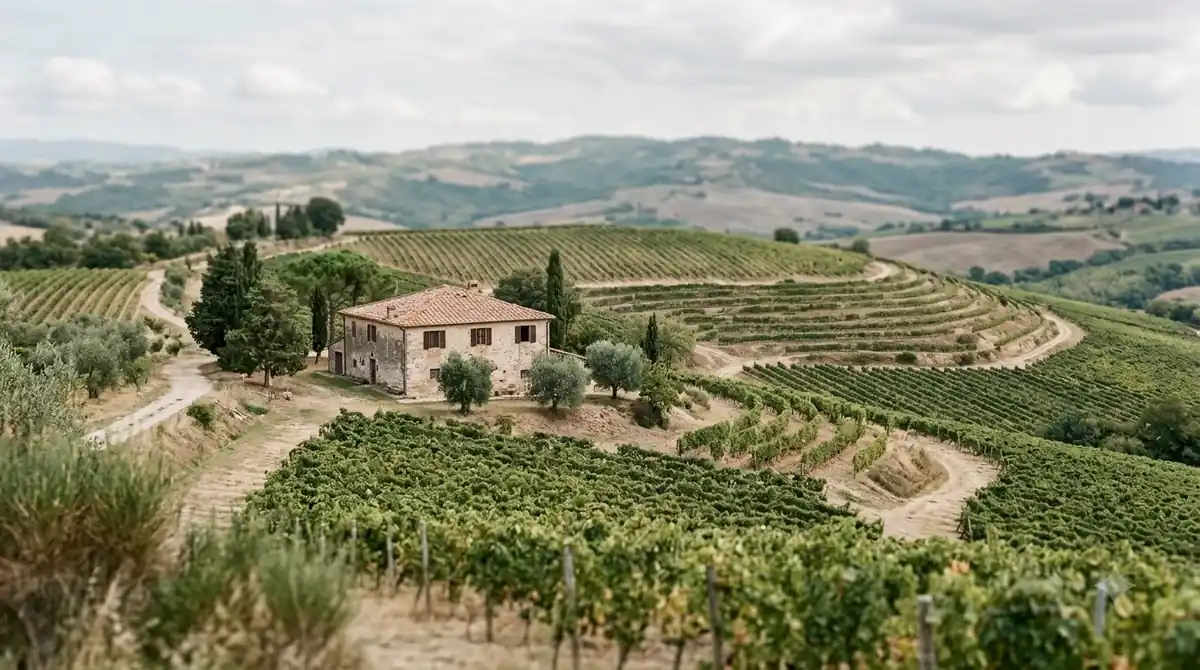
Quebec’s commercial wine industry developed substantially during the 1980s. According to the Quebec government, the province now produces more than 3 million bottles annually. Its vineyards are generally smaller than those found in established European wine regions, and many producers concentrate on estate-grown grapes and relatively small production runs.
The climate is one of the strongest influences on the wines. Quebec experiences cold, humid winters and relatively warm summers, with a growing season that can be challenging for traditional European grape varieties. Winter temperatures can threaten vine survival, while spring frosts and autumn weather influence harvest decisions. Growers therefore select grape varieties according to their ability to tolerate cold and ripen within a limited period.
Another defining feature is the prominence of hybrid grapes. These varieties combine characteristics from different grape species, often offering better resistance to cold and vineyard diseases than more delicate European varieties. Frontenac, Marquette, and Vidal are important examples. At the same time, some Quebec vineyards cultivate Chardonnay, Pinot Noir, and other familiar Vitis vinifera varieties, sometimes using protective winter coverings to help the vines survive.
This combination gives Quebec wines a distinctive identity. A tasting flight might begin with a refreshing Seyval Blanc, continue with an aromatic Frontenac Gris, and finish with a fuller Marquette red. Another producer might offer Chardonnay, Pinot Noir, and a naturally frozen Vidal dessert wine.
The best approach is to compare unfamiliar hybrid varieties with familiar international grapes. Instead of judging every Quebec wine against a Burgundy or Bordeaux benchmark, pay attention to acidity, fruit expression, texture, and how successfully the wine reflects its growing conditions.
Quebec also has a developing certification system. The Vin du Québec Protected Geographical Indication identifies wines made from 100% Quebec-grown grapes within the designated geographical area. Certification includes production requirements, laboratory analysis, and expert sensory assessment. This provides an additional way to identify wines with verified local origin.
Quebec’s Main Wine-Growing Regions
Quebec has several distinct wine-growing areas, with the Eastern Townships and Montérégie particularly important for vineyard visits. Differences in elevation, soil, rainfall, and frost-free days influence the grapes that growers can cultivate successfully.
The Eastern Townships, also called Cantons-de-l’Est, are among the province’s best-known wine destinations. The area includes Dunham, Frelighsburg, Sutton, and surrounding communities. Its rolling countryside, mountain scenery, and concentration of wineries make it a natural choice for visitors planning a wine-focused trip.
Dunham has a particularly important place in Quebec wine history because it is recognized as the birthplace of the province’s wine-growing industry. The South Appalachian Foothills extend from Lake Champlain toward the Sutton Mountains. According to Vins du Québec, this area has approximately 196 to 207 frost-free days and between 1,171 and 1,348 degree-days, depending on the location.
Montérégie is another major area. Vineyards around the Monteregian Hills benefit from varied exposures and soils influenced by ancient geological formations. Important communities include Saint-Bruno, Saint-Hilaire, Rougemont, Saint-Grégoire, and Yamaska. The surrounding landscape includes sand and gravel deposits associated with the ancient Champlain Sea.
The Richelieu River Valley offers another interesting comparison. Its growing conditions include approximately 205 to 212 frost-free days and 1,191 to 1,415 degree-days. Clay, organic soils, and glacial deposits contribute to the area’s agricultural character.
Other wine-growing areas include Deux-Montagnes, the Outaouais Valley, the North Appalachian Foothills, Lake Saint-Pierre, and the St. Lawrence River region. The influence of nearby waterways can moderate temperature variations, while differences in elevation and latitude create distinct growing conditions.
| Wine-growing area | Notable characteristics | Why visit |
|---|---|---|
| Eastern Townships | Dunham, Sutton, Frelighsburg | Established wine route and varied vineyard experiences |
| Montérégie | Saint-Hilaire, Rougemont, Saint-Bruno | Important grape-growing concentration |
| Richelieu River Valley | 205–212 frost-free days | Relatively favorable growing conditions |
| South Appalachian Foothills | 196–207 frost-free days | Diverse elevations and Lake Champlain influence |
| Deux-Montagnes | 164–187 frost-free days | Water-influenced local climate |
| North Appalachian Foothills | 50–300 meters in elevation | Cooler conditions and varied soils |
These figures illustrate why two Quebec vineyards can produce different wines even when they are relatively close geographically. Frost-free periods, growing-season heat, and soil composition all influence grape ripening. A visit to the Eastern Townships followed by a tasting in Montérégie can therefore provide a useful comparison of the province’s regional diversity.
For a broader understanding of how regional geography influences wine styles elsewhere, compare Quebec’s northern conditions with Alsace wine tasting. Both regions offer valuable examples of how climate and vineyard location shape wine character, although their grape varieties and growing conditions differ considerably.
Grape Varieties to Look for During a Tasting
The most useful way to understand Quebec wines is to become familiar with their principal grape varieties. Vidal, Frontenac Blanc, Seyval Blanc, Frontenac Noir, and Marquette are especially relevant starting points for a tasting flight.
White wines represent nearly half of Quebec’s production, making them an excellent introduction. Vidal is one of the province’s recognizable white varieties. It can produce aromatic wines with lively acidity and citrus, orchard-fruit, and sometimes tropical-fruit characteristics. It is also important in ice wine production because its naturally concentrated fruit character and acidity can balance sweetness.
Frontenac Blanc is another cold-hardy variety worth exploring. Depending on the producer and winemaking approach, it can produce fresh, aromatic wines with citrus and stone-fruit notes. Frontenac Gris, a related color mutation, offers another perspective on the Frontenac family and can appear in dry, aromatic, and slightly richer styles.
Seyval Blanc is particularly useful for visitors who enjoy crisp white wines. Expect refreshing acidity and citrus or green-fruit characteristics. Saint-Pépin is another local white variety that can offer floral aromas and fresh fruit expression. Chardonnay is also grown in Quebec, providing a familiar reference point for comparing local conditions with other cool-climate regions.
Red wines deserve equal attention. Frontenac Noir is one of the varieties associated with Quebec’s cold-climate viticulture. It can produce fruit-forward wines with cherry, berry, and darker fruit characteristics. Marquette is another important hybrid red, often producing a deeper color and more substantial structure.
Maréchal Foch is an established hybrid variety that can deliver earthy, dark-fruit, and sometimes spicy characteristics. Pinot Noir provides an opportunity to explore how a classic European grape performs under Quebec conditions. Its relatively delicate tannins and fresh acidity make it especially interesting in a comparative tasting.
How to organize a tasting flight
A useful tasting sequence begins with a lighter white, moves through a more aromatic or fuller white, and finishes with red wines before any sweet wines. For example, compare Seyval Blanc with Vidal, then taste Frontenac Noir and Marquette. Finish with a Vidal ice wine if the winery offers one.
When comparing wines, focus on five elements: appearance, aroma, acidity, body, and finish. Acidity is especially important in Quebec whites because it helps maintain freshness and balance. With reds, pay attention to the relationship between fruit intensity, tannin, and acidity rather than judging the wines solely by color or body.
Tip: Ask the tasting-room staff which wines best demonstrate the vineyard’s local grape varieties. Comparing two wines made from the same grape by different producers can reveal more about Quebec’s regional character than tasting several unrelated international varieties.
Ice Wine and Other Quebec Wine Styles
Quebec ice wine is one of the province’s most distinctive specialties, but visitors should also explore its dry whites, reds, rosés, sparkling wines, and orange wines. The region’s cold climate supports a variety of styles rather than a single signature product.
Ice wine, known in French as vin de glace, is produced from grapes that freeze naturally on the vine. This distinction is essential. The grapes are not simply placed in a freezer after harvesting. Natural freezing and dehydration concentrate the sugars and flavors while preserving the fruit’s acidity.
According to Quebec’s protected designation specifications, grapes for Vin de glace du Québec must be grown within the defined geographical area, frozen naturally on the vine, harvested by hand at an outside temperature of -8 degrees Celsius or colder, and pressed while frozen. The resulting wine is concentrated and sweet, often showing apricot, peach, citrus, honey, and tropical-fruit characteristics.
Vidal is particularly relevant to Quebec ice wine. Its natural acidity can balance the high sugar concentration, helping prevent the wine from tasting excessively heavy. A successful bottle combines sweetness with freshness and a persistent finish.
Quebec also produces conventional dry white wines. These are often the best starting point for visitors who prefer freshness over sweetness. Seyval Blanc, Vidal, and Frontenac Blanc offer different aromatic profiles, while Chardonnay provides a familiar comparison with other cool-climate wine regions.
Red wines range from lighter, fruit-driven examples to more structured bottlings. Frontenac Noir and Marquette are particularly interesting because they demonstrate how hybrid varieties can develop character in northern conditions. Some producers also experiment with oak aging, extended skin contact, and different fermentation techniques.
Rosé wines are another option, particularly during warmer months. Depending on the grape and production method, they can show strawberry, raspberry, citrus, and floral aromas. Sparkling wines provide a further opportunity to explore the region’s natural acidity and suitability for fresh, lively styles.
Orange wine, made by fermenting white grapes with extended skin contact, is also part of Quebec’s production landscape. These wines may have deeper color, more noticeable texture, and additional tannic grip compared with conventional whites.
Visitors interested in traditional dessert wines can compare Quebec ice wine with other sweet wine traditions. The important distinction is that authentic Quebec ice wine depends on naturally frozen grapes and a defined geographical designation, rather than simply producing a sweet wine from concentrated juice.
Planning a Quebec Vineyard Visit
The Eastern Townships Route des Vins is one of the most convenient ways to organize a Quebec wine tasting trip. Its approximately 165-kilometer circuit connects vineyards, villages, food producers, and outdoor attractions in a four-day itinerary.
The route is particularly attractive because it combines wine with regional food and countryside experiences. Rather than visiting tasting rooms in isolation, travelers can build a day around a vineyard, a local cheese producer, and a nearby village.
Domaine du Ridge is one of the notable stops. The vineyard is featured for its family-run character and emphasis on biodynamic viticulture. It offers an opportunity to learn about agricultural practices as well as the wines themselves. Visitors interested in vineyard management can ask how the producer approaches soil health, biodiversity, and the challenges of growing grapes in a cold climate.
Maison agricole Joy Hill is another interesting destination. Located on Joy Hill, it offers natural wines and views toward Mont Pinacle. The property is included in the official Eastern Townships wine route, making it a useful stop for visitors interested in less conventional winemaking approaches.
Le Vignoble du Ruisseau offers a broader agricultural experience, with a distillery, cider mill, organic maple grove, bistro, and dining facilities. It is a good example of how Quebec wineries can combine wine tourism with other local food traditions.
Domaine Girouard is another worthwhile stop, particularly for visitors interested in different maturation methods. Its offerings include wines aged in terracotta amphorae, while the property provides views of Mont Sutton and nearby Vermont peaks.
Sugar Hill Vineyard, near Lac-Brome, focuses on organic wines and offers personalized tasting experiences. This makes it an interesting choice for visitors who prefer a more tailored introduction rather than a quick tasting at a busy counter.
The official Eastern Townships Route des Vins itinerary provides additional information about the four-day circuit, its 13 activities, and the vineyards included in the route.
Not every traveler needs four days. A shorter visit can focus on two wineries and a meal in Dunham, Sutton, or Lac-Brome. Two carefully chosen tasting appointments usually provide a more enjoyable experience than trying to visit several vineyards in a single afternoon.
Seasonality matters. Summer is suitable for outdoor tastings, patios, and vineyard walks. Early autumn offers an opportunity to see the vineyards during harvest preparations, although schedules depend on the individual producer and the weather. Some wineries also offer winter experiences associated with ice wine and seasonal activities.
Before leaving, confirm tasting hours, tour availability, and reservation requirements directly with the winery. Some visits can accommodate walk-in guests, while guided experiences and personalized tastings may require advance booking. Transportation should also be planned carefully, particularly when visiting multiple wineries.
Visitors who enjoy comparing less familiar wine regions can also explore Willcox wine tasting, where Arizona’s high-desert growing conditions create a very different set of challenges and wine styles.
Food Pairings and Serving Quebec Wines
Quebec wines work particularly well with the province’s regional food traditions, including local cheeses, poultry, freshwater fish, pork, and seasonal produce. The best pairing depends on acidity, sweetness, tannin, and the richness of the dish.
Dry Quebec whites such as Seyval Blanc and fresh Vidal are natural partners for seafood. Their acidity helps refresh the palate after bites of richer food, while citrus and orchard-fruit notes complement fish, shellfish, and light vegetable dishes. Try a crisp white with grilled trout, seared scallops, or a simple seafood salad.
For dishes containing lemon, vinegar, or other strongly acidic ingredients, choose a wine with equal or higher acidity. A softer, less acidic wine may taste flat beside an acidic sauce. This is one reason lively Quebec whites can work particularly well with regional fish dishes served with citrus or herb-based dressings.
Chardonnay can accompany richer seafood, roast chicken, and creamy sauces. A fuller-bodied example is particularly suitable for dishes with butter, mushrooms, or mild cheeses. Serve full-bodied whites around 50 to 55 degrees Fahrenheit to preserve freshness without suppressing their aromas.
Quebec red wines made from Marquette and Frontenac Noir can accompany roasted poultry, pork, mushrooms, and grilled meats. Their fruit-forward character works particularly well with dishes that have moderate seasoning and some savory depth. Lighter Pinot Noir is another option for roast chicken, duck, and mushroom preparations.
When choosing a red wine for food, consider tannin. Salt and fat soften the perception of tannin, which makes moderately structured reds useful alongside richer meat dishes and aged cheeses. However, heavily tannic wines can overpower delicate fish or lightly seasoned dishes.
Local cheeses offer particularly interesting pairing opportunities. A young, creamy cheese can complement fresh white wine, while firmer and more mature cheeses can work with richer whites or fruit-forward reds. Blue cheese can be an excellent partner for sweet ice wine because the saltiness contrasts with the wine’s concentrated sugar.
Quebec ice wine should be served as a dessert wine, not as a substitute for a dry table wine. Its sweetness makes it particularly effective with fruit desserts, fruit tarts, and suitable cheeses. A good pairing principle is to ensure that the wine is at least as sweet as the dessert. Otherwise, the wine can taste thin or sharply acidic.
For a simple tasting at home, serve sparkling wines at 40 to 50 degrees Fahrenheit, light whites and rosés at 45 to 50 degrees, full-bodied whites at 50 to 55 degrees, and light reds at 55 to 60 degrees. Sweet whites such as ice wine are best served around 43 to 50 degrees.
A standard tasting pour is approximately 5 ounces, and a 750-milliliter bottle provides about five such servings. Smaller pours are useful when comparing several wines during a tasting flight.
For additional regional food and wine comparisons, Bolgheri wine tasting offers a contrasting experience centered on Tuscan reds and Mediterranean food traditions.
How to Get More from a Quebec Wine Tasting
A successful tasting involves more than identifying whether a wine is enjoyable. Comparing grape varieties, asking about vineyard conditions, and paying attention to production methods can help visitors understand why Quebec wines taste the way they do.
Begin by asking the tasting-room staff about the vineyard’s most representative wines. A producer might recommend a Vidal white, a Frontenac red, or a specialty sparkling wine as the best introduction to its property. These recommendations provide a useful starting point because individual vineyards often focus on different grape varieties.
Next, compare wines by variety rather than simply moving through a list of unrelated bottles. If the winery offers two Vidal wines, ask whether they differ in harvest timing, fermentation, aging, or residual sugar. These production decisions can create noticeable differences even when the wines use the same grape.
Pay attention to acidity. Cool-climate wines often retain refreshing acidity, which can make them particularly attractive alongside food. Consider whether a white wine feels crisp and light or richer and rounder. With red wines, assess how tannin and fruit interact and whether the finish remains balanced.
Ask questions about winter vine protection. Some Quebec growers use geotextile coverings to protect less cold-hardy vines. Others concentrate on varieties naturally adapted to the region. Understanding these choices helps explain why some estates grow Chardonnay and Pinot Noir while others focus primarily on hybrids.
Certification is another useful topic. A wine carrying the Vin du Québec PGI designation must satisfy geographical and production requirements. The designation applies to the individual certified wine, not automatically to every bottle made by a particular vineyard. This distinction matters when comparing wines from the same producer.
Visitors interested in ice wine should ask about grape variety, harvest conditions, and certification. The naturally frozen fruit, hand harvesting, and pressing requirements are central to the style. It is also worth asking how the producer balances residual sugar with acidity.
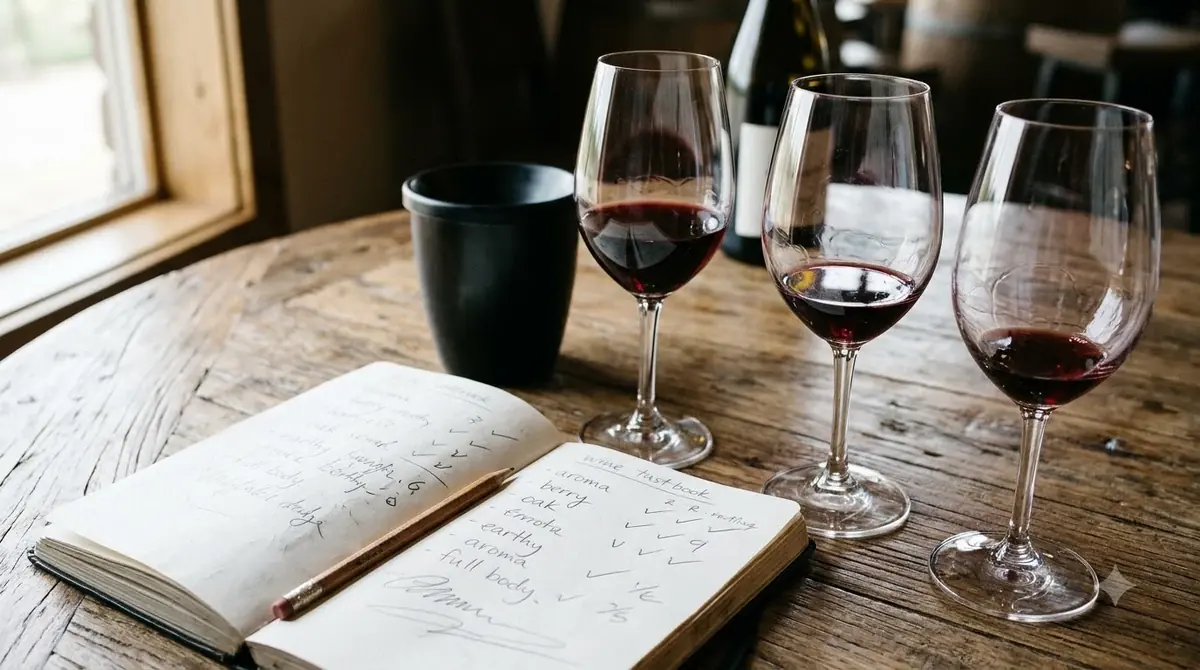
Taking tasting notes makes comparisons easier. Record the grape variety, vintage, color, aromas, acidity, body, and finish. A short note such as “Vidal, citrus and peach, high acidity, medium body, dry finish” is often more useful than a general statement that the wine was enjoyable.
Finally, avoid rushing. Allow time between wines, drink water, and use a designated driver or other transportation arrangement when visiting several wineries. A relaxed tasting gives each wine the attention it deserves and makes it easier to remember the differences between producers and regions.
Frequently Asked Questions
Can Quebec wine be shipped to other countries?
International shipping depends on the winery’s distribution arrangements and the destination country’s alcohol import regulations. Some Quebec producers sell through authorized distributors, while others concentrate on sales at the vineyard and within Canada. Travelers interested in bringing bottles home should check their destination’s customs allowance and applicable import rules before purchasing.
What does 900 degree-days mean for Quebec wine?
Degree-days measure accumulated warmth during the growing season using daily temperatures above a specified base temperature. Quebec’s PGI Vin du Québec geographical requirements include a minimum of 900 degree-days. This helps establish whether an area has sufficient seasonal heat for grape growing under the designation’s rules.
Are Quebec wines suitable for vegetarian and vegan diets?
Many wines are made entirely from grapes and do not contain animal ingredients, but some winemaking clarification agents can be animal-derived. These include certain forms of gelatin, egg white, and casein. Visitors following a vegan diet should ask the producer about its fining and filtration practices rather than assuming that every wine is suitable.
What is the difference between a hybrid grape and a European grape?
Hybrid grapes are created through crosses involving different grape species or varieties, often to combine useful characteristics such as cold tolerance and disease resistance. Vitis vinifera refers to the European wine grape species that includes Chardonnay, Pinot Noir, and Gamay. Quebec growers use both categories to adapt their vineyards to local growing conditions.
Does Quebec produce sparkling wine using traditional bottle fermentation?
Quebec produces sparkling and pétillant wines, but production methods vary by winery and bottle. Some producers may use traditional bottle fermentation, while others use different sparkling-wine techniques. Ask about the method used for a particular bottle if you want to compare it with Champagne or Cava, which undergo their second fermentation in the bottle.
Quebec wine tasting offers an engaging introduction to a northern wine culture shaped by cold winters, adaptable grape varieties, and distinctive regional conditions. From the vineyards of Dunham and Montérégie to naturally frozen Vidal ice wine, the province offers plenty of opportunities to explore local wines alongside regional food. Start with a few representative grape varieties, take time to compare producers, and enjoy the differences that make Quebec an increasingly interesting wine destination.
More in Wine Regions
 Willcox Wine Trail: Discover Arizona’s High-Elevation Wine CountryUpdated Nov 20, 2026
 Yakima Valley Wine Region: Find the Best Styles to TryUpdated Nov 20, 2026
 Vosne Romanee Wine Tasting: Identify Aromas and Choose Better PairingsUpdated Nov 20, 2026
 Yakima Valley Wine Festival: Find the Best Seasonal Wine EventsUpdated Nov 20, 2026
 Wales Vineyards: Discover Cool-Climate Wines and Where to VisitUpdated Nov 20, 2026
 Yountville Wine Festival: Discover Napa Wines and Local FoodUpdated Nov 20, 2026