

We may earn a commission when you buy through links on this page, at no extra cost to you. Learn more.
The pouilly fume wine region is a celebrated white wine appellation in France’s Centre-Loire, producing dry, aromatic Sauvignon Blanc known for citrus, fresh herbs, mineral character, and distinctive gunflint notes. Located on the right bank of the Loire River in the Nièvre department, the appellation is particularly recognized for the influence of its flint, limestone, and Kimmeridgian marl soils. Its wines offer a range of styles, from crisp and youthful to structured whites capable of developing complexity over several years.
Pouilly-Fumé is one of the Loire Valley’s most distinctive expressions of Sauvignon Blanc. Although it shares its principal grape with neighboring Sancerre, its location, geology, and individual vineyard conditions give it a recognizable identity. Understanding the region makes it easier to select bottles, appreciate differences between producers, and find the right wine for seafood, cheese, and other dishes.
Where the Pouilly-Fumé Appellation Is Located
Pouilly-Fumé lies in the Centre-Loire wine district of eastern France, on the right bank of the Loire River. Its vineyards surround Pouilly-sur-Loire and the prominent hill of Saint-Andelain, with seven communities forming the appellation’s geographical area.
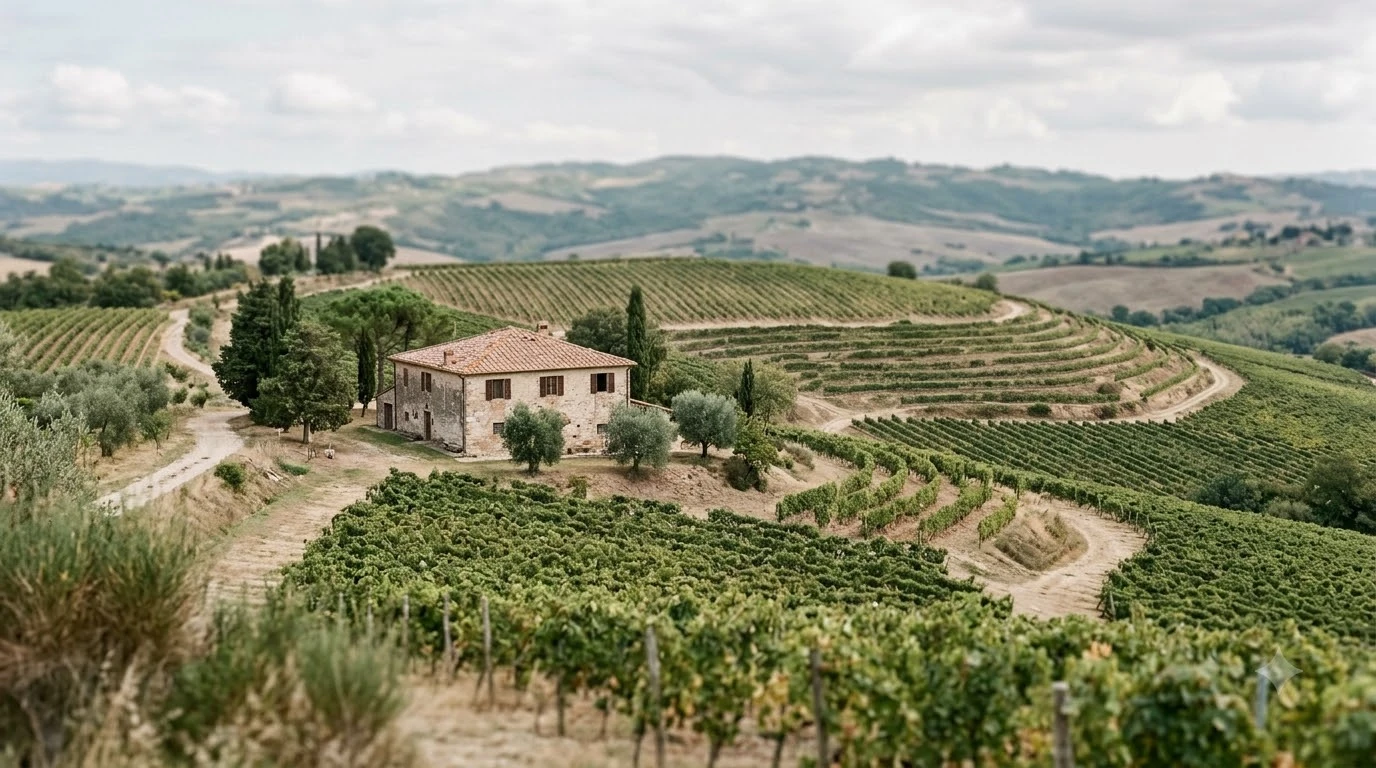
The vineyard area stretches for approximately 20 kilometers along the Loire. This position places Pouilly-Fumé within a distinctive part of the Loire Valley, between the wider Berry landscape and the Burgundy region. The river plays an important role in the local environment because its presence helps moderate cold temperatures. The combination of river influence, hillside exposure, and varied elevations contributes to differences between vineyard sites.
The appellation received official recognition in 1937, when Pouilly-Fumé and Pouilly-sur-Loire obtained their Appellation d’Origine Contrôlée status. This classification established geographical and production requirements that protect the identity of wines carrying the name. The two appellations share a geographical area but produce different wines from different principal grapes.
According to the Pouilly winegrowers’ association, the area includes approximately 1,400 hectares of Pouilly-Fumé vineyards and 30 hectares dedicated to Pouilly-sur-Loire. The association also identifies approximately 100 wineries, most of them family-owned. This gives the region a relatively concentrated production identity, with individual growers expressing differences in vineyard location and winemaking decisions.
Pouilly-Fumé belongs to the Centre-Loire group rather than the westernmost Loire wine districts around Nantes. Other important appellations in the same broader district include Sancerre, Menetou-Salon, Quincy, and Reuilly. These neighboring areas help illustrate the diversity of Loire Sauvignon Blanc, even though each appellation has its own geographical and production identity.
For a wider overview of French wine geography, the Wine Regions resource provides useful context. It also helps explain why two wines made from the same grape can differ considerably depending on their climate, soils, and production traditions.
Visiting the area offers a closer look at the relationship between vineyards and landscape. Saint-Andelain is an important reference point, while Pouilly-sur-Loire and Tracy-sur-Loire provide additional insight into the villages and communities associated with the appellation. The region’s relatively compact geography makes it easier to understand how neighboring vineyard sites can produce different expressions of Sauvignon Blanc.
The Soils and Terroir Behind Pouilly-Fumé
Three principal geological families shape the identity of Pouilly-Fumé: flinty clay, Kimmeridgian marl, and limestone. These soils influence vine development, grape ripening, acidity, and the aromas that emerge in the finished wines.
The region’s limestone soils are commonly associated with Villiers, Barrois, and Tonnerre. These relatively warm soils encourage earlier vegetative development and grape maturation. Wines from limestone sites often show bright citrus fruit, freshness, and sometimes subtle green notes reminiscent of blackcurrant bud. They can become approachable relatively early, particularly when produced from younger vineyard parcels.
Kimmeridgian marl is another important component of the local geology. These clay-rich soils slow the vegetative cycle and help provide relatively consistent grape maturation. The resulting wines can have a firmer structure, a fuller impression on the palate, and considerable aromatic development. Floral characteristics such as rose, white-fleshed fruit, and subtle vegetal notes may emerge as the wine matures.
Flinty-clay soils are particularly important to Pouilly-Fumé’s reputation. Flint, also known as silex, is associated with the appellation’s characteristic gunflint and mineral impressions. Wines from these sites can feel particularly taut and energetic when young. Their aromas may become more expressive after exposure to air or additional bottle aging.
There are also sandy, clay-siliceous soils, where the balance between sand and clay influences the resulting wine. More sandy conditions can produce softer, more immediately approachable expressions, while greater clay content can contribute to livelier balance and slower aromatic development.
The following comparison summarizes the principal soil families and their commonly associated wine characteristics.
| Soil type | Typical wine character | Common aromatic impressions | Development |
|---|---|---|---|
| Limestone | Fresh and lively | Citrus, blackcurrant bud | Often approachable early |
| Kimmeridgian marl | Firm and structured | Rose, white fruit, floral notes | Can develop over several years |
| Flinty clay | Tense and mineral | Gunflint, spice, mineral notes | Often benefits from 1–2 years |
| Clay-siliceous sand | Soft or lively, depending on composition | Floral and fresh fruit | Varies with sand and clay content |
These distinctions are useful when comparing wines, but they should not be treated as rigid rules. Vineyard age, exposure, harvest conditions, and cellar decisions also influence the final result. Two producers working with similar geology can create noticeably different wines through their approaches to harvesting, fermentation, and maturation.
The official appellation description from France’s INAO identifies flint, marl, and limestone as the principal soil families. The local growers’ association provides a more detailed explanation of their individual expressions in its Pouilly-Fumé soils and wine characteristics overview.
Sauvignon Blanc and the Signature Style of the Region
Pouilly-Fumé is made from Sauvignon Blanc, a grape variety known locally as Blanc Fumé. The wine is generally dry, refreshing, and aromatic, with citrus fruit, floral notes, fresh herbs, and a mineral character that varies according to vineyard conditions.
Sauvignon Blanc is naturally associated with high acidity, which gives Pouilly-Fumé its lively structure. This freshness makes the wine particularly suitable for seafood, salads, goat cheese, and dishes with lemon-based sauces. Its aromatic profile can range from restrained and mineral to expressive and fruit-forward.
Common fruit characteristics include lemon, grapefruit, lime, and other citrus impressions. Some wines also show white peach, pear, or other white-fleshed fruit. Floral notes may include white flowers, while greener aromatic impressions can resemble fresh herbs, boxwood, or blackcurrant bud.
Gunflint is one of the most frequently associated descriptions of Pouilly-Fumé. It refers to a mineral impression reminiscent of flint stones struck together. This characteristic is particularly associated with wines from flinty-clay sites, although the precise expression differs among producers and individual bottlings.
The word Fumé has two commonly accepted explanations. First, mature Sauvignon Blanc grapes can develop a grayish natural bloom on their skins, creating an appearance similar to a light veil of smoke. Second, the name refers to the smoky, gunflint-like impression associated with the region’s flint-rich geology.
Neither explanation means that producers need to smoke the wine or add smoky flavoring. Pouilly-Fumé is a traditional dry white wine whose character comes from its grape variety, growing environment, and production choices. The name is an important part of the appellation’s historical identity rather than a description of a smoked winemaking process.
Its aromatic profile also explains why Pouilly-Fumé can appeal to people who enjoy Sauvignon Blanc but want something more varied than straightforward tropical fruit flavors. A limestone-based bottling may emphasize citrus and freshness, while a flinty example can show more restrained fruit alongside mineral and spicy impressions.
Compared with many warmer-climate Sauvignon Blanc wines, Pouilly-Fumé often emphasizes freshness and mineral structure rather than pronounced tropical fruit. However, the appellation is not defined by a single rigid flavor profile. Differences in vintage, vineyard location, grape maturity, and winemaking allow producers to create a broad range of styles.
For a closer look at the individual vineyards responsible for these variations, explore the Pouilly-Fumé vineyards and their relationship with the region’s soils.
Climate, Harvesting, and Winemaking Traditions
The Pouilly-Fumé climate combines continental influences with the moderating presence of the Loire River. Warm days and cool nights help grapes reach maturity while preserving the acidity and aromatic freshness that define the region’s Sauvignon Blanc.
The Loire’s influence is particularly important during colder periods. The river helps moderate temperatures in the surrounding vineyard landscape, although spring frost remains a consideration for growers. The area’s valleys, slopes, and varying exposures also produce different local growing conditions.
Grape maturity is a central consideration when producing balanced Pouilly-Fumé. Sauvignon Blanc harvested too early can show particularly sharp acidity and pronounced green characteristics. Grapes harvested at greater maturity can produce wines with more generous fruit and a broader impression on the palate. Producers must find a balance between aromatic development, freshness, and the desired style.
According to the regional Loire appellation guide published by InterLoire, Pouilly-Fumé uses Sauvignon Blanc and has a base yield of 65 hectoliters per hectare. The region’s viticultural practices also emphasize vineyard management and appropriate grape maturity. These requirements help maintain the identity of the appellation.
After harvesting, grapes are generally pressed to obtain the juice for fermentation. The local growers’ association explains that much of the region’s vinification takes place in stainless steel vats. These vessels allow producers to manage fermentation temperatures and preserve the grape’s fresh aromatic character.
Alcoholic fermentation transforms grape sugars into alcohol through yeast activity. According to the regional producer association, this process takes approximately two to four weeks on average. After fermentation, the wine can remain in contact with its lees, the natural yeast deposits that settle during production.
Lees maturation is one of the decisions that can influence the texture of Sauvignon Blanc. Some producers prioritize a crisp, straightforward style, while others allow additional time on the lees to develop a broader mouthfeel. The length of maturation depends on the winemaker’s objectives and the character of the fruit.
Stainless steel is not the only possible vessel for making or maturing Sauvignon Blanc, but it is widely associated with preserving the fresh, precise character of Pouilly-Fumé. Some producers may choose different vessels or maturation approaches to add texture and complexity. The important distinction is that the appellation’s identity is not dependent on one universal cellar recipe.
Vintage conditions also matter. Changes in temperature, rainfall, and growing-season conditions can affect grape development and the balance between fruit ripeness and acidity. This means a bottle from one harvest may show more generous fruit, while another may emphasize sharper freshness or mineral definition.
Understanding these production choices helps explain why Pouilly-Fumé can be both an accessible everyday white wine and a serious bottle for a more considered meal. Its identity comes from the interaction of grape, vineyard, climate, and winemaker rather than from a single technique.
Food Pairings That Complement Pouilly-Fumé
Pouilly-Fumé pairs particularly well with seafood, shellfish, goat cheese, and white meats served with cream or lemon sauces. Its high acidity and fresh citrus character provide balance against rich textures while complementing the delicate flavors of many fish and vegetable dishes.
Seafood is one of the most natural pairing categories. Grilled sea bass, baked cod, steamed mussels, and scallops all work well with the wine’s freshness. Lemon, herbs, and light butter sauces can reinforce its citrus and floral notes without overwhelming its more delicate characteristics.
Scallops are especially suitable because their natural sweetness and tender texture complement the wine’s fruit and mineral character. Pan-seared scallops with a light lemon sauce provide a particularly good combination. The acidity refreshes the palate between bites, while the wine’s aromatic intensity adds another layer to the meal.
Goat cheese is another classic Loire pairing. A fresh chèvre has enough acidity to complement Sauvignon Blanc, while its creamy texture provides contrast. A simple cheese board with fresh goat cheese, mild crackers, and sliced pear can make a good accompaniment to a crisp, youthful Pouilly-Fumé.
White meat is also a strong choice, especially chicken or turkey prepared with cream, lemon, or fresh herbs. The wine’s acidity cuts through richer sauces, while its fruit and floral notes complement the mild flavor of the meat. Roasted chicken with lemon and thyme is a particularly practical option.
Vegetable dishes can work equally well. Asparagus, green beans, zucchini, and herb-based salads are suitable partners, especially when prepared with lemon or a light vinaigrette. The key is to avoid excessively sweet dressings or very heavy sauces that can obscure the wine’s fresh character.
Here are several pairing suggestions based on the style of the dish and the wine’s characteristics:
- Seafood: Grilled sea bass, cod, prawns, and scallops.
- Shellfish: Oysters, mussels, and lightly seasoned shellfish preparations.
- Cheese: Fresh goat cheese, young chèvre, and moderately flavored soft cheeses.
- White meat: Roast chicken with lemon, turkey with herbs, and chicken in a light cream sauce.
- Vegetables: Asparagus, zucchini, green salads, and dishes with fresh herbs.
Seasoning is important. Acidic ingredients such as lemon generally work well because the wine already has high acidity. Salt and moderate amounts of fat can also soften the perception of acidity and create a more balanced combination. Very spicy preparations are less suitable because alcohol and heat can intensify the burning sensation of chili.
Rich fish dishes should generally use restrained sauces rather than heavy, sweet glazes. Oily fish such as salmon can work with sufficiently flavorful preparations, particularly when served with lemon or herbs, but lighter fish dishes are often the more straightforward match.
Tip: Serve Pouilly-Fumé with a fresh goat cheese salad or grilled scallops with lemon. These combinations highlight the wine’s citrus freshness, mineral character, and natural acidity without overpowering its aromas.
For a simple dinner, pair a chilled bottle with grilled white fish, roasted vegetables, and a fresh herb dressing. For a more formal meal, serve it alongside scallops or a delicate white-meat preparation. These combinations allow the wine to complement the food while retaining its own aromatic identity.
Serving Temperature, Storage, and Aging Potential
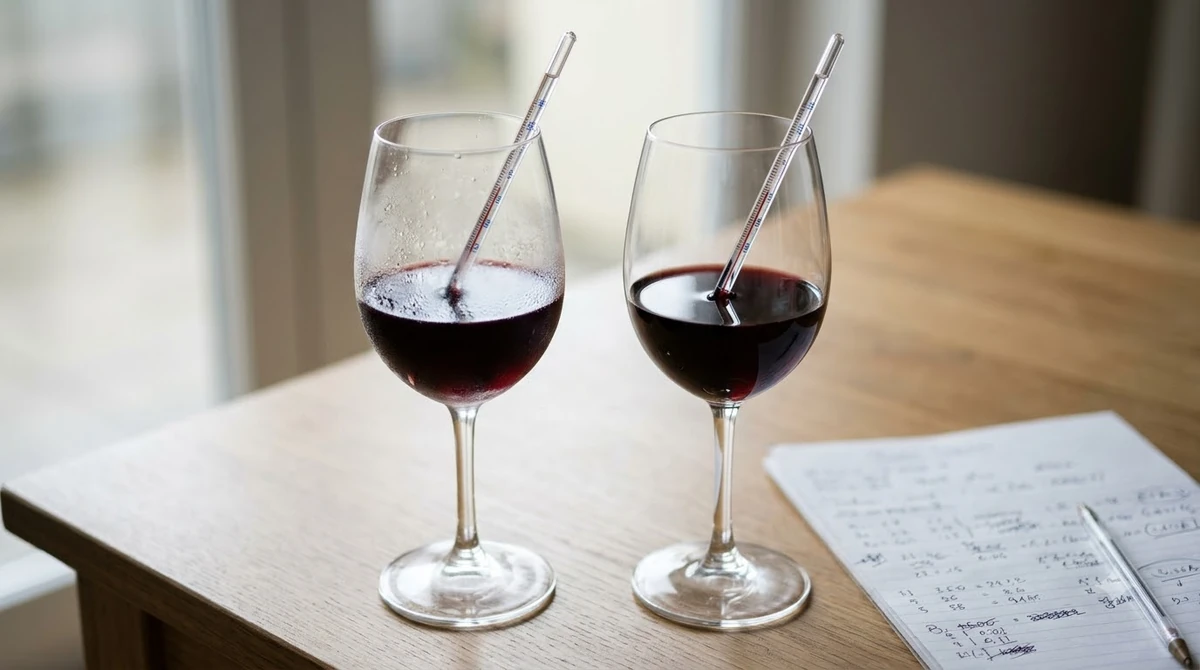
Pouilly-Fumé is best served chilled but not excessively cold. A temperature of approximately 45–50 degrees Fahrenheit works well for most bottles, allowing the wine to retain its freshness while giving citrus, floral, and mineral aromas room to develop.
Serving the wine straight from a very cold refrigerator can temporarily suppress its aromatic expression. If the bottle is particularly cold, allow it to warm slightly in the glass before assessing its full character. A moderately chilled serving temperature is especially useful for more complex examples from flinty or marl-based vineyards.
Glassware also influences the drinking experience. A standard white wine glass with a moderately sized bowl is suitable for most Pouilly-Fumé. It provides enough room for the aromas to collect without requiring an oversized glass designed for fuller-bodied red wines.
Most bottles are intended to be enjoyed relatively young. The regional producer association explains that many wines are commonly enjoyed within 6 to 18 months following harvest, when their youthful fruit and freshness are particularly expressive. These wines are generally best approached for their citrus, floral, and mineral qualities rather than extensive aging.
However, not every Pouilly-Fumé should be treated as an immediate-drinking wine. Some cuvées have meaningful aging potential, particularly those produced from structured vineyard sites and carefully selected fruit. Kimmeridgian marl wines can develop greater aromatic complexity, while flinty-clay wines may require additional time before their mineral and spicy characteristics become fully expressive.
The local growers’ association notes that flinty-clay wines often benefit from one to two years before reaching their preferred expression. More powerful examples may require additional time. This is a useful distinction for anyone comparing a youthful bottle with a more developed vintage.
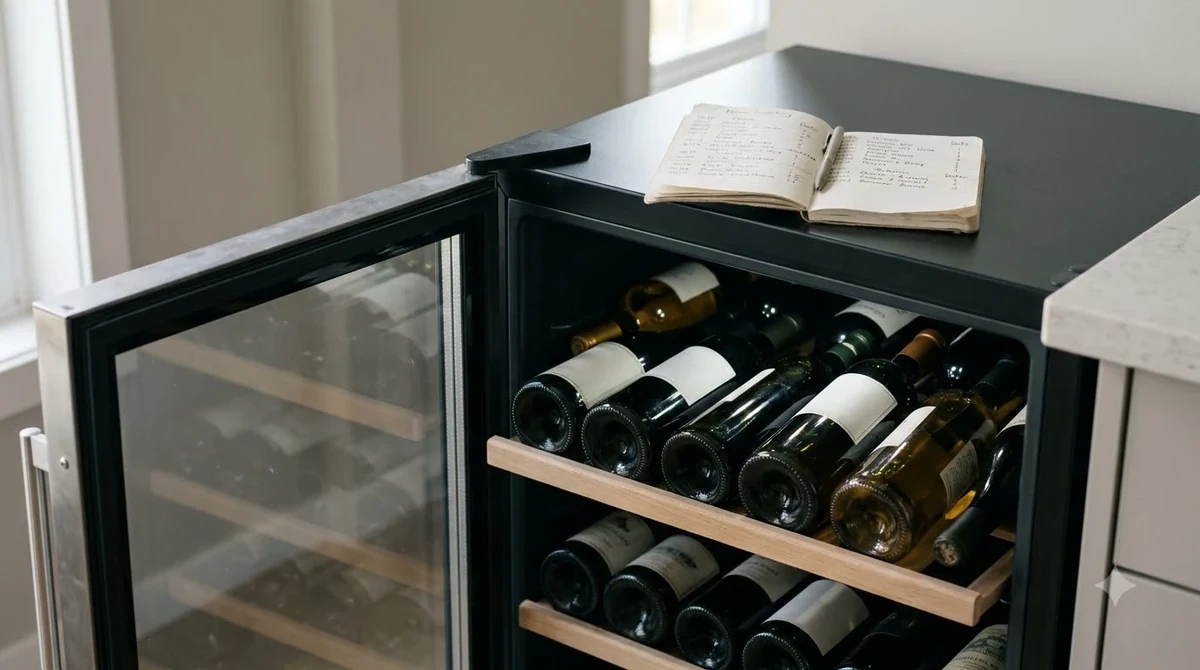
Proper storage is important if a bottle is being kept for later enjoyment. Store unopened bottles away from direct sunlight, heat sources, and frequent temperature changes. A cool storage environment close to 55 degrees Fahrenheit is suitable, with bottles kept on their sides when sealed with natural cork.
Once opened, reseal the bottle and refrigerate it. Most still white wines remain enjoyable for approximately three to five days, although their aromatic freshness gradually declines. Using a suitable wine stopper can help limit air exposure between servings.
For anyone buying Pouilly-Fumé for a particular occasion, the choice between youthful and mature styles depends on the meal and the desired drinking experience. A young bottle is often the better option for a light seafood lunch, while a more developed wine can be interesting with richer fish dishes or carefully prepared white meat.
It is also helpful to remember that bottle aging does not automatically improve every Sauvignon Blanc. Many wines are deliberately made to preserve fresh fruit and acidity, and extended storage may cause these qualities to fade. Choose wines with clear aging potential rather than assuming every bottle will improve over time.
How to Choose Pouilly-Fumé and Understand Its Neighbors
Choosing Pouilly-Fumé becomes easier when you consider vineyard soil, producer style, vintage, and intended drinking occasion. A bright limestone-based wine may suit an informal meal, while a more structured flinty or marl-based bottle can offer additional complexity and a different aging experience.
Start by considering the flavor profile you enjoy. If citrus, freshness, and an immediately expressive style are priorities, a limestone-influenced bottling is a useful starting point. These wines often show fresh fruit and lively acidity, making them particularly suitable for drinking relatively young.
If you prefer a wine with greater structure, consider producers working with Kimmeridgian marl. These wines can develop floral and white-fruit characteristics as they mature. Their firmer palate structure makes them particularly interesting for people who enjoy Sauvignon Blanc with more depth than straightforward fresh-fruit expression.
For a pronounced mineral impression, look for a bottle associated with flinty-clay vineyard sites. Such wines can show the gunflint character for which Pouilly-Fumé is known. They may benefit from additional aeration when young, and some examples develop more complexity after one or two years of bottle aging.
Producer style matters as much as the soil description. Some winemakers emphasize stainless-steel fermentation and a crisp, direct expression of Sauvignon Blanc. Others give greater attention to lees maturation and the development of texture. Neither approach is inherently better; the choice depends on whether you prefer freshness, roundness, or additional complexity.
One of the most common comparisons is between Pouilly-Fumé and Sancerre. Both are important Centre-Loire appellations associated with Sauvignon Blanc, and both can produce dry, aromatic wines with high acidity. However, they are separate geographical appellations with different vineyard landscapes and individual producers.
Sancerre lies on the opposite side of the Loire River, while Pouilly-Fumé occupies the right bank. Both regions have varied geological conditions, and both can produce mineral expressions. It is therefore too simplistic to say that every Pouilly-Fumé tastes smoky or that every Sancerre tastes primarily fruity. Producer decisions and specific vineyard locations matter considerably.
Other Loire appellations also provide useful comparisons. Menetou-Salon and Quincy are additional Sauvignon Blanc references within Centre-Loire, while Reuilly offers another perspective on the region’s white wines. Exploring these neighboring appellations helps develop a better understanding of how geography influences the grape.
The Loire’s wider wine landscape also includes regions with different grapes and wine styles. The Savoie wine region, for example, offers a useful contrast through its distinctive Alpine setting and diverse local varieties. Likewise, the Switzerland wine region provides another perspective on cool-climate European wine production.
When selecting a bottle, consider the following practical points:
- For fresh fruit: Look for a youthful wine with a limestone-influenced profile.
- For mineral character: Consider a bottling from flinty-clay vineyard sites.
- For additional structure: Explore wines associated with Kimmeridgian marl.
- For immediate enjoyment: Choose a recently released, fruit-focused example.
- For aging: Ask about the producer’s recommendations and the particular cuvée’s development potential.
It is also helpful to learn about the producer rather than relying entirely on the appellation name. Two bottles from Pouilly-Fumé can differ in aromatic intensity, texture, and aging potential. Understanding the vineyard and cellar approach gives buyers a more useful basis for comparing them.
Frequently Asked Questions
Is Pouilly-Fumé related to Pouilly-Fuissé?
No. Pouilly-Fumé comes from the Centre-Loire district and is made from Sauvignon Blanc. Pouilly-Fuissé is a Burgundy appellation in the Mâconnais, producing white wines from Chardonnay. Despite the similar names, they come from different French wine regions and represent different grape varieties.
Is Pouilly-Fumé always a white wine?
Yes. Pouilly-Fumé is a dry white wine appellation based on Sauvignon Blanc. It does not designate a red or rosé wine category. Its separate neighboring appellation, Pouilly-sur-Loire, also produces white wine, but uses Chasselas as its principal grape.
What is the difference between Blanc Fumé and Sauvignon Blanc?
Blanc Fumé is the traditional local name for Sauvignon Blanc in Pouilly. It does not identify a separate grape variety or a different genetic type of Sauvignon Blanc. The name is closely connected to the appellation’s history and the grayish bloom that can cover mature grapes.
How many bottles of Pouilly-Fumé does the region produce?
The Centre-Loire industry’s published figures report approximately 9.7 million bottles sold annually across Pouilly-Fumé and Pouilly-sur-Loire combined. The figures also identify exports to 129 countries. These combined market statistics should not be interpreted as Pouilly-Fumé production alone.
Can Pouilly-Fumé be served as an aperitif?
Yes. Its dry profile, aromatic freshness, and lively acidity make it suitable before a meal. Serve it with simple appetizers such as mild goat cheese, fresh vegetables, or lightly seasoned seafood. Avoid strongly sweet appetizers that could make the wine seem more acidic by comparison.
The Pouilly-Fumé appellation demonstrates how one grape variety can produce a wide range of expressions through differences in soil, climate, and winemaking. From crisp citrus-driven bottles to structured wines with pronounced mineral character, it offers plenty of variety for Sauvignon Blanc enthusiasts. Exploring different producers and vineyard expressions is one of the best ways to appreciate the distinctive identity of this Loire Valley wine region.
More in Wine Regions
 Willcox Wine Trail: Discover Arizona’s High-Elevation Wine CountryUpdated Nov 20, 2026
 Yakima Valley Wine Region: Find the Best Styles to TryUpdated Nov 20, 2026
 Vosne Romanee Wine Tasting: Identify Aromas and Choose Better PairingsUpdated Nov 20, 2026
 Yakima Valley Wine Festival: Find the Best Seasonal Wine EventsUpdated Nov 20, 2026
 Wales Vineyards: Discover Cool-Climate Wines and Where to VisitUpdated Nov 20, 2026
 Yountville Wine Festival: Discover Napa Wines and Local FoodUpdated Nov 20, 2026