

We may earn a commission when you buy through links on this page, at no extra cost to you. Learn more.
The nelson wine region is a compact wine-growing area at the northern tip of New Zealand’s South Island, best known for Pinot Noir, Chardonnay, Sauvignon Blanc, and aromatic white wines. Its two main subregions, the Moutere Hills and Waimea Plains, produce distinct expressions shaped by contrasting soils. High sunshine, coastal moderation, and sheltered sites help explain the region’s ripe fruit and fresh structure.
Nelson is smaller and less internationally familiar than neighboring Marlborough, but its range of styles rewards a closer look. The guide below explains the local geography, the difference between the two subregions, the grapes that define the area, and practical ways to choose, serve, pair, and explore its wines.
Where Nelson Sits and Why the Climate Matters
At the northern end of the South Island, Nelson faces the Tasman Sea and sits west of the much larger Marlborough wine region. Its sheltered coastal setting combines abundant sunshine with maritime moderation, while surrounding hills help protect vineyard sites from stronger winds. The result is a growing environment in which grapes can ripen while retaining freshness, rather than producing only powerful, high-alcohol wines.
The New Zealand Wine Nelson region profile describes its soils as free-draining and semi-fertile, and its climate as sheltered and moderating. That combination matters because vines need enough warmth and sunlight to ripen fruit, but the cooling influence of the sea helps preserve acidity and aromatic detail. Across New Zealand, vineyards are generally close to the ocean; Wine Enthusiast notes that no vineyard is more than 80 miles from it. In Nelson, the coastal influence works alongside the hills and the region’s two contrasting soil zones.
Nelson’s wine history reaches back to the mid-1800s, when German settlers planted the first vines. The modern industry took shape much later, with pioneering producers such as Seifried and Neudorf helping establish the region in the 1970s. That relatively small base of early producers helped give Nelson a boutique identity: the area is known for a focused group of established varieties, alongside experimentation with grapes that suit its sunny, maritime conditions.
Nelson is also a distinct stop for travelers comparing cool-climate regions. It has more sunshine than its reputation as a maritime area might suggest, yet its wines often retain a fresh line through the finish. Readers interested in another Southern Hemisphere coastal region can compare the Tasmania wine region, where cool maritime conditions also shape the local styles, though the regional grapes and landscapes differ.
Moutere Hills and Waimea Plains: Two Distinct Expressions
The Moutere Hills and Waimea Plains are close neighbors, but they should not be treated as interchangeable sources of Nelson wine. Moutere tends to give more structured, textured wines from clay-rich soils, while Waimea’s stony alluvial ground is associated with lighter, fresher, more aromatic expressions.
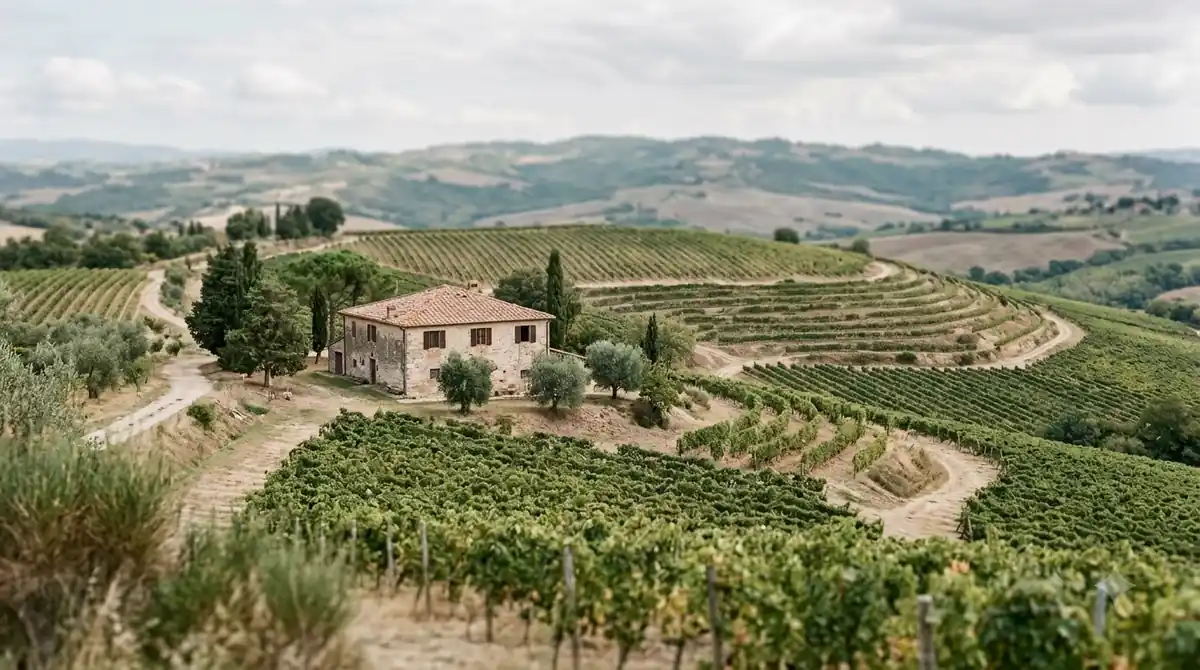
The Moutere Hills lie west of Nelson city and are slightly warmer and wetter than Waimea. Their gravel-threaded clay soils are central to the local style: the clay contributes breadth and texture, while the underlying gravel helps drainage. Pinot Noir from Moutere is often more structured, with fine tannins, and Chardonnay can show depth and complexity. The area also suits Sauvignon Blanc and aromatic varieties, which may carry a mineral edge alongside ripe fruit.
The Waimea Plains take their name from a Māori word meaning “river garden.” This flatter area has a long agricultural history, including orchards and hops, and its vineyards sit on stony alluvial soils shaped by river systems. The coastal influence moderates temperatures, and the wines are generally lighter and fresher than those from Moutere. Waimea Pinot Noir is often perfumed and approachable, while Sauvignon Blanc and aromatic whites can emphasize brightness and freshness.
These descriptions are useful starting points, not rigid rules. Vineyard aspect, crop levels, harvest timing, fermentation, oak, and the producer’s approach all affect the wine in the glass. A Moutere Sauvignon Blanc may feel taut and mineral, while a Waimea Chardonnay can still have generous texture. The subregion is a clue to the likely style, but it does not replace the grape variety or producer name when making a choice.
The Grapes and Styles to Seek Out
Nelson’s signature varieties are Sauvignon Blanc, Pinot Noir, Chardonnay, and Pinot Gris, with Riesling and Gewürztraminer among the notable aromatic grapes. The region’s sunny but moderated conditions allow both expressive fruit and fresh acidity, so the range extends beyond the most familiar New Zealand Sauvignon Blanc profile.
Sauvignon Blanc is a useful first bottle for understanding Nelson. The regional style is often described as more restrained and textured than the most overtly pungent examples, with tropical fruit, fresh herbs, and mineral notes. A Wine Enthusiast review of Seifried Sauvignon Blanc describes citrus and green herbal character, including lemon balm, nettle, bell pepper, and cut grass, supported by lifted acidity. That combination gives the wine enough freshness for seafood and enough flavor to stand up to herb-driven dishes.
Pinot Noir is the leading red variety to explore. Moutere examples can be richer and more structured, with ripe red and dark berries, floral notes, and fine tannins; Waimea examples often emphasize perfume, freshness, and red-fruit clarity. Decanter’s regional overview highlights the contribution of Moutere clay to silky tannins and texture. In either subregion, Nelson Pinot Noir is generally a more delicate proposition than a high-tannin Cabernet Sauvignon, making it versatile with poultry, mushrooms, and savory vegetable dishes.
Chardonnay deserves equal attention, particularly from Moutere. The better examples can combine citrus, orchard fruit, stone fruit, and melon with a firm line of acidity and a layered texture. Some are made in a restrained style with subtle oak, while others have more evident barrel influence and a broader palate. Pinot Gris is usually expressive and textured, with poised acidity and ripe pear or stone-fruit character; Riesling and Gewürztraminer add floral, citrus, and spice notes to the region’s aromatic range.
Producers, Labels, and Buying Strategy
Start with producers whose names recur in regional descriptions, then use the subregion and grape variety to narrow the style. Seifried and Neudorf are among the pioneers identified by New Zealand Wine, and both provide useful reference points for understanding the range of Nelson wines. Neudorf is especially associated with Moutere, while Seifried’s bottlings offer an accessible way to explore the area’s Sauvignon Blanc and aromatic whites.
When choosing a bottle, read the region and subregion together. A label naming Moutere Hills alongside Pinot Noir or Chardonnay suggests a likely emphasis on structure and texture; a Waimea Plains bottling may lean toward lifted fruit and a lighter profile. Not every producer labels a wine by subregion, and some bottles are blends across sites. In those cases, grape, producer, vintage, and the stated style of the wine provide the next best clues.
Think about the occasion as well as the grape. For an aperitif or a simple seafood lunch, Nelson Sauvignon Blanc or Pinot Gris is a straightforward choice. For a meal with roast poultry, mushrooms, or richer sauces, look for Chardonnay with enough body to match the food. Pinot Noir works well when a red is wanted but a heavy, tannic wine would overwhelm the meal. If you already enjoy aromatic whites from elsewhere, compare Nelson Riesling or Pinot Gris with examples from the Savoie wine region; the comparison is useful for acidity and food pairing, even though the climates and local varieties differ.
Tip: For a first tasting flight, choose one Sauvignon Blanc, one Chardonnay, and two Pinot Noirs from different subregions. Pour them side by side and note how the texture, fruit profile, and tannin change; the comparison is usually more informative than tasting several similar bottles in isolation.
Food Pairings for Nelson Wines
Nelson’s combination of bright whites, textured Chardonnay, and fine-tannined Pinot Noir makes food matching relatively flexible. Start with the weight and acidity of the dish, then choose a wine with similar intensity; crisp wines are particularly useful with seafood, herbs, and dishes that include citrus or vinaigrette.
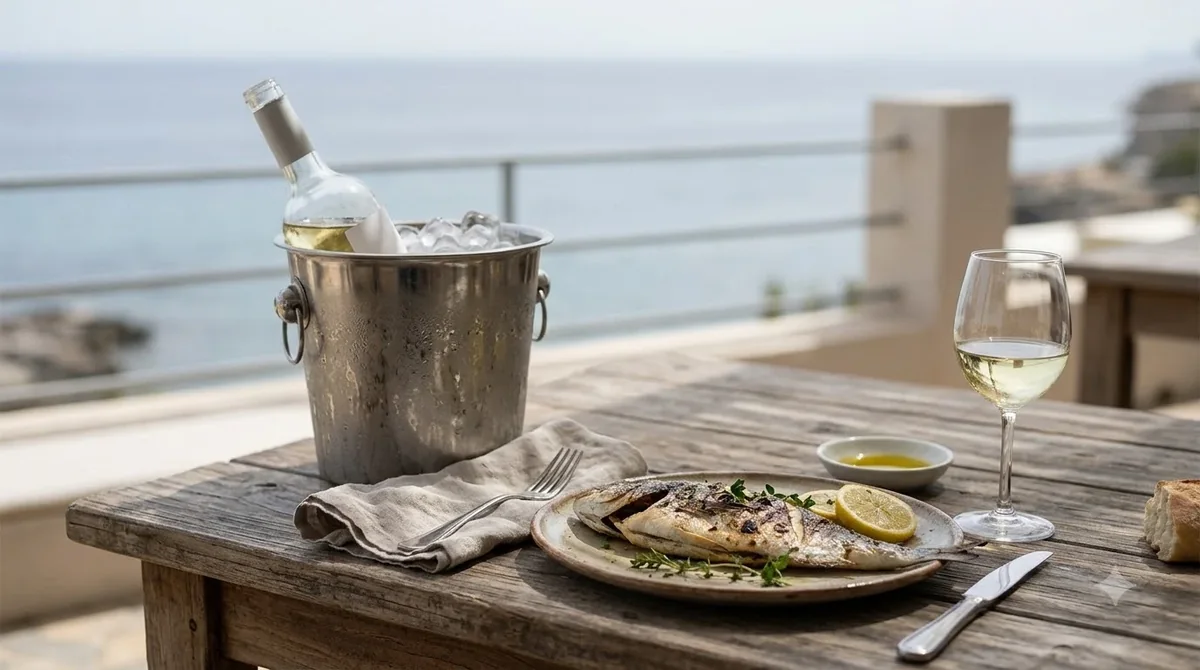
Sauvignon Blanc is a natural partner for local seafood, especially oysters, scallops, mussels, and simply grilled white fish. Its acidity can cut through a buttery sauce, while herbal and citrus notes complement parsley, dill, chives, lemon, and green vegetables. For dishes with a pronounced squeeze of lemon or a sharp dressing, choose a wine with equally lively acidity so that the food does not make the wine seem flat. A dry Pinot Gris can work with crab cakes, seared scallops, or vegetable dishes built around fennel and fresh herbs.
Chardonnay is the more flexible choice for richer preparations. A fresher, lightly oaked example suits roast chicken, pork tenderloin, grilled corn, or creamy mushroom dishes; a fuller Moutere Chardonnay can handle browned butter, baked fish, or a dish with roasted squash. Match the level of richness rather than assuming every Chardonnay is heavy. Acidity helps refresh the palate, while oak and lees-derived texture can add weight beside foods with browned or creamy elements.
Nelson Pinot Noir is a good red option for duck, roast chicken, grilled salmon, mushroom risotto, lentils, and dishes with earthy herbs. Its lower-to-medium tannin and bright acidity are usually less demanding than the structure of Cabernet Sauvignon or Syrah. Avoid pairing oily fish with highly tannic red wines, and remember that salt and fat can soften tannin in a dish. For spicy food, keep alcohol and tannin in mind: chili heat can feel stronger beside wines that are high in either, so a fresh, lower-tannin white is often the safer match. For dessert, choose a wine at least as sweet as the dish. Nelson’s aromatic grapes can offer a range of ripe-fruited styles, but a dry Sauvignon Blanc will taste sharper beside a sweet pudding. With fruit tart or lightly sweetened desserts, a sweeter Riesling or another wine with matching sweetness will make a more balanced pairing.
Serving, Cellaring, and Visiting Nelson
Serve Nelson wines cool enough to preserve their freshness, but not so cold that aromas disappear. A few degrees make a noticeable difference between a lean Sauvignon Blanc and a layered Chardonnay, while Pinot Noir benefits from a cooler pour than a full-bodied red. The temperature ranges below are practical targets for the main Nelson styles.
| Wine style | Serving temperature | What to emphasize |
|---|---|---|
| Sauvignon Blanc and light aromatic whites | 45–50°F | Fresh acidity, citrus, herbs, and floral notes |
| Richer Chardonnay | 50–55°F | Texture, orchard fruit, and subtle oak |
| Pinot Noir | 55–60°F | Red fruit, perfume, and fine tannin |
| Sweeter aromatic whites | 43–50°F | Fruit definition and balanced sweetness |
For everyday service, pour about 5 ounces per glass; a 750-milliliter bottle yields roughly five glasses. Store unopened bottles on their sides in a cool, dark place near 55°F, away from sunlight and temperature swings. After opening, keep still wine in the refrigerator and aim to finish it within 3–5 days. Bring a chilled white out briefly before serving if its aromas seem muted, and let a red warm slightly in the glass rather than leaving it beside a heat source.
Nelson is also straightforward to explore in person. The two main wine areas are only minutes apart, although New Zealand Wine recommends allowing a day or two to experience each at a relaxed pace. The region’s compact scale means many visitors plan cellar-door stops by car or bicycle; it is sensible to schedule fewer visits and allow time for lunch, conversation, and the drive between sites rather than trying to cover every producer in one day.
There is plenty to add beyond tasting rooms. The wider Nelson Tasman area includes the Abel Tasman, Kahurangi, and Nelson Lakes national parks, as well as coastal scenery and outdoor activities. Mapua Wharf is a useful food stop near the Waimea estuary, with seafood and cafés that reflect the area’s fishing and orchard history. For a broader sense of how individual regions differ by climate, geography, and grapes, browse our Wine Regions overview before planning a longer New Zealand itinerary.
Frequently Asked Questions
These answers clarify Nelson’s place among New Zealand’s 11 recognized wine regions, its relationship with Marlborough, and the variety of grapes grown beyond the familiar styles.
Is Nelson an officially recognized New Zealand wine region?
Yes. New Zealand has 11 official wine regions, and geographical indications received legal recognition in 2018. Nelson is one of the South Island regions within that national framework.
How is Nelson Sauvignon Blanc different from Marlborough Sauvignon Blanc?
The styles can share fresh acidity and recognizable citrus or herbal notes, but Nelson is often presented as more restrained and textural. Wine Enthusiast rated a Seifried Nelson Sauvignon Blanc 91 points. Its review describes the style as similar to neighboring Marlborough while retaining an individual regional identity.
How much Pinot Noir is planted in Nelson?
Decanter’s regional breakdown lists 162 hectares of Pinot Noir within 1,080 hectares of total Nelson vineyard area. That makes Pinot Noir a significant local red variety, although Sauvignon Blanc occupies more vineyard land.
Does Nelson produce aromatic wines other than Pinot Gris?
Yes. The regional range includes Riesling, Pinot Gris, and Gewürztraminer alongside a mix of emerging varieties. Riesling can range from dry and citrus-led to sweeter styles, so the category is not limited to one level of sweetness.
Can Nelson wines age, or should they be opened young?
Decanter notes that stronger New Zealand Pinot Noirs can comfortably mature for 10 years or more, while New Zealand Wine says top Nelson Chardonnays have good longevity. Those are cellar-potential cues, not a promise that every bottle benefits from extended storage.
Nelson rewards drinkers who look beyond a single grape or subregion: its Sauvignon Blanc brings freshness, its Chardonnay adds depth, and its Pinot Noir shows how Moutere and Waimea can express different sides of the same variety. Start with bottles from both areas, then follow the producers and styles that best suit your table.
More in Wine Regions
 Willcox Wine Trail: Discover Arizona’s High-Elevation Wine CountryUpdated Nov 20, 2026
 Yakima Valley Wine Region: Find the Best Styles to TryUpdated Nov 20, 2026
 Vosne Romanee Wine Tasting: Identify Aromas and Choose Better PairingsUpdated Nov 20, 2026
 Yakima Valley Wine Festival: Find the Best Seasonal Wine EventsUpdated Nov 20, 2026
 Wales Vineyards: Discover Cool-Climate Wines and Where to VisitUpdated Nov 20, 2026
 Yountville Wine Festival: Discover Napa Wines and Local FoodUpdated Nov 20, 2026