

We may earn a commission when you buy through links on this page, at no extra cost to you. Learn more.
Langhe wine tasting introduces visitors to the distinctive wines of Piedmont, Italy, including Nebbiolo, Barbera, Dolcetto and elegant local white varieties. The experience combines winery visits, vineyard scenery, traditional food and opportunities to compare wines from neighboring villages. Understanding the grapes, appellations and local geography makes it easier to choose tastings and appreciate the differences between everyday regional bottles and prestigious wines such as Barolo and Barbaresco.
The Langhe is one of northern Italy’s most celebrated wine destinations, located south of Turin in the province of Cuneo. Its rolling hills surround historic villages, family-run wineries and vineyards that produce an impressive range of red, white and sparkling wines. Whether planning a dedicated wine trip or adding a few cellar visits to an Italian itinerary, learning what to taste and where to go will make the experience more rewarding.
Understanding the Langhe Wine Region
The Langhe is a collection of wine-growing hills in southeastern Piedmont, where vineyard elevation, soil composition and exposure create different expressions of local grapes. Its wine identity is closely associated with Alba, Barolo, Barbaresco and neighboring communities.
The wider Langhe and Roero wine territory includes 96 municipalities under the Langhe DOC designation, according to the regional consortium. The appellation was established in 1994 and accommodates a broad range of wines, including varietal bottlings and blends. The designation is particularly useful for understanding the region because it brings together wines that do not necessarily qualify for more restrictive appellations. The Langhe DOC designation explained by the regional wine consortium provides additional detail about its production territory and flexibility.
The landscape is part of the Vineyard Landscape of Piedmont: Langhe-Roero and Monferrato, recognized as a UNESCO World Heritage Site in 2014. Vineyards cover hillsides alongside hazelnut orchards, woodland and medieval settlements. Alba serves as an important center for visitors, with Barolo and Barbaresco offering convenient starting points for exploring the surrounding wine villages.
Geography plays an important role in the character of the wines. The Tanaro River separates the Langhe from the Roero, where younger, sandier soils influence the growing environment. Within the Langhe, limestone, clay, marl and sandstone appear in different combinations. These variations influence drainage, vine development and the way wines express fruit, structure and freshness.
The climate is continental, with cold winters, warm summers and autumn mists that frequently settle in the valleys. According to the DORÉ Wine Atlas, many vineyards sit between 150 and 400 meters above sea level. Elevation and slope exposure are particularly important for Nebbiolo, a grape that buds early but ripens late and benefits from favorable hillside locations.
For visitors, the most useful distinction is between the main wine-growing areas. Bassa Langa is associated with prestigious Nebbiolo wines and traditional red varieties, while the higher southern hills of Alta Langa have a cooler climate and a stronger association with traditional-method sparkling wines. Roero, across the Tanaro, is particularly important for Arneis and its own red wines.
Essential Grapes to Taste During a Langhe Visit
A well-planned tasting should include several grape varieties rather than focusing exclusively on Barolo. Nebbiolo, Barbera and Dolcetto provide three contrasting red-wine experiences, while Arneis and other regional whites show another side of Piedmont’s wine culture.
Nebbiolo is the region’s signature grape and the foundation of Barolo and Barbaresco. It typically produces wines with pale ruby coloring, pronounced aromas of cherry, raspberry, rose and violet, high acidity and firm tannins. Despite its relatively light color, Nebbiolo can have substantial structure and an ability to develop complexity with age. Comparing a Langhe Nebbiolo with a Barolo is an especially useful tasting exercise because both demonstrate the same grape under different appellation requirements and production choices.
Barbera offers a different profile. It is the most widely planted red grape in Piedmont and is known for vibrant acidity, juicy dark cherry and plum flavors, and comparatively low tannin. Barbera d’Alba is a useful regional benchmark. It is generally approachable at a younger age than Barolo and works well with pasta, tomato-based dishes, roasted meats and rich local cuisine.
Dolcetto is another important traditional variety. Despite the name, which can suggest sweetness, Dolcetto is generally made as a dry red wine. It often shows blackberry, black cherry, plum and subtle almond notes, with softer acidity and noticeable but generally approachable tannins. Dolcetto d’Alba and Dogliani DOCG are useful wines to compare during a visit.
Arneis is one of the region’s most recognizable white grapes, particularly in Roero. It commonly produces dry wines with pear, apple, citrus and floral aromas. Its freshness makes it a good starting point for a tasting before moving on to more structured reds. Other white varieties include Favorita, Nascetta and Chardonnay, each offering a different interpretation of the region’s varied vineyard conditions.
Freisa and Pelaverga are also worth exploring when available. Freisa can show fresh red fruit, spice and lively structure, while Pelaverga is associated particularly with Verduno and offers an aromatic, distinctive alternative to Nebbiolo. These less familiar varieties provide a broader understanding of Piedmont’s local wine traditions.
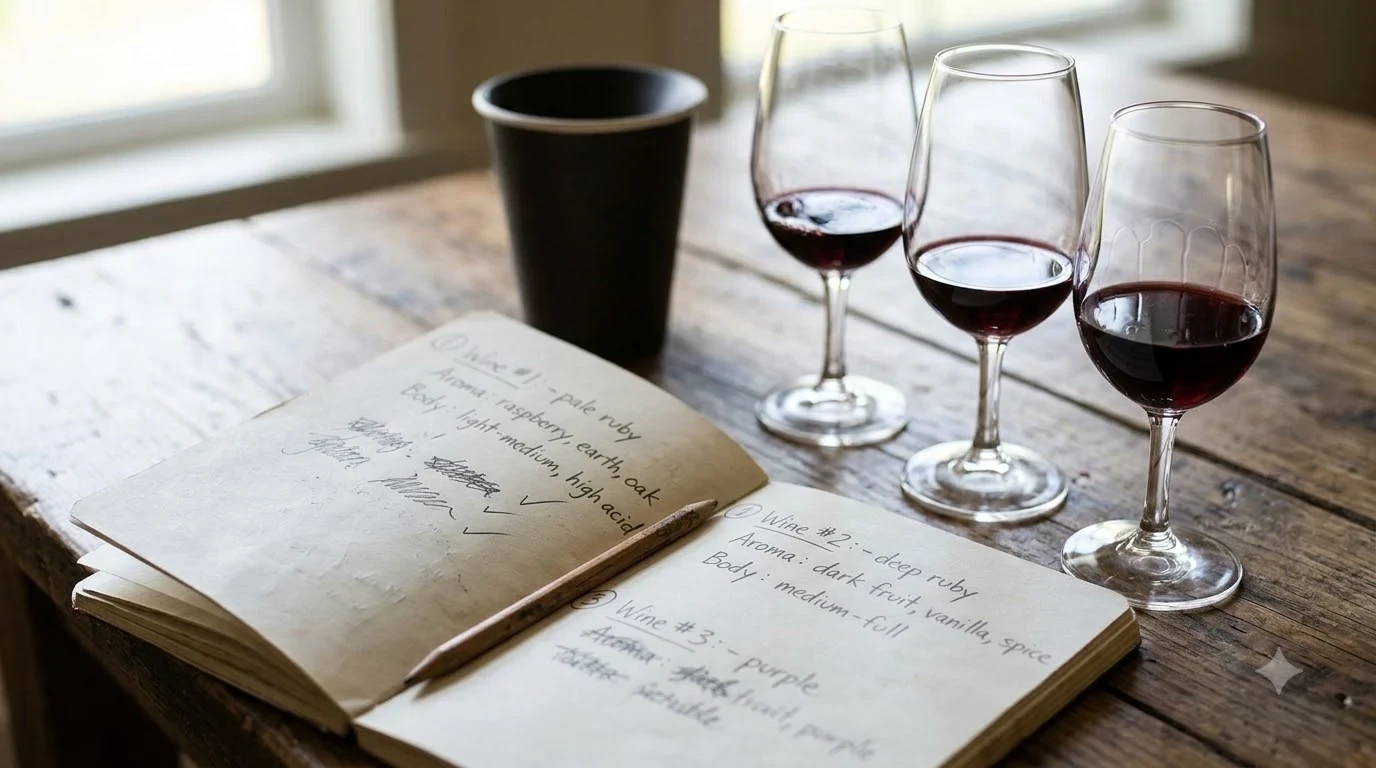
Tip: Ask the producer to pour a Dolcetto, a Barbera and a Nebbiolo side by side. Comparing their acidity, tannin, fruit character and finish is one of the easiest ways to understand the differences between Piedmont’s leading red grapes.
Comparing Langhe DOC, Barolo and Barbaresco
Understanding the appellations is essential because the name on a bottle identifies more than a grape variety. Langhe DOC offers flexibility, while Barolo and Barbaresco have more specific geographical and production requirements that create distinctive wine styles.
Langhe DOC covers a broad territory and permits both single-variety wines and blends. Its labels can identify grapes such as Nebbiolo, Barbera, Dolcetto, Arneis and Chardonnay. Langhe Rosso and Langhe Bianco can also be produced from individual varieties or combinations of permitted grapes. This flexibility means that two wines carrying the Langhe DOC designation may have quite different compositions and styles.
Barolo DOCG is produced from 100% Nebbiolo in 11 municipalities south of Alba. It is generally the most structured and powerful expression of the grape in the region, with firm tannins, pronounced acidity and aromas that can include red cherry, rose, dried herbs and spice. Its development in the bottle is an important part of its appeal, particularly in traditionally structured examples.
Barbaresco DOCG is also made entirely from Nebbiolo. Its production area includes Barbaresco, Neive and Treiso, east of Alba. Although it shares the grape and many aromatic characteristics with Barolo, differences in vineyard location, soil, exposure and cellar practices can produce distinct expressions. Barbaresco often feels more immediately approachable, although serious examples can age for many years.
Other denominations add further variety to a tasting itinerary. Barbera d’Alba DOC focuses on Barbera, while Dolcetto d’Alba DOC and Dogliani DOCG provide opportunities to explore the region’s softer, fruit-driven red wines. Verduno is particularly interesting for visitors seeking Pelaverga, while Roero DOCG and Roero Arneis offer a useful comparison across the Tanaro River.
The following table provides a practical overview of several important denominations and their main tasting characteristics.
| Wine or denomination | Main grape | Typical tasting profile | Useful comparison |
|---|---|---|---|
| Langhe Nebbiolo DOC | Nebbiolo | Red cherry, floral notes, firm acidity | Entry point to Nebbiolo |
| Barolo DOCG | 100% Nebbiolo | Rose, cherry, spice, strong tannins | Structured, age-worthy red |
| Barbaresco DOCG | 100% Nebbiolo | Red fruit, floral aromas, firm structure | Compare with Barolo |
| Barbera d’Alba DOC | Barbera | Juicy cherry, plum, lively acidity | Food-friendly red |
| Dolcetto d’Alba DOC | Dolcetto | Blackberry, plum, almond | Approachable everyday red |
| Roero Arneis DOCG | Arneis | Pear, apple, citrus and flowers | Fresh regional white |
| Dogliani DOCG | Dolcetto | Dark fruit, fresh character and structure | Alternative Dolcetto expression |
These profiles are typical rather than absolute. Vintage conditions, vineyard location, fermentation, oak treatment and bottle age can all change the final character. A comparison between two producers making the same denomination is often just as informative as comparing two different appellations.
Best Villages and Areas for Winery Visits
The best Langhe wine itinerary combines recognizable wine villages with smaller communities where visitors can discover different producers and local specialties. Alba, Barolo, La Morra, Barbaresco and Neive are particularly useful destinations for building a varied tasting schedule.
Alba is an excellent base for exploring the area. It has a historic town center, restaurants, wine shops and convenient access to surrounding vineyards. It is also associated with the region’s white truffle tradition. The annual Alba White Truffle Fair has been held since 1929, making autumn an especially interesting period for visitors who want to combine wine and food experiences.
Barolo is one of the most recognizable destinations for serious Nebbiolo enthusiasts. Its castle, vineyards and surrounding villages make it a useful starting point for learning about the Barolo appellation. Visitors can arrange tastings with producers offering different interpretations of Nebbiolo, from younger wines to bottles with more substantial structure and aging.
La Morra offers attractive hillside scenery and access to important Barolo vineyards. Its elevated viewpoints make it particularly appealing for visitors who want to combine a cellar appointment with a walk or a scenic drive. Producers in and around La Morra can provide useful comparisons between wines from different vineyard locations.
Barbaresco is a natural stop for anyone interested in comparing the region’s two famous Nebbiolo denominations. The village provides a more focused introduction to Barbaresco DOCG, with opportunities to visit producers and explore the differences between the surrounding communes. Neive and Treiso are also important stops for understanding the wider appellation.
Dogliani is particularly interesting for Dolcetto enthusiasts. Its wines demonstrate how a traditional local variety can express different levels of structure and concentration. A visit here adds useful contrast to an itinerary dominated by Barolo and Barbaresco.
Roero, on the opposite side of the Tanaro River, is worth including for white wine lovers. Its sandy soils and Arneis-focused production offer a different perspective from the more Nebbiolo-centered hills. Tasting a Roero Arneis before returning to the red wines of Barolo provides a helpful comparison of grape varieties and regional environments.
For a broader understanding of the area, explore our Wine Regions resource, which explains how geography and local grape varieties influence wines in different parts of the world.
Planning a Winery Tasting and Choosing Wines
Most winery visits in the Langhe are more personal than large-scale commercial tasting experiences. Smaller producers often welcome guests directly, explain their vineyards and cellar practices, and present a selection of wines that reflects their individual approach.
According to the regional tourism guide at Langhe.net, winery experiences can include a cellar tour, an explanation of grape growing and winemaking, a vineyard walk when weather permits, and a guided tasting. Some producers also serve local appetizers or arrange more substantial food experiences. The Langhe enotourism guide describes how these visits introduce travelers to producers, vineyards and traditional food alongside the wines.
Reservations are strongly recommended. Many wineries are small family businesses rather than visitor centers with continuous walk-in service. Contacting a producer before arrival helps confirm availability, tasting duration, languages offered and whether food is included. It is also useful to communicate dietary requirements and any particular wines you want to explore.
A balanced first-time itinerary should include two or three winery appointments in a day rather than trying to visit as many cellars as possible. Allow enough time to travel between villages, enjoy lunch and ask questions during each tasting. A morning appointment in Barolo followed by an afternoon visit near La Morra or Alba creates a manageable schedule without rushing between producers.
Choose tasting experiences according to your interests. Beginners may prefer a selection of Dolcetto, Barbera and Langhe Nebbiolo. Experienced wine enthusiasts may want a vertical tasting of Barolo or Barbaresco from different vintages. Visitors interested in regional diversity can seek out Arneis, Favorita, Nascetta and Pelaverga alongside the better-known reds.
Before confirming an appointment, ask how many wines are included and whether the producer explains individual vineyard sites. Some experiences focus on a broad introduction, while others explore specific crus, soil differences or aging techniques. The best choice depends on how much time you have and how detailed you want the experience to be.
For additional perspectives from other wine destinations, our guides to Willcox wine tasting and Alsace wine tasting offer useful comparisons of regional tasting styles and local wine traditions.
Local Food Pairings and Wine Tasting Techniques
Food is an important part of the Langhe wine experience. Local dishes frequently feature meat, pasta, mushrooms, cheese and hazelnuts, creating opportunities to understand how acidity, tannin and body influence a successful pairing.
Barbera and tomato-based dishes are a particularly useful combination. Barbera’s naturally high acidity works well with tomato sauce, while its red and dark fruit flavors complement the savory character of roasted meats and traditional pasta. Try it with tajarin, a regional egg-pasta preparation, or agnolotti del plin, small filled pasta parcels.
Nebbiolo and rich meat dishes are another classic pairing. Nebbiolo’s high tannin benefits from protein and fat, which soften its astringent sensation. Braised beef, roasted game and meat-filled pasta are suitable choices. A structured Barolo also works well with dishes featuring mushrooms and concentrated savory flavors.
Dolcetto and cured meats offer a more relaxed pairing. The wine’s fruit and moderate acidity work with salumi, grilled sausages and casual pasta dishes. It is also a good match for local cheeses, particularly when the wine has a relatively soft tannin profile.
Local Toma cheese, hazelnuts and sliced meats frequently appear in winery tasting presentations. Cheese provides a useful way to compare wines because salt and fat can soften tannin and make structured reds feel more balanced. Hazelnuts offer a regional food connection and are especially interesting alongside mature cheese or lightly sweet local desserts.
For white wines, Arneis and Favorita can accompany antipasti, vegetable dishes and lighter seafood preparations. Their freshness is particularly useful with dishes that have herbal or citrus components. Avoid pairing heavily tannic reds with oily fish, as the combination can produce an unpleasant metallic impression.
When tasting, begin by looking at the wine’s color and clarity, then assess the aromas before taking a small sip. Consider acidity, tannin, body, alcohol and finish. With Nebbiolo, pay particular attention to the relationship between its pale color and powerful tannin. With Barbera, focus on freshness and fruit rather than expecting the same tannic grip.
Serving temperature also matters. Light-bodied reds are generally best around 55 to 60 degrees Fahrenheit, while fuller-bodied reds benefit from approximately 60 to 65 degrees. Full-bodied Nebbiolo can become overly alcoholic when served too warm, so modest cooling can improve its balance. A young, structured red may benefit from 30 to 60 minutes of decanting before serving.
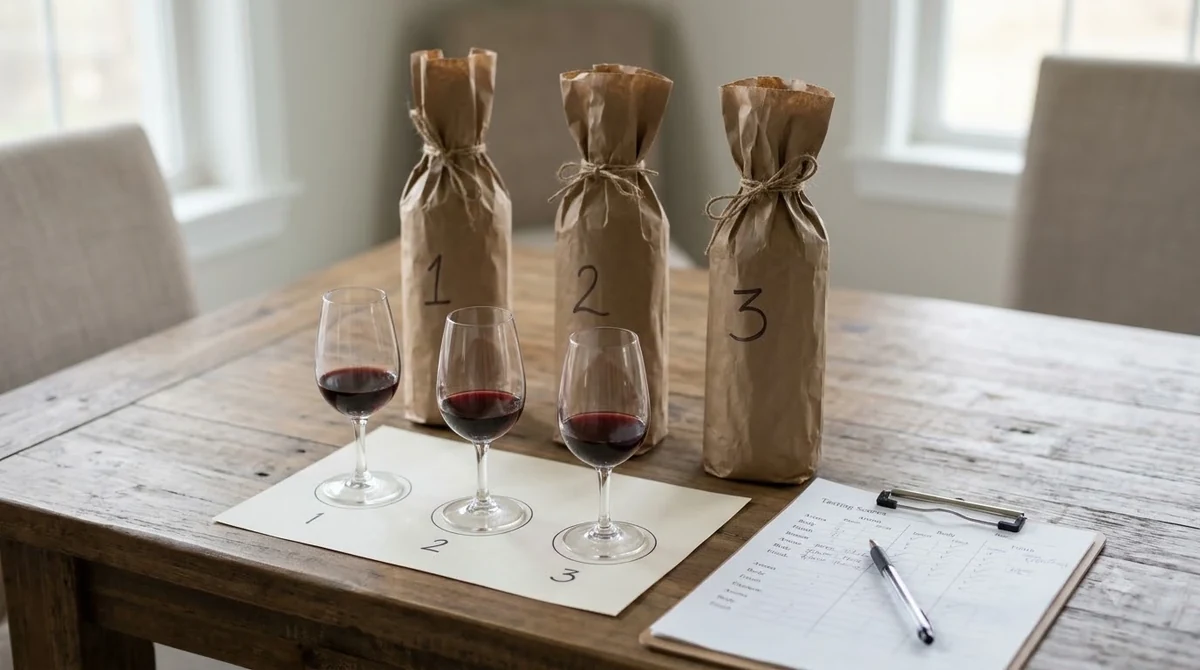
For a consistent tasting comparison, use similar glassware and pour approximately 5 ounces when serving a full glass. During a guided tasting, smaller pours make it easier to compare several wines without losing track of their individual characteristics.
Best Seasons and Practical Travel Tips
The Langhe can be visited throughout the year, but spring and autumn are particularly attractive for winery experiences. Spring brings fresh vineyard growth and comfortable conditions for exploring the villages, while autumn combines harvest activity, changing foliage and the Alba white truffle season.
September and October are especially interesting for wine enthusiasts. Nebbiolo is a late-ripening variety, and its harvest can extend into October depending on conditions. This period also coincides with the traditional white truffle season, making it a strong choice for travelers interested in regional food and wine. However, winery schedules can be busy during harvest, so arranging appointments well in advance is important.
April through June offers another attractive window. The hills become green, vineyard growth is visible and temperatures are often suitable for outdoor activities. This period can be a good choice for travelers who prefer scenic walks and a less harvest-focused visit.
Summer brings warmer weather and long daylight hours. Morning and late-afternoon appointments are useful for avoiding the hottest part of the day. Winter is generally quieter, although some producers operate reduced visitor schedules. It can be a good time for visitors more interested in cellar tastings, traditional cuisine and mature wines than vineyard walks.
Transportation requires some advance planning. The villages are spread across hilly roads, and driving between wineries can take longer than expected. Travelers who want to enjoy multiple wine tastings should consider a professional driver or organized wine tour rather than relying on personal driving. Alba is a practical base for reaching many of the main wine villages.
Keep appointment times realistic and allow breaks between visits. A winery tour can include a detailed discussion of vineyard practices, fermentation and barrel aging, so it is better not to schedule appointments too closely together. Confirm whether the winery offers food, whether children are permitted and what languages are available for the tour.
Visitors interested in exploring more of Italy’s regional wine styles can also read our guide to Bolgheri wine tasting, which provides a contrasting perspective on the coastal wines of Tuscany.
Finally, keep tasting notes. Record the producer, denomination, grape variety, vintage and a few observations about the wine’s aromas and structure. These details make it easier to remember the differences between producers after visiting several cellars.
Frequently Asked Questions
What does the name Langhe mean?
The name is traditionally associated with the elongated ridges and hills that characterize the landscape of southern Piedmont. The local topography is shaped by a succession of narrow hills and valleys rather than a single continuous mountain range. This distinctive landscape is one reason vineyard exposure and elevation vary so much between nearby villages.
Is Langhe Nebbiolo always aged in oak?
No. Oak use depends on the producer’s winemaking approach and the intended style. Some producers use stainless steel or neutral vessels to preserve freshness and primary fruit, while others use larger wooden containers or smaller barrels to develop additional texture and complexity.
Can visitors taste traditional-method sparkling wine in the Langhe area?
Yes. Alta Langa DOCG is a notable traditional-method sparkling wine denomination in southern Piedmont. Its wines undergo secondary fermentation in the bottle, following the same basic production principle used for Champagne and Cava. Chardonnay and Pinot Nero are important grapes for this denomination.
What is the difference between a vineyard cru and a wine denomination?
A denomination defines a legally protected production area and its permitted production rules. A cru or additional geographical mention identifies a more specific vineyard location or recognized growing site within a larger wine area. These distinctions can help explain why two wines from the same denomination have different expressions.
Which traditional dessert should visitors look for in the Langhe?
Torta di nocciole, a hazelnut cake made with locally associated hazelnuts, is a traditional specialty worth seeking out. Gianduiotto, a chocolate confection containing hazelnut paste, is another regional favorite associated with Piedmont. These desserts offer a delicious introduction to the area’s longstanding connection with hazelnut cultivation.
A Langhe wine tasting offers much more than an introduction to famous Italian reds. By exploring Nebbiolo, Barbera, Dolcetto, Arneis and the region’s different appellations, visitors gain a clearer understanding of how geography and winemaking shape Piedmont’s wines. Combine a few thoughtfully selected winery appointments with local food and time in the historic villages for a memorable experience in one of Italy’s most distinctive wine regions.
More in Wine Regions
 Willcox Wine Trail: Discover Arizona’s High-Elevation Wine CountryUpdated Nov 20, 2026
 Yakima Valley Wine Region: Find the Best Styles to TryUpdated Nov 20, 2026
 Vosne Romanee Wine Tasting: Identify Aromas and Choose Better PairingsUpdated Nov 20, 2026
 Yakima Valley Wine Festival: Find the Best Seasonal Wine EventsUpdated Nov 20, 2026
 Wales Vineyards: Discover Cool-Climate Wines and Where to VisitUpdated Nov 20, 2026
 Yountville Wine Festival: Discover Napa Wines and Local FoodUpdated Nov 20, 2026