


We may earn a commission when you buy through links on this page, at no extra cost to you. Learn more.
The north fork wine festival is best known for the annual Northforker Wine & Food Classic, a celebration of Long Island wines, regional food, craft beverages and live entertainment held at Borghese Vineyard in Cutchogue, New York. The event brings together local wineries, restaurants, breweries and specialty food producers for an evening of tasting and entertainment. Visitors can explore North Fork wines, meet regional producers and experience the agricultural character of Long Island’s East End.
The North Fork has developed a distinctive wine culture shaped by its maritime setting, working farms and independent wineries. Its festival calendar provides an opportunity to experience that culture in one place, rather than arranging separate visits to several tasting rooms. The Northforker Wine & Food Classic is a particularly useful introduction for visitors interested in combining wine with local cuisine, music and a lively vineyard atmosphere. Understanding the event, its location and the wider wine region makes planning a more rewarding trip.
What Is the North Fork Wine Festival?
The North Fork wine festival experience centers on the Northforker Wine & Food Classic, an annual summer celebration that brings together the region’s food and beverage community. Rather than functioning as a traditional wine competition or a formal wine seminar, the event offers a walk-around experience where guests can sample different producers and discover local specialties.
The Northforker Wine & Food Classic is organized around the North Fork’s identity as an agricultural and culinary destination. Its fifth annual edition took place on September 3, 2026, at Borghese Vineyard in Cutchogue. The program included restaurants, vineyards, breweries, spirits producers, specialty food businesses and live entertainment. That combination makes the gathering appealing to wine enthusiasts as well as visitors whose interests extend to regional cooking and craft beverages.
Wine is an important part of the event, but the experience is broader than a conventional tasting-room appointment. Participating businesses provide opportunities to discover different styles, speak with representatives and compare the character of products from across Long Island. Food stations add another dimension, allowing visitors to connect local wines with seafood, prepared dishes, cheese and desserts.
The event also reflects the collaborative nature of the North Fork hospitality industry. Wineries and restaurants share an audience, while breweries and other beverage producers contribute additional choices. The result is a social occasion that introduces visitors to several aspects of the region’s food and drink culture without requiring them to travel between individual establishments during the evening.
It is useful to distinguish the Northforker Wine & Food Classic from the many smaller winery celebrations held throughout the year. Individual vineyards organize their own harvest dinners, live-music evenings, blending sessions and seasonal parties. Consequently, someone searching for a North Fork wine festival may find several events with different formats and schedules rather than one single festival operating throughout the year.
Location and the North Fork Wine Country Setting
The North Fork occupies the northeastern portion of Long Island, extending from the Riverhead area toward Orient Point. Cutchogue, where Borghese Vineyard hosts the Northforker Wine & Food Classic, sits within the heart of this agricultural landscape. The setting gives the festival a direct connection to the vineyards and farms that help define the region.
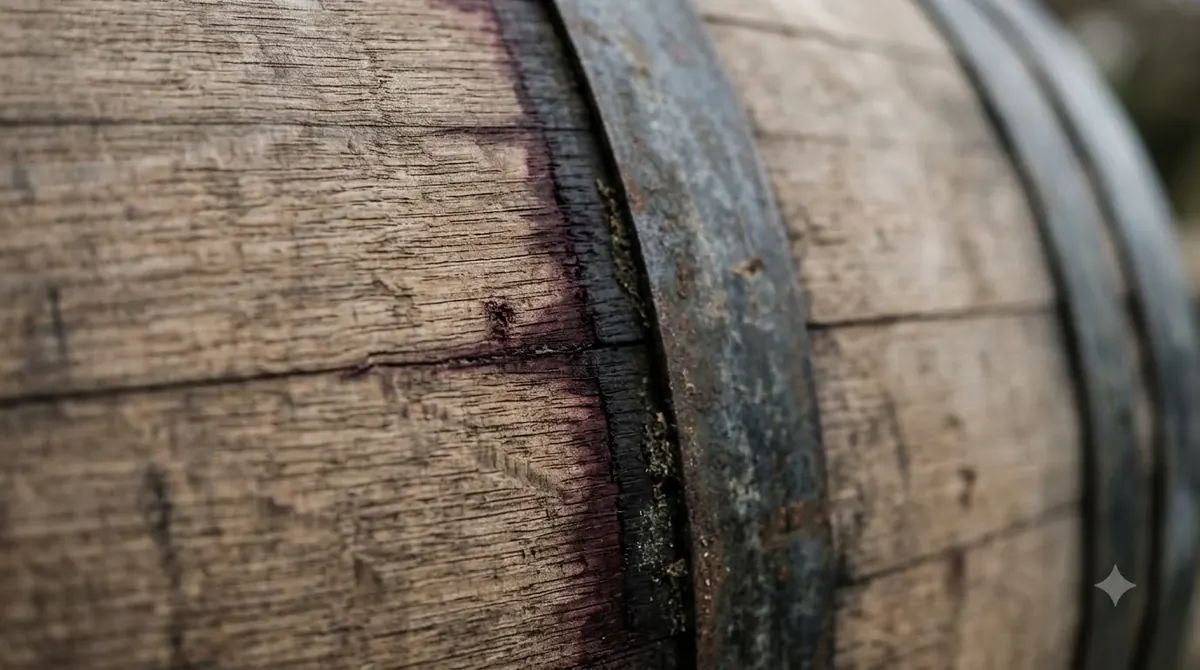
Borghese Vineyard is located at 17150 Middle Road, Cutchogue, New York 11935. Its vineyard setting provides an appropriate backdrop for an outdoor food and wine celebration. The event brings together producers from different parts of the North Fork, creating a central meeting point for businesses that otherwise operate in separate villages and tasting rooms.
The surrounding wine country is larger than the festival venue alone. According to Discover Long Island, the North Fork has more than 60 vineyards and over 100 active farms and farm stands. This agricultural network helps explain why wine tourism is closely connected to seasonal produce, farm markets, seafood and local restaurants.
Several communities are useful reference points when planning a visit:
- Riverhead: Located near the base of the North Fork, Riverhead provides access to the region and is home to vineyards such as RGNY.
- Jamesport: This agricultural community has wineries, farm stands and restaurants along the eastern routes.
- Cutchogue: The festival’s host community, with Borghese Vineyard and several other wine destinations.
- Mattituck: A convenient stop for restaurants, tasting rooms and local shopping.
- Southold: Known for its vineyards and access to the quieter eastern sections of the peninsula.
- Greenport: A waterfront village with restaurants, accommodation and activities beyond wine tasting.
The North Fork is different from the Hamptons, which occupy Long Island’s South Fork. Although both destinations belong to the East End, their geography and visitor experiences are distinct. The North Fork has a particularly strong agricultural identity, with vineyards, working farms and small communities spread along its roads.
For visitors planning additional tasting stops, the regional Wine Regions resource provides a useful starting point for understanding how wine destinations differ. The North Fork is especially appealing to travelers who want a combination of vineyard visits, local food and a quieter countryside atmosphere.
More destination information is available through Discover Long Island’s North Fork visitor guide, which highlights the area’s vineyards, farms, restaurants and places to stay.
Wineries, Wine Styles and Producers to Discover
The festival offers an opportunity to explore the range of wines produced on Long Island, including structured reds, aromatic whites, refreshing rosé and sparkling wines. Its participating producers provide a starting point for understanding the North Fork’s wine identity and identifying vineyards worth visiting separately.
The 2026 Northforker Wine & Food Classic included Borghese Vineyard & Winery, Chronicle Wines, Harbes Vineyard, Jamesport Vineyards and Mattebella Vineyards. Other regional producers have also appeared in the festival’s wider lineup. Paumanok Vineyards, Pellegrini Vineyards, Sannino Vineyard and Sparkling Pointe are among the established names visitors may encounter when exploring the wider North Fork wine scene.
One of the region’s defining red grapes is Merlot. Long Island’s maritime climate and relatively moderate growing conditions have helped establish the grape as an important part of its wine identity. Merlot generally offers medium tannin and a softer texture than Cabernet Sauvignon, making it a useful introduction for visitors who prefer reds that are structured without being excessively firm.
Cabernet Franc is another important grape to look for. Depending on ripeness and winemaking decisions, it can offer red fruit, herbal notes and fresh acidity. It is particularly useful alongside roasted poultry, grilled vegetables and moderately seasoned meat dishes. Cabernet Sauvignon and Petit Verdot can also appear in red blends, contributing additional structure and concentration.
White wine drinkers have several options. Chardonnay can range from fresh and restrained to richer styles influenced by oak maturation. Sauvignon Blanc generally provides more pronounced acidity and can work well with shellfish, salads and fresh cheeses. Riesling and Chenin Blanc are also worth exploring because they demonstrate the range of aromatic and textural possibilities available from the region.
Sparkling wine is another category to investigate. Sparkling Pointe is a dedicated sparkling wine producer on the North Fork and is a useful destination for visitors interested in traditional-method styles. These wines can be especially appealing with oysters, seafood appetizers and salty snacks.
Visitors should approach a festival tasting as an opportunity to compare styles rather than simply collect samples. Try a dry white before a richer Chardonnay, compare Merlot with Cabernet Franc and finish with sparkling wine if it is available. This sequence makes it easier to recognize differences in acidity, tannin, fruit character and texture.
Food, Beverage Pairings and Festival Entertainment
Food is central to the North Fork Wine & Food Classic, and its participating restaurants and specialty food businesses help demonstrate how regional ingredients work alongside local wines. The combination of seafood, farm produce, cheese, prepared dishes and desserts creates opportunities to explore practical food-and-wine pairings.
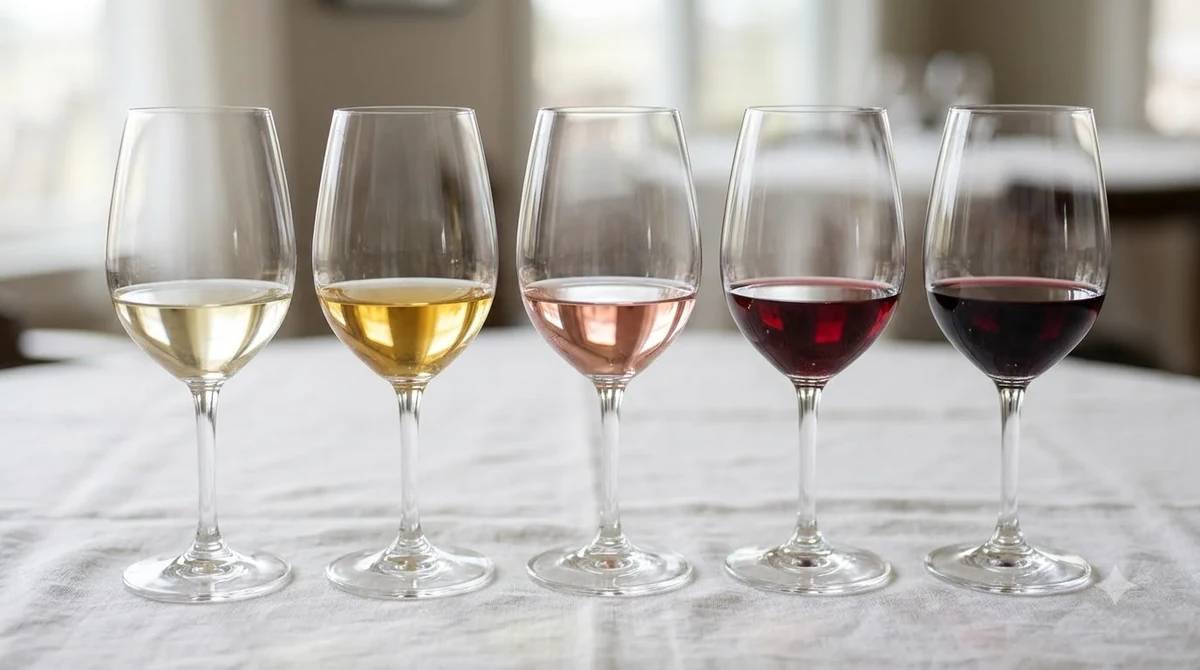
The 2026 lineup included Art of Eating, Balo’s Foods, Ficarra Ristorante, Goomba Johnny’s Pizzeria, Grace & Grit, Land and Sea Smokehouse, Oysterponds Shellfish Co., R.AIRE, Seaside Grill and The Village Cheese Shop. The range of businesses reflects the diversity of the local food scene, from seafood-oriented cooking to Italian-inspired dishes and specialty products.
Seafood is a natural starting point for exploring North Fork pairings. Fresh oysters and shellfish generally work well with high-acid white wines and sparkling wines. Sauvignon Blanc can complement briny seafood because its freshness helps balance the food’s natural salinity. Brut sparkling wine is another useful choice, particularly with fried seafood and salty appetizers.
Cheese and charcuterie offer more flexible pairing opportunities. A soft, creamy cheese can work with Chardonnay, while firmer and more savory cheeses may complement Merlot or Cabernet Franc. Salt and fat also soften the perception of tannin in red wine, which makes some structured reds more approachable alongside richer foods.
For grilled or smoked meats, consider a medium-bodied red with enough fruit to complement the savory flavors. Merlot can work well with pork, roasted poultry and moderately seasoned beef. Cabernet Sauvignon is generally more tannic and better suited to richer meat dishes than delicate seafood.
Dessert requires a little more attention. A dry wine can taste particularly sharp or sour beside a sweet dessert. The better approach is to select a wine that is at least as sweet as the food. Moscato or a suitable sweet Riesling may be more successful than a dry red when the final course involves fruit pastries or sweet desserts.
Visitors should also remember that chili heat is amplified by alcohol and tannin. Strongly spiced food may be easier to enjoy with a lower-alcohol, fruit-forward wine than with a powerful Cabernet Sauvignon or Syrah.
Entertainment adds to the event’s social atmosphere. The 2026 festival featured In the Groove, providing live music throughout the evening. The combination of food stations, beverage tastings and music creates a more relaxed setting than a conventional seated wine seminar.
Other beverage producers also contributed to the event. Participating breweries included Kidd Squid Brewing Co., Po’Boy Brewery, Take Two Brewery and Twin Fork Beer Co. The lineup demonstrates that the festival is intended to showcase the wider East End beverage community rather than wine alone.
When to Visit and How to Plan Your Festival Trip
The North Fork is particularly attractive during the late summer and fall harvest period, when vineyards and farms are active and seasonal events become more frequent. The Northforker Wine & Food Classic has been associated with the end of summer, making it a useful occasion around which to plan a broader wine-country visit.
The 2026 edition took place on Thursday, September 3. Its schedule offered VIP early entry at 6 p.m. and general admission at 7 p.m. The event was designed for guests aged 21 and older. These are details from that specific edition, not a guarantee of the next festival’s schedule. Visitors should confirm the next announced date, admission arrangements and venue information before making travel plans.
September and October are especially interesting months for wine tourism. Harvest activity brings additional opportunities to learn about vineyard work and winemaking. Individual vineyards may organize grape-picking experiences, harvest celebrations, special tastings and food events during this period.
RGNY, for example, has organized a seasonal Harvest Series at its Riverhead vineyard. Its 2026 program included Help Us Harvest, Dinner in the Vines, a Stomp Party and a Día de los Muertos celebration. These activities illustrate the range of experiences available beyond the main festival.
For a broader North Fork visit, the following seasonal considerations can help:
| Period | Typical experience | Planning consideration |
|---|---|---|
| May–June | Spring vineyard visits and outdoor dining | Good opportunity for a quieter trip |
| July–August | Summer tastings, music and outdoor events | Reserve popular weekend experiences |
| September | Harvest activity and major food and wine events | Plan accommodation and transportation early |
| October | Autumn vineyard visits and harvest celebrations | Allow extra travel time on busy weekends |
| November–April | Quieter tasting-room visits and seasonal winery programs | Confirm individual opening schedules |
A festival evening can also become part of a two-day itinerary. Consider arriving on the North Fork earlier in the day, visiting one winery and enjoying lunch before checking into accommodation. After the festival, spend the following morning exploring another tasting room, a farm stand or Greenport’s waterfront.
Travelers interested in other wine events in the United States can also compare the experience with an Livermore wine festival or an Indiana wine festival. These events provide different perspectives on regional wine culture and demonstrate how local producers create distinctive visitor experiences.
Tip: Make winery reservations and arrange transportation before festival day. The North Fork’s tasting rooms are spread across several communities, and harvest-season traffic can make travel between stops slower than expected. Choose a designated driver or professional transportation rather than driving after drinking.
What to Expect on Festival Day
A successful festival visit begins with a little preparation. Although the event is designed to be social and flexible, knowing the venue, schedule, food preferences and transportation arrangements makes it easier to enjoy the experience without rushing.
For the Northforker Wine & Food Classic, the vineyard setting and walk-around format mean visitors should expect to move between different food and beverage stations. Rather than staying in one place, guests can explore the participating businesses, compare wines and return to producers that interest them.
Dress for an Outdoor Vineyard Event
Smart casual clothing is generally a practical choice for a vineyard celebration. Comfortable shoes are particularly important because vineyard grounds may include grass, gravel and uneven surfaces. Even an event held during warm September weather can become cooler after sunset, especially in an open outdoor setting.
Bring a light jacket or sweater if you expect to remain outdoors into the evening. Avoid footwear that is difficult to walk in, particularly if the venue has grassy sections. A small bag for personal essentials is usually more practical than carrying bulky belongings between tasting stations.
Make a Tasting Plan
With multiple wineries and beverage producers available, it can be tempting to try everything. A more useful approach is to choose several wines that represent different styles. For example, start with a crisp Sauvignon Blanc, compare it with Chardonnay, then try a Cabernet Franc or Merlot. Finish with sparkling wine if available.
Take a moment to remember the producers and wine names you enjoy. Notes on grape variety, acidity, body and finish can help you identify what to look for during later winery visits. A photograph of a producer’s information card can also be useful, provided photography is permitted.
Understand Wine Serving Temperatures
Temperature influences how wine smells and tastes. Whites served too cold may seem muted, while reds served too warm can emphasize alcohol and reduce freshness. If you continue tasting wines at other wineries, understanding appropriate serving temperatures can improve the experience.
- Sparkling wines: 40–50°F.
- Light white wines and rosé: 45–50°F.
- Full-bodied white wines: 50–55°F.
- Light-bodied reds: 55–60°F.
- Full-bodied reds: 60–65°F.
- Sweet white wines: 43–50°F.
These are useful general serving ranges, not strict requirements for every bottle. The main principle is to preserve freshness in lighter wines while avoiding excessive warmth in fuller-bodied reds.
Plan Food and Water Breaks
Food is an important part of a tasting event, but visitors should still pace themselves. Start with savory dishes and lighter wines, take breaks between tasting stations and drink water regularly. The goal is to appreciate the differences between producers rather than rush through the available samples.
For a more structured tasting experience, use small portions and avoid filling your glass simply because a station offers another sample. If you find a wine particularly interesting, ask the representative about its grape variety, vineyard origin, production method and recommended food pairings.
Remember that the North Fork is also a working agricultural region. Visitors should respect vineyard boundaries, follow venue instructions and avoid entering restricted production areas. If a producer offers a vineyard tour or demonstration, follow the staff’s guidance throughout the experience.
Frequently Asked Questions
Is the North Fork Wine Festival the same as the Northforker Wine & Food Classic?
The Northforker Wine & Food Classic is the best-known event associated with the North Fork wine festival search. However, the region also has independent winery celebrations, harvest events and seasonal food festivals. The name and format of each event can differ, so visitors should confirm which gathering they intend to attend.
Does the North Fork wine festival include international wines?
Regional wines are central to the event, but international representation is also possible. Portugal’s Vinho Verde regional commission reported presenting six wines from six producers at the 2026 Northforker Wine & Food Classic. This demonstrates that the event can introduce visitors to wine regions beyond Long Island.
Can visitors purchase wine directly from participating producers?
Some participating wineries offer opportunities to learn about their bottles and purchasing options during festival events. Availability and sales arrangements depend on the individual producer and event rules. Visitors interested in particular wines can ask representatives about winery tasting-room visits and direct purchasing options.
Are there non-wine activities near Borghese Vineyard?
Yes. Greenport offers a waterfront setting, restaurants and Mitchell Park, which is known for its historic carousel. Visitors can also explore local farms, produce stands and other East End attractions. Orient Point provides another destination for travelers interested in exploring the eastern end of the peninsula.
What makes the North Fork different from other New York wine destinations?
The North Fork combines a substantial concentration of vineyards with an active agricultural community and access to coastal food traditions. Its location between Long Island Sound and Peconic Bay contributes to a distinctive maritime setting. The combination of wine, farms, seafood and small waterfront communities gives the region a character that differs from other New York wine destinations.
The North Fork wine festival experience offers an engaging introduction to Long Island’s vineyards, food producers and hospitality community. The Northforker Wine & Food Classic provides a convenient way to discover several regional businesses in one evening, while nearby wineries and villages make it easy to extend the trip. Plan ahead, explore different wine styles and leave time to appreciate the agricultural character that makes the North Fork a distinctive American wine destination.
More in Wine Regions
 Willcox Wine Trail: Discover Arizona’s High-Elevation Wine CountryUpdated Nov 20, 2026
 Yakima Valley Wine Region: Find the Best Styles to TryUpdated Nov 20, 2026
 Vosne Romanee Wine Tasting: Identify Aromas and Choose Better PairingsUpdated Nov 20, 2026
 Yakima Valley Wine Festival: Find the Best Seasonal Wine EventsUpdated Nov 20, 2026
 Wales Vineyards: Discover Cool-Climate Wines and Where to VisitUpdated Nov 20, 2026
 Yountville Wine Festival: Discover Napa Wines and Local FoodUpdated Nov 20, 2026