

We may earn a commission when you buy through links on this page, at no extra cost to you. Learn more.
New Jersey wine country is a diverse collection of vineyards and wineries spread across four American Viticultural Areas (AVAs), offering everything from Cabernet Franc and Chardonnay to Riesling, Barbera, and traditional regional hybrid wines. Located between the Delaware River, the Atlantic Ocean, and the state’s northern mountain ranges, these wine-growing areas have noticeably different climates, soils, and grape-growing conditions. Visitors can explore coastal vineyards around Cape May, agricultural landscapes in South Jersey, and rolling countryside in Warren and Hunterdon Counties. The result is a Mid-Atlantic wine destination with a wider range of styles than many visitors expect.
New Jersey’s wine industry combines agricultural history, varied geography, and an expanding winery tourism scene. Its vineyards are distributed across the state rather than concentrated in one famous valley, making regional exploration an important part of understanding its wines. Whether planning a weekend tasting trip or choosing bottles to explore at home, knowing the state’s four AVAs provides a useful starting point.
Understanding New Jersey’s Four Wine-Growing Regions
New Jersey has four officially recognized AVAs, each representing a distinct combination of geography, climate, and growing conditions. The southern coastal regions offer maritime influences and relatively long growing seasons, while the northwestern vineyards experience more pronounced elevation changes and cooler conditions.
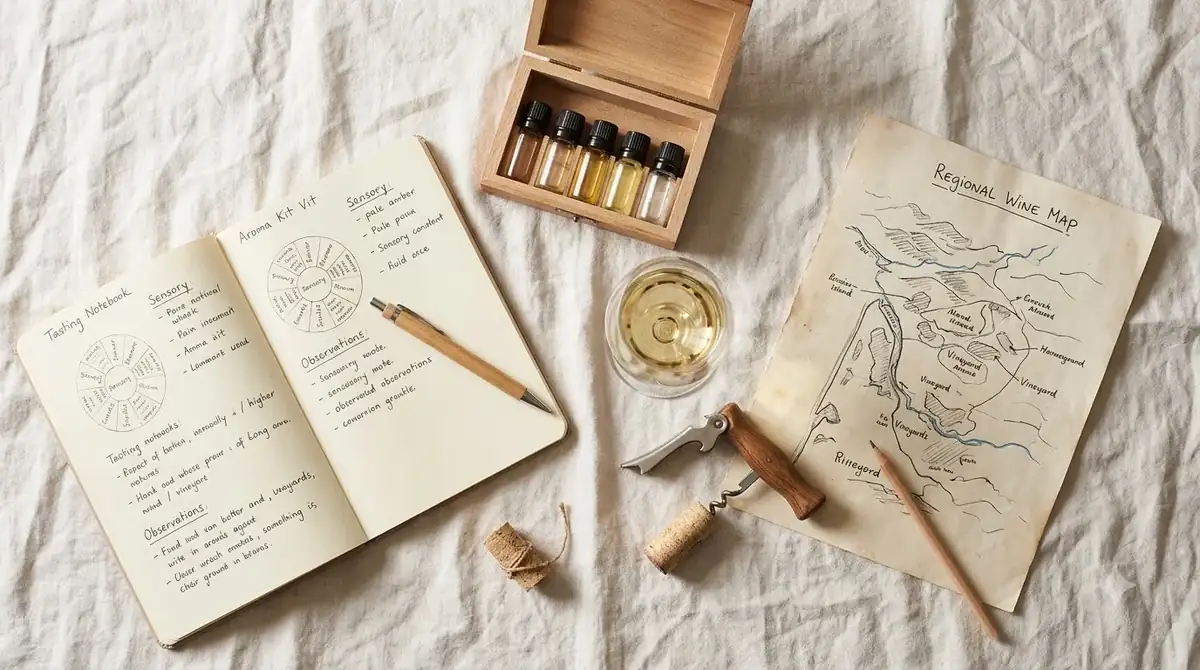
The four AVAs are the Outer Coastal Plain, Cape May Peninsula, Warren Hills, and Central Delaware Valley. An American Viticultural Area is a federally recognized grape-growing region established through the Alcohol and Tobacco Tax and Trade Bureau. Its boundaries reflect geographical characteristics that distinguish one growing area from another, rather than guaranteeing a particular wine style or quality level.
The Outer Coastal Plain is the largest of the state’s wine-growing areas, covering more than 2.25 million acres. Its boundaries encompass substantial portions of southern New Jersey, including agricultural areas in Atlantic, Cumberland, Cape May, and Ocean Counties. The region’s predominantly flat landscape and sandy loam soils provide conditions suitable for commercial grape production.
Cape May Peninsula is a smaller, distinctive AVA within the broader Outer Coastal Plain. Its position between surrounding waterways produces a maritime environment that moderates temperatures and contributes to a long growing season. The Warren Hills AVA occupies northwestern New Jersey, where rolling terrain, sedimentary bedrock, and changing elevations create different vineyard conditions. Central Delaware Valley follows the Delaware River and extends across the state boundary into southeastern Pennsylvania.
These distinctions matter when selecting wines. A Cabernet Franc from a southern vineyard may express different fruit characteristics and ripeness from one grown in a cooler northern location. Likewise, a coastal Chardonnay and a Riesling from a northwestern vineyard can provide very different interpretations of the same broad grape-growing tradition.
For a wider understanding of American appellations, the site’s Wine Regions resource provides useful context for comparing New Jersey with other domestic and international wine-growing areas.
Outer Coastal Plain and Southern New Jersey Vineyards
The Outer Coastal Plain is the central geographical foundation of New Jersey wine production, with a long growing season, mostly level terrain, and maritime weather influences. Its sandy loam soils and broad agricultural landscape support a substantial selection of European grape varieties and French-American hybrids.
The region covers more than 2.25 million acres, according to the Garden State Wine Growers Association. The Atlantic Ocean to the east and Delaware Bay to the west influence local weather conditions, helping moderate temperatures across the growing area. Well-drained soils are particularly important because grapevines generally perform better when their roots are not exposed to prolonged waterlogging.
Southern New Jersey’s warmer growing conditions allow producers to cultivate several red varieties that need sufficient seasonal heat to ripen. Cabernet Franc, Merlot, Cabernet Sauvignon, Petit Verdot, and Syrah are among the grapes associated with the state’s broader southern wine-growing landscape. These varieties can contribute to structured reds, fruit-forward varietal wines, and Bordeaux-inspired blends.
White varieties also play an important role. Chardonnay, Albariño, Sauvignon Blanc, Petit Manseng, and Viognier offer different combinations of fruit character, acidity, and texture. Albariño is particularly interesting for visitors who enjoy crisp white wines with citrus and stone-fruit characteristics. Petit Manseng provides another option, often associated with concentrated fruit flavors and distinctive aromatic expression.
Hammonton is a useful geographical reference point for exploring South Jersey wine country. The surrounding agricultural landscape connects vineyards with farms and other local food producers. The area also provides access to wineries participating in the South Jersey Wine and Ale Trail.
Other important southern destinations include Pilesgrove and Landisville. Auburn Road Vineyards in Pilesgrove and Bellview Winery in Landisville are two examples of wineries listed in the statewide industry directory. Their locations make them useful reference points when planning a visit through Salem and Atlantic Counties.
Southern New Jersey is particularly suitable for visitors interested in comparing different red varieties. A tasting that includes Cabernet Franc, Merlot, and a red blend can demonstrate how winemakers approach fruit ripeness, tannin, oak influence, and blending in the same general growing region.
Visitors should also look beyond traditional grape wines. South Jersey producers participate in a broader agricultural wine culture that includes fruit-based products and sparkling styles. These alternatives provide a different perspective on the region’s farming resources and local wine traditions.
Cape May Peninsula and Its Maritime Wine Climate
Cape May Peninsula offers one of the most distinctive vineyard environments in New Jersey because surrounding water moderates its climate and contributes to a comparatively long frost-free growing season. Its southern location makes it especially appealing for combining winery visits with a coastal vacation.
The Cape May Peninsula AVA was established in 2018 and covers portions of Cape May and Cumberland Counties. It is a sub-appellation of the Outer Coastal Plain, meaning that it shares the broader region’s geographical identity while recognizing a more specific growing environment. Its vineyards benefit from maritime influences that can moderate temperature extremes.
According to the Garden State Wine Growers Association, the peninsula has the most frost-free days in New Jersey and the state’s longest grape-growing season. This extended period gives growers additional time to manage ripening and harvest decisions. The surrounding water also influences local humidity, temperature patterns, and seasonal weather.
Cabernet Sauvignon, Merlot, Barbera, Nebbiolo, Tempranillo, and Sangiovese are among the red grapes associated with the peninsula’s broader growing landscape. White varieties include Albariño, Sauvignon Blanc, Pinot Grigio, and Viognier. The combination reflects the region’s ability to support a diverse selection of Mediterranean-inspired and internationally recognized wine grapes.
For visitors, Cape May offers an accessible introduction to New Jersey wine tourism. Cape May Winery and Vineyard is listed at 711 Town Bank Road in Cape May. Its location within the peninsula makes it a practical starting point for learning about the area’s local wine production.
The surrounding destination offers opportunities to combine tastings with other activities. Visitors can plan a day around vineyard visits, coastal scenery, local seafood restaurants, and the historic character of Cape May. However, winery appointments, tasting arrangements, food service, and event schedules can differ between establishments, so advance planning is sensible.
Albariño and Sauvignon Blanc are particularly useful wines to compare during a coastal tasting. Both can offer refreshing acidity, but their aromatic profiles and textures differ. A comparison with Chardonnay can further illustrate how grape variety and winemaking choices shape the finished wine.
Cape May also makes sense for travelers who prefer a relaxed weekend rather than a tightly scheduled winery tour. A small number of well-planned visits allows enough time to enjoy each tasting and explore the surrounding coastal communities.
Warren Hills and Central Delaware Valley in Northern New Jersey
Northern and western New Jersey offer a different vineyard experience from the southern coastal plains. The Warren Hills and Central Delaware Valley AVAs feature more varied terrain, different soil compositions, and growing conditions influenced by elevation and proximity to the Delaware River.
The Warren Hills AVA was established in 1988 and lies entirely within Warren County. It covers approximately 182,000 acres, extending from the Delaware River toward the Kittatinny Mountains. According to the Garden State Wine Growers Association, its growing season lasts approximately 180 days, with sandy loam soils over sedimentary bedrock.
These conditions provide a distinctive setting for cool-climate and hybrid grape production. Pinot Noir and Riesling are particularly relevant varieties to explore in northern New Jersey. Their growing requirements and natural acidity make them useful examples of how a cooler vineyard environment can influence wine style.
French-American hybrids also have an important place in the state’s northern vineyards. Chambourcin, Vidal Blanc, and Vignoles are varieties that can contribute to red, white, and aromatic wine styles. These grapes are often selected because they offer useful growing characteristics under conditions where particular European varieties may require more careful vineyard management.
One useful winery destination is Beneduce Vineyards in Pittstown, Hunterdon County, which appears in the Garden State Wine Growers Association’s statewide directory. Its location makes it relevant to visitors exploring the broader northern wine-growing landscape.
The Central Delaware Valley AVA was designated in 1984 and is shared between New Jersey and southeastern Pennsylvania. Its position along the Delaware River, just north of Philadelphia, gives it a geographical identity that crosses state boundaries.
Central Delaware Valley is smaller than the Outer Coastal Plain and provides a different agricultural setting. River proximity, local soils, and variations in elevation contribute to vineyard conditions that can differ considerably over relatively short distances. Chardonnay, Riesling, Vidal Blanc, Cabernet Sauvignon, Chambourcin, and Pinot Noir are among the varieties associated with the wider New Jersey wine-growing landscape.
Visitors should avoid assuming that every winery in Warren or Hunterdon County produces the same styles. Individual vineyard sites, grape selection, harvest decisions, and cellar practices influence the finished wine. Comparing a Riesling, a Pinot Noir, and a hybrid variety at separate northern wineries can provide a useful introduction to these differences.
For travelers coming from the Philadelphia metropolitan area, Central Delaware Valley and nearby Hunterdon County destinations can be practical choices. Those looking for a more rural vineyard setting may prefer exploring Warren County and the surrounding northwestern countryside.
New Jersey Grapes, Signature Wines, and Regional Styles
New Jersey’s wine identity comes from grape diversity rather than dependence on one signature variety. Producers work with European Vitis vinifera grapes, French-American hybrids, and native American varieties to create a wide range of dry, sweet, sparkling, and fortified wines.
The New Jersey Department of Agriculture reports that more than 40 grape varieties are grown in the state. This diversity reflects differences in temperature, soil, topography, and local vineyard conditions across the four AVAs.
Red grape varieties
Cabernet Franc is one of the important varieties to seek out when exploring local red wines. It can offer red-fruit flavors, herbal notes, and moderate tannin. Its versatility makes it suitable for varietal bottlings and blends.
Merlot generally produces softer tannins and approachable fruit character, while Cabernet Sauvignon tends to have firmer tannins and a more structured profile. Pinot Noir offers another contrast, with lighter body, lower-to-medium tannin, and relatively high acidity.
Other red grapes include Petit Verdot, Blaufränkisch, Syrah, Barbera, and Sangiovese. These varieties allow winemakers to explore different approaches to ripeness, acidity, structure, and blending. In southern vineyards, Italian varieties provide an interesting connection with Mediterranean wine traditions.
White grape varieties
Chardonnay is an important international variety that can produce a range of styles depending on harvest timing, fermentation, and aging. Some examples emphasize citrus and orchard fruit, while others develop richer textures through oak fermentation or malolactic conversion.
Riesling is especially useful for understanding the potential of northern vineyards. It naturally retains high acidity and can be made in dry, off-dry, or sweeter styles. Albariño, Sauvignon Blanc, Petit Manseng, and Grüner Veltliner provide additional options for visitors who enjoy aromatic white wines.
Hybrid grapes and alternative styles
Chambourcin, Vidal Blanc, and Vignoles are important examples of French-American hybrid grapes grown in New Jersey. They broaden the range of wines available and reflect the state’s agricultural adaptation to different growing environments.
Vidal Blanc can produce fresh white wines and is also suitable for sweeter styles. Vignoles is valued for its aromatic character and can be used in wines ranging from dry to sweet. Chambourcin is a red hybrid that can produce fruit-driven wines with its own distinctive character.
Fruit wines are another part of the state’s production landscape. The Department of Agriculture identifies examples made from apples, blackberries, blueberries, cranberries, cherries, plums, raspberries, and strawberries. Some wineries also produce rosé, sparkling wines, ice wines, Ports, and other specialty styles.
The following table summarizes useful varieties and styles to look for during a New Jersey tasting trip.
| Grape or style | Wine type | Typical characteristics | What to explore |
|---|---|---|---|
| Cabernet Franc | Red | Red fruit, herbs, moderate tannin | Varietal wines and blends |
| Merlot | Red | Plum, cherry, softer tannins | Approachable regional reds |
| Pinot Noir | Red | Red berries, acidity, lighter tannin | Northern vineyard expressions |
| Cabernet Sauvignon | Red | Dark fruit, structure, higher tannin | Fuller-bodied reds |
| Riesling | White | Citrus, floral aromas, high acidity | Dry and off-dry bottlings |
| Chardonnay | White | Apple, citrus, medium acidity | Unoaked and oak-influenced styles |
| Albariño | White | Citrus, stone fruit, refreshing acidity | Coastal-influenced white wines |
| Chambourcin | Red hybrid | Fruit-forward, distinctive character | Regional hybrid wines |
| Vidal Blanc | White hybrid | Fresh fruit and lively acidity | Dry and sweeter styles |
| Vignoles | White hybrid | Aromatic fruit and balanced acidity | Aromatic and dessert wines |
These characteristics describe general grape tendencies rather than guaranteed tasting notes for every bottle. Harvest conditions, vineyard management, fermentation choices, and aging can all change the final result.
Visitors comparing New Jersey with other American regions may also enjoy exploring New Mexico wine country, where altitude and desert conditions create another distinctive approach to grape growing.
New Jersey Wine Trails and Notable Winery Destinations
Wine trails make it easier to explore several producers within one geographical area instead of driving randomly between distant vineyards. New Jersey has regional trails covering Cape May, South Jersey, Monmouth and Ocean Counties, and Hunterdon County.
The Garden State Wine Growers Association maintains a statewide directory with winery names, county information, addresses, and website details. Its regional trail listings are particularly helpful for identifying groups of wineries that can be visited during the same trip.
Cape May Wine Trail
The Cape May Wine Trail is a natural choice for visitors combining wine tourism with a coastal holiday. Cape May Winery and Vineyard is one of the listed destinations, located at 711 Town Bank Road in Cape May.
The peninsula’s maritime conditions make this region interesting for visitors who want to explore white wines and Mediterranean grape varieties. A tasting itinerary can include Albariño, Sauvignon Blanc, Chardonnay, and regional red wines, depending on individual winery selections.
South Jersey Wine and Ale Trail
The Wine and Ale Trail of South Jersey focuses on the Hammonton area in Atlantic County. It combines different local beverage producers and provides an opportunity to explore the agricultural landscape of southern New Jersey.
Nearby destinations include Bellview Winery in Landisville and Auburn Road Vineyards in Pilesgrove. These wineries are listed in the association’s statewide directory and provide useful starting points for a broader South Jersey itinerary.
Monmouth-Ocean County Wine Trail
The Monmouth-Ocean County Wine Trail includes four principal wineries: 4JG’s Winery in Colts Neck, Fox Hollow Vineyards in Holmdel, Cream Ridge Winery in Cream Ridge, and Laurita Winery in New Egypt.
This trail is particularly convenient for visitors who want to explore vineyards within reach of the Jersey Shore. The locations combine established agricultural communities with access to coastal destinations and other regional attractions.
Hunterdon County Wine Trail
Hunterdon County provides another useful route for exploring northern New Jersey wine country. The association identifies Beneduce Vineyards and Mount Salem Vineyards in Pittstown, together with Old York Cellars and Unionville Vineyards in Ringoes.
These destinations provide an opportunity to compare different producers in a rural agricultural setting. The trail also organizes themed weekend events and cross-promotional activities among participating wineries.
For the most accurate list of participating wineries and current events, consult the Garden State Wine Growers Association’s winery directory and wine trails.
Tip: Plan no more than two or three winery tastings in a day. Confirm reservations, tasting availability, food policies, and opening hours before leaving, particularly during weekends and special wine trail events. Choose a designated driver or arrange transportation between wineries.
Planning a New Jersey Wine Country Visit
The best way to visit New Jersey wine country is to select one geographical area and build a manageable itinerary around it. Cape May works well for a coastal weekend, South Jersey suits agricultural and winery-focused excursions, and Warren or Hunterdon Counties offer a quieter northern countryside experience.
Choosing the best season
Late spring through early fall is generally a convenient period for vineyard visits. Spring brings active vineyard growth and fresh greenery, while summer offers longer daylight hours and opportunities to combine tastings with outdoor activities.
Late summer and fall are particularly interesting because grape ripening and harvest activities become more visible. Harvest dates differ by grape variety, vineyard location, and seasonal weather. Visitors should not assume that every winery conducts public harvest activities or offers vineyard tours during this period.
Winter can also be suitable for tasting-room visits, especially for travelers who prefer quieter surroundings. However, outdoor vineyard activities may be limited, and some establishments operate reduced schedules.
How many wineries should you visit?
Two wineries make a comfortable day for visitors who want to spend time learning about individual producers. Three can work when the locations are close together and tasting appointments are appropriately spaced.
For a weekend, consider visiting one region on the first day and another nearby destination on the second. For example, a Cape May weekend can combine a winery visit with local restaurants and coastal attractions, while a Hunterdon itinerary can focus on rural vineyards and countryside scenery.
What to taste during a visit
Start with sparkling or white wines before moving toward rosé, lighter reds, and fuller-bodied reds. This progression helps preserve your ability to recognize delicate aromas and flavors before tasting wines with more pronounced tannin and structure.
Ask about the grapes, vineyard location, fermentation approach, and aging methods behind each wine. These details can explain why two Chardonnay bottlings taste different or why Cabernet Franc from one producer has more herbal character than another.
It is also useful to include at least one regional hybrid wine in a tasting. Exploring Chambourcin, Vidal Blanc, or Vignoles offers a better understanding of New Jersey’s agricultural identity than focusing exclusively on familiar European varieties.
Food and wine pairing ideas
New Jersey’s regional food culture provides plenty of opportunities for thoughtful wine pairings. Fresh seafood, grilled vegetables, poultry, cheeses, and seasonal produce can all complement wines from the state’s vineyards.
Albariño and Sauvignon Blanc are good choices for seafood dishes that benefit from fresh acidity. Chardonnay can work with roasted chicken, creamy pasta, and richer fish preparations. Riesling is particularly versatile with dishes containing spice or a touch of sweetness.
For red wines, Cabernet Franc works well with grilled vegetables, roasted poultry, and herb-seasoned meats. Merlot is a useful match for burgers, pork, and dishes with moderate richness. Cabernet Sauvignon generally benefits from protein-rich foods and preparations that can balance its firmer tannins.
Sweet wines should be paired with desserts that are no sweeter than the wine itself. Otherwise, the wine may taste less expressive or more acidic by comparison. Salt and fat can soften the perception of tannin, while high alcohol and tannin can intensify the sensation of chili heat.
Serving temperature also matters. Serve sparkling wines around 40–50 degrees Fahrenheit, light whites around 45–50 degrees, and full-bodied whites around 50–55 degrees. Light reds generally benefit from 55–60 degrees, while fuller reds are usually best around 60–65 degrees.
These details can make a winery tasting more informative and help visitors understand how the same bottle can perform differently depending on its serving conditions and food pairing.
Frequently Asked Questions
How many wineries are there in New Jersey?
The New Jersey Department of Agriculture reported more than 50 licensed wineries in its published industry overview. The Garden State Wine Growers Association also maintains a directory covering wineries and vineyard businesses throughout the state. The number of operating tasting destinations can change as businesses open, close, or modify their visitor arrangements.
Does New Jersey have a wine region designation similar to Napa Valley?
Yes. New Jersey has four federally recognized American Viticultural Areas rather than one statewide appellation. These are the Outer Coastal Plain, Cape May Peninsula, Warren Hills, and Central Delaware Valley. An AVA designation identifies a geographically defined grape-growing area and does not automatically indicate a particular quality classification.
Can New Jersey wineries produce wine from grapes grown outside the state?
Yes, producers may work with grapes from different growing areas, subject to applicable federal labeling and appellation rules. However, an AVA designation on a wine label requires at least 85 percent of the grapes to come from within that designated area. This requirement helps distinguish wines with a specific geographical origin from those made using a broader selection of fruit.
Is New Jersey wine available outside the state?
Some New Jersey wines are distributed beyond the state through retail and restaurant channels, although availability varies by producer and location. Winery websites and the Garden State Wine Growers Association directory are useful starting points for identifying producers and contacting them about distribution. Direct winery purchases may also be subject to state-specific shipping regulations.
What makes New Jersey wine different from Pennsylvania wine?
One important distinction is that New Jersey’s four AVAs include both coastal growing areas and inland vineyard environments, while Pennsylvania has its own separately designated viticultural regions. The Central Delaware Valley AVA is shared by New Jersey and southeastern Pennsylvania, illustrating how wine-growing geography can cross state borders. Individual vineyard elevation, soils, grape selection, and winemaking choices create further differences between bottles from the two states.
New Jersey wine country offers a rewarding combination of coastal vineyards, inland agricultural landscapes, diverse grape varieties, and accessible regional wine trails. Exploring its four AVAs provides a better understanding of how geography shapes the state’s wines, from northern Riesling and Pinot Noir to southern Cabernet Franc, Albariño, and distinctive hybrid varieties. For anyone interested in American wine beyond the most familiar destinations, the Garden State deserves a place on the itinerary.
More in Wine Regions
 Willcox Wine Trail: Discover Arizona’s High-Elevation Wine CountryUpdated Nov 20, 2026
 Yakima Valley Wine Region: Find the Best Styles to TryUpdated Nov 20, 2026
 Vosne Romanee Wine Tasting: Identify Aromas and Choose Better PairingsUpdated Nov 20, 2026
 Yakima Valley Wine Festival: Find the Best Seasonal Wine EventsUpdated Nov 20, 2026
 Wales Vineyards: Discover Cool-Climate Wines and Where to VisitUpdated Nov 20, 2026
 Yountville Wine Festival: Discover Napa Wines and Local FoodUpdated Nov 20, 2026