

We may earn a commission when you buy through links on this page, at no extra cost to you. Learn more.
Moldova wine tasting introduces visitors to distinctive indigenous grapes, three protected wine-growing regions, and historic underground cellars that make this Eastern European country an exciting destination for wine discovery. From aromatic Fetească Albă and expressive Fetească Neagră to the lighter Rară Neagră, Moldovan wines offer a combination of regional character and traditional winemaking. Visitors can explore cellar tours at Cricova and Mileștii Mici, taste wines at family-run estates, and compare the cooler central vineyards with the warmer southern growing areas.
Moldova occupies a distinctive position between Romania and Ukraine, with vineyards spread across rolling countryside influenced by the Black Sea and continental weather patterns. Its wine culture combines centuries of grape-growing tradition with modern production techniques, international varieties, and renewed interest in local grapes. Understanding the country’s wine regions, signature varieties, and tasting experiences makes it easier to choose bottles and plan a rewarding visit.
Understanding Moldova’s Three Wine Regions
Moldova has three protected geographical indications for wine: Codru, Ștefan Vodă, and Valul lui Traian. Each region has a recognizable growing environment, with Codru generally associated with fresh whites, Ștefan Vodă known for expressive reds, and Valul lui Traian producing concentrated wines in a warmer southern climate.
The protected geographical indication system follows a European-style approach that connects wine production with defined growing areas. Moldova introduced this system in 2013. According to regional information published by Doina Vin and attributed to the National Office for Vine and Wine, the country’s PGI vineyards covered 7,843.3 hectares in 2024, with 73 certified producers.
Codru occupies central Moldova and includes the capital, Chișinău, as an important starting point for wine tourism. It is the country’s coolest principal wine-growing area. Wooded hills and river valleys create varied vineyard conditions, while oak and linden forests cover approximately one-quarter of the landscape. Vineyards commonly grow between 100 and 150 meters above sea level, with gray forest soils and chernozems.
Its white-wine identity comes from varieties such as Fetească Albă, Muscat Ottonel, Sauvignon Blanc, and Chardonnay. According to Wine of Moldova, white grapes account for approximately 63 percent of Codru’s vineyard plantings. The region also has an important sparkling-wine tradition. Two of Moldova’s best-known underground cellars, Cricova and Mileștii Mici, are located in this region.
Ștefan Vodă lies in southeastern Moldova along the Dniester River. Its vineyards occupy plains, terraces, and gentle slopes at an average elevation of approximately 120 meters. The Black Sea influences the regional climate, while annual rainfall generally falls between 450 and 550 millimeters. These conditions support red grapes such as Rară Neagră, Fetească Neagră, Merlot, and Saperavi.
Valul lui Traian occupies the southwest and includes the Tigheci Hills, Bugeac Plain, and Prut Terraces. It is Moldova’s warmest and driest principal wine region, with Mediterranean influences, warm summers, and relatively mild winters. Red varieties are especially important here, and red wines account for approximately 60 percent of regional production.
| Wine region | Location | Typical character | Grapes to explore |
|---|---|---|---|
| Codru | Central Moldova | Fresh whites and sparkling wines | Fetească Albă, Chardonnay, Sauvignon Blanc |
| Ștefan Vodă | Southeastern Moldova | Expressive reds and balanced whites | Rară Neagră, Fetească Neagră, Merlot |
| Valul lui Traian | Southwestern Moldova | Concentrated reds and full-bodied whites | Cabernet Sauvignon, Merlot, Fetească Neagră |
These distinctions are useful when selecting tasting flights. A visitor interested in crisp whites and sparkling wine should begin in Codru, while someone looking for indigenous reds and structured blends may prefer Ștefan Vodă. Valul lui Traian is particularly interesting for comparisons between internationally familiar red grapes and local varieties grown under warmer conditions.
Indigenous Grapes Worth Seeking Out
Moldova’s native grape varieties provide some of the most interesting tasting experiences in the country. Fetească Neagră, Rară Neagră, Fetească Albă, and Viorica offer different combinations of fruit, floral character, acidity, and texture that are difficult to understand through international varieties alone.
Fetească Neagră is one of Moldova’s most recognizable red grapes. It commonly produces dry wines with aromas of dark berries, black cherries, plums, and sometimes spice. The wines can have a rounded texture and meaningful structure, making the variety suitable for both single-varietal bottlings and blends.
Its tannin level and body depend on vineyard conditions and winemaking choices. A fresher example may emphasize juicy fruit and moderate structure, while a more concentrated version can show darker fruit, greater depth, and oak influence. Comparing wines from different producers is a useful way to understand how the grape responds to climate and cellar decisions.
Rară Neagră is another important indigenous red variety. It is also known as Băbească Neagră in eastern Romania. Compared with many powerful international red varieties, Rară Neagră can offer a lighter-colored, more delicate style with red fruit, cherry, and gentle spice. Its generally softer tannin structure makes it an appealing choice for people who prefer reds that are less forceful.
Fetească Albă is a significant local white grape, particularly associated with central Moldova. Depending on the producer, it can show apple, pear, citrus, and floral notes. Its freshness makes it useful as an introductory white wine for visitors unfamiliar with Moldovan varieties.
Viorica offers a different experience. This aromatic white variety is known for floral and herbal characteristics, often accompanied by fresh fruit. It can be particularly interesting as an aperitif or alongside dishes with herbs and lighter sauces.
International grapes with a Moldovan identity
Local varieties are only part of the picture. Moldova also produces recognizable wines from Cabernet Sauvignon, Merlot, Chardonnay, Sauvignon Blanc, Pinot Noir, and Saperavi. These grapes allow visitors to compare familiar wine styles with the influence of Moldovan soils and growing conditions.
Cabernet Sauvignon generally brings firmer tannins and darker fruit, while Merlot tends to offer a softer texture and medium tannin. Pinot Noir can provide brighter acidity and more delicate red-fruit character. These differences become particularly useful when comparing a local Fetească Neagră with a Cabernet-based blend.
For white wines, Sauvignon Blanc typically provides higher acidity and citrus or herbal notes. Chardonnay has medium acidity and can range from fresh and lightly textured to richer examples influenced by oak aging. A tasting that includes both local grapes and international varieties gives a broader picture of the country’s production.
One useful comparison is a tasting of Fetească Neagră alongside a blend of Cabernet Sauvignon, Saperavi, and Rară Neagră. Wine of Moldova identifies this combination as a notable red-wine style associated with Ștefan Vodă. The comparison helps illustrate how local grapes can contribute individual character to blends built around international varieties.
Tip: Build a tasting flight around four varieties: Fetească Albă, Viorica, Rară Neagră, and Fetească Neagră. This provides a practical introduction to Moldova’s native white and red grapes before moving on to Cabernet Sauvignon, Merlot, or Chardonnay.
Historic Cellars and Winery Experiences
Moldova’s cellar experiences are among its most recognizable wine attractions. Cricova and Mileștii Mici offer extensive underground galleries, while estates such as Purcari, Castel Mimi, and Asconi provide different perspectives on vineyard visits, guided tastings, and the country’s winemaking heritage.

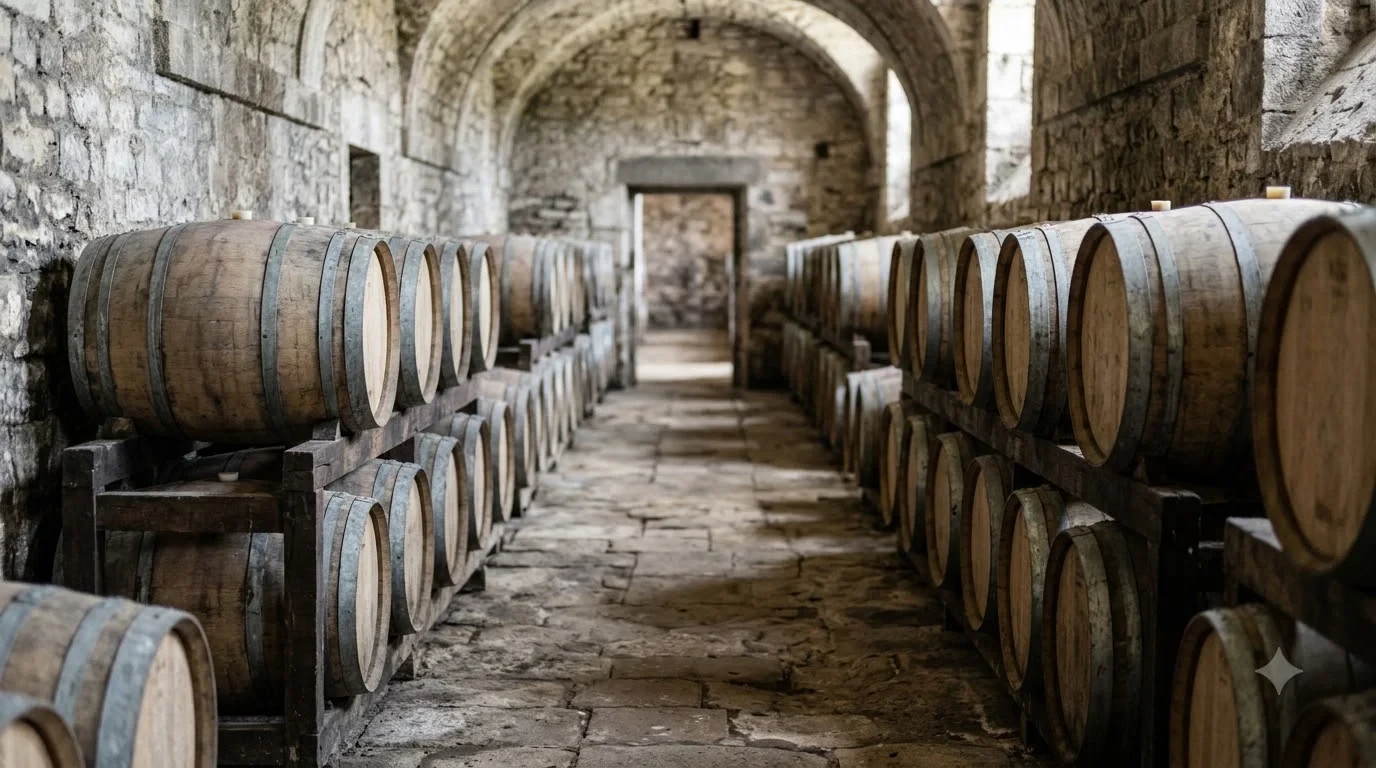
Cricova is famous for its underground wine galleries, which extend through former limestone workings. The tunnels form an extensive subterranean network with streets named after wine varieties and styles. Visitors can explore wine storage areas, learn about production, and experience sparkling wines in an environment very different from a conventional tasting room.
The cellar’s underground setting also helps explain why temperature and storage conditions matter in winemaking. Below-ground spaces can maintain relatively stable conditions, making them useful for aging and storing wine. A guided visit provides context for the relationship between wine production, preservation, and Moldova’s long cellar tradition.
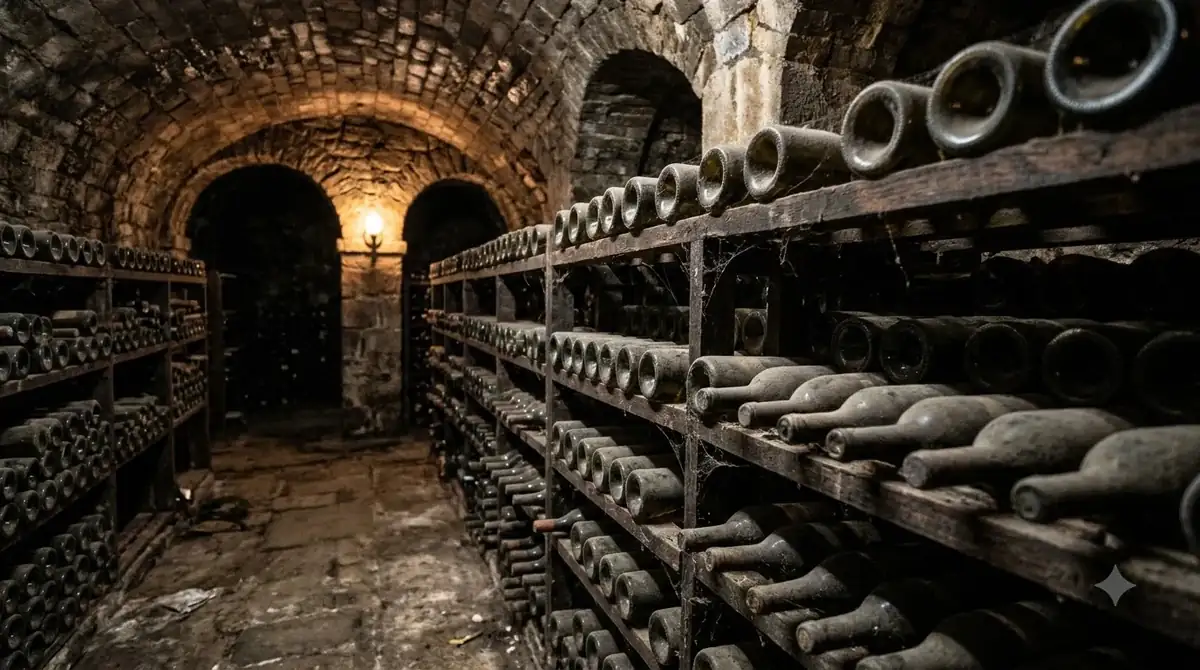
Mileștii Mici is another major underground wine destination in Codru. Its galleries form a vast network where visitors can see large-scale storage areas and collections of bottled wine. The experience emphasizes the scale of Moldova’s historical wine industry and offers an interesting contrast with smaller contemporary wineries. Wine of Moldova highlights Mileștii Mici for its extensive collection, which has received Guinness World Records recognition.
For a more estate-focused experience, Purcari is a major name to explore in southeastern Moldova. The estate is associated with the historic wine-growing area of Ștefan Vodă and is particularly known for Negru de Purcari. Its historic cellar setting and red-wine reputation make it an appealing destination for visitors who want to understand the region’s structured wine styles.
Castel Mimi offers another approach to wine tourism, combining a winery visit with architecture, hospitality, and food. Located in Bulboaca in central Moldova, it provides an opportunity to experience an estate setting rather than concentrating exclusively on underground storage galleries. Wine of Moldova also identifies the estate for its boutique hotel and dining facilities.
Asconi is another useful stop for visitors interested in the production process. Its tours introduce guests to grape processing, fermentation, and the transformation of harvested grapes into finished wine. Seeing these stages helps make a tasting more informative, especially for visitors comparing traditional and contemporary winemaking.
The official Moldovan tourism authority describes a Wine Road that connects 28 producers, including 11 small wineries, two major underground cellars, and 15 established wineries. The route has been part of the European Iter Vitis network since 2020. Its experiences range from boutique family producers to large historic estates and sparkling-wine cellars.
For additional regional inspiration, readers can compare Moldova’s cellar-centered experiences with Willcox wine tasting, where the tasting experience is shaped by Arizona’s high-desert vineyards and a different set of growing conditions.
How to Organize a Moldova Wine Tasting
A successful Moldova wine trip starts with choosing a manageable geographic area and arranging winery appointments in advance. Chișinău is a practical base for exploring central Moldova, while a longer itinerary can include the southeastern estates and the warmer vineyards of the southwest.
For a first visit, Codru is a sensible starting point. Its proximity to Chișinău makes it easier to combine a city stay with visits to Cricova, Mileștii Mici, or nearby estates. Travelers interested in underground cellars can dedicate a day to one major cellar and another winery rather than trying to fit several long tours into a single afternoon.
A second day can focus on a different style of tasting. A visit to a winery such as Castel Mimi or Asconi offers an opportunity to compare estate wines, local grape varieties, and food pairings. This provides a useful contrast with the underground experience of the larger cellars.
Visitors with more time can plan an excursion toward Ștefan Vodă. This region is especially interesting for people who want to explore Rară Neagră, Fetească Neagră, Merlot, and blends built around red grapes. Purcari and Et Cetera are two names associated with the region’s wine tourism experiences.
Valul lui Traian is worth adding to a longer itinerary for travelers interested in the southern wine landscape. Its warm climate and red-wine emphasis make it a good place to explore more concentrated styles. Tastings can also reveal how international varieties perform under different conditions within the same country.
A practical tasting itinerary
The official Moldovan Wine Road provides several routes with different distances and durations. Its published regional itineraries include a 750-kilometer Codru route planned for four days, a 150-kilometer Ștefan Vodă route planned for two days, and a 400-kilometer Valul lui Traian route planned for three days. These are useful planning references rather than requirements for every visitor.
| Day | Suggested focus | Tasting priorities |
|---|---|---|
| Day 1 | Chișinău and Codru | Fetească Albă, Viorica, Sauvignon Blanc |
| Day 2 | Cricova or Mileștii Mici | Cellar history, sparkling wine, white blends |
| Day 3 | Ștefan Vodă | Rară Neagră, Fetească Neagră, Merlot |
| Day 4 | Valul lui Traian | Cabernet Sauvignon, southern red blends, fortified wines |
Booking is particularly important for cellar visits and guided estate tastings. The official tourism authority publishes route information and a wine tourism guide covering wineries, grape varieties, accommodation, and transportation. Its Moldova Wine Road information includes regional itineraries, distances, suggested durations, and participating winery counts.
For a shorter trip, prioritize two contrasting experiences rather than collecting as many winery visits as possible. A major underground cellar followed by a smaller estate tasting gives visitors both historical context and a closer look at individual producers.
Transportation deserves attention because winery visits often involve several tasting pours and locations outside the capital. A private driver, organized excursion, or designated non-drinking driver makes it easier to visit more than one producer. Confirm the tour language, tasting format, duration, and food arrangements before traveling.
Serving Temperatures and Food Pairings
Moldovan wines are versatile at the table, particularly because the country’s production includes fresh whites, aromatic varieties, sparkling wines, and structured reds. Serving each wine at an appropriate temperature and matching its acidity, sweetness, and tannin with the food can make a tasting flight much more enjoyable.
Light-bodied whites such as Fetească Albă and fresh Sauvignon Blanc generally work well at 45–50 degrees Fahrenheit. Fuller Chardonnay styles are better served slightly warmer, around 50–55 degrees. Sparkling wines should be served between 40 and 50 degrees, allowing their freshness and bubbles to remain prominent.
For reds, lighter Rară Neagră can be served at approximately 55–60 degrees Fahrenheit. More structured Fetească Neagră, Cabernet Sauvignon, and Syrah-based blends generally work well at 60–65 degrees. Serving red wine too warm can make alcohol feel more prominent and reduce the impression of freshness.
Pairing native varieties with food
Fetească Albă pairs naturally with grilled white fish, poultry, fresh cheeses, and vegetable dishes. Its freshness can complement foods with lemon, herbs, or lighter sauces. Viorica is particularly suitable for aromatic dishes, salads with fresh herbs, and lightly seasoned seafood.
Rară Neagră can accompany roast chicken, pork, mushroom dishes, and grilled vegetables. Its softer tannins make it more flexible than heavily structured reds. It is also a useful option with moderately seasoned meat dishes where a powerful Cabernet Sauvignon might dominate the meal.
Fetească Neagră works with roasted lamb, beef, grilled meats, and dishes featuring mushrooms or dark fruit sauces. More structured examples can handle richer preparations, while fruit-forward bottlings may suit simpler grilled dishes. Merlot offers similar flexibility with a generally softer tannin profile.
Cabernet Sauvignon and other high-tannin reds are best paired with protein-rich dishes, particularly grilled beef and lamb. Salt and fat soften the perception of tannin, making rich meat dishes useful partners. However, highly tannic reds are usually poor matches for delicate oily fish because the combination can produce an unpleasant metallic impression.
Acidity is equally important. Foods with strong lemon, vinegar, or tomato components need wines with equal or higher acidity. A fresh Moldovan white is generally a better choice than a low-acid, heavily oaked wine for a strongly acidic salad dressing.
Sweet wines should be served with desserts that are no sweeter than the wine itself. If the dessert is considerably sweeter, the wine may taste sharp or thin by comparison. Sparkling wines can also be useful with salty appetizers, fried foods, and rich cheeses because their acidity and bubbles refresh the palate.
For another European comparison, Alsace wine tasting offers a useful reference for aromatic whites, food-friendly acidity, and the influence of regional grape traditions on wine styles.
Choosing Bottles and Getting More from a Tasting
Choosing Moldovan wine is easier when the selection begins with grape variety and regional style rather than relying only on familiar international names. A few simple tasting habits can help visitors identify differences between producers and understand why a wine tastes the way it does.
Start by comparing wines made from the same grape. Two Fetească Neagră wines may differ in fruit intensity, tannin, oak influence, and acidity because of their vineyard locations and production methods. A comparison between Rară Neagră and Fetească Neagră can be particularly revealing because the varieties offer contrasting red-wine structures.
For white wines, try Fetească Albă alongside Chardonnay or Sauvignon Blanc. The local grape provides a useful reference point for the country’s traditional white-wine identity, while the international varieties help illustrate how familiar grapes adapt to Moldovan growing conditions.
Pay attention to the wine’s appearance, aromas, acidity, tannins, body, and finish. Look for fruit characteristics before considering oak or secondary aromas. For example, a fresh white might show apple, pear, and citrus, while a red could offer cherry, plum, blackberry, or spice.
It is also helpful to note whether the wine feels light, medium-bodied, or full-bodied. Body describes the overall weight of the wine in the mouth, rather than its quality. Acidity creates freshness, while tannin produces a drying sensation most commonly associated with red wines.
Understanding sparkling wine labels
Moldova produces sparkling wines that deserve attention during a cellar visit. Sparkling wine is particularly associated with the central region, where producers have experience with wines intended for secondary fermentation and bottle aging.
Sweetness terminology is important when choosing a sparkling bottle. The standard classifications from driest to sweetest are Brut Nature, Extra Brut, Brut, Extra Dry, Dry, Demi-Sec, and Doux. One potentially confusing detail is that Extra Dry is sweeter than Brut, despite the name suggesting otherwise.
Prosecco is a separate Italian sparkling-wine category generally made from Glera using the tank method, commonly at 11–12 percent alcohol by volume. Traditional-method sparkling wines, including Champagne and Cava, undergo their second fermentation in the bottle. These distinctions can help visitors understand the different production approaches they encounter during a Moldovan cellar tour.
Taking bottles home and storing them properly
Wine storage matters if a tasting leads to purchasing bottles for later enjoyment. Keep unopened bottles in a cool, dark location near 55 degrees Fahrenheit, with minimal temperature changes. Traditional cork-sealed bottles are generally stored on their sides to keep the cork from drying out.
Opened still wines usually remain enjoyable for approximately three to five days when refrigerated and properly resealed. Sparkling wine generally lasts one to three days with a suitable sparkling-wine stopper. Fortified wines may last several weeks after opening, depending on their style and storage conditions.
For a conventional tasting pour, use approximately 5 ounces. A standard 750-milliliter bottle contains about five such servings. Smaller tasting pours are useful when comparing several wines because they allow enough room to assess each glass without excessive consumption.
Young, full-bodied reds may benefit from 30–60 minutes of decanting before serving. This can help soften the initial impression and expose more aromatic detail. Lighter reds and delicate whites generally need less preparation.
Travelers who want to explore another distinctive red-wine region can also compare Moldova’s indigenous varieties with Bolgheri wine tasting, where international Bordeaux varieties and Mediterranean growing conditions create a different regional identity.
Readers looking for additional destinations can explore the broader collection of Wine Regions to compare Moldova with other established and emerging wine-growing areas.
Frequently Asked Questions
What is Moldova’s most famous wine?
Negru de Purcari is among Moldova’s best-known red wines and is closely associated with the Purcari estate in southeastern Moldova. The wine has a long-standing reputation beyond the country’s borders. Its name is frequently highlighted in Moldovan wine tourism and regional wine promotion.
Does Moldova produce organic and natural wines?
Some Moldovan producers work with organic viticulture, low-intervention methods, and traditional fermentation practices. These approaches vary by winery rather than representing a universal national production standard. Visitors interested in these styles should ask individual estates about vineyard certification, fermentation choices, and sulfur management.
What is the traditional Moldovan wine festival?
National Wine Day, known locally as Ziua Națională a Vinului, is a major celebration of Moldovan winemaking. It takes place in Chișinău during the first weekend of October. The event brings together wineries, local food producers, cultural performances, and wine-related activities.
What is the difference between Moldovan wine and Divin?
Wine is made through the fermentation of grape juice, while Divin is a Moldovan wine-based spirit produced through double distillation. The protected designation requires at least three years of aging in contact with oak. Divin is therefore a brandy category, not another wine-growing region or grape variety.
Can visitors taste wine in Moldova without joining a large tour group?
Yes, several wineries offer experiences that can be arranged for smaller groups or individual visitors. Boutique estates such as Et Cetera provide a different atmosphere from large underground cellars. Advance arrangements are particularly important for private tastings, language requests, and visits outside standard tour schedules.
Moldova offers a compelling combination of indigenous grape varieties, contrasting regional wine styles, historic underground cellars, and welcoming winery experiences. Start with Fetească Albă, Rară Neagră, and Fetească Neagră to understand the country’s distinctive wine identity, then explore the different expressions of Codru, Ștefan Vodă, and Valul lui Traian. Whether the interest is in sparkling wine, historic estates, or expressive local reds, Moldova provides plenty of reasons to keep exploring its vineyards.
More in Wine Regions
 Willcox Wine Trail: Discover Arizona’s High-Elevation Wine CountryUpdated Nov 20, 2026
 Yakima Valley Wine Region: Find the Best Styles to TryUpdated Nov 20, 2026
 Vosne Romanee Wine Tasting: Identify Aromas and Choose Better PairingsUpdated Nov 20, 2026
 Yakima Valley Wine Festival: Find the Best Seasonal Wine EventsUpdated Nov 20, 2026
 Wales Vineyards: Discover Cool-Climate Wines and Where to VisitUpdated Nov 20, 2026
 Yountville Wine Festival: Discover Napa Wines and Local FoodUpdated Nov 20, 2026