

We may earn a commission when you buy through links on this page, at no extra cost to you. Learn more.
Montefalco wine tasting introduces visitors to Sagrantino, one of Italy’s most tannic and age-worthy red grapes, alongside distinctive local wines made in the Umbrian hills of central Italy. The experience typically includes structured dry Sagrantino, approachable Montefalco Rosso, traditional sweet Passito, and regional white wines. Understanding the differences between these styles helps visitors make better winery selections, recognize important tasting characteristics, and appreciate how local food complements the wines.
Montefalco sits in the province of Perugia, surrounded by historic villages, vineyards, olive groves, and rolling countryside. Its wine identity revolves around Sagrantino, a native grape responsible for powerful reds with remarkable structure and longevity. However, the area’s wine culture extends beyond one variety. Sangiovese-based blends, Trebbiano Spoletino, Grechetto, and traditional dried-grape wines offer a broader introduction to Umbria. Whether planning a winery visit or exploring bottles at home, knowing what to expect makes this region easier to understand and enjoy.
Montefalco’s Wine Country and Its Distinctive Identity
Montefalco is a historic hill town in Umbria, central Italy, and the surrounding wine country is particularly associated with Sagrantino. Its landscape combines hillside vineyards, agricultural communities, and neighboring villages that contribute to the area’s distinctive wine production.
The Montefalco wine-growing area extends beyond the town itself. The broader production landscape includes parts of Bevagna, Gualdo Cattaneo, Castel Ritaldi, and Giano dell’Umbria, among other nearby communities. This geographical context matters because a wine labeled Montefalco represents a defined regional production identity rather than simply a bottle made in the town center.
Vineyard elevations, exposures, and individual growing conditions influence how grapes mature. For example, Antonelli describes its Sagrantino vineyards as sitting approximately 300 to 400 meters above sea level, with southern and southwestern exposures. These conditions form part of the estate’s approach to growing a late-ripening grape that needs sufficient time to develop its characteristic concentration and structure.
Umbria’s inland position also gives the region a different identity from the coastal wine districts of Tuscany. Visitors encounter a wine culture closely connected to local agriculture, traditional cooking, and historic settlements. Olive oil, cured meats, legumes, pork, game, and handmade pasta are important parts of the regional food landscape.
For travelers comparing Italian wine destinations, Montefalco offers a different experience from Bolgheri wine tasting, where coastal Tuscany is particularly associated with international red varieties and Bordeaux-inspired blends. Montefalco instead provides a closer look at an indigenous grape whose natural tannin and aging potential define its reputation.
The local appellation system is useful when selecting wines. Montefalco Sagrantino DOCG identifies the region’s signature 100% Sagrantino wines, while Montefalco DOC includes several other styles. Recognizing these designations makes a tasting more informative because each represents a different grape combination, production tradition, and expected wine profile.
Sagrantino: The Grape Behind Montefalco’s Reputation
Sagrantino is the central attraction of Montefalco wine tasting because it produces unusually concentrated red wines with substantial tannin, dark-fruit character, and long aging potential. Its dry DOCG expression is made entirely from Sagrantino grapes.
In the glass, young Sagrantino often shows an intense ruby-red color, sometimes with garnet or violet reflections depending on its age. Aromas can include blackberry, black cherry, plum, black pepper, dried herbs, leather, and earthy notes. Oak maturation may contribute additional impressions of vanilla, spice, or toast, although the exact character varies between producers and vintages.
The defining feature is the tannin. Sagrantino is a particularly tannic variety, creating a firm, sometimes gripping sensation along the gums and sides of the mouth. This structure is one reason the wine can feel more demanding than many familiar Italian reds. Its tannins are not necessarily a sign of poor balance; they are part of the grape’s natural identity and contribute to its capacity to develop over time.
Acidity, alcohol, fruit concentration, and oak influence how those tannins are perceived. A well-balanced example should offer more than a dry, mouth-drying finish. Look for concentrated fruit, freshness, and a persistent flavor profile that develops as the wine sits in the glass.
Why aging matters
Sagrantino generally benefits from extended maturation before release. The official production regulations require at least 33 months of aging for Montefalco Sagrantino DOCG, with at least 12 months in oak for the dry Secco version. Both Secco and Passito must also undergo at least four additional months of bottle refinement before consumption.
Individual wineries may choose longer maturation periods. Antonelli, for example, describes aging its Sagrantino in large oak barrels for at least 18 months before further settling and bottling. The producer reports that its wines generally reach full maturity 10 to 15 years after harvest and can continue developing in bottle for more than 30 years.
These extended timelines explain why a mature bottle can offer a different experience from a recently released vintage. Primary fruit may become more integrated with notes of dried fruit, leather, tobacco, and savory herbs. The tannins may also feel less aggressive as the wine develops.
During a tasting, comparing a younger Sagrantino with an older vintage is particularly useful. Pay attention to the relationship between fruit, tannin, acidity, and oak rather than judging the wine by its initial intensity alone.
Montefalco Wine Styles to Try During a Tasting
Montefalco produces several distinct wine styles, and tasting more than one appellation provides a fuller understanding of the region. Sagrantino Secco is the signature red, but Montefalco Rosso, Passito, Bianco, and Grechetto each demonstrate a different side of local winemaking.
Montefalco Sagrantino Secco DOCG is the essential starting point for understanding the region. Made from 100% Sagrantino, it is a dry, structured red suited to substantial dishes and extended cellar aging. Expect pronounced tannins, concentrated dark fruit, and a persistent finish.
Montefalco Rosso DOC is generally more approachable in its structure. According to the Montefalco wine consortium, its permitted blend consists of 60–80% Sangiovese, 10–25% Sagrantino, and 0–30% other authorized red grapes. Sangiovese provides the principal character, while Sagrantino contributes additional depth and tannic structure.
Montefalco Sagrantino Passito DOCG offers an entirely different experience. It is a traditional sweet red wine made from 100% Sagrantino grapes that are carefully selected and dried for at least two months before fermentation with the skins. The resulting wine combines concentrated sweetness with the grape’s naturally substantial tannins.
Montefalco Bianco DOC provides a white-wine alternative, containing at least 50% Trebbiano Spoletino. This grape contributes aromatic complexity and body, making the wine a useful contrast to the powerful reds.
Montefalco Grechetto DOC must contain at least 85% Grechetto. It is typically aromatic, structured, and supported by refreshing acidity. It offers an interesting introduction to Umbria’s indigenous white varieties.
| Wine style | Grape composition | Typical character | Serving temperature |
|---|---|---|---|
| Montefalco Sagrantino Secco DOCG | 100% Sagrantino | Powerful, dry, tannic, age-worthy | 64–65°F |
| Montefalco Sagrantino Passito DOCG | 100% Sagrantino | Sweet, concentrated, structured | 50–55°F |
| Montefalco Rosso DOC | 60–80% Sangiovese; 10–25% Sagrantino | Balanced, fruity, moderately structured | 59–61°F |
| Montefalco Bianco DOC | At least 50% Trebbiano Spoletino | Aromatic, rounded, versatile | 50–55°F |
| Montefalco Grechetto DOC | At least 85% Grechetto | Structured, aromatic, refreshing | 50–55°F |
The temperatures in the table are practical serving suggestions rather than mandatory appellation requirements. The consortium recommends approximately 64°F for Sagrantino, 61°F for Montefalco Rosso, and 50°F for its white wines. A slightly cooler temperature can help preserve freshness, especially in warmer tasting rooms.
Trying the wines in a deliberate sequence is helpful. Begin with Grechetto or Bianco, move to Montefalco Rosso, then taste Sagrantino Secco. Finish with Passito so its sweetness and concentrated flavors receive proper attention.
Planning a Montefalco Winery Visit and Tasting
A winery visit in Montefalco is best approached as an opportunity to understand both the wines and their production. Allowing approximately 90 minutes to two hours for a standard tasting gives visitors time to discuss the grapes, examine the cellar, and compare several wines without rushing.
Many wineries offer different tasting formats. Some concentrate on three or four wines, while more extensive experiences may include five or more selections, food accompaniments, vineyard visits, and discussions with winery staff. The availability and format vary by estate, so advance reservations are a sensible approach, particularly for small producers and weekend visits.
Choosing wineries and tasting formats
Start by deciding what you want to learn. Visitors primarily interested in Sagrantino should choose a producer that offers both young and mature examples, if available. Those interested in the broader regional wine culture should look for a tasting that includes Montefalco Rosso, Grechetto, and Passito alongside the signature red.
Producer-specific information can make the experience more meaningful. Antonelli’s Sagrantino technical information, for example, describes vineyard elevations, harvest timing, skin contact, oak maturation, and suggested drinking periods. These details provide useful questions to raise during a winery visit.
It is also worth asking whether a producer uses large oak casks, smaller French oak barrels, stainless steel, or a combination of vessels. Oak size and maturation time can affect the wine’s texture and aromatic profile. Comparing two producers with different cellar approaches can reveal how much winemaking choices influence the final expression of Sagrantino.
How to structure a tasting itinerary
One or two winery visits in a day are usually sufficient for a relaxed introduction. A third stop can work if the appointments are short and close together, but excessive tasting appointments can make it difficult to remember individual wines and compare their characteristics.
Plan transportation before the first tasting. Winery locations are spread across the countryside, and driving between estates requires attention to local roads and appointment times. A designated driver or arranged transportation allows visitors to concentrate on the experience without worrying about the return journey.
For travelers exploring multiple wine regions in Italy, it can be useful to compare Montefalco with destinations that emphasize different grapes and climates. The Wine Regions collection provides a starting point for understanding how geography, indigenous varieties, and production traditions shape regional wine identities.
Before leaving a winery, ask about its current tasting selection, the age of the wines being poured, and whether any limited-production Passito or older vintages are available. These details can turn a standard tasting into a more informative comparison of the region’s winemaking styles.
Food Pairings That Work With Montefalco Wines
Montefalco wines are particularly well suited to Umbrian cooking, where roasted meats, wild game, cured pork, aged cheeses, and rich pasta dishes provide natural companions for structured reds. The most important pairing principle is to match the intensity of the food with the wine while accounting for Sagrantino’s substantial tannin.
Sagrantino Secco works especially well with grilled beef, roast lamb, braised beef, venison, and other substantial meat dishes. The protein and fat in these foods help soften the perception of tannin, allowing the wine’s fruit and savory complexity to become more apparent.
Aged Pecorino and other mature hard cheeses are also excellent choices. Their concentrated flavors and firm textures can stand up to the wine’s intensity. Salty cured meats provide another useful contrast, especially when accompanied by rustic bread or unsalted regional dishes.
Montefalco Rosso and everyday Umbrian dishes
Montefalco Rosso is a flexible partner for a broader range of meals. Its Sangiovese-led composition makes it suitable for tomato-based pasta, stuffed pasta, roast chicken, pizza, grilled sausages, and medium-aged cheeses. The additional Sagrantino in the blend contributes structure without necessarily producing the same degree of tannic intensity as the single-variety DOCG wine.
For pasta, try a Sangiovese-based Montefalco Rosso with ragù, roasted vegetables, or meat-filled pasta. The acidity and savory character of the wine help balance richer sauces, while its fruit provides enough intensity for dishes featuring tomato, herbs, and slow-cooked meat.
White wines and lighter meals
Montefalco Bianco and Grechetto are natural choices for regional appetizers, soups, risotto, seafood, white meats, and fresh cheeses. Grechetto’s acidity is particularly useful with salty cured meats, legumes, and savory pastries. Trebbiano Spoletino can also provide sufficient body for richer fish preparations and dishes involving mushrooms or aromatic herbs.
Pairing Passito with dessert
Passito deserves special attention because it combines sweetness with Sagrantino’s distinctive tannic character. The consortium recommends aged cheese, biscuits, pies, and dark chocolate as suitable companions.
A useful pairing principle is to choose a dessert that is no sweeter than the wine. A very sweet dessert can make the wine seem less expressive, while a moderately sweet biscuit or fruit-and-nut pastry may allow the concentrated dried-fruit character to stand out. Blue cheese and aged Pecorino are also interesting choices because saltiness and richness can balance the wine’s sweetness and structure.
Tip: When tasting Sagrantino alongside food, begin with a small bite of aged cheese or a piece of fatty grilled meat. Taste the wine again and notice how the food changes the sensation of tannin. This comparison is one of the easiest ways to understand why Sagrantino pairs so successfully with rich Umbrian dishes.
How to Taste, Serve, and Evaluate Montefalco Wines
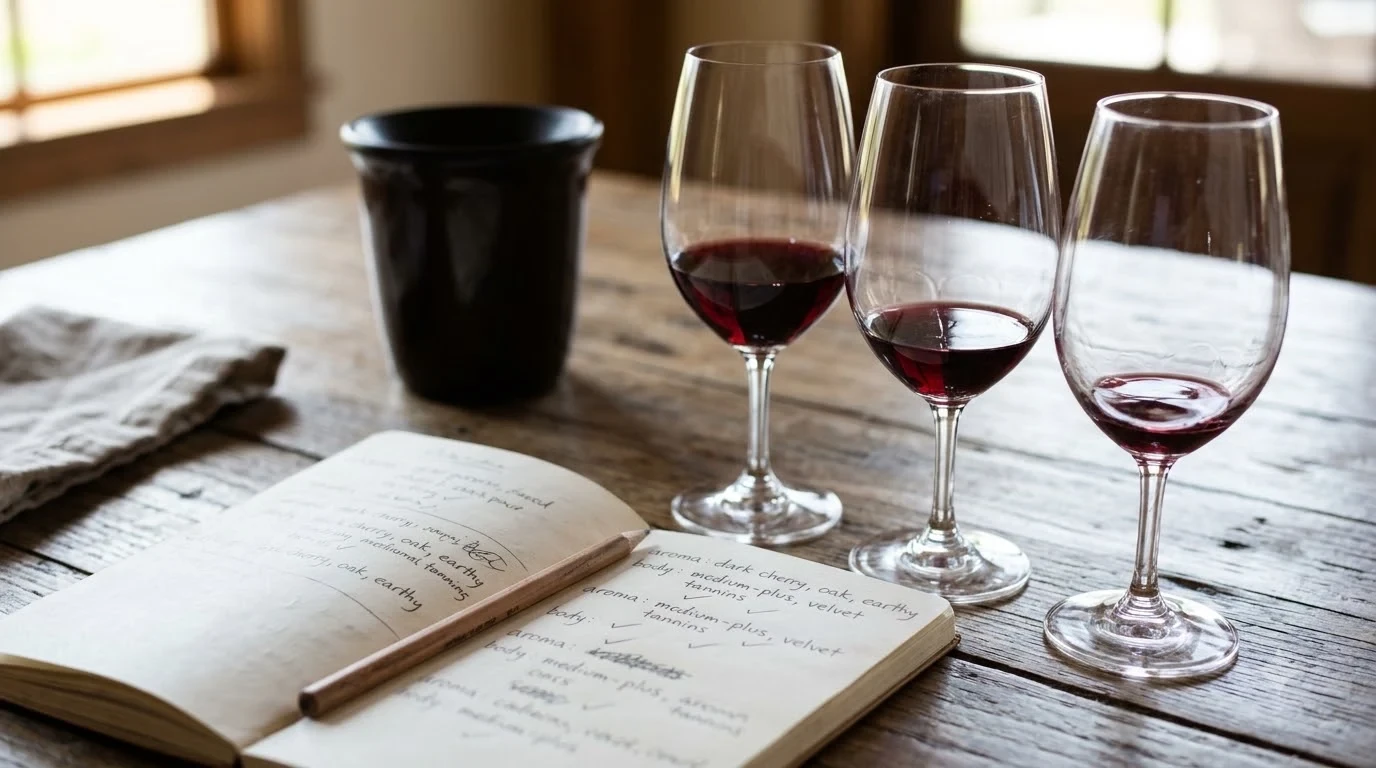
A structured tasting method helps reveal the differences between Sagrantino, Montefalco Rosso, and the region’s white wines. Pay attention to appearance, aromas, acidity, tannin, body, and finish rather than relying on fruit descriptions alone.
Begin by examining the color. Young Sagrantino generally shows intense ruby tones, while older bottles may develop garnet reflections. Montefalco Rosso can also show deep ruby coloring, although its appearance depends on the blend and age. White wines should be assessed for clarity, color intensity, and any golden or straw-colored reflections.
Next, smell the wine before tasting. Swirl the glass gently and look for several layers of aroma. In Sagrantino, these might include blackberries, cherries, plums, black pepper, dried herbs, leather, and earthy notes. Montefalco Rosso may show brighter cherry and red-fruit characteristics, while Grechetto and Trebbiano Spoletino can offer citrus, floral, herbal, and stone-fruit impressions.
On the palate, assess how the wine moves across the mouth. Sagrantino should be examined particularly closely for its tannic grip, concentration, acidity, and persistence. Montefalco Rosso generally offers a softer introduction to the area’s red wines. For white wines, consider how acidity balances body and aromatic intensity.
Serving temperatures and glassware
Serving temperature can significantly affect the experience. Excessive warmth can emphasize alcohol and make tannins feel more pronounced, while very cold temperatures can suppress aromas and make red wines seem harder and less expressive.
Use approximately 60–65°F for full-bodied Sagrantino and 55–60°F for Montefalco Rosso when a lighter serving style is preferred. White wines are generally more enjoyable around 50–55°F, while a sweet Passito can be served around 50–55°F depending on its concentration and sweetness.
A large red-wine glass is helpful for Sagrantino because it provides space for the wine to release its aromas. Montefalco Rosso can be served in a standard red-wine glass, while white wines benefit from glasses that preserve their freshness and aromatic character.
Decanting and evaluating older bottles
Young, full-bodied Sagrantino often benefits from 30–60 minutes of decanting before serving. This allows the wine to open gradually and gives its fruit and savory aromas more room to develop. Older bottles should be handled more carefully because extended exposure to air can diminish delicate aromas.
When comparing vintages, consider how the balance changes over time. A younger wine may display firm tannins and fresh black fruit, while an older example can show more developed notes of leather, dried herbs, tobacco, and earth. The purpose is not simply to find the oldest bottle, but to understand how the wine evolves.
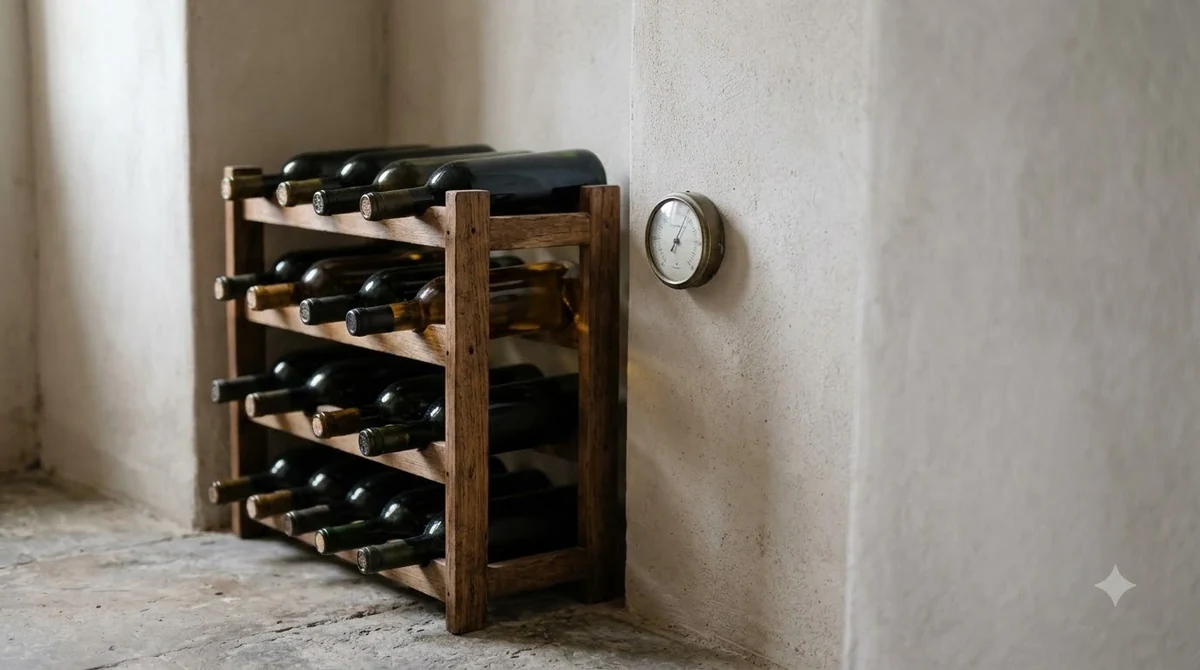
For home storage, keep bottles on their sides when sealed with natural cork and aim for a stable environment near 55°F. Avoid direct sunlight, large temperature fluctuations, and unnecessary movement. Once opened, still wines generally keep for three to five days in the refrigerator when properly resealed, although their aromas may gradually decline.
Frequently Asked Questions
Is Montefalco Sagrantino the same as Sagrantino di Montefalco?
Yes, the names refer to the same distinctive wine and grape-based appellation, although naming conventions can vary between producers and markets. The protected Montefalco Sagrantino DOCG designation identifies wines made from 100% Sagrantino. The designation was granted DOCG status in 1992.
What does the word Passito mean on a Montefalco wine label?
Passito refers to a winemaking approach involving the drying of harvested grapes before fermentation. In Montefalco, Sagrantino grapes are traditionally dried for at least two months, concentrating their sugars and flavors. The resulting wine is sweet but retains much of Sagrantino’s characteristic tannic structure.
Is Sagrantino a rare Italian grape variety?
Sagrantino is a relatively specialized indigenous variety closely associated with Umbria and particularly Montefalco. Its production is concentrated in a limited geographical area rather than being widely distributed throughout Italy. This regional concentration is a major reason that Montefalco has such a distinctive identity among Italian wine destinations.
What does DOCG mean on a Montefalco wine bottle?
DOCG stands for Denominazione di Origine Controllata e Garantita, an Italian designation that identifies wines produced under specific geographical and production regulations. Montefalco Sagrantino received this status in 1992. The designation establishes requirements relating to grape composition, production area, maturation, and other winemaking practices.
Can visitors buy wine directly from Montefalco wineries?
Many Montefalco wineries offer direct sales alongside their tasting experiences, although individual arrangements differ. Some producers also operate online shops or arrange shipments for international visitors. Ask about shipping destinations, packaging, customs requirements, and delivery arrangements before purchasing bottles to take home.
Montefalco offers much more than an opportunity to taste a powerful Italian red. Its Sagrantino wines, approachable Montefalco Rosso blends, traditional Passito, and indigenous white varieties provide a rewarding introduction to Umbria’s wine culture. A thoughtful tasting that combines several styles with local food makes it easier to appreciate why this small central Italian region has such a distinctive place in the country’s wine landscape.
More in Wine Regions
 Willcox Wine Trail: Discover Arizona’s High-Elevation Wine CountryUpdated Nov 20, 2026
 Yakima Valley Wine Region: Find the Best Styles to TryUpdated Nov 20, 2026
 Vosne Romanee Wine Tasting: Identify Aromas and Choose Better PairingsUpdated Nov 20, 2026
 Yakima Valley Wine Festival: Find the Best Seasonal Wine EventsUpdated Nov 20, 2026
 Wales Vineyards: Discover Cool-Climate Wines and Where to VisitUpdated Nov 20, 2026
 Yountville Wine Festival: Discover Napa Wines and Local FoodUpdated Nov 20, 2026