

We may earn a commission when you buy through links on this page, at no extra cost to you. Learn more.
The martinborough wine region is a compact, cool-climate district in New Zealand’s Wairarapa, best known for Pinot Noir with savory structure, bright acidity, and the ability to develop with age. Its free-draining river gravels, dry growing season, and brisk southerly winds help shape concentrated wines in relatively small quantities. Sauvignon Blanc, Chardonnay, Pinot Gris, and Syrah broaden the picture, while the village’s cluster of cellar doors makes the area easy to explore.
Martinborough sits on the southeastern side of New Zealand’s North Island, about an hour east of Wellington by road. It is a small name on the national map, but its Pinot Noir has helped establish New Zealand as a serious source of cool-climate red wine. Understanding the district means looking beyond the grape to its terrace soils, the influence of wind, and the distinct character of its nearby vineyard areas.
Where Martinborough Fits in Wairarapa
Martinborough is the southernmost of the three principal Wairarapa wine subregions, alongside Gladstone and Masterton. The village and vineyards sit in the lower North Island, roughly an hour’s drive from Wellington, making Martinborough one of the country’s more accessible wine destinations.

The name can be confusing because Martinborough is both a town and a wine-growing area within the wider Wairarapa region. The town was laid out in 1875 by John Martin, who named it after himself; the modern wine district took shape much later, when local growers began planting vines around 1980. Soil scientist Derek Milne had studied the district’s potential in the late 1970s and identified similarities between its climate and the conditions associated with Burgundy. That comparison helped encourage the first modern plantings, but Martinborough has developed its own identity rather than simply reproducing a French model.
The Wairarapa Wine Association describes Martinborough as a village surrounded by small vineyards and family-run producers, with Pinot Noir at the center of its reputation. The association’s Martinborough regional overview also points to Sauvignon Blanc and aromatic varieties as important parts of the local offer. For readers comparing New Zealand with other compact wine districts, the broader Wine Regions directory provides useful context for how appellations and subregions fit together.
Climate and Soils Shape a Distinctive Pinot Noir
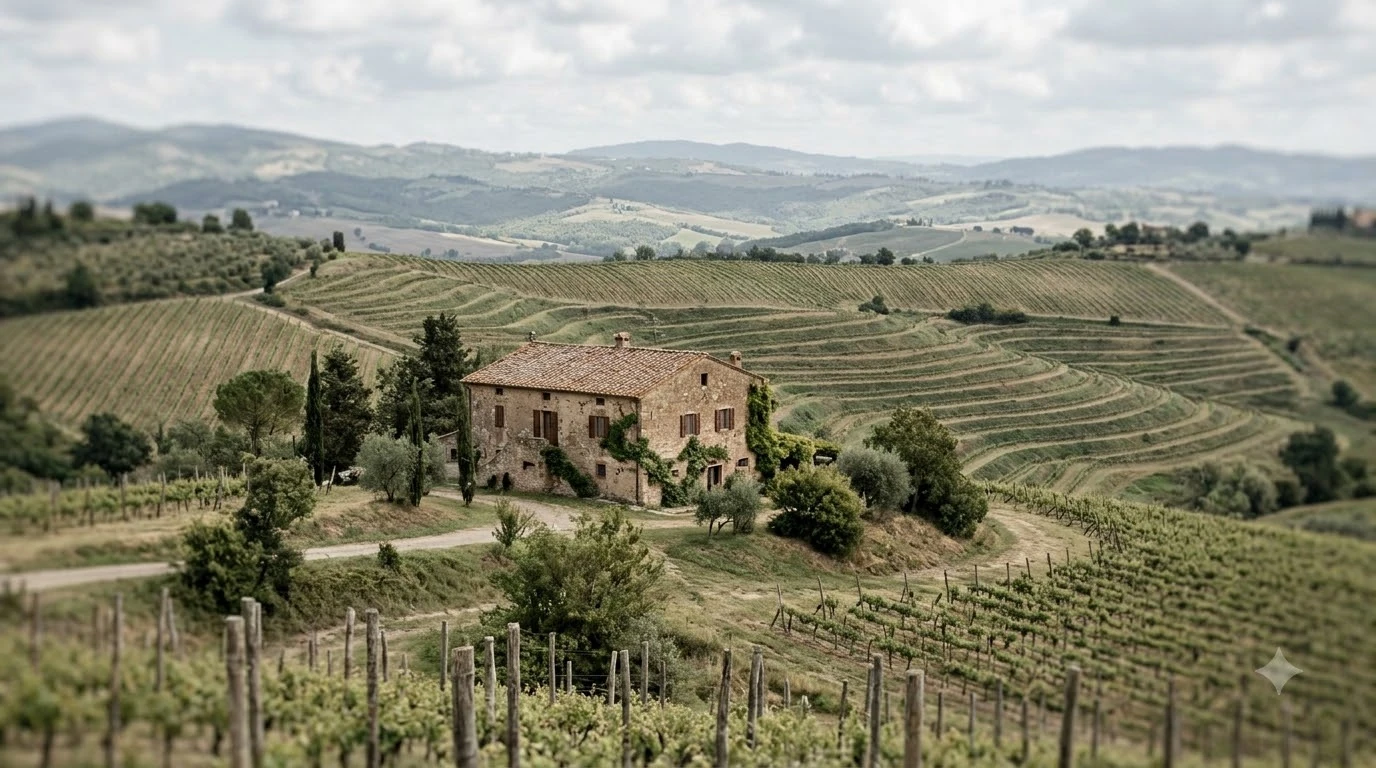
Martinborough’s dry, sunny growing season is moderated by cool nights and strong southerly winds, while its river terraces provide free-draining gravel and clay soils. Those conditions help explain why the district is associated with low yields, firm structure, and savory detail rather than simply ripe, sweet fruit.
Decanter describes the climate as cool and relatively dry, with high sunshine hours and cold winds that can interfere with flowering and fruit set. The southerlies reduce crop levels and can produce smaller bunches and berries, concentrating flavor in the fruit that reaches maturity. This is one reason the region can make Pinot Noir with intensity while retaining freshness. The trade-off is real: wind and variable spring weather make viticulture challenging, and a small harvest can mean a limited supply of a particular vineyard bottling.
The historic Martinborough Terrace is the district’s best-known vineyard landscape. Decanter describes this uplifted river terrace as about five kilometers long and one kilometer wide, with alluvial gravels and clay over limestone bedrock. The stones allow water to drain readily, while clay in parts of the profile can retain some moisture for the vines. Te Muna Road, a few kilometers southeast of the town, is another important area; its gravels are also free draining, and its slightly different elevation and exposure can give individual vineyards their own character. These are not interchangeable labels for one identical site, so a producer’s vineyard name can be useful when comparing wines.
Grapes Beyond the Region’s Signature Pinot Noir
Pinot Noir defines Martinborough’s reputation, but Sauvignon Blanc is also a major planting, with Chardonnay and Pinot Gris adding further range. Decanter’s regional snapshot reports Sauvignon Blanc at about 48% of plantings, Pinot Noir at just under 40%, and Chardonnay at around 5%.
| Regional measure | Reported figure | What it helps explain |
|---|---|---|
| Vineyard area | About 980 hectares | A compact district with a small national footprint |
| Share of New Zealand vineyard area | About 3% | Limited scale compared with major regions |
| Share of national wine production | About 1% | Low yields and small-batch production |
| Sauvignon Blanc plantings | About 48% | A larger planting share than many visitors expect |
| Pinot Noir plantings | Just under 40% | The district’s signature red variety |
| Chardonnay plantings | About 5% | A smaller but established white-wine category |
| Producers | About 66 | Many small operations clustered near the village |
| Cellar doors | More than 20 | A visitor-friendly concentration of tasting rooms |
These figures are a useful guide to scale rather than a promise that every producer follows the same proportions. Pinot Noir is the first place to start, but Sauvignon Blanc deserves attention in its own right. The regional style is often vivid and aromatic, with a more textural, mineral impression than the most overtly tropical examples associated with other parts of New Zealand. Chardonnay can show citrus, mineral, and savory notes, while Pinot Gris and other aromatic whites give visitors alternatives to Sauvignon Blanc.
Syrah is another variety worth looking for, although it is not planted at the same scale as Pinot Noir or Sauvignon Blanc. Wairarapa producers also make Riesling, Gewürztraminer, and occasional dessert styles. That range makes Martinborough more interesting for a mixed tasting than its Pinot Noir reputation might suggest. It also provides a useful point of comparison with Tasmania’s cool-climate Tasmania wine region, where Pinot Noir and Chardonnay also play important roles, though the maritime settings and regional expressions are different.
How Martinborough Wine Tastes and Develops
Martinborough Pinot Noir is commonly described as perfumed, savory, and structured, with red and darker berry fruit supported by fine tannins and fresh acidity. The wines can be approachable when young, but the better examples have the balance to develop more complexity in bottle.
In the glass, look for cherry, raspberry, plum, spice, forest floor, and earthy or mushroom-like notes, with the mix shifting by site, vintage, and winemaking choices. The district’s Pinot Noir is not one fixed flavor profile: some bottles emphasize bright red fruit and delicacy, while others feel darker, more layered, or more firmly structured. Tannin is usually more restrained than in Cabernet Sauvignon or Syrah, though a serious Martinborough Pinot can still have a noticeable framework that supports food and aging.
Winemaking has also changed. Decanter reports that some producers historically pursued a more heavily oaked, extracted style, with frequent punch-downs during fermentation. The current direction described by Ata Rangi winemaker Helen Masters favors earlier picking, less extraction, and less new oak; she cites picking at about 23 Brix as part of that approach. The point is not that every winery follows one recipe, but that many aim to make the vineyard character more apparent instead of allowing oak or extraction to dominate. The result is often a wine with a lighter feel and savory detail, rather than a dense, heavily toasted profile.
Producers and Vineyard Areas to Know
A useful first tasting flight can include Ata Rangi, Martinborough Vineyard, Dry River, Palliser Estate, Craggy Range, and Escarpment. These producers help illustrate the district’s history and the differences between the central terrace and newer vineyard areas such as Te Muna Road.
Ata Rangi is one of the early names in the modern district, associated with Clive Paton and the 1980 planting era. Its Pinot Noir is known for an elegant, structured, savory profile. Martinborough Vineyard is another pioneer with an original Home Block planted in 1980. Dry River, planted by Neil McCallum in 1979, has maintained a small-batch identity; Decanter reports an average production of about 17,000 bottles a year. These are useful reference points for understanding how an individual estate can build a recognizable style from a small area.
Te Muna Road adds another dimension. Larry McKenna planted there in 1999, and Craggy Range also established a substantial vineyard in the area that year. The district now includes producers such as Escarpment, Palliser Estate, Te Kairanga, and smaller boutique wineries, each with different vineyard sources and cellar practices. Palliser began in 1984 and has become one of the larger local producers, while Te Kairanga’s vineyards sit at the eastern edge of the terrace. A producer’s site information can help distinguish a wine from the original terrace from one grown at Te Muna. For comparison with European mountain-grown styles, the Savoie wine region offers a different example of how varied terrain can shape small regional wine identities.
Buying, Serving, Pairing, and Visiting Martinborough Wine
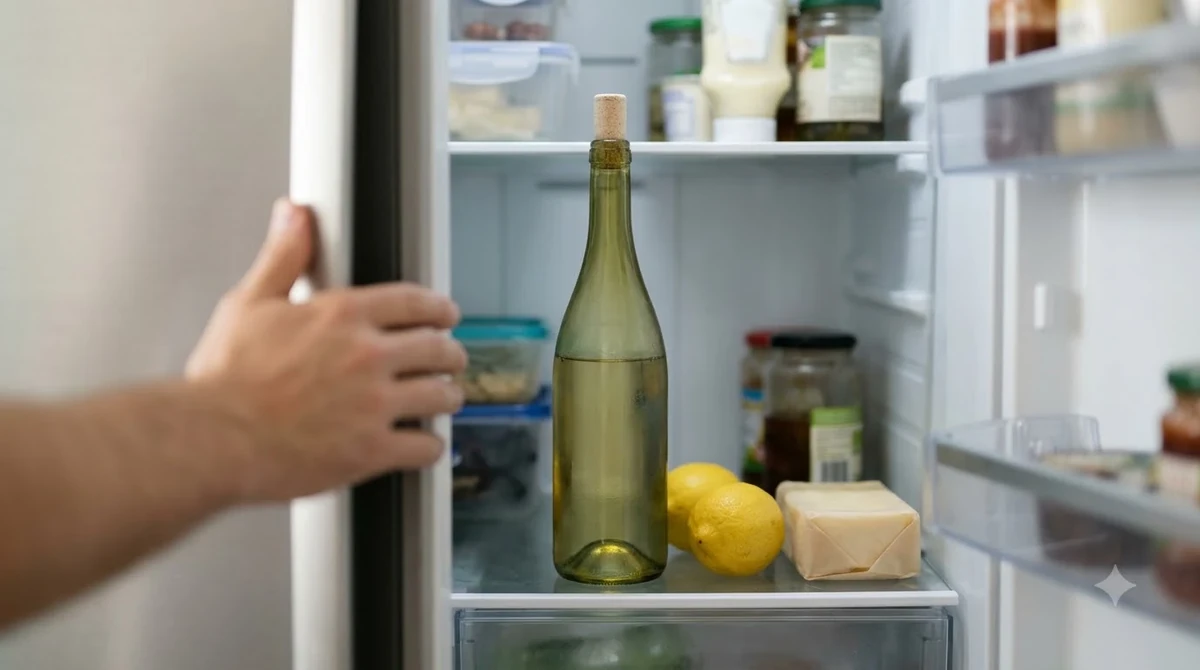
Choose Martinborough Pinot Noir when you want a cool-climate red with fragrance, freshness, and savory structure; choose Sauvignon Blanc for a vivid white with brisk acidity. For tasting, serve Pinot Noir slightly cool at 55–60°F and Sauvignon Blanc at 45–50°F to preserve freshness without muting aroma.
Pinot Noir works especially well with roast duck, roast chicken, pork, mushroom dishes, and salmon preparations that are not excessively oily or heavily sauced. Its relatively modest tannin and lively acidity make it more flexible at the table than a highly tannic red, while earthy mushroom flavors can echo savory notes in the wine. Sauvignon Blanc is a natural match for goat cheese, green herbs, shellfish, and dishes with citrus or vinaigrette; its acidity can stand up to acidic foods, provided the wine has equal or higher acidity. For a broader food-pairing comparison, the Switzerland wine region offers another useful case study in matching fresh alpine whites and reds with regional dishes.
Tip: For a simple Martinborough tasting at home, pour Pinot Noir at 55–60°F in a standard glass and give it a few minutes in the glass before judging its aromas. If the bottle is young and particularly concentrated, a short period of air can soften its first impression; avoid serving it warm, which can make alcohol seem more prominent.
Visitors can make a focused day of the village because more than 20 cellar doors are located in the area, and many are within walking or cycling distance of the village square. That concentration makes it possible to compare several producers without long drives between every tasting. The official Wairarapa regional site notes that small wineries and the chance to speak with winemakers are part of the appeal; it is sensible to confirm opening days and tasting arrangements before setting out, especially for smaller cellar doors. The wider region is about an hour from Wellington, so an overnight stay can make room for a slower visit, a meal, and time to compare the vineyards beyond the town center. When buying bottles, start with the grape and producer, then look for vineyard or subregion detail if it is provided. A Martinborough Terrace Pinot Noir and a Te Muna Road Pinot Noir may share the same broad regional identity but still differ in texture and aromatic emphasis. Vintage conditions matter in a windy district, so a producer’s notes can help explain whether a particular year leaned toward lighter fruit, firmer structure, or more concentrated flavors. For an introduction, taste a classic Pinot Noir beside a Sauvignon Blanc and a Chardonnay from the same producer; that small flight shows both the region’s signature and its wider range.
Frequently Asked Questions
These answers cover a few details that help put Martinborough’s wines, history, and place in Wairarapa into context.
What is the Abel or “gumboot” clone?
Abel is a Pinot Noir clone linked to a story about cuttings from Burgundy’s La Tâche vineyard being brought into New Zealand and confiscated by a customs officer. The clone takes the name Abel from that customs officer, and the story is why it is also known as the gumboot clone.
What grape varieties were planted in the first modern Martinborough vineyards?
The early plantings included more than Pinot Noir and Chardonnay. Martinborough Vineyard’s historical account lists Riesling, Gewürztraminer, and Sauvignon Blanc among the varieties planted in the district’s modern founding period, showing that growers were exploring a broader cool-climate palette from the start.
Why is the Wairarapa climate relatively dry?
Wairarapa sits on the eastern side of the lower North Island, with the Rimutaka and Tararua ranges to the west helping shelter the valley. The resulting rain-shadow setting contributes to the relatively dry conditions described for Martinborough, although wind and spring weather remain important vineyard challenges.
Was wine grown in Wairarapa before the modern Martinborough vineyards?
Yes. In 1882, Marie Zelie planted 3,000 cuttings of Pinot Noir, Pinot Meunier, and Hermitage on three acres at Highmore near Masterton. The early vineyard was gone by the time prohibition was adopted in the Wairarapa in 1908, decades before the modern plantings around Martinborough.
Can a visit to Martinborough include other Wairarapa wine areas?
Yes. Gladstone lies north of Martinborough, while Masterton is farther north and has its own vineyard history and growing conditions. They are distinct subregions rather than extensions of the Martinborough Terrace, so visiting them gives a broader view of how Wairarapa’s soils and local climates vary.
Martinborough offers a clear starting point for understanding New Zealand Pinot Noir, but the region is more than a single-grape destination. Taste its savory Pinot alongside its bright Sauvignon Blanc and balanced Chardonnay, and the influence of its dry, windy terraces becomes easier to recognize. A visit or a mixed regional tasting can reveal why this small corner of Wairarapa has earned an international reputation.
More in Wine Regions
 Willcox Wine Trail: Discover Arizona’s High-Elevation Wine CountryUpdated Nov 20, 2026
 Yakima Valley Wine Region: Find the Best Styles to TryUpdated Nov 20, 2026
 Vosne Romanee Wine Tasting: Identify Aromas and Choose Better PairingsUpdated Nov 20, 2026
 Yakima Valley Wine Festival: Find the Best Seasonal Wine EventsUpdated Nov 20, 2026
 Wales Vineyards: Discover Cool-Climate Wines and Where to VisitUpdated Nov 20, 2026
 Yountville Wine Festival: Discover Napa Wines and Local FoodUpdated Nov 20, 2026