

We may earn a commission when you buy through links on this page, at no extra cost to you. Learn more.
Lujan de cuyo wine is best known for rich, structured Argentine Malbec produced in the historic vineyards of Mendoza, Argentina. Located at the eastern foothills of the Andes, Luján de Cuyo combines high-altitude vineyards, dry sunny weather, alluvial soils, and generations of winemaking experience. Its wines are particularly appealing to drinkers who enjoy ripe black fruit, velvety tannins, moderate-to-full body, and a distinctive balance between concentration and freshness.
Argentina has several important Malbec-producing areas, but Luján de Cuyo holds a special place in the country’s wine history. Its established vineyards, recognizable districts, and strong connection to the Malbec grape make it an excellent starting point for understanding Argentine red wine. Learning how its geography influences flavor also makes it easier to choose bottles, compare producers, and find suitable food pairings.
Where Luján de Cuyo Sits in Argentina’s Wine Country
Luján de Cuyo is a historic wine-producing department in Mendoza Province, western Argentina, approximately 20 kilometers south of Mendoza city. Its vineyards occupy the eastern foothills of the Andes, where elevation, sunshine, mountain air, and irrigation shape growing conditions. The region is widely regarded as one of the country’s defining locations for Malbec.
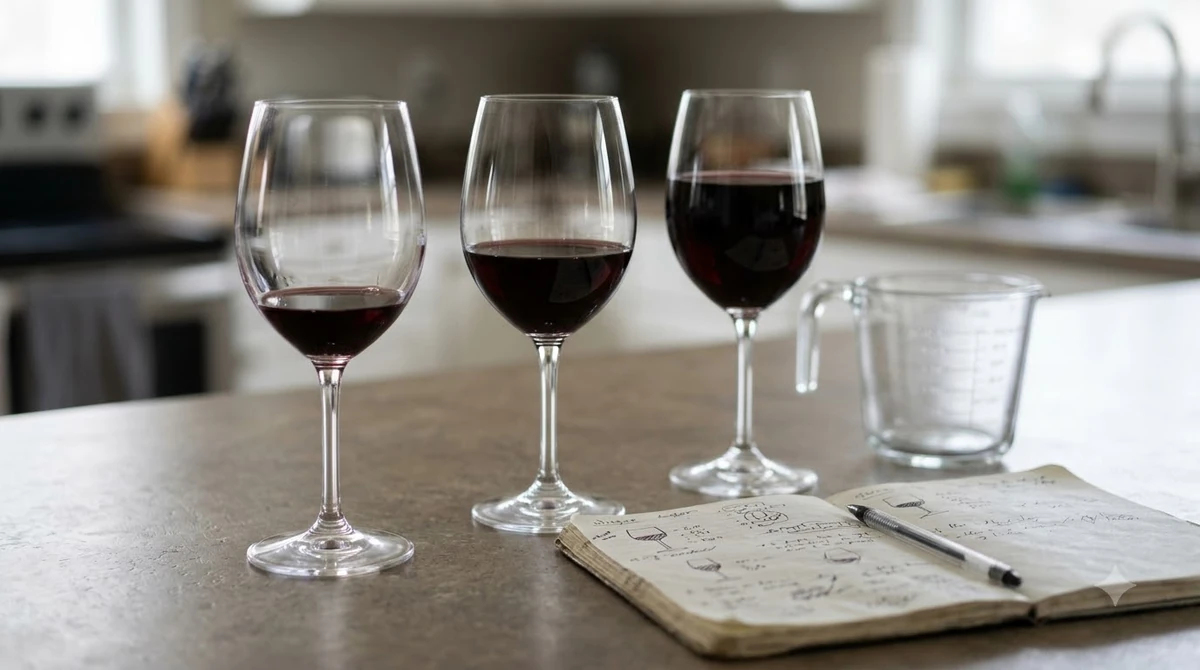
According to Argentina’s official tourism authority, vineyards in Luján de Cuyo generally sit between 900 and 1,100 meters above sea level, although the broader area includes sites at different elevations. More than 300 sunny days annually and considerable temperature differences between daytime and nighttime encourage gradual grape development. Warm days support ripening, while cooler nights help preserve freshness and aromatic definition. The official Argentina tourism guide to Mendoza’s Malbec route also highlights the area’s sunshine, vineyard landscape, and wine tourism.
The climate is dry and continental. Rainfall is limited, so vineyards depend heavily on irrigation water originating from the Andes. This arrangement makes agriculture possible in an otherwise arid landscape and gives growers considerable responsibility for managing water availability throughout the growing season. Irrigation methods, soil composition, and vineyard position can all influence how much water reaches the vines.
Mendoza is Argentina’s principal wine-producing province, and Luján de Cuyo belongs to its traditional Primera Zona, or First Zone, alongside neighboring wine-producing areas. Its proximity to Mendoza city helped the development of wineries, transportation networks, and wine-related businesses. The area also became an important destination for visitors interested in Argentine wine culture.
The surrounding Andes contribute more than dramatic scenery. Mountain air, changing elevations, and the region’s network of rivers and alluvial deposits create different growing environments across relatively short distances. Consequently, two Malbecs from neighboring districts can show noticeably different combinations of fruit, acidity, tannin, and texture.
For readers exploring Argentine geography, the broader Wine Regions collection provides useful context for understanding how individual vineyard areas contribute to a country’s overall wine identity.
Luján de Cuyo is therefore more than a geographical name on a bottle. It represents a historic wine landscape in which climate, water management, established vineyards, and local expertise have combined to create a recognizable regional style.
Malbec History and the Luján de Cuyo DOC
Malbec is the defining grape of Luján de Cuyo, and its importance in Argentina is closely connected to the development of Mendoza’s modern wine industry. The region’s historic plantings, established producers, and denomination system help explain why its name carries particular significance among Argentine wine drinkers.
Malbec originated in southwestern France, where it was historically associated with regions such as Cahors. Its introduction to Argentina helped transform the country’s vineyard landscape during the nineteenth century. Michel Aimé Pouget, a French agronomist, introduced Malbec plantings in Mendoza in 1853 as part of efforts to develop European grape varieties in Argentina.
The grape adapted particularly well to Mendoza’s sunny conditions and the soils of Luján de Cuyo. Over subsequent decades, plantings spread through the region, creating vineyards that became central to Argentina’s international wine identity. Malbec eventually established itself as the country’s signature red variety.
Many of the area’s historic vineyards are especially valuable because they preserve older plant material and traditional farming practices. Some vineyards in districts such as Las Compuertas and Vistalba contain vines more than a century old. These older plantings contribute to the region’s cultural heritage and provide opportunities for producers to make wines with distinctive vineyard character.
Understanding the Luján de Cuyo DOC
The Luján de Cuyo Denomination of Origin, commonly abbreviated DOC, was established in 1989. It was an important development in Argentina’s effort to connect wine quality and identity with geographical origin. The denomination helped formalize the relationship between the region and its traditional Malbec-based wine style.
A DOC designation is different from simply identifying Luján de Cuyo as the geographical origin. It indicates that a wine follows the denomination’s particular production requirements. The distinction matters because regional origin and regulated denomination are not interchangeable descriptions.
For consumers, the DOC is a useful indication of a wine’s traditional connection to the area. However, it does not mean that every bottle from Luján de Cuyo tastes identical. Vineyard location, grape selection, harvesting decisions, fermentation, and maturation still influence the finished wine considerably.
Modern producers increasingly emphasize individual vineyard sites and smaller geographical distinctions. This approach allows winemakers to demonstrate differences between places such as Agrelo, Perdriel, and Las Compuertas rather than presenting all regional Malbec as a single style.
That combination of historical continuity and more precise vineyard identification is one of the region’s most interesting characteristics. Its reputation rests on traditional Malbec, but contemporary producers are also showing how much diversity can exist within that established identity.
Major Vineyard Districts and Their Differences
Luján de Cuyo contains several important vineyard districts, each with its own combination of elevation, soil, and local growing conditions. Agrelo, Las Compuertas, Perdriel, and Vistalba are particularly useful names to recognize when comparing regional wines.
Although Malbec connects these districts, their differences can influence the wine’s fruit character, acidity, tannin, and overall weight. The following figures provide a useful geographical reference rather than rigid boundaries for every individual vineyard.
| District | Approximate elevation | Important characteristics |
|---|---|---|
| Agrelo | 930–1,100 meters | Arid conditions, sandy and rocky soils, concentrated Malbec |
| Las Compuertas | 950–1,080 meters | Alluvial terraces, mountain influence, old vineyards |
| Perdriel | 910–980 meters | Historic vineyards, alluvial deposits, traditional red wines |
| Vistalba | Approximately 980 meters | Old Malbec vines, alluvial soils, balanced and approachable wines |
The elevations for Agrelo, Las Compuertas, and Perdriel are drawn from Wines of Argentina’s geographical information. Vistalba’s approximate elevation is reported by Decanter. Individual vineyards can sit outside these representative figures, so the table should be understood as a general comparison.
Agrelo
Agrelo is one of the region’s best-known Malbec districts. Its vineyards occupy an extensive area south of Mendoza city, with elevations that vary considerably between different sites. The landscape is dry, with sandy and rocky soils associated with material carried down from the Andes.
Agrelo Malbec commonly emphasizes ripe black fruit, particularly blackberry, plum, and dark cherry. Some wines also show fig-like fruit characteristics, subtle spice, and concentrated texture. Soft, mature tannins can make these wines appealing to drinkers who prefer generous reds without excessively aggressive structure.
Its arid environment receives relatively little rainfall, making irrigation essential. According to Wines of Argentina, the area’s annual rainfall is approximately 200 millimeters. The combination of sunlight, low rainfall, and controlled water supply contributes to the concentrated character often associated with Agrelo wines.
Las Compuertas
Las Compuertas is a particularly interesting district for drinkers who enjoy structured Malbec with freshness. Located near the Mendoza River and the foothills, its vineyards include alluvial terraces and areas with stony soils. Its elevation and proximity to the mountains create cooler conditions than some lower parts of Luján de Cuyo.
Decanter describes Las Compuertas as a source of Malbec with substantial color, ripe red and black fruit, and firm acidity. Black pepper, clove, and occasional floral notes can add complexity. Its wines may combine generous fruit with enough structure to support further bottle aging.
Perdriel
Perdriel is another historically important district, particularly for traditional Mendoza red wines. Its vineyards occupy alluvial terraces south of the Mendoza River, and its elevation generally falls below that of the highest western districts.
Perdriel Malbec often combines ripe fruit with a substantial palate and smooth tannins. Depending on the producer and vineyard, wines can show plum, blackberry, dark cherry, and savory spice. Its established vineyard history makes it an especially interesting district for exploring older Argentine wine traditions.
Vistalba
Vistalba is known for historic vineyards and an established association with Malbec. Its position near Las Compuertas gives it some of the same Andean influence, while its generally lower elevation can produce a slightly different expression.
Decanter describes Vistalba Malbec as gentler and more approachable in style than some examples from higher Las Compuertas sites. Ripe fruit, supple tannins, and a rounded palate can make these wines enjoyable without requiring extensive aging.
For a more detailed look at individual producers, vineyard locations, and tasting destinations, explore our dedicated guide to Lujan de Cuyo wineries.
What Luján de Cuyo Wine Tastes Like
The typical red wine from Luján de Cuyo is full-bodied or medium-full-bodied Malbec with ripe dark fruit, moderate-to-high tannin, and a smooth, substantial texture. Blackberry, plum, black cherry, violet, and baking spice are common aromatic references, although the exact profile depends on the vineyard and winemaking approach.
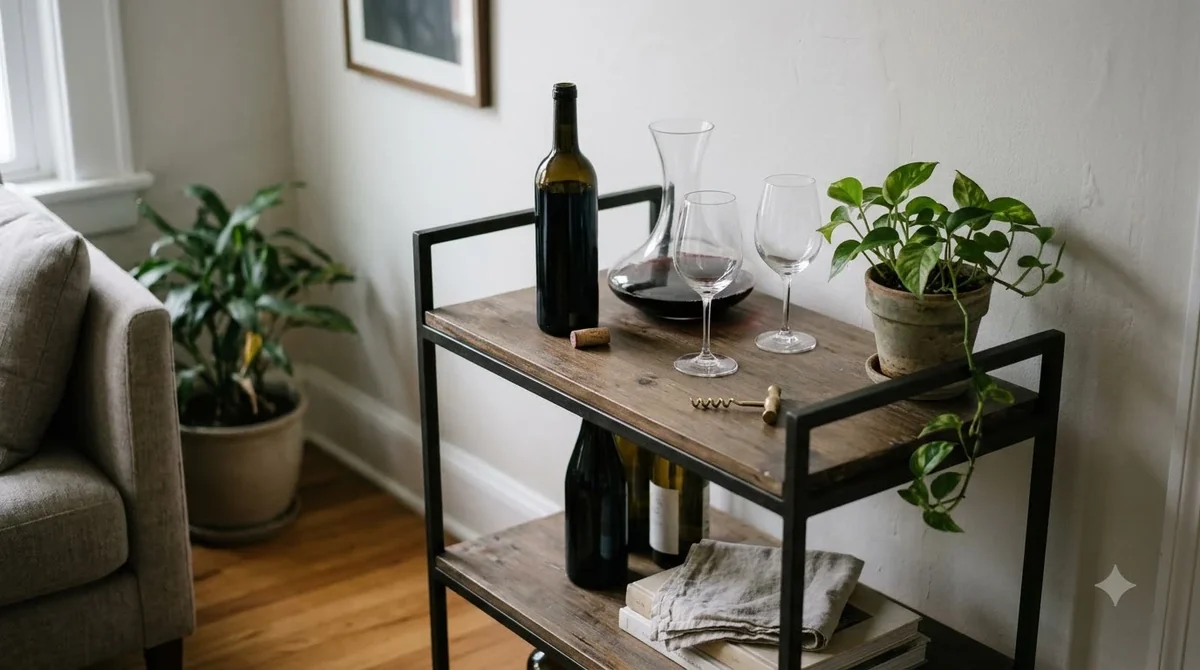
Malbec’s naturally dark color is one of its recognizable characteristics. In the glass, regional examples often display deep ruby or purple tones, particularly when young. Aromas can range from fresh black cherries and violets to concentrated blackberry, plum, and dried herbs.
The palate usually combines generous fruit with noticeable structure. Tannins provide grip and shape, while acidity helps prevent the wine from feeling excessively heavy. The best-balanced examples maintain freshness even when the fruit is ripe and the alcohol level is relatively substantial.
Fruit, Acidity, and Tannin
Blackberry and plum are useful starting points when describing Luján de Cuyo Malbec. Cooler or higher vineyard sites may show more freshness and aromatic lift, while warmer locations can produce more pronounced ripe-fruit flavors. Some wines also develop notes of black cherry, dried fig, cocoa, and pepper.
Malbec generally has medium-to-high tannin, although the sensation varies with grape maturity and extraction during winemaking. Riper tannins can feel rounded and velvety, while more structured examples create a firmer drying sensation along the gums. Acidity helps balance these characteristics and supports the wine’s overall shape.
The relationship between tannin and fruit is particularly important. A wine with concentrated fruit but insufficient freshness can feel heavy. A wine with firm tannin and adequate acidity can feel more composed, even when it has considerable body.
The Influence of Oak Aging
Oak maturation is common in many premium Malbec wines from Luján de Cuyo, although the amount and type of oak vary by producer. Barrels can contribute vanilla, toast, cedar, baking spice, and cocoa aromas. They also influence texture as the wine develops.
New oak tends to provide more noticeable wood-derived flavors, while older barrels allow the fruit and vineyard characteristics to remain more prominent. Some producers use concrete or stainless steel for particular wines to emphasize freshness and primary fruit rather than adding obvious oak character.
Oak is not automatically a sign of quality. A well-made unoaked Malbec can show excellent concentration and complexity, while an excessively oaky wine may lose the clarity of its fruit. The most appealing examples maintain a sensible relationship between grape character, acidity, tannin, and maturation.
Comparing Luján de Cuyo With Uco Valley
Luján de Cuyo and the Uco Valley are two of Mendoza’s most recognized wine-producing areas, but they should not be treated as interchangeable. Luján has a particularly strong history of established Malbec vineyards, while the Uco Valley has become known for higher-altitude sites and a wide range of soil-driven expressions.
Many Luján de Cuyo Malbecs emphasize ripe black fruit, rounded texture, and substantial volume. Uco Valley examples can show firmer tannins, pronounced freshness, and more pronounced floral or mineral characteristics, depending on the vineyard. These are general tendencies rather than rules that apply to every bottle.
Readers interested in comparing another region’s relationship between geography and grape variety can also explore Cote de Nuits wine. Burgundy’s Pinot Noir offers a useful contrast: rather than emphasizing the dark-fruited structure of Mendoza Malbec, it often highlights red fruit, acidity, and site-specific variation.
Food Pairings for Luján de Cuyo Malbec
Luján de Cuyo Malbec works particularly well with grilled meats, roasted vegetables, mushrooms, and dishes containing savory herbs. Its dark fruit and substantial tannins complement rich flavors, while its acidity provides balance alongside fatty or protein-rich foods.
Argentina’s traditional food culture offers several natural pairing choices. Grilled beef, especially asado, is an obvious match. The smoky character of grilled meat and the richness of the beef complement the wine’s ripe fruit and structured palate.
Classic Argentine Pairings
Asado and grilled steak: Beef cooked over charcoal or wood is one of the strongest matches for Luján de Cuyo Malbec. Fat and protein soften the perception of tannin, while smoky, browned surfaces complement the wine’s dark fruit and spice. Ribeye, strip steak, and grilled short ribs are particularly suitable.
Empanadas: Beef empanadas with onion, paprika, and cumin provide a flavorful pairing. The pastry contributes richness, while the seasoned filling complements the wine’s savory notes. Baked versions are especially convenient for casual meals.
Chorizo and grilled sausages: Sausages bring fat, seasoning, and smoky flavors that work well with Malbec. Their richness helps soften the wine’s tannins. However, extremely spicy sausage can make a high-alcohol red feel hotter, so moderately seasoned versions are preferable.
Provoleta: This grilled Argentine cheese develops a golden exterior and a soft interior. Its salt and fat provide a useful contrast to the tannic structure of Malbec. Herbs such as oregano and rosemary can reinforce the wine’s savory characteristics.
Other Foods That Complement Malbec
Roasted lamb: Lamb with rosemary, garlic, and black pepper complements the wine’s fruit and spice. Slow roasting creates savory depth that works particularly well with more structured examples from Agrelo or Las Compuertas.
Mushroom dishes: Roasted portobello mushrooms, mushroom risotto, and grilled vegetables offer earthy flavors that complement Malbec without requiring meat. These pairings are particularly useful with wines that have developed savory notes through bottle aging.
Hard cheeses: Aged cheddar, Manchego, and other firm cheeses can work well because their salt and fat help soften tannin. Strong blue cheeses may overwhelm more delicate examples, so the intensity of the cheese should be considered.
Tomato-based dishes: Pasta with a rich tomato and beef sauce can complement Malbec, provided the wine has sufficient acidity to balance the tomato. Highly acidic tomato sauces can make wines with insufficient freshness seem flat.
Tip: Match the wine’s intensity to the dish. A concentrated, oak-aged Malbec from Agrelo can handle grilled ribeye or slow-roasted lamb, while a softer Vistalba example may be more comfortable alongside roast chicken, mushroom dishes, or moderately seasoned empanadas. Avoid pairing strongly tannic Malbec with delicate oily fish, which can create an unpleasant metallic impression.
Sweet desserts require a different approach. If serving Malbec with chocolate, choose a dessert that is not substantially sweeter than the wine. Otherwise, the wine can taste more bitter and less fruity. For sweeter desserts, a genuinely sweet wine is usually a better match.
Food temperature and preparation also matter. A heavily charred steak can make a wine seem more savory, while a dish with a rich butter-based sauce can soften its tannin. Small adjustments to seasoning and cooking technique can make a pairing noticeably more successful.
Serving, Storing, and Choosing Luján de Cuyo Wine
Serving temperature, glassware, and storage conditions influence how Luján de Cuyo Malbec performs. A slightly cool temperature preserves freshness and prevents alcohol from dominating the aromas, while appropriate storage helps maintain the wine’s structure as it ages.
The Right Serving Temperature
Full-bodied Malbec is best served at approximately 60–65°F. This range allows the wine’s dark fruit, spice, and oak characteristics to develop without making the alcohol seem excessively prominent.
Many people serve red wine too warm because they associate room temperature with ideal serving conditions. Modern indoor temperatures can be considerably warmer than traditional cellars. A short period in the refrigerator before serving can help bring a bottle into a more suitable range.
Use a reasonably large red wine glass with enough space for the aromas to develop. Pour approximately 5 ounces per serving, allowing room in the glass for swirling. A standard 750-milliliter bottle provides about five glasses.
Decanting and Bottle Aging
Young, full-bodied Malbec can benefit from decanting, especially when the wine has substantial tannin or noticeable oak influence. Allow approximately 30–60 minutes for a young, concentrated bottle before serving. This gives the wine time to interact with oxygen and can make its aromas more expressive.
Older bottles require more care. Sediment can accumulate as red wine ages, so careful pouring may help separate the clear wine from deposits. Extended aeration is not automatically beneficial for older wines, which may lose their delicate aromas relatively quickly.
Some premium Malbecs from Luján de Cuyo can develop additional complexity over several years. Bottle aging may bring out dried fruit, leather, tobacco, earth, and savory spice alongside the original fruit character. However, not every bottle is designed for long-term cellaring. Everyday wines are often most enjoyable while their fresh fruit remains prominent.
Proper Storage
Store unopened bottles in a cool, dark location with a relatively stable temperature near 55°F. Traditional cork-sealed bottles should generally be stored on their sides to keep the cork from drying out. Avoid locations with strong vibrations, direct sunlight, or repeated temperature fluctuations.
Once opened, reseal the bottle and keep it refrigerated, including full-bodied reds. Most still wines retain acceptable quality for approximately 3–5 days after opening, although aroma and freshness gradually decline. Bring the wine back toward its ideal serving temperature before pouring another glass.
How to Choose a Bottle
Start by deciding what style you prefer. A straightforward regional Malbec is a good introduction for drinkers who enjoy ripe fruit and accessible tannins. A single-district or vineyard-designated bottle can offer a more specific expression of place, while a DOC designation provides a connection to the area’s regulated traditional wine identity.
Agrelo is a useful starting point for drinkers who enjoy concentrated black fruit and rounded tannins. Las Compuertas is interesting for those seeking additional structure and freshness. Vistalba can appeal to people who prefer a softer, more approachable expression, while Perdriel offers an opportunity to explore the region’s historic vineyard character.
Producer choices also matter. Catena Zapata, Norton, and other established wineries have helped build the area’s reputation, while smaller producers offer opportunities to discover distinctive vineyard expressions. The producer’s approach to oak, extraction, and grape selection can be just as important as the district name.
For a broader understanding of the vineyards, producers, and geographical differences that define the area, see our dedicated article on the Lujan de Cuyo wine region.
Ultimately, the most useful approach is to compare wines from different districts side by side. Trying an Agrelo Malbec alongside one from Vistalba, for example, can demonstrate how location changes the expression of the same grape variety.
Frequently Asked Questions
Is Luján de Cuyo a DOC or a grape variety?
Luján de Cuyo is a geographical wine designation in Mendoza, Argentina, rather than a grape variety. Its DOC system is specifically associated with the area’s traditional Malbec identity. The name can therefore describe a place of origin, while DOC identifies wines that meet the denomination’s production requirements.
What does Luján mean in the name Luján de Cuyo?
Luján is part of the department’s geographical name, while Cuyo refers to the broader historical and geographical region of western Argentina. Cuyo includes Mendoza and neighboring provinces such as San Juan and San Luis. The name connects the wine area to a much larger regional identity.
Are white wines also produced in Luján de Cuyo?
Yes. Although Malbec dominates the region’s international reputation, producers also grow white varieties such as Chardonnay, Sauvignon Blanc, and Chenin Blanc. Chenin Blanc has particular historical interest in Mendoza, where established vineyards have supported traditional white wine production.
When does the grape harvest take place in Luján de Cuyo?
The Southern Hemisphere harvest generally takes place during the late summer and early autumn, commonly from February through April depending on the grape variety and growing conditions. Malbec harvesting dates vary according to vineyard elevation, seasonal weather, and the desired ripeness. Early-harvested grapes can retain fresher fruit characteristics, while later harvesting can produce riper flavors and fuller body.
What is the difference between Malbec and Bonarda in Mendoza?
Malbec is Argentina’s internationally recognized flagship red grape, while Bonarda is another important variety with a separate identity and history. Mendoza Bonarda can produce deeply colored wines with generous fruit and softer perceived structure. The two varieties are sometimes blended, but single-variety bottlings allow drinkers to appreciate their different characteristics.
Luján de Cuyo remains one of the most rewarding places to explore Argentine Malbec because it combines historic vineyards, distinctive districts, and a recognizable regional style. From concentrated Agrelo reds to fresher expressions from Las Compuertas and approachable Vistalba wines, its diversity offers something for many red wine drinkers. Exploring bottles from different producers and vineyard locations is an excellent way to understand why this part of Mendoza has become so closely associated with Argentina’s signature grape.
More in Wine Regions
 Willcox Wine Trail: Discover Arizona’s High-Elevation Wine CountryUpdated Nov 20, 2026
 Yakima Valley Wine Region: Find the Best Styles to TryUpdated Nov 20, 2026
 Vosne Romanee Wine Tasting: Identify Aromas and Choose Better PairingsUpdated Nov 20, 2026
 Yakima Valley Wine Festival: Find the Best Seasonal Wine EventsUpdated Nov 20, 2026
 Wales Vineyards: Discover Cool-Climate Wines and Where to VisitUpdated Nov 20, 2026
 Yountville Wine Festival: Discover Napa Wines and Local FoodUpdated Nov 20, 2026