

We may earn a commission when you buy through links on this page, at no extra cost to you. Learn more.
Jumilla vineyards are high, dry, limestone-rich sites in southeastern Spain where old Monastrell vines produce concentrated reds with freshness shaped by elevation and cool nights. The Jumilla Protected Designation of Origin (DOP) spans parts of Murcia and Albacete, with vineyard sites running from about 320 to 1,000 meters above sea level. Dry farming, bush-vine training, and a large share of old vines are central to the landscape. Monastrell dominates, but growers also cultivate other red grapes, white varieties, and fruit for rosé.
Heat is only part of Jumilla’s story. Altitude, slope, soil depth, and vineyard age help explain how this inland region produces powerful reds as well as wines with lively balance.
Where Jumilla vineyards sit in southeastern Spain
Jumilla lies in southeastern Spain, across the northern part of Murcia and nearby parts of Albacete in Castilla-La Mancha. Its DOP is named for the municipality of Jumilla, but its production area extends across inland villages and valleys between the La Mancha plateau and the Mediterranean coast.
From north to south, the officially described area includes Montealegre del Castillo, Fuente-Álamo, Ontur, Hellín, Albatana, and Tobarra in Albacete, before extending into Murcia and the municipality of Jumilla. The Carche Valley, near Jumilla, is one of the best-known vineyard landscapes in the area. The regional wine body describes the zone as a transition between the plains of La Mancha and the softer Mediterranean lands farther east.
Jumilla is inland but not far from the Mediterranean. Decanter places it roughly 50 kilometers from the coast; the regional guide puts it less than an hour by car from Alicante airport and about three hours from Madrid. Its inland position still gives the vineyards a stronger continental influence than coastal sites receive.
Jumilla is a defined appellation, not simply a town name. Its DOP sets rules for grape varieties, production, and wine origin. For wider context, start with our overview of Wine Regions, then use Jumilla as a case study in how geography and local rules work together.
Altitude and limestone create distinct growing sites
Elevation is one of the most important influences on Jumilla vineyards. Regional information places plantings from about 320 to 1,000 meters, from exposed hillsides to cooler high-altitude sites. This range moderates intense sunshine and creates varied ripening conditions.
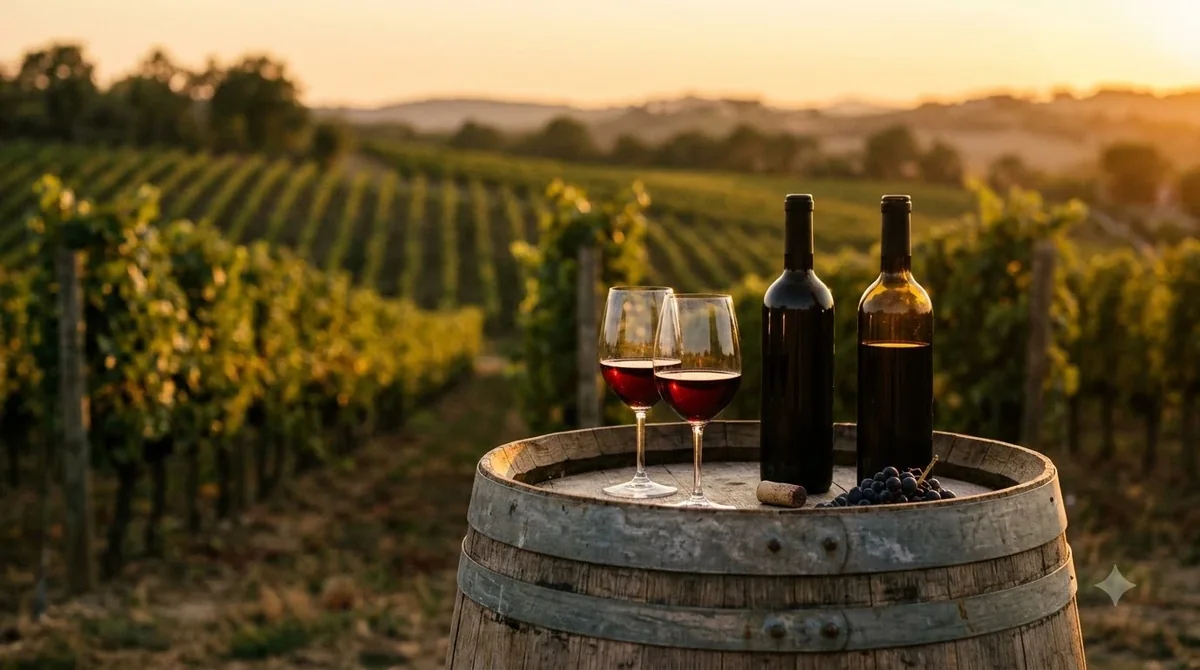
Jumilla combines continental conditions at higher sites in the north with more Mediterranean influences toward the southeast. Hot days and cooler nights create a wide daily temperature range that can help grapes retain acidity as they ripen. North-facing slopes and shaded sites limit harsh afternoon exposure.
Limestone is the dominant soil feature, although the landscape is not identical from one vineyard to another. The regional wine body describes deep limestone layers that hold on to limited rainfall; Decanter also notes soils of marine origin and calcareous material, while gravel and volcanic soils occur in selected locations. Many soils are stony, relatively poor in organic matter, and well drained at the surface, yet their deeper layers can retain water that vine roots reach during dry periods.
Local growers use the word paraje for a recognized vineyard place or site whose history, exposure, and landscape give it a particular identity. Two parcels at similar elevations can behave differently if one faces north and the other receives direct afternoon sun, or if one sits on a deeper limestone profile and the other on shallower gravel. This site variation is an important reason not to treat every Jumilla red as interchangeable. It also makes the region interesting to compare with cooler island growing conditions in Tasmania vineyards, where exposure and temperature also help define vineyard character, though the overall climate is quite different.
Dry farming and old bush vines define the landscape
Vineyard work in Jumilla is shaped by scarcity of water. Annual rainfall is around 300 millimeters, according to regional descriptions, and the combination of low rainfall, strong sunshine, and limestone subsoils means that many established vines are farmed without routine irrigation.
The Jumilla wine council reports approximately 20,000 hectares of registered vineyards in the DOP in its vineyard overview, with about 79% dry-farmed. It also reports that roughly three-quarters of the area is traditionally trained as bush vines, rather than on trellises. Bush vines grow low and free-standing, with a canopy that can shade fruit and protect it from direct exposure. In a hot, dry environment, this traditional form is not merely picturesque; it is a practical response to the demands of the site.
Low rainfall limits natural yields, and vines are often planted at low density to reduce competition for moisture. Deep-rooted Monastrell can draw on water stored below the surface, but dry farming still leaves growers balancing pruning, soil management, canopy shade, and harvest timing when drought intensifies.
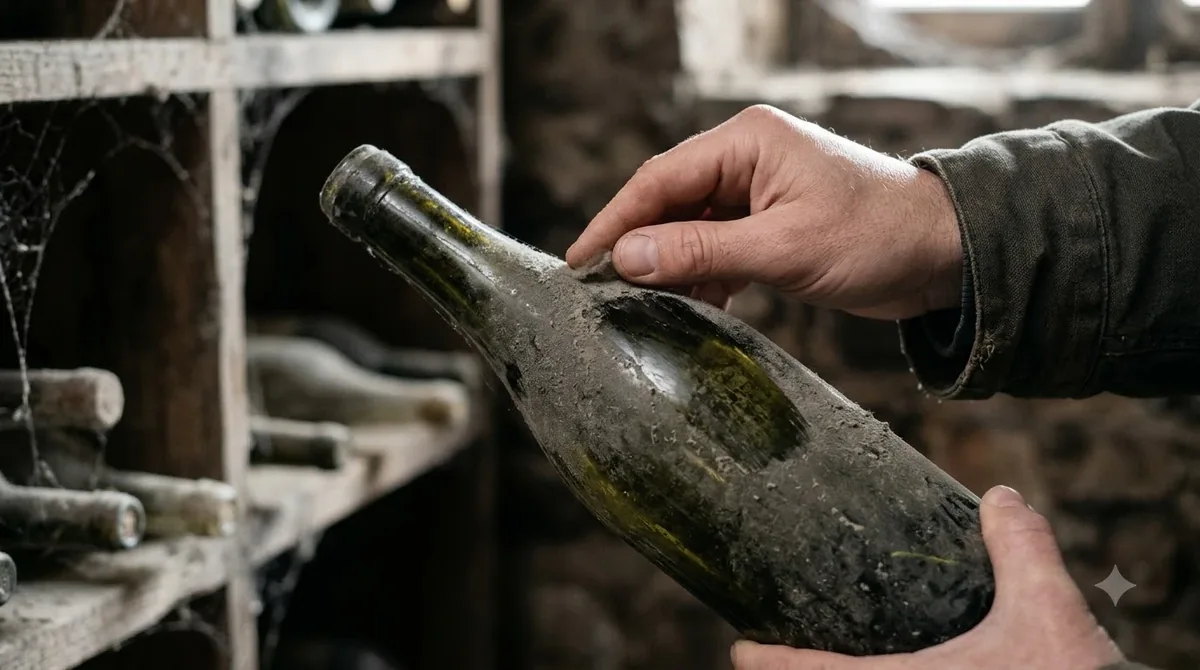
Old vines are another defining feature. The regional body reports that more than 20% of the vineyard area is older than 30 years, and a notable group of old parcels remains ungrafted. Ungrafted means that the vine grows on its own roots rather than on American rootstock, a practice that became common in Europe after phylloxera devastated vineyards in the nineteenth century. Such surviving parcels are unusual and often require careful, patient farming. The council’s explanation of Jumilla’s vineyard traditions gives a useful account of how dry farming, bush training, and old vines fit together.
Organic viticulture has a strong presence in the DOP, with certified organic area above 75% in the regional body’s vineyard figures. The dry climate can reduce pressure from some fungal diseases compared with wetter regions, though certification does not remove the need for skilled vineyard management or guarantee a particular flavor.
Monastrell is the defining grape
Monastrell is the signature grape of Jumilla and accounts for about 70% of its vineyard surface, according to the regional wine body. The variety is known as Mourvèdre in France and Mataro in some other wine-growing countries, but Jumilla is one of its most important Spanish homes.
Monastrell suits the region because it tolerates heat and drought, develops deep roots, and ripens late. Its small to medium bunches have compact clusters and thick, dark skins. The skins provide color, tannin, and aromatic material, while the long growing cycle gives the grapes time to complete ripening as nights begin to cool in autumn. The regional variety guide notes that bunches can contain berries at different stages of ripeness, which makes careful sorting important at harvest.
In the glass, Monastrell commonly gives dark-fruited, full-bodied wines, often with blackberry, black cherry, plum, and savory notes. Depending on site and winemaking, the profile can include dried herbs, licorice, spice, or earthy mineral impressions. Tannin is usually a meaningful part of the structure, and acidity can keep the wine from feeling heavy when the fruit is ripe. Some examples are generous and immediately approachable; others gain depth with bottle age.
Style is not fixed by the grape alone. Higher sites and cooler exposures can produce a fresher impression, while warmer parcels and riper picking decisions can lead to denser fruit and higher alcohol. Oak also changes the final profile: restrained use can frame the fruit and texture, while long or assertive maturation adds spice and toast that may obscure the site. Decanter’s panel report on Jumilla wines describes a range that includes juicy, youthful reds as well as more mature, layered expressions, alongside increasingly interesting whites and rosés.
Other grapes broaden the vineyard mix
Monastrell is dominant, but it is not the only grape in Jumilla. Syrah, Cabernet Sauvignon, and Garnacha Tintorera are important supporting red varieties, with Garnacha, Tempranillo, Merlot, and Petit Verdot also authorized and planted in smaller proportions.
These grapes can be bottled alone or blended. Syrah can bring dark fruit, floral notes, and structure; Garnacha adds red-fruit lift; Cabernet Sauvignon contributes firm tannin and cassis-like character. Garnacha Tintorera, also called Alicante Bouschet, is a teinturier grape with red flesh that can deepen a wine’s color. A blend can balance Monastrell’s warmth with another variety’s acidity or perfume.
White varieties account for a smaller part of the vineyard area, but they deserve attention. Airén, Macabeo, Moscatel de Grano Menudo, Chardonnay, Pedro Ximénez, Verdejo, and Malvasía are among the varieties listed by the regional wine body. Sauvignon Blanc is also grown. These grapes allow producers to make whites with different levels of fragrance, texture, and acidity, rather than limiting the appellation to one red-wine profile.
Rosé is another useful expression of the region’s grapes. Monastrell can produce deeply colored rosés with ripe red fruit, while earlier picking and careful extraction can keep the wine fresher and lighter than a red made from the same variety. A dry rosé can suit grilled vegetables, seafood, or outdoor meals when a full-bodied red would feel too weighty.
That diversity is one reason Jumilla should be approached as a region with many vineyard expressions, not a single blockbuster red. For another Mediterranean reference point built around local grapes and defined vineyard sites, our article on Chianti Classico vineyards offers a useful contrast: Sangiovese and Tuscan conditions shape a different set of decisions from those facing Monastrell growers in southeastern Spain.
Wine styles, food matches, and serving temperatures
The most familiar Jumilla wine is a dry, full-bodied red led by Monastrell, but the appellation also includes blends, rosés, and a smaller selection of whites. The best way to choose is to look at the style and structure rather than assuming that every bottle will be equally powerful.
Young Monastrell often emphasizes ripe black fruit and direct flavor, while more structured bottlings may show firmer tannin, savory complexity, and the influence of oak or bottle age. A red with pronounced tannin works well with grilled lamb, beef, sausages, or slow-cooked dishes because protein, salt, and fat can soften the drying sensation. For a lighter meal, a fresher Monastrell or rosé may be more flexible than a heavily extracted red.
Alcohol and tannin can amplify chili heat, so very spicy dishes are often easier with a softer wine than with a powerful red. Oily fish can clash with strongly tannic reds; a Jumilla white or dry rosé is generally more comfortable with grilled fish, shellfish, or citrus-dressed vegetables. Acidic foods need a wine with equal or higher acidity, while a dessert wine should be at least as sweet as the dessert.
| Jumilla style | What to expect | Serving temperature | Good food direction |
|---|---|---|---|
| Full-bodied Monastrell red | Dark fruit, structure, noticeable tannin | 60–65°F | Grilled lamb, beef, braised meat |
| Fresher red or lighter blend | Juicy fruit, moderate weight, softer texture | 55–60°F | Roast chicken, pork, tomato-based dishes |
| Dry Monastrell rosé | Red berry fruit, brisker feel | 45–50°F | Grilled vegetables, seafood, tapas |
| Jumilla white | Varies by grape; can be floral, citrusy, or textured | 45–50°F | Fish, shellfish, salads, fresh cheeses |
These temperatures are starting points, not rigid rules. A fuller red can seem more alcoholic when served too warm, so a short chill can help. A lighter red may show its fruit more clearly below room temperature. A young, full-bodied bottle with noticeable tannin can benefit from a 30- to 60-minute decant.
Tip: Serve a substantial Jumilla red at about 60–65°F rather than warm room temperature. If the bottle has spent time in a warm kitchen, give it 15–20 minutes in the refrigerator before pouring, then reassess the temperature in the glass.
A 750-milliliter bottle provides about five 5-ounce glasses, enough to compare a Monastrell-led red with a blend or rosé at one meal. Keep opened still wines refrigerated between pours, then let reds warm slightly in the glass rather than leaving bottles beside a heat source.
Frequently Asked Questions
The DOP’s 1966 designation, Monastrell’s long growing season, and the region’s winery network are useful starting points for understanding Jumilla beyond its best-known red wines.
When was the Jumilla DOP established?
The Jumilla Designation of Origin was established in 1966. Its regulatory council oversees the appellation’s production rules and use of the protected name, linking the wine’s label to an officially defined growing area.
How long is the Monastrell growing season in Jumilla?
The regional wine body describes Monastrell as a long-cycle variety that begins budding in March and can still be ripening at the end of October. That extended season allows the grapes to finish phenolic ripening as autumn nights become cooler, although the compact bunches require careful sorting.
How extensive are Jumilla’s ungrafted vineyards?
The regional wine body identifies about 1,000 hectares of ungrafted vines, and its vineyard overview notes that some of these parcels are at least 50 years old. That makes Jumilla an important repository of own-rooted old vines, although ungrafted planting is not the norm across the whole appellation.
Which less familiar white grapes are grown in Jumilla?
The regional list also includes Merseguera and Viognier. Merseguera is described as a Mediterranean white with floral, peach, and citrus notes, while Viognier is associated with peach, mango, and rose-like aromas.
How many wineries and cooperatives operate in the Jumilla region?
The official regional overview describes 42 wineries and six cooperatives. The mix includes small family businesses, larger family-owned estates, and corporate producers, while cooperative members and independent growers also own some of the area’s prized vineyard sites.
Jumilla’s vineyards reward attention to place: altitude, limestone, slope, vine age, and careful water management all shape what reaches the cellar. Monastrell remains the clearest introduction, but trying a rosé, a white, or a blend can reveal how much range exists within this sunlit part of southeastern Spain.
More in Wine Regions
 Willcox Wine Trail: Discover Arizona’s High-Elevation Wine CountryUpdated Nov 20, 2026
 Yakima Valley Wine Region: Find the Best Styles to TryUpdated Nov 20, 2026
 Vosne Romanee Wine Tasting: Identify Aromas and Choose Better PairingsUpdated Nov 20, 2026
 Yakima Valley Wine Festival: Find the Best Seasonal Wine EventsUpdated Nov 20, 2026
 Wales Vineyards: Discover Cool-Climate Wines and Where to VisitUpdated Nov 20, 2026
 Yountville Wine Festival: Discover Napa Wines and Local FoodUpdated Nov 20, 2026