

We may earn a commission when you buy through links on this page, at no extra cost to you. Learn more.
A French 75 recipe combines 30 mL gin, 15 mL lemon juice, 15 mL simple syrup and 60 mL Champagne, shaken and strained into a flute, then topped with Champagne. The result is a crisp, citrusy sparkling cocktail with a dry finish. It takes about five minutes to make at home and needs only a shaker, a jigger, and a flute. This guide gives the classic build, explains each step, and covers the variations and food pairings that suit it.
The French 75 is one of the classic sparkling cocktails, and it is easy to make once you know the proportions. Below you will find the ingredient list, a step-by-step method, and tips for getting a consistent result every time.
What Is a French 75?
A French 75 is a sparkling cocktail built on gin, lemon, sugar, and Champagne. It sits in the same family as the Tom Collins, but the Champagne top turns it into an elegant drink for celebrations and aperitif hours. The base is usually gin, although the cognac version is also well known and tastes richer and rounder.
The name most likely comes from the French 75-millimeter field gun used in World War I, although that origin is a reasonable reading rather than a confirmed fact. Early versions looked quite different. The earliest known build was a bright red drink with gin and apple brandy, and it was served with grenadine until the late 1920s, when it took on the form most bartenders use today, according to the notes in Tasting Table’s French 75 recipe.
French 75 Ingredients
The classic recipe is short and precise. Each ingredient plays a clear role: the gin provides the botanical backbone, the lemon adds brightness, the simple syrup balances the acidity, and the Champagne lifts the whole drink with bubbles. Because there are only four ingredients, the quality of each one matters.
| Ingredient | Amount | Role in the drink |
|---|---|---|
| Gin | 30 mL (1 US fl oz) | Base spirit with juniper and botanical notes |
| Fresh lemon juice | 15 mL (0.5 US fl oz) | Brightness and tartness |
| Simple syrup | 15 mL (0.5 US fl oz) | Softens the acidity |
| Champagne or dry sparkling wine | 60 mL (2 US fl oz) | Bubbles and a dry finish |
Recipes vary in how much sparkling wine they use. Some versions pour up to 4 oz (about 120 mL) of Champagne, with 1 oz of gin and half an ounce each of lemon juice and simple syrup, which gives a longer, lighter drink. The amounts above follow the classic flute-sized build.
How to Make a French 75 Step by Step
The method is simple, but a few small habits make a noticeable difference. Chill your glass and have your Champagne cold before you begin. Use fresh lemon juice rather than bottled, and measure carefully so that the balance stays consistent from drink to drink.
- Chill a Champagne flute by filling it with ice water while you prepare the drink, then empty it before pouring.
- Add the gin, lemon juice, and simple syrup to a cocktail shaker filled with ice.
- Shake the mixture vigorously for about 10 to 15 seconds until the shaker is well chilled.
- Strain the mixture into the chilled flute, leaving the ice behind.
- Top the glass with 60 mL of cold Champagne and stir gently once so the bubbles remain lively.
- Garnish with a lemon twist, if you like, and serve right away.
Tips for a Better French 75
Fresh lemon juice is the most important ingredient to get right. Bottled juice tends to taste flat and sometimes bitter, while fresh juice gives the cocktail its clean, zesty snap. Squeeze the lemon just before you make the drink, and strain out any pulp so the texture stays smooth.
Simple syrup is easy to make at home by dissolving equal parts sugar and hot water and letting it cool. Keeping a jar in the refrigerator means you can build the drink in seconds. If you prefer a less sweet version, reduce the syrup slightly, but keep the lemon juice amount the same so the drink stays balanced.
Tip: Stir the Champagne in gently. Vigorous stirring knocks out the bubbles, and the drink loses the light, sparkling texture that makes it a French 75.
Variations on the Classic
The cognac version is the most traditional alternative. Cognac in place of gin gives a warmer, fruitier, and rounder drink, which many people prefer in the cooler months. It keeps the same measurements, so you can switch the base spirit without changing anything else.
Some bartenders add a dash of orange liqueur or a touch of elderflower to the shaker for a floral twist. A fruit garnish such as a lemon twist can also brighten the aroma. If Champagne is not available, a dry sparkling wine in its place keeps the bubbles and the dry finish, with a slightly different character.
What to Serve With a French 75
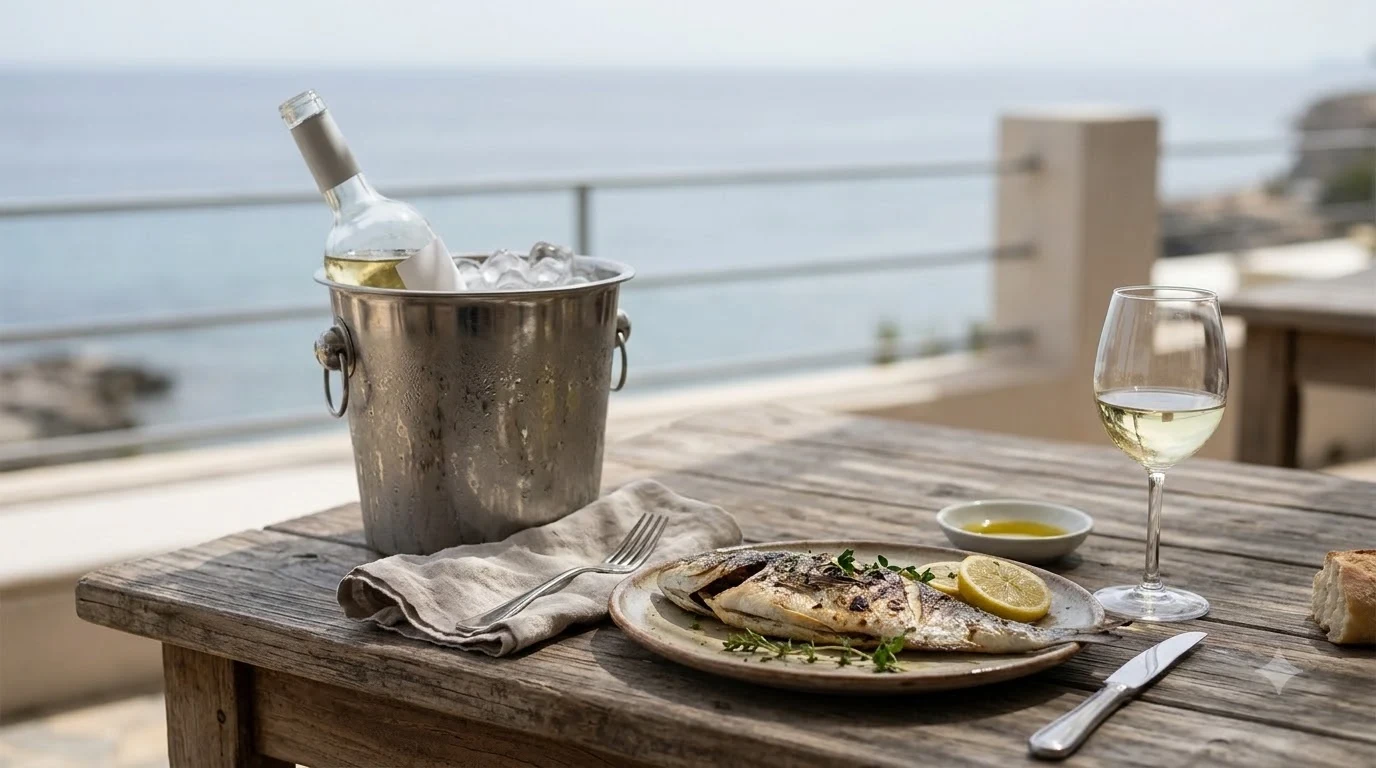
The French 75 is a versatile aperitif because its acidity and bubbles cleanse the palate. It works well with oysters, fried snacks, and salty bites such as olives or smoked almonds. It also pairs nicely with light seafood dishes like shrimp cocktail or lemon-herb fish, where the lemon in the drink echoes the flavor on the plate.
For a more substantial meal, the gin and citrus structure suits dishes with cream sauces, mushrooms, or roast chicken, since the bubbles cut through richness. The cocktail’s dryness also makes it a good match for soft cheeses, such as brie, and for simple vegetable dishes with herbs.
Common Mistakes to Avoid
The most frequent error is using too much simple syrup, which turns the drink sweet and flattens the lemon. Measure the syrup with the same care as the gin and Champagne. Another mistake is pouring Champagne straight into the shaker, which causes the bubbles to escape and dilutes the texture. Always shake the other ingredients first and add the sparkling wine after straining.
Serving temperature matters too. A warm flute or warm Champagne makes the drink taste harsh and sharp. Keep the bottle cold in the refrigerator and chill the glass beforehand, so the drink stays crisp from the first sip to the last.
Frequently Asked Questions
What is the difference between a French 75 and a gin fizz?
A French 75 uses Champagne or sparkling wine as its top, while a gin fizz uses soda water. The French 75 is usually drier and more elegant, with a stronger bubble effect, which is why it is often served for celebrations.
Can I make a French 75 without Champagne?
Yes. Any dry sparkling wine can be used in its place. Cava and other dry sparkling wines are common substitutes, and they keep the same bubbles and dry finish. Choose a wine labeled dry or brut to keep the balance right.
Should a French 75 be served with ice?
Traditionally, the drink is served straight up, without ice, in a chilled flute. The shaker provides the cold, and the Champagne topping keeps the glass lively. If you prefer a longer drink, you can serve it in a highball glass with ice, but the flute is the classic choice.
Can I make a French 75 ahead of a party?
You can premix the gin, lemon juice, and simple syrup in a sealed bottle and keep it chilled. Add the Champagne to each glass just before serving, because the bubbles fade quickly once the wine has been mixed with the other ingredients.
The French 75 is a simple, memorable cocktail that works for brunch, celebrations, or an easy evening aperitif. Keep the measurements balanced, use fresh lemon, and top with cold Champagne. For more drinks in the same style, try the aperol spritz recipe, and for a lighter option, compare it with the hugo spritz recipe. You can also explore the wider Wine Recipes & Cocktails section for more ideas.
More in Food & Wine Pairing
 Risotto With White Wine Recipe: Make a Creamy Dinner at HomeUpdated Nov 20, 2026
 Wassail With Wine Recipe for a Festive Spiced Holiday DrinkUpdated Nov 20, 2026
 Spritz Veneziano Recipe: Make a Classic Venetian Aperitivo at HomeUpdated Nov 20, 2026
 Summer Wine Punch Recipe for Easy Homemade EntertainingUpdated Nov 20, 2026
 Bishop Recipe: How to Make a Bright, Citrus-Forward Red Wine CocktailUpdated Nov 20, 2026
 Wine Cupcakes Recipe: Bake Rich Chocolate Cupcakes at HomeUpdated Nov 20, 2026