

We may earn a commission when you buy through links on this page, at no extra cost to you. Learn more.
The itata wine region in southern Chile is a historic wine-producing area known for centuries-old País and Cinsault vines, granite-rich soils, cool coastal influences and distinctive small-production wines. Located in the Ñuble Region, Itata preserves some of Chile’s oldest viticultural traditions while attracting renewed attention from producers interested in expressing local grapes and vineyard character. Its wines range from fresh, light-bodied reds to aromatic Muscat whites and characterful skin-contact bottlings.
For wine lovers familiar with Chilean Cabernet Sauvignon and Carménère, Itata offers a different perspective on the country’s wine culture. Its vineyards reflect a long agricultural history, with traditional farming methods, small family holdings and grape varieties that have received less international attention than Chile’s major commercial grapes. Understanding its geography, historic varieties and emerging producers makes it easier to recognize what distinguishes these wines and how to enjoy them.
Where the Itata Valley Sits in Chile
The Itata Valley occupies a position in south-central Chile, within the Ñuble Region, where the coastal mountain range, river valleys and Pacific influence shape the growing environment. Its historic vineyards are spread across rolling hills and inland areas rather than concentrated in one uniform agricultural landscape.
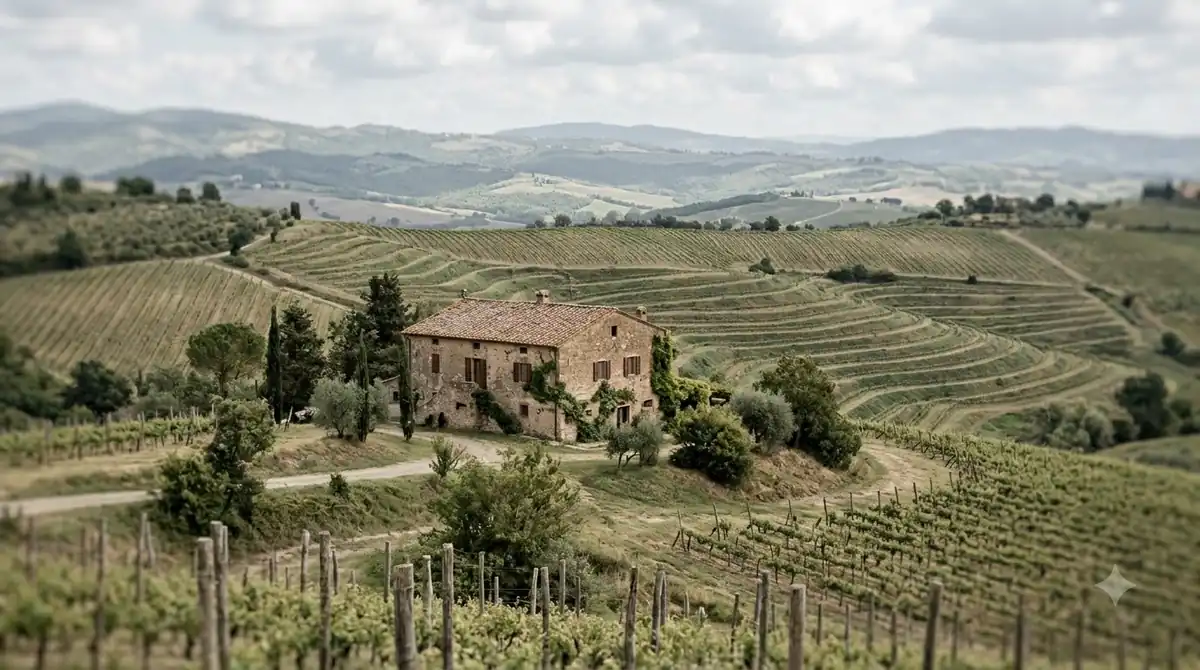
The region is generally associated with the area around Chillán and the Itata River basin. Important wine-growing communities include Coelemu, Portezuelo, Quirihue, Ninhue, Trehuaco, Ránquil and Quillón. Each locality contributes to a varied collection of vineyard conditions, with differences in elevation, soil composition, exposure and proximity to maritime weather.
According to Wines of Chile, the valley has more than 500 years of winemaking history. Its name comes from Mapudungun and is associated with the meaning of abundant pastures, reflecting the area’s Indigenous cultural heritage. The Spanish introduced European grape varieties during the colonial period, establishing vineyards that eventually became an important part of Chilean agriculture.
Itata belongs to a broader southern wine-growing landscape that includes the Bío-Bío and Malleco valleys. However, it has a distinct historical identity because of its early viticulture and its surviving plantings of traditional varieties. Its cooler conditions also distinguish it from many of the warmer central Chilean regions that helped establish the country’s international reputation.
For geographical comparison, readers exploring the Wine Regions collection can place Itata alongside Chile’s other established growing areas and understand how coastal exposure, latitude and topography influence wine styles around the world.
The valley is not a single uniform vineyard site. Coastal-influenced hillsides, inland slopes and river terraces can produce noticeably different growing conditions. This geographical diversity helps explain why two wines made from the same grape in Itata may differ in ripeness, aromatic intensity, acidity and texture.
Travelers interested in wine history can also appreciate the contrast between the traditional agricultural communities of Ñuble and the larger, more internationally oriented wine estates found elsewhere in Chile. Itata’s identity remains closely connected to its rural landscape and its family-scale vineyard culture.
A Long History of Chilean Wine Production
Itata’s importance extends beyond its present-day reputation for old vines and distinctive wines. It played a major role in the development of Chilean wine, particularly during the colonial period and the nineteenth century, when traditional wines from the south supplied domestic markets.
Spanish missionaries introduced grapevines during the sixteenth century, including País, a variety that became deeply established in Chilean agricultural life. Its adaptability helped it survive across generations, and many vineyards continued producing fruit long after changing consumer preferences shifted attention toward internationally recognized French varieties.
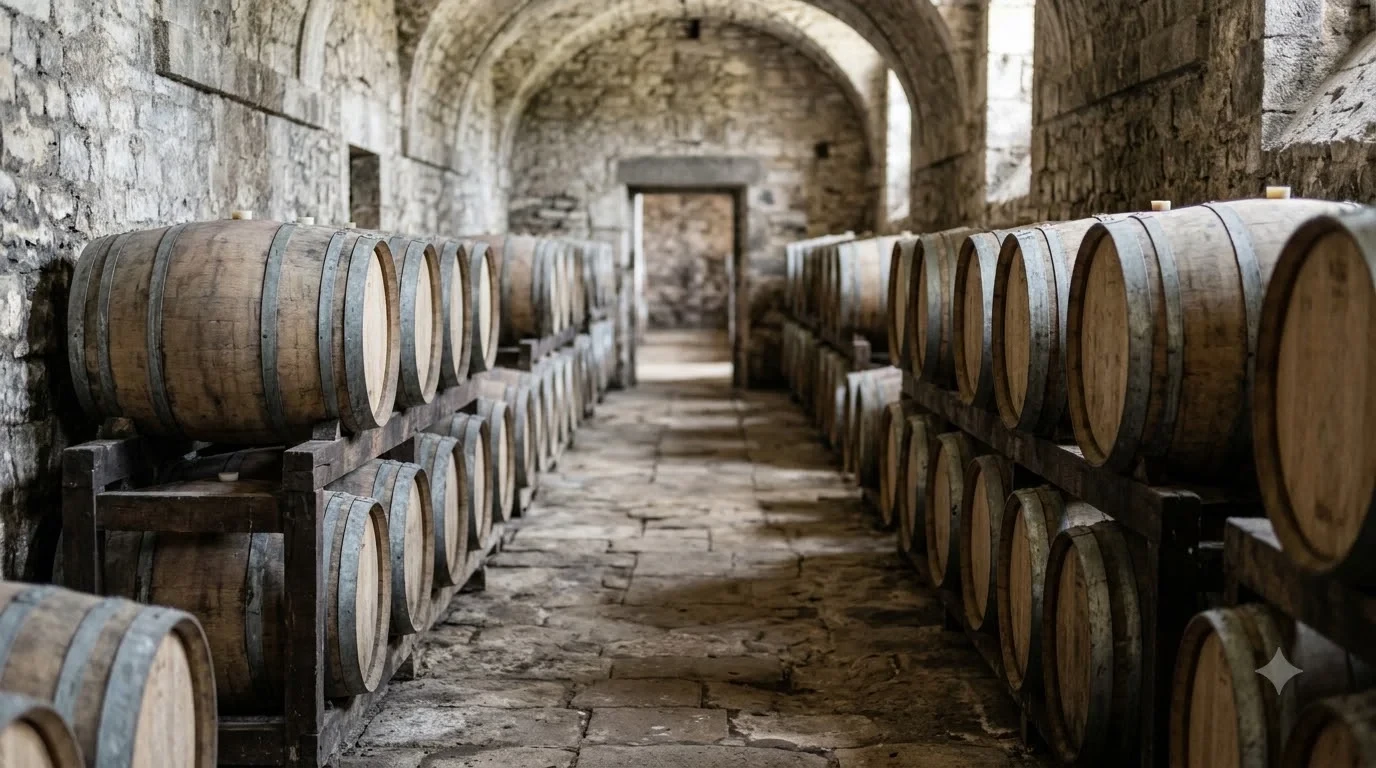
One of the traditional products associated with Itata was pipeño. Historically, this wine was made for local consumption and was closely connected to rural Chilean drinking culture. It was often produced using traditional cellar techniques and stored in large wooden vessels. The term is associated with the traditional pipeño style rather than one single grape variety or standardized modern recipe.
According to Viña Morandé’s historical account, Itata represented almost 80% of Chile’s national wine production around 1870. That position declined as French-style wines and the expanding vineyards of the central valleys became increasingly influential. Production gradually shifted toward varieties such as Cabernet Sauvignon, Merlot and other international grapes, while many traditional southern vineyards lost commercial attention.
During much of the twentieth century, old País and Muscat vineyards were frequently associated with inexpensive wines rather than premium bottlings. Some growers continued cultivating them because of their agricultural heritage and established local markets, even as the broader wine industry favored different varieties and production methods.
A renewed interest in traditional Chilean grapes emerged during the early 2000s. Smaller producers and winemakers began recognizing the potential of historic vineyards, particularly those with old vines, distinctive soils and established farming practices. Instead of treating these vineyards simply as sources of blending material, they increasingly bottled individual varieties and vineyard expressions.
This revival has given international drinkers a new reason to explore Itata. It also helps preserve agricultural knowledge that might otherwise have disappeared as older vineyards were abandoned or replaced.
Climate, Granite Soils and Traditional Vineyard Sites
Itata has a humid Mediterranean climate with cooler conditions than many central Chilean wine valleys. Pacific influence, winter rainfall and relatively moderate summer temperatures help create a growing environment suited to grapes that benefit from gradual ripening and retained freshness.
According to Wines of Chile, the valley’s sandy and granitic soils are important features of its vineyard environment. Granite-rich sites can contain different proportions of quartz, sand and clay, while inland areas also include river terraces with alluvial materials. These differences influence drainage, water availability and vine growth.
The coastal mountain range is particularly important. Its relatively low elevations in parts of southern Chile allow maritime weather to reach vineyards that would be more sheltered in some of the country’s northern and central wine regions. Ocean breezes help moderate summer conditions, while winter precipitation provides water for vineyards that do not rely on regular technical irrigation.
Summer weather can include cool, windy days, and winter is generally the wetter season. This seasonal pattern supports traditional dry-farming practices in many vineyards, although water availability varies between locations and individual growing seasons.
Granite and Alluvial Vineyard Differences
Granite-rich hillsides are frequently associated with some of the valley’s most distinctive old-vine vineyards. Their composition can vary considerably from one location to another. Some sites contain coarse sandy material, while others have more clay or weathered granite. These variations affect how water moves through the soil and how deeply vine roots can develop.
Alluvial soils near river systems provide another important growing environment. Their composition reflects material deposited by water over time, including sand, stones and finer sediments. Depending on the location, these soils may offer different levels of fertility and moisture retention compared with the coastal hills.
Neither soil type automatically guarantees superior wine. Vineyard age, grape variety, crop management, harvest decisions and cellar practices all contribute to the final result. The important point is that Itata’s geographical diversity gives producers several distinct environments in which to work.
Dry Farming and Old Bush Vines
Many traditional vineyards use head-trained vines, sometimes called bush vines, rather than the carefully organized vertical trellis systems common in larger commercial vineyards. The vines grow with relatively short trunks and branches arranged around the central structure.
Dry farming means that growers rely primarily on natural rainfall rather than routinely supplying water through irrigation systems. This approach remains important in many of Itata’s established vineyards. However, dry farming does not mean every vineyard receives identical amounts of water or experiences the same growing conditions.
Some historic vines are ungrafted, meaning their own roots support the plant rather than a separate rootstock. This is an important part of the region’s agricultural heritage, although it should not be assumed that every old vineyard has the same planting history.
Tip: When choosing an Itata wine, look beyond the grape name. Information about the vineyard locality, vine age, dry-farming practices and winemaking approach can help explain why one País or Cinsault bottling tastes different from another.
País, Cinsault and the Traditional Grape Varieties
País and Cinsault are two of the most recognizable red grapes associated with Itata, while Moscatel de Alejandría is central to its white-wine heritage. Carignan and Semillón also contribute to the valley’s identity, giving producers a wider range of grapes for single-variety wines and blends.
País: Chile’s Historic Red Grape
País arrived in Chile with Spanish missionaries during the sixteenth century. It is also known as Mission in California and Listán Prieto in Spain. The grape became widely established throughout the Americas because it could adapt to different agricultural conditions and served an important role in early colonial wine production.
Modern País wines from old Itata vineyards can be very different from the simple, high-volume wines historically associated with the variety. Quality-focused examples often emphasize freshness, moderate structure and expressive red-fruit character rather than heavy extraction or pronounced oak influence.
Typical aromas can include fresh strawberry, raspberry, red cherry, dried herbs and subtle earthy notes. The palate is often relatively light in body, with lively acidity and moderate tannin. Depending on the vineyard and cellar approach, a bottling may feel delicate and juicy or more savory and structured.
País is particularly interesting for drinkers who enjoy lighter reds and want an alternative to familiar varieties such as Merlot or Pinot Noir. Its traditional character also makes it a useful introduction to the history of South American viticulture.
Cinsault: Freshness and Red-Fruit Character
Cinsault originated in southern France and has developed a strong presence in Itata. The variety adapts well to warm conditions, but the valley’s maritime influence and cooler growing environment can help preserve freshness in the finished wine.
Itata Cinsault commonly produces light-to-medium-bodied reds with aromas of raspberry, sour cherry and other red fruits. Some examples also show floral notes, herbs and gentle earthy complexity. Compared with more heavily structured reds, many bottlings emphasize aromatic expression and a softer impression of tannin.
Producers may ferment Cinsault in different vessels, including stainless steel, concrete or traditional clay containers. Some choose whole-cluster fermentation or limited extraction to retain freshness and highlight the fruit. Others use different combinations of fermentation and aging to create more structured wines.
Moscatel de Alejandría and Semillón
Moscatel de Alejandría, internationally known as Muscat of Alexandria, is an important traditional white grape in Itata. It can produce aromatic wines with floral, citrus and stone-fruit characteristics. Depending on ripeness and winemaking, the wines may be dry, slightly off-dry or made in more traditional styles.
Some producers use extended skin contact to make orange wines. These are white wines fermented with their skins, allowing additional color, aroma and phenolic texture to develop. The result can have a deeper color and a more structured palate than a conventional aromatic white.
Semillón is another significant variety in Chile’s wine history. It was once widely planted nationally before losing ground to other white grapes. Its rediscovery has created opportunities to produce distinctive dry whites from older vineyard sites, where the variety can express savory, citrus and textured characteristics.
Carignan and Other Varieties
Carignan contributes deeper color, acidity and firmer tannin to the broader southern Chilean wine landscape. Although particularly associated with the neighboring Maule Valley and its VIGNO movement, the grape is also part of the wider traditional varietal mix found in this part of Chile.
Cabernet Sauvignon, Carménère, Merlot, Chardonnay and Sauvignon Blanc are also grown in Itata. These varieties provide more familiar reference points for international consumers, but the region’s distinctive identity remains closely connected to its historic País, Cinsault and Muscat vineyards.
The following table summarizes the principal grape varieties and their typical wine characteristics.
| Grape variety | Wine style | Typical characteristics |
|---|---|---|
| País | Light red | Strawberry, raspberry, herbs, fresh acidity |
| Cinsault | Light to medium red | Red cherry, raspberry, floral notes |
| Moscatel de Alejandría | Aromatic white or orange wine | Floral aromas, citrus, stone fruit |
| Semillón | Dry white | Citrus, savory notes, textured palate |
| Carignan | Medium to full red | Dark fruit, acidity, firmer tannins |
| Chardonnay | White | Apple, citrus, mineral or creamy notes |
| Cabernet Sauvignon | Full-bodied red | Blackcurrant, structure, pronounced tannin |
These are general grape characteristics rather than fixed tasting profiles. The same variety can produce different wines depending on vineyard conditions, harvest timing, fermentation, extraction and aging. Itata’s diversity makes those differences particularly interesting to explore.
Notable Producers and the Modern Itata Revival
Itata’s modern reputation has developed through the work of producers who recognize the value of traditional vineyards and regional grape varieties. Some established Chilean wineries have invested in southern vineyard projects, while smaller independent winemakers have focused on individual sites and less interventionist cellar practices.
Viña Morandé
Viña Morandé has helped bring attention to the region through its work with ancestral varieties. Its Morandé Adventures project includes Creole, a wine made primarily from Cinsault with a proportion of País.
The producer describes the wine as fresh and fruit-driven, with raspberry, sour cherry and subtle earthy aromas. Its medium-light body and smooth structure illustrate how traditional Itata grapes can produce approachable wines that appeal to drinkers accustomed to contemporary red-wine styles.
Morandé’s historical discussion of Itata also provides useful context for understanding the region’s changing commercial position. The winery connects the revival of old vineyards with a broader interest in Chile’s agricultural heritage.
Pedro Parra and the Importance of Terroir
Pedro Parra is an important figure in the renewed attention paid to Itata’s soils and vineyard locations. Originally from Concepción, he has an international reputation for studying terroir and identifying differences between vineyard sites.
His work reflects a broader shift toward examining individual sites rather than treating the entire valley as one undifferentiated growing area. Granite composition, hillside position and vineyard exposure are important considerations in this approach.
Small Producers and Traditional Winemaking
Independent producers are central to Itata’s revival. Many work with grapes from family-owned vineyards and focus on preserving traditional farming methods. Their wines may be produced in relatively small quantities, with individual bottlings reflecting particular communities, vineyards or grape varieties.
Some winemakers favor spontaneous fermentation, native yeasts and minimal filtration, while others use more conventional cellar techniques. Traditional clay tinajas are also used by certain producers for fermentation or aging. These vessels provide an alternative to stainless steel and oak, although the finished wine still depends on the fruit and the producer’s choices.
For a useful independent overview of specific Itata bottlings, the South America Wine Guide’s Itata regional guide discusses producers including De Martino, A Los Viñateros Bravos, Carmen and Longaví, with examples made from traditional grapes and newer plantings.
One example of the wider movement is the work of producers associated with old-vine Cinsault and País projects. Their emphasis on vineyard identity has helped introduce Itata to drinkers interested in less familiar wine regions and traditional grape varieties.
The modern movement is not defined by one single winemaking philosophy. Rather, it includes conventional, organic, low-intervention and experimental approaches. What connects many producers is an interest in preserving the valley’s distinctive vineyard heritage.
How Itata Wines Taste and What to Eat With Them
Itata wines generally reward drinkers who appreciate freshness, moderate alcohol impressions and clear fruit character. However, the region produces several distinct styles, so food pairings should reflect the grape variety and structure of the individual bottle.
País is often a good starting point for food pairing because its relatively light body and fresh acidity work with a wide selection of dishes. Try it with roast chicken, grilled pork, turkey, mushroom dishes or mild sausages. Its red-fruit profile can complement roasted vegetables and herb-based preparations without overwhelming their flavors.
Cinsault is particularly versatile with grilled meats, tomato-based dishes and Mediterranean-style cooking. A bottle with lively acidity and soft tannins can work well with roast lamb, pork tenderloin or grilled vegetables. The wine’s fruit character also makes it suitable for charcuterie and moderately seasoned cheeses.
For dishes containing tomato, citrus or vinegar, consider the wine’s acidity. Highly acidic foods can make a low-acid wine taste flat, so wines with equal or higher acidity are generally more successful. Fresh País and Cinsault examples are often useful options.
Carignan usually benefits from richer dishes. Its firmer structure can complement grilled beef, lamb, smoked sausages and slow-cooked meats. Salt and fat help soften the impression of tannin, making savory dishes particularly effective companions.
Moscatel de Alejandría provides another pairing direction. Dry aromatic examples work with seafood, shellfish, salads and lightly seasoned poultry. Skin-contact versions can be more textured and may pair well with roasted vegetables, spiced dishes and foods with more pronounced savory flavors.
Semillón can accompany roasted chicken, pork, soft cheeses and dishes with creamy sauces. Its texture often makes it a good alternative to more overtly aromatic white wines, particularly when the food has enough richness to complement the wine.
Serving Temperatures
Temperature can make a significant difference to the way these wines express their aromas and structure. Lighter reds are often more enjoyable slightly cooler than conventional room temperature, while aromatic whites benefit from a chilled but not excessively cold serving temperature.
| Wine style | Suggested serving temperature | Food examples |
|---|---|---|
| Light País | 55–60°F | Roast chicken, pork, mushrooms |
| Fresh Cinsault | 55–60°F | Grilled vegetables, lamb, charcuterie |
| Structured Carignan | 60–65°F | Grilled beef, sausages, roast lamb |
| Dry Moscatel | 45–50°F | Seafood, salads, poultry |
| Skin-contact Muscat | 50–55°F | Roasted vegetables, savory cheeses |
| Semillón | 50–55°F | Chicken, pork, creamy dishes |
These temperatures are practical starting points rather than rigid requirements. A particularly delicate País may benefit from the cooler end of its range, while a more structured red can show better at a slightly warmer temperature.
For general food-pairing principles, consider the wine’s acidity, sweetness and tannin rather than relying only on grape names. Sweet wines should generally be at least as sweet as the dessert they accompany, and spicy dishes can make wines with high alcohol and pronounced tannins seem hotter.
Readers interested in other cool-climate wine traditions can also compare Itata with the Savoie wine region, where mountain conditions and distinctive local grapes contribute to another interesting collection of regional wine styles.
Buying, Storing and Exploring Itata Wines
Finding Itata wines can require more exploration than buying familiar Chilean Cabernet Sauvignon or Sauvignon Blanc. The region’s smaller producers, traditional grape varieties and limited-production bottlings are not always represented in every retail market, but specialist wine merchants and independent importers can be useful starting points.
Begin with País or Cinsault if the goal is to understand the valley’s modern red-wine identity. These grapes provide a direct introduction to the region’s emphasis on freshness, fruit expression and historic vineyards. A bottle of dry Moscatel de Alejandría or Semillón offers a useful comparison for drinkers interested in its white-wine heritage.
When comparing bottles, consider the vineyard locality and production approach. A wine from a coastal-influenced site may have a different aromatic profile from one produced farther inland. Similarly, a wine made from old dry-farmed vines may differ in concentration and texture from one made using younger, more intensively managed vineyards.
Look for information about fermentation vessels, whole-cluster fermentation, skin contact and oak aging. These details can help explain the style without assuming that one technique always produces better wine. A stainless-steel fermented País, for example, may emphasize fresh fruit, while a wine fermented with whole clusters could show more herbal or stem-derived character.
Storage and Opening
Store unopened bottles in a cool, dark location with minimal temperature fluctuations. A temperature close to 55°F is a useful general target for longer-term storage. Traditional cork-finished bottles are generally stored on their sides to keep the cork from drying out.
Most fresh País and Cinsault wines are intended to be enjoyed for their fruit and lively character rather than held for extended aging. However, some more concentrated examples may develop additional complexity over time. The producer’s intended drinking window is more useful than assuming that every wine from an old vineyard is suitable for long-term cellaring.
For serving, a standard 750 ml bottle provides approximately five glasses when poured at 5 oz each. This is a practical amount for sharing several wines during a meal or comparing two different grape varieties side by side.
Once opened, still wines generally keep for around three to five days in the refrigerator when properly resealed. Their condition will depend on exposure to oxygen, storage temperature and the wine’s original freshness. Bring red wines back toward their recommended serving temperature before pouring.
Planning a Regional Comparison
Comparing Itata with other cool-climate wine regions can help clarify what makes its wines distinctive. The Switzerland wine region offers another example of how geography, traditional grapes and smaller growing areas shape local wine identities.
Tasmania also provides an interesting comparison for drinkers who appreciate cool-climate freshness, although its maritime conditions and dominant grape varieties differ from those of southern Chile. Exploring the Tasmania wine region alongside Itata highlights the variety of ways coastal climates can influence wine production.
The best approach is to compare wines by grape and style. Taste País alongside another light-bodied red, then compare Itata Cinsault with a Cinsault from a different region. A dry Moscatel can provide a useful contrast with a more familiar aromatic white. These comparisons reveal how variety, site and winemaking interact.
Frequently Asked Questions
Is Itata a protected wine appellation in Chile?
Itata Valley is recognized within Chile’s geographical wine denomination system. Chilean wine labels can use geographical denominations to identify the origin of wines, subject to applicable rules. The designation Secano Interior is also associated with traditional inland dryland wine-growing areas in southern Chile.
What does pipeño mean on a Chilean wine label?
Pipeño refers to a traditional Chilean wine style historically associated with rural winemaking and storage in large wooden vessels. It is not the name of a single grape variety. Depending on the producer, modern pipeño can be made from traditional grapes such as País and other locally grown varieties.
Is País genetically related to California Mission wine grapes?
Yes. País and the Mission grape grown in California are names associated with the same historic variety, Listán Prieto. The grape spread throughout the Americas during the colonial period and became established in several South American and North American wine-growing areas.
Can Itata wines be made without added sulfur dioxide?
Some independent producers experiment with wines made without added sulfur dioxide, although practices differ between wineries and individual bottlings. This approach is sometimes associated with natural winemaking. Wines made without additions still require careful handling during fermentation, bottling and storage to limit unwanted microbial activity and oxidation.
What is a tinaja in traditional Chilean winemaking?
A tinaja is a traditional clay vessel used in winemaking. Its use is connected to older fermentation and storage practices, and some Chilean producers have revived these vessels for contemporary wines. Depending on the vessel and cellar conditions, fermentation and aging in clay can influence texture and the development of the finished wine.
The Itata Valley offers a fascinating view of Chilean wine history, from colonial-era País vineyards and traditional pipeño to contemporary Cinsault, Muscat and Semillón bottlings. Its old vines, granite-rich soils and coastal influences create a distinctive regional identity that deserves attention beyond the country’s better-known commercial varieties. Exploring several grapes and producers is one of the best ways to appreciate the depth and diversity of this historic Chilean wine region.
More in Wine Regions
 Willcox Wine Trail: Discover Arizona’s High-Elevation Wine CountryUpdated Nov 20, 2026
 Yakima Valley Wine Region: Find the Best Styles to TryUpdated Nov 20, 2026
 Vosne Romanee Wine Tasting: Identify Aromas and Choose Better PairingsUpdated Nov 20, 2026
 Yakima Valley Wine Festival: Find the Best Seasonal Wine EventsUpdated Nov 20, 2026
 Wales Vineyards: Discover Cool-Climate Wines and Where to VisitUpdated Nov 20, 2026
 Yountville Wine Festival: Discover Napa Wines and Local FoodUpdated Nov 20, 2026