

We may earn a commission when you buy through links on this page, at no extra cost to you. Learn more.
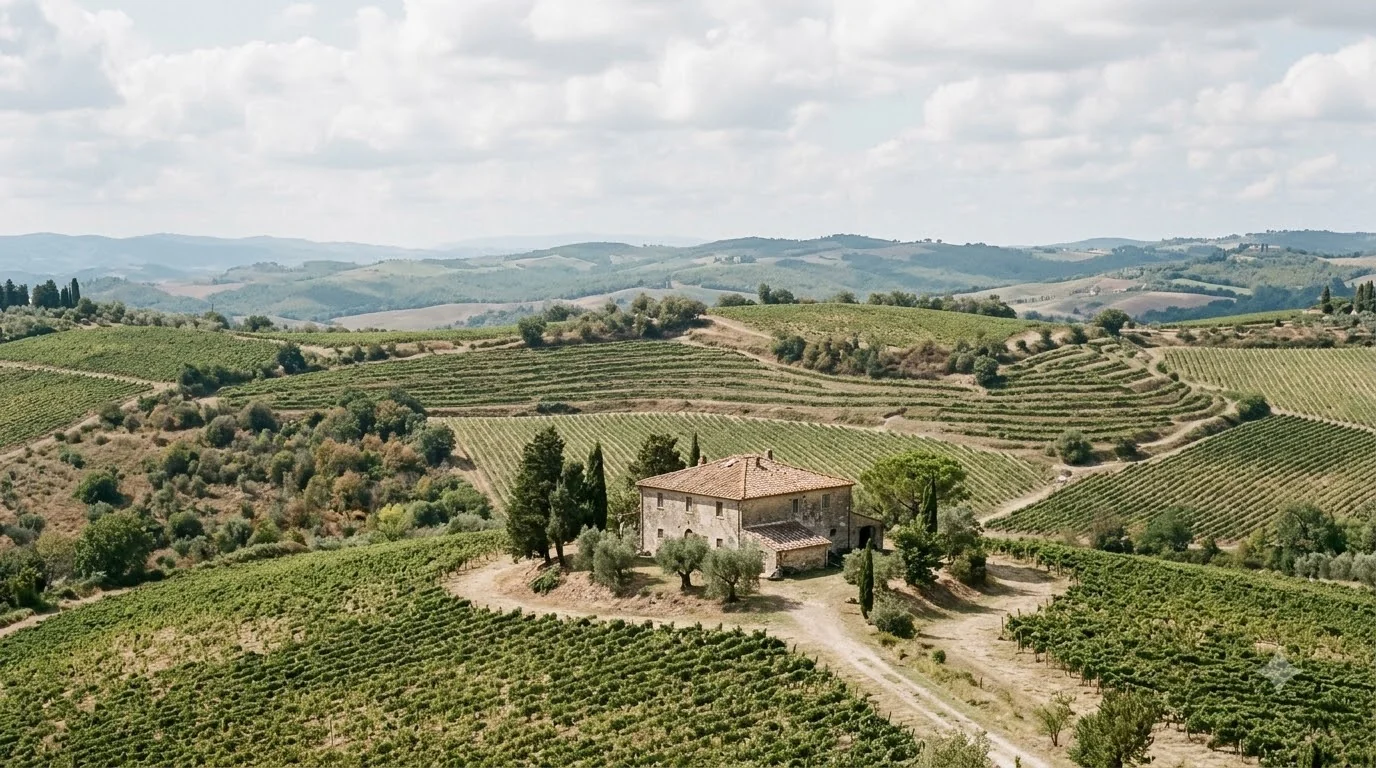
The india wine region is centered primarily in Maharashtra and Karnataka, with Nashik and Nandi Hills serving as its two best-known wine-growing areas. India’s warm subtropical climate, elevated vineyards, seasonal monsoons, and winter harvest produce distinctive wines from grapes including Shiraz, Cabernet Sauvignon, Chenin Blanc, Sauvignon Blanc, and Chardonnay. Although the country’s commercial wine industry is relatively young, its combination of local grape-growing traditions and international winemaking techniques has created an increasingly recognizable wine identity.
India might be better known internationally for its spices, tea, and traditional spirits than for its vineyards, but commercial winemaking has developed a meaningful presence across the country. Maharashtra leads the industry, while Karnataka contributes important vineyard areas and established producers. Understanding the geography, seasonal growing conditions, grapes, and leading wineries makes it easier to appreciate why Indian wines can taste quite different from bottles produced in Europe, Australia, or the Americas.
Where India’s Wine Regions Are Located
Indian wine production is concentrated in the western and southern parts of the country, particularly Maharashtra and Karnataka. Nashik is the most recognizable wine destination, while Nandi Hills and other Karnataka growing areas provide a second important center for commercial viticulture.
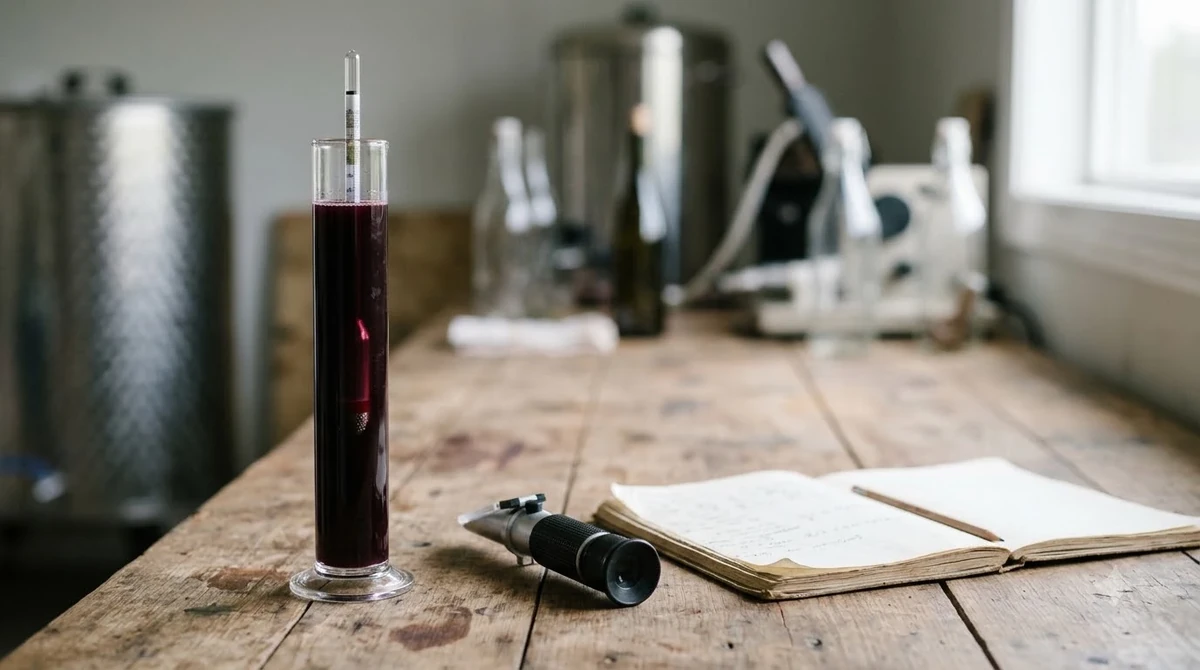
Maharashtra is the leading grape-growing state and the historical center of modern Indian commercial winemaking. Nashik, situated in the northwestern part of the state, has developed a strong reputation for vineyards, wineries, tasting facilities, and wine tourism. Its surrounding growing areas include Dindori and Niphad, where commercial vineyards benefit from elevation and seasonal temperature changes. Other Maharashtra districts, including Sangli, Pune, and Solapur, also contribute to the state’s wider grape-growing economy.
Karnataka is the other major center. Nandi Hills, north of Bengaluru, is particularly important because its elevated terrain provides a different growing environment from many lower-lying tropical agricultural areas. Bangalore and southern Karnataka also contribute to wine production. Further north, Krishna Valley and other grape-growing areas form part of Karnataka’s broader viticultural landscape.
The wine industry extends beyond these two states, although production is considerably smaller in other locations. Goa, Himachal Pradesh, Tamil Nadu, and Madhya Pradesh have also been associated with wine production or winery development. These areas demonstrate that Indian winemaking is not restricted to a single geographical pocket, even though Maharashtra and Karnataka remain the principal centers.
According to the Agricultural and Processed Food Products Export Development Authority (APEDA), Maharashtra accounted for more than 69.24% of national grape production in 2024-25, while Karnataka contributed 24.63%. These figures describe total grape production, not wine production alone, so they should not be interpreted as the precise market shares of the two states’ wineries.
For readers exploring international wine geography, comparisons with the Tasmania wine region and the Switzerland wine region offer useful examples of how elevation, latitude, and local climate can influence wine-growing conditions.
Nashik: India’s Best-Known Wine Destination
Nashik is the most recognizable name in Indian wine, combining a substantial winery concentration with suitable vineyard locations and a developed visitor experience. Its commercial importance comes from a combination of climate, grape-growing expertise, established producers, and its position within Maharashtra’s agricultural economy.
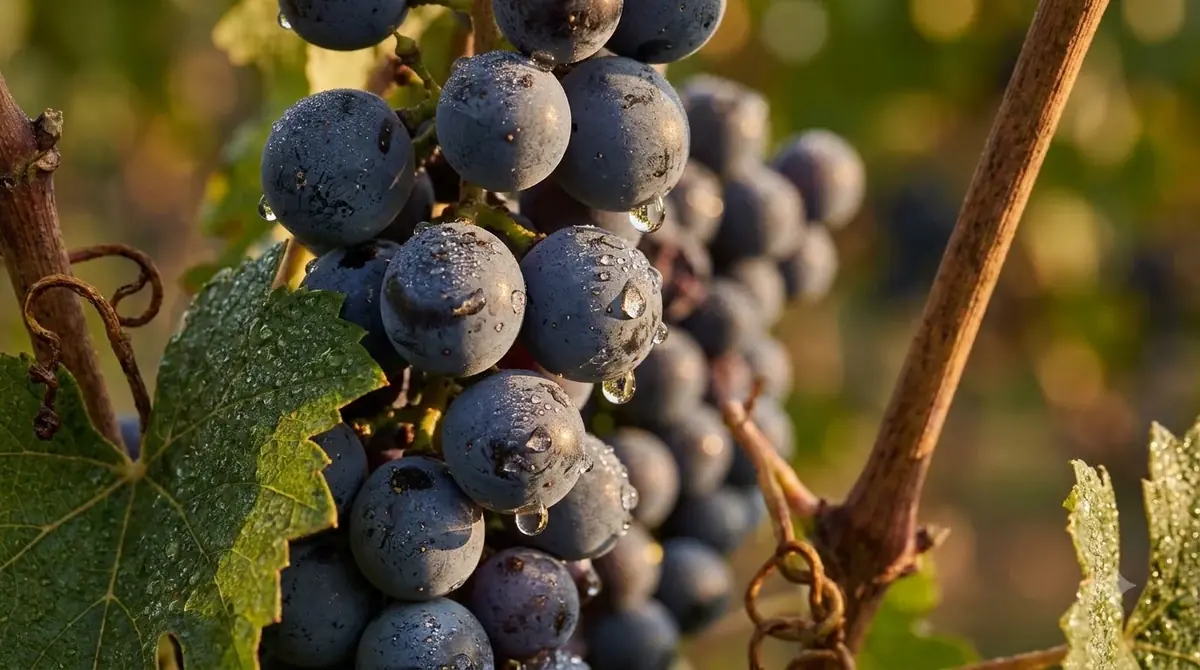
The Western Ghats have an important influence on the area’s weather. Their interaction with the southwest monsoon creates substantial differences in rainfall across the wider Nashik region. The Wine and Spirit Education Trust (WSET) describes rainfall reaching approximately 3,500 millimeters in the Igatpuri area, while some inland subregions receive around 500 millimeters. This contrast helps explain why vineyards in different parts of the region may require different approaches to water management, canopy development, and disease control.
Elevation also contributes to Nashik’s suitability for wine grapes. WSET places Nashik at approximately 600 meters above sea level. The area’s warm daytime conditions and cooler nights can help growers manage ripening while retaining freshness in selected varieties. Soil types and vineyard exposure vary, so it would be misleading to assume that every Nashik wine has the same character.
Several wineries have helped establish the area’s reputation. Sula Vineyards became a major force in the modern Indian wine industry after entering the market in 2000. Its presence helped introduce more consumers to domestically produced wine and established Nashik as a recognizable wine destination.
Other important producers include York Winery, Vallonné Vineyards, and Chandon India. Their different approaches demonstrate the range of wine styles possible in the region. Chandon India, which opened in 2013, is particularly associated with sparkling wine production. Its Chenin Blanc Brut and Syrah-Zinfandel rosé illustrate how Indian producers can adapt international wine styles to locally suitable grapes.
Nashik also benefits from its accessibility. WSET places it approximately 190 kilometers from Mumbai, making it a practical destination for visitors interested in vineyard tours and tasting experiences. Wine tourism has become an important part of the area’s identity, with winery restaurants, accommodation, tasting rooms, and organized visits adding to the agricultural landscape.
Nandi Hills and Karnataka’s Wine-Growing Areas
Karnataka provides India’s second major wine-growing center, with Nandi Hills particularly important to the development of premium domestic wines. Its elevation, seasonal weather patterns, and growing history distinguish it from Nashik and contribute to differences in grape ripening and wine style.
Nandi Hills lies north of Bengaluru, in a region where elevation moderates some of the heat associated with tropical agriculture. WSET describes the Bangalore and southern Karnataka wine-growing area as having an average altitude of approximately 950 meters. This higher elevation creates a different temperature profile from Nashik, which is situated at approximately 600 meters.
One of Karnataka’s early commercial wine pioneers was Kanwal Grover. His experiments with vineyard development and grape varieties during the 1970s helped establish the foundation for modern wine production in the Nandi Hills area. The subsequent development of Grover Vineyards, now associated with Grover Zampa, helped introduce Indian wines to a wider domestic and international audience.
Grover Zampa is known for Cabernet Sauvignon and Bordeaux-style blends. These wines demonstrate how international grape varieties can be cultivated and interpreted in India’s distinctive growing conditions. Rather than simply reproducing European styles, producers have adapted vineyard management and winemaking techniques to local temperatures, seasonal rainfall, and harvest schedules.
Karnataka’s wine-growing geography extends beyond Nandi Hills. Four recognized regional wine appellations identified in a USDA Foreign Agricultural Service report are Nandi Valley, Krishna Valley, Cauvery Valley, and Hampi Hills. The names reflect a broader effort to recognize the state’s different growing areas and their potential for grape cultivation.
Harvest schedules also differ within the state. The USDA report identifies February through March as a typical harvest period in northern Karnataka and March through May in southern Karnataka. These differences reflect regional growing conditions rather than a single national harvest calendar.
For comparison, the Savoie wine region demonstrates another way that varied elevations and vineyard locations can produce distinctive wines within a relatively compact geographical area. Karnataka offers a different climatic context, but the importance of site selection is a useful parallel.
Climate, Monsoons, and Vineyard Management
India’s wine-growing climate differs substantially from the traditional European model. Instead of relying on a cold winter dormancy period, many Indian vineyards operate through a subtropical growing cycle shaped by the summer monsoon and cooler, drier winter months.
The southwest monsoon brings most of the annual rainfall between May and September. During this period, temperatures can remain above 30 degrees Celsius, while some locations experience considerably higher temperatures. The amount of rainfall varies considerably depending on geography, elevation, and proximity to the Western Ghats.
After the monsoon, the weather generally becomes drier. This transition is important because excessive moisture during the growing season can increase fungal disease pressure and complicate vineyard management. Growers must pay close attention to drainage, canopy ventilation, and the timing of vineyard operations.
One distinctive feature of Indian viticulture is that vines generally do not enter the same winter dormancy experienced in temperate regions. WSET explains that quality-focused producers commonly use two pruning periods. One follows the harvest, while another takes place after the monsoon, generally between early August and late September.
This system helps growers manage vine growth around the country’s unusual seasonal pattern. The vines can restart their growing cycle following pruning rather than waiting for a traditional spring awakening. Managing the timing of pruning, flowering, fruit development, and harvesting is therefore essential to maintaining consistent grape quality.
Why elevation matters
Elevation is one of the most important factors influencing the style of Indian wine. Higher vineyard locations can experience cooler temperatures and greater differences between daytime and nighttime conditions. These differences can help grapes retain acidity while developing sufficient ripeness.
Nashik and Nandi Hills illustrate this principle. Nashik’s elevation and local weather patterns can support a variety of international grapes, while the higher Karnataka vineyards offer a different balance of heat and temperature moderation. Individual vineyard exposure, soil drainage, and water availability also influence the final result.
The harvest is generally scheduled during the dry part of the year, although its exact timing depends on the region and grape variety. Nashik’s typical harvest runs from December through March, while Karnataka has regional variations that can extend harvesting into May.
Tip: When comparing Indian wines, pay attention to the producer and vineyard location rather than assuming that all bottles from one state have the same profile. A Chenin Blanc from Nashik and a Cabernet Sauvignon from Nandi Hills represent different grape varieties and growing conditions, even though both come from India.
Important Indian Wine Grapes and Their Styles
Indian wineries grow several internationally recognized grape varieties, with red and white grapes offering different expressions depending on vineyard conditions and winemaking decisions. Shiraz, Cabernet Sauvignon, and Chenin Blanc are particularly useful starting points for anyone exploring the country’s commercial wine styles.
Red wines are commonly made from Shiraz, Cabernet Sauvignon, Merlot, and Pinot Noir. Shiraz, also known as Syrah, can produce dark-fruited wines with peppery or spicy characteristics. Cabernet Sauvignon generally offers more pronounced tannin and structure, while Merlot tends to be softer and more approachable. Pinot Noir usually has lower to medium tannin and higher acidity.
White varieties include Chenin Blanc, Sauvignon Blanc, and Chardonnay. Chenin Blanc is especially interesting because it can produce several different styles depending on ripeness and winemaking. Some examples emphasize fresh citrus and orchard fruit, while others offer richer tropical fruit characteristics or a fuller texture.
Sauvignon Blanc generally offers higher acidity and can show citrus, green fruit, and herbal notes. Chardonnay has medium acidity and can range from fresh, fruit-driven styles to richer wines influenced by oak maturation. These differences give Indian producers opportunities to create several distinct white wine styles.
International grape varieties are not the whole story. India’s broader grape-growing tradition includes indigenous and locally established varieties such as Anabeshi, Arkavati, and Arkashyam. These grapes are part of the country’s agricultural heritage, although they are less prominent in internationally distributed commercial wines than familiar varieties such as Cabernet Sauvignon and Chenin Blanc.
It is also important to distinguish wine grapes from table grapes. APEDA identifies Thompson Seedless as the dominant variety in India’s wider grape-growing industry. Its large presence in commercial grape cultivation does not mean that it is equally important in premium wine production. Table grapes are selected for fresh consumption, while wine grapes are cultivated and harvested with fermentation, acidity, sugar balance, and flavor development in mind.
The following table summarizes important wine varieties and their typical characteristics.
| Grape variety | Color | Typical wine characteristics | Typical acidity or tannin |
|---|---|---|---|
| Shiraz (Syrah) | Red | Dark berries, pepper, spice | Medium-plus to high tannin |
| Cabernet Sauvignon | Red | Blackcurrant, herbs, firm structure | High tannin |
| Merlot | Red | Plum, red fruit, softer texture | Medium, softer tannin |
| Pinot Noir | Red | Red berries, delicate fruit, freshness | Low-medium tannin, high acidity |
| Chenin Blanc | White | Apple, citrus, tropical fruit | Variable, often refreshing acidity |
| Sauvignon Blanc | White | Citrus, herbs, green fruit | High acidity |
| Chardonnay | White | Apple, pear, citrus, possible oak influence | Medium acidity |
These are general grape characteristics, not guarantees about every Indian bottle. Harvest decisions, fermentation temperatures, yeast selection, oak use, and blending can significantly change the finished wine. A fresh, unoaked Chardonnay, for example, may taste quite different from a barrel-fermented version made from the same grape.
Indian Wine Producers and the Development of the Industry
India’s modern wine industry developed through a relatively small number of pioneering producers before expanding into a more varied collection of wineries. Sula Vineyards and Grover Zampa helped establish the country’s commercial reputation, while other producers have contributed to sparkling wine, regional bottlings, and more specialized styles.
Sula Vineyards is one of the most recognizable names associated with Nashik. Its arrival in the market in 2000 marked an important stage in the development of contemporary Indian wine. The company helped increase consumer awareness of domestic wines and contributed to the development of Nashik as a wine tourism destination.
Grover Zampa is closely associated with the early development of Karnataka’s wine industry. Kanwal Grover’s vineyard experiments during the 1970s preceded the wider expansion of commercial production. Its Cabernet Sauvignon and Bordeaux-style blends demonstrate the use of established international grape varieties in an Indian growing environment.
Other producers have helped broaden the country’s range. Fratelli Wines, KRSMA Estates, York Winery, Vallonné Vineyards, and Chandon India are among the names associated with India’s modern wine landscape. Their presence reflects different approaches to vineyard sourcing, grape selection, blending, and production.
Chandon India is a particularly useful example of adaptation to local conditions. Its Nashik sparkling wines include a Chenin Blanc Brut and a Syrah-Zinfandel rosé. Rather than relying exclusively on the traditional Champagne combination of Chardonnay and Pinot Noir, the producer selected varieties suited to its Indian production environment.
For additional historical context, Wine Enthusiast’s exploration of Indian wine history discusses the country’s commercial development, leading producers, and the two principal growing areas.
The industry has also experienced economic and regulatory challenges. Wine producers must manage state-level licensing requirements, distribution systems, taxation, and competition from other alcoholic beverages. These factors can make it difficult for smaller wineries to expand beyond their home markets.
Nevertheless, domestic production has created a distinctive identity. Rather than being defined by a single grape or one uniform style, Indian wine reflects a combination of international winemaking knowledge, local agricultural conditions, and growing consumer interest in wine.
Indian Wine Styles, Food Pairings, and Serving Suggestions
Indian wines can complement a wide range of foods, including traditional Indian dishes and familiar international meals. The best pairing depends on the grape variety, acidity, tannin, sweetness, alcohol level, and intensity of the food.
Chenin Blanc is a useful choice for dishes containing aromatic spices, grilled chicken, and moderately spicy preparations. Its acidity can refresh the palate between bites, while fruit-forward examples can complement the flavors of coriander, ginger, and aromatic herbs. A dry Chenin Blanc is particularly suitable for dishes that are savory rather than sweet.
Sauvignon Blanc also works well with lighter preparations, especially dishes involving herbs, citrus, and fresh vegetables. Its naturally high acidity can match the acidity of lime-based sauces and other tangy ingredients. Grilled fish and herb-seasoned chicken are useful pairing options.
For red wine, Shiraz can complement grilled meats, tandoori lamb, and dishes with roasted spices. Its darker fruit character and more substantial structure can stand up to flavorful preparations. Cabernet Sauvignon is another possibility for grilled beef and lamb, particularly when the dish contains enough protein and fat to soften the wine’s firm tannins.
Merlot offers a softer alternative for roasted meats, tomato-based dishes, and mushroom preparations. Pinot Noir can work with roasted poultry and mushroom-based meals, although its lighter tannin structure makes it less suitable for heavily charred or intensely spicy dishes.
Matching wine with Indian spices
Spice intensity deserves particular attention. Chili heat can feel stronger alongside wines with higher alcohol and more noticeable tannin. For very spicy curries, a fresh, lower-alcohol white wine or an off-dry style may be more comfortable than a powerful Cabernet Sauvignon.
Sweetness also matters. A wine served with a sweet dish should generally be at least as sweet as the dessert. Otherwise, the wine may seem harsh or sour. Fruit-based desserts can work with appropriately sweet sparkling wines or dessert wines, depending on their intensity.
Acidic dishes require wines with equal or higher acidity. Salt and fat can soften the perception of tannin, making structured reds more suitable for certain rich meat dishes. Conversely, oily fish can clash with heavily tannic red wines, so a fresher white wine is usually a better choice.
Serving temperatures
Serving temperature can significantly affect the perception of an Indian wine. Sparkling wines are generally best served between 40 and 50 degrees Fahrenheit. Light whites and rosé benefit from temperatures of 45 to 50 degrees, while fuller-bodied whites are better served at approximately 50 to 55 degrees.
Light reds are generally most enjoyable between 55 and 60 degrees Fahrenheit, while fuller-bodied reds are best served around 60 to 65 degrees. Avoid serving substantial reds excessively warm, as elevated temperatures can make alcohol more noticeable and reduce the impression of freshness.
For young, full-bodied red wines, decanting for approximately 30 to 60 minutes can help soften the initial impression and allow aromas to develop. A standard 750-milliliter bottle provides approximately five 5-ounce servings, making it a practical reference for planning a tasting.
After opening, refrigerate still wines and aim to consume them within approximately three to five days. Sparkling wines generally retain their best qualities for around one to three days with an appropriate stopper. Proper storage is also important: unopened bottles are best kept on their sides in a cool, relatively consistent environment near 55 degrees Fahrenheit.
Frequently Asked Questions
Does India have a geographical indication for wine?
Yes. Nashik Valley Wine is a recognized geographical indication associated with Maharashtra. Its registration followed the earlier Dindori Wines designation, reflecting the broader geographical identity of the area’s wine industry. The designation connects the wine’s origin with a specific production area rather than treating all Indian wine as geographically interchangeable.
When did India join the International Organisation of Vine and Wine?
India joined the International Organisation of Vine and Wine (OIV) in 2011. Membership connected the country with an international organization involved in viticulture, winemaking standards, scientific research, and cooperation among wine-producing nations. It also reflected the growing international recognition of India’s wine industry.
Is Indian wine made exclusively from European grape varieties?
No. Although international varieties dominate many commercially visible Indian wines, the country’s grape-growing heritage includes Anabeshi, Arkavati, and Arkashyam. These indigenous or locally established varieties provide an alternative to the Cabernet Sauvignon, Shiraz, and Chardonnay grapes commonly associated with commercial wine production.
Why do Indian vineyards use two pruning periods?
Many Indian vines do not experience a conventional winter dormancy, so growers must manage their growth around the subtropical seasonal cycle. Two pruning periods help coordinate vine development with the post-harvest period and the transition out of the summer monsoon. This system allows producers to manage the timing of the next growing season more deliberately.
Can Indian wines be found in international markets?
Yes. Indian wines have been exported to international markets, although availability varies by country, importer, and producer. Sula, Grover Zampa, and KRSMA are among the Indian producers identified by Wine Enthusiast as having wines available in the United States. Distribution can differ significantly between metropolitan wine markets and smaller retail locations.
India’s wine industry is defined by its contrasting growing areas, distinctive monsoon-influenced vineyard calendar, and growing range of international and locally established grape varieties. Nashik and Nandi Hills remain the most useful starting points for understanding the country’s modern wine identity, while producers such as Sula, Grover Zampa, and Chandon India illustrate its diversity. Exploring Indian wines offers an opportunity to discover a developing wine culture shaped by its own geography, agricultural traditions, and winemaking choices.
More in Wine Regions
 Willcox Wine Trail: Discover Arizona’s High-Elevation Wine CountryUpdated Nov 20, 2026
 Yakima Valley Wine Region: Find the Best Styles to TryUpdated Nov 20, 2026
 Vosne Romanee Wine Tasting: Identify Aromas and Choose Better PairingsUpdated Nov 20, 2026
 Yakima Valley Wine Festival: Find the Best Seasonal Wine EventsUpdated Nov 20, 2026
 Wales Vineyards: Discover Cool-Climate Wines and Where to VisitUpdated Nov 20, 2026
 Yountville Wine Festival: Discover Napa Wines and Local FoodUpdated Nov 20, 2026