

We may earn a commission when you buy through links on this page, at no extra cost to you. Learn more.
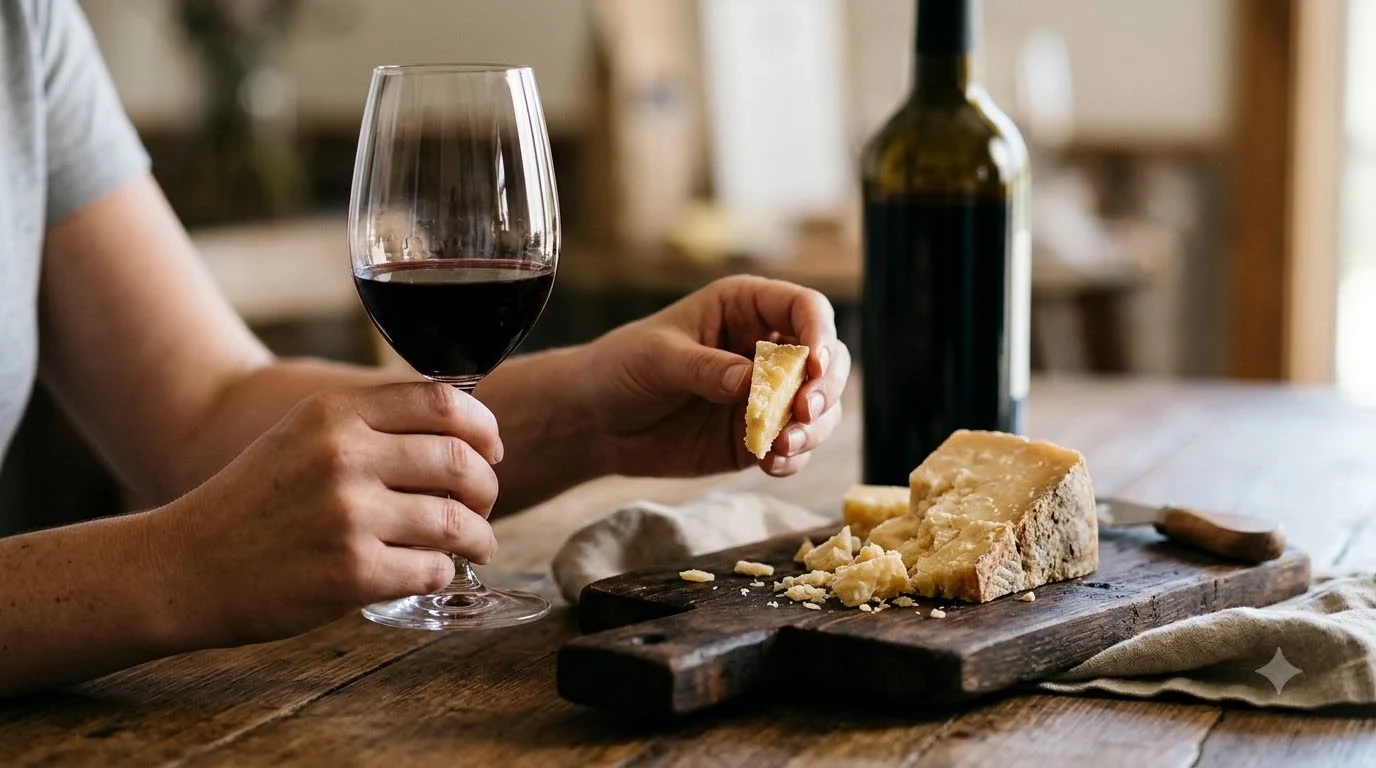
Taurasi wine is a dry, full-bodied red from southern Italy, made mainly from the Aglianico grape in the Campania region. It is known for firm tannin, high acidity, and dark fruit with savory notes such as smoke, black pepper, and dried herbs. Because the wine is structured, it is usually drunk with food and often rewards several years of cellaring before the bottle opens up.
This guide explains what Taurasi tastes like, why the Aglianico grape matters so much, how to serve the wine, and what to pair it with. It is written for someone who has seen the name on an Italian wine list and wants to know whether it is worth ordering or buying.
What Taurasi is and where it comes from
Taurasi is a red wine made in Campania, a region in southern Italy around Naples. The name is tied to a specific set of hillside vineyards, and Italian law treats it as a protected designation of origin, which means the grapes and the production area must follow set rules. For a buyer, the label is the easiest way to confirm that you are getting the real thing rather than a generic Aglianico.
The wine is almost always made from Aglianico alone. That single-grape focus is one reason Taurasi is so recognizable. A bottle from a good producer shows the grape’s structure clearly, so the wine tends to taste like its place even when it comes from a different vintage or winery.
The Aglianico grape behind Taurasi
Aglianico is the grape that gives Taurasi its character. Wine Folly’s Aglianico guide describes it as a red grape popular in southern Italy, with flavors of black cherry, white pepper, smoke, game, and spiced plum. It is full-bodied and bone-dry, with high tannins and medium-high acidity. Those three features are the core of the style: the fruit is there, but the structure is what you notice first.
In the glass, a young Taurasi can taste tight and tannic, with the fruit held back behind the grip. With time, the tannins soften and the aromas move toward dried fruit, leather, and earth. That change is the reason many people buy a bottle now and open it several years later rather than drinking it at once.
Taurasi styles and how to read the label
Taurasi is sold in a few styles. Standard bottlings are released earlier and tend to be fresher and easier to drink. Riserva versions are aged longer before release, which usually makes them denser and more complex. Both styles can be good, but the riserva is the one to choose when you want a wine to keep or to serve with a special meal.
Producers in the area also differ in how they handle oak. Some age the wine in large casks that keep the fruit forward, while others use smaller barrels that add spice and a more polished texture. Neither approach is better by default. Read the producer’s notes or ask the shop which style they prefer, so you know whether to expect a fresher or a more structured bottle.
Look at the vintage on the label as well. Aglianico vintages vary with the weather, and a cool, slow growing season often gives a wine with more structure and a longer life. If you cannot find vintage details, ask the shop which year is in stock and whether the producer has a reputation for aging.
| Feature | What to expect in Taurasi | What it means at the table |
|---|---|---|
| Body | Full and dry | Pairs with rich, substantial dishes |
| Tannin | High | Softens with food and with age |
| Acidity | Medium-high | Keeps the wine lively next to fatty meat |
| Flavor | Black cherry, pepper, smoke, plum | Good match for grilled and braised dishes |
Tip: If a young bottle tastes harsh, decant it for an hour before serving. The air softens the tannins and opens the aromas.
How to serve Taurasi
Wine Folly suggests serving Aglianico at 15 to 20 degrees Celsius, which is 60 to 68 degrees Fahrenheit, and using an oversized glass. That range is cool enough to keep the wine from tasting heavy and warm enough to let the aromas show. A glass with a wide bowl gives the wine room to open, which is helpful for a red this structured.
Give a young Taurasi an hour in a decanter if you can. Older bottles often need less time, and a very old wine can be poured gently with a few minutes in the glass rather than a long decant, since the fruit can fade quickly once it has been exposed to air. Store the bottle lying on its side in a cool place until you are ready to open it.
Food pairing with Taurasi
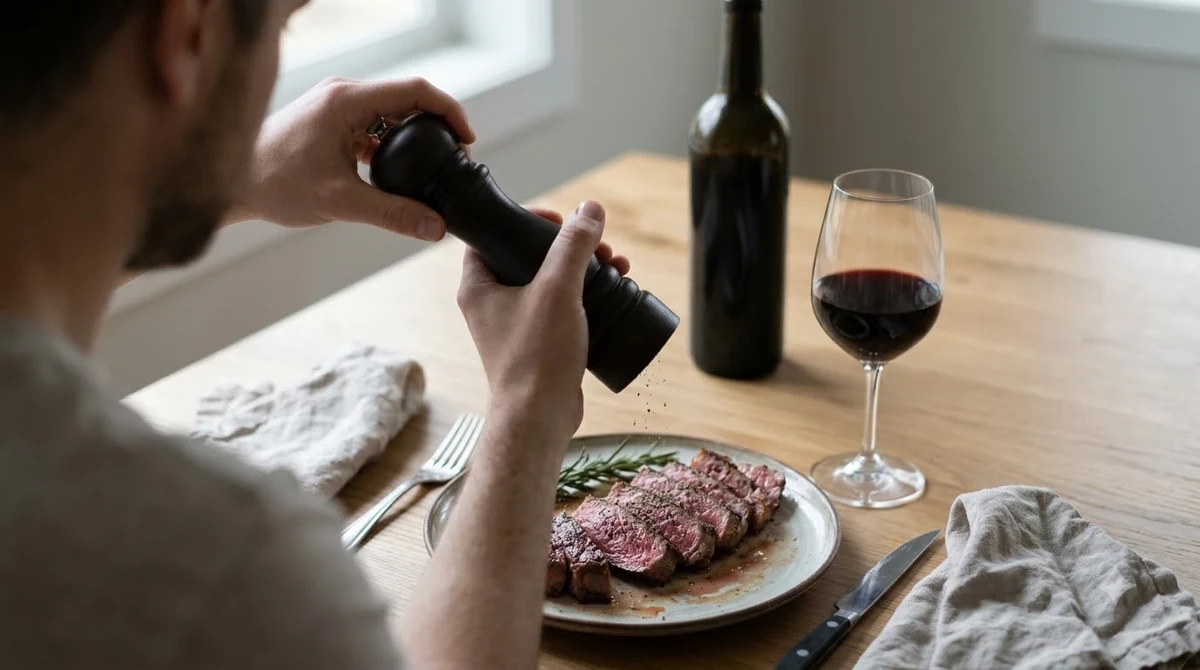
Taurasi suits dishes with real richness. Braised meats, slow-cooked stews, roasted lamb, and aged cheeses all work well, because the wine’s tannins can handle fat and protein. Wine Folly also lists gamey dishes and grilled barbecue as natural partners for Aglianico, which fits the wine’s smoky, savory side.
For a simpler meal, try Taurasi with a plate of grilled sausage, roasted peppers, or a mushroom pasta with plenty of olive oil. Avoid very light or delicate food, since the wine can overwhelm it. When the dish is rich and the sauce is savory, the wine tends to show its best.
Buying and cellaring Taurasi
Taurasi is often sold through Italian wine shops and specialty importers, so you may need to look for it in a store that focuses on Italian bottles. Price and availability vary by vintage, and it is not always stocked at larger chain stores. If you plan to keep a bottle, buy it from a shop that stores its stock properly, because heat and light are harder on structured reds than on fresh whites.
If you are buying for a dinner, plan a bottle a little ahead rather than at the last minute. A wine this structured benefits from being opened early and given time to breathe, and it is also easier to decant calmly the night before a meal than to rush it on the table. Keep one bottle of a young vintage for near-term drinking and a second for a later occasion, so you can compare how the wine changes.
For cellaring, a standard Taurasi can be enjoyed for several years after release, and a riserva often needs longer. Keep a note of when you bought the bottle so you can judge when it is ready. A younger wine will show more fruit and grip, while a mature bottle tends to be softer and more savory.
Frequently Asked Questions
What does Taurasi taste like?
Taurasi is dry and full-bodied, with black cherry, plum, black pepper, and smoky notes. It has high tannin and medium-high acidity, so it tastes structured when young and softer and more savory as it ages.
Is Taurasi the same as Aglianico?
No. Aglianico is the grape, and Taurasi is a wine made from Aglianico in a specific area of Campania under Italian rules. Other Aglianico wines exist, but the Taurasi name tells you where the grapes come from and how the wine is made.
Should I decant Taurasi?
Yes, especially for a young bottle. An hour in a decanter helps soften the tannins and open the aromas. Very old bottles need less time because they can lose their fruit quickly after exposure to air.
What food goes best with Taurasi?
Rich dishes work best, including braised meats, roasted lamb, grilled sausage, and aged cheeses. The wine’s tannin and acidity handle fat well, so it is a good choice for hearty meals.
If you want to learn more about how Aglianico behaves across styles, the Aglianico guide is a useful next read. For more regional wine ideas, browse the wine regions guide and compare Taurasi with other structured reds, such as the bottles from the Douro wine country in Portugal.
More in Wine Regions
 Willcox Wine Trail: Discover Arizona’s High-Elevation Wine CountryUpdated Nov 20, 2026
 Yakima Valley Wine Region: Find the Best Styles to TryUpdated Nov 20, 2026
 Vosne Romanee Wine Tasting: Identify Aromas and Choose Better PairingsUpdated Nov 20, 2026
 Yakima Valley Wine Festival: Find the Best Seasonal Wine EventsUpdated Nov 20, 2026
 Wales Vineyards: Discover Cool-Climate Wines and Where to VisitUpdated Nov 20, 2026
 Yountville Wine Festival: Discover Napa Wines and Local FoodUpdated Nov 20, 2026