

We may earn a commission when you buy through links on this page, at no extra cost to you. Learn more.
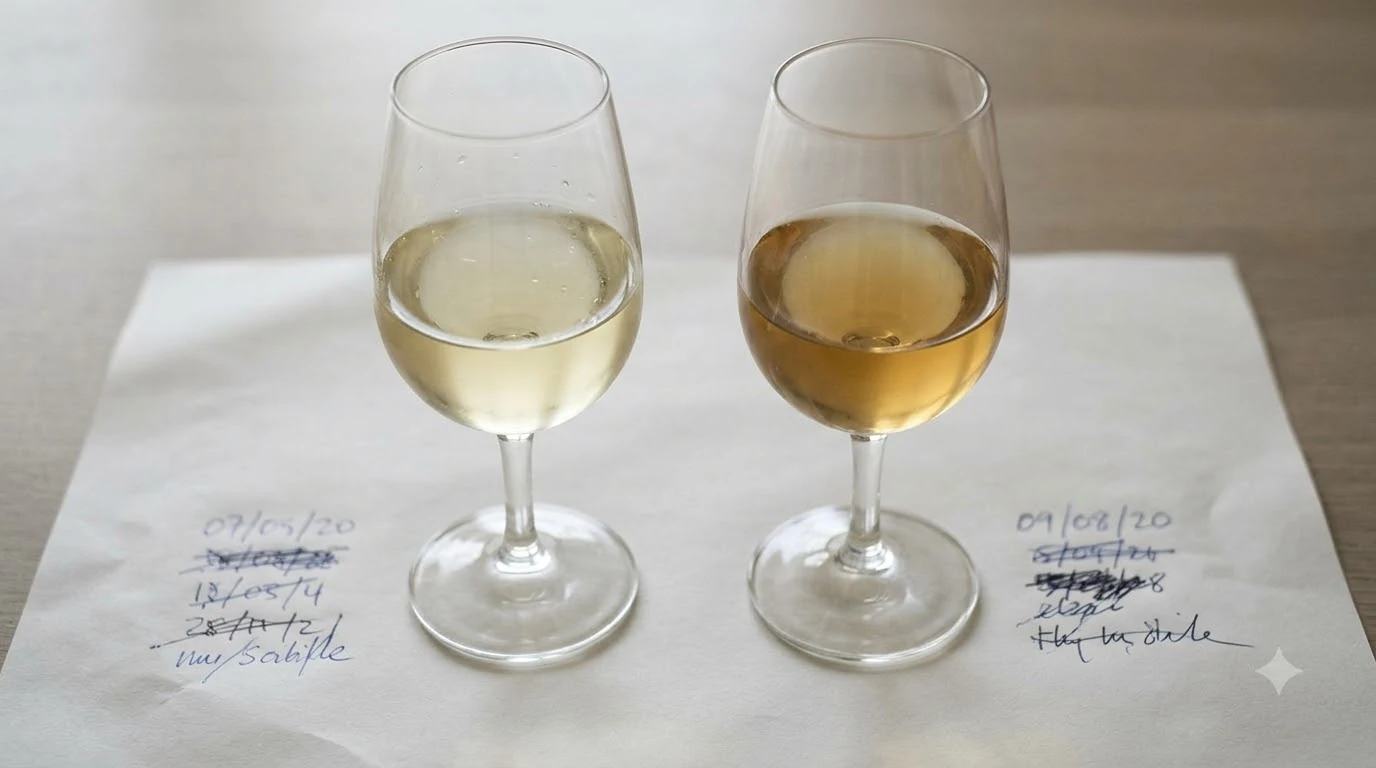
Hermitage wine tasting reveals some of the northern Rhône Valley’s most distinctive wines, from powerful, age-worthy Syrah reds to rich, aromatic whites made with Marsanne and Roussanne. Located on a celebrated hillside overlooking the Rhône River, Hermitage combines varied soils, south-facing vineyards, and traditional winemaking expertise. Understanding its grape varieties, vineyard sites, aromas, and aging potential helps wine drinkers recognize what makes this small French appellation special.
Hermitage is one of the northern Rhône’s most respected wine appellations, but its reputation extends beyond its powerful red wines. Its white wines offer an equally interesting tasting experience, with richness, floral aromas, and impressive complexity. Whether you are attending a professional tasting, exploring French wine for the first time, or comparing bottles from different producers, learning how to assess Hermitage makes each glass more rewarding. This guide explains the region’s characteristics, the differences between its red and white wines, and practical techniques for tasting and pairing them.
Where Hermitage Wine Comes From and What Makes the Appellation Special
Hermitage comes from a relatively small hillside vineyard in the northern Rhône Valley of southeastern France. Its south-facing slopes, varied geology, and proximity to the Rhône River help produce wines with remarkable concentration and distinctive regional character.
The appellation lies on the eastern bank of the Rhône, directly opposite the vineyards of Saint-Joseph. Its principal vineyard area rises above Tain-l’Hermitage, with vineyards also associated with Larnage and Crozes-Hermitage in the Drôme department. The hillside is approximately 137 hectares, making Hermitage considerably smaller than many internationally recognized wine regions.
Hermitage received its AOC designation in 1937. Its reputation developed through centuries of wine production, and its wines became associated with concentrated flavors, structure, and long aging potential. The combination of a limited vineyard area and distinctive growing conditions gives the appellation an identity that is easy to recognize once you have tasted several examples.
The south-facing exposure is particularly important. Vines receive considerable sunshine, encouraging the grapes to ripen fully. The hillside is also relatively sheltered from the northerly Mistral wind, although the wind remains an important influence on the broader Rhône Valley climate.
The surrounding landscape is another reason to explore Hermitage through wine tourism. Tain-l’Hermitage provides a convenient base for visiting local wine establishments, exploring the riverside, and learning about northern Rhône winemaking. Across the river, Tournon-sur-Rhône offers a different perspective of the hillside and its terraces.
Hermitage should also be distinguished from neighboring Crozes-Hermitage. Both appellations produce Syrah-based reds and Marsanne-Roussanne whites, but Crozes-Hermitage covers a much larger area with a broader range of vineyard conditions. Hermitage is particularly associated with its steep, south-facing hillside and concentrated expressions of its principal grape varieties.
For a broader understanding of French regional wine classifications, exploring the wider collection of Wine Regions can help put Hermitage into context alongside other established appellations.
Hermitage Terroir: Understanding the Vineyard Sites
Hermitage’s terroir is one of its most important tasting characteristics because different sections of the hillside contain different soils and exposures. Granite, limestone, loess, gravel, and clay all contribute to the variety of wine styles found within this relatively compact appellation.
The western part of the hillside is particularly associated with granite. Les Bessards is one of its best-known vineyard areas, producing grapes that contribute structure and concentration to red Hermitage. The rocky conditions and slope influence the way vines access water and nutrients, creating growing conditions distinct from those found elsewhere on the hill.
The central section includes Le Méal, a notable site with limestone and flint soils covered by rounded stones. Its south-facing vineyards receive abundant sunshine, encouraging ripe fruit characteristics. Wines associated with this area can show generous fruit, concentration, and a distinctive sense of warmth.
Les Greffieux occupies another part of the central hillside. Its soils have been shaped by erosion and are relatively fertile compared with the more rugged western granite areas. The eastern portion includes Les Murets and Les Dionnières, where clay soils and gentler slopes contribute to a different growing environment.
At higher elevations, patches of loess add another geological element. Near the base of the slope, gravelly clay and alluvial deposits create further variations. These differences explain why two Hermitage wines made from the same grape variety can have noticeably different textures and aromatic profiles.
Traditionally, many producers combined grapes from several vineyard sites to create a balanced appellation-level wine. This approach remains important, particularly for producers who want to express the broader identity of the hillside rather than emphasize one individual parcel.
Single-vineyard bottlings offer another way to explore Hermitage. Producers including M. Chapoutier and Delas have helped bring greater attention to wines associated with specific vineyard sites. Comparing a Les Bessards bottling with a wine from Le Méal can demonstrate how soil, exposure, and vineyard location influence the finished wine.
Tip: When tasting two Hermitage wines side by side, compare their vineyard origins before evaluating their aromas. A granite-associated Les Bessards wine and a Le Méal bottling can offer useful contrasts in structure, ripeness, and texture even when both are made predominantly from Syrah.
These geological differences are also useful when comparing Hermitage with other wine regions. For example, Bolgheri wine tasting provides an opportunity to explore how Mediterranean coastal conditions and Tuscan soils influence wines made from different grape varieties.
Red and White Hermitage: Grapes and Wine Styles
Hermitage produces two principal wine styles: structured red wines based on Syrah and full-bodied white wines made from Marsanne and Roussanne. Red wine represents approximately 70% of production, while white wine accounts for about 30%, making both styles important parts of the appellation’s identity.
Red Hermitage and Syrah
Syrah is the defining grape of red Hermitage. It produces deeply colored wines with firm tannins, concentrated fruit, and savory characteristics. Typical aromas include blackberry, black plum, black olive, violet, black pepper, and dried herbs.
In younger wines, the fruit is often prominent. You may notice ripe blackberry, dark cherry, and plum alongside peppery spice. The tannins can feel firm and gripping, particularly in concentrated examples from producers who emphasize structure and long-term aging.
As red Hermitage matures, its character changes. Fresh fruit aromas become less dominant, while leather, roasted meat, dried leaves, earth, and truffle can become more noticeable. The tannins generally soften, and the wine develops a more integrated texture.
Appellation regulations allow up to 15% Marsanne and/or Roussanne in red Hermitage, although many modern bottlings are made entirely from Syrah. This allowance reflects traditional practices in the northern Rhône, where small quantities of white grapes have historically been used alongside red grapes.
White Hermitage and Its Two Grapes
White Hermitage is produced from Marsanne and Roussanne, either individually or as a blend. Marsanne generally contributes body, texture, and generous fruit, while Roussanne adds aromatic complexity and floral character.
White Hermitage is usually dry, full-bodied, and more substantial than many lighter French white wines. Its aromas can include apricot, peach, quince, honeysuckle, acacia, almond, and subtle herbal notes. Some bottles also develop honeyed and nutty characteristics with age.
The texture is an important part of the experience. Rather than relying entirely on sharp acidity, white Hermitage often impresses through its weight, richness, and layered aromatic profile. Oak aging can add additional notes of spice and toasted nuts, depending on the producer’s approach.
Although white Hermitage is less widely recognized than its red counterpart, it deserves serious attention during a regional tasting. Decanter’s coverage of white Hermitage wine and its producers highlights its distinctive character, food versatility, and ability to develop complexity over time.
Comparing the Two Styles
| Characteristic | Red Hermitage | White Hermitage |
|---|---|---|
| Principal grapes | Syrah | Marsanne and Roussanne |
| Production share | Approximately 70% | Approximately 30% |
| Typical color | Deep ruby to garnet | Straw to golden yellow |
| Primary aromas | Blackberry, plum, pepper, violet | Apricot, peach, flowers, almond |
| Texture | Full-bodied, structured, tannic | Full-bodied, rich, rounded |
| Aging potential | Up to 30 years for outstanding examples | 10–20 years or longer for leading examples |
| Typical food pairing | Lamb, beef, game, roasted vegetables | Lobster, poultry, mushrooms, rich fish |
The percentages describe approximate production shares rather than fixed annual quantities. Actual proportions vary with harvest conditions and individual producers. Similarly, aging potential depends on vintage, vineyard site, winemaking, and storage rather than grape variety alone.
How to Conduct a Hermitage Wine Tasting
A successful Hermitage tasting focuses on appearance, aroma, structure, and finish rather than simply identifying fruit flavors. Tasting several wines in a consistent order helps reveal differences between young and mature bottles, individual producers, and red and white styles.
1. Begin with Appearance
Pour a small amount into a clean wine glass and observe its color against a white background. Young red Hermitage generally displays deep ruby or purple-red tones. With maturity, the color can develop garnet and tawny edges.
White Hermitage often appears straw yellow or golden. Older examples may show deeper golden hues, particularly when they have developed through bottle aging. Color provides useful information about maturity, although it should never be treated as a definitive indicator of quality.
2. Evaluate the Aromas
Start by smelling the wine without swirling. This initial impression can reveal delicate floral or fruit aromas that might become less obvious after aeration. Then swirl the glass gently and smell again.
For red Hermitage, look for blackberry, black plum, black pepper, violet, black olive, and dried herbs. With older wines, consider whether the aromas have moved toward leather, earth, roasted meat, or truffle.
For white Hermitage, look for apricot, peach, quince, almond, honeysuckle, and acacia. Notice whether the wine has a fresh fruit profile or a more developed combination of honeyed, nutty, and savory aromas.
3. Assess the Palate
Take a moderate sip and allow the wine to coat your palate. Evaluate its body, acidity, tannins, alcohol impression, and overall balance. Red Hermitage commonly has firm tannins, concentrated dark fruit, and a persistent finish.
Pay particular attention to the difference between fruit concentration and tannin intensity. A wine can have abundant blackberry flavor while still feeling firm and structured. In a mature bottle, the tannins may be more integrated, producing a smoother sensation without necessarily making the wine less powerful.
White Hermitage requires a different assessment. Consider its texture, aromatic persistence, and relationship between richness and freshness. Marsanne-dominant examples can feel particularly broad and substantial, while Roussanne can contribute additional aromatic definition.
4. Compare the Finish
The finish is the impression that remains after swallowing or spitting the wine. Quality Hermitage can maintain its aromas for a considerable time, with fruit, spice, mineral impressions, or savory notes continuing to develop.
Compare the length of the finish between different producers. One wine may emphasize pepper and dark fruit, while another offers more floral complexity and earthy characteristics. Neither style automatically indicates superiority; the goal is to understand the differences.
For a structured tasting, use the following sequence:
- Begin with a younger white Hermitage.
- Move to a richer or more mature white example.
- Taste a younger red Hermitage to understand its fruit and tannins.
- Compare it with a mature red bottle.
- Finish with a particularly complex or single-vineyard example.
This progression helps prevent the stronger structure of red wines from overwhelming the more delicate aromas of white wines. If the tasting includes several powerful reds, take short breaks and drink water between samples.
Serving Temperature, Glassware, and Aging Hermitage
Serving temperature and proper preparation can significantly influence how Hermitage expresses its aromas and texture. Red and white examples benefit from different temperatures, while mature bottles require careful handling to preserve their complexity.
Recommended Serving Temperatures
Full-bodied red Hermitage is best served around 60–65°F. This temperature range allows the wine to express its dark fruit, spice, and savory aromas without making the alcohol seem excessively prominent.
White Hermitage is generally best served around 50–55°F. Serving it too cold can suppress its floral and fruit characteristics, while excessive warmth can make its rich texture feel heavy.
The following temperatures provide a useful reference for a tasting session:
| Wine style | Serving temperature |
|---|---|
| Full-bodied red Hermitage | 60–65°F |
| Full-bodied white Hermitage | 50–55°F |
| Light-bodied red wines | 55–60°F |
| Light white wines | 45–50°F |
| Sweet white wines | 43–50°F |
| Sparkling wines | 40–50°F |
Choosing Glassware
A medium-to-large wine glass with a bowl that narrows slightly toward the rim works well for red Hermitage. The bowl provides room to swirl the wine and collect its aromas, making it easier to identify blackberry, violet, pepper, and savory notes.
White Hermitage also benefits from a glass with enough room to develop its aromatic profile. A medium-sized white wine glass is suitable, although a larger bowl can be useful for particularly complex or mature examples.
Decanting and Bottle Preparation
Young, full-bodied red Hermitage can benefit from approximately 30–60 minutes of decanting. Exposure to air may help soften the initial impression of firm tannins and reveal additional aromatic layers.
Older bottles require more caution. Sediment can accumulate during extended bottle aging, particularly in mature red wines. Stand an older bottle upright before opening when practical, then pour slowly to separate the clear wine from the sediment.
White Hermitage does not automatically require extensive decanting. Some younger examples may benefit from a short period of aeration, but prolonged exposure to air is not necessary for every bottle.
How Long Can Hermitage Age?
Outstanding red Hermitage can develop for approximately 20–30 years or longer under suitable cellar conditions. Younger bottles often emphasize dark fruit and firm structure, while mature examples can reveal leather, earth, truffle, and roasted meat characteristics.
White Hermitage is also capable of extended aging. Many examples are enjoyable upon release, but leading wines can develop for 10–20 years or longer. Their evolution can bring additional honeyed, nutty, floral, and savory complexity.
For storage, maintain a stable environment near 55°F, away from direct sunlight and significant temperature fluctuations. Bottles with natural cork closures are generally stored on their sides to keep the cork from drying out.
Food Pairings That Bring Out Hermitage’s Character
Hermitage works particularly well with dishes that match its concentration and texture. Red examples are natural partners for roasted meats and savory preparations, while white Hermitage complements rich seafood, poultry, and dishes with creamy or nutty components.
Pairing Red Hermitage
Red Hermitage has firm tannins, substantial body, and concentrated dark fruit. These characteristics make it a strong partner for lamb, beef, venison, and other richly flavored meats.
Roast lamb with rosemary is a classic option. The savory meat and herbal seasoning complement the wine’s dark fruit, pepper, and dried herb characteristics. Beef short ribs, grilled steak, and slow-cooked beef also work well because their richness provides a suitable match for the wine’s tannic structure.
For a more traditional French-inspired meal, consider roasted game birds, mushroom dishes, or beef prepared with herbs and a reduced wine sauce. Mature red Hermitage can be especially appealing with slow-cooked preparations that emphasize earthy and savory flavors.
Salt and fat help soften the perception of tannin. This is why fatty cuts of beef, lamb, and richly prepared meat dishes can work so effectively with structured Syrah.
Pairing White Hermitage
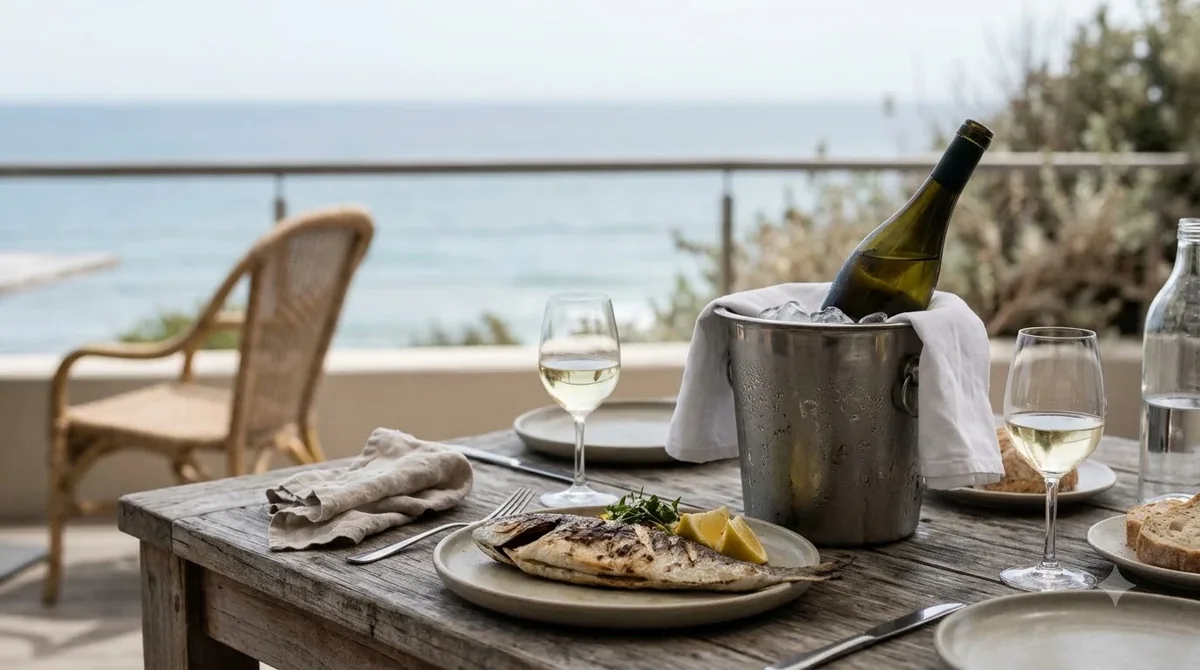
White Hermitage has the body and aromatic richness to accompany substantial dishes. Roast chicken, lobster, scallops, creamy mushroom preparations, and rich freshwater fish are all useful options.
For a simple pairing, serve white Hermitage with roast chicken and a mushroom sauce. The wine’s rounded texture complements the dish, while its fruit and floral notes provide aromatic contrast.
Lobster with butter is another attractive choice. The natural richness of the seafood matches the wine’s weight, while the wine’s aromatic complexity prevents the pairing from feeling one-dimensional.
White Hermitage can also work with moderately spiced dishes, particularly those featuring cream, herbs, or aromatic ingredients. Avoid excessive chili heat, since high alcohol can amplify the sensation of spice.
Pairing Considerations
When planning a tasting menu, consider how the seasoning and texture of food influence the wine. Strong acidity in a dish needs a wine with equal or higher acidity, while heavily salted and fatty ingredients can make tannic red wines feel softer.
Very spicy food requires particular care with powerful red Hermitage. Chili heat can be amplified by alcohol and tannin, making a heavily peppered or spicy preparation less comfortable alongside a young, structured Syrah.
Oily fish is generally better suited to white Hermitage than tannic red wine. A mature white example can complement salmon or other rich fish dishes, especially when prepared with herbs, butter, or a creamy sauce.
For dessert, select a wine at least as sweet as the dish. Dry Hermitage is not generally the appropriate choice for very sweet desserts, although a savory cheese course or a less-sweet nut-based preparation may provide an interesting alternative depending on the wine.
Producers to Explore and Planning a Hermitage Tasting
Comparing producers is one of the most rewarding ways to understand Hermitage. Differences in vineyard holdings, blending decisions, fermentation, oak treatment, and aging practices create distinctive interpretations of the same appellation.
Domaine Jean-Louis Chave is among the best-known names associated with Hermitage. Its traditional approach emphasizes blending across vineyard sites to produce a wine that reflects the broader hillside. Comparing different vintages can help demonstrate how the producer’s style develops over time.
M. Chapoutier is another important name to recognize. The producer is particularly associated with single-vineyard expressions, allowing drinkers to compare the characteristics of individual sites. Bottlings associated with locations such as Le Méal and L’Ermite offer useful examples of how vineyard origin influences wine style.
Domaine Marc Sorrel is also a respected Hermitage producer. Its wines provide another perspective on the appellation, particularly when tasted alongside bottles from Chave or Chapoutier.
Other names worth investigating include Domaine Yann Chave, Domaine Bernard Faurie, Domaine Fayolle Fils & Fille, Delas, and Ferraton Père & Fils. Their wines can help broaden a tasting beyond the most internationally recognized producers.
How to Organize a Comparative Tasting
A focused tasting does not need a large collection of bottles. Four wines can provide an excellent introduction if they represent different styles and vineyard origins.
- Wine one: A younger red Hermitage, showing fresh dark fruit and firm tannins.
- Wine two: A mature red Hermitage, highlighting the development of leather, earth, and savory aromas.
- Wine three: A Marsanne-dominant white Hermitage, demonstrating richness and texture.
- Wine four: A white Hermitage with a different producer or blend, showing another interpretation of the appellation.
Record the producer, vintage, vineyard designation, grape composition when available, serving temperature, and your impressions of each wine. These notes make it easier to identify patterns when tasting additional bottles.
Visiting the Hermitage Area
Tain-l’Hermitage is a useful starting point for exploring the appellation. Its position below the hillside makes it convenient for learning about the vineyards and discovering the local wine culture. The surrounding area also provides opportunities to explore other northern Rhône appellations.
Before arranging a visit, contact individual producers to establish whether they accept visitors, whether appointments are required, and which wines are available for tasting. Access and tasting arrangements vary between estates, so an advance booking is preferable to assuming that every cellar door operates on a walk-in basis.
Consider allowing time for a view of the hillside from across the Rhône in Tournon-sur-Rhône. Seeing the south-facing slopes helps explain the relationship between vineyard exposure, elevation, and the surrounding river landscape.
If your wine itinerary includes other regions, comparing Hermitage with Alsace wine tasting offers an interesting contrast between the Rhône’s concentrated Syrah and Marsanne-based wines and Alsace’s aromatic white varieties. Alternatively, Willcox wine tasting provides a way to explore a different wine-growing environment in Arizona.
Frequently Asked Questions
Is Hermitage wine the same as Crozes-Hermitage?
No. Hermitage and Crozes-Hermitage are separate northern Rhône appellations with different vineyard boundaries and production areas. Crozes-Hermitage covers 11 communes and has a substantially larger vineyard area, while Hermitage is concentrated on its famous hillside above Tain-l’Hermitage.
Why is Hermitage sometimes spelled Ermitage?
Ermitage is an alternative spelling that appears on certain wine labels and historical references. Some producers use the spelling in their individual cuvée names, including the Chapoutier L’Ermite vineyard wine. The spelling does not automatically indicate a different wine-growing region or a separate appellation.
Can Hermitage wine be made using organic or biodynamic methods?
Yes. Individual Hermitage producers can adopt organic or biodynamic vineyard practices, depending on their agricultural philosophy and certification choices. M. Chapoutier is particularly associated with biodynamic viticulture, and its vineyard-specific bottlings provide an opportunity to explore the relationship between farming practices and site expression.
Does Hermitage produce sweet wine?
Most Hermitage is dry, but a small quantity of sweet white vin de paille is also produced. This style is made from grapes that have undergone drying, concentrating their sugars and flavors. It is considerably less common than the appellation’s traditional dry red and white wines.
What is the historical story behind the name Hermitage?
Local tradition connects the name with the medieval knight Gaspard de Stérimberg, who is said to have established a hermitage on the hillside after returning from the Crusades in 1224. The story is closely associated with the area’s identity and is one reason the vineyard hill has such a distinctive historical reputation.
Hermitage offers a rewarding introduction to the depth and diversity of northern Rhône wine, combining structured Syrah reds with distinctive Marsanne and Roussanne whites. A comparative tasting of different producers, vineyard sites, and vintages is an excellent way to understand how the hillside shapes each wine. Start with both colors, take careful tasting notes, and allow the wines enough time in the glass to reveal their character.
More in Wine Regions
 Willcox Wine Trail: Discover Arizona’s High-Elevation Wine CountryUpdated Nov 20, 2026
 Yakima Valley Wine Region: Find the Best Styles to TryUpdated Nov 20, 2026
 Vosne Romanee Wine Tasting: Identify Aromas and Choose Better PairingsUpdated Nov 20, 2026
 Yakima Valley Wine Festival: Find the Best Seasonal Wine EventsUpdated Nov 20, 2026
 Wales Vineyards: Discover Cool-Climate Wines and Where to VisitUpdated Nov 20, 2026
 Yountville Wine Festival: Discover Napa Wines and Local FoodUpdated Nov 20, 2026