

We may earn a commission when you buy through links on this page, at no extra cost to you. Learn more.
Hawkes bay wine tasting introduces visitors to New Zealand’s second-largest wine region, known for elegant Syrah, full-bodied Chardonnay, and structured Bordeaux-style red blends. Located on the east coast of New Zealand’s North Island, Hawke’s Bay combines a warm growing season, cooling Pacific breezes, and varied vineyard soils. Visitors can explore historic wineries around Taradale, gravel-soil vineyards in Gimblett Gravels, and coastal producers near Te Awanga while enjoying local food and scenic countryside.
Hawke’s Bay offers a particularly rewarding experience for wine enthusiasts who want to understand how vineyard location influences wine style. Instead of concentrating on a single grape variety, the region produces an impressive range of reds and whites, from peppery Syrah and rich Chardonnay to aromatic Pinot Gris and age-worthy Cabernet Sauvignon blends. Its cellar doors also vary considerably, ranging from historic winery buildings to contemporary tasting rooms and family-operated vineyards. A little planning makes it possible to compare several distinct expressions of the region during one visit.
Why Hawke’s Bay Is One of New Zealand’s Essential Wine Destinations
Hawke’s Bay combines a long growing season with coastal moderation, making it particularly suitable for varieties that need time to develop ripe flavors. Its reputation rests on quality red blends, Syrah, and Chardonnay, although its aromatic whites provide another compelling reason to explore the region.
Wine production began here in 1851, when Marist missionaries planted the first vines. The region subsequently developed into one of New Zealand’s most important wine-producing areas. According to New Zealand Wine, Hawke’s Bay is the country’s second-largest wine region, with a significant international reputation for both red and white wines. Its established wine culture includes historic estates, smaller family-run producers, and modern cellar doors.
The climate explains much of the region’s success. Long, warm summers allow grapes to ripen fully, while cool coastal breezes moderate temperatures and help maintain freshness. Relatively low rainfall during the growing season also supports reliable grape development. The surrounding high country provides additional protection from weather extremes, creating conditions that suit a variety of grape-growing environments.
Geography is equally important. The region contains coastal vineyards, river valleys, hillsides, and broad alluvial plains, each offering different combinations of soil, elevation, exposure, and temperature. These conditions help explain why a Chardonnay from a coastal vineyard may differ considerably from one grown farther inland.
According to the Hawke’s Bay Wine Association, the region grows 38 wine varieties. Its major plantings include approximately 1,060 hectares of Chardonnay, 1,011 hectares of Sauvignon Blanc, and 975 hectares of Merlot. These figures illustrate the diversity behind a destination often associated primarily with red wines.
Visitors interested in understanding regional differences can also explore the broader Wine Regions collection, which explains how climate, geography, and grape selection shape wine styles in different parts of the world.
The Main Wine Districts and Their Distinctive Terroir
Hawke’s Bay contains five broadly defined growing environments: coastal areas, hillsides, alluvial plains, river valleys, and Central Hawke’s Bay. Understanding these areas makes winery visits more meaningful because the landscape provides useful clues about the wines in the glass.
The coastal areas include Bay View in the north and Te Awanga in the south. Pacific influences are particularly noticeable here, helping moderate vineyard temperatures during the growing season. Bay View is associated with premium Chardonnay, while Te Awanga is recognized for Chardonnay and early-ripening red varieties, including Pinot Noir. These areas are particularly interesting for visitors who enjoy wines with freshness and distinctive regional character.
The alluvial plains contain two especially important wine districts: Gimblett Gravels and Bridge Pa Triangle. Their landscapes reflect the history of rivers that transported and deposited stones, gravel, and other sediments across the region. Although these districts are geographically close, they have distinct soil characteristics and vineyard identities.
Gimblett Gravels covers approximately 800 hectares. Its gravelly soils originated from the former Ngaruroro River and were exposed following substantial flooding in the 1860s. The stones provide excellent drainage and influence the conditions in which vines grow. The district has developed a strong reputation for Syrah and Bordeaux-style red blends.
Bridge Pa Triangle is approximately defined by Ngatarawa Road, State Highway 50, and Maraekakaho Road. Its vineyards offer additional opportunities to explore Hawke’s Bay reds and whites. The area is particularly convenient for visitors interested in combining several cellar doors during a single outing.
Other environments offer a useful contrast. The hillsides around Havelock North and Maraekakaho provide differences in elevation and exposure, while the major river systems create sheltered vineyard sites with varying soils. Central Hawke’s Bay is cooler, with vineyards reaching elevations of approximately 300 meters and promising conditions for Pinot Noir, Pinot Gris, and Sauvignon Blanc.
Tip: Plan tastings around vineyard geography rather than choosing wineries at random. Comparing a Gimblett Gravels Syrah with a coastal Chardonnay or a cooler-climate Pinot Noir makes the influence of location easier to understand.
The Signature Grapes to Taste During a Hawke’s Bay Visit
The most useful tasting strategy is to sample the region’s leading red and white varieties before exploring less common grapes. Start with Chardonnay, Syrah, and Merlot-based blends, then compare Sauvignon Blanc, Pinot Gris, and Pinot Noir to understand the region’s wider range.
Chardonnay
Chardonnay is one of Hawke’s Bay’s defining white varieties. Regional examples are often full-bodied, with ripe citrus, stone fruit, and a rich texture balanced by refreshing acidity. Some wines receive oak fermentation or maturation, adding toast, cream, spice, or subtle vanilla character.
During a tasting, compare a stainless-steel-influenced Chardonnay with an oak-matured example if both are available. Notice how oak changes the texture and aromatic profile without necessarily removing the wine’s underlying fruit character. The best examples combine richness with enough acidity to keep the finish fresh.
Syrah
Hawke’s Bay Syrah is especially important for visitors who enjoy savory, aromatic reds. Typical wines feature ripe plum, dark berries, pepper, floral notes, and lingering spice. Tannins are often supple rather than aggressively drying, allowing the fruit and aromatic detail to remain prominent.
Gimblett Gravels is an excellent district in which to investigate this grape. Try comparing two Syrahs from different producers, paying attention to pepper intensity, fruit ripeness, tannin texture, and oak influence. A slightly cooler serving temperature of 55–60 F can help preserve the wine’s aromatic character.
Merlot and Bordeaux-Style Red Blends
Merlot is a major component of Hawke’s Bay’s red-wine identity. Its plummy fruit, moderate tannins, and softer texture make it useful for blending with Cabernet Sauvignon and other Bordeaux varieties. Cabernet contributes structure, dark fruit, and firmer tannins, while Merlot supplies roundness and approachable fruit character.
These wines can be particularly rewarding when compared across different vintages. Younger bottles may emphasize ripe fruit and spice, while mature examples can develop more complex earthy, savory, and dried-fruit notes. Ask the tasting host about the blend composition and the role each grape plays in the finished wine.
Other Varieties Worth Exploring
Sauvignon Blanc offers a richer interpretation than the intensely grassy style many drinkers associate with New Zealand. Hawke’s Bay examples can show ripe tree fruit, tropical notes, and bright acidity. Pinot Gris typically provides ripe pear, spice, and a fuller texture, while Pinot Noir offers cherry, berry, plum, floral, and earthy characteristics with relatively soft tannins.
Cabernet Sauvignon, with its firmer structure, is another worthwhile comparison. The region also grows varieties such as Viognier, Riesling, Chenin Blanc, Semillon, Malbec, and Tempranillo. Visitors with an interest in less familiar grapes should ask producers about small-production bottlings that may not appear on every tasting flight.
| Grape variety | Typical style | What to look for |
|---|---|---|
| Chardonnay | Full-bodied white | Citrus, stone fruit, balanced acidity |
| Syrah | Medium to full-bodied red | Plum, pepper, dark berries, spice |
| Merlot | Medium to full-bodied red | Plum, soft tannins, rounded texture |
| Cabernet Sauvignon | Full-bodied red | Dark fruit, structure, firm tannins |
| Sauvignon Blanc | Fresh aromatic white | Ripe fruit, herbs, bright acidity |
| Pinot Gris | Medium-bodied aromatic white | Pear, spice, ripe fruit |
| Pinot Noir | Light to medium-bodied red | Cherry, berry, floral and earthy notes |
For a broader comparison of regional white-wine traditions, Alsace wine tasting offers an interesting contrast, particularly for aromatic varieties such as Riesling and Pinot Gris. The comparison highlights how different climates and winemaking traditions influence wines made from the same grape.
Where to Go Wine Tasting: Wineries and Cellar Doors
The best winery visits combine interesting wines with a setting that suits your preferred experience. Hawke’s Bay offers historic estates around Taradale, specialist producers in Gimblett Gravels, and welcoming cellar doors throughout Bridge Pa and the surrounding countryside.
Mission Estate and Church Road
The Taradale area is a natural starting point for visitors interested in the region’s history. Mission Estate Winery and Church Road Winery are two of New Zealand’s historic wine establishments, making them worthwhile stops for people who want to connect the region’s early wine production with its modern identity.
These visits can provide an introduction to established Hawke’s Bay styles, including Chardonnay and structured reds. Their locations also make it practical to explore other nearby attractions before heading toward the central vineyard districts.
Gimblett Gravels Producers
Gimblett Gravels deserves particular attention from red-wine enthusiasts. Pask Winery, Element Wines, Unison Vineyard, and Trinity Hill are among the producers associated with the district.
Pask Winery offers tastings focused on wines from its Gimblett Gravels vineyard. Its cellar door is on Omahu Road in Hastings, and visitors can learn about the vineyard and the winemaking decisions behind its different wines.
Trinity Hill is another useful destination for understanding the district. Its cellar door is located at 2396 State Highway 50, Hastings, in an impressive winery space that was originally a barrel hall. The venue offers tasting experiences and local food platters, making it suitable for visitors who want to spend more time comparing wines in a relaxed setting. Visitors can review the winery’s cellar-door tasting options and booking information before planning their stop.
Unison Vineyard provides another opportunity to explore the area’s wine identity. Its cellar door and The Gravels eatery make it a convenient choice for visitors who want to combine wine with food rather than move immediately between tasting appointments.
Bridge Pa and the Surrounding Countryside
Bridge Pa Triangle is a practical area for exploring smaller producers and discovering wines beyond the best-known regional labels. Ash Ridge Winery and Oak Estate are among the cellar-door destinations identified in the local tourism guide. Their combination of wine and food experiences makes the district particularly appealing for a leisurely afternoon.
Radburnd Cellars, located in the Gimblett Gravels area, is another option. Its family-operated winery produces Chardonnay, Syrah, and Merlot Cabernet wines, among other selections. Visitors can enjoy guided tastings and build a platter from a selection of accompanying foods.
Historic and Boutique Experiences
Te Mata Estate is an excellent option for visitors interested in established Hawke’s Bay winemaking. Its historic winery offers a Discovery Tasting that introduces guests to the producer’s wines and winemaking philosophy. The experience features five Estate and Showcase wines and takes approximately 45 minutes. Booking ahead is recommended, particularly during busy visiting periods. The estate’s official tasting and visitor information explains its seasonal opening hours and available experiences.
For a more intimate experience, De La Terre offers tastings alongside an onsite cafe known for wood-fired pizzas. This type of visit is useful for people who prefer to combine a relaxed meal with wine exploration rather than focus exclusively on tasting flights.
The Willcox wine tasting experience in Arizona offers another useful point of comparison for visitors interested in smaller regional producers and the relationship between local agriculture and wine tourism.
Planning a Wine-Tasting Itinerary in Hawke’s Bay
A well-planned visit should leave enough time to appreciate individual wines without rushing between appointments. Three or four cellar doors in one day generally provide a useful balance between variety, conversation, food, and travel.
Begin by choosing a geographic focus. A day around Taradale can include historic wineries and nearby restaurants, while a day in Gimblett Gravels can concentrate on Syrah, Chardonnay, and Bordeaux-style blends. Bridge Pa is a good alternative for visitors interested in smaller wineries and informal food experiences.
Allow approximately 45–60 minutes for a standard cellar-door visit, although some guided or private experiences may take longer. A private appointment can be particularly valuable at a small producer because it often provides more time to discuss vineyard conditions, grape selection, fermentation, and maturation.
For example, a red-wine-focused itinerary might begin with a winery in Gimblett Gravels, continue to another producer in the same district, and finish with a meal and additional tasting in Bridge Pa. A visitor more interested in Chardonnay could combine a historic winery with a coastal producer and compare how different vineyard environments influence the finished wines.
Transportation deserves careful attention. Winery visits often involve multiple rural roads, and tasting several wines can make driving unsuitable. Arrange a designated driver, a guided wine tour, a private transfer, or a cycling experience that fits the route and the group’s plans. Hawke’s Bay also has established cycling trails that connect parts of its food and wine landscape.
Reservations are sensible even when a winery accepts walk-in visitors. Appointment-only producers may have limited availability, and popular tasting rooms can become busy during weekends and holiday periods. Confirm opening hours, group-size policies, tasting formats, and food availability directly with each winery before setting out.
Seasonal conditions also affect the experience. Summer generally provides long daylight hours and opportunities to enjoy outdoor seating, while autumn offers an interesting opportunity to visit during the grape harvest period. Winter visits can be quieter, but opening hours and available experiences may be more limited.
Food Pairings and the Best Way to Taste Regional Wines
Hawke’s Bay’s strong agricultural and food culture makes pairing wine with local ingredients an important part of the experience. The region’s rich whites, aromatic reds, and structured blends each work particularly well with different foods.
Chardonnay pairs naturally with roast chicken, grilled fish, creamy sauces, and dishes featuring mushrooms. Its acidity helps balance richer textures, while oak-aged examples can complement roasted or lightly grilled ingredients. Serve fuller-bodied Chardonnay at approximately 50–55 F to preserve its aromas while keeping the texture refreshing.
Syrah is particularly suitable for lamb, grilled beef, roast vegetables, and dishes featuring black pepper or herbs. Its ripe fruit and savory spice complement roasted meats, while its tannins interact well with protein and fat. Serve this wine at approximately 60–65 F for a fuller expression, or slightly cooler if the wine is particularly aromatic.
Merlot-based blends are versatile partners for grilled meats, burgers, braised beef, and mature cheeses. The softer texture of Merlot makes it more approachable than a highly structured Cabernet Sauvignon, while Cabernet contributes additional depth and structure to the blend.
Pinot Noir is an excellent option with duck, roast chicken, mushrooms, and salmon. Its lower tannin levels and higher acidity make it particularly useful for dishes that would overwhelm a heavier red wine. It should generally be served at 55–60 F.
Sauvignon Blanc and Pinot Gris can accompany seafood, salads, vegetables, and fresh cheeses. The high acidity of Sauvignon Blanc is especially helpful with dishes containing citrus, herbs, or vinaigrette. Pinot Gris, with its fuller body and aromatic fruit, is a useful match for mildly spiced Asian-inspired dishes and richer seafood preparations.
Sweet wines deserve attention as well. Hawke’s Bay’s long growing season supports dessert-style wine production. Pair sweeter examples with fruit desserts, blue cheese, or pastries, remembering that the wine should generally be at least as sweet as the dessert to avoid tasting thin or sour.
When sampling multiple wines, start with lighter whites before moving to fuller-bodied whites, lighter reds, and more structured reds. Finish with sweet wines if they are available. This sequence helps prevent powerful tannins or residual sugar from dominating the palate before more delicate wines are sampled.
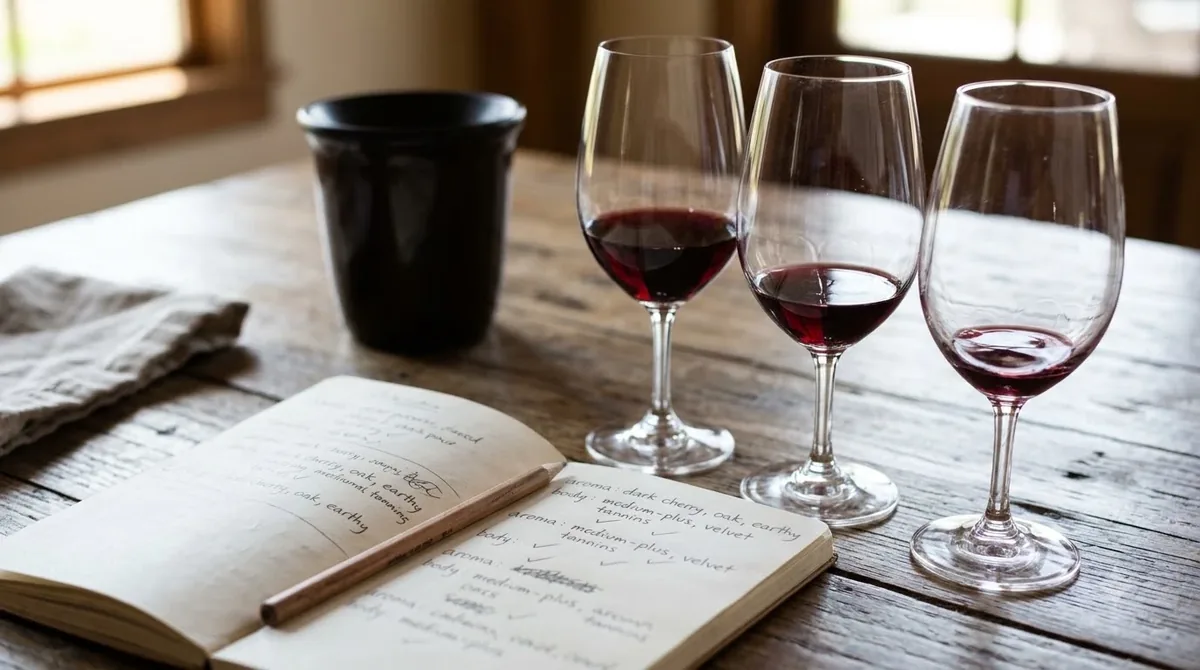
Keep tasting pours moderate, use water between samples, and take notes about grape variety, vineyard location, acidity, tannin, and finish. A small notebook or phone note can make it much easier to remember which producers and styles stood out after several visits.
Practical Tips for Making the Most of Your Visit
Preparation makes the difference between a pleasant winery outing and a rushed sequence of appointments. A few simple decisions about scheduling, tasting technique, and transportation can help visitors get considerably more from their time in Hawke’s Bay.
First, identify the wines you most want to explore. Visitors interested in Syrah and Cabernet blends should prioritize Gimblett Gravels, while Chardonnay enthusiasts may want to include both inland and coastal producers. People who enjoy aromatic whites should consider wineries with Sauvignon Blanc, Pinot Gris, and Riesling in their tasting selections.
Second, avoid trying to visit too many wineries in one day. A sensible schedule of three or four stops allows time for conversation and food. It also gives visitors a better opportunity to notice differences between producers rather than simply remembering a succession of tasting rooms.
Third, ask informed questions. Useful subjects include the vineyard’s soil type, harvest timing, fermentation vessel, oak regime, and whether a wine comes from a single vineyard or a blend of different sites. Asking how a producer’s Syrah differs from a neighboring vineyard can produce especially interesting answers in a region with such varied terroir.
Fourth, consider buying a bottle only after you have compared several examples of a style. If you enjoy a particular Chardonnay, ask whether the winery produces a second bottling from another vineyard or uses a different oak treatment. Such comparisons are often more educational than simply sampling the most famous wine available.
Fifth, think about wine storage and transportation if you intend to purchase bottles. Wine should be protected from prolonged heat and direct sunlight. For longer storage, keep bottles on their sides in a relatively stable environment near 55 F, away from strong temperature fluctuations.
Finally, keep a record of your favorite wines and the producers who made them. Include the grape variety, vintage, district, and a brief description of the aromas and flavors. This information is useful when searching for Hawke’s Bay bottles at wine retailers in the United States or comparing them with wines from other regions.
For enthusiasts who enjoy comparing wine destinations internationally, Bolgheri wine tasting provides a contrasting experience focused on Tuscan coastal reds. Comparing Bolgheri’s Cabernet-based wines with Hawke’s Bay’s Merlot-Cabernet blends and Syrah is a rewarding way to understand how different growing environments shape structured red wines.
Frequently Asked Questions
How far is Hawke’s Bay from Auckland?
Hawke’s Bay is approximately 400 kilometers southeast of Auckland by road, depending on the route and destination. Driving generally takes around five hours or longer, while flying into Napier Airport provides a faster alternative. Visitors arriving by air can arrange a rental vehicle or local transfer for winery visits.
What is the main wine festival in Hawke’s Bay?
Hawke’s Bay hosts several wine and food events throughout the year, including the Bridge Pa Wine Festival, which brings together producers from the Bridge Pa district. The event is traditionally held in January and offers an opportunity to sample wines from multiple local wineries. Visitors should confirm the current festival schedule before planning their trip.
Can visitors purchase Hawke’s Bay wines directly from wineries?
Yes. Many regional cellar doors sell bottles directly to visitors, and some producers also offer wine-club memberships or shipping arrangements. International visitors should ask about export availability and customs requirements before purchasing bottles to take home.
Does Hawke’s Bay produce sparkling wine?
Yes, sparkling wines are also part of the region’s broader wine offering, although still Chardonnay, Syrah, and red blends receive more attention. Visitors interested in traditional-method sparkling wines should ask individual producers about their current selections and production techniques. Traditional-method sparkling wine undergoes its second fermentation in the bottle.
Why is Hawke’s Bay important to New Zealand wine history?
Hawke’s Bay’s wine history dates to 1851, making it one of the country’s earliest established wine-producing areas. Its long-established estates helped develop New Zealand’s reputation for premium wine beyond its more internationally recognized Sauvignon Blanc production. The region remains particularly influential in the country’s premium Chardonnay and Bordeaux-style red wine categories.
Hawke’s Bay is an excellent destination for discovering the diversity of New Zealand wine, from the structured reds of Gimblett Gravels to the rich Chardonnays and aromatic whites found throughout its coastal and inland vineyards. Plan visits around a few key districts, leave time for food, and compare wines from different producers rather than concentrating on a single variety. The result is a more rewarding understanding of the landscape, people, and winemaking traditions behind one of New Zealand’s most distinctive wine regions.
More in Wine Regions
 Willcox Wine Trail: Discover Arizona’s High-Elevation Wine CountryUpdated Nov 20, 2026
 Yakima Valley Wine Region: Find the Best Styles to TryUpdated Nov 20, 2026
 Vosne Romanee Wine Tasting: Identify Aromas and Choose Better PairingsUpdated Nov 20, 2026
 Yakima Valley Wine Festival: Find the Best Seasonal Wine EventsUpdated Nov 20, 2026
 Wales Vineyards: Discover Cool-Climate Wines and Where to VisitUpdated Nov 20, 2026
 Yountville Wine Festival: Discover Napa Wines and Local FoodUpdated Nov 20, 2026