

We may earn a commission when you buy through links on this page, at no extra cost to you. Learn more.
gigondas wine tasting reveals a Grenache-led Southern Rhône wine with ripe red and dark fruit, savory herbs, firm but refined tannins, and a fresh mineral edge. The appellation is best known for structured reds, but it also produces a small amount of rosé and, since the 2023 vintage, appellation-designated white wine. Understanding the Dentelles de Montmirail, the grape blend, and the serving temperature makes each glass easier to read.
Gigondas sits in France’s southern Rhône, in the Vaucluse département, beneath the jagged limestone peaks of the Dentelles de Montmirail. Its wines can feel generous and sun-ripened, yet the setting brings freshness and detail that distinguish the cru from a simple ripe Grenache blend. A focused tasting shows how variety, vineyard position, vintage, and cellar choices shape the final wine.
What Makes Gigondas a Distinct Southern Rhône Cru?
Gigondas is a village appellation rather than a broad regional label, and its name signals a specific origin at the foot of the Dentelles de Montmirail. It earned cru status in 1971, and its vineyards fall within the commune of Gigondas in the Vaucluse, giving tasters a clear geographical reference point.
That boundary matters because the appellation’s identity comes from a combination of location, permitted grapes, and production rules. The landscape rises from lower terraces and slopes toward limestone ridges, creating different exposures and soil conditions within a compact area. Producers may blend fruit from separate parcels to balance ripeness, texture, and freshness rather than relying on a single vineyard character.
For decades, Gigondas was discussed alongside Châteauneuf-du-Pape, the better-known Southern Rhône cru to its southwest. The comparison is useful, but not a shortcut: both appellations often use Grenache, Syrah, and Mourvèdre, while Gigondas frequently shows a more lifted, herbal and stony impression linked to its higher, cooler sites. Wine Enthusiast describes its fruit and spice alongside garrigue, the scent of wild Mediterranean herbs and scrub. Read Wine Enthusiast’s Southern Rhône guide for a wider comparison of the region’s crus.
How the Dentelles de Montmirail Shape the Terroir
The appellation body identifies the Dentelles de Montmirail as central to Gigondas’ freshness: their limestone ridges, varied elevations, and broken slopes influence shade, ventilation, and ripening. Its highest peak reaches about 730 meters, while cooler vineyard exposures can preserve acidity in a warm Mediterranean climate.
The appellation body describes the Dentelles as an ancient formation pushed up from the sea roughly 200 million years ago and then sculpted by erosion. Limestone is common, but it appears alongside varied substrata and terrain. The result is not one uniform “limestone flavor”; vineyard position and soil depth combine with grape variety and winemaking to create differences in weight, aromatic detail, and finish. The Gigondas terroir overview outlines the geology and landscape.
Climate plays an equally important role. The appellation body records about 2,800 hours of sunshine each year, but the cold northwesterly Mistral and the updrafts and downdrafts around the Dentelles help moderate summer heat. Many vineyards face west or northwest, keeping vines ventilated and limiting excessive exposure during the hottest part of the day. In practice, ripe fruit does not automatically mean a heavy wine: freshness can remain part of the structure.
Which Grapes Define Gigondas Red, White, and Rosé?
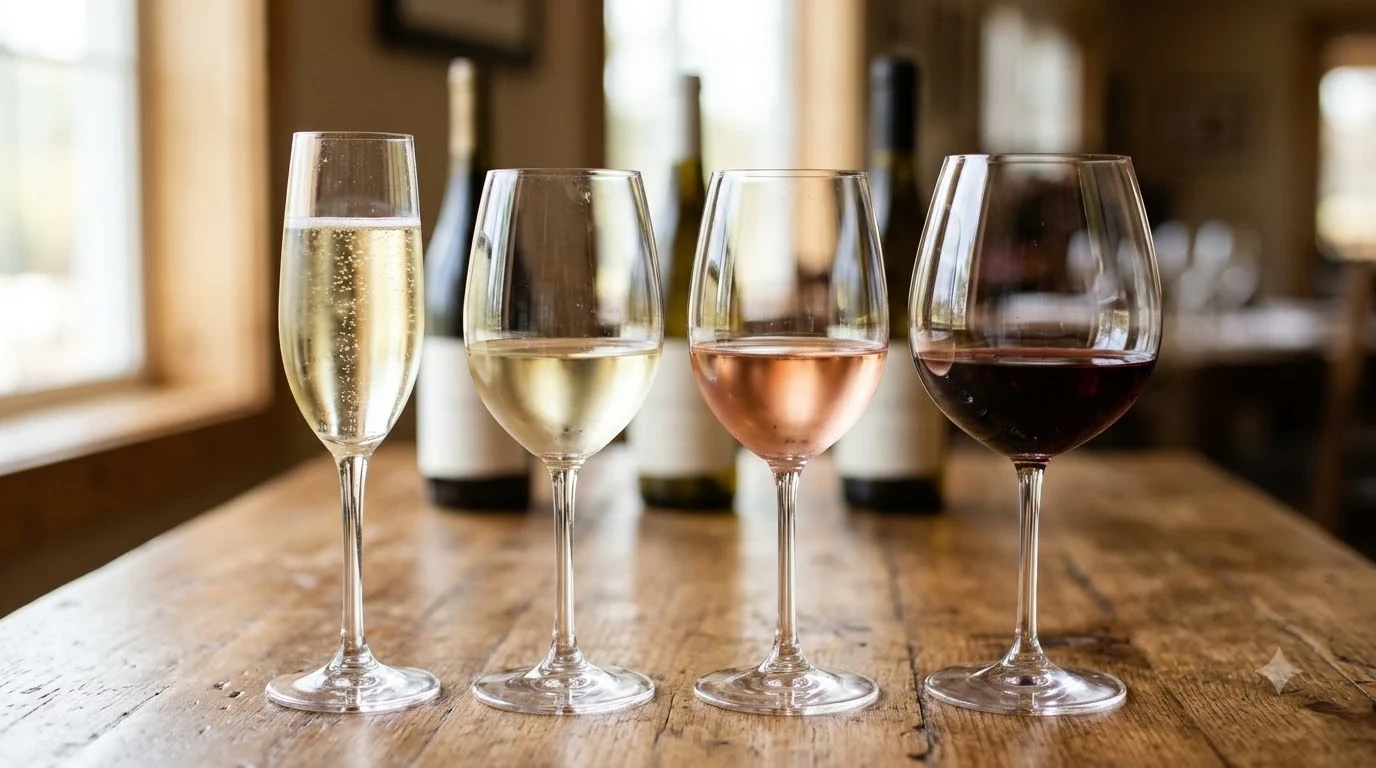
Grenache Noir is the principal red grape, supported most often by Syrah and Mourvèdre, while Clairette Blanche leads the appellation’s newer white wines. Rosé remains a very small part of production, so a tasting lineup is likely to feature reds first, then a white if the producer makes one.
Grenache provides the ripe core: strawberry, raspberry, cherry, and sometimes darker plum or blackberry as the wine gains concentration. It can contribute warmth, roundness, and a broad mid-palate. In Gigondas, morning shade from the Dentelles can lengthen Grenache’s ripening period and help it develop complexity without losing all of its freshness. Syrah can deepen color and contribute black fruit, pepper, and violet, while Mourvèdre often adds savory depth, earthy nuance, and tannic structure. Cinsault and other traditional Rhône varieties may appear in smaller proportions.
White Gigondas is a recognized appellation category, not merely a producer’s unofficial white Rhône bottling. The regional producers’ organization says the white designation begins with the 2023 vintage, with Clairette Blanche required to make up at least 70% of the blend; other traditional white Rhône grapes can complete the composition. These wines tend toward citrus, white flowers, stone fruit, texture, and a mineral finish rather than an overtly tropical profile. Rosé accounts for less than 1% of production according to the appellation body. It is usually Grenache-led, with Syrah, Mourvèdre, and Cinsault among the supporting grapes, and often has more color and palate weight than a very pale Provençal rosé.
What to Look for During a Gigondas Wine Tasting
A useful tasting starts with fruit and then moves toward herbs, spice, texture, and finish. In a typical red, look for cherry, raspberry, blackberry, or plum first, followed by black pepper, licorice, dried thyme, rosemary, lavender, or a stony impression that makes the finish feel savory rather than sweet.
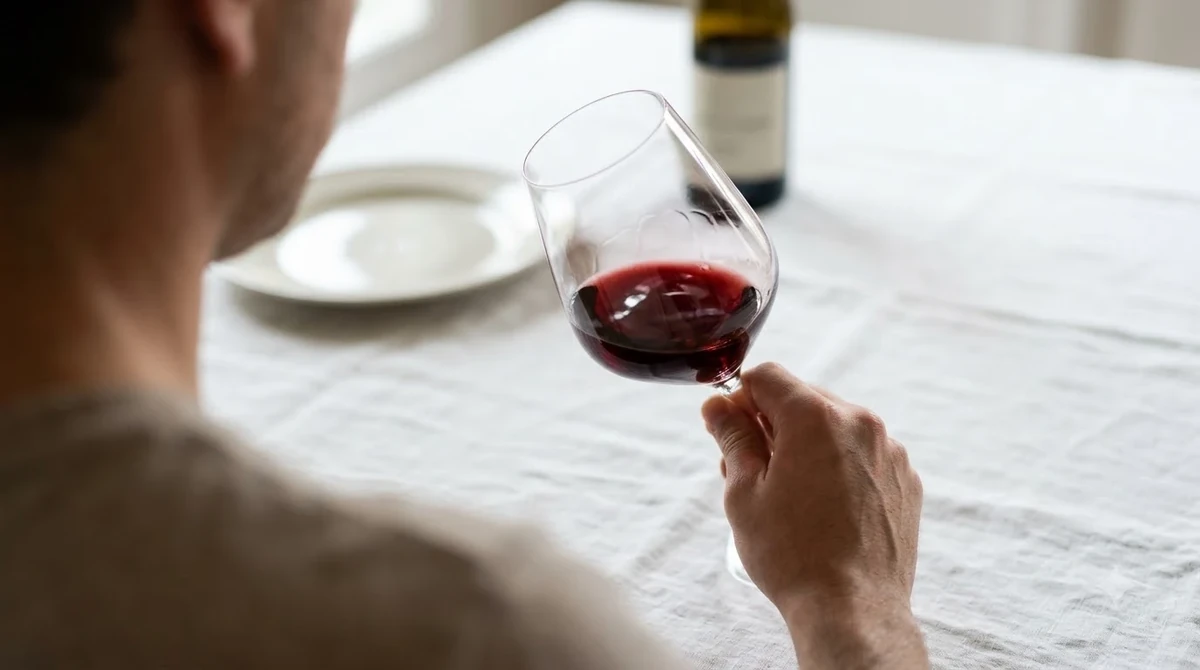
Begin with the appearance, but do not overinterpret color: a young Grenache-led Gigondas may show ruby or deep garnet, sometimes with purple at the rim, while Syrah can make it darker and more opaque. Older bottles can shift toward brick. Swirl gently and look for layers of red or dark fruit, dried herbs, pepper, earth, and floral notes. Garrigue is the wild-herb character associated with Mediterranean scrub, suggesting rosemary, thyme, savory, or dried brush; oak may add vanilla, toast, clove, or cocoa.
The palate is where structure becomes clear. Notice whether the fruit feels juicy or dense, whether acidity makes the mouth water, and whether tannins feel fine, chalky, firm, or drying. A good Gigondas should not be judged by power alone: fruit, alcohol, acidity, and tannin should feel integrated, with a finish that extends beyond the initial fruit impression. Try three passes: note fruit and body in the first sip, tannin and savory flavors in the second, then the lingering finish after swallowing or spitting.
Not every bottle displays every classic note. A Grenache-heavy wine from a warmer site may emphasize ripe cherry, plum, and rounded texture, while a blend with more Syrah or Mourvèdre may show darker fruit, pepper, and firmer structure. Vintage conditions and cellar decisions—including destemming, extraction, fermentation time, and aging vessel—also shape the result.
How to Compare Styles, Vintages, and Aging Potential
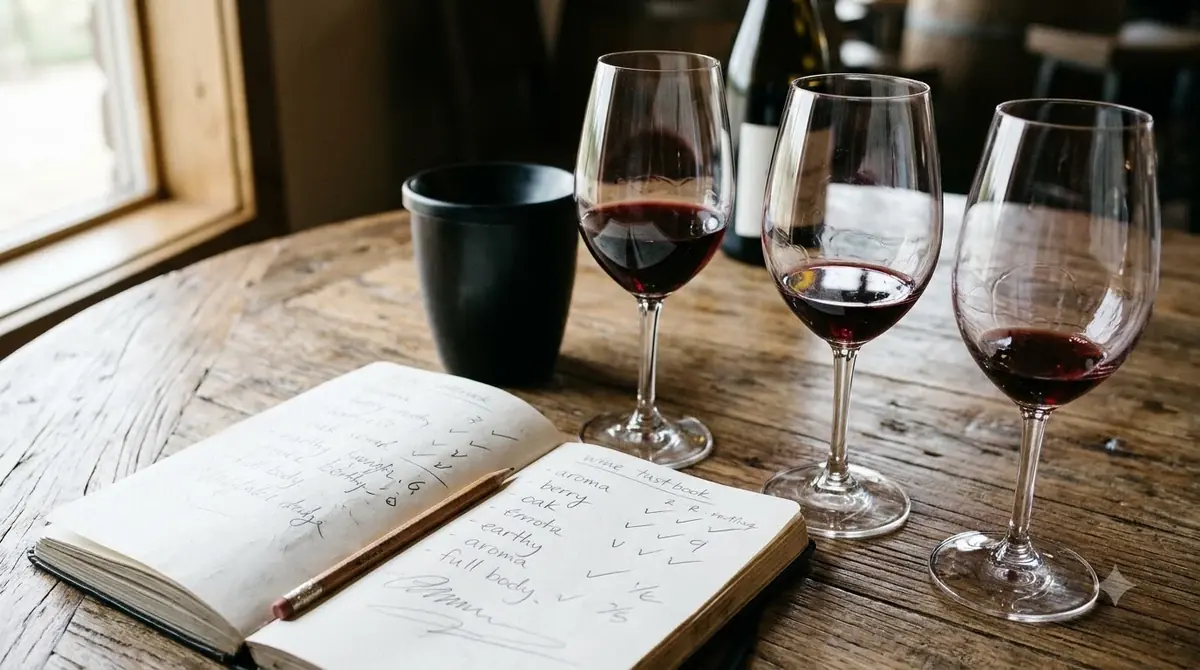
Comparing two or three Gigondas wines side by side reveals more than tasting one bottle in isolation. Choose different producers or vineyard sites, then compare Grenache character, aromatic lift, tannin texture, and use of oak rather than assuming that the appellation guarantees one fixed flavor.
Vintage conditions influence ripeness, acidity, tannin, and harvest timing. Recent Decanter coverage describes Gigondas reds with good acidity and fine tannins, while noting that some tannins may need a few years in bottle to soften; its white-wine notes emphasize texture and minerality. Treat vintage descriptions as context, not as a substitute for judging an individual wine.
Young, full-bodied reds often benefit from air. Open a recently released, tightly wound Gigondas 30 to 60 minutes before serving, or decant it if the wine seems closed and tannic. Older bottles need more caution: a gentle decant can remove sediment, but prolonged aeration may flatten delicate fruit and aged aromas. Taste a small pour first, then decide whether the wine needs more air.
Cellaring depends on producer, vintage, site, and balance. Fruit-forward bottlings are often best within a few years, while structured examples with fresh acidity and ripe tannins can develop for a decade or longer; some top wines last 10 to 15 years. Stainless steel and concrete preserve fruit, while large foudres or barrels may soften tannins and add spice. New oak is optional, not a quality marker: it should frame the wine rather than cover its fruit and place.
Serving Temperature, Glassware, and Food Pairings
Serve full-bodied Gigondas reds at 60–65°F, and give young structured bottles 30–60 minutes of air when they seem closed. White Gigondas generally shows best around 50–55°F, while rosé is refreshing at 45–50°F; these ranges keep the red’s tannins composed and the whites’ aromas clear.
| Style | Typical grapes | Tasting cues | Serving temperature |
|---|---|---|---|
| Red | Grenache-led; Syrah and Mourvèdre | Red and dark fruit, garrigue, firm tannin | 60–65°F |
| White | Clairette Blanche, at least 70% | Citrus, white flowers, mineral finish | 50–55°F |
| Rosé | Grenache-led; Syrah and Mourvèdre | Red fruit, deeper color, savory breadth | 45–50°F |
Use a medium-to-large red-wine glass for the reds, with enough room to swirl. Pour about 5 ounces rather than filling the bowl; a standard 750-milliliter bottle gives roughly five such servings. For a flight, pour smaller tastes so guests can compare several wines without palate fatigue. Water and plain bread are enough to reset between pours.
Food should meet the wine’s structure. Roast lamb, grilled beef, duck, sausages, and slow-cooked beef or lamb stew match the weight and savory character of Grenache-led reds. Rosemary, thyme, and bay leaf echo garrigue notes, while browned meat and mushrooms bring out earthy flavors. Salt and fat soften tannin, making a structured red feel less austere beside a well-seasoned dish. Avoid pairing a highly tannic red with delicate oily fish; chili heat can also make alcohol and tannin seem more aggressive.
White Gigondas pairs with roast chicken, sea bass, shrimp, herbed vegetables, soft cheeses, or lemon and olive oil. Match acidic sauces with a wine of equal or higher acidity, and avoid very sweet sauces that make a dry white seem thin. Rosé bridges the styles with grilled vegetables, charcuterie, roast chicken, or salmon without a sweet glaze. A crisp aromatic white from Alsace wine tasting highlights the contrast between Southern Rhône warmth and cooler-climate acidity; the Cabernet-based reds associated with Bolgheri wine tasting offer another comparison in tannin and structure.
Tip: Taste the red before serving it with food, then take another sip alongside lamb or mushrooms. If tannin feels softer and the fruit more vivid, the pairing is helping; if the wine seems hotter or more bitter, add salt or fat to the dish or choose a less spicy preparation.
Planning a Tasting in Gigondas and Choosing Bottles
A tasting in the village is as much about place as wine: the compact center sits below the Dentelles, and vineyards rise around it in different directions and at different heights. Begin with an appointment at a domaine or tasting room, then ask how the producer’s parcels, blend, and cellar choices shape the wine.
Call or email ahead before visiting a winery, especially with a group or when hoping to taste a particular cuvée. Decanter’s Southern Rhône travel advice recommends contacting wineries in advance and notes that lunch hours can interrupt visits and local business schedules. Leave time for a meal, a walk, and a view toward the limestone ridges; tasting rooms are not a guarantee of walk-in availability.
For a first comparison, choose three wines with distinct roles: a classic Grenache-led village red, a more structured or single-site red, and a white Gigondas if available. Ask about the blend, vineyard altitude or exposure, fermentation vessel, and aging period. When buying bottles, choose the style you enjoy rather than chasing a famous label or score: decide whether you prefer an open, early-drinking red or one with firmer tannins for the cellar, and ask whether a white is Clairette-led and aged in tank, barrel, or both.
Gigondas also makes more sense within the wider map of wine regions. The site’s Wine Regions overview can help place this Southern Rhône cru beside other French appellations, while a Willcox wine tasting offers a contrast in climate, elevation, and grape selection from Arizona. The point of a regional tasting is to understand why different places produce wines with different balances of fruit, acidity, tannin, and aroma.
Frequently Asked Questions
These answers add a little context about Gigondas’ name, history, producers, and visitor options. They also help distinguish the village itself from the broader Southern Rhône region.
What does the name Gigondas mean?
The appellation’s official history connects the name to the Latin personal name Jucundus, associated with a Roman-era settlement. The name is said to have evolved through Jocundatis before becoming Gigondas, although the account is presented as a tradition rather than a certainty.
How many winemakers are based in Gigondas?
The appellation’s official site describes a community of about 200 winemakers. That figure helps explain why the village can offer a wide range of interpretations, from traditional blends to more site-specific cuvées.
Where can visitors sample several producers’ wines in one place?
The Caveau du Gigondas is at 9 Place Gabrielle Andéol in the village center. The appellation site says it welcomes visitors year-round and makes more than 100 Gigondas wines available for tasting and purchase.
How long has Pierre Amadieu produced Gigondas?
The Pierre Amadieu estate says the family has produced Gigondas since 1929. Its vineyard covers 137 hectares in the Dentelles de Montmirail hills, with vines around the Romane and Machotte sites at an average altitude of 400 meters.
Did Gigondas vineyards traditionally grow only wine grapes?
No. The appellation’s official history describes grape growing for wine and olive cultivation for oil as long-standing local activities. It also recounts a Roman settlement established in the area in the first century BCE, linking the village’s name and wine history to a much older cultural landscape.
Gigondas rewards a tasting that looks beyond ripe fruit to the balance of herbs, acidity, tannin, and limestone-influenced freshness. Start with a classic red, compare a second producer or site, and add a Clairette-led white to see how the appellation’s range is evolving.
More in Wine Regions
 Willcox Wine Trail: Discover Arizona’s High-Elevation Wine CountryUpdated Nov 20, 2026
 Yakima Valley Wine Region: Find the Best Styles to TryUpdated Nov 20, 2026
 Vosne Romanee Wine Tasting: Identify Aromas and Choose Better PairingsUpdated Nov 20, 2026
 Yakima Valley Wine Festival: Find the Best Seasonal Wine EventsUpdated Nov 20, 2026
 Wales Vineyards: Discover Cool-Climate Wines and Where to VisitUpdated Nov 20, 2026
 Yountville Wine Festival: Discover Napa Wines and Local FoodUpdated Nov 20, 2026