
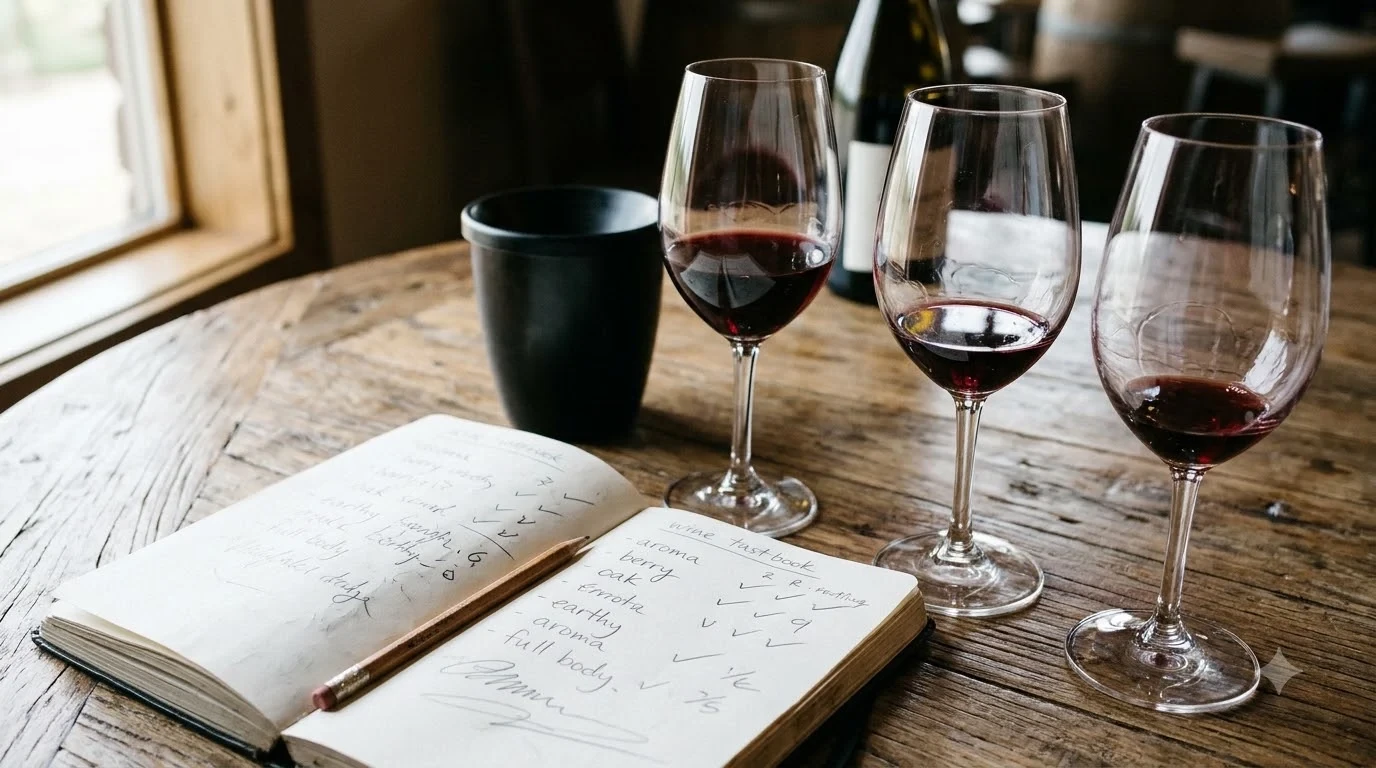

We may earn a commission when you buy through links on this page, at no extra cost to you. Learn more.
Gevrey chambertin wine tasting reveals powerful, structured Pinot Noir with aromas of red and black berries, violets, earthy notes, and firm yet velvety tannins. Produced in Burgundy’s Côte de Nuits, these wines range from approachable Village bottlings to complex Premier Cru and prestigious Grand Cru expressions. Understanding their vineyard origins, aromatic development, and serving requirements makes it easier to recognize what distinguishes this famous appellation.
Gevrey-Chambertin is one of the most recognizable names in red Burgundy, attracting wine enthusiasts interested in the relationship between Pinot Noir, vineyard location, and aging. Its wines combine generous fruit, freshness, earthy complexity, and a firmer structure than many people expect from Pinot Noir. A rewarding tasting explores these characteristics alongside the differences between individual Climats, producers, and vintages.
Understanding Gevrey-Chambertin and Its Burgundy Origins
Gevrey-Chambertin is a Village appellation in the Côte de Nuits, part of Burgundy’s Côte-d’Or. Its vineyards extend across Gevrey-Chambertin and neighboring Brochon, producing exclusively red wines from Pinot Noir.
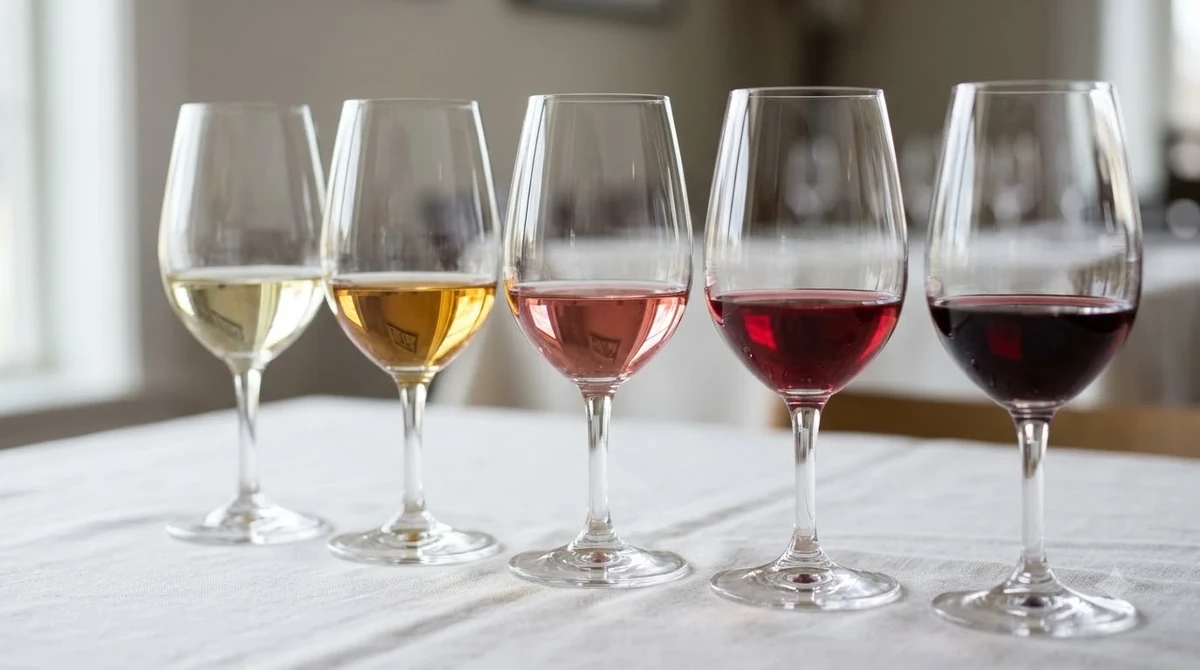
The village sits between Dijon and Beaune, in one of the most celebrated sections of Burgundy’s wine-growing landscape. Its position on the Côte de Nuits gives it a distinctive combination of limestone-rich soils, clay, marl, and varied hillside exposures. These natural conditions influence the structure, freshness, and aromatic character of the finished wines.
Gevrey-Chambertin has a particularly important place in Burgundy’s vineyard hierarchy. The appellation includes 26 Premier Cru Climats, while the commune is also home to nine Grand Cru appellations. Chambertin and Clos de Bèze are among the most celebrated names associated with the area.
According to the Bourgogne wine authority, the documented vineyard area is 408.44 hectares, including 80.37 hectares classified as Premier Cru. Its published five-year average production figures are 17,090 hectoliters annually, including 3,209 hectoliters of Premier Cru wine. These figures illustrate the scale of the appellation and the importance of its different vineyard classifications.
The appellation received official recognition in September 1936. Its long history is also visible in the village’s architecture, including its medieval château, historic church, old stone walls, and traditional winegrowers’ gates.
For visitors, Gevrey-Chambertin offers more than an opportunity to sample prestigious bottles. Estate visits, cellar tastings, and vineyard walks provide ways to connect the wines with their geographical origins. The local Wine Regions resources can also help put the appellation into the wider context of Burgundy and other important wine-producing areas.
The Flavor Profile: Fruit, Flowers, Earth, and Tannins
Gevrey-Chambertin generally delivers a combination of ripe red and black fruit, floral aromas, earthy complexity, and firm but polished tannins. Its character is typically fuller and more structured than the delicate, lighter-bodied style sometimes associated with Pinot Noir.
In a young Village wine, begin by looking for cherry, strawberry, raspberry, blackberry, and blackcurrant. The exact balance depends on the producer, vintage, and vineyard location. Some bottles emphasize fresh red fruit, while others show darker fruit and a more substantial impression on the palate.
Floral notes are another important characteristic. Violet, rose, and occasionally other delicate flower aromas can appear alongside the fruit. These scents contribute freshness and complexity without making the wine seem sweet.
Earthier aromas become more noticeable in some mature examples. Liquorice, leather, forest floor, underbrush, and game-like nuances can develop as the wine ages. The Bourgogne wine authority specifically identifies strawberry, mulberry, violet, rose, liquorice, leather, and underbrush among the characteristic aromas associated with the appellation.
F. Chauvenet’s description of its Gevrey-Chambertin also highlights blackcurrant, small red and black fruits, musk, fur, and mature liquorice. These characteristics provide a useful reference when evaluating the aromatic development of a representative bottle.
On the palate, the wine often feels concentrated, with noticeable acidity and firm tannins. Pinot Noir generally has lower tannin than Cabernet Sauvignon, but Gevrey-Chambertin can be considerably more structured than delicate Pinot Noir from cooler or less concentrated expressions. Its tannins provide grip, while its acidity helps balance the fruit and alcohol.
The finish is another useful point of comparison. A good example should maintain its fruit and structural character after swallowing rather than disappearing immediately. Look for lingering cherry, spice, earth, or floral impressions, depending on the wine’s age and origin.
During a tasting, avoid assuming that every bottle must show identical aromas. A cooler vintage may emphasize red berries, freshness, and fine structure, while a warmer vintage may produce darker fruit and a broader impression. Producer decisions involving extraction, oak, and whole-cluster fermentation can also change the sensory experience.
Village, Premier Cru, and Grand Cru Classifications
Gevrey-Chambertin’s classification system helps explain differences in vineyard origin and reputation. Village, Premier Cru, and Grand Cru wines represent distinct levels within Burgundy’s appellation hierarchy, although classification alone does not guarantee that one bottle will be more enjoyable than another.
Village Gevrey-Chambertin comes from parcels within the designated Village appellation. These wines offer an accessible introduction to the region’s recognizable combination of cherry, blackcurrant, floral aromas, and firm tannins. They can be generous and expressive while showing the character of their producer and vintage.
Premier Cru wines come from specifically classified Climats. Gevrey-Chambertin has 26 Premier Cru Climats, including well-known names such as Clos Saint-Jacques, Les Cazetiers, Champeaux, and Lavaux Saint-Jacques. These individual vineyard names may appear on the wine label after the appellation designation.
Premier Cru wines often show greater definition of vineyard character, with differences in concentration, texture, aromatic detail, and structure. Some are particularly elegant, while others are powerful and firmly built. Their characteristics depend on slope position, soil composition, exposure, vine age, vintage, and winemaking choices.
Grand Cru represents the highest vineyard classification in Burgundy. The Gevrey-Chambertin commune contains nine Grand Cru appellations, including Chambertin, Chambertin-Clos de Bèze, Charmes-Chambertin, Mazoyères-Chambertin, Griotte-Chambertin, Latricières-Chambertin, Ruchottes-Chambertin, Chapelle-Chambertin, and Mazis-Chambertin.
These wines are associated with concentration, complexity, and considerable aging potential. They can combine intense fruit with layers of spice, mineral impressions, earth, and finely developed tannins. Their differences are best understood through comparative tasting rather than relying solely on reputation.
| Classification | Number of Climats or Appellations | Typical Tasting Character | Best Tasting Focus |
|---|---|---|---|
| Village | Village appellation | Generous fruit, cherry, blackcurrant, firm tannins | Fruit expression and producer style |
| Premier Cru | 26 Climats | Greater vineyard definition and structural variation | Differences between individual Climats |
| Grand Cru | 9 appellations | Concentration, complexity, and aging potential | Depth, texture, and long-term development |
One useful approach is to compare a Village wine with a Premier Cru from the same producer and vintage. This reduces some of the variables associated with winemaking and makes the influence of vineyard location easier to recognize.
For more detailed information about individual vineyard locations, boundaries, and classifications, explore the Gevrey Chambertin vineyards resource.
How Terroir Shapes the Wines of Gevrey-Chambertin
Gevrey-Chambertin’s terroir is defined by limestone, clay, marl, elevation, and east-to-southeast vineyard exposures. These differences help explain why wines from neighboring parcels can display distinct combinations of body, freshness, tannin, and aromatic intensity.
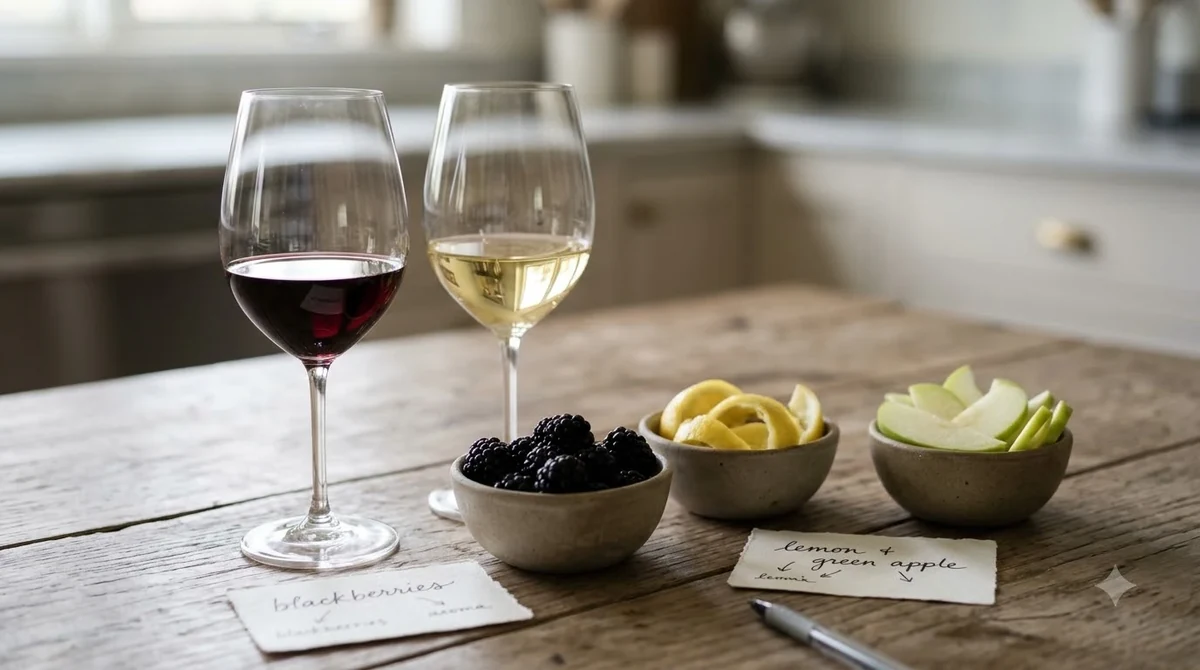
According to the Bourgogne wine authority, Premier Cru vineyards occupy the upper part of the slope, at elevations between 280 and 380 meters. Their soils include relatively shallow brown limestone. Village-level vineyards are generally situated lower down, where brown calcareous and lime-rich soils are common.
The soil profile is more complicated than a simple division between limestone above and clay below. Marl, limestone scree, and red silt washed down from the plateau contribute additional variation. Clayey marl contains deposits of fossil shellfish and is associated with wines showing body and firmness.
These geological differences matter because soil influences drainage, water availability, and vine growth. Limestone-rich soils are frequently associated with wines showing freshness and fine structure, while clay-rich components can contribute to a fuller impression. However, the final wine reflects multiple factors rather than a single soil type.
Vineyard exposure is equally important. East- and southeast-facing parcels receive morning and earlier daytime sunlight, which influences ripening conditions. Elevation and slope position also affect temperature, drainage, and the timing of grape development.
Individual Climats therefore deserve attention during comparative tasting. Clos Saint-Jacques, Les Cazetiers, Champeaux, and Lavaux Saint-Jacques are useful names to recognize. Each has its own geographical identity, and wines carrying these names can offer different expressions of Pinot Noir.
The best way to appreciate these distinctions is to taste wines from multiple vineyard sites side by side. Focus on fruit intensity, acidity, tannin texture, and the persistence of aromas. Even when the wines share a vintage and producer, their differences can be revealing.
For additional geographical context, the Route des Grands Crus de Bourgogne’s Gevrey-Chambertin overview describes the commune’s vineyards, classifications, historic village, and wine tourism experiences.
How to Conduct a Gevrey-Chambertin Wine Tasting
A structured tasting makes it easier to recognize the balance of fruit, acidity, tannin, and oak in Gevrey-Chambertin. Begin with the wine’s appearance, move to its aromas, and finish by evaluating texture, structure, and length.
1. Prepare the wine and glassware
Choose a clean, reasonably large Burgundy-style wine glass with a broad bowl. The shape gives the wine room to release its aromas and allows the drinker to evaluate its development with gentle swirling.
Serve Gevrey-Chambertin at approximately 59–61°F, equivalent to 15–16°C. This temperature follows the recommendation published by the Bourgogne wine authority and repeated by F. Chauvenet. Serving substantially warmer can make alcohol feel more prominent, while excessive chilling may suppress aromatic expression and make tannins seem harder.
2. Examine the color
Hold the glass against a light background and observe the wine’s color. Young examples often display ruby or deep cherry-red tones. With maturity, the color can move toward garnet, carmine, or darker brick-red shades.
Color alone cannot reliably establish age or quality, but it offers an initial indication of the wine’s development. Look at the center and the rim, noting whether the color is bright, transparent, or particularly deep.
3. Evaluate the aromas
Smell the wine before swirling. Identify the strongest fruit characteristics first, then gently swirl the glass and smell again. The second examination may reveal flowers, spice, oak, or earthy notes that were initially less apparent.
Try to separate primary fruit aromas from more developed characteristics. Cherry and raspberry are useful reference points for young Pinot Noir, while leather, liquorice, and underbrush may appear more prominently in mature bottles.
4. Assess the palate
Take a moderate sip and allow the wine to coat the palate. Evaluate acidity, tannin, body, alcohol, and fruit concentration separately before considering the overall balance.
Pay particular attention to tannin texture. Gevrey-Chambertin often has a firm structure, but its tannins can feel polished and velvety rather than aggressively drying. Notice whether the acidity keeps the wine lively and whether the fruit remains clear throughout the finish.
5. Compare wines systematically
A useful tasting flight contains three bottles: one Village wine, one Premier Cru, and one Grand Cru. If possible, choose wines from the same vintage or producer to reduce the number of variables being compared.
Pour approximately 2 ounces of each wine for the initial evaluation. Record the dominant fruit, floral notes, tannin level, acidity, and finish. A standard 750-milliliter bottle provides approximately five conventional 5-ounce glasses.
Tip: Taste the wines from lighter to more concentrated expressions when possible. Begin with a fresh Village bottling, move to a structured Premier Cru, and finish with a more concentrated Grand Cru. Keep the serving temperature consistent so that differences in aroma and texture are easier to recognize.
Do not rush the comparison. Allow a wine to develop in the glass for several minutes, then revisit it. Changes in fruit expression, spice, and earthy aromas can become noticeable as the wine receives air.
Food Pairings and Serving Recommendations
Gevrey-Chambertin pairs particularly well with rich meats, game, braised dishes, and flavorful cow’s-milk cheeses. Its combination of acidity, fruit, and structured tannins works especially well with food that has sufficient protein, fat, and savory depth.
Roast beef and rib steak are classic choices. Their substantial texture and savory flavors complement the wine’s concentration, while the fat helps soften its tannins. A simply prepared steak with roasted mushrooms offers a straightforward way to highlight the wine.
Braised lamb is another excellent match. Slow cooking produces tender meat and concentrated savory flavors that suit the wine’s body. Lamb shoulder, lamb shanks, or a roast leg of lamb with herbs can all work well.
Traditional French dishes provide additional inspiration. Bœuf bourguignon and coq au vin share the region’s culinary traditions and have the depth to complement a structured red Burgundy. Mushroom-based sauces, roasted root vegetables, and reductions can reinforce the wine’s earthy characteristics.
Game is particularly suitable for mature Gevrey-Chambertin. Venison, pheasant, duck, and other flavorful meats can complement developed aromas of leather, underbrush, and game. More mature bottles may show greater aromatic complexity and work especially well with these dishes.
Cheese is another strong pairing category. The Bourgogne wine authority specifically highlights Époisses, Ami du Chambertin, and Cîteaux. These cow’s-milk cheeses have substantial flavor and texture, which can stand up to the wine’s tannins and concentration.
Not every protein is equally suitable. Delicate white fish and oily fish such as salmon can be challenging partners for tannic reds, especially without a carefully prepared sauce. The regional authority mentions pikeperch or tuna served with red-wine sauce as possible exceptions, where the preparation helps bridge the flavors.
Temperature is just as important as the food. Serve Gevrey-Chambertin at 59–61°F rather than typical warm room temperature. If the bottle has been stored in a warm environment, a short period in the refrigerator can bring it closer to the recommended range.
Young, full-bodied examples can benefit from approximately 30–60 minutes of decanting. Older bottles require more caution because extended exposure to oxygen may cause delicate aromas to fade. For mature wines, opening the bottle and tasting periodically is often a better approach than automatically using a long decant.
Aging Potential, Vintage Differences, and Buying Considerations
Gevrey-Chambertin can develop beautifully with bottle age, although its ideal drinking window depends on classification, vintage, producer, and storage conditions. Young wines emphasize fruit and structure, while mature examples can reveal more complex savory, floral, and earthy characteristics.
Village wines can be enjoyable relatively early, particularly when the producer makes an approachable style. F. Chauvenet gives a general drinking window of three to ten years for its Gevrey-Chambertin. This is a useful producer-specific reference, not a universal rule for every bottle carrying the appellation name.
Premier Cru wines may require more patience, particularly when their tannins and fruit concentration are pronounced. Some are approachable after a few years, while others reward longer cellaring. Grand Cru wines can have even greater aging potential, depending on their structure and vintage.
As a bottle matures, fresh cherry and berry aromas may become less prominent. Secondary and tertiary characteristics such as leather, dried flowers, liquorice, mushroom, and forest floor can become more noticeable. Tannins may also soften, giving the wine a more integrated texture.
Vintage conditions influence this development. Cooler growing seasons may produce wines with more pronounced freshness and firmer acidity, while warmer conditions can create riper fruit and a broader palate. Neither profile is automatically superior; personal preference and the producer’s handling of the grapes matter.
Winemaking also influences aging potential. For example, F. Chauvenet describes approximately 18 days of fermentation and around 18 months of maturation for its Gevrey-Chambertin. Other producers may use different extraction techniques, oak proportions, fermentation durations, and maturation periods.
When choosing a bottle, begin with its classification and producer. A respected Village wine can be a more satisfying purchase than an unfamiliar higher-classification bottle. Research the specific vineyard name, vintage conditions, and producer’s preferred style before making a decision.
Storage conditions are essential for long-term development. Keep bottles in a consistently cool environment near 55°F, away from direct sunlight and substantial temperature fluctuations. Store cork-finished bottles on their sides to help maintain contact between the cork and wine.
Once opened, reseal the bottle and refrigerate it. Most opened still wines remain in reasonable condition for approximately three to five days, although delicate mature Burgundy may change more quickly. Allow refrigerated wine to approach its recommended serving temperature before pouring another glass.
Planning a Gevrey-Chambertin Wine Tasting in Burgundy
Visiting Gevrey-Chambertin offers the opportunity to connect the wine’s flavors with the vineyards, cellars, and historic village that produce them. A well-planned visit combines estate tastings, vineyard exploration, and opportunities to compare different appellation levels.
The commune is situated between Dijon and Beaune along Burgundy’s Route des Grands Crus. This makes it a useful stop for visitors exploring the Côte de Nuits, particularly those interested in comparing neighboring appellations and their different expressions of Pinot Noir.
Start with a walk through the village. Its medieval château, historic church, stone-lined streets, and traditional winegrowers’ gates provide a sense of the area’s wine heritage. The local Halles Chambertin is another notable place identified by the regional tourism authority.
Next, arrange a cellar visit or estate tasting. Many wine experiences focus on comparing Village, Premier Cru, and Grand Cru bottlings. These comparisons are especially informative because they reveal how classification and vineyard origin influence the finished wine.
When booking, ask whether the tasting includes several vineyard origins or only one wine. A flight featuring Village Gevrey-Chambertin, Les Cazetiers, and Chambertin, for example, can provide a more informative comparison than tasting several unrelated bottles without a clear structure.
Ask about the producer’s winemaking approach, including fermentation, whole-cluster use, oak maturation, and aging recommendations. These details help explain differences in tannin, aromatic intensity, and texture.
Vineyard walks are another worthwhile activity. The hillsides around the village offer views of the Côte de Nuits and an opportunity to understand how slope position, elevation, and exposure relate to the appellation’s classifications. A visit during spring, summer, or autumn provides different perspectives on the growing season and vineyard landscape.
Autumn is particularly interesting because the vineyards develop golden colors around harvest time. Summer is suitable for walking through the village and exploring its surrounding countryside, while spring offers views of the first vine growth. Check individual estate schedules before planning a visit, as tasting availability and opening arrangements vary.
Visitors exploring other wine destinations can also compare the experience with Willcox wine tasting in Arizona or Alsace wine tasting in northeastern France. These regions offer different grape varieties, landscapes, and tasting styles, providing a broader perspective on how place shapes wine.
For the most informative Gevrey-Chambertin experience, prioritize a tasting that includes several vineyard classifications and a knowledgeable explanation of the individual Climats. The combination of wine, geography, and local history makes the appellation particularly rewarding for enthusiasts interested in Burgundy.
Frequently Asked Questions
Is Gevrey-Chambertin the same wine as Chambertin Grand Cru?
No. Gevrey-Chambertin is the name of a Village appellation, while Chambertin is a separate Grand Cru appellation within the commune. Both produce Pinot Noir, but they have different vineyard classifications and labeling requirements. The distinction is important when comparing bottles from the same producer.
Can Gevrey-Chambertin be made with white grapes?
No. The Gevrey-Chambertin appellation produces exclusively red wine from Pinot Noir. Burgundy does produce white wines from Chardonnay and Aligoté, but those wines belong to other appellations. A bottle labeled Gevrey-Chambertin should therefore be a red Pinot Noir.
What does the word Climat mean on a Burgundy wine label?
A Climat is a precisely identified vineyard site with its own geographical and historical identity. It is not simply a reference to weather conditions. Burgundy’s Climats are recognized for their distinct locations, soils, exposures, and wine-growing traditions.
Does Gevrey-Chambertin have a white wine appellation nearby?
Yes. Nearby Burgundy villages produce important white wines, including Meursault, Puligny-Montrachet, and Chassagne-Montrachet farther south in the Côte de Beaune. These wines are generally based on Chardonnay and provide a useful contrast with the structured Pinot Noir of Gevrey-Chambertin.
What is the best way to compare different Gevrey-Chambertin producers?
Choose wines from the same vintage and classification whenever possible, then compare their fruit intensity, acidity, oak influence, tannin texture, and finish. Differences in whole-cluster fermentation, extraction, and maturation can produce noticeably different interpretations of Pinot Noir. Recording these observations makes subsequent tastings more useful.
Gevrey-Chambertin rewards careful tasting with a distinctive combination of concentrated Pinot Noir fruit, floral aromas, earthy development, and firm yet refined structure. Exploring its Village, Premier Cru, and Grand Cru wines side by side provides an excellent introduction to the influence of Burgundy’s vineyard classifications. Whether enjoyed at a cellar tasting or alongside a carefully prepared meal, it remains one of the Côte de Nuits’ most compelling expressions of Pinot Noir.
More in Wine Regions
 Willcox Wine Trail: Discover Arizona’s High-Elevation Wine CountryUpdated Nov 20, 2026
 Yakima Valley Wine Region: Find the Best Styles to TryUpdated Nov 20, 2026
 Vosne Romanee Wine Tasting: Identify Aromas and Choose Better PairingsUpdated Nov 20, 2026
 Yakima Valley Wine Festival: Find the Best Seasonal Wine EventsUpdated Nov 20, 2026
 Wales Vineyards: Discover Cool-Climate Wines and Where to VisitUpdated Nov 20, 2026
 Yountville Wine Festival: Discover Napa Wines and Local FoodUpdated Nov 20, 2026