

We may earn a commission when you buy through links on this page, at no extra cost to you. Learn more.
The elgin wine region is a cool-climate wine-growing area in South Africa’s Western Cape, celebrated for elegant Chardonnay, Sauvignon Blanc, and Pinot Noir. Located approximately 70 kilometers east of Cape Town, Elgin benefits from mountain elevations, Atlantic-influenced weather, and a long grape-ripening season. Its combination of fresh acidity, expressive fruit, and varied vineyard sites makes it one of South Africa’s most distinctive sources of refined white and red wines.
South Africa is often associated with sunny vineyards and generously ripe wines, but Elgin offers a different expression of the Cape. Here, cool breezes, cloud cover, winter rainfall, and ancient soils help grapes develop slowly while retaining freshness. The area’s agricultural history also gives it a character unlike many established wine destinations: vineyards share the landscape with apple orchards, pear trees, mountain vegetation, and working farms. Understanding its geography, grapes, and producers makes it easier to recognize what distinguishes an Elgin bottle and which styles deserve attention.
Where Elgin Sits in South Africa’s Wine Country
Elgin lies in the Cape South Coast wine region of the Western Cape, approximately 70 kilometers southeast of Cape Town. Its mountain-ringed valley, elevated farmland, and proximity to the Atlantic create growing conditions that differ considerably from the warmer inland Cape districts.
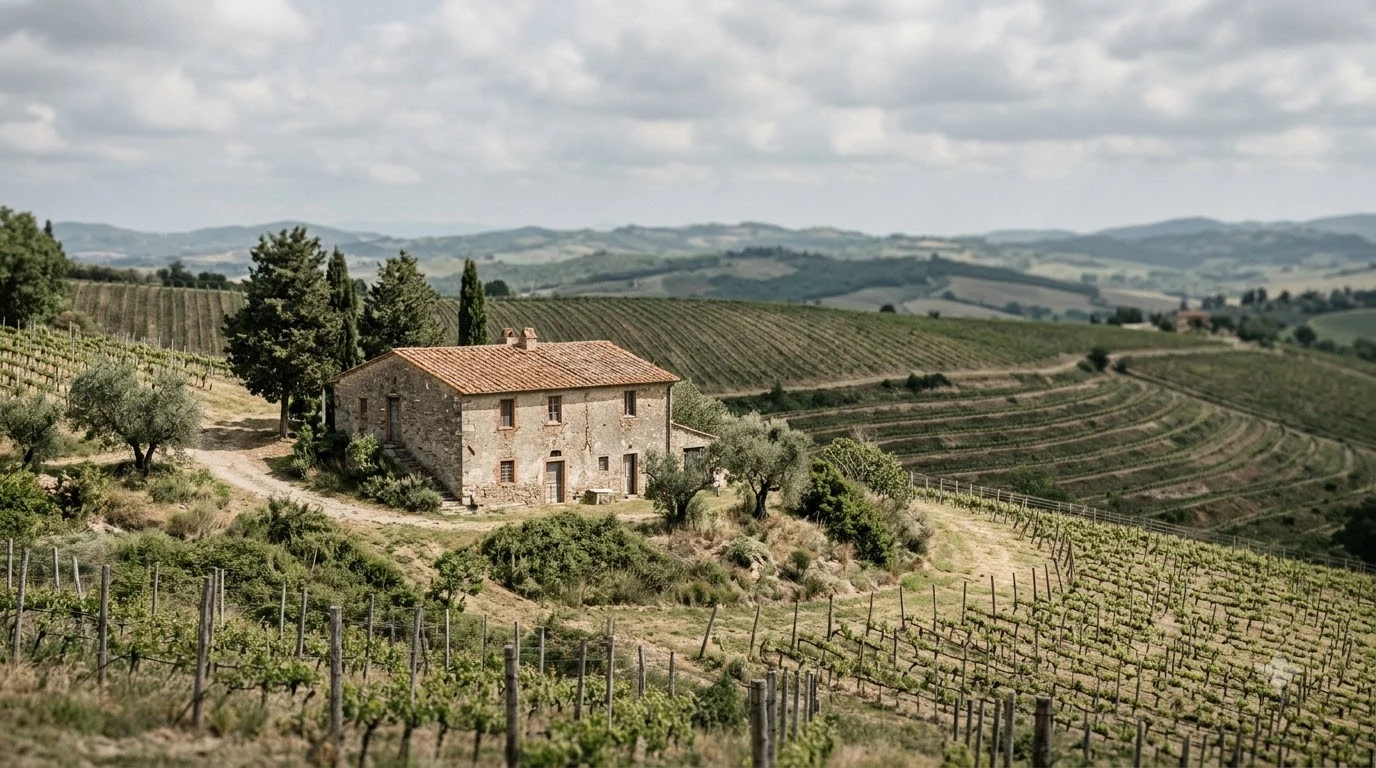
The district is officially recognized as a wine ward within South Africa’s Wine of Origin system. Elgin received this status in 1990 after researchers identified its potential for producing slow-ripening grapes and distinctive cool-climate wines. Its natural boundaries are defined largely by surrounding mountain ranges, including the Hottentots Holland and Kogelberg mountains. The result is an elevated agricultural basin with a landscape of rolling slopes and sheltered vineyard sites.
According to Wines of Elgin, the valley is approximately 15 kilometers across, with its valley floor reaching elevations of roughly 300 to 550 meters above sea level. The broader farming area covers approximately 7,000 hectares and includes vineyards, fruit orchards, and pine plantations. These figures help explain why Elgin feels more like a diverse agricultural district than a continuous stretch of vineyards.
Before wine became a defining part of the local agricultural economy, Elgin was particularly known for apples and pears. The Clüver family began farming apples at De Rust in 1896, and commercial vineyard development gained momentum when Dr. Paul Clüver planted vines in 1986. This relatively recent wine-growing history helped establish Elgin as a destination for producers interested in varieties that benefit from a longer, cooler growing season.
Elgin is also associated with the Kogelberg Biosphere, an environmentally significant area recognized by UNESCO. Its surrounding natural vegetation and biodiversity have encouraged regional producers to pay attention to conservation and sustainable vineyard management. For wine enthusiasts, this agricultural setting provides useful context: Elgin’s identity is closely connected to its natural environment rather than simply to a particular grape variety.
Climate, Elevation, and Vineyard Soils
Elgin’s defining characteristic is its cool growing environment. Elevation, ocean influence, southeasterly winds, and regular cloud cover slow grape development, helping producers preserve acidity while achieving ripe aromas and balanced flavors.
The surrounding mountains create a natural enclosure, but the valley is not completely isolated from maritime weather. Its position relatively close to the Atlantic allows cooling air to influence vineyard temperatures, particularly during the growing and ripening seasons. Southeasterly winds are an important part of this pattern. They bring cooler conditions and can produce extensive cloud cover, especially before and during harvest.
These clouds are more than a scenic feature. According to Wines of Elgin, mist and low cloud reduce direct sunlight and canopy temperatures, extending the period over which grapes ripen. A longer season allows flavor development to progress gradually rather than requiring grapes to accumulate sugar quickly during intense heat. This helps explain the region’s characteristic combination of expressive fruit, fresh acidity, and comparatively restrained wine styles. The regional organization describes this relationship in its overview of Elgin’s location, climate, and natural advantages.
Rainfall also contributes to the district’s agricultural identity. Wines of Elgin reports annual winter rainfall ranging from approximately 600 to 1,200 millimeters. The exact amount varies between vineyard sites and seasons, but winter precipitation is an important feature of the local Mediterranean climate. Compared with many hotter South African wine districts, Elgin generally experiences a cooler and more temperate growing environment.
Soil diversity adds another layer of distinction. Two important geological formations are Table Mountain sandstone and Bokkeveld shale. According to Wines of Elgin, these formations originated approximately 375 to 500 million years ago. Their mineral-rich but relatively nutrient-poor character can limit excessive vine growth, while differences in drainage, slope, and exposure create varied conditions between vineyard parcels.
Individual vineyard positions matter considerably. A slope exposed to cooling winds may ripen differently from a more sheltered site, even when both share similar underlying geology. Elevation, aspect, soil depth, and water availability all influence the final wine. This is one reason Elgin should not be treated as a single uniform flavor profile. Producers can create different expressions of Chardonnay, Sauvignon Blanc, and Pinot Noir within the same district.
Tip: When comparing Elgin wines, pay attention to the producer and vineyard designation as well as the grape variety. Two Chardonnays from different slopes can differ considerably in texture, acidity, and oak influence.
The Main Grapes Grown in Elgin
Elgin is especially associated with Sauvignon Blanc, Chardonnay, and Pinot Noir, although Riesling and Syrah also contribute significantly to its reputation. Its cool climate gives aromatic white grapes freshness and allows red varieties to develop flavor without relying on excessive ripeness.
According to the Wines of Elgin regional overview, approximately 850 hectares are planted to vines, with four important varieties accounting for substantial shares of the vineyard area.
| Grape variety | Approximate share of vineyard area | Typical regional expression |
|---|---|---|
| Sauvignon Blanc | 38% | Citrus, white fruit, fresh acidity |
| Chardonnay | 18% | Stone fruit, citrus, mineral tension |
| Pinot Noir | 17% | Red berries, cherry, fine tannins |
| Shiraz | 7% | Pepper, spice, structured fruit |
Sauvignon Blanc
Sauvignon Blanc is the most widely planted variety in Elgin. The regional style often emphasizes citrus, white-fleshed fruit, fresh herbs, and lively acidity. Depending on the vineyard and winemaking approach, wines may also show green apple, grapefruit, mineral notes, or subtle tropical fruit.
Compared with warmer-climate examples that emphasize pronounced tropical aromas, Elgin Sauvignon Blanc often has a more restrained and precise profile. Its freshness makes it especially useful at the dinner table. Seafood, shellfish, fresh salads, goat cheese, and grilled white fish are natural companions.
Chardonnay
Chardonnay is another leading grape and one of the region’s most important varieties. The cool climate helps preserve acidity, while slow ripening can create layers of citrus, pear, apple, and stone fruit. Some wines are fermented or aged in oak, producing additional texture and notes of toast, spice, or subtle creaminess.
Winemaking decisions make a substantial difference. Stainless-steel and restrained-oak examples generally emphasize freshness and fruit, while barrel-fermented wines can develop greater texture and complexity. Elgin Chardonnay is particularly attractive to drinkers who appreciate white Burgundy but want to explore a South African interpretation of cool-climate Chardonnay.
Pinot Noir
Pinot Noir thrives in cooler vineyard conditions because it can develop delicate aromas without requiring the intense heat needed by some fuller-bodied red varieties. Elgin examples often emphasize cherry, raspberry, red currant, earth, and gentle spice. Their tannins are generally finer and less forceful than those found in Cabernet Sauvignon or Syrah.
The grape’s naturally lively acidity makes it versatile with food. Roast chicken, duck, mushroom dishes, grilled salmon, and pork are useful pairing choices. Producers may also make rosé or lighter red styles, depending on their fruit and winemaking decisions.
Riesling and Syrah
Riesling benefits from the district’s slow-ripening conditions. Expect citrus, floral aromas, and refreshing acidity, with sweetness varying according to the producer’s intended style. Dry examples can work particularly well with seafood and spicy Asian-inspired dishes, while off-dry versions can complement dishes with moderate chili heat.
Syrah, also known as Shiraz, provides a contrasting red-wine expression. Cooler vineyard conditions can emphasize black pepper, savory spice, and structured fruit rather than simply ripe, jammy flavors. Merlot, Chenin Blanc, Semillon, Viognier, Cabernet Sauvignon, and other varieties are also cultivated in the area, demonstrating the diversity of its vineyard landscape.
What Elgin Wines Taste Like
Elgin wines are generally recognized for freshness, aromatic precision, and balanced structure. White wines tend to retain lively acidity, while red wines often show restrained fruit, fine tannins, and a savory dimension influenced by the cooler growing conditions.
For white wine drinkers, Sauvignon Blanc offers one of the clearest introductions to the district. Citrus, green apple, white peach, and herbal notes can combine with a crisp finish. The acidity makes the wine refreshing without requiring pronounced sweetness or heavy oak. It is a particularly good choice for anyone who prefers focused, food-friendly whites.
Chardonnay offers more variety in texture. A lightly oaked example may emphasize lemon, pear, and mineral character, while a barrel-aged version can show peach, baked apple, toast, and a fuller palate. The best examples balance texture with acidity, avoiding the heavy, buttery impression associated with some warmer-climate styles.
Riesling brings another expression of aromatic freshness. Depending on residual sugar, the wine can be completely dry or noticeably off-dry. Floral notes, citrus, and crisp acidity are common reference points. The grape itself does not determine whether a finished wine is sweet, so the producer’s intended style matters.
Among the reds, Pinot Noir is particularly important. Its flavor profile often centers on red cherry, raspberry, and subtle earthy or savory notes. Compared with Cabernet Sauvignon, it generally has less assertive tannin and a more delicate structure. This makes it an appealing option for drinkers who want red wine with freshness rather than heavy extraction.
Syrah provides more body and structure. Black pepper, dark berries, herbs, and savory spice can appear, with tannins generally firmer than those of Pinot Noir. Its style can suit drinkers who enjoy Rhône-inspired reds but prefer a cooler-climate interpretation.
For additional context, it is useful to compare Elgin with the Savoie wine region, another area where mountain influences and cooler conditions shape the character of local wines. The grapes and traditions are different, but both illustrate how elevation and climate can influence freshness and balance.
Elgin Producers and Notable Wine Estates
Elgin’s wine identity is expressed through a group of estates with different vineyard positions and winemaking philosophies. Paul Clüver, Iona, Oak Valley, and other established producers offer useful starting points for exploring the district’s signature varieties.
Paul Clüver Family Wines
Paul Clüver Family Wines is closely associated with the development of modern Elgin viticulture. The family’s agricultural history at De Rust dates to 1896, and Dr. Paul Clüver planted the area’s first commercial vines in 1986. The estate is particularly associated with Chardonnay, Pinot Noir, and Riesling.
Its wines provide an opportunity to explore how the region’s long ripening season influences both white and red varieties. Chardonnay is especially important for understanding the balance between fruit, acidity, texture, and oak in Elgin. Pinot Noir provides a contrasting view of the district’s capacity for elegant reds.
Iona Wine Estate
Iona is another important name in the district. Its vineyards occupy elevated terrain, with the estate identified by Wines of Elgin as reaching approximately 420 meters above sea level. The property’s cool setting is particularly relevant to its Sauvignon Blanc and other wines that benefit from slow ripening.
The estate’s location helps demonstrate the influence of altitude and exposure. Higher vineyard sites can experience cooler temperatures and different wind patterns, contributing to freshness and aromatic definition. Sauvignon Blanc is a natural starting point for exploring this expression.
Oak Valley and Other Producers
Oak Valley is another established Elgin estate worth exploring, particularly for its cool-climate whites and reds. Its broader agricultural setting reflects the district’s combination of orchards, farming, and wine production. The range of producers allows visitors and wine enthusiasts to compare different interpretations of the same regional grapes.
Other names associated with the area include Almenkerk, Catherine Marshall, Eikendal, and Vrede en Lust. Their portfolios offer opportunities to compare Sauvignon Blanc, Chardonnay, Pinot Noir, and Syrah across different winemaking approaches. The most useful strategy is to compare wines made from the same grape rather than assuming every estate follows an identical regional style.
For readers exploring other cool-climate destinations, the Tasmania wine region provides another interesting comparison, particularly for Chardonnay and Pinot Noir. Both regions show how relatively cool growing conditions can preserve acidity and create wines with distinctive aromatic character, although their climates, soils, and wine traditions are not identical.
Food Pairings and Serving Elgin Wines
Elgin wines are particularly versatile at the table because their acidity and moderate structure work with a broad range of dishes. Sauvignon Blanc and Chardonnay are natural matches for seafood, while Pinot Noir and Syrah provide different options for poultry, mushrooms, and grilled meats.
Elgin Sauvignon Blanc is an excellent partner for oysters, grilled prawns, mussels, and white fish. Its high acidity cuts through the richness of sauces and complements the natural freshness of seafood. Goat cheese, green salads, asparagus, and dishes with fresh herbs are also suitable matches.
Chardonnay offers more flexibility depending on its weight and oak influence. A leaner, unoaked version can accompany grilled fish, scallops, and roast chicken. A fuller barrel-aged example works well with lobster, creamy mushroom dishes, roasted poultry, or salmon with a butter-based sauce. The food should have enough flavor to complement the wine without overwhelming its acidity.
Pinot Noir is a useful choice for roast duck, grilled chicken, pork tenderloin, and mushroom risotto. Its relatively moderate tannins and lively acidity allow it to complement dishes that might be overwhelmed by a heavily structured red. It is also a more suitable red-wine option with oily fish than a strongly tannic Cabernet Sauvignon.
Syrah works particularly well with grilled lamb, beef, sausages, and roasted vegetables. Its peppery character can complement black pepper seasoning, rosemary, and other savory herbs. However, very hot chili dishes can amplify the sensation of alcohol and tannin, so moderately spiced food is generally easier to pair.
Serving Temperatures
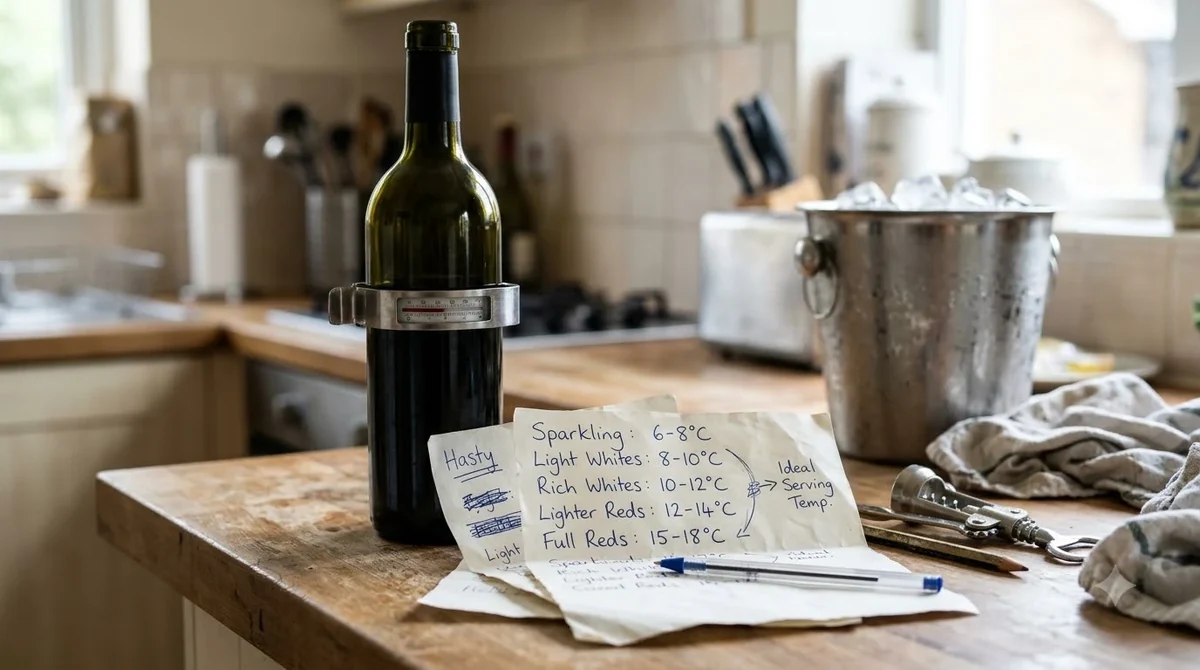
Serving temperature can make a meaningful difference to the aromas and structure of Elgin wines. Light whites are best served cool but not excessively cold, while fuller Chardonnay benefits from slightly warmer service. Pinot Noir should be cooler than most full-bodied red wines.
- Sauvignon Blanc: 45–50°F.
- Riesling: 45–50°F for light, fresh expressions; slightly warmer for fuller styles.
- Chardonnay: 50–55°F for fuller white wines.
- Pinot Noir: 55–60°F.
- Syrah: 60–65°F for fuller-bodied examples.
A standard wine serving is approximately 5 ounces, and a 750-milliliter bottle provides roughly five glasses. If you open a bottle but do not finish it, refrigerate the remaining wine. Most still wines retain their best qualities for approximately three to five days after opening, although the exact period depends on the wine and storage conditions.
For more comparisons across international wine destinations, the Switzerland wine region offers another perspective on how mountain geography influences vineyard conditions and wine styles.
Visiting Elgin and Choosing a Bottle
Elgin is an appealing destination for wine travelers interested in a quieter agricultural landscape rather than a densely developed wine-tourism corridor. Its proximity to Cape Town makes it a practical addition to a Western Cape itinerary, while its orchards, mountain scenery, and tasting estates provide a distinct experience.
The drive east from Cape Town takes visitors across Sir Lowry’s Pass into a greener landscape framed by mountain ranges. Once in the valley, wineries and orchards share the countryside. The natural setting is closely connected to the Kogelberg Biosphere and the Cape Floral Kingdom, making the region interesting beyond its wine production.
Visitors can build a tasting itinerary around a few major varieties. Starting with Sauvignon Blanc provides a useful introduction to Elgin’s freshness and acidity. Chardonnay demonstrates the influence of vineyard position and oak treatment, while Pinot Noir reveals how the cooler conditions translate into red wines with delicate fruit and fine tannins.
When selecting bottles at a wine shop, begin with the grape variety and producer. Sauvignon Blanc is a reliable starting point for a fresh, aromatic white, while Chardonnay is the more flexible choice for drinkers who enjoy texture and complexity. Pinot Noir is the natural introduction to the district’s red wines, and Syrah is worth exploring if you prefer more structure and peppery character.
Vintage can also influence the final style. Growing seasons differ in rainfall, temperature, wind, and harvest conditions, so wines from different years may show different degrees of ripeness and concentration. Producers may also make changes to fermentation, oak aging, and blending, making it useful to compare more than one bottle from the same estate.
For a broader overview of international wine geography, the Wine Regions resource can help place Elgin within the larger context of global wine production. Its particular strength is the combination of cool-climate conditions and South African agricultural heritage, which gives the district a recognizable identity without limiting it to a single style.
Ultimately, Elgin is best understood as a region of balance rather than sheer power. Its wines reward drinkers who appreciate fresh acidity, careful fruit development, and differences between individual vineyard sites. Whether the choice is Sauvignon Blanc, Chardonnay, or Pinot Noir, Elgin offers a distinctive expression of South African wine country.
Frequently Asked Questions
Is Elgin a Wine of Origin appellation?
Yes. Elgin is an officially recognized wine ward within South Africa’s Wine of Origin system. The country’s geographical classification distinguishes larger regions, districts, and smaller wards, allowing labels to identify increasingly specific places of origin.
Why is Elgin sometimes called Little Burgundy?
The nickname refers primarily to its cool climate and its reputation for Chardonnay and Pinot Noir. It suggests a shared interest in freshness, acidity, and delicate wine structure rather than identical grape varieties, soils, or winemaking traditions.
Is Elgin wine suitable for aging?
Some Elgin wines can develop positively in the bottle, particularly structured Chardonnay and carefully made Pinot Noir. Ageability depends on the producer, vintage, acidity, concentration, and winemaking approach, so not every regional bottle is intended for long-term cellaring.
Does Elgin produce sparkling wine?
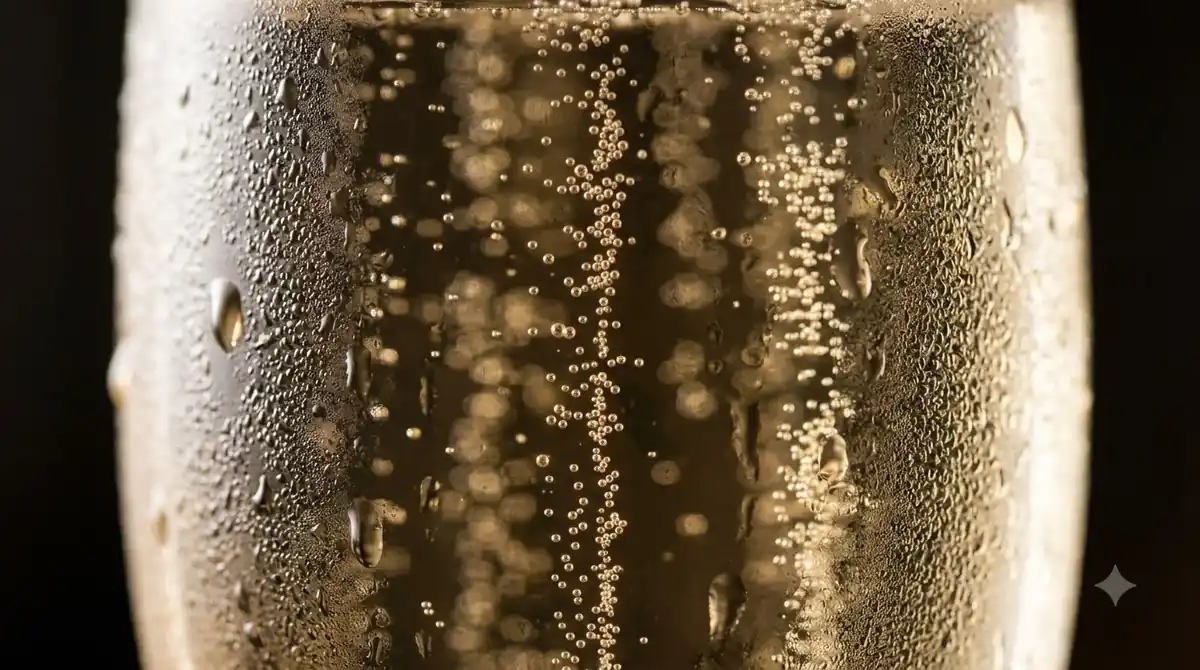
Yes. Sparkling wines are also produced in the district, including traditional-method examples. This method involves a second fermentation in the bottle, creating the carbonation and fine bubbles associated with bottle-fermented sparkling wine.
What is the difference between Elgin and Stellenbosch wines?
Elgin is generally cooler and more strongly associated with Sauvignon Blanc, Chardonnay, and Pinot Noir. Stellenbosch has a broader range of warmer vineyard exposures and is particularly recognized for Cabernet Sauvignon, Bordeaux-style blends, and structured red wines. Individual vineyard sites can produce exceptions in both districts.
Elgin deserves attention from anyone interested in the diversity of South African wine. Its mountain setting, ancient soils, and maritime cooling create conditions for wines with freshness, elegance, and distinctive varietal character. Start with its Sauvignon Blanc or Chardonnay, then explore Pinot Noir and Syrah to discover the full range of this remarkable Cape wine district.
More in Wine Regions
 Willcox Wine Trail: Discover Arizona’s High-Elevation Wine CountryUpdated Nov 20, 2026
 Yakima Valley Wine Region: Find the Best Styles to TryUpdated Nov 20, 2026
 Vosne Romanee Wine Tasting: Identify Aromas and Choose Better PairingsUpdated Nov 20, 2026
 Yakima Valley Wine Festival: Find the Best Seasonal Wine EventsUpdated Nov 20, 2026
 Wales Vineyards: Discover Cool-Climate Wines and Where to VisitUpdated Nov 20, 2026
 Yountville Wine Festival: Discover Napa Wines and Local FoodUpdated Nov 20, 2026