

We may earn a commission when you buy through links on this page, at no extra cost to you. Learn more.
Eger wine tasting is an opportunity to explore Hungary’s distinctive red and white blends, especially Egri Bikavér and Egri Csillag, in a historic wine region near the Bükk Mountains. Located in northeastern Hungary, Eger combines cool-climate freshness, volcanic soils, centuries of winemaking tradition, and a welcoming collection of cellar tasting rooms. The best introduction includes comparing the region’s signature blends, visiting Szépasszony Valley, and sampling wines from different classification levels.
Eger offers a different perspective on Hungarian wine from the internationally recognized sweet wines of Tokaj. Its identity rests on balanced reds, aromatic whites, indigenous grape varieties, and carefully assembled blends that express the character of individual vineyards. Whether you have an afternoon to explore the historic wine cellars or several days to visit producers around the countryside, understanding the local wine styles will make every tasting more rewarding.
Understanding Eger’s Wine Region and Its Historic Identity
Eger is one of Hungary’s most interesting destinations for wine enthusiasts because it produces distinctive white and red wines within the same relatively cool-climate region. Its location beneath the Bükk Mountains, historic vineyards, and diverse volcanic soils help explain why the area’s wines often combine freshness with considerable aromatic complexity.
The Eger wine region lies in northeastern Hungary, close to the town of Eger and the southern slopes of the Bükk Mountains. According to the regional wine organization’s official information, the vineyards sit at approximately 47.9 degrees north latitude, a position comparable to Chablis in France. However, the surrounding mountains and the southern exposure of many slopes create warmer summer conditions that support both white and red grape production.
Winemaking in Eger has a history extending more than 1,000 years. Vineyards have long been connected with the surrounding settlements, local food traditions, and the commercial life of the town. Wine is therefore more than a regional agricultural product: it is part of Eger’s cultural identity.
The area’s geology is particularly important. Volcanic rhyolite tuff forms much of the underlying rock, while vineyards also contain clay-rich brown earth, limestone, slate, zeolite, marl, and sandstone. These differences create opportunities for producers to make wines with varying structures, aromatic profiles, and textures.
The cooler regional conditions generally help preserve acidity and primary fruit aromas. Red wines can therefore offer freshness alongside darker fruit and spice, while whites often show lively acidity and floral or citrus characteristics. The precise expression depends on the grape varieties, vineyard location, harvest decisions, and winemaking techniques.
For visitors, the most useful approach is to treat Eger as a region of complementary styles rather than searching for one universal flavor profile. A tasting flight that includes a fresh white blend, a lighter red, and a structured Bikavér provides a much clearer introduction than sampling several similar wines.
Travelers interested in the geography and history behind these styles can explore the official Eger wine region overview, which explains the area’s terroir, history, and protected-origin classification system.
Travelers comparing international wine destinations can also explore Wine Regions to understand how climate, geography, and local grape varieties influence the character of wines around the world.
Egri Bikavér and Egri Csillag: The Two Essential Wines
Egri Bikavér and Egri Csillag are the two signature blends to prioritize during an Eger visit. The first is a red wine built around a combination of grape varieties, while the second is its white counterpart, offering a fresh expression of the region’s vineyards.
Egri Bikavér translates as Bull’s Blood of Eger. It is the region’s best-known red wine and an important symbol of local winemaking. Rather than relying on one grape variety, producers combine several grapes to create a wine with balance, complexity, and a recognizable regional identity.
Kékfrankos, also known internationally as Blaufränkisch, plays an important role in the regional red-wine tradition. Depending on the producer and blend, other varieties can contribute darker fruit, structure, softness, or aromatic complexity. Cabernet Sauvignon, Merlot, Cabernet Franc, Kadarka, and Pinot Noir are among the varieties that visitors may encounter in Eger’s red wines.
Expect Egri Bikavér to offer flavors such as sour cherry, plum, red berries, black fruit, pepper, and other savory spices. The balance between fruit, acidity, and tannin depends on the blend and classification. Some examples are approachable and fruit-forward, while others have more concentrated flavors and greater aging potential.
Egri Csillag, translated as Star of Eger, provides a different experience. It is a white blend that was formally established as a regional wine style in 2010. According to the Eger wine region’s official information, the blend can include at least four grape varieties.
Classicus examples generally emphasize freshness, floral aromas, and fruit rather than the character of a single grape. Superior and Grand Superior versions can show more body, mineral characteristics, and spice, including nuances associated with small wooden barrels.
These two wines make an excellent comparison because they demonstrate how Eger expresses its identity through blending. One emphasizes red fruit and spice, while the other focuses on freshness, floral notes, and the character of local white grapes.
Tip: Order Egri Csillag before Egri Bikavér when comparing the two styles. Starting with the lighter white wine makes it easier to recognize the red blend’s fruit, structure, and tannin without having your palate influenced by a more substantial wine.
Ask the tasting-room staff to explain which grape varieties dominate each blend. Comparing two producers’ Bikavér wines can be particularly interesting because different combinations and vineyard sources create noticeably different expressions of the same regional style.
How to Understand Eger’s Wine Classifications
Eger’s origin-protection system gives visitors a useful framework for comparing wines from the same region. The main categories are Classicus, Superior, and Grand Superior, which indicate increasingly specific quality requirements and production standards.
Rather than assuming that every wine carrying the Bikavér name tastes alike, use these categories as a starting point for a structured tasting. Comparing different levels can reveal changes in concentration, vineyard character, aging, and overall complexity.
Classicus: The Regional Introduction
Classicus wines provide an accessible introduction to the area’s established styles. They can be fresh, expressive, and suitable for drinking without extended cellaring. A Classicus Egri Bikavér is a useful first step for understanding the relationship between Kékfrankos, other blending grapes, fruit, and acidity.
Classicus Egri Csillag is particularly interesting for visitors who enjoy aromatic whites. The regional wine organization describes the style as fresh, fruity, and floral, with harmony between the grape varieties taking priority over the character of any single grape.
Superior: More Specific Vineyard and Wine Character
Superior wines represent a more demanding level of regional production. Their character can be more concentrated, and their structure may be more pronounced than comparable Classicus examples. In a Bikavér tasting, look for greater depth of fruit, more integrated tannins, and a longer finish.
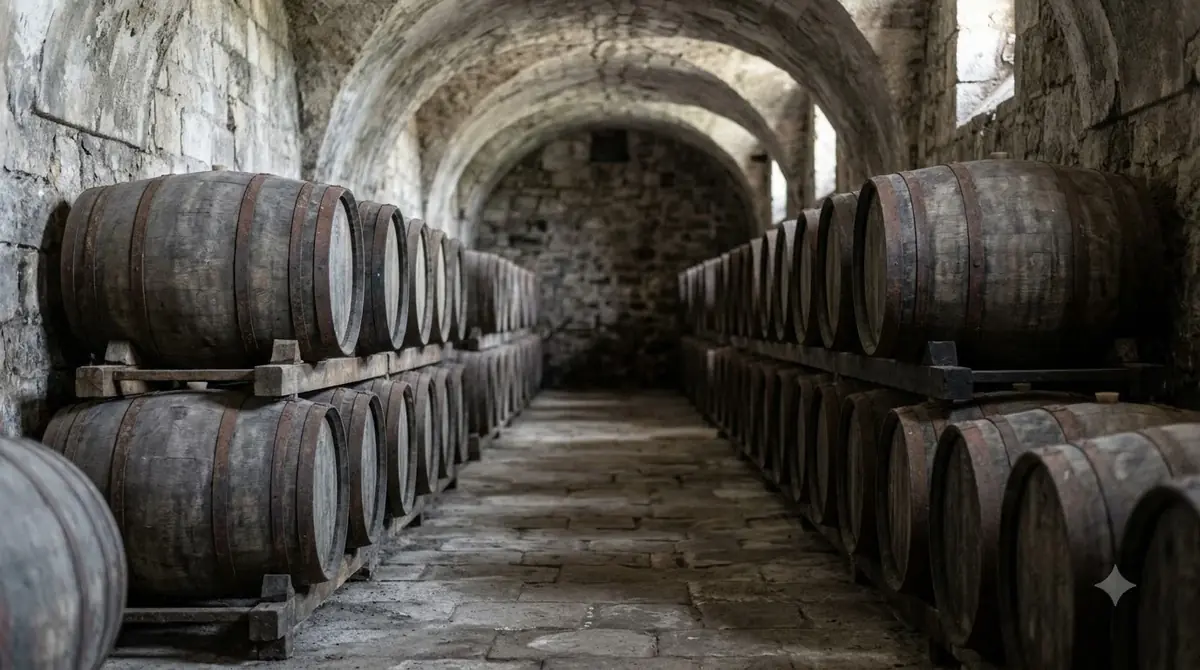
Superior Egri Csillag can also show additional texture and complexity. Small-barrel aging may contribute subtle spice and a broader impression on the palate without completely hiding the freshness associated with the region.
Grand Superior: The Highest Classification
Grand Superior represents the most specific and demanding classification in the regional system. These wines are associated with designated vineyard sites and more stringent production requirements. They are particularly valuable for visitors who want to understand the differences between individual vineyard expressions.
When tasting a Grand Superior wine, pay attention to the relationship between fruit concentration, acidity, texture, and the finish. The best examples demonstrate that Eger can produce serious, structured wines while retaining the freshness that distinguishes the region.
| Classification | What to look for | Suggested tasting focus |
|---|---|---|
| Classicus | Freshness and regional character | Fruit, acidity, and balance |
| Superior | Greater concentration and complexity | Structure, texture, and finish |
| Grand Superior | Designated vineyard expression | Site character and depth |
For a particularly informative experience, taste three Bikavér wines from the same producer across the classification levels. Keeping the producer constant helps isolate the differences associated with the wine category rather than introducing too many variables at once.
It is also useful to compare the same classification from two different producers. This approach highlights how vineyard location, grape selection, fermentation, and maturation decisions contribute to the final wine.
Szépasszony Valley: Eger’s Most Famous Wine Tasting Destination
Szépasszony Valley, commonly translated as the Valley of the Beautiful Women, is the most recognizable destination for visitors interested in Eger wine tasting. With almost 200 wine cellars, it offers an unusually concentrated opportunity to explore local producers and styles within one small area.
The valley is located outside the historic center of Eger and can be reached on foot, by bus, or by city train. The walk provides an opportunity to see vineyards and fruit gardens around the town before arriving at the cellar district.
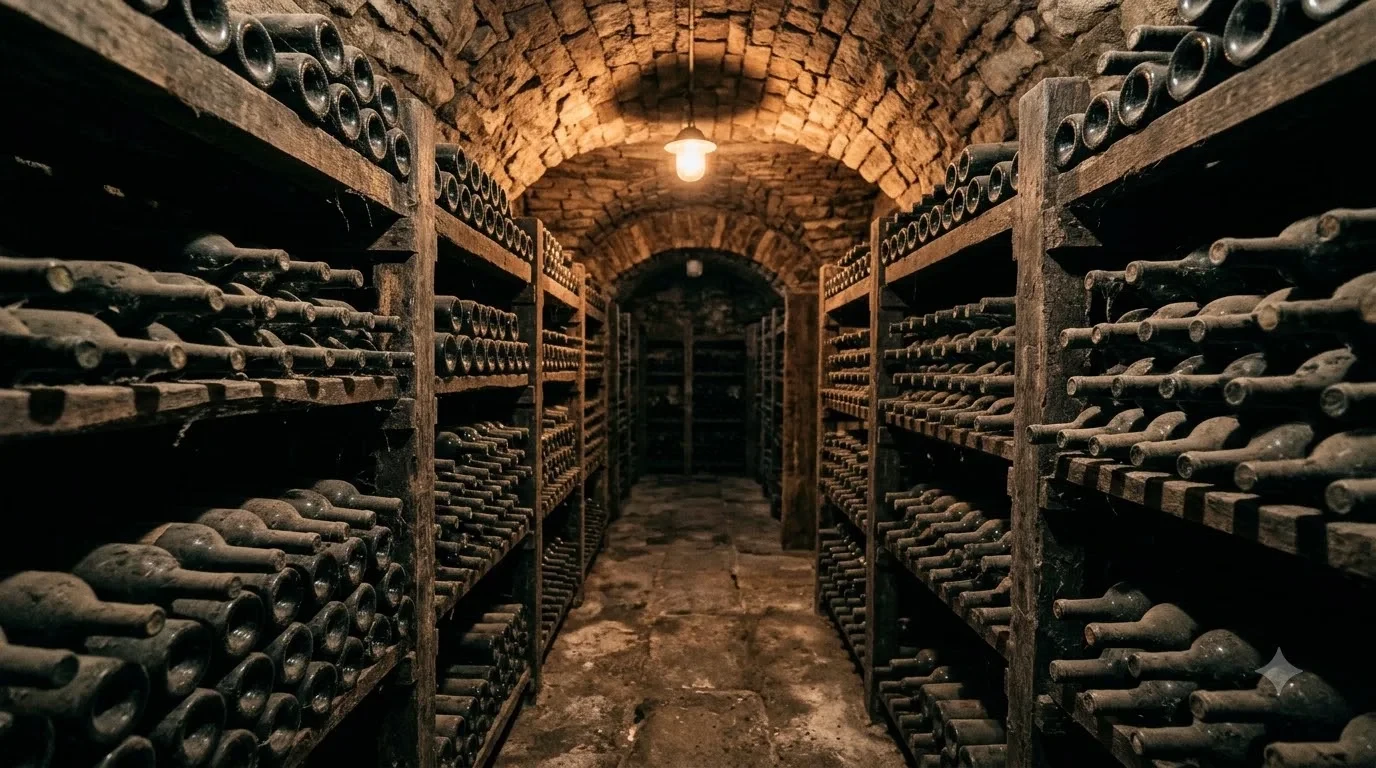
Many of the cellars are carved into volcanic rock, creating an atmospheric setting that connects the tasting experience with the area’s geology. Some operate primarily as wine shops or tasting rooms, while others combine wine service with restaurants and food experiences.
The almost 200 cellars mean that visitors have plenty of choice, but the best strategy is to select a few stops rather than trying to visit as many as possible. Spend time comparing wines and speaking with staff instead of treating the valley as a checklist.
Start with an Egri Csillag, followed by a Kékfrankos-based red and an Egri Bikavér. If you find a producer whose wines appeal to you, ask whether a guided tasting is available. A structured presentation can explain the regional classification system and the decisions behind the blends.
Some cellars also function as restaurants, making the valley a practical place to combine wine with traditional Hungarian food. Visitors can find local dishes, cheeses, and other accompaniments, while certain venues offer outdoor grilling areas and summer entertainment.
Spring is an especially interesting time to visit. The Hungarian tourism authority highlights the March 15 Egri Csillag launch festival, which gives visitors an opportunity to explore fresh releases of the white blend. Autumn is another attractive season because of the harvest atmosphere and the activity surrounding vineyards and wineries.
For a quieter visit, consider arriving earlier in the afternoon rather than concentrating all your tastings into the evening. This gives you more time to compare wines and enjoy the cellar interiors without feeling rushed.
One useful example is Tóth Ferenc Winery’s Cellar No. 46, which offers guided tastings in Szépasszony Valley. Its tasting program includes introductory flights, a dedicated Bikavér comparison, and more extensive wine experiences.
For a closer look at the valley’s cellar atmosphere, transportation options, and food experiences, read the Hungarian tourism authority’s guide to visiting Szépasszony Valley.
For an overview of another region where vineyard landscapes and distinctive local traditions shape the visitor experience, see our article on Alsace wine tasting.
Planning Winery Visits and Building a Tasting Flight
A successful Eger tasting trip requires a little planning, particularly if you want to visit producers outside the main cellar district. Begin with Szépasszony Valley for convenience, then arrange a separate appointment at a winery if you want a more detailed explanation of vineyard sites and production methods.
Not every tasting room follows the same booking policy. Some welcome individual visitors, while others require a minimum group size for guided experiences or cellar tours. Checking these conditions before arriving helps prevent unnecessary delays.
Choose a Tasting That Matches Your Schedule
Tóth Ferenc Winery provides a useful example of the different experiences available in Eger. Its Cellar No. 46 in Szépasszony Valley offers guided tastings without a minimum group size, while its Kistályai út winery combines guided tastings with cellar tours for groups of at least six people.
The winery’s introductory Eger Essentials Classic package lasts approximately 30–40 minutes and features three wines. Its selection includes Egri Csillag, Kékfrankos Rosé, and Egri Bikavér, making it a convenient introduction to the region’s main styles.
A five-wine Eger Classics option provides a broader selection, including Leányka, Kékfrankos Rosé, Kadarka, Egri Bikavér, and a sweet wine. This flight offers a particularly useful comparison of the region’s white, rosé, and red expressions.
Visitors interested specifically in the region’s signature red blend can choose a dedicated four-wine Bikavér tasting. This compares different styles and classification levels, including Classicus, Superior, and Grand Superior examples.
For a more comprehensive experience, the winery also offers a full-day vineyard program on Síkhegy Hill. Its advertised itinerary includes a guided cellar visit, a vineyard tasting when weather permits, cheese, and traditional pogácsa pastries. The experience requires a minimum group of eight people, and transportation is arranged separately.
Use a Logical Tasting Order
When designing your own tasting flight, arrange wines from lighter to fuller styles. This makes differences in aroma, acidity, texture, and tannin easier to identify.
A useful sequence includes:
- Leányka or another fresh regional white.
- Egri Csillag Classicus.
- Kékfrankos Rosé.
- A light-bodied Kadarka or Kékfrankos red.
- Egri Bikavér Classicus.
- Egri Bikavér Superior or Grand Superior.
You do not need to taste all six wines during one sitting. Three or four carefully selected examples can provide a meaningful introduction, particularly if you take time to discuss the differences with the producer.
Ask questions about grape composition, vineyard exposure, fermentation vessels, and aging. These subjects reveal more about the wines than simply asking whether a particular bottle is sweet or dry.
Another worthwhile comparison is the difference between Eger’s blends and single-variety wines. A glass of Kékfrankos alongside Egri Bikavér can help you understand what the grape contributes to a blend.
Travelers who enjoy comparing regional reds can also explore Bolgheri wine tasting, where Italian blending traditions provide an interesting contrast with the Hungarian approach.
Food Pairings That Bring Out Eger’s Wine Character
Food is an important part of the Eger tasting experience, particularly in Szépasszony Valley, where several wine cellars also serve meals. The most reliable pairing strategy is to match the weight and acidity of the wine with the richness, seasoning, and texture of the dish.
Egri Bikavér works particularly well with roasted meats, grilled pork, beef stews, sausages, and mushroom dishes. Its red-fruit character and acidity can balance rich food, while the tannins in fuller examples respond well to the fat and protein in meat.
Traditional Hungarian dishes offer several opportunities to explore these combinations. Goulash, pork preparations, roasted poultry, and paprika-seasoned meat dishes can all work with appropriately structured red blends. The best choice depends on the intensity of the seasoning and the body of the wine.
For a lighter Bikavér or a fruit-forward Kékfrankos, try grilled chicken, roasted vegetables, or mushroom-based dishes. These foods allow the wine’s freshness and fruit to remain noticeable instead of overwhelming a delicate meal.
Egri Csillag is a natural partner for freshwater fish, grilled poultry, salads, vegetable dishes, and lighter cheeses. Its acidity can cut through moderate richness, while its floral and fruity character complements herbs and fresh ingredients.
Leányka and other aromatic whites can work well with mild cheeses, grilled vegetables, and simple poultry dishes. A more structured Superior white blend may handle richer preparations, including cream-based sauces and roasted chicken.
Rosé wines made from Kékfrankos provide another flexible option. Their freshness and red-fruit flavors make them suitable for cold cuts, grilled vegetables, lighter sausages, and picnic foods.
Sweet wines deserve special attention at the end of a meal. Pair them with desserts that are equally sweet or slightly less sweet than the wine. Fruit pastries, honey-based desserts, and mild fruit cakes can work particularly well when the sweetness and acidity are balanced.
There are also a few pairing principles worth remembering:
- Acidic foods need wines with equal or higher acidity.
- Salt and fat can soften the perception of tannin in red wines.
- Very spicy dishes can make alcohol and tannin seem more pronounced.
- Oily fish generally works better with fresh whites than with tannic red blends.
- Rich sauces usually need wines with enough body and acidity to maintain balance.
For the most informative experience, order a local dish alongside two different wines. A comparison between Egri Csillag and Egri Bikavér with the same meal demonstrates how acidity, tannin, and body affect food compatibility.
Serving Temperatures and Practical Tips for Enjoying Eger Wines
Serving temperature can change the way Eger wines express their aromas, acidity, and structure. A slightly chilled white blend can feel refreshing and precise, while a red served too warm may seem more alcoholic and less balanced.
Use the following temperature ranges as a practical starting point for tasting:
| Wine style | Serving temperature | What it emphasizes |
|---|---|---|
| Light white wines | 45–50°F | Freshness and acidity |
| Fuller white blends | 50–55°F | Texture and aromatic detail |
| Rosé wines | 45–50°F | Fruit and refreshing acidity |
| Light red wines | 55–60°F | Red fruit and freshness |
| Full-bodied red wines | 60–65°F | Structure and complexity |
| Sweet white wines | 43–50°F | Balance between sweetness and acidity |
For Egri Csillag, a temperature around 45–50°F is a useful starting point for fresh Classicus examples. More substantial Superior whites can benefit from slightly warmer service, allowing their texture and aromas to become more apparent.
For red wines, distinguish between lighter Kékfrankos and Kadarka styles and more substantial Bikavér blends. A lighter red can be enjoyable at 55–60°F, while a fuller Superior or Grand Superior wine may show better at 60–65°F.
Give Structured Red Wines Time
Young, full-bodied red wines sometimes benefit from decanting. A period of approximately 30–60 minutes can help a concentrated Egri Bikavér open up, making its fruit, spice, and structural elements easier to appreciate.
However, not every Eger red needs decanting. A lighter Kadarka or an approachable Classicus wine may be better enjoyed shortly after opening. Taste first and decide whether additional aeration improves the wine.
Use Consistent Pour Sizes
A standard wine-tasting pour is approximately 5 ounces, although professional tasting flights often use smaller servings. A 750-milliliter bottle contains approximately five standard 5-ounce glasses.
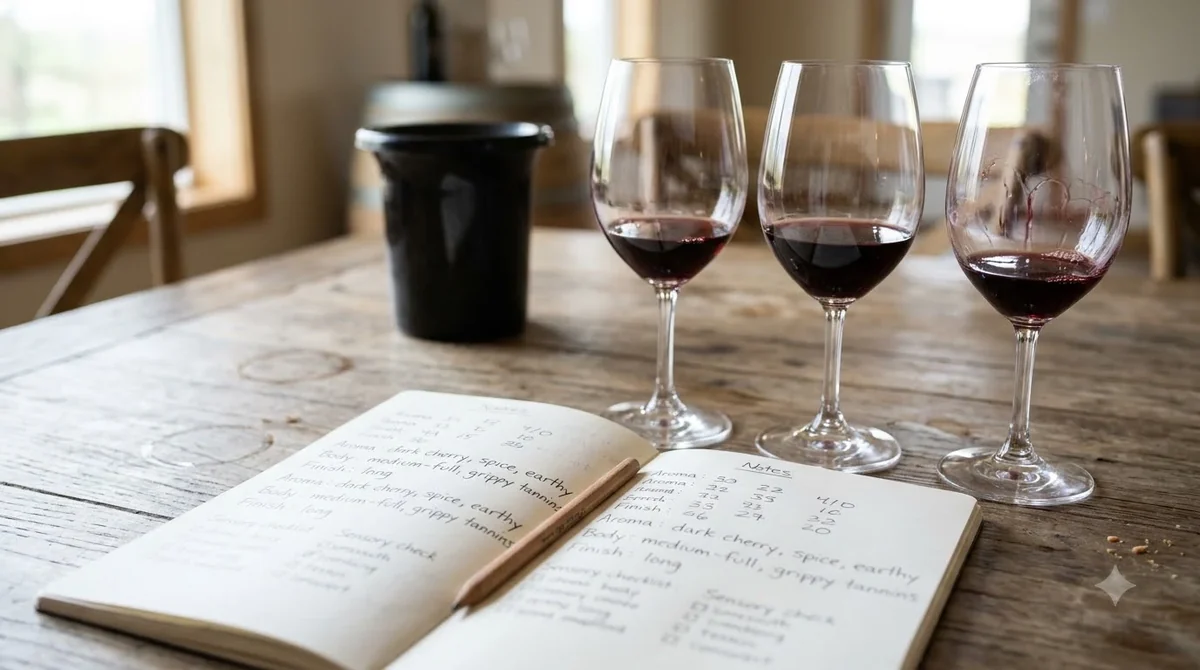
For a multi-stop visit, smaller tasting pours are more practical because they allow you to compare more styles without making every stop a full glass. Take notes about grape varieties, producer names, classification levels, and your impressions of each wine.
Store Opened Bottles Carefully
If you bring Eger wines home, storage conditions become important. Keep unopened bottles in a cool, dark place near 55°F, away from significant temperature fluctuations. Bottles with natural cork closures are generally stored on their sides to help maintain cork contact with the wine.
Once opened, reseal the bottle and refrigerate it. Most still wines remain enjoyable for approximately three to five days, although freshness declines at different rates depending on the wine and storage conditions. Allow chilled red wine to warm slightly before serving.
These simple practices help preserve the qualities that make Eger wines interesting, particularly their freshness, fruit character, and balance.
Frequently Asked Questions
What does Egri Bikavér mean in English?
Egri Bikavér means Bull’s Blood of Eger. The name is associated with a famous historical legend about the defenders of Eger during the Ottoman siege of 1552, who were supposedly strengthened by drinking red wine. The earliest known written reference to the Bikavér wine type dates from 1851, although its precise origin is unknown.
Can visitors taste Eger wines without joining a guided tour?
Yes. Some cellar venues and wine bars welcome visitors for individual glasses or informal tastings. For example, Tóth Ferenc Winery’s Cellar No. 46 accepts guided tasting bookings without a minimum group size. Availability and opening arrangements differ between producers, so contacting a particular cellar before traveling is useful.
Is Eger suitable for visitors who prefer white wine?
Absolutely. Egri Csillag is the region’s signature white blend, and visitors can also encounter varieties such as Leányka, Olaszrizling, Chardonnay, and Riesling. The region’s cooler conditions help preserve acidity and aromatic freshness, making Eger interesting for white-wine enthusiasts as well as red-wine drinkers.
What is the connection between Eger Castle and local wine?
Eger Castle is closely connected with the region’s historical identity and the legend surrounding Bull’s Blood. The famous 1552 siege helped establish the cultural story associated with the wine’s name. Visitors interested in this history can combine a castle visit with a tasting in the nearby cellar district.
What is pogácsa, and why is it served during wine experiences?
Pogácsa is a traditional Hungarian savory pastry, often prepared in small round portions. It is commonly served as a snack or accompaniment at social gatherings and winery events. Its savory, bread-like character makes it a convenient companion for cheese and regional wines, particularly during longer vineyard visits.
Eger offers a rewarding combination of distinctive wines, historic cellars, volcanic vineyard landscapes, and Hungarian food traditions. Start with Egri Csillag and Egri Bikavér, compare the Classicus, Superior, and Grand Superior classifications, and allow enough time to explore Szépasszony Valley. A thoughtful tasting itinerary will reveal why this historic Hungarian region deserves attention from wine enthusiasts interested in expressive blends and cool-climate character.
More in Wine Regions
 Willcox Wine Trail: Discover Arizona’s High-Elevation Wine CountryUpdated Nov 20, 2026
 Yakima Valley Wine Region: Find the Best Styles to TryUpdated Nov 20, 2026
 Vosne Romanee Wine Tasting: Identify Aromas and Choose Better PairingsUpdated Nov 20, 2026
 Yakima Valley Wine Festival: Find the Best Seasonal Wine EventsUpdated Nov 20, 2026
 Wales Vineyards: Discover Cool-Climate Wines and Where to VisitUpdated Nov 20, 2026
 Yountville Wine Festival: Discover Napa Wines and Local FoodUpdated Nov 20, 2026