


We may earn a commission when you buy through links on this page, at no extra cost to you. Learn more.
Cyprus wine tasting introduces visitors to distinctive indigenous grapes, mountain-grown vineyards, and historic wines such as Commandaria, one of the world’s oldest named wines still in production. The island offers seven wine routes, with tasting opportunities ranging from fresh Xynisteri whites and expressive Maratheftiko reds to naturally sweet dessert wines. Exploring its wine villages is also an opportunity to discover the landscapes, traditions, and food culture behind Cypriot winemaking.
Cyprus has a wine culture that stretches back thousands of years, but its modern wineries offer considerably more than historical interest. Indigenous grapes share vineyard space with international varieties, while traditional production methods coexist with contemporary winemaking. Whether you are planning a dedicated vineyard holiday or adding a few winery visits to a Mediterranean vacation, understanding the island’s grapes and wine-producing areas will help you choose more rewarding tastings.
Indigenous Grapes That Define Cypriot Wine
The most interesting starting point for a Cyprus wine tasting is its indigenous grape varieties. Xynisteri provides the foundation for many local white wines, while Maratheftiko is one of the island’s most distinctive red grapes. Mavro, Ofthalmo, and several lesser-known varieties add further diversity to the tasting experience.
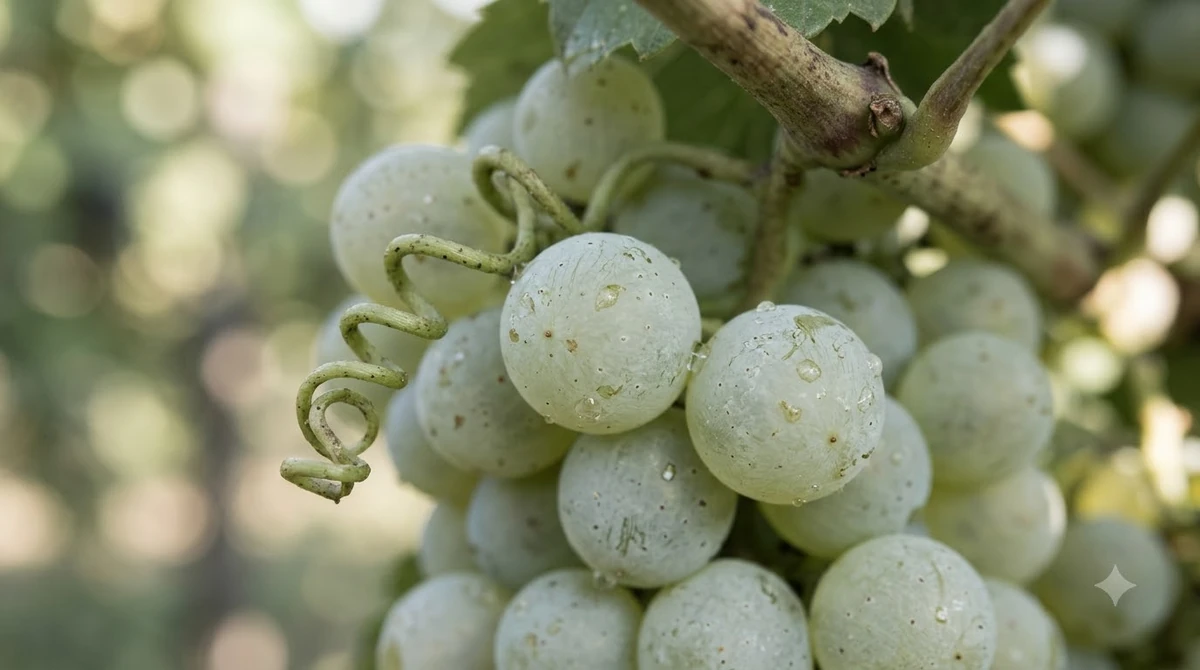
Xynisteri is the island’s most widely planted indigenous white grape. According to the official Cyprus tourism portal, it typically produces pale, light wines with an alcohol content around 11-11.5% by volume. Its approachable character makes it a useful introduction for visitors who enjoy refreshing Mediterranean whites. Depending on the producer and growing conditions, expect citrus, orchard fruit, and a clean finish rather than the pronounced oak influence sometimes associated with international Chardonnay.
For a first tasting, compare a young, unoaked Xynisteri with a version that has received additional lees contact or barrel treatment. The differences can reveal how winemaking decisions influence texture and aromatic complexity. A straightforward bottling generally works well as an aperitif, while a richer interpretation can accompany grilled fish, poultry, or dishes featuring lemon and herbs.
Maratheftiko deserves particular attention from red-wine enthusiasts. This indigenous variety is associated with expressive fruit, floral aromas, and a more structured character than the lighter style traditionally associated with Mavro. Violet, red berries, dark fruit, and aromatic herbs are useful descriptors to look for during a tasting. Producers may use different extraction and aging approaches, so two Maratheftiko wines can provide noticeably different experiences.
Maratheftiko is particularly interesting because it demonstrates the potential of Cyprus’s native red grapes beyond traditional blending. Its natural structure can support more substantial wines, making it suitable for lamb, grilled meats, and richly seasoned vegetable dishes. Compare a younger example with a barrel-aged bottling to understand how oak contributes spice, texture, and additional complexity.
Mavro is another important indigenous variety. Its name means black, but its traditional wines are generally lighter in color and flavor than many familiar international reds. Mavro has historically played an important role in local wine production and is also one of the two grapes used for Commandaria. It can be encountered in blends as well as wines that give the variety a more individual expression.
Other varieties worth recognizing include Ofthalmo, an indigenous red grape, and international varieties such as Cabernet Sauvignon, Shiraz, Grenache, Chardonnay, Riesling, and Sauvignon Blanc. These international grapes allow Cypriot producers to make familiar styles while exploring the influence of local altitude, soils, and climate.
For a useful introductory tasting, try these varieties in the following order:
- Xynisteri: Begin with a refreshing white to appreciate the island’s principal indigenous white grape.
- International white: Compare it with Sauvignon Blanc or Chardonnay from a Cypriot producer.
- Mavro: Explore the lighter traditional red style.
- Maratheftiko: Finish the dry-wine comparison with a more structured indigenous red.
- Commandaria: Conclude with the island’s historic sweet wine.
This progression moves from lighter wines toward richer, more concentrated expressions. It also helps visitors recognize the difference between indigenous grape character and winemaking techniques used with international varieties.
Seven Wine Routes and the Best Regions to Explore
Cyprus organizes its wine tourism around seven officially promoted wine routes. These routes connect wineries, traditional villages, cultural attractions, and vineyard landscapes, allowing visitors to build an itinerary around a particular region or grape style.
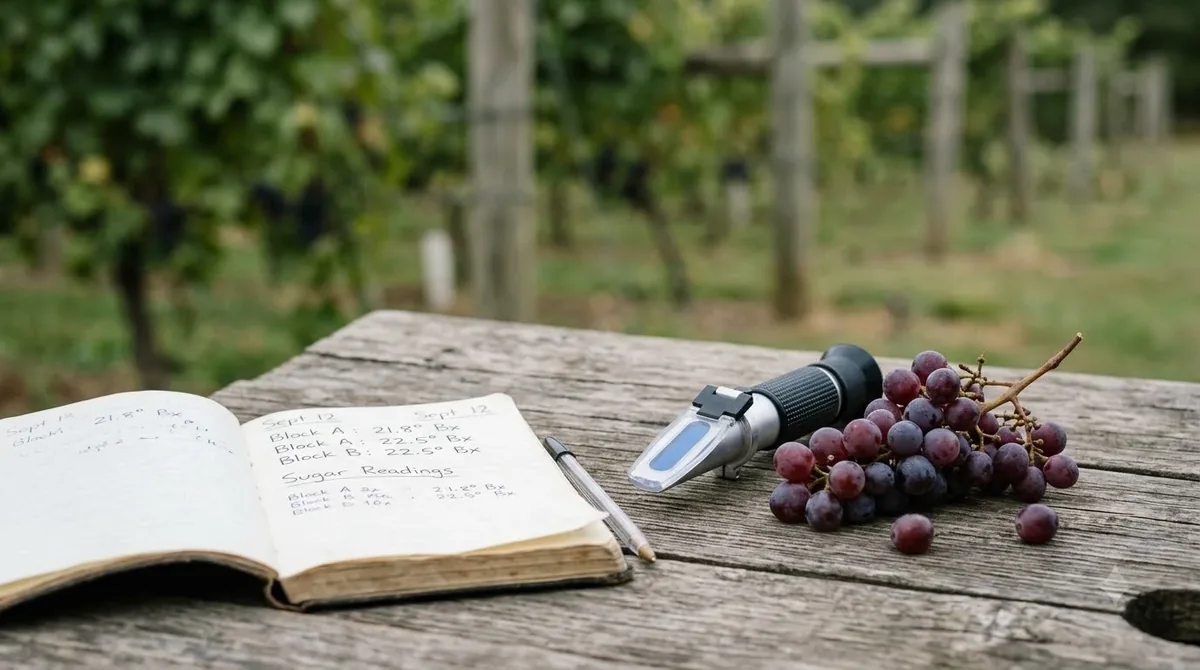
The southern slopes of the Troodos Mountains are especially important for understanding Cypriot wine. Elevation, varied geology, and differences in exposure create growing conditions that contrast with the warmer coastal areas. The official routes also extend into Paphos, Larnaca, and Nicosia districts, providing several different approaches to exploring the island’s wine culture.
The seven routes are:
- Commandaria: Focuses on the historic villages associated with Cyprus’s famous naturally sweet wine.
- Diarizos Valley: Follows a picturesque inland valley with vineyards and rural wine-producing communities.
- Krasochoria of Lemesos: Connects the traditional wine villages on the southern Troodos slopes.
- Laona-Akamas: Explores the northwestern Paphos area, where vineyards meet a distinctive coastal and mountainous landscape.
- Mountainous Larnaka-Lefkosia: Covers wine-producing communities in the mountainous interior.
- Pitsilia: Features elevated vineyard areas and traditional communities around the Troodos region.
- Vouni Panagias-Ambelitis: Connects wine-producing villages in the Paphos district and surrounding uplands.
Krasochoria: The Limassol Wine Villages
Krasochoria is one of the most useful areas for visitors who want to compare several wineries in a relatively concentrated wine-producing district. The name combines Greek words meaning wine and villages. According to the official Cyprus tourism portal, the route includes 20 villages and 16 wineries.
Important stops include Omodos, Vouni, Koilani, Lofou, Vasa, and Arsos. These communities offer traditional architecture, narrow lanes, tavernas, and access to wineries producing both indigenous and international varieties. Xynisteri and Mavro are prominent local grapes, while Cabernet Sauvignon, Grenache, Mataro, and Syrah broaden the regional selection.
Omodos is particularly suitable as a starting point because it provides a recognizable village setting for combining wine tasting with local food and cultural sightseeing. Koilani and Vouni are other worthwhile additions. Rather than trying to visit every winery, select two or three producers and allow time for comparing their wines.
Paphos and the Vouni Panagias-Ambelitis Area
The Paphos wine country offers another excellent introduction to local varieties. The wider wine-producing area includes Tsada, Stroumbi, Kathikas, Pano Panagia, and Amargeti. More than 20 grape varieties are cultivated in the area, including Xynisteri and Maratheftiko alongside international grapes.
This diversity makes Paphos particularly useful for visitors interested in comparing indigenous and international styles. A tasting might include a fresh Xynisteri, a structured Maratheftiko, and a Cabernet Sauvignon or Shiraz. The region’s combination of coastal influence and elevated inland vineyards also provides an opportunity to see how growing conditions vary across relatively short distances.
Laona-Akamas and the Coastal Influence
Laona-Akamas is an appealing choice for visitors staying around the northwestern coast. Its route connects communities including Kathikas, Akourdaleia, Pano Arodes, Kato Arodes, Ineia, and Drouseia. The area is known for indigenous Xynisteri whites and Maratheftiko reds.
The coastal setting and surrounding countryside create a different atmosphere from the villages farther inland around Limassol. Combine a winery appointment with sightseeing around the Akamas Peninsula or a meal in a traditional village. This approach makes the wine experience part of a broader exploration rather than a sequence of unrelated tasting appointments.
Comparing the Main Wine Areas
The following overview can help you choose a route according to your interests. The route descriptions reflect the official tourism information and the distinctive grape varieties associated with each area.
| Wine area | Key places | What to explore |
|---|---|---|
| Krasochoria | Omodos, Vouni, Koilani | 20 villages and 16 wineries; indigenous and international grapes |
| Commandaria | Kolossi, Lania, Zoopigi | 14 authorized production villages and historic sweet wine |
| Paphos | Tsada, Stroumbi, Pano Panagia | More than 20 grape varieties cultivated in the wider area |
| Laona-Akamas | Kathikas, Drouseia, Ineia | Xynisteri whites and Maratheftiko reds |
| Pitsilia | Troodos mountain villages | Elevated vineyards and traditional wine communities |
| Diarizos Valley | Inland Paphos district | Rural vineyards and quieter countryside routes |
| Mountainous Larnaka-Lefkosia | Mountainous interior villages | Regional grape varieties and traditional winemaking |
Travelers who enjoy comparing different wine regions can also explore our guides to Alsace wine tasting and Willcox wine tasting. Both provide useful contrasts in grape varieties, climate, and regional wine identity.
Commandaria: Cyprus’s Historic Sweet Wine
Commandaria is the wine that gives Cyprus a particularly distinctive place in wine history. Produced within a protected geographical area of 14 villages, it is a naturally sweet wine made from sun-dried indigenous grapes. Its combination of historical importance, traditional production, and concentrated flavors makes it an essential part of any serious Cyprus wine tasting.
The permitted grape varieties are Xynisteri and local Mavro. According to the Cyprus National Commission for UNESCO, the grapes must come from non-irrigated vineyards within the designated Commandaria villages. The region lies north of Limassol and south of the Troodos Mountains, with vineyards situated approximately 400-900 meters above sea level.
The grapes are harvested late and dried in the sun to concentrate their natural sugars. Removing some of the grapes’ water through drying produces fruit with greater sugar concentration and a distinctive aromatic profile. The resulting wine is naturally sweet rather than relying on added sugar to create its traditional character.
Depending on the producer and style, Commandaria can show flavors and aromas of:
- Dried apricot, raisin, and fig.
- Caramel and honey.
- Dates and other concentrated dried fruits.
- Roasted nuts and warm spices.
- Toffee-like richness and lingering sweetness.
Its sweetness makes Commandaria very different from the island’s dry white and red wines. It is generally richer, more concentrated, and better suited to smaller pours after a meal. The wine can be enjoyed independently or alongside desserts and mature cheeses.
The Fourteen Commandaria Villages
The protected production area includes Agios Georgios Sylikou, Agios Konstantinos, Agios Mamas, Agios Pavlos, Apsiou, Gerasa, Doros, Zoopigi, Kalo Chorio, Kapilio, Lania, Louvaras, Monagri, and Sylikou.
These villages are not simply names on a wine label. Their agricultural traditions, local knowledge, and community practices form an important part of Commandaria’s identity. Cyprus’s intangible cultural heritage inventory recognizes these wine traditions, including the knowledge involved in cultivating the grapes and making the wine.
Historical associations with the Knights Templar and Knights Hospitaller also help explain the wine’s enduring reputation. The name Commandaria is connected to the medieval administrative territory associated with Kolossi. The wine became closely associated with the island’s history and its position within Mediterranean trade and culture.
For a visitor, the Commandaria route offers more than a tasting appointment. The Medieval Castle of Kolossi provides historical context, while the traditional wine press in Laneia offers a connection to earlier production methods. These stops make the region particularly interesting for travelers who appreciate the cultural side of wine.
Tip: Taste Commandaria after the dry wines rather than at the beginning of a flight. Its concentrated sweetness can overwhelm more delicate Xynisteri or lighter red wines. Serve it slightly cool in a smaller glass, and pair it with a dessert that is no sweeter than the wine itself.
Planning Winery Visits and Choosing the Right Season
A successful Cyprus winery itinerary requires a little preparation because tasting opportunities are spread across mountain villages and rural districts. The best approach is to select one wine route, arrange appointments with two or three producers, and leave time for lunch and sightseeing.
Cyprus’s seven official wine routes are designed to help visitors connect wineries with nearby cultural and rural attractions. However, a route is not necessarily a single guided tour with fixed departure times. Independent travelers should plan their own transport and confirm tasting arrangements directly with each winery. The official Cyprus tourism guide to local wines provides additional background on indigenous grapes, wine production, and visiting the island’s wineries.
When to Visit
Spring and autumn are attractive seasons for exploring vineyards. Spring brings greener countryside and generally comfortable conditions for walking through villages. Autumn is particularly interesting because it coincides with the grape-harvest period, when wine-producing communities become more active.
The timing of harvest varies according to grape variety, vineyard elevation, weather, and producer decisions. Consequently, there is no single harvest date that applies across the island. Visitors interested in seeing harvesting or production activities should contact wineries before arranging their trip.
Summer can also be suitable for winery visits, particularly in the cooler elevated areas around Troodos. However, the hottest part of the day is better spent enjoying a long lunch or indoor tasting rather than walking exposed vineyard paths. Winter offers a quieter experience and an opportunity to focus on indoor tastings and the historical villages.
How Many Wineries Should You Visit?
For most visitors, two or three wineries in one day provide a comfortable pace. A longer itinerary may be possible, but rushing between appointments reduces the opportunity to understand the wines and enjoy the villages.
Consider organizing the day around a particular tasting theme. For example, a Krasochoria itinerary could begin with Xynisteri, continue with Maratheftiko, and finish with a local red blend. A Commandaria-focused visit could combine a producer tasting with the historic sites around Kolossi and Laneia.
Always arrange a designated driver or another appropriate transport option. Mountain roads, narrow village streets, and tasting appointments are better handled with a planned transport arrangement than with an improvised driving schedule.
Questions to Ask at a Winery
Talking with the producer or tasting-room staff can add considerable value to the experience. Rather than asking only which wine is most popular, focus on how the grapes and growing conditions influence the wine.
- Is the Xynisteri fermented in stainless steel or oak?
- Which vineyard elevation supplies the Maratheftiko?
- Is the red wine made entirely from indigenous grapes or from a blend?
- How long has the Commandaria aged?
- Which local dishes does the winery recommend with its wines?
These questions encourage comparisons between producers and help visitors understand why wines from different parts of Cyprus can taste so different. They are also useful when choosing bottles to enjoy later.
Cypriot Food Pairings and Practical Tasting Advice
Cypriot wines are particularly enjoyable alongside the island’s traditional food. Fresh seafood, grilled lamb, halloumi, olives, herbs, vegetables, and slow-cooked dishes provide a range of flavors that complement the local grape varieties.
For a first pairing, serve Xynisteri with grilled fish, calamari, seafood salads, or fresh goat cheese. Its refreshing character works particularly well with lemon, herbs, and lighter Mediterranean dishes. The wine’s acidity should be sufficient to match the acidity of the food, especially when a dish includes generous lemon or vinegar.
Maratheftiko is better suited to more substantial food. Grilled lamb, roast pork, mushroom dishes, and seasoned vegetable preparations can work well with its fruit and structure. Salt and fat help soften tannin, making dishes with grilled meat and rich sauces useful companions.
Mavro’s lighter traditional style can accompany grilled vegetables, chicken, mezze, and moderately seasoned meat dishes. The important consideration is the particular wine’s weight. A lighter red should not be overwhelmed by heavily spiced or extremely rich food.
Food Pairing Guide
| Cypriot wine | Food pairing | Why it works |
|---|---|---|
| Xynisteri | Grilled sea bass, calamari, halloumi | Freshness complements seafood and salty cheese. |
| Maratheftiko | Grilled lamb, roast pork, mushrooms | Fruit and structure complement savory flavors. |
| Mavro | Chicken, vegetable mezze, grilled vegetables | Lighter red character suits moderately rich dishes. |
| Cypriot Shiraz | Grilled beef, lamb, spiced meat | Richer fruit and tannin suit substantial food. |
| Commandaria | Baklava, dried figs, mature cheese | Concentrated sweetness complements dessert and savory richness. |
Serving Temperatures and Tasting Portions
Serving temperature can make a significant difference to the way Cypriot wines express themselves. Fresh whites such as Xynisteri generally benefit from a temperature around 45-50 degrees Fahrenheit. Fuller-bodied whites can be served slightly warmer, around 50-55 degrees Fahrenheit, to allow their aromas to develop.
Light reds are generally best around 55-60 degrees Fahrenheit, while fuller reds are more expressive around 60-65 degrees Fahrenheit. Avoid serving red wines excessively warm, particularly during the hotter months in Cyprus. A brief period in a cool room or refrigerator can help bring them closer to their ideal serving temperature.
Commandaria is best served slightly chilled, generally around 43-50 degrees Fahrenheit. This helps keep its concentrated sweetness balanced and makes it particularly enjoyable after a meal.
For a structured tasting, pour approximately 2-3 ounces of each wine rather than a full restaurant serving. A standard 750-milliliter bottle contains approximately five 5-ounce glasses, so smaller tasting pours allow visitors to compare more wines without overwhelming the palate.
Look at the wine before tasting, then assess its aromas and structure. With Xynisteri, consider freshness and citrus character. With Maratheftiko, pay attention to fruit concentration, floral notes, and tannin. With Commandaria, focus on the balance between sweetness, acidity, and its complex dried-fruit aromas.
Visitors who enjoy comparing wine destinations can also explore Bolgheri wine tasting, where Italian red-wine traditions provide an interesting contrast to Cyprus’s indigenous varieties. For further background on regional styles and appellations, our Wine Regions resource provides additional context.
Frequently Asked Questions
Is Cyprus wine tasting suitable for beginners?
Yes. Many Cypriot wines are approachable, particularly fresh Xynisteri whites and lighter Mavro reds. Beginners can learn about unfamiliar grapes without needing advanced wine knowledge. A guided tasting that includes four or five different styles is a practical introduction.
Can visitors buy wine directly from Cypriot wineries?
Many wineries offer opportunities to purchase their wines directly after a tasting, although availability and shipping arrangements vary. Visitors traveling internationally should ask about suitable packaging and their destination country’s customs and alcohol-import allowances. Some wineries may also provide information about international distributors.
Are Cypriot wines made from ungrafted grapevines?
Some Cypriot vineyards retain own-rooted vines because the island escaped the widespread phylloxera devastation experienced by many European wine regions during the nineteenth century. However, this does not mean every vineyard uses ungrafted vines. Vineyard age, rootstock, and planting practices vary between producers and locations.
What does the word Krasochoria mean?
Krasochoria is a Greek compound meaning wine villages. The name refers to the traditional wine-producing communities of the Limassol district on the southern slopes of the Troodos Mountains. The area’s villages have long been associated with grape growing, local wine production, and traditional tavernas.
Is Commandaria always made as a red wine?
No. Although its color can resemble amber or deep reddish brown, Commandaria is produced from both white Xynisteri and red Mavro grapes. The appearance depends on the grapes, production methods, and aging. Its identity is defined by its protected origin and production requirements rather than by a conventional red-wine classification.
Cyprus offers a rewarding wine experience for travelers interested in indigenous grapes, traditional villages, and distinctive Mediterranean food. Start with Xynisteri and Maratheftiko, explore a regional route such as Krasochoria or Paphos, and reserve time for a tasting of Commandaria. Together, these wines provide an excellent introduction to the island’s history, landscapes, and continuing winemaking traditions.
More in Wine Regions
 Willcox Wine Trail: Discover Arizona’s High-Elevation Wine CountryUpdated Nov 20, 2026
 Yakima Valley Wine Region: Find the Best Styles to TryUpdated Nov 20, 2026
 Vosne Romanee Wine Tasting: Identify Aromas and Choose Better PairingsUpdated Nov 20, 2026
 Yakima Valley Wine Festival: Find the Best Seasonal Wine EventsUpdated Nov 20, 2026
 Wales Vineyards: Discover Cool-Climate Wines and Where to VisitUpdated Nov 20, 2026
 Yountville Wine Festival: Discover Napa Wines and Local FoodUpdated Nov 20, 2026