

We may earn a commission when you buy through links on this page, at no extra cost to you. Learn more.
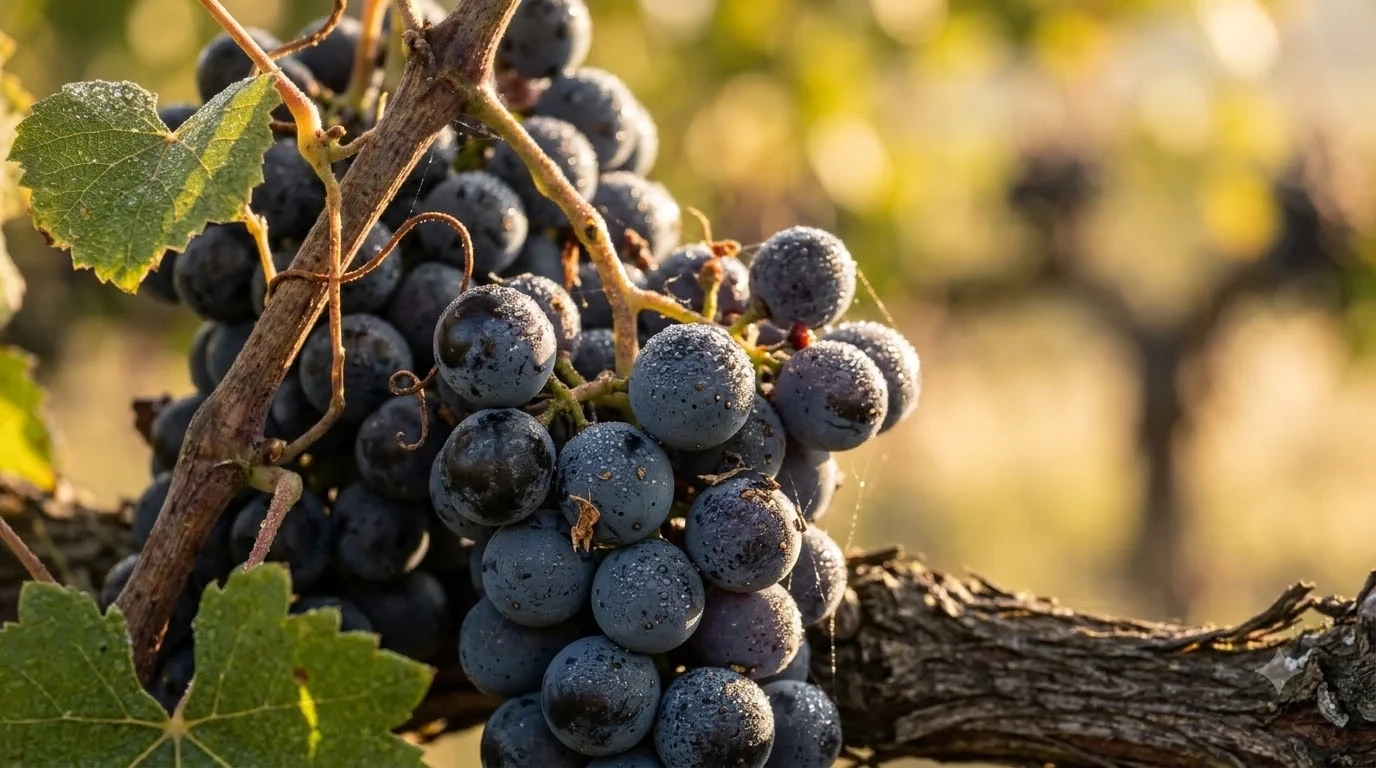
Cote rotie wine grapes are primarily Syrah, with Viognier permitted as a supporting white grape in the Northern Rhône appellation of Côte-Rôtie, France. Syrah supplies the wine’s deep color, structure, dark fruit, and savory character, while Viognier can contribute floral aromas and additional finesse. Appellation regulations require Syrah to represent at least 80% of the vineyard planting composition and permit Viognier in qualifying mixed plantings up to 20%. Understanding how these two varieties work together explains why Côte-Rôtie has such a distinctive place among French red wines.
Côte-Rôtie is one of the Northern Rhône’s most recognizable wine appellations, known for red wines that combine concentrated fruit with fragrant floral and savory notes. Its steep vineyards, varied soils, and traditional relationship between Syrah and Viognier create a style that can be powerful without losing aromatic detail. For American wine drinkers, learning about its grape varieties provides a useful starting point for understanding the region, comparing producers, and choosing a bottle for dinner or a special occasion.
Syrah and Viognier: The Two Côte-Rôtie Grapes
Syrah is the foundation of every Côte-Rôtie wine, while Viognier is the permitted white companion variety. Their relationship is unusual because a white grape can be included in a red wine appellation, giving producers another way to shape aroma, texture, and overall balance.
Syrah is responsible for most of the wine’s recognizable characteristics. It provides the dark ruby color, substantial tannins, and flavors associated with Northern Rhône reds. Depending on the vineyard and winemaking approach, its fruit profile can include blackberry, black cherry, plum, and dark raspberry. Savory notes such as black pepper, smoked meat, olive, and earthy spice may also appear.
These characteristics make Syrah particularly suitable for the steep, sunny slopes of Côte-Rôtie. The grape develops concentrated fruit while retaining the structure needed for wines that can mature over many years. Its tannins also contribute to the wine’s ability to accompany rich foods, especially roasted meats and dishes with substantial savory flavors.
Viognier has a very different aromatic profile. It is a white grape commonly associated with apricot, peach, orange blossom, honeysuckle, and fragrant flowers. In Côte-Rôtie, it provides an aromatic counterpoint to Syrah rather than creating a separate white wine.
Inter Rhône identifies Syrah as the source of rich color and tannins and Viognier as a contributor of elegance and finesse. The combination can produce a red wine that feels expressive and layered rather than simply concentrated. Floral aromas may be particularly noticeable in wines that contain a meaningful proportion of Viognier. The official Inter Rhône Côte-Rôtie appellation profile also explains the relationship between these varieties and the region’s distinctive vineyard conditions.
The two varieties are not interchangeable. A Syrah-dominant wine without Viognier can still qualify as Côte-Rôtie, while a wine containing another white Rhône grape cannot simply substitute that variety for Viognier under the appellation’s grape rules.
This distinction matters when comparing Côte-Rôtie with other Northern Rhône wines. Cornas, for example, is made from Syrah alone under its appellation rules, while neighboring Condrieu is a white-wine appellation centered on Viognier. Côte-Rôtie brings these two grape identities together in a red-wine tradition.
How Much Viognier Can Côte-Rôtie Contain?
Côte-Rôtie regulations establish Syrah as the principal grape and Viognier as the accessory variety. The rules allow Viognier to represent up to 20% of qualifying mixed plantings alongside Syrah, although the actual proportion in individual wines can be considerably lower.
The distinction between vineyard planting rules and the finished wine is important. The official appellation specifications require Syrah to account for at least 80% of the vineyard planting composition of an estate producing Côte-Rôtie. They also permit Viognier to be planted alongside Syrah in mixed parcels, within the prescribed 20% limit.
These rules preserve Syrah’s leading role while allowing the traditional white-grape contribution. They do not mean that every bottle must contain 20% Viognier. A producer can use a smaller proportion or make a wine entirely from Syrah.
| Grape or specification | Role | Regulatory figure |
|---|---|---|
| Syrah | Principal red grape | At least 80% of vineyard planting composition |
| Viognier | Permitted white companion grape | Up to 20% of qualifying mixed plantings |
| Minimum planting density | Vineyard requirement | 6,000 vines per hectare |
| Base appellation yield | Production requirement | 40 hectoliters per hectare |
| Maximum buds per vine | Pruning requirement | 10 buds |
These figures come from the Côte-Rôtie appellation specifications published through France’s INAO. The 80% and 20% figures describe vineyard planting requirements, not a guarantee that every finished wine contains precisely those percentages. The distinction is particularly important because the regulations assess the grape composition of the estate’s qualifying vineyard area.
For consumers, this means that a Côte-Rôtie labeled as a Syrah-based red does not need to advertise a particular Viognier percentage. Producers may provide additional technical details, but the appellation name itself identifies the regulated geographical origin and wine style.
The traditional practice of growing the varieties together also helps explain their relationship. Historically, mixed plantings allowed growers to cultivate both grapes in the same vineyard. The resulting grapes could then be harvested and processed together, preserving a distinctive regional approach to red wine production.
For more background on the location and boundaries that establish these requirements, explore the Côte-Rôtie wine region and its place within the Northern Rhône.
Tip: Do not assume that a Côte-Rôtie containing more Viognier is automatically better or more aromatic. Producer choices, vineyard location, grape ripeness, fermentation, and aging all influence the finished wine.
Vineyard Soils, Slopes, and the Côte Blonde and Côte Brune
Côte-Rôtie’s grape varieties develop in a demanding landscape of steep slopes, terraced vineyards, and metamorphic rock. Differences in geology and vineyard exposure contribute to the character of individual sites, giving Syrah several distinct expressions within a relatively compact appellation.
The vineyards occupy the right bank of the Rhône River across three communes: Ampuis, Saint-Cyr-sur-Rhône, and Tupin-et-Semons. According to Inter Rhône, the vines grow at elevations of approximately 180 to 325 meters above sea level. Some slopes exceed 60 degrees, making mechanized vineyard work difficult and requiring considerable manual labor.
Terraces and retaining walls are essential to the vineyard landscape. They create planting areas on otherwise difficult terrain and help manage soil movement and water circulation. Workers must maintain these structures while carrying out pruning, canopy management, and harvesting on steep ground.
The appellation’s geology includes several types of metamorphic rock. Mica schist is particularly associated with the northern part of the area, while gneiss and migmatite occur farther south. Fractures in the underlying rock allow vine roots to reach water and nutrients.
Côte Brune
Côte Brune is the northern sector traditionally associated with darker soils and mica schist. Wines from this area are often described as structured, concentrated, and powerful. Syrah grown in these conditions can produce reds with pronounced dark fruit, savory depth, and firm tannins.
The name Côte Brune is frequently associated with wines suited to extended bottle aging. Their structure can take time to integrate, particularly in concentrated vintages. With maturity, the fruit may become less primary while earthy, spicy, and sometimes smoky characteristics become more prominent.
Côte Blonde
Côte Blonde is the southern sector, where lighter-colored soils associated with gneiss and migmatite are prominent. Traditional descriptions often characterize its wines as more supple, fragrant, and elegant than those from Côte Brune.
Syrah from these sites can show expressive red and dark berries, floral notes, and a less imposing structural impression. The distinction is useful when learning about the appellation, but it should not be treated as a rigid quality ranking or a guarantee of a particular flavor.
Many producers work with fruit from different vineyard locations, and the final blend can combine characteristics from multiple sites. Other wines emphasize a single named vineyard. The appellation includes 73 officially registered lieux-dits, giving growers numerous opportunities to express differences in location and soil.
Readers interested in the individual planting areas can learn more through this overview of Côte-Rôtie vineyards, including the landscape that makes cultivation so distinctive.
Growing Syrah and Viognier in the Northern Rhône
The climate and vineyard orientation help determine how Syrah and Viognier ripen in Côte-Rôtie. South-facing slopes receive substantial sunlight, while the region’s continental climate and Mediterranean influences contribute to the conditions needed for concentrated red grapes and aromatic white grapes.
Inter Rhône describes the climate as continental with Mediterranean influences. Winters are relatively mild, summers are hot, and rainfall is relatively regular. Dry southerly winds provide an additional Mediterranean influence, while the south-facing vineyards receive considerable sunlight.
These conditions are important for Syrah because the grape needs sufficient warmth to reach maturity. Good ripeness helps develop its dark fruit character and can soften the impression of firm tannins. However, maintaining freshness remains important. Harvest timing can influence whether the finished wine emphasizes vibrant fruit and pepper or more concentrated, mature flavors.
Viognier presents a different set of considerations. It is valued for its aromatic intensity, but its ripeness and freshness need to be managed carefully. The grape’s contribution should complement Syrah rather than overwhelm the red wine’s structure and fruit profile.
Vineyard regulations also demonstrate how much attention is given to cultivation. The INAO specifications establish a minimum planting density of 6,000 vines per hectare and limit the number of buds retained under specified pruning methods to 10 per vine.
Growers may train vines using individual stakes, known locally as échalas, or an approved trellising system. The steep terrain and terrace construction make vineyard maintenance labor-intensive. These practical challenges are part of the identity of Côte-Rôtie rather than incidental details.
Harvesting is also regulated. Grapes must be picked by hand and transported as whole bunches to the winery. This requirement helps preserve the integrity of the fruit during transport and reflects the appellation’s traditional approach to vineyard work.
According to the official specifications, the base yield is 40 hectoliters per hectare. Yield restrictions help define the production framework, although the eventual concentration and style of a particular wine also depend on the producer’s decisions and the conditions of the growing season.
The result is an environment in which vineyard location and careful cultivation can have a strong influence on the final expression of Syrah. Even within the same appellation, differences in slope, elevation, soil, exposure, and harvest timing can produce noticeably different wines.
What Côte-Rôtie Grapes Taste Like in the Glass
Côte-Rôtie generally combines the dark fruit and firm structure of Northern Rhône Syrah with an aromatic character that can include violets, spice, and floral notes from Viognier. The exact balance depends on the vineyard, the proportion of Viognier, the vintage, and the winemaking approach.
Blackberry, black cherry, and plum are common fruit associations. Some wines also show raspberry or red cherry, especially when their fruit profile is more lifted and fragrant. These flavors are usually accompanied by savory details that distinguish Northern Rhône Syrah from many warmer-climate expressions of the grape.
Black pepper is a familiar characteristic, along with smoked meat, dried herbs, olive, and earthy spice. With bottle age, some examples develop additional notes of leather, forest floor, dried flowers, and tobacco. The balance between fruit and savory complexity can change substantially as the wine matures.
Viognier adds another aromatic dimension. Peach, apricot, honeysuckle, and orange blossom are familiar associations with the grape, although these aromas do not necessarily appear as obvious fruit flavors in the finished red wine. Instead, they can contribute a floral impression and a sense of aromatic lift.
The presence of Viognier does not turn Côte-Rôtie into a sweet or white-fruit-dominated wine. The finished wine remains a dry red, with Syrah providing its principal structure and flavor identity.
Color, tannin, and texture
Syrah naturally produces deeply colored red wines because of its anthocyanin-rich skins. Côte-Rôtie commonly displays a ruby to deep garnet appearance, depending on age and winemaking. Its tannins can be noticeable in young examples, giving the wine a firm framework that supports bottle development.
Texture varies by producer and site. Some examples feel broad and concentrated, while others are more finely structured, with aromatic detail taking priority over sheer weight. Viognier can contribute to the impression of finesse, but it does not eliminate the tannins naturally supplied by Syrah.
Acidity also plays an important role in the wine’s balance. It keeps dark fruit flavors from feeling overly heavy and helps the wine work at the dinner table. A well-balanced Côte-Rôtie can combine substantial body with enough freshness to remain expressive alongside rich food.
It is useful to distinguish the grape’s natural characteristics from the influence of winemaking. Fermentation choices, extraction, whole-cluster use, oak maturation, and time in bottle all affect the final style. Two wines from the same appellation can therefore differ in aromatic intensity, tannin, and texture even when both are dominated by Syrah.
Choosing, Serving, Aging, and Pairing Côte-Rôtie
The best way to choose Côte-Rôtie is to consider the producer, vineyard site, vintage character, and preferred drinking style. Younger bottles often emphasize fresh dark fruit and pepper, while mature examples can reveal more complex floral, earthy, and savory characteristics.
For a first bottle, consider whether you prefer a more structured Syrah or one with a fragrant, supple profile. Wines associated with Côte Brune are traditionally described as more powerful, while Côte Blonde is commonly associated with greater aromatic finesse. These are useful starting points, not absolute rules.
Named vineyard sites can also help distinguish wines. La Landonne, La Mouline, and La Turque are well-known examples of Côte-Rôtie lieux-dits. Their names may appear on individual bottlings, helping buyers identify wines associated with particular vineyard locations.
It is also helpful to understand the difference between a single-site bottling and a wine assembled from several vineyard parcels. A multi-site blend may emphasize balance and the combined character of different slopes. A single-site wine can provide a more focused expression of its particular location.
Serving temperature
Côte-Rôtie is best served slightly cool rather than warm. A temperature of 60–65°F is a useful range for full-bodied red wines. Excessive warmth can make alcohol seem more prominent, while serving the wine too cold can mute its aromas and make tannins feel harder.
Allow a bottle stored at room temperature to cool before serving if necessary. Pouring a modest first glass gives the wine time to open while keeping the remaining bottle at a suitable temperature.
Decanting and bottle aging
Young, concentrated Côte-Rôtie can benefit from 30–60 minutes in a decanter. This gives the wine time to interact with air and can make its fruit, floral notes, and savory character easier to appreciate. Not every bottle needs extensive decanting, so it is sensible to taste before deciding whether more air is helpful.
Many high-quality examples are capable of aging for years. Their firm Syrah structure provides a framework for development, while fruit, tannin, and acidity evolve over time. Younger wines often show more obvious blackberry, pepper, and violet, whereas mature examples may reveal leather, dried herbs, earth, and more developed savory aromas.
Store unopened bottles on their sides in a cool, dark location near 55°F, away from temperature fluctuations and direct sunlight. Once opened, reseal the bottle and refrigerate it. Most opened still wines are best enjoyed within three to five days.
Food pairings
Côte-Rôtie’s combination of dark fruit, savory flavors, and firm tannins makes it particularly suitable for dishes with rich proteins and developed flavors. Roasted lamb, grilled beef, duck, and game are classic choices because their savory character complements the wine’s structure.
Roast lamb with rosemary and thyme is an especially natural match. The herbs connect with the wine’s savory aromas, while the meat’s fat and protein soften the perception of tannin. Beef short ribs, grilled steak, and slow-cooked beef also work well, particularly when prepared with black pepper or mushrooms.
Duck provides another good option. Its rich meat can complement the wine’s concentration without necessarily overpowering its floral character. Mushroom-based dishes can also work, especially when they include roasted or earthy ingredients rather than excessive sweetness.
Hard and semi-hard cheeses are useful alternatives. Aged Gouda and mature farmhouse cheeses can complement the wine’s structure, while rich, savory cheese preparations offer a satisfying contrast to its acidity and tannins.
Very spicy dishes require more care. Alcohol and tannin can intensify the impression of chili heat, making heavily spiced food a less comfortable pairing. Likewise, delicate oily fish can clash with a tannic red wine. For those dishes, a fresher white wine may be a more suitable choice.
For a broader understanding of how grape variety, structure, and geography influence French red wines, compare Côte-Rôtie with Côte de Nuits wine or explore other classic regions through our Wine Regions collection.
Frequently Asked Questions
Which grapes are used to make Côte-Rôtie wine?
Côte-Rôtie uses Syrah as its principal grape and Viognier as its permitted accessory variety. The two varieties have a long historical association in the Northern Rhône. Syrah is also known by the name Shiraz in several other wine-producing countries, although the French appellation uses the name Syrah.
Is Côte-Rôtie always a blend of Syrah and Viognier?
No. Côte-Rôtie can be made entirely from Syrah, and producers are not required to include Viognier in every wine. This means two bottles carrying the same appellation can differ in their use of the white grape while both following the applicable regulations.
Can Côte-Rôtie be made into white wine?
No. Côte-Rôtie is reserved for still red wines under its appellation rules. Viognier is permitted as a companion grape within the red-wine production framework, not as authorization to produce a white Côte-Rôtie. The nearby Condrieu appellation is the better-known Northern Rhône destination for Viognier-based white wine.
What does the French name Côte-Rôtie mean?
The name is commonly translated as roasted slope or baked slope. It refers to the sunny hillside vineyards overlooking the Rhône River. The name reflects the region’s exposure and landscape rather than a particular winemaking technique or flavor characteristic.
Does Côte-Rôtie have an official Grand Cru classification?
No. Côte-Rôtie does not use a formal Grand Cru or Premier Cru classification system comparable to Burgundy’s hierarchy. Its 73 officially registered lieux-dits identify named vineyard locations, but these names do not constitute a legally ranked quality classification. Producer reputation, site characteristics, and individual wine quality remain important considerations.
Côte-Rôtie demonstrates how two complementary grape varieties can create a distinctive regional red wine without sacrificing the identity of the principal grape. Syrah supplies the depth, color, and structure, while Viognier provides an additional aromatic dimension when included. Understanding their relationship, together with the appellation’s varied soils and steep vineyards, makes it easier to appreciate the differences between individual Côte-Rôtie wines and choose a bottle suited to your table.
More in Wine Regions
 Willcox Wine Trail: Discover Arizona’s High-Elevation Wine CountryUpdated Nov 20, 2026
 Yakima Valley Wine Region: Find the Best Styles to TryUpdated Nov 20, 2026
 Vosne Romanee Wine Tasting: Identify Aromas and Choose Better PairingsUpdated Nov 20, 2026
 Yakima Valley Wine Festival: Find the Best Seasonal Wine EventsUpdated Nov 20, 2026
 Wales Vineyards: Discover Cool-Climate Wines and Where to VisitUpdated Nov 20, 2026
 Yountville Wine Festival: Discover Napa Wines and Local FoodUpdated Nov 20, 2026