

We may earn a commission when you buy through links on this page, at no extra cost to you. Learn more.
How much sugar in red wine depends on the style, and most dry reds contain about 4 grams per liter or less. That figure covers glucose and fructose combined. That level is too low to taste sweet for most people. Sweetness in red wine only becomes obvious when the winemaker stops fermentation early or makes a deliberately sweet style, and even then the amount is measured in grams per liter rather than the teaspoons people often picture.
This guide breaks down how much sugar in red wine you can expect by style, what the official cutoffs for dry and sweet mean, and why a red can taste sweeter or drier than its sugar level suggests. It also covers how to find the style you like if sugar is a concern. For the basics of how wine is made and labeled, the wine basics section is a useful companion.
Where sugar in red wine comes from
Grapes contain natural sugars, and yeast turns most of them into alcohol during fermentation. Sugar that is left over once fermentation ends or is halted is called residual sugar. In red winemaking, nearly all the sugar is consumed because red wines are fermented on the skins and seeds for color and tannin, and most producers let the yeast finish its work. What remains is usually a small amount.
The Wikipedia entry on residual sugar describes it as the sugar left after fermentation ends or is stopped, measured in grams per liter (g/L). That unit is the one to keep in mind when comparing wines, because a label rarely states the sugar level directly, and producers do not always publish it.
How dry, medium and sweet reds are defined
Wine style is set by how much residual sugar is left. Under the OIV standards summarized on the residual sugar page, a wine counts as dry when it has about 4 g/L or less of glucose plus fructose. The same source notes that even very dry wines rarely fall below 1 g/L, because some sugars such as pentose do not ferment at all.
Above dry comes the medium dry range, which carries more sugar than a dry wine but is still not sweet in the everyday sense. Semi-sweet or “mellow” wines go up to about 45 g/L. Any wine above 45 g/L is considered sweet by that definition.
| Style | Residual sugar (approximate) | What you will notice |
|---|---|---|
| Dry red | About 4 g/L or less | Tannin and acid dominate, little or no sweetness |
| Medium dry red | Above dry, below semi-sweet | Soft, slightly fruity finish |
| Semi-sweet red | Up to about 45 g/L | Noticeable fruit sweetness, rounder texture |
| Sweet red | Above 45 g/L | Clearly sweet, often dessert-style |
Tip: Sugar levels are a guide, not a rule for taste. Check the style word on the label or the producer’s tasting notes before assuming a bottle is dry.
Why some reds taste sweeter than their sugar
Taste does not track sugar alone. The same reference notes that acidity can make a sweet wine taste dry, and higher alcohol can make a dry wine taste sweeter. A bold, high-alcohol red with ripe fruit can feel sweet even when its residual sugar is low. A lively, acidic red with the same sugar level may taste crisp and savory.
Tannin plays a role as well. Firm tannins create a drying sensation that can hide a small amount of sugar, which is why some full-bodied reds seem drier than a lighter red with less sugar. This is also why a tasting note describing a wine as “fruity” does not necessarily mean the wine has residual sugar.
Which red styles tend to carry more sugar
Most still table reds from major regions are dry. Sweeter red wines are less common, and they usually come from one of two sources: a deliberate choice to leave sugar in the wine, or a sparkling or fortified style that is built around sweetness. Producers in several countries make semi-sweet and sweet reds for local markets, and the labeling conventions vary, so the front label may not say much about sugar at all.
If you want to avoid sugar, look for dry styles and read the back label or the producer’s technical sheet. If you want a little sweetness, a semi-sweet red at the upper end of the medium range offers fruit flavor without the heavy texture of a dessert wine.
How to choose a red that fits your taste
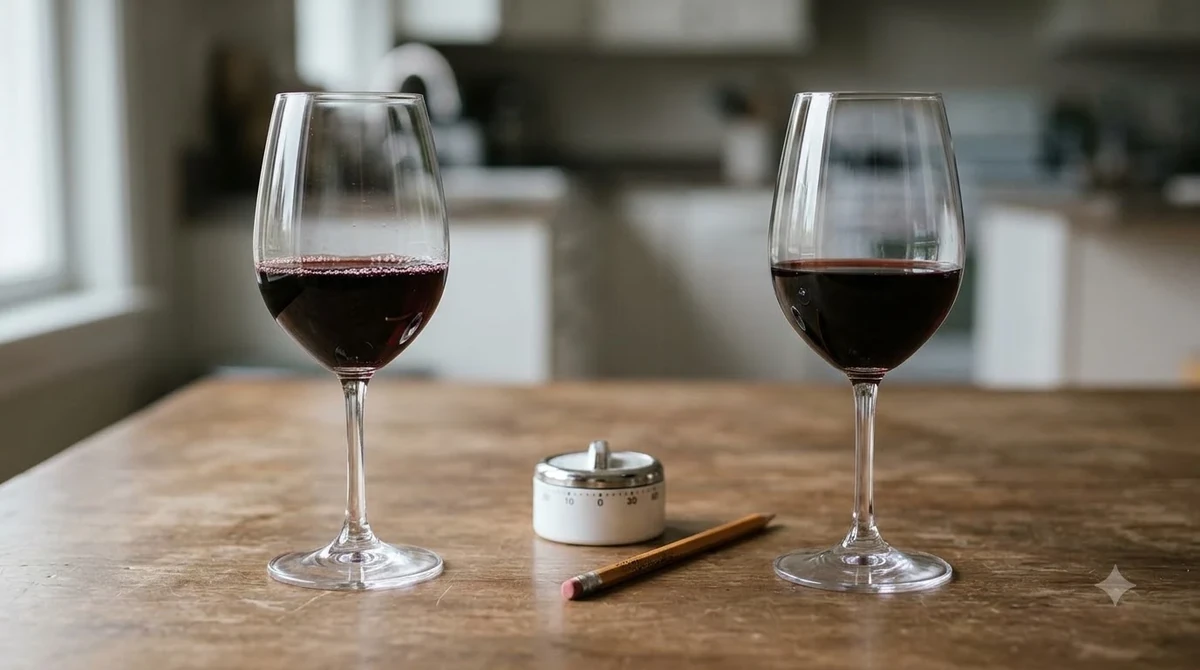
Start with what you already enjoy. If you like the fruit in a red but find it too heavy, look for a medium-bodied dry red with bright acidity, since acid tends to keep the wine feeling fresh. If you prefer a smooth, round wine, a semi-sweet red may suit you better. Serving temperature matters too. A red served too warm can taste hot and sweet from the alcohol, while a slightly cooler glass usually tastes cleaner.
When you shop, ask the staff at a wine store to recommend a dry red in a price band you are comfortable with. Specialty shops often know the sugar profile of their stock better than a label does, and they can explain which bottles are dry and which are sweeter. If you are buying several bottles for a gathering, a mix of one dry and one lighter, fruit-forward red gives guests options without much risk.
Common questions when reading red wine labels
Red wine labels rarely list sugar grams, so most people rely on style words, producer notes, and experience. Many shoppers assume that a red labeled “smooth” or “soft” is sweet, but those words usually describe texture rather than residual sugar. A brief note on the label and a quick search for the producer’s technical sheet can answer the question more reliably than the front label alone.
Producers in some markets add more detail, such as a technical sheet with pH, total acidity, and alcohol, and a few list residual sugar outright. When that information is available, it is worth reading before you buy a red for a special meal. Wines that look similar on the shelf can differ noticeably once you compare their stated sugar and acidity, and that difference often explains why one bottle tastes round while another feels sharp and dry. If the information is missing, a short question to the seller about whether the wine is dry usually settles it quickly.
Frequently Asked Questions
How much sugar is in a typical dry red wine?
A dry red usually contains about 4 grams per liter of residual sugar or less, by the OIV definition summarized on the residual sugar reference. Very dry wines can fall as low as about 1 gram per liter.
What counts as a sweet red wine?
By the same reference, a wine with more than 45 grams per liter of residual sugar is considered sweet. Semi-sweet reds fall below that line but above the dry range.
Why does a dry red taste sweet sometimes?
Higher alcohol and ripe fruit can make a wine feel sweeter than its sugar content suggests. Acidity and tannin work the other way and can make a sweeter wine taste drier.
Can I find the sugar level on the label?
Usually not directly. The style word on the label or the producer’s technical sheet is the most reliable guide, and a wine shop can often confirm whether a bottle is dry.
If you are planning a dinner and want to match wine to the table, the guide on how much a bottle of wine costs can help you set a budget before you shop. A dry red with bright acidity usually pairs well with most meals, while a semi-sweet red works better with dessert or spicy dishes.
More in Wine Basics
 Which Rose Is Best for Your Taste, Budget, and Food PairingsUpdated Nov 21, 2026
 Is Cheap Wine Bad? How to Find Bottles Worth DrinkingUpdated Nov 21, 2026
 What To Write On A Wine Gift Tag: Thoughtful Messages For Every OccasionUpdated Nov 21, 2026
 Which Wine Is Best For Weight Loss? Compare Lower-Calorie ChoicesUpdated Nov 21, 2026
 What Is The Best Wine For Mimosas? Choose Bubbly That Balances Orange JuiceUpdated Nov 20, 2026
 Which Prosecco Is Best for Your Taste and OccasionUpdated Nov 20, 2026