

We may earn a commission when you buy through links on this page, at no extra cost to you. Learn more.
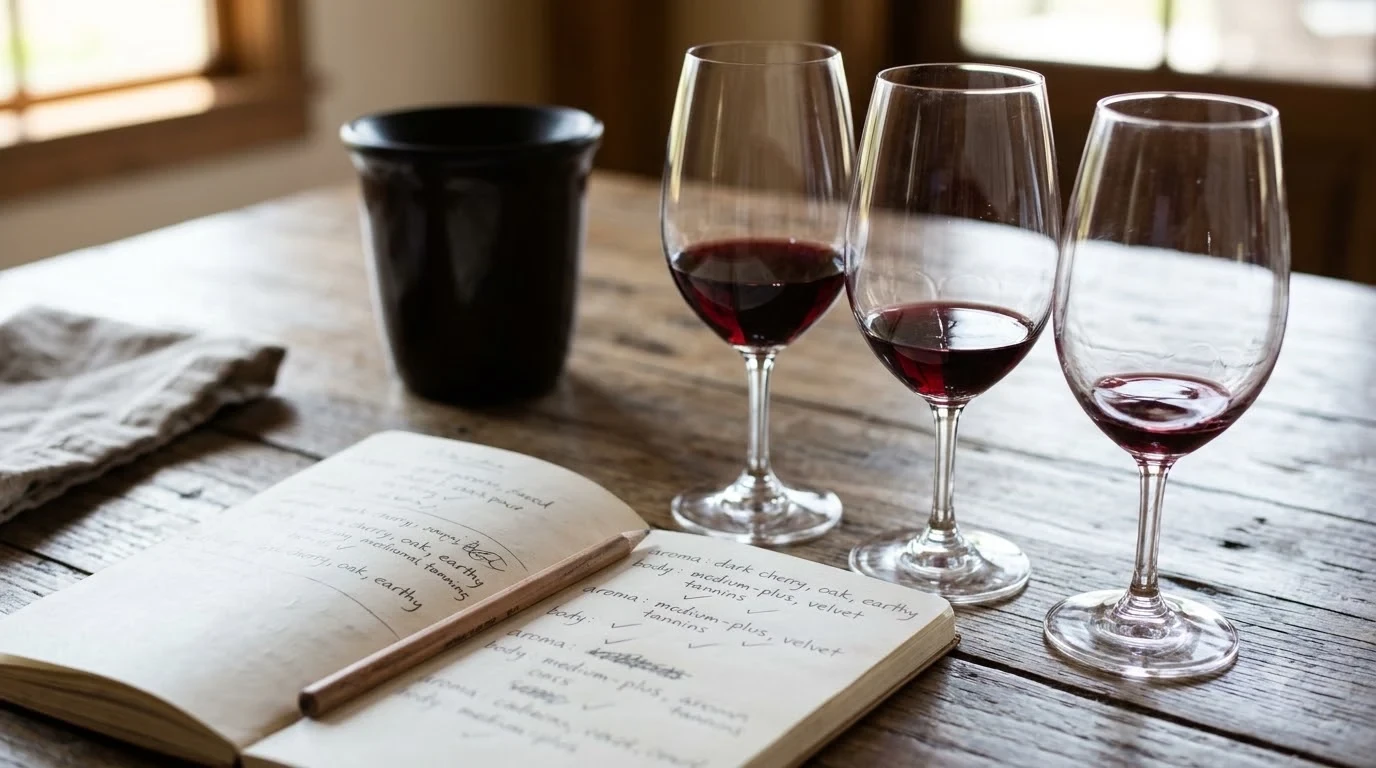
Cahors wine tasting reveals a dry, deeply colored Malbec-led red with dark fruit, fresh lift, and firm but varied tannins. The wine comes from southwest France, where the Lot River, alluvial terraces, and limestone plateaus create several distinct expressions of the same principal grape. Expect flavors that can include blackberry, black cherry, plum, violet, spice, and oak, with the exact balance shaped by vineyard site and winemaking. A good tasting compares the wine’s fruit, acidity, tannin, and finish rather than judging it by color alone.
Cahors is often introduced as the historic home of Malbec, but it is not simply a French copy of the richer styles associated with Argentina. Its appellation rules, varied soils, and range of cellar choices produce wines that may be supple and fruit-forward or concentrated and built for bottle age.
What Cahors Wine Tastes Like
A typical Cahors is a dry red with deep color, dark-fruit flavors, noticeable acidity, and medium-plus to high tannin. Its aromatic range often includes blackberry, black cherry, plum, violet, and savory spice; oak-aged bottlings may add toast or cedar.
The first impression is often visual: the wine can look inky ruby or purple at the center of the glass. That depth of color is one reason Cahors earned the traditional nickname “black wine.” Still, color does not tell you how heavy the wine will feel. A lively, early-drinking bottling can have vivid fruit and a relatively graceful palate, while a more concentrated example may feel dense, broad, and more firmly gripped by tannin.
On the nose, look for blackberry, black cherry, plum, and violet, with pepper, dried herbs, earth, or gentle oak in some bottlings. Treat these as possible markers rather than a checklist; the goal is to decide whether the aromas seem fresh and defined or dominated by extraction and wood.
On the palate, notice the relationship between fruit and structure. Acidity keeps the wine from feeling flat, while tannin gives the gums a drying, slightly grippy sensation. A well-balanced wine has enough fruit and freshness to meet that grip. The finish may turn savory, floral, or gently bitter, especially in wines from limestone-influenced sites.
How the Lot Valley Terroir Shapes Each Style
Cahors has two broad landscape families: the alluvial terraces along the Lot River and the higher limestone slopes and plateaus known as the Causses. Their soils and elevations help explain why two wines made mainly from Malbec can differ in body, texture, and aging potential.
The river terraces are not one uniform strip of land. According to the Cahors wine association, roughly 60% of the appellation’s vineyards belong to the alluvial-terroir family, while about 40% are in the limestone terroirs of the Causse. The first terrace, closest to the Lot, has relatively young, often sandy deposits that can favor open fruit and wines intended for earlier drinking. The second terrace has shallower soils with pebbles and clay, while the third includes older alluvium and a greater limestone influence. Producers and vineyard exposures matter too, so a terrace label alone cannot predict the finished wine.
| Terroir feature | Approximate figure | What it can suggest in the glass |
|---|---|---|
| Lot alluvial terroirs | About 60% of the vineyard area | Often open fruit and supple texture on the first terrace |
| Causse limestone terroirs | About 40% of the vineyard area; above 250 meters | Can contribute freshness, mineral notes, and firm structure |
| River terraces | Roughly 90–250 meters | First, second, and third terraces differ in sand, clay, pebbles, and limestone |
| Upper plateau sites | Up to about 350 meters | Site-specific limestone and marl influences shape the finish |
Higher up, the Causse is a limestone plateau and slope system. The official regional description places these limestone vineyards above 250 meters, while Decanter describes terrace vineyards roughly from 90 to 250 meters and plateau sites reaching about 350 meters. Thin, stony limestone-clay soils can encourage wines with pronounced structure and a mineral or savory impression; deeper marl and pockets of iron-rich clay create other textures. The same grape can show both freshness and weight, depending on the parcel and cellar choices.
For a useful comparison, taste one wine described as coming from the Lot terraces beside one from a Causse slope or plateau. Notice whether the first seems more immediately fruit-led and supple, and whether the second has a firmer tannic frame or a longer, more savory finish. Treat these as tendencies rather than rules. Vintage conditions, vine age, yield, harvest timing, extraction, and maturation can all shift the result. The Cahors wine region’s terroir overview lays out the soil families and their proportions in more detail. A similar tasting-first approach can make a Willcox wine tasting more instructive, even though the local grapes and growing conditions differ.
The Malbec Blend and Appellation Rules
Cahors AOP is exclusively red, and Malbec must make up at least 70% of the blend. Merlot and Tannat are the permitted supporting grapes, so the label identifies a Malbec-led regional wine rather than a single fixed recipe.
Malbec is also known locally as Côt or Auxerrois. The grape is native to southwest France and has a long association with the Quercy and Cahors area, even though many American drinkers first encounter it through Argentina. In Cahors, it supplies the wine’s dark color, dark-fruit core, and substantial tannic frame. Its character can feel fresh and linear on one site, then more concentrated and powerful on another.
Merlot can soften the blend by contributing rounder fruit and a gentler impression of tannin. Tannat, by contrast, can add further concentration and firm structure. Neither grape is required in every wine: many prominent bottlings are made from 100% Malbec. That makes it useful to check the blend when comparing bottles, but percentages alone will not tell you whether a wine is elegant, rustic, or especially ageworthy. For another European red-blend perspective, a Bolgheri wine tasting offers a useful contrast in how regional traditions shape the glass.
The appellation has a formal history as well as a long local one. The French origin and quality institute, INAO, records official recognition in 1971 and notes that Cahors has a production history reaching back to the seventh century. Its regional profile also describes at least six months of aging at the producer before release. For the legal identity and core style, see the INAO Cahors appellation profile. These rules establish the wine’s origin and basic composition; they do not require every producer to pursue the same level of extraction or oak influence.
How to Taste Cahors Wine Step by Step
For a structured Cahors, begin by serving the wine around 60–65°F, then assess appearance, aroma, palate, and finish in that order. A measured pour and a little air make it easier to separate the wine’s fruit from its tannin and oak.
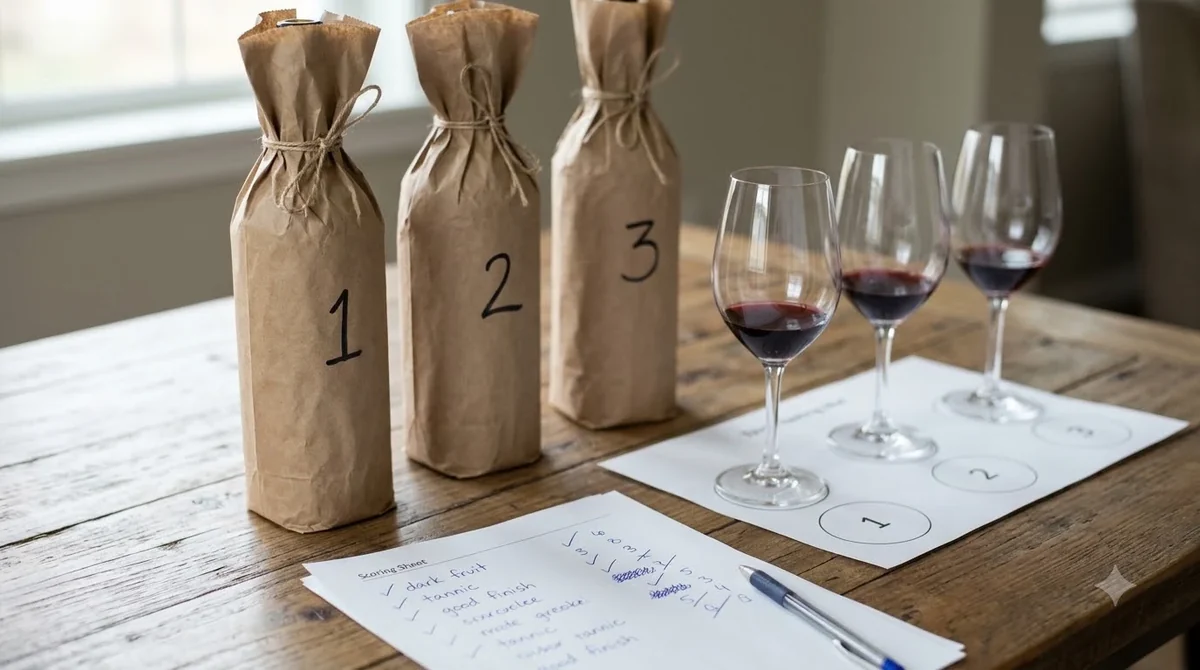
Pour about 5 ounces into a clear wine glass with enough bowl space to swirl. A standard 750-milliliter bottle provides roughly five such glasses. Hold the glass by the stem and tilt it against a light background: note the depth of the core, the color at the rim, and whether the wine looks bright or hazy. Deep ruby or purple is common, but do not assume that a darker wine is automatically better or more complex.
Swirl gently, then smell before taking a sip. Start with broad categories: fresh or cooked fruit, floral or herbal notes, spice, and oak. Try to name the clearest two or three aromas instead of reaching for a long list. After tasting, assess sweetness first; Cahors is dry. Then consider acidity, body, alcohol warmth, and tannin. Tannin is easiest to identify by the drying sensation along the gums and inside the cheeks, while acidity often registers as mouthwatering freshness. A tasting of crisp white wines at an Alsace wine tasting can provide a helpful contrast for recognizing acidity without the grip of a tannic red.
Pay attention to how the finish develops. Does black fruit remain, or does the wine shift toward violet, spice, earth, or oak? Does the tannin feel fine-grained and integrated or coarse and drying? Does the wine become more interesting after a few minutes in the glass? For a young, full-bodied example, decanting for 30–60 minutes can soften the first impression and open the aromas. Older bottles may need gentler handling because extended aeration can cause delicate aromas to fade.
Tip: Taste two Cahors wines side by side at the same temperature, ideally one fruit-forward terrace bottling and one more structured limestone-site wine. Use the same glass and pour size for both; it is easier to notice differences in acidity, tannin, and finish when the conditions stay consistent.
Food Pairings That Work With Cahors
Cahors is a natural partner for savory foods with enough protein, fat, or richness to meet its tannin. Start with duck, lamb, beef, or earthy mushrooms, then adjust the pairing to the wine’s age and weight.
For a younger, fruit-forward Cahors, try duck confit, roast chicken with herbs, grilled sausages, or a lentil and mushroom stew. The savory flavors echo the wine’s darker notes without overwhelming its fruit. Lamb is another strong match: a roast leg with rosemary, garlic, and a browned exterior brings out the wine’s savory side. A structured Causse bottling can handle slow-braised beef, short ribs, or a rich beef stew, where the meat’s protein and fat help soften the drying effect of tannin.
Fat and salt are especially useful with tannic reds. A little richness from duck skin, lamb fat, or a well-marbled cut of beef can make the wine feel less austere; salty elements can also make tannin seem gentler. Earthy ingredients such as porcini, lentils, and black truffle can complement the wine’s savory or forest-floor notes. In southwest France, regional matches include Quercy lamb, black truffle, and characterful local cheeses. For cheese, choose something with enough flavor and texture to stand up to the wine rather than a very delicate fresh cheese.
Be more selective with spicy dishes and delicate seafood. Alcohol and tannin can amplify chili heat, so a hot pepper sauce may make a firm Cahors seem harsher. Tannic red wine also tends to clash with oily fish, where a crisp white or a lighter, lower-tannin red is usually easier. If the meal includes a sweet glaze or fruit sauce, keep the sweetness restrained: a wine should taste at least as sweet as the dish, and a very sweet sauce can make a dry Cahors seem sharply bitter or sour.
Choosing a Bottle, Understanding Oak, and Aging
Choose Cahors by the style you want rather than assuming every bottle is heavy and oak-driven. The region includes fresh, fruit-focused wines for earlier drinking as well as structured examples that can develop over a longer period in bottle.
For a first bottle, a producer’s entry-level or terrace-focused wine is often a practical starting point. Look for language that emphasizes fresh fruit, supple tannins, or early drinking if you prefer a more approachable red. For a richer dinner or cellar candidate, seek a bottling described as concentrated, structured, or made from limestone-plateau fruit. Those clues are not guarantees; the producer’s approach and growing season still matter.
Oak is one of the clearest differences between Cahors producers. Traditional maturation may use barrels, while newer approaches include concrete, amphorae, acacia wood, and limestone tanks. Decanter describes a shift toward more restrained oak and a wider range of vessels among producers who want to preserve fruit and site character. In the glass, noticeable vanilla, toast, or cedar suggests a stronger oak signature; fruit that remains clear and direct may indicate less prominent wood. Neither choice is automatically superior, but the best examples keep oak in proportion to fruit and tannin.
Do not use color or tannin alone to decide how long to cellar a bottle. Some Cahors wines are enjoyable while young because they emphasize bright fruit and softer texture; more structured bottlings can gain complexity with age, developing less primary fruit and more savory, earthy, or dried-fruit notes. The appellation authority describes Cahors as suitable for long aging, but the practical window depends on the producer, vintage, vineyard, and storage conditions. Keep bottles on their side in a cool, stable place near 55°F, away from light and temperature swings.
Frequently Asked Questions
These questions add context about production, the local grower community, regional weather, and estate visits. They address details that are easy to miss when focusing only on a wine’s aroma and flavor.
What is the maximum permitted Cahors yield?
A regional overview lists a maximum yield of 50 hectoliters per hectare for Cahors. This is a production ceiling, not a target that every vineyard needs to reach.
How many winegrowers produce Cahors?
Decanter’s regional profile counts 220 independent winegrowers and one cooperative within the appellation. That broad producer base helps explain why a single tasting can reveal several approaches to Malbec.
Where can visitors explore Cahors vineyards?
Lot Tourism highlights Puy-l’Évêque as a point of interest for discovering the vineyard, as well as the western reaches of the Lot. Visiting an estate offers a chance to hear a grower explain the differences between river terraces and the Causse.
How much rain does the Cahors region receive?
A Decanter regional snapshot gives average annual rainfall at about 750 millimeters. That is a broad regional figure, not a prediction for an individual vineyard or growing season.
Can beginners visit Cahors wine estates?
Yes. Lot Tourism says estates welcome curious visitors without requiring prior wine knowledge, and the Vignobles & Découvertes label identifies tourism providers meeting defined standards for hospitality and visitor experiences.
Cahors rewards comparison: taste a supple river-terrace wine beside a more structured limestone-site bottling and the range becomes clear. With its Malbec backbone, varied terroir, and strong affinity for savory food, it is a distinctive French red well worth exploring one glass at a time. Continue comparing regions through the site’s Wine Regions collection.
More in Wine Regions
 Willcox Wine Trail: Discover Arizona’s High-Elevation Wine CountryUpdated Nov 20, 2026
 Yakima Valley Wine Region: Find the Best Styles to TryUpdated Nov 20, 2026
 Vosne Romanee Wine Tasting: Identify Aromas and Choose Better PairingsUpdated Nov 20, 2026
 Yakima Valley Wine Festival: Find the Best Seasonal Wine EventsUpdated Nov 20, 2026
 Wales Vineyards: Discover Cool-Climate Wines and Where to VisitUpdated Nov 20, 2026
 Yountville Wine Festival: Discover Napa Wines and Local FoodUpdated Nov 20, 2026