

We may earn a commission when you buy through links on this page, at no extra cost to you. Learn more.
Carmel Valley wine country is a scenic Monterey County wine region in California, known for Cabernet Sauvignon, Merlot, Syrah, Pinot Noir and welcoming winery tasting rooms. Located inland from the Pacific coast, the Carmel Valley American Viticultural Area (AVA) combines mountainous terrain, warm afternoons and cool nights to produce wines with distinctive fruit character and structure. Visitors can explore established wineries, small family-run producers, vineyard properties and the tasting rooms concentrated around Carmel Valley Village.
Although it shares its name with the famous coastal community of Carmel-by-the-Sea, Carmel Valley offers a different wine-country experience. Its landscape includes rolling hills, oak woodlands, working ranches and vineyards, with the Santa Lucia Mountains providing a dramatic backdrop. Whether you are interested in California Cabernet Sauvignon, regional wine history, relaxed tasting experiences or a weekend combining wine and outdoor activities, this inland destination offers plenty to discover.
Where Carmel Valley Wine Country Is Located and What Makes It Special
Carmel Valley wine country occupies a mountainous area of Monterey County, California, southeast of the Monterey Peninsula. Its vineyards extend through Carmel Valley and Cachagua Valley, where elevation, coastal influence and changing temperatures create several distinct growing environments.
The Carmel Valley AVA received federal recognition in 1983. According to Monterey County’s regional information, the appellation encompasses approximately 19,200 acres of mountainous terrain, although only about 300 acres are planted to wine grapes. This relatively small vineyard footprint helps explain why the area feels different from larger California wine regions with extensive, continuous vineyard landscapes.
The region’s geography is an important part of its identity. The Carmel River corridor connects the lower valley with higher terrain farther inland. Vineyards occupy different elevations and exposures, and some hillside locations receive considerably more sunshine than coastal sites. In Cachagua Valley, mountain terrain can place vineyards above the fog line, resulting in warmer daytime conditions.
Carmel Valley also benefits from its proximity to the Pacific Ocean. Coastal air influences temperatures, while the surrounding mountains create sheltered locations with their own growing conditions. These geographic differences allow producers to work with a range of varieties rather than relying on a single grape or wine style.
The area’s soils include San Andreas Fine Sandy Loam and Arroyo Seco Gravelly Sandy Loam. Gravelly and well-draining ground can influence vine growth and water availability, while elevation changes affect exposure and temperature. Together, these conditions contribute to the variation found among wines produced under the Carmel Valley name.
It is important to distinguish the Carmel Valley AVA from Carmel-by-the-Sea. The latter is a coastal village with its own restaurants, hotels and wine-tasting establishments. Carmel Valley sits approximately 15 miles inland, and the two destinations provide complementary but different experiences. A visitor can stay near the ocean and travel inland for a day of vineyard visits.
For a broader understanding of American wine-growing regions, the site’s guide to Wine Regions provides useful context for understanding how geography and appellation boundaries influence the wines in your glass. Readers comparing California with other wine destinations can also explore Santa Ynez Valley wine country, another Central Coast region with a different combination of climate, geography and grape varieties.
Climate, Elevation and Vineyard Conditions
Carmel Valley’s growing conditions combine warm daytime temperatures, cooler nights and significant differences in elevation. These factors influence how quickly grapes ripen, how much acidity they retain and which varieties perform best in different vineyard locations.
Compared with the frequently foggy Monterey coastline, the inland valley generally receives more sunshine. Summer afternoons can become quite warm, especially in sheltered locations, while evening temperatures often fall considerably. These changes can extend the ripening period and allow grapes to develop flavor gradually rather than reaching maturity too quickly.
The difference between daytime and nighttime temperatures is known as diurnal temperature variation. In winegrowing, this variation matters because warm days encourage sugar accumulation and flavor development, while cooler nights can help grapes retain acidity. The resulting balance is particularly useful for varieties such as Cabernet Sauvignon, Merlot and Syrah.
Elevation adds another layer of complexity. The Carmel Valley AVA ranges from approximately 203 feet to 2,762 feet above sea level. Lower vineyards and higher hillside sites can experience different temperatures, sunlight exposure and wind patterns, even when they are relatively close geographically.
Higher locations may receive more direct sunlight and experience greater exposure to changing weather. Lower areas can have different moisture and temperature patterns depending on their relationship to the river, surrounding hills and coastal air. These distinctions help explain why two wines from the same appellation can have noticeably different personalities.
Soil is another important consideration. Sandy loam and gravelly sandy loam are among the identified soil types in the appellation. Good drainage can encourage vines to develop deeper root systems, depending on the underlying soil structure and water availability. Vineyard management, slope direction and growing-season conditions remain just as important as the soil name itself.
The region’s relatively limited vineyard acreage also means that individual producers can place considerable emphasis on specific vineyard sites. Rather than treating the entire appellation as one uniform environment, thoughtful winemakers consider the characteristics of individual blocks when choosing grape varieties and harvest dates.
Tip: When comparing two Carmel Valley wines, ask where the grapes were grown within the appellation. A vineyard’s elevation, exposure and distance from the coast can help explain differences in ripeness, acidity, tannin and overall wine style.
For visitors, these conditions also influence the tasting experience. A summer afternoon in Carmel Valley Village can feel substantially warmer than an afternoon in Carmel-by-the-Sea. Bring a light layer for evening activities, but expect the inland valley to offer a sunnier atmosphere than the nearby coastline during many summer days.
Grapes and Wine Styles to Look For
Carmel Valley is particularly associated with Bordeaux varieties, especially Cabernet Sauvignon and Merlot, but the region also produces Rhône varieties, Burgundian grapes and aromatic white wines. Its range of growing conditions makes it possible to explore several wine styles during one visit.
Cabernet Sauvignon and Merlot
Cabernet Sauvignon is one of the defining red varieties of Carmel Valley. It typically produces full-bodied wines with dark-fruit flavors, noticeable tannins and enough structure to accompany substantial meals. Depending on vineyard conditions and winemaking choices, bottles can show black cherry, cassis, plum, cedar, herbs and spice.
Merlot provides a different expression of the region. It generally has medium tannins and a softer texture than Cabernet Sauvignon, with plum, blackberry and red-fruit characteristics. It can be bottled independently or included in Bordeaux-style blends, where it contributes fruit and a rounder mouthfeel.
Cabernet Franc is another variety worth exploring. It can contribute herbal, floral and red-fruit notes to blends, while single-variety bottlings can offer a more aromatic alternative to Cabernet Sauvignon.
Syrah and Other Rhône Varieties
Syrah is an important alternative for visitors interested in darker, more savory red wines. It commonly displays medium-plus to high tannins, with flavors that can include blackberry, blueberry, pepper, smoked meat and dark spices. Carmel Valley producers also work with Grenache, which generally offers a more open texture and red-fruit character.
Viognier provides an aromatic white-wine counterpart. Depending on the style, it may show peach, apricot, flowers and citrus, often with a fuller texture than lighter-bodied white wines. These Rhône varieties give the appellation additional diversity beyond its Bordeaux associations.
Pinot Noir, Chardonnay and Sauvignon Blanc
Pinot Noir offers a lighter-bodied red-wine option, typically with low-to-medium tannins and refreshing acidity. Its flavors may include cranberry, cherry, raspberry, earth and forest-floor notes. It is particularly useful for visitors who enjoy red wine but prefer less tannic structure than Cabernet Sauvignon provides.
Chardonnay can range from fresh and citrus-driven to fuller-bodied styles with apple, pear, stone fruit and creamy textures. Oak aging and malolactic fermentation can add vanilla, toast and buttery characteristics, although neither is required for a quality Chardonnay.
Sauvignon Blanc offers a brighter, more aromatic option. Its relatively high acidity makes it suitable for seafood, salads and dishes with fresh herbs. Some producers also explore varieties such as Vermentino, Albariño and Gamay, giving visitors opportunities to find wines beyond the most familiar California grapes.
The following table summarizes the principal varieties and their typical characteristics. These are general grape profiles rather than fixed descriptions of every Carmel Valley bottling.
| Grape | Wine style | Typical characteristics | Food pairing |
|---|---|---|---|
| Cabernet Sauvignon | Full-bodied red | High tannins, dark fruit | Grilled beef |
| Merlot | Medium-to-full red | Medium tannins, plum | Roast chicken |
| Cabernet Franc | Medium-bodied red | Herbal notes, red fruit | Roasted vegetables |
| Syrah | Full-bodied red | Medium-plus to high tannins, pepper | Lamb and barbecue |
| Grenache | Medium-bodied red | Red fruit, moderate structure | Roasted pork |
| Pinot Noir | Light-to-medium red | High acidity, gentle tannins | Salmon and mushrooms |
| Chardonnay | Medium-to-full white | Apple, citrus, possible oak | Roast chicken |
| Sauvignon Blanc | Light-to-medium white | High acidity, citrus, herbs | Shellfish and salads |
For a useful tasting comparison, try a Cabernet Sauvignon beside a Merlot, followed by a Pinot Noir. This sequence illustrates how grape variety influences tannin, body and perceived weight, even when the wines originate from the same broad appellation.
Wineries and Tasting Rooms Worth Exploring
Carmel Valley has a combination of established wineries, small independent producers and tasting rooms that make it easy to explore the region without driving between distant vineyard properties all day. Carmel Valley Village is the main tasting hub, while destinations farther south offer a more rural experience.
Bernardus Winery
Bernardus is one of the region’s established wine names. Its tasting room opened in Carmel Valley Village in 1994, making it the village’s first tasting room, according to Wine Enthusiast. The winery is particularly associated with its Marinus Bordeaux-style blend, along with Pinot Noir and Chardonnay.
Visitors interested in comparing Bordeaux-inspired wines with Burgundian varieties can make Bernardus an early stop. Its history also makes it a useful introduction to the development of the modern tasting-room scene in the village.
Holman Ranch
Holman Ranch offers a combination of vineyard scenery and village-based wine tasting. The property has a history dating to the 1920s, when it served as a retreat for Hollywood stars. Today, its hillside vineyard setting and tasting patio provide two different ways to experience the estate.
Its wines include Chardonnay, Pinot Gris, Pinot Noir, Syrah and Rosé of Pinot Noir. A cement tank-fermented Chardonnay is one distinctive style to look for, while the Pinot Noir selections provide an opportunity to explore the grape’s lighter tannin structure.
Chesebro Wines
Chesebro Wines is an appealing stop for visitors who want to look beyond conventional California Cabernet Sauvignon. Its range has included Vermentino, Albariño, Sauvignon Blanc, Pinot Noir and Gamay. This variety makes it particularly useful for tasting a broader selection of grape varieties in one location.
The tasting room has a relaxed atmosphere, with indoor and outdoor seating. Reservations are encouraged, even though the winery has welcomed walk-in visitors.
Folktale Winery and Vineyards
Folktale Winery offers a more event-oriented experience. The property originated as Chateau Julien Wine Estate in 1982 and was renamed Folktale Winery and Vineyard in 2015. Its château-inspired architecture and outdoor wine garden create a distinctive setting for wine tasting.
Food is part of the experience, with flatbreads and other menu options complementing the wine selection. The winery has also hosted live music, brunches and creative events. It can be a good choice for visitors who want an afternoon that combines wine, food and entertainment rather than a traditional tasting flight alone.
I. Brand and Family Winery
I. Brand and Family Winery is a particularly interesting destination for people who enjoy learning about the relationship between geology and wine. The tasting room features maps and rock samples that help explain the different growing environments of Monterey County.
Its selections can include Grenache and Cabernet Sauvignon, along with aromatic white varieties such as Verdelho, Albariño and Arinto. The variety makes this stop useful for comparing familiar grapes with less common Central Coast offerings.
Tira Nanza and the Cachagua Experience
Tira Nanza provides a different perspective on Carmel Valley because it is located in the more rural Cachagua area. Its vineyard setting allows visitors to experience the mountainous character of the appellation rather than concentrating exclusively on village tasting rooms.
The estate has been associated with Viognier and Cabernet Sauvignon. Vineyard visits are appointment-based, with advance notice required. Its location also makes it important to plan transportation and driving time rather than treating it as an impromptu stop.
Other names worth researching include Joyce Wine Company, Parsonage, Scratch Wines, Seabold Cellars, Boekenoogen Winery and Cowgirl Winery. Each provides a different perspective on the area’s wine culture, from small-production wines to lively outdoor tasting experiences.
For additional background on the local tasting-room scene and regional geography, consult the Monterey County wine association’s Carmel Valley tasting-room directory.
Planning a Carmel Valley Wine-Tasting Trip
The easiest way to explore Carmel Valley is to organize visits around Carmel Valley Village, then add one or two vineyard destinations outside the village. This approach reduces unnecessary driving while leaving time for meals, scenery and conversations with winery staff.
Many tasting rooms are concentrated within a relatively small area of the village. Wine Enthusiast describes approximately 20 tasting rooms in this central district, making it possible to visit several establishments without repeatedly getting back into the car.
A first-time visitor can start with a morning arrival and two tasting appointments. After lunch, choose one additional tasting room or arrange a vineyard tour. Three well-planned visits usually allow more time to understand the wines than a rushed schedule involving five or six stops.
A Practical One-Day Itinerary
A flexible schedule might look like this:
- 10:30 a.m.: Arrive in Carmel Valley Village, find parking and explore the immediate surroundings.
- 11:00 a.m.: Visit Bernardus or another village tasting room, focusing on Cabernet Sauvignon, Merlot and regional blends.
- 12:30 p.m.: Stop for lunch at a local restaurant or cafe.
- 1:45 p.m.: Visit Chesebro Wines or I. Brand and Family Winery to explore alternative varieties and smaller-production wines.
- 3:00 p.m.: Choose Folktale Winery for food and entertainment or arrange a visit to Holman Ranch.
- 4:30 p.m.: Enjoy the scenery, browse village shops or return to your accommodation.
This is a suggested itinerary, not a statement of current opening hours. Tasting availability, reservation policies and appointment requirements vary between wineries. Confirm arrangements directly before traveling, especially if visiting a vineyard outside the village.
Choosing the Right Season
Carmel Valley is an attractive destination throughout much of the year. Summer generally brings sunny afternoons and comfortable evenings, while winter is wetter and often quieter. Visit California describes the area as enjoying nearly 300 days of sunshine annually, with typical temperatures ranging from lows in the 40s to highs in the 60s and 70s.
Fall is particularly appealing because harvest activity adds interest to the wine country experience. The exact harvest period depends on the grape variety, vineyard elevation and growing-season conditions. Visitors may encounter busy tasting rooms during this period, so reservations can be useful.
Spring offers green landscapes and an opportunity to explore the valley before the busier fall visitor season. Winter can be suitable for indoor tastings, restaurant visits and quieter weekends, although rain may affect vineyard access and outdoor activities.
Transportation and Reservations
Driving is the most practical way to reach many winery properties, especially those in Cachagua Valley. However, wine tasting and driving should be planned separately. Designate a sober driver, arrange a professional tour or use appropriate transportation so that everyone can enjoy the experience responsibly.
Some village tasting rooms are close enough to visit on foot once you have parked. This makes the central area convenient for a slower afternoon. Vineyard properties outside the village require additional planning because mountain roads can be winding and distances can take longer than expected.
For official destination information, the Visit California Carmel Valley travel guide provides useful details about local attractions, restaurants, accommodation and outdoor activities. Travelers interested in comparing another California destination can also read about Yadkin Valley wine country, which offers a contrasting East Coast wine-growing experience.
Food Pairings, Dining and Outdoor Activities
Carmel Valley is more than a collection of tasting rooms. Its restaurants, local food producers, scenic parks and outdoor recreation make it possible to combine wine tasting with a broader Central Coast getaway.
Food pairing begins with matching the weight and structure of a wine to the dish. Cabernet Sauvignon and other tannic reds generally work well with protein-rich foods, while high-acidity white wines are useful with seafood and dishes featuring fresh citrus or vinaigrette.
Pairing Local Wine Styles with Food
Cabernet Sauvignon is a natural choice with grilled beef, lamb and richly flavored meat dishes. Its high tannin content can feel more balanced alongside protein and fat. Merlot is a flexible alternative for roast chicken, pork and mushroom dishes because its tannins are generally softer.
Syrah pairs well with grilled lamb, smoked meats and pepper-seasoned dishes. However, heavily spiced food containing chili can make alcohol and tannins seem more aggressive. A lower-alcohol, softer wine may be a better choice for particularly spicy meals.
Pinot Noir works with roast chicken, duck, mushrooms and salmon. Its lighter tannin structure makes it more suitable than Cabernet Sauvignon for many fish dishes. Tannic reds are generally poor partners for oily fish because the combination can create an unpleasant metallic impression.
For white wines, Chardonnay is versatile with roast poultry, creamy pasta, grilled vegetables and richer seafood. Sauvignon Blanc works particularly well with shellfish, goat cheese, green vegetables and citrus-based dressings because its high acidity can match the brightness of these dishes.
For dessert, select a wine that is at least as sweet as the food. A dry white wine can taste sour beside a sweet pastry or fruit dessert, while a sweeter wine maintains better balance.
Restaurants and Local Food
Carmel Valley has dining options ranging from casual cafes to upscale restaurant experiences. The Earthbound Farm Stand and Organic Cafe is a useful stop for visitors interested in fresh produce, sandwiches, breads and other casual food.
Corkscrew Cafe offers local cheeses, salads, fish tacos and burgers. Its menu provides several options for a relaxed lunch between tasting appointments. For a more formal meal, Valley Kitchen at Carmel Valley Ranch and Lucia Restaurant and Bar at Bernardus Lodge offer dining experiences centered on local ingredients and hospitality.
Folktale Winery also combines wine with food through its restaurant and flatbread menu. This is useful for visitors who prefer to spend an extended period at one property rather than move between multiple tasting rooms.
Exploring the Landscape
Garland Ranch Regional Park is one of the area’s notable outdoor destinations. According to Visit California, the park covers approximately 4,462 acres and offers around 50 miles of trails for hiking, horseback riding and mountain biking.
Trail options range from the easier Lupine Loop to the more demanding Snively’s Ridge Trail. Visitors can explore oak woodland, river corridors and elevated viewpoints while enjoying the natural landscape of the Carmel River valley.
The park provides a useful alternative to an entire day of wine tasting. A morning walk followed by lunch and one or two tasting appointments can make a balanced itinerary for travelers who enjoy both outdoor activities and wine.
Nearby Carmel-by-the-Sea and Monterey also provide opportunities to extend a visit. Carmel-by-the-Sea offers coastal scenery, galleries and restaurants, while Monterey is known for its waterfront and Monterey Bay Aquarium. These destinations make Carmel Valley a convenient base for a longer Central Coast trip.
Understanding, Serving and Enjoying Carmel Valley Wines
Understanding how to taste and serve the region’s wines can make a visit more rewarding. Temperature, glassware, food and the order of tasting all affect how a wine expresses its aromas and structure.
Recommended Serving Temperatures
Many red wines are served too warm, particularly in heated dining rooms. Full-bodied Cabernet Sauvignon and Syrah generally show better balance at approximately 60 to 65 degrees Fahrenheit. This temperature helps prevent alcohol from dominating the wine’s aromas and flavors.
Lighter reds such as Pinot Noir benefit from slightly cooler serving temperatures, around 55 to 60 degrees Fahrenheit. Chardonnay is generally served between 50 and 55 degrees Fahrenheit, while Sauvignon Blanc is best served around 45 to 50 degrees Fahrenheit.
These temperatures are useful starting points rather than strict requirements. A wine served slightly cooler will gradually warm in the glass, allowing its aromas to become more expressive over time.
How to Taste a Wine Flight
Begin with lighter-bodied wines and move toward fuller-bodied selections. A sensible sequence is Sauvignon Blanc, Chardonnay, Pinot Noir, Merlot, Syrah and Cabernet Sauvignon. This progression reduces the likelihood that a powerful red wine will overwhelm a delicate white or lighter red.
Look at the wine’s color, smell it before tasting and then consider acidity, tannin, body and finish. Instead of focusing only on whether you like a wine, identify the qualities that influence your preference.
For example, if you enjoy the fruit character of Cabernet Sauvignon but find its tannins too strong, Merlot or Pinot Noir may offer a more comfortable style. If you prefer a white wine with more body than Sauvignon Blanc, compare Chardonnay selections with different oak treatments.
Taking Bottles Home and Storing Them
Wine purchased during a visit should be transported with attention to temperature and light. Avoid leaving bottles in a hot vehicle for extended periods, particularly during sunny summer afternoons. A shaded, temperature-controlled space is preferable for longer journeys.
For longer storage, keep bottles away from direct sunlight and significant temperature fluctuations. A storage temperature near 55 degrees Fahrenheit is a useful target, and traditional cork-finished bottles are generally stored on their sides to keep the cork from drying out.
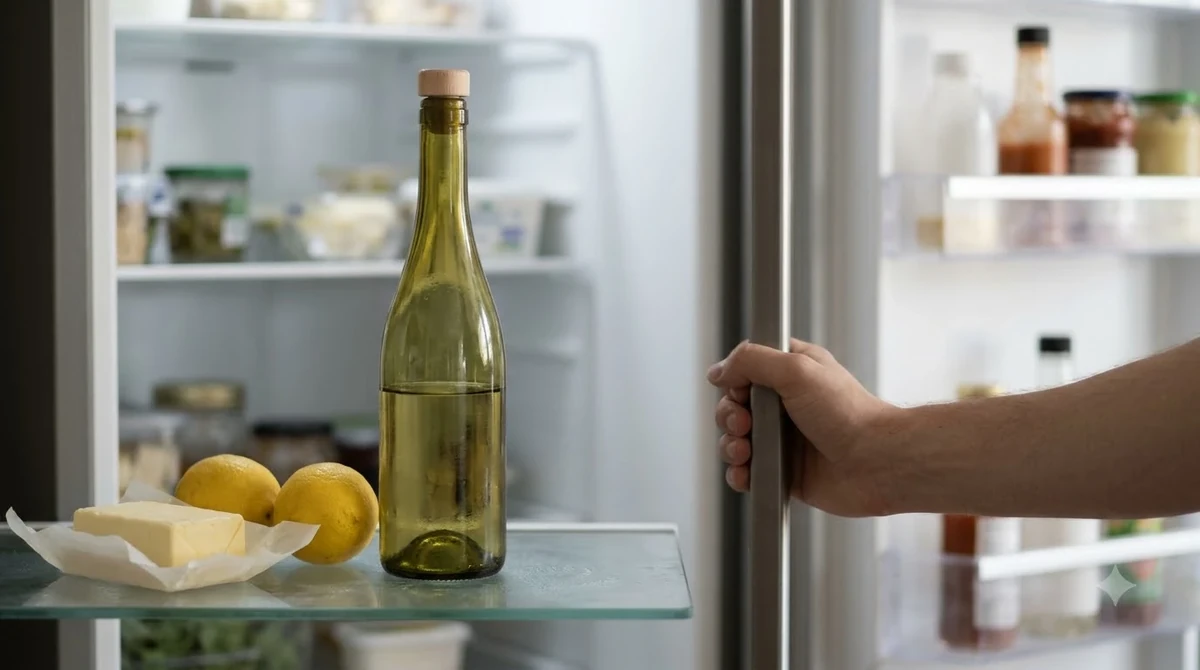
Once opened, most still wines are best consumed within approximately three to five days when refrigerated and properly sealed. Sparkling wines generally retain their best character for around one to three days with an appropriate stopper. These are practical guidelines, and the wine’s condition will depend on its style and storage.
For a more meaningful souvenir, consider choosing bottles that represent different parts of the region’s identity. A Cabernet Sauvignon, a Pinot Noir and an aromatic white such as Vermentino provide three contrasting examples of the diversity found in Monterey County.
Frequently Asked Questions
Is Carmel Valley part of the Central Coast wine region?
Yes. Carmel Valley is one of the federally recognized American Viticultural Areas within California’s Central Coast wine-growing region. The broader Central Coast designation covers multiple appellations across several counties, so a Central Coast label does not necessarily identify Carmel Valley as the specific grape-growing origin.
What does AVA mean on a Carmel Valley wine label?
AVA stands for American Viticultural Area, a federally recognized geographic designation for wine grape-growing regions. Federal regulations generally require at least 85 percent of the grapes in a wine labeled with a specific AVA to come from that appellation. The designation identifies geographic origin rather than guaranteeing a particular quality level or winemaking style.
Can Carmel Valley wines be aged for several years?
Some can. Well-structured Cabernet Sauvignon and certain Bordeaux-style blends may develop additional complexity with bottle age, depending on their acidity, tannin, fruit concentration and winemaking. Many lighter whites and fruit-forward wines are intended for earlier enjoyment, so aging potential should be evaluated bottle by bottle rather than assumed from the appellation alone.
How many wineries are in the Carmel Valley area?
The number depends on whether the count includes vineyards, production wineries or public tasting rooms. Visit California describes roughly two dozen vineyards in the AVA, while Wine Enthusiast identifies approximately 20 tasting rooms concentrated in Carmel Valley Village. These figures describe different categories and should not be treated as interchangeable totals.
Does Carmel Valley produce sparkling wine?
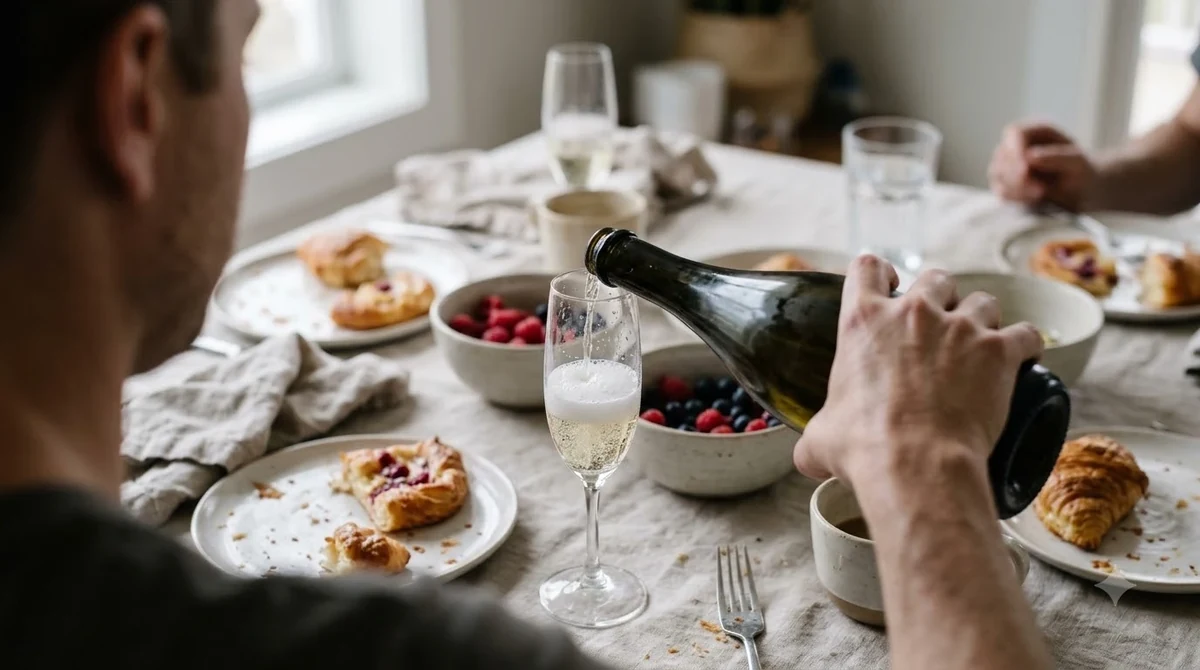
Yes, sparkling wine is part of the wider selection visitors may encounter from local producers. The region is better known for its still wines, especially Bordeaux varieties, but some tasting rooms offer sparkling selections alongside red and white wines. Ask whether a sparkling bottling was produced using the traditional bottle-fermentation method or the tank method, since the production technique influences texture and flavor.
Carmel Valley wine country offers a distinctive combination of mountainous vineyards, Bordeaux-inspired reds, aromatic white wines and approachable tasting experiences. Its compact village tasting district makes exploration convenient, while destinations such as Holman Ranch and Tira Nanza reveal the wider landscape of the appellation. For wine enthusiasts planning a California Central Coast visit, Carmel Valley is a rewarding place to discover the diversity of Monterey County wines.
More in Wine Regions
 Willcox Wine Trail: Discover Arizona’s High-Elevation Wine CountryUpdated Nov 20, 2026
 Yakima Valley Wine Region: Find the Best Styles to TryUpdated Nov 20, 2026
 Vosne Romanee Wine Tasting: Identify Aromas and Choose Better PairingsUpdated Nov 20, 2026
 Yakima Valley Wine Festival: Find the Best Seasonal Wine EventsUpdated Nov 20, 2026
 Wales Vineyards: Discover Cool-Climate Wines and Where to VisitUpdated Nov 20, 2026
 Yountville Wine Festival: Discover Napa Wines and Local FoodUpdated Nov 20, 2026