

We may earn a commission when you buy through links on this page, at no extra cost to you. Learn more.
The carneros wine festival is best approached as a wine-country celebration centered on the wineries, cool-climate wines, and seasonal events of California’s Carneros region. Located between Napa and Sonoma, Carneros is particularly known for Chardonnay, Pinot Noir, and sparkling wine. Visitors can build a festival-style experience around winery tastings, food pairings, vineyard scenery, and harvest-season gatherings, although they should verify individual event schedules rather than assume there is one fixed annual festival.
Carneros offers a different atmosphere from some of California’s larger wine destinations. Its maritime influence, rolling vineyards, and relaxed tasting settings make it appealing to visitors who want to spend time understanding individual wines instead of rushing between crowded attractions. Whether planning a dedicated wine weekend or adding a few winery visits to a Napa or Sonoma vacation, understanding the region makes it easier to choose the right experiences.
Understanding the Carneros Wine Festival and Its Regional Setting
A Carneros wine celebration is best understood through the region itself: a cool-climate wine-growing area that connects Napa and Sonoma. Rather than assuming that every event advertised under a Carneros wine theme belongs to one official festival, visitors should distinguish between regional winery gatherings, individual producer events, and larger wine-country celebrations.
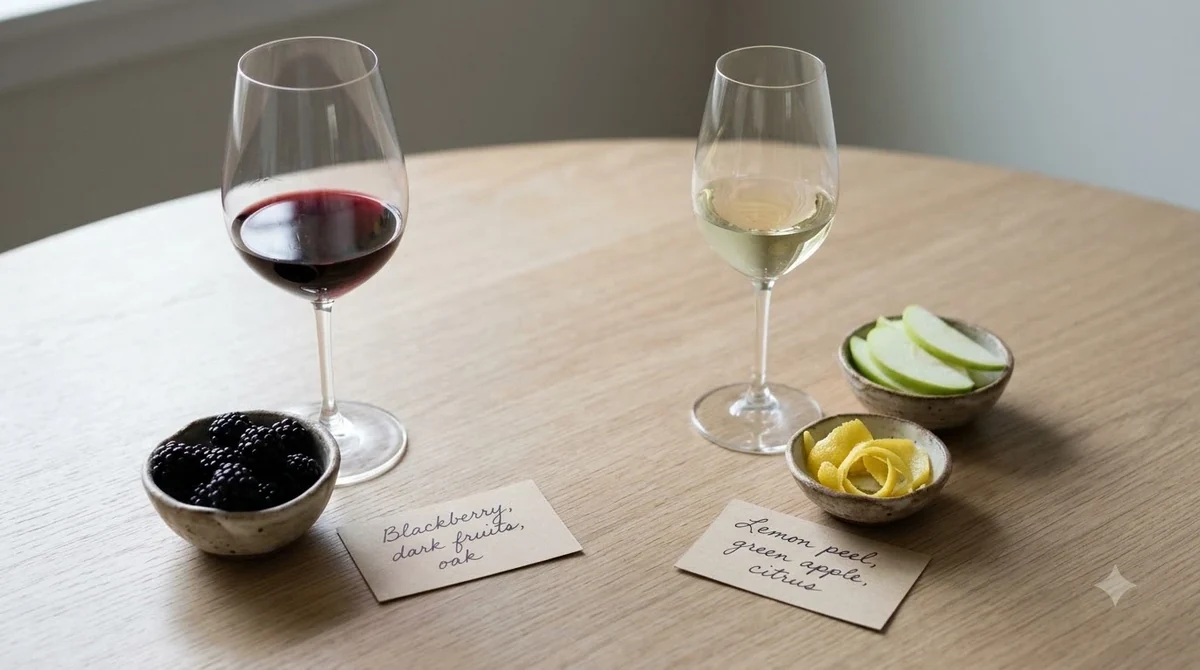
Carneros, also called Los Carneros, is an American Viticultural Area (AVA) that crosses portions of Napa and Sonoma counties. This location gives visitors access to two established wine destinations while allowing them to explore a distinctive appellation with its own growing conditions. The Carneros Wine Alliance promotes the area’s wineries, vineyards, and wine identity. Its official website, Carneros Wine Alliance, is a useful starting point for learning about the appellation and its participating wine community.
The name Los Carneros means “the rams” in Spanish. The name reflects the area’s agricultural history and provides a connection to the landscape visitors encounter among its vineyards and open countryside. According to the Sonoma Valley Visitors Bureau, the area lies south of the city of Sonoma and includes vineyards, marshland, gardens, and rolling terrain.
Its geographical position is particularly important to wine quality. Carneros sits near San Pablo Bay, where maritime conditions influence vineyard temperatures. Morning fog and afternoon breezes help moderate the growing environment, making the area suitable for grapes that benefit from slower, more controlled ripening.
For festival visitors, this means that the experience is not limited to drinking wine. The landscape, vineyard environment, regional food, and different winery approaches all contribute to what makes a Carneros visit distinctive. Visitors can also explore broader Wine Regions information to understand how climate and geography influence the character of California wines.
Carneros Wines to Discover During a Festival Visit
Chardonnay, Pinot Noir, and sparkling wine should be at the center of a Carneros tasting itinerary. These styles reflect the area’s cool-climate conditions and provide a useful introduction to its most recognizable wine characteristics.
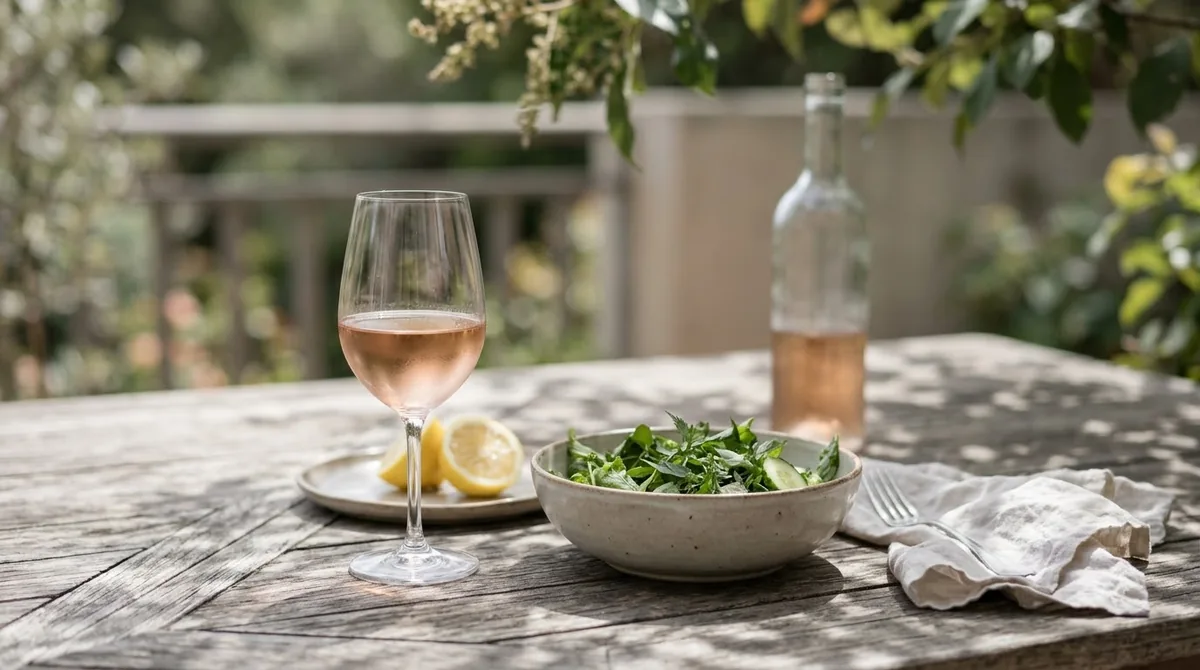
Chardonnay is one of the region’s signature varieties. Depending on the producer and winemaking approach, Carneros Chardonnay may show citrus, green apple, pear, and mineral notes, with some examples offering creamier textures or flavors influenced by oak aging. Visitors should compare different producers rather than assume every bottle has the same richness or oak character.
Pinot Noir is another important grape. It commonly produces wines with red cherry, raspberry, strawberry, and earthy characteristics. Compared with Cabernet Sauvignon, Pinot Noir generally has lower to medium tannin and relatively high acidity. That combination makes it especially versatile at a food-focused gathering.
Sparkling wine also deserves attention. The cool growing conditions of Carneros are well suited to grapes used in traditional-method sparkling wines. Visitors may encounter wines made with Chardonnay and Pinot Noir, including bottles with extended lees aging that can develop bread, pastry, and toasted-nut characteristics.
When tasting, compare the wines according to acidity, body, aroma, and finish. A useful approach is to begin with sparkling wine, continue with lighter whites, and finish with Pinot Noir. This order allows delicate aromas and fresh acidity to remain noticeable before moving to more structured wines.
What to look for in the glass
- Chardonnay: Look for citrus, apple, pear, and differences between stainless-steel and oak-influenced styles.
- Pinot Noir: Compare red-fruit aromas, acidity, texture, and the influence of vineyard location.
- Brut sparkling wine: Notice the balance between refreshing acidity, fine bubbles, and subtle bakery aromas.
- Rosé: Look for fresh strawberry, citrus, and a crisp finish.
Visitors interested in the regional identity can also explore Los Carneros wine for a closer look at the appellation’s grape varieties and distinctive growing conditions. Understanding these differences makes a tasting event more informative because each pour becomes an opportunity to compare climate, grape, and winemaking choices.
Best Times to Visit Carneros for Wine Events
Carneros can be visited throughout the year, but the most suitable time depends on the type of wine-country experience visitors want. Harvest season offers a particularly lively atmosphere, while spring and summer provide opportunities for outdoor tastings and vineyard scenery.
Spring, from March through May, brings greener vineyard landscapes and generally comfortable conditions for exploring the area. It can be a good time for visitors who prefer a less harvest-focused trip. Outdoor terraces and scenic drives are appealing, although cooler mornings and changing weather make a light jacket useful.
Summer, from June through August, offers longer daylight hours and more opportunities to enjoy outdoor winery settings. Temperatures can be warmer during the afternoon, but the maritime influence of San Pablo Bay helps distinguish Carneros from hotter inland parts of Napa Valley. Reservations are particularly useful for popular tasting experiences and scheduled group activities.
Harvest season, generally August through October, is a compelling time for wine enthusiasts. Grapes are picked at different times according to variety, vineyard conditions, and producer decisions. Winery programs may include harvest dinners, special tastings, winemaker gatherings, and educational activities.
November through February offers a quieter alternative. Visitors may find fewer large outdoor gatherings, but winery tastings and seasonal dining remain possible. Winter also provides an opportunity to spend more time discussing wines with tasting-room staff without trying to fit a packed event schedule into one afternoon.
There is no need to select a visit date solely because it is harvest season. Someone interested in comparing Chardonnay and Pinot Noir may enjoy a spring or winter appointment just as much as a larger autumn gathering. The best date is the one that aligns with available winery experiences and the visitor’s preferred pace.
Wineries and Experiences to Include in a Carneros Visit
A successful Carneros wine celebration should combine different tasting formats rather than relying on one type of winery experience. A sparkling wine appointment, a still-wine tasting, and a food-focused stop can create a varied itinerary without requiring too many visits in one day.
Domaine Carneros is a notable destination for visitors interested in sparkling and still wines. Its château setting includes formal gardens, outdoor terraces, and vineyard views. The winery is located at 1240 Duhig Road, Napa, California 94558, between the city of Napa and the town of Sonoma.
According to Domaine Carneros, daily tasting hours run from 10:00 a.m. to 5:30 p.m., with the last reservations accepted at 5:00 p.m. A standard daily tasting lasts approximately 60 minutes, while some elevated experiences can take up to 90 minutes. Visitors should reserve ahead because the winery requires reservations for visitors aged 21 and older.
Food can also be part of the experience. Domaine Carneros lists local charcuterie, cheeses, smoked salmon, caviar, and vegan cheese among its available food options. Outside food is not permitted, and the property does not provide a picnic area, so visitors should plan meals accordingly.
Other regional winery visits can focus on Chardonnay, Pinot Noir, or sparkling wine, depending on the producer’s offerings. The Carneros Wine Alliance is a useful resource for identifying wineries and growers associated with the appellation. Visitors should confirm each property’s current tasting format, opening hours, and reservation requirements before traveling.
How to choose different tasting experiences
Instead of booking several similar appointments, select wineries that offer different perspectives. One producer might emphasize traditional-method sparkling wine, while another focuses on vineyard-designated Pinot Noir or Chardonnay. Comparing those approaches gives visitors a clearer understanding of the appellation.
For a first visit, a practical itinerary might include one sparkling wine tasting, one still-wine appointment, and a relaxed meal. Visitors with more time can add another winery or an educational experience. Three well-planned stops are often more enjoyable than trying to visit five or six properties in a single day.
Planning Tickets, Reservations, and Festival Logistics
Preparation is especially important because a Carneros wine visit may involve separate winery appointments rather than one admission ticket covering every destination. Visitors should confirm whether an advertised event is ticketed, reservation-only, or open to the public before making travel arrangements.
Start by identifying the actual event organizer. A winery-hosted gathering may have a different registration process from a regional association event or a larger Napa Valley celebration. Check the organizer’s official website for the event date, start and finish times, participating producers, food arrangements, age restrictions, and cancellation terms.
For individual tastings, make reservations directly with the winery. Domaine Carneros, for example, requires reservations for all visitors aged 21 and older. Its standard tasting takes about 60 minutes, while certain experiences take up to 90 minutes. Groups of nine or more must contact the winery about private visitation options.
When several wineries are involved, leave enough time between appointments for travel, parking, and unexpected delays. A 60-minute tasting followed by a 15-minute drive and another appointment immediately afterward may sound manageable, but it leaves little room for traffic or an extended conversation with the tasting-room staff.
For visitors attending a larger gathering, useful items include a valid identification document, a reservation confirmation, comfortable shoes, sunglasses, and a light jacket. Outdoor settings can feel cooler than expected because of the area’s maritime breezes.
| Planning detail | Useful guideline | Why it matters |
|---|---|---|
| Standard wine pour | 5 oz | Helps estimate consumption during a tasting itinerary. |
| Standard bottle | 750 ml | Provides approximately five 5-ounce glasses. |
| Domaine Carneros daily tasting | 60 minutes | Allows time for a standard appointment. |
| Elevated Domaine Carneros experience | Up to 90 minutes | Allows for a longer tasting format. |
| Last Domaine Carneros reservation | 5:00 p.m. | Useful when planning an afternoon visit. |
| Last Domaine Carneros pour | 5:30 p.m. | Helps establish the end of the tasting day. |
| Light white wine serving temperature | 45–50°F | Helps preserve freshness and aromatic detail. |
| Sparkling wine serving temperature | 40–50°F | Maintains a refreshing, lively presentation. |
Transportation deserves particular attention. Visitors should arrange a designated driver, professional wine-country transportation, or another suitable option before beginning a day of tastings. Rides between wineries can take longer than expected, especially when multiple appointments are spread across Napa and Sonoma counties.
Tip: Plan no more than three substantial winery appointments in one day. Book the most important tasting first, allow approximately 60–90 minutes for the appointment, and leave a travel buffer before the next stop.
Food Pairings and Wine Tasting Tips for Carneros Events
Food can make a Carneros wine celebration more enjoyable and help visitors understand why certain wines work particularly well with regional cuisine. Chardonnay, Pinot Noir, and sparkling wine offer different pairing possibilities, particularly with seafood, poultry, cheese, and seasonal produce.
Chardonnay and seafood are a natural starting point. Fresh or lightly cooked seafood can complement Chardonnay’s acidity and citrus or apple flavors. A leaner, unoaked Chardonnay works particularly well with delicate fish, while a richer, oak-influenced style can suit roasted chicken, creamy sauces, or richer seafood preparations.
Pinot Noir and poultry offer another flexible combination. The grape’s moderate structure and relatively high acidity make it a useful match for roast chicken, turkey, mushroom dishes, and salmon. Its red-fruit character can also work well with grilled vegetables and moderately seasoned foods.
Sparkling wine and appetizers are especially useful at festival-style gatherings. Brut sparkling wine can complement salty cheeses, shellfish, fried appetizers, and light snacks. Its acidity and bubbles help refresh the palate between bites.
Food texture matters as much as flavor. Salt and fat can soften the perception of tannin, while acidic food generally needs a wine with equal or higher acidity. Sweet desserts are best paired with wines at least as sweet as the dish, so a dry sparkling wine may taste unusually sharp beside a very sweet dessert.
Visitors should also pay attention to wine-serving temperatures. Sparkling wines are generally served at 40–50°F, light whites at 45–50°F, full-bodied whites at 50–55°F, and light reds at 55–60°F. Serving wine too warm can make alcohol seem more prominent, while excessive chilling can hide some aromas.
For a tasting event, small bites are often more practical than a large meal between appointments. Cheese, bread, crackers, and light savory foods can help visitors compare wines without overwhelming their palates. If a winery provides food, ask about the available pairings before arriving rather than assuming outside snacks are allowed.
Making a Carneros Wine Weekend More Enjoyable
A wine weekend gives visitors more flexibility than trying to fit every experience into one day. With Carneros positioned between Napa and Sonoma, it is possible to combine regional tastings with restaurants, accommodation, and other wine-country attractions.
One useful approach is to dedicate the first day to Carneros itself. Begin with a morning appointment focused on sparkling wine, enjoy lunch, and follow with an afternoon tasting of Chardonnay or Pinot Noir. This schedule leaves time to appreciate the landscape rather than treating each winery as a brief stop.
The second day can include another part of Napa or Sonoma. Visitors interested in comparing different regional identities can explore neighboring appellations and learn how temperature, elevation, soils, and winemaking decisions affect the wines. Those considering other festival destinations can also read about the Livermore wine festival or the Indiana wine festival for comparisons with wine celebrations in other parts of the country.
Accommodation should be chosen according to the planned itinerary. Staying near the wineries can reduce driving time, while a base in Napa or Sonoma may provide easier access to restaurants and other attractions. Visitors planning multiple tastings should prioritize transportation convenience over trying to cover the greatest possible distance.
Weather preparation is another practical consideration. Carneros can experience foggy mornings and breezy afternoons, even during warmer months. Layered clothing is useful, especially when tasting on outdoor terraces. Comfortable footwear is preferable to formal shoes because some winery visits involve walking between gardens, patios, and tasting areas.
It is also sensible to leave time for non-wine activities. A scenic drive, a leisurely lunch, or a visit to a local garden can make the trip feel less hurried. The area includes attractive agricultural landscapes and open countryside, making the journey between wineries part of the overall experience.
For anyone building a larger California wine-country vacation, Carneros works well as a focused regional stop. Its Chardonnay, Pinot Noir, and sparkling wines offer a recognizable identity, while its location makes it possible to extend the itinerary into both Napa and Sonoma.
Frequently Asked Questions
Is the Carneros Wine Festival suitable for first-time wine visitors?
Yes. Carneros is a useful introduction to wine tasting because Chardonnay, Pinot Noir, and sparkling wine provide several contrasting styles to explore. Visitors who are unfamiliar with tasting terminology can ask winery staff to explain acidity, body, aroma, and finish during an appointment.
Is Carneros part of Napa Valley or Sonoma Valley?
Carneros is an AVA that spans parts of both Napa and Sonoma counties. This makes it a distinct appellation rather than an area belonging exclusively to one of the two better-known wine destinations. The regional boundaries and the county location of an individual winery are useful details to confirm when planning transportation.
Can visitors attend Carneros wine events without joining a wine club?
Some winery experiences and public events are available to nonmembers, while certain producer gatherings may be reserved for wine-club members or invited guests. Domaine Carneros, for example, accepts reservations for its regular tasting experiences without requiring visitors to be club members. Individual event registration conditions should always be reviewed before booking.
Are there nonalcoholic activities available during a Carneros wine trip?
Yes. Visitors can enjoy scenic drives, gardens, vineyard landscapes, and regional dining without participating in every wine tasting. The area’s agricultural surroundings also make photography and sightseeing worthwhile activities for members of a group who prefer not to drink.
What does the Carneros AVA designation mean for wine buyers?
An American Viticultural Area is a federally recognized grape-growing region with defined geographical boundaries. The designation identifies the origin of the grapes rather than guaranteeing a particular quality level or winemaking style. For buyers, the Carneros name provides geographical context when comparing Chardonnay, Pinot Noir, and sparkling wines from different California regions.
A Carneros wine festival experience is ultimately about discovering the character of a distinctive California wine region. With cool-climate Chardonnay, expressive Pinot Noir, sparkling wines, and welcoming winery settings, Carneros offers plenty of reasons to plan a dedicated visit. Confirm individual event schedules, reserve tastings ahead of time, and leave room to enjoy the scenery and food alongside the wines.
More in Wine Regions
 Willcox Wine Trail: Discover Arizona’s High-Elevation Wine CountryUpdated Nov 20, 2026
 Yakima Valley Wine Region: Find the Best Styles to TryUpdated Nov 20, 2026
 Vosne Romanee Wine Tasting: Identify Aromas and Choose Better PairingsUpdated Nov 20, 2026
 Yakima Valley Wine Festival: Find the Best Seasonal Wine EventsUpdated Nov 20, 2026
 Wales Vineyards: Discover Cool-Climate Wines and Where to VisitUpdated Nov 20, 2026
 Yountville Wine Festival: Discover Napa Wines and Local FoodUpdated Nov 20, 2026