

We may earn a commission when you buy through links on this page, at no extra cost to you. Learn more.
Baden vineyards are located in southwestern Germany, stretching along the Rhine Valley and the Black Forest from the Lake Constance area toward the Tauber Valley, and are especially famous for Pinot Noir, Pinot Gris, Pinot Blanc, and Riesling. Baden is one of Germany’s warmest wine-growing regions, benefiting from abundant sunshine and a landscape shaped by volcanic rock, limestone, granite, and loess. Its vineyards produce everything from elegant, refreshing white wines to concentrated, structured red Burgundy varieties. Understanding the individual growing areas makes it easier to appreciate the differences between bottles from Kaiserstuhl, Ortenau, Breisgau, and Markgräflerland.
Germany is frequently associated with Riesling, slate hillsides, and cool-climate white wines, but Baden offers a different perspective. Its southwestern location, varied geology, and comparatively warm growing conditions support a substantial Pinot-based wine culture. The region also has a strong connection to Burgundy, making it particularly interesting for people who enjoy European Pinot Noir and Chardonnay. Whether choosing a bottle for dinner, researching German wine regions, or planning a vineyard visit, Baden deserves attention beyond its best-known red grapes.
Where Baden’s Vineyards Are Located and Why Geography Matters
Baden occupies a long stretch of southwestern Germany, following the Rhine Valley and the eastern side of the Black Forest. Its vineyards extend more than 320 kilometers, creating a collection of growing environments rather than one uniform wine landscape. The southern Lake Constance area, the Kaiserstuhl massif, the vineyards near Freiburg, and the northern Tauber Valley each contribute different conditions to the region’s wines.
The Rhine Valley provides an important geographical influence. The Vosges Mountains lie across the Rhine in France, while the Black Forest rises on the German side. These surrounding landscapes help shape local weather patterns and shelter many vineyard locations. The German National Tourist Board describes Baden as a wine-growing landscape extending approximately 400 kilometers from north to south, connecting historic towns and villages with a substantial variety of agricultural scenery.
Several well-known towns provide useful starting points for understanding the region. Freiburg is an important center for exploring southern Baden, while Baden-Baden offers access to the northern part of the broader landscape. Heidelberg is associated with vineyards farther north, and Konstanz provides a starting point for exploring the Lake Constance area. These locations demonstrate why Baden cannot be understood through a single vineyard or grape variety.
The climate is one of Baden’s most distinctive advantages. According to the VDP, Mediterranean air travels through the Burgundian Gate, between the Vosges and Jura mountains, into the Rhine Valley. Southern locations around Kaiserstuhl and Schliengen experience particularly warm, dry summers, while northern locations generally have more moderate conditions.
Sunshine figures illustrate the regional difference. The VDP reports approximately 145 sunshine hours per month in southern Baden, compared with 138 hours in northern locations. The annual average temperature difference between the north and south exceeds 1.5 degrees. These differences influence grape development, ripening, and the styles producers can achieve.
Baden’s geography also explains why two bottles carrying the same grape variety can taste noticeably different. A Spätburgunder from a warm volcanic hillside may have a different degree of concentration and texture from one grown on a cooler limestone slope. Similarly, Riesling from an elevated vineyard can show a different balance of acidity and fruit from one grown in a warmer southern location.
For consumers, the most useful approach is to treat Baden as a collection of distinctive subregions. The name on the bottle provides the starting point, while the vineyard designation and grape variety offer additional clues about the wine’s likely character.
Volcanic Rock, Limestone, Loess, and the Soils of Baden
Baden has varied geology for a single German wine-growing region. Its vineyards contain volcanic rock, limestone, granite, gneiss, gypsum keuper, and loess, with local combinations creating different growing conditions. These geological differences are particularly important when comparing the warm Kaiserstuhl with the cooler locations around Ortenau and Breisgau.
Kaiserstuhl is one of the region’s most recognizable geological features. This volcanic massif rises above the Rhine Valley and contains vineyard slopes with volcanic material and loess. The combination of warm conditions and distinctive underlying geology has made it especially associated with ambitious Pinot wines. Some of its hillside vineyards produce concentrated Spätburgunder with fuller structure and ripe fruit character.
Loess is another important soil component. This wind-deposited material accumulated over long geological periods and is found across numerous parts of Baden. It can provide a relatively fertile growing environment and contributes to the diversity of vineyard conditions. Its presence alongside volcanic and limestone materials means that the region’s soils cannot be reduced to a single geological description.
Farther north and east, different geological formations become important. The Kraichgau and areas along the Tauber include shell limestone and marl. Other vineyards contain granite, gneiss, and keuper. These variations help explain why producers work with different grape varieties across the region rather than attempting to apply one vineyard strategy everywhere.
Rainfall also varies considerably. According to the VDP, Kaiserstuhl receives approximately 600 to 800 liters of precipitation annually, while higher-elevation vineyards in Ortenau can receive as much as 1,400 liters. These figures demonstrate that a warm regional climate does not mean every vineyard experiences identical weather or water availability.
It is important not to assume that a particular soil automatically produces one predictable flavor. Soil works alongside elevation, exposure, vine age, farming decisions, harvest timing, and winemaking methods. A volcanic vineyard does not guarantee a specific aroma, and limestone does not automatically create a particular level of acidity. The most useful comparison is between actual wines from clearly identified vineyard locations.
For someone buying Baden wine, vineyard names can therefore be more informative than broad regional descriptions. The VDP maintains a list of classified vineyard locations, including Ihringer Winklerberg, Oberbergener Bassgeige, Durbacher Plauelrain, and Freiburger Schlossberg. These names help wine enthusiasts investigate individual sites and the producers working with their grapes. The VDP’s Baden regional profile provides further information about the region’s climate, geology, and vineyard history.
Tip: When comparing two Baden Pinot Noir bottles, look for the vineyard or village designation as well as the grape variety. Comparing a Kaiserstuhl wine with a Breisgau example can reveal more about regional differences than comparing two bottles identified only as German Pinot Noir.
The Main Grape Varieties Grown Across Baden
Baden is especially associated with the Pinot family, although its vineyards also support several important white grapes. Spätburgunder, Grauburgunder, and Weissburgunder are central to the region’s identity, while Riesling remains important in specialized growing areas. Chardonnay, Müller-Thurgau, and Gutedel add further diversity.
Spätburgunder is the German name for Pinot Noir and is Baden’s leading grape variety. The VDP reports that the broader Pinot family occupies more than half of the region’s total vineyard area. At VDP member estates, that proportion approaches two-thirds. This emphasis makes Baden an important destination for anyone interested in German red wine.
Pinot Noir can produce several styles depending on vineyard conditions and cellar decisions. Lighter examples may emphasize red cherry, raspberry, and fresh acidity. More concentrated wines can develop darker fruit, earthy notes, and a firmer structure. Oak maturation may contribute spice and texture, although the influence depends on the producer’s approach.
Grauburgunder, known internationally as Pinot Gris, is another important variety. It generally produces white wines with more body and texture than very light, high-acidity varieties. Depending on ripeness and winemaking, Baden Grauburgunder may show pear, apple, citrus, or stone-fruit character. Dry versions are particularly useful with poultry, mushrooms, and richer vegetable dishes.
Weissburgunder, or Pinot Blanc, tends to produce a more restrained and refreshing style. Expect possible notes of apple, lemon, pear, and subtle floral character. Its balanced profile makes it suitable for fish, chicken, salads, and mild cheeses. Producers may choose stainless-steel fermentation for freshness or maturation in larger vessels for additional texture.
Riesling occupies a smaller share of Baden’s total vineyard area, approximately eight percent according to the VDP. However, its importance is much greater in particular locations. Some estates in Ortenau and Kraichgau devote more than 90 percent of their grape portfolios to Riesling. These specialized areas demonstrate how regional identity can be defined by concentrated expertise rather than total vineyard acreage.
Chardonnay has also become an important part of Baden’s quality-focused wine production. Its Burgundian associations make it a natural addition to a region already strongly connected with Pinot varieties. Depending on the producer, Chardonnay can be crisp and restrained or fuller and creamier, especially when fermentation and maturation contribute additional texture.
Gutedel, also called Chasselas, deserves attention in Markgräflerland. This historic variety generally produces relatively subtle wines with gentle fruit and restrained acidity. It is an interesting choice for drinkers who prefer uncomplicated, food-friendly whites rather than highly aromatic varieties.
The following table summarizes the principal varieties and the styles consumers can generally expect. These descriptions are typical tendencies, not guarantees for every producer or vineyard.
| Grape variety | German name | Typical wine character | Useful food pairing |
|---|---|---|---|
| Pinot Noir | Spätburgunder | Red cherry, raspberry, earth, balanced acidity | Roast chicken, duck, mushrooms |
| Pinot Gris | Grauburgunder | Pear, apple, fuller texture | Roast pork, poultry, creamy pasta |
| Pinot Blanc | Weissburgunder | Apple, citrus, delicate floral notes | White fish, chicken, mild cheese |
| Riesling | Riesling | Citrus, stone fruit, refreshing acidity | Seafood, Asian dishes, pork |
| Chardonnay | Chardonnay | Apple, lemon, possible creamy texture | Roast poultry, salmon, mushrooms |
| Chasselas | Gutedel | Subtle fruit, gentle acidity, light body | Fresh cheese, vegetables, light fish |
| Müller-Thurgau | Rivaner | Fresh orchard fruit, delicate floral notes | Salads, freshwater fish, light poultry |
One useful distinction is the difference between a grape’s German name and its international identity. Recognizing Spätburgunder as Pinot Noir and Grauburgunder as Pinot Gris makes German wine labels easier to understand, especially for consumers already familiar with Burgundy or other European wine regions.
Kaiserstuhl, Ortenau, Breisgau, and Markgräflerland
The individual growing areas provide the clearest way to understand Baden’s wine diversity. Kaiserstuhl is especially associated with warm-climate Pinot wines, Ortenau has important Riesling and Pinot traditions, Breisgau offers contrasting vineyard conditions, and Markgräflerland is known for Gutedel. Each area contributes a recognizable part of Baden’s overall identity.
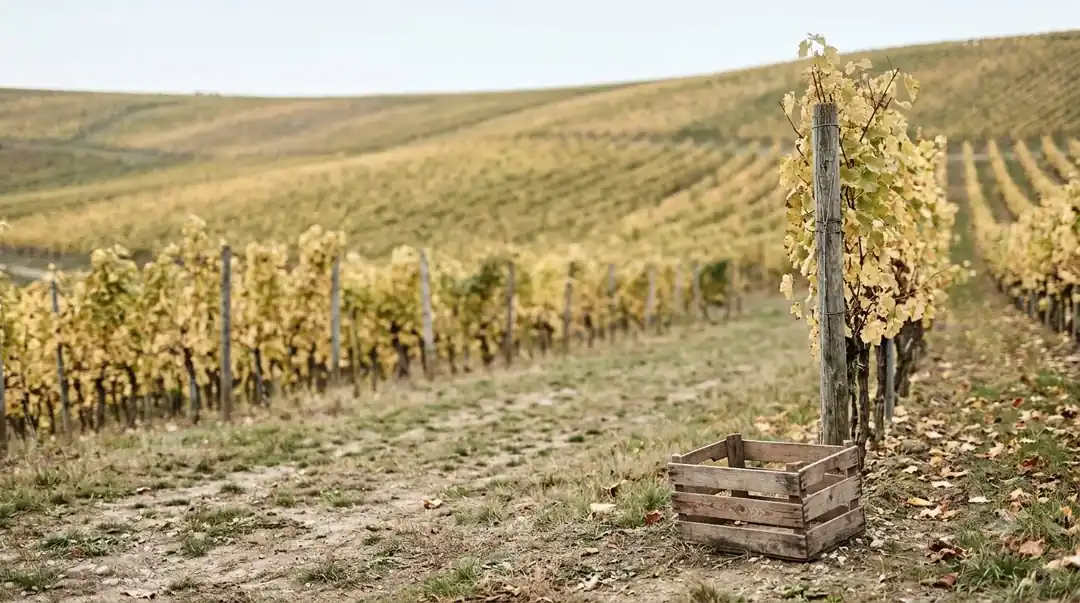
Kaiserstuhl: Located west of Freiburg, Kaiserstuhl is a volcanic massif overlooking the Rhine Valley. Its warm, dry conditions and distinctive geological formations make it particularly important for Spätburgunder, Grauburgunder, and Weissburgunder. Decanter describes its volcanic soils and sunbaked terraces as particularly suitable for the Pinot family.
Its vineyard landscape is especially appealing to visitors interested in geology and viticulture. Villages such as Ihringen, Oberbergen, and Oberrotweil provide useful starting points for discovering the area. The named vineyards Ihringer Winklerberg and Oberbergener Bassgeige are among the locations that wine enthusiasts may encounter when exploring the region’s classified sites.
Ortenau: Ortenau stretches through the northern part of Baden’s central wine landscape, near the western Black Forest foothills. It is particularly associated with Riesling and Spätburgunder. The region contains a mixture of warmer vineyard locations and higher-elevation sites, with rainfall increasing toward the Black Forest. Durbach is one of its recognizable wine villages, and the nearby Schloss Staufenberg provides a memorable viewpoint over the vineyards.
Ortenau Riesling is an interesting alternative to the better-known Rieslings from Mosel or Rheingau. Its character depends on the vineyard and producer, but the region demonstrates that German Riesling is not limited to one climate or one style. Spätburgunder also benefits from the area’s varied exposures and elevations.
Breisgau: Breisgau lies around Freiburg and extends into the surrounding countryside. Its vineyard conditions include cooler limestone slopes, which can support Pinot Noir styles that differ from those produced on the warmer Kaiserstuhl volcanic terraces. This distinction is particularly useful for consumers who enjoy comparing the influence of growing conditions on the same grape variety.
Freiburg itself makes a practical base for wine exploration. Its location provides access to vineyards, traditional villages, and the wider Black Forest landscape. Visitors can combine wine experiences with local food and historic architecture without needing to concentrate their entire itinerary on a single vineyard estate.
Markgräflerland: South of Freiburg, Markgräflerland is particularly associated with Gutedel, the German name for Chasselas. This grape produces a distinctive alternative to the more familiar Pinot varieties. Its generally gentle acidity and subtle fruit make it appropriate for relaxed meals, fresh cheeses, and regional dishes.
Other important areas include Kraichgau, the Badische Bergstraße, Tauberfranken, and the Lake Constance vineyards. Kraichgau is notable for Riesling specialists, while northern areas include Rivaner and Pinot Meunier. These additional growing areas reinforce the importance of understanding the specific origin of a Baden wine rather than relying on a single regional stereotype.
Understanding Baden Wine Quality and Choosing the Right Bottle
Choosing a Baden wine becomes easier when three elements are considered together: the grape variety, the growing area, and the producer’s style. The region’s connection with Burgundy makes Pinot-based wines especially interesting, while its varied climate and geology allow producers to create several different expressions of familiar grapes.
The VDP is an important organization to understand when exploring higher-quality German wines. Its Baden association has historical roots in four natural wine-growing associations founded in 1907. The organization emphasizes vineyard origin and the relationship between site conditions and wine quality.
Within the VDP classification system, Grosse Lage identifies the association’s highest-ranked vineyard category. Dry wines from qualifying sites can carry the designation Grosses Gewächs when they meet the applicable requirements. This designation identifies a particular relationship between dry wine and distinguished vineyard origin.
The classification is useful, but it should not be treated as the only way to find excellent wine. Many Baden producers outside the VDP make distinctive wines, and smaller estates can offer particularly interesting expressions of local grapes. A good buying decision should consider the actual wine, its origin, the producer’s reputation, and the style desired for a particular meal.
For a first purchase, Spätburgunder is an obvious starting point. It represents the region’s strongest grape identity and offers an opportunity to compare Baden with Pinot Noir from Burgundy, Oregon, or New Zealand. A lighter Spätburgunder can be an approachable choice for everyday dining, while a more concentrated single-vineyard example may suit a special meal.
Grauburgunder is a useful option for consumers who prefer fuller-bodied whites. It generally has more texture than a particularly light Sauvignon Blanc, making it a natural companion for roasted vegetables, poultry, and creamy sauces. Weissburgunder offers a different experience, particularly for people who want a cleaner, lighter white with fresh apple and citrus characteristics.
Riesling is worth seeking out from Ortenau and Kraichgau. Dry examples can work especially well with seafood, pork, and dishes containing fresh herbs. Their acidity helps balance richer foods, while the grape’s fruit character provides flexibility across different cuisines.
Another helpful consideration is the difference between dry and sweet wines. German labels use terms such as trocken for dry and halbtrocken for off-dry. Prädikat terms such as Kabinett, Spätlese, and Auslese describe harvest ripeness categories rather than functioning as simple sweetness labels. A wine’s actual sweetness depends on fermentation and the producer’s choices.
Consumers who are familiar with Italian or French wine labels may find regional comparisons helpful. The site’s Wine Regions resource provides another starting point for understanding the relationship between grape varieties, geography, and local wine traditions.
It is also useful to explore Baden alongside other internationally recognized wine-growing areas. Readers interested in Pinot-based regional identity may enjoy comparing its vineyards with Tasmania vineyards, while those exploring distinctive South American wine regions can consider Uruguay vineyards. These comparisons highlight how climate, grape selection, and local traditions influence regional wine styles.
Food Pairings, Serving Temperatures, and Wine Storage
Baden wines are particularly useful at the dining table because their range includes refreshing whites, textured whites, and balanced reds. Pinot Noir, Pinot Gris, Pinot Blanc, and Riesling each offer different pairing opportunities. Selecting the right wine involves considering acidity, body, tannin, sweetness, and the dominant ingredients in the dish.
Spätburgunder is a natural match for roast chicken, duck, pork, and mushroom dishes. Its relatively moderate tannin and fresh acidity make it more versatile with food than heavily structured red wines. A lighter bottle can also work with grilled salmon or tuna, although the preparation and sauce matter. Avoid pairing oily fish with heavily tannic reds, since the combination can produce an unpleasant metallic impression.
Grauburgunder is a good choice for creamy pasta, roast poultry, pork, and dishes containing mushrooms. Its fuller texture can complement richer ingredients without overwhelming them. Weissburgunder is better suited to delicate fish, seafood, salads, and mild cheeses, where a more restrained wine allows the food’s flavors to remain prominent.
Riesling is particularly useful with acidic foods and dishes that include aromatic spices. Its high acidity helps it work with citrus-based sauces, pickled vegetables, and dishes containing vinegar. For spicy Asian food, a slightly sweet Riesling can be an effective option. Sweetness softens the impression of chili heat, while high alcohol and tannin can intensify it.
Gutedel offers a pleasant pairing with fresh cheeses, vegetables, light fish, and simple regional dishes. Its subtle character makes it suitable when the food should remain the center of attention. For more substantial meals, Grauburgunder or Spätburgunder may provide a better match.
Serving temperature is equally important. White wines that are too cold can seem muted, while reds served too warm may appear overly alcoholic. A practical temperature guide for Baden varieties is shown below.
| Wine style | Recommended temperature | Practical serving approach |
|---|---|---|
| Light Weissburgunder | 45–50°F | Serve chilled, not icy |
| Fuller Grauburgunder | 50–55°F | Allow additional warming in the glass |
| Dry Riesling | 45–50°F | Keep refreshing acidity prominent |
| Chardonnay | 50–55°F | Allow fuller texture to develop |
| Light Spätburgunder | 55–60°F | Serve slightly cooler than room temperature |
| Fuller Spätburgunder | 60–65°F | Allow aromatic development |
| Baden sparkling wine | 40–50°F | Serve well chilled |
For a bottle of Spätburgunder, a short period of air exposure may help reveal its aromas. Young, fuller-bodied red wines can benefit from approximately 30 to 60 minutes of decanting, although lighter Pinot Noir usually needs less intervention. Older bottles require more care because excessive exposure to oxygen can diminish their delicate aromas.
Storage conditions also influence the wine’s development. Keep unopened bottles in a cool, dark location near 55°F, with relatively stable temperatures and limited vibration. Bottles sealed with traditional corks are generally stored horizontally to keep the cork from drying out. Avoid placing wine near ovens, radiators, or sunny windows.
Once opened, a still Baden white or red generally keeps for approximately three to five days in the refrigerator when properly recorked. Sparkling wines usually retain their best qualities for one to three days with a suitable sparkling-wine stopper. The exact period depends on the wine’s age, style, closure, and exposure to oxygen.
These straightforward practices help preserve the character of Baden’s Pinot varieties and white wines. Proper temperature and storage matter just as much as selecting a suitable vineyard or producer.
Visiting Baden Vineyards and Planning a Wine Country Trip
Baden is an appealing destination for wine tourism because its vineyards sit alongside historic towns, scenic countryside, and the Black Forest. Visitors can combine winery appointments with local restaurants, cycling, walking, and cultural attractions. The best itinerary depends on whether the priority is Pinot Noir, Riesling, vineyard scenery, or a broader exploration of southwestern Germany.
For a Pinot-focused visit, Kaiserstuhl is a sensible starting point. Villages such as Ihringen, Oberbergen, and Oberrotweil provide access to vineyards with different exposures and geological conditions. The landscape is particularly interesting for visitors who want to understand the relationship between volcanic soils and wine production. A tasting that includes Spätburgunder, Grauburgunder, and Weissburgunder can demonstrate how the same growing environment supports different styles.
Freiburg is another practical base. Its location makes it possible to explore Breisgau and the southern wine-growing areas while enjoying a historic city atmosphere. Visitors can arrange winery visits during the day and return to Freiburg for regional food in the evening. The nearby Black Forest also offers opportunities for outdoor activities.
For Riesling and traditional wine villages, Ortenau deserves a place on the itinerary. Durbach is particularly recognizable for its vineyard scenery and connection with Schloss Staufenberg. Decanter highlights the castle’s terrace and surrounding steeply planted vines as part of the area’s wine-tourism appeal. Visitors can explore the village, arrange estate appointments, and enjoy views across the Rhine Valley.
Markgräflerland is a worthwhile choice for travelers interested in Gutedel. The area south of Freiburg offers a different perspective on Baden’s wine culture, particularly for people who want to explore varieties beyond Pinot Noir. Tasting Gutedel alongside Weissburgunder or Grauburgunder is a useful way to understand the region’s range of white wines.
Wine tourism in Baden benefits from advance planning. Many small estates operate by appointment, and opening arrangements can vary between producers and seasons. Visitors should contact wineries directly before traveling, especially if they want a guided vineyard walk, a seated tasting, or a discussion of individual vineyard sites.
Transportation also deserves attention. The region is spread over a considerable distance, so attempting to visit Kaiserstuhl, Ortenau, and Lake Constance in one day would leave little time for meaningful tastings. A more practical plan is to concentrate on one area at a time. Freiburg and Kaiserstuhl can form one part of a trip, while Durbach and Ortenau can form another.
Decanter describes a four-to-five-day itinerary as a useful way to combine Ortenau, Kaiserstuhl, Breisgau, and Markgräflerland. Its Baden wine travel guide also discusses local villages, winery visits, and vineyard scenery for visitors planning a regional trip.
Food should be part of the experience. Baden has a strong regional culinary tradition, and local restaurants provide opportunities to see how Pinot wines and regional whites work with traditional dishes. Visitors can compare the same grape variety with different foods and observe how acidity, texture, and tannin affect a pairing.
For travelers comparing European wine destinations, Baden also offers a useful point of contrast with Tuscany. The site’s Chianti Classico vineyards resource provides another perspective on how vineyard landscapes, local grape traditions, and regional classifications influence wine identity.
The most rewarding Baden itinerary is one that allows enough time to understand individual vineyard areas rather than simply collecting tasting-room visits. A few carefully selected producers, a local meal, and a walk through the vineyards can provide a much clearer picture of the region’s wine culture.
Frequently Asked Questions
Is Baden one of Germany’s officially recognized wine-growing regions?
Yes. Baden is one of Germany’s 13 officially recognized wine-growing regions, known in German as Anbaugebiete. It is also one of the VDP’s regional associations. German wine regulations recognize Baden as a distinct geographical origin, with its own permitted growing areas and production requirements.
What does Spätburgunder mean on a Baden wine label?
Spätburgunder is the German name for Pinot Noir. It belongs to the same grape variety used in Burgundy and other international Pinot Noir regions. The name Grauburgunder refers to Pinot Gris, while Weissburgunder refers to Pinot Blanc.
What does Grosses Gewächs mean on a Baden wine bottle?
Grosses Gewächs, commonly abbreviated GG, is a designation used within the VDP classification for qualifying dry wines from its highest-ranked vineyard sites. The designation is distinct from the German Prädikat categories, which describe grape ripeness at harvest. VDP wines bearing this designation are subject to specific production and labeling requirements.
Does Baden produce organic and biodynamic wines?
Yes. Individual Baden producers work with organic and biodynamic viticulture, although certification and farming practices differ between estates. Organic certification in the European Union includes requirements governing vineyard treatments, permitted inputs, and production practices. Buyers interested in these methods should look for the relevant certification or producer information.
What is Sekt in the Baden wine region?
Sekt is the German term for sparkling wine. Baden producers make sparkling wines from regional grape varieties, including Pinot grapes. Some traditional-method examples undergo their second fermentation in the bottle, the same basic production principle used for Champagne and Cava. Production method and grape composition influence the finished wine’s texture and complexity.
Baden offers a distinctive combination of warm German vineyard conditions, varied geology, and a strong Pinot tradition. From the volcanic slopes of Kaiserstuhl to the Riesling vineyards of Ortenau and the Gutedel country of Markgräflerland, its growing areas reward closer exploration. Start with Spätburgunder or a regional white, then compare bottles from different vineyard locations to discover the character that makes Baden such an important part of German wine culture.
More in Wine Regions
 Willcox Wine Trail: Discover Arizona’s High-Elevation Wine CountryUpdated Nov 20, 2026
 Yakima Valley Wine Region: Find the Best Styles to TryUpdated Nov 20, 2026
 Vosne Romanee Wine Tasting: Identify Aromas and Choose Better PairingsUpdated Nov 20, 2026
 Yakima Valley Wine Festival: Find the Best Seasonal Wine EventsUpdated Nov 20, 2026
 Wales Vineyards: Discover Cool-Climate Wines and Where to VisitUpdated Nov 20, 2026
 Yountville Wine Festival: Discover Napa Wines and Local FoodUpdated Nov 20, 2026