

We may earn a commission when you buy through links on this page, at no extra cost to you. Learn more.
The Amador County wine region is a Sierra Foothills area in Northern California known mainly for old-vine Zinfandel grown in iron-rich granite soils at elevation. The county has roughly 3,700 acres under vine, and about 600 of those acres hold vines 65 years old or older, according to Wine with Seth’s regional profile. Most of the producing land sits in two sub-appellations, California Shenandoah Valley and Fiddletown, both established in 1983. For most drinkers, the simplest way to understand the area is as a Zinfandel region with a strong Italian and Rhône side.
Most wine drinkers can name Napa and Sonoma, but far fewer can place the Sierra Foothills on a map. Amador County is the part of that foothill belt that matters most to Zinfandel lovers. It is small, rural and old, and its wines reward readers who like structure, acidity and character over polish. This guide covers where the region sits, how its history shaped the vines, what the climate and soils do to the wine, and how to pair the bottles you find.
Where Amador County Sits in the Sierra Foothills
Amador County occupies the central stretch of California’s Sierra Foothills, and it is the part of that belt most closely tied to old Zinfandel. The region is compact enough to explore in a few days, which suits travelers who want to meet producers rather than cross a dozen appellations.
Decanter’s feature on the Foothills describes a strip of vineyards that runs from Calaveras County in the south, continues north through Amador, and climbs to the ridges around Placerville in El Dorado County. Amador is the best-known piece of that strip. The region’s official wine site describes forty-one wineries in the Gold Country foothills, enough variety to fill a weekend while keeping the route manageable.
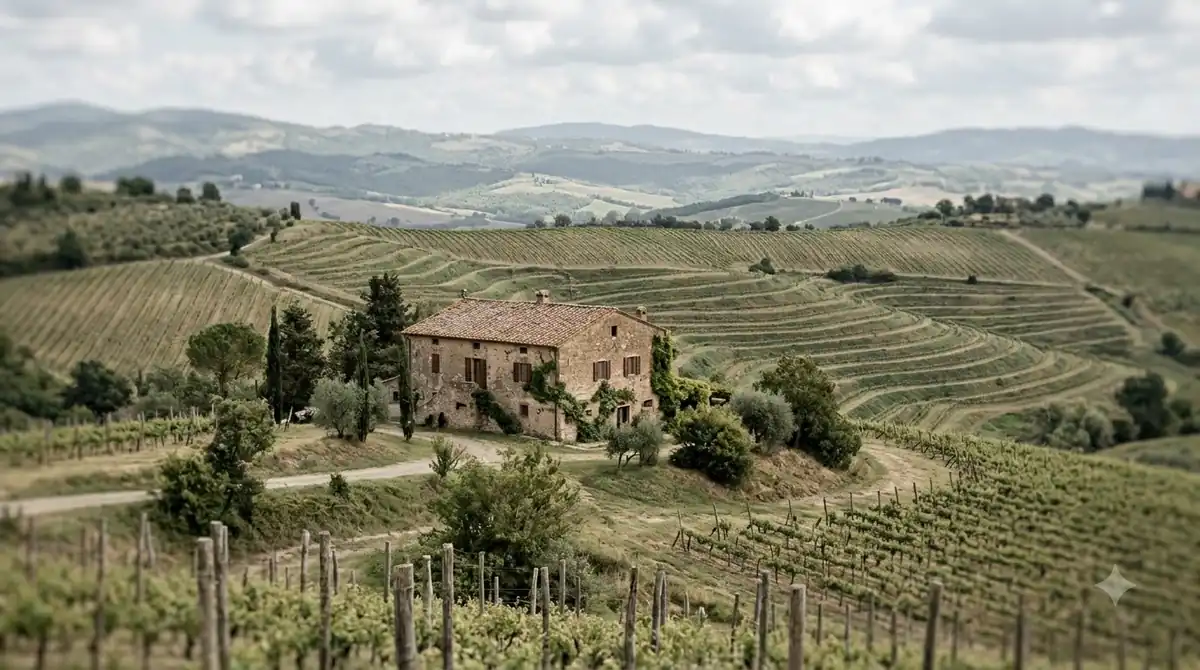
Geography shapes how the county feels on the ground. Vineyards sit on rolling slopes between river drainages, with the Sierra Nevada rising behind them. Gold Rush towns still anchor the tasting routes, and their historic streets give the area a rural character that the larger Napa and Sonoma regions have largely lost. Planning a trip? Build your dates around the amador county wine festival if you want to meet many producers in one place before choosing where to spend a full day.
A Gold Rush Start, a Long Pause and a Revival
The region’s winemaking began during the Gold Rush, peaked with more than 100 wineries, and nearly disappeared before a revival in the 1960s and 1970s. That arc explains why so many old vineyards are still in production today.
Wine with Seth’s regional profile dates the first wineries to 1849, when they were set up to serve a booming mining population. More than 100 wineries operated in the county at the peak. Decanter’s broader Foothills feature adds that Foothills vineyards kept producing long after the miners moved on, which shows how deep the local wine habit ran.
Prohibition hit the commercial trade hard, but the survival story is specific. A legal home winemaking loophole allowed households to keep making wine, and that kept older vineyards alive when most of the commercial market was gone. Many of those blocks are still the backbone of the county’s Zinfandel today.
The revival came through a few people who saw value in old fruit. Sacramento wine merchant Darrell Corti championed Deaver Vineyard Zinfandel in the 1960s and 1970s, and that attention helped put the county back on the map. The thread that connects the Gold Rush producers to the modern estates runs straight through that work.
Elevation, Climate and Soil Shape the Wine
Amador’s vineyards sit high enough to stay cooler than the Central Valley floor. The combination of altitude, a Mediterranean climate and iron-rich soils drives the structure in the wines, and those conditions repeat in most vintages.
Vineyards are planted between roughly 1,000 and 3,000 feet, with most in the sweet spot of 1,200 to 2,000 feet, according to Wine with Seth’s regional profile of Amador County. The climate is Mediterranean, with warm, sunny days and much cooler nights. Diurnal swings routinely exceed 30 degrees Fahrenheit, which slows ripening and helps preserve acidity and aromatics. Annual rainfall averages 36 to 38 inches, concentrated in winter and spring, so most vines dry-farm through the growing season. That limited summer water pushes roots deep.
Timing matters too. Budbreak comes late compared with the rest of California, because cold soils and Sierra snowmelt can keep the ground chilly into spring. The growing season is short and intense, and the fruit reaches harvest with higher acid and tannin than coastal fruit would show. Winemakers treat that structure as part of the style rather than a flaw to fix.
Soils matter just as much. The defining material is iron-rich decomposed granite, along with volcanic Sierra Series soils, and both drain well while keeping vine vigor low. Bill Easton, who makes Zinfandel from old Amador sites, describes them as poor mountain soils with a lot of iron and magnesium. The table below pulls together the figures that matter most when you plan a visit or try to understand a bottle.
| Factor | Amador County figure | Effect on the wine |
|---|---|---|
| Vineyard area | About 3,700 acres | Compact enough for a multi-day visit |
| Old vines | About 600 acres at 65 years or older | Concentrated, structured old-vine Zinfandel |
| Elevation | 1,000 to 3,000 feet; most at 1,200 to 2,000 feet | Moderates summer heat |
| Day-night swing | More than 30°F | Preserves acidity and aromatics |
| Annual rainfall | 36 to 38 inches, mostly winter and spring | Vines dry-farm and root deeply |
| Wineries | 41, per the region’s official wine site | Enough variety for a weekend route |
Old-Vine Zinfandel and the Deaver Ranch Story
Zinfandel is the county’s signature grape, and its old vines give the region a voice of its own. Many of the oldest plantings are ungrafted and unirrigated, which makes them rare and also vulnerable to phylloxera and drought.
The historic anchor is the Original Grandpère Vineyard, planted in 1869, which Wine with Seth describes as the oldest documented Zinfandel vineyard in California. Deaver Ranch sits at the center of the modern story. In 1965, home winemaker Charles Myers bought a half-ton of zinfandel from Deaver Ranch, whose dry-farmed vines were own-rooted. Darrell Corti received a bottle of the resulting wine and arranged a meeting with Bob Trinchero of Sutter Home, and within months Trinchero was buying grapes from Amador County. As Wine & Spirits’ feature on Amador zinfandel explains, that investment likely saved the region’s old vineyards from oblivion.
What Old-Vine Amador Zinfandel Tastes Like
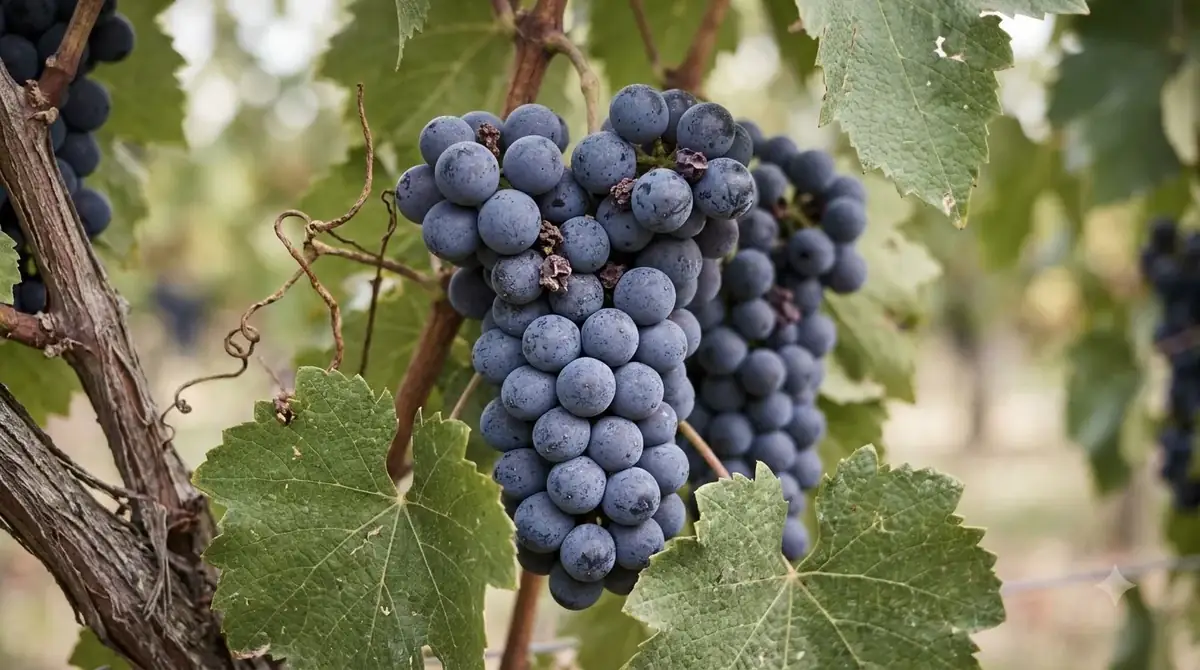
Wine with Seth’s flavor profile describes old-vine Amador Zinfandel with blackberry jam, dried fig, black pepper and leather, a full body, grippy tannins and warmth on the finish. Those notes make it a natural partner for smoky, fatty dishes. Decanter adds a caution: the cool night breezes that keep acidity high can also let a raisiny character show, and when that is combined with high acidity, the glass can turn astringent. Careful farming and picking at the right ripeness separate the best bottles from the rest.
Producers are doing more with the old blocks than ever. Renwood planted 121 hectares of heritage Zinfandel, according to Decanter, and took cuttings from the old vines to graft them onto resistant rootstocks, a practical answer to the phylloxera risk that own-rooted vines carry. Easton’s approach is more traditional. He says yields have to stay under three tons per acre, even for Zinfandel, because a bigger crop simply will not ripen. Tegan Passalacqua of Turley, who makes several Amador zins, says they have more in common with Barolo or Valtellina than with the richer coastal Turley bottlings.
Shenandoah Valley and Fiddletown: The Two Sub-AVAs
Amador has two sub-appellations, both formed in 1983, and they differ in elevation, soil and character. Knowing which one a bottle comes from tells you a lot about what is in the glass.
The California Shenandoah Valley AVA covers the heart of the county’s wine country. Wine with Seth notes that it holds the majority of the region’s producers and old-vine Zinfandel plantings, and several of the oldest vineyards sit along Shenandoah Road. If you want a cross-section of the county in one day, a route planned around the amador county wine trail makes it easier to move between valley and foothill producers.
Fiddletown is the smaller of the two. Wine with Seth describes it as a higher-elevation appellation whose wines come from cooler conditions and often show more structure and restraint. Decanter points to Domaine de la Terre Rouge in Fiddletown, founded by William Easton in 1987, which focuses on Rhône varieties and blends. Easton also makes a Zinfandel under his own name, which shows how one county’s producers split their work between very different grapes.
Moving east from the valley, the terrain changes. Wine & Spirits describes rising elevations, with soils that become more volcanic and laced with bands of quartz and shale. At Shake Ridge Ranch near Sutter Creek, Ann Kraemer has planted 46 acres on hilly land of pine and oak, with about nine acres of Zinfandel oriented just off-axis from direct summer sun. She says that once the Central Valley cools, air from the Sierra rushes in and cools the vineyard quickly. Details like that explain why two sub-appellations only a short drive apart can taste different.
Barbera, Sangiovese and Food Pairings
Amador’s second identity comes from its Italian and Rhône varieties, and those wines show the region’s acidity and bright fruit most clearly. Pairing them well is mostly a matter of balancing fat, salt and acid.
Barbera stands out for its brisk acidity. Wine with Seth describes the region’s Barbera as bright cherry and plum with lively acid, which makes it a good match for rich, slow-cooked food. Sangiovese thrives in the same warm, well-drained soils and suits tomato-based dishes, where its acidity matches the sauce. The Rhône side offers Syrah with dark fruit, olive and savory spice, along with Grenache and Viognier, which have gained traction across the county.
The pairing logic follows a few simple rules. Fat and salt soften tannin, so grippy old-vine Zinfandel works well with beef brisket and lamb chops. Acid in the wine should match acid in the food, so Barbera handles a wild boar or venison ragù. Syrah suits roasted duck and game birds, while Grenache or Primitivo pair with spiced sausage and charcuterie. Aged hard cheeses such as Parmigiano-Reggiano or aged Gouda round out a tasting-room plate.
Tip: Serve full-bodied Amador Zinfandel between 60 and 65°F, and decant young bottles for 30 to 60 minutes. Pour about 5 ounces per glass, since a 750 ml bottle yields roughly five servings. If you plan to keep bottles for a while, store them on their side near 55°F.
For a broader primer on how these regions compare, the Wine Regions hub is a good place to start before you pick your first bottle.
Frequently Asked Questions
Which sub-appellation is better for Zinfandel?
Both are associated with Zinfandel, so the choice usually comes down to style. Bill Easton draws the old vines for his own-label Zinfandel from sites such as Rinaldi, D’Agostini and Esola, and he notes that those vines are all over a century old. Tasting a few bottles from each sub-appellation side by side is the fastest way to learn which profile you prefer.
Are there Amador vineyards that date to the 1850s?
Yes. Wine with Seth notes that the Deaver Mission Vineyard dates to the 1850s, the same decade the Gold Rush brought miners and growers into the county. Producers who work with those blocks treat them as a living link to the region’s earliest wine trade.
Why do Amador Zinfandels benefit from aging?
Tegan Passalacqua of Turley says the tannins are firmer and coarser when the wine is young, and he credits that structure for the wines’ ability to age. A young bottle can taste tight, so a few years of bottle age often helps it open up. Serve older bottles with the same decanting care you would give a young one.
Does Amador County get much fog?
Very little. Wine & Spirits reports that at the elevations where most vineyards sit, the region is largely devoid of fog, so the daily temperature swing does most of the cooling work. Visitors driving the back roads should expect open sunshine rather than the marine haze common on the coast.
Which rivers form the county’s borders?
The Cosumnes River and the North Fork of the Mokelumne River mark Amador’s boundaries. The western edge is a long ridge where, on clear days, the Central Valley plains are visible below and Mt. Diablo can be seen in the distance.
Amador County rewards readers who like old vines, structured reds and a slower pace. Start with a couple of Zinfandels from the Shenandoah Valley, then branch into a Barbera or a Rhône blend to see how the region’s Italian and Rhône sides compare. The trail and festival links earlier in this guide make it easy to turn that shortlist into an actual visit.
More in Wine Regions
 Willcox Wine Trail: Discover Arizona’s High-Elevation Wine CountryUpdated Nov 20, 2026
 Yakima Valley Wine Region: Find the Best Styles to TryUpdated Nov 20, 2026
 Vosne Romanee Wine Tasting: Identify Aromas and Choose Better PairingsUpdated Nov 20, 2026
 Yakima Valley Wine Festival: Find the Best Seasonal Wine EventsUpdated Nov 20, 2026
 Wales Vineyards: Discover Cool-Climate Wines and Where to VisitUpdated Nov 20, 2026
 Yountville Wine Festival: Discover Napa Wines and Local FoodUpdated Nov 20, 2026