

We may earn a commission when you buy through links on this page, at no extra cost to you. Learn more.
The amador county wine festival experience brings together California Sierra Foothills wineries, distinctive regional wines, local food, and seasonal celebrations throughout Amador County. Visitors can explore events such as the Barbera Festival, Big Crush Harvest Festival, and Four Fires Food and Wine Festival. Each offers a different way to discover the area’s wineries, from large-scale tastings and open-fire cooking to behind-the-scenes harvest activities. Planning around the event calendar, winery locations, and reservation requirements makes a visit much more rewarding.
Amador County is an appealing destination for wine enthusiasts who want to explore California wine country beyond the better-known Napa and Sonoma regions. Located in the Sierra Foothills, east of Sacramento, the county combines historic Gold Rush towns, family-owned wineries, scenic vineyards, and a strong connection to Mediterranean grape varieties. Whether attending a dedicated wine festival or organizing a weekend around several winery events, visitors can experience a distinctive side of California winemaking.
Understanding Amador County Wine Festivals
Amador County hosts several wine-related celebrations, each with its own character, schedule, and approach to tasting. Understanding the differences between these events helps visitors choose the experience that best matches their interests.
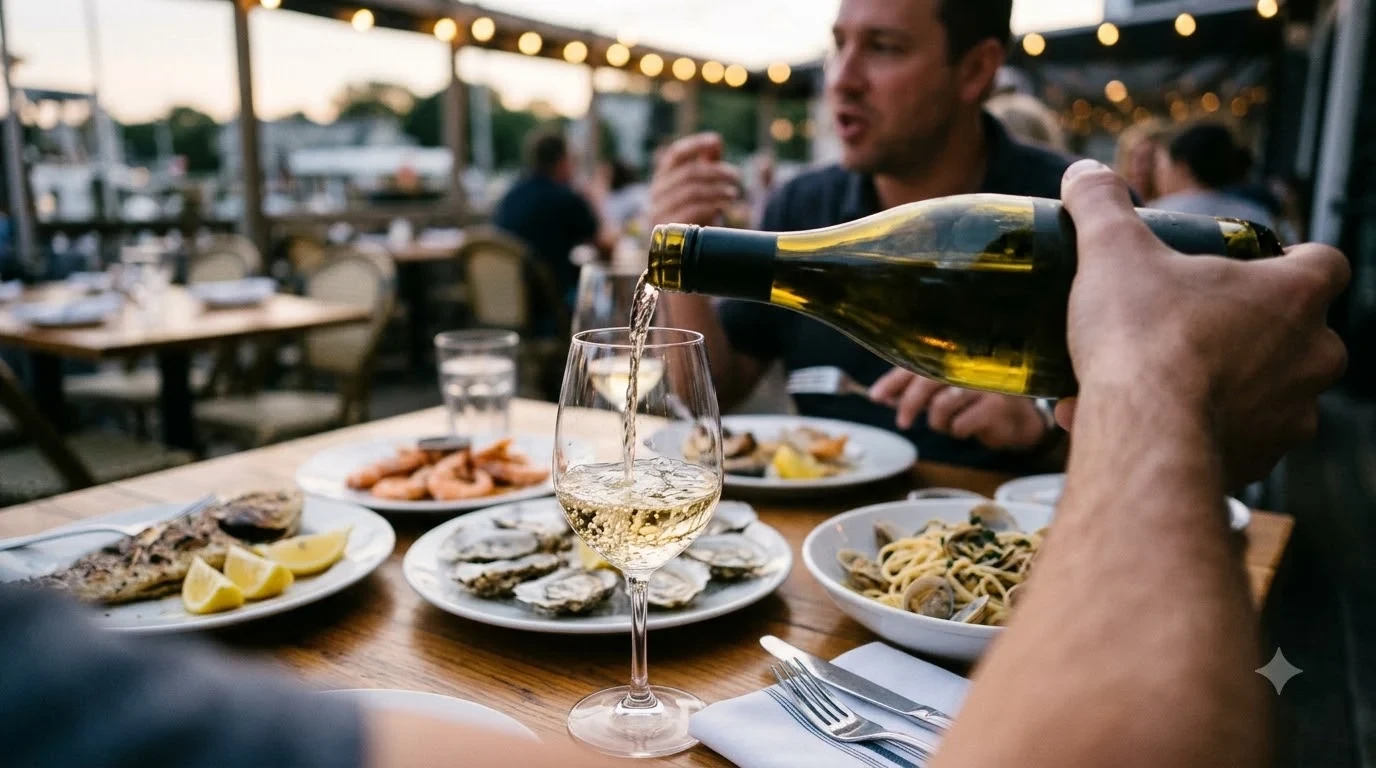
The region’s wine calendar includes the Barbera Festival, Big Crush Harvest Festival, and Four Fires Food and Wine Festival. These events are connected to Amador’s winemaking community, but they do not all take place in the same location or follow the same format.
The Barbera Festival focuses on a grape variety with strong Italian roots and an established following in the Sierra Foothills. It brings together wines from Amador producers and other California wineries, allowing visitors to compare different interpretations of Barbera. Its emphasis on one grape makes it particularly interesting for people who want to understand regional wine styles.
Big Crush takes a different approach. Rather than concentrating everyone at one tasting venue, the harvest celebration involves participating wineries throughout Amador Wine Country. Visitors can arrange individual winery reservations and experience activities connected to the production season.
Four Fires combines wine with food prepared over open flames. Its concept draws inspiration from four wine traditions: France’s Rhône Valley, Italy, Spain, and Heritage California. The result is a broader culinary and wine experience that brings together different regional influences.
These distinctions matter when organizing a trip. Someone interested in comparing Barbera wines may prefer the dedicated festival, while a visitor who enjoys winemaking demonstrations may find Big Crush more appealing. Food enthusiasts may prefer Four Fires because culinary experiences are central to its format.
For a wider overview of California destinations, the site’s Wine Regions resource provides useful context for comparing Amador with other American wine-growing areas.
Barbera Festival: Celebrating Amador’s Signature Red Wine
The Barbera Festival is one of the most distinctive celebrations associated with Amador County wine culture. It highlights an Italian red grape that has found a natural home among Sierra Foothills producers and offers opportunities to compare different winemaking approaches.
Barbera is traditionally associated with northern Italy, particularly Piedmont, but California wineries have developed their own interpretations. In Amador County, the variety is valued for its lively acidity, generous fruit character, and versatility at the table.
Unlike Cabernet Sauvignon, which generally has higher tannin, Barbera commonly emphasizes freshness and acidity. Its flavors can include black cherry, red plum, raspberry, and sometimes spice. Depending on the producer and winemaking decisions, the wine may be approachable when young or gain additional complexity through oak aging.
The festival provides a useful setting for comparing these differences. Participating wineries have included Amador Cellars, Cooper Vineyards, Di Arie Vineyard & Winery, Dobra Zemlja Winery, and Vino Noceto. Each producer brings a different perspective to the region’s wine identity.
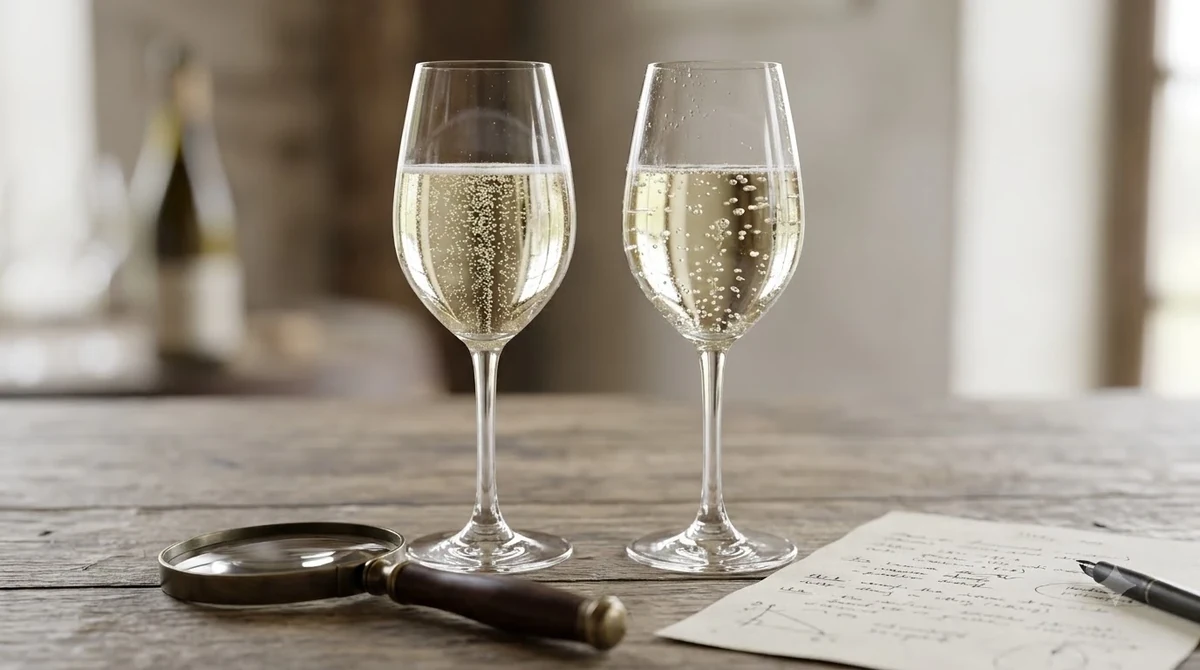
The event has also featured selections beyond conventional still red Barbera. Its programming has included sparkling wines, white wines, rosés, and blends made from the variety. This broader selection helps demonstrate that Barbera can be interpreted in several styles rather than being limited to one traditional profile.
The festival’s tasting and hospitality elements can include gourmet food, appetizers, live entertainment, commemorative glassware, and opportunities to meet fellow wine enthusiasts. Designated-driver admission has also been offered, with nonalcoholic beverages instead of wine service.
For visitors planning around the festival, the official event calendar is especially important. The published 2026 Barbera Wine Experience listing identifies Saturday, August 29, from 6 p.m. to 9 p.m., at 52 Natoma Street in Folsom. That particular event is outside Amador County itself, illustrating why visitors should distinguish between a regional wine celebration and an event physically held in the county.
To get the most from a Barbera tasting, compare wines in a consistent order. Start with lighter, fresher examples before moving toward more concentrated or oak-influenced bottlings. Pay attention to acidity, fruit intensity, tannin, and the way each wine changes as it opens in the glass.
Food also makes an important difference. Barbera’s acidity works well with tomato-based dishes, roasted vegetables, pizza, grilled sausages, and Italian-style pasta. Its freshness can balance rich foods without requiring the heavier tannin structure found in some other red wines.
Visitors who enjoy discovering lesser-known Italian varieties should also look for Sangiovese, Primitivo, Montepulciano, and Aglianico among local winery selections. These grapes help explain why Amador County has a broader Mediterranean-influenced identity than many California wine destinations.
Big Crush Harvest Festival and the Winery Experience
Big Crush is especially appealing to visitors who want to understand what happens inside a winery during harvest. Its combination of tastings, tours, barrel samples, and seasonal activities offers a closer connection to the winemaking process.
The festival takes place across participating wineries in Amador Wine Country. Unlike a conventional tasting event held at a single venue, visitors select individual winery experiences and build their own schedule. This format allows people to spend more time at properties that interest them.
The 2026 Big Crush Harvest Festival is listed for October 3 and 4, from 10:30 a.m. to 4:30 p.m. The event is reservation-only, and guests must make a reservation at every winery they plan to visit. Participating properties provide details about their individual activities when reservations are arranged.
Typical harvest experiences can include barrel tastings, winery tours, food pairings, live music, and opportunities to observe grape processing. These activities make the festival especially interesting for visitors who want more than a standard tasting-room flight.
Barrel tastings are particularly educational. Wine sampled from a barrel may still be developing and can taste different from the finished bottled version. Visitors may notice changes in fruit expression, structure, oak influence, and texture as winemakers explain how maturation affects the final wine.
Watching harvest activity can also provide a better understanding of the production process. Grapes must be harvested at an appropriate stage of ripeness, transported to the winery, sorted, and prepared for fermentation. Red wines generally undergo fermentation with their grape skins, while most white wines are separated from the skins before fermentation.
The harvest period is also an opportunity to learn about fermentation decisions. Yeast converts grape sugars into alcohol and carbon dioxide, while temperature management influences fermentation speed and the development of aromas and flavors. Different grape varieties and wine styles require different approaches.
Because Big Crush is spread across several properties, travel planning is essential. A visitor who books a tasting at a winery in Plymouth and another near Fiddletown should allow enough time for driving, parking, and the scheduled experience at each location.
The following table summarizes the principal event formats and their visitor characteristics.
| Event | Typical focus | Published schedule or format | Best suited to |
|---|---|---|---|
| Barbera Festival | Barbera wines and food | Dedicated tasting event | Red wine enthusiasts |
| Big Crush | Harvest activities and winery visits | October 3–4, 2026; 10:30 a.m.–4:30 p.m. | Winemaking enthusiasts |
| Four Fires | Wine and open-fire cooking | May 1, 2027; noon general admission | Food and wine enthusiasts |
| Winery tasting visits | Individual producer portfolios | Varies by property | Small-group explorers |
Big Crush also provides a commemorative wine glass and an event guide when guests arrive at their first reservation. These items help visitors keep track of their itinerary while enjoying the participating wineries.
Tip: For Big Crush, reserve your preferred wineries before arranging the rest of your day. Bookings are required separately at each participating property, so confirm the experience time, address, parking arrangements, and travel distance before finalizing your itinerary.
Four Fires Food and Wine Festival: Wine Meets Open-Fire Cooking
Four Fires offers a different perspective on Amador County’s food and wine culture by combining regional wines with cuisine prepared using open-fire cooking techniques. It is a particularly attractive choice for visitors who enjoy culinary experiences as much as wine tasting.
The festival draws inspiration from four wine traditions: the Rhône Valley in France, Italy, Spain, and Heritage California. These influences reflect the range of grapes and wine styles associated with Amador County and the wider Sierra Foothills.
Its food program centers on dishes prepared by local restaurants and chefs. Open-fire cooking can involve grilling, roasting, and other methods that use direct or indirect heat from wood, charcoal, or other fuels. These techniques create smoky aromas, browned surfaces, and concentrated flavors that can work well with structured wines.
Wine pairing is an important part of the experience. Barbera’s acidity can complement tomato-based preparations and grilled vegetables, while Zinfandel can work with richly seasoned meats. Syrah may suit grilled lamb, smoky dishes, and preparations with black pepper or herbs.
The festival’s published 2027 listing identifies Saturday, May 1, at the Amador County Fair Grounds. General admission is scheduled to begin at noon, while the VIP experience includes early access at 11 a.m. The event information also describes complimentary tastings of more than 100 wines, live entertainment, artisan vendors, and four food-sampling tickets.
These details make Four Fires different from Big Crush. Rather than traveling between individual wineries, visitors can enjoy a centralized festival environment with wine, food, and entertainment in one location.
Designated-driver admission is another useful feature. The published event information describes access to food, nonalcoholic beverages, interactive activities, and live music without alcohol service. This makes it easier for groups to plan transportation responsibly.
Visitors should review the official event information before traveling because admission arrangements, participating restaurants, winery lists, and ticket details can change. The Four Fires Food and Wine Festival event page provides the published schedule and descriptions of the festival experience.
For food lovers, this event also provides a practical introduction to pairing regional wine with different cooking styles. A full-bodied Zinfandel may suit smoked brisket, while a fresh Barbera can balance tomato-rich dishes. A crisp white wine can provide contrast with salty appetizers and grilled seafood.
Visitors who prefer a quieter tasting environment may want to schedule a separate winery visit before or after the festival. This provides an opportunity to speak directly with producers and explore wines that might not be featured in the central event tasting selection.
Wineries, Wine Styles, and Towns to Explore
Amador County’s festival experiences make more sense when visitors understand the surrounding wine country. Plymouth, Sutter Creek, Fiddletown, and Amador City provide useful starting points for exploring the county’s wineries and historic communities.
Plymouth is particularly important for wine tourism because many tasting rooms are located along Shenandoah Road and nearby vineyard routes. The area includes established producers, family-run wineries, and properties offering outdoor seating, vineyard views, and food experiences.
Amador Cellars, at 11093 Shenandoah Road, is one option for visitors interested in Mediterranean varieties and estate-grown Zinfandel. Its portfolio reflects the area’s ability to work with several grape traditions rather than concentrating exclusively on familiar international varieties.
Cooper Vineyards, at 21365 Shenandoah School Road, is another notable stop. Its vineyard includes 17 varieties, providing opportunities to explore different grapes and wine styles within one producer’s portfolio.
Helwig Vineyards & Winery offers a different visitor experience, with a wine cave, vineyard views, a covered pavilion, and a terraced concert amphitheater. These facilities make it relevant for people interested in combining wine tasting with scenery and scheduled entertainment.
Vino Noceto is particularly interesting for visitors who appreciate Italian grapes. The winery produces eight Sangiovese styles alongside Old Vine Zinfandel, Barbera, Moscato, and other wines. Comparing several Sangiovese expressions can demonstrate how vineyard sources and production decisions influence the finished wine.
Sutter Creek provides a convenient complement to winery visits. Its historic Main Street offers places to explore between tastings, while local tasting rooms give visitors access to wines without requiring another trip into the vineyard countryside.
Fiddletown is another worthwhile area for people interested in smaller wineries and scenic rural surroundings. Properties around this community can provide a more intimate tasting experience, although opening hours and reservation policies vary.
Visitors should also consider Amador City’s historic character. Its compact streets and small businesses offer a pleasant contrast to the open vineyard landscapes around Plymouth and Shenandoah Valley.
The Amador County wine region provides additional background on the area’s geography, grapes, and wine-growing identity. It is useful reading before selecting specific tasting destinations.
Other California wine festivals can provide interesting comparisons. For example, the Lake County Wine Festival offers a different regional perspective, while the Loudoun County Wine Festival highlights Virginia’s wine culture and East Coast producers.
Planning Tickets, Transportation, and Tasting Schedules
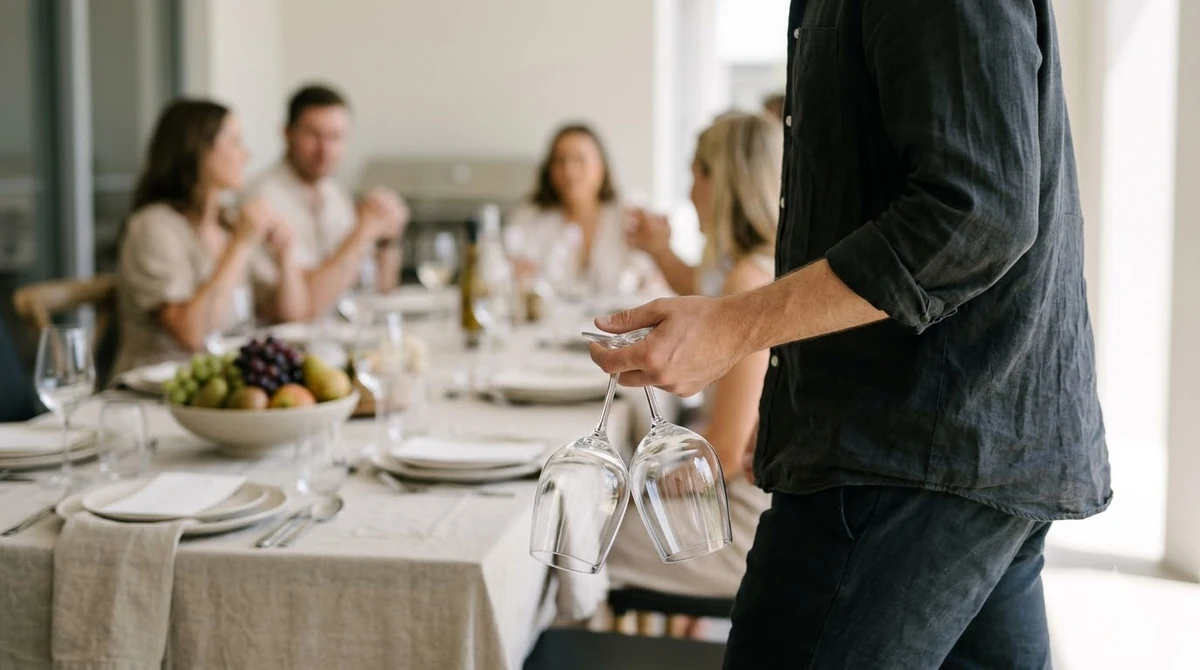
A successful wine festival visit requires more planning than simply arriving at the venue. Tickets, winery reservations, transportation, meal arrangements, and tasting schedules all affect the overall experience.
Start by identifying the event you want to attend and confirming its location. A festival associated with Amador Wine Country may take place at a central venue outside the county, while another event may require visitors to travel between individual winery properties.
For a centralized event such as Four Fires, check the admission categories and arrival times. General admission and VIP access can have different entry arrangements, while designated-driver tickets generally exclude wine service.
For Big Crush, book each winery separately. A reservation at one property does not automatically guarantee access to another. Allow sufficient time between appointments, particularly if you plan to visit wineries in different communities.
Three or four well-planned stops can be more enjoyable than trying to visit every available winery. A tasting experience often includes conversation, wine education, and time to appreciate the surroundings. Rushing between properties reduces the opportunity to understand the wines.
Transportation should be arranged before the first tasting. A designated driver, hired driver, organized tour, or other safe transportation option is preferable to making driving decisions after drinking. Groups should agree on their transportation plan before arriving.
Food is equally important. Eat a substantial meal before beginning a long tasting schedule and take advantage of available food offerings throughout the day. Drinking water between samples and taking breaks can also make a busy festival more comfortable.
Wine tasting does not require finishing every sample. Visitors can use a tasting glass to assess appearance, aromas, flavor, and finish, then use the available spittoons when appropriate. This allows greater participation in educational tastings without consuming every pour.
It is useful to carry a small notebook or use a phone to record favorite wines. Write down the winery, grape variety, vintage, and a few tasting impressions. After visiting several producers, these details make it easier to remember which bottles were especially interesting.
Weather and clothing deserve attention, too. Sierra Foothills afternoons can be warm, while evenings may become cooler. Comfortable walking shoes, sun protection, and an additional layer of clothing are sensible choices for outdoor festival activities.
Finally, review event rules concerning pets, outside food, children, glassware, and photography. Individual wineries can have different policies, and larger events may restrict certain items for safety reasons.
Wine Tasting Tips for Making the Most of Your Visit
Understanding a few basic wine principles makes festival tastings more informative. Knowing how grape variety, acidity, tannin, serving temperature, and food influence perception can help visitors compare wines with greater confidence.
Start with lighter wines before moving to fuller-bodied selections. A typical tasting order might include sparkling wine, light white wine, fuller white wine, rosé, lighter red wine, and finally fuller red wine. Sweet wines can be sampled toward the end, depending on the event’s selection.
Serving temperature makes a noticeable difference. Sparkling wines generally show well between 40 and 50 degrees Fahrenheit, while light whites and rosés are usually best around 45 to 50 degrees. Full-bodied whites benefit from approximately 50 to 55 degrees.
Light red wines are generally served between 55 and 60 degrees, while fuller reds are commonly served around 60 to 65 degrees. These ranges help preserve freshness and prevent excessive warmth from making alcohol seem more prominent.
At an Amador festival, compare Zinfandel, Barbera, Syrah, and other regional red varieties. Zinfandel often displays ripe berry and spice characteristics, while Barbera typically emphasizes acidity and juicy red or dark fruit. Syrah can offer darker fruit, pepper, and a firmer tannin structure.
Pay attention to tannin when comparing red wines. Cabernet Sauvignon generally has high tannin, Merlot is usually softer with medium tannin, and Pinot Noir commonly has lower to medium tannin. These differences influence how wines interact with food.
For food pairing, match wine sweetness to the dessert’s sweetness. A wine that is less sweet than the dessert can taste sour or thin. Acidic dishes also benefit from wines with equal or higher acidity, making Barbera a useful choice for tomato-based preparations.
Salt and fat can soften the perception of tannin. This is one reason structured reds often work well with grilled meats, aged cheeses, and rich savory dishes. However, oily fish can clash with tannic reds, so lighter white wines are often more suitable.
Spicy food requires additional attention. High alcohol and tannin can intensify the sensation of chili heat. A fruit-forward wine with moderate alcohol or a slightly sweet Riesling may be a better match for spicy dishes.
Glassware and pouring size also matter. A standard wine pour is approximately 5 ounces, and a 750-milliliter bottle provides about five standard glasses. Festival pours may be smaller, allowing visitors to sample more varieties without receiving a full restaurant serving.
For wines purchased during the event, proper storage helps preserve quality. Unopened bottles should generally be stored on their sides when sealed with natural cork, in a stable location near 55 degrees Fahrenheit. Avoid direct sunlight, excessive heat, and repeated temperature changes.
These principles are useful beyond Amador County. They can improve the experience at almost any wine event, whether the focus is California Zinfandel, Italian varieties, sparkling wine, or international producers.
Frequently Asked Questions
Is Amador County part of California’s Gold Country?
Yes. Amador County is part of California’s historic Gold Country, where communities developed during the nineteenth-century Gold Rush. The area’s mining heritage remains visible in historic buildings, museums, and preserved downtown districts. This history adds another dimension to a wine-country visit.
What does the name Shenandoah Valley mean in Amador wine country?
Shenandoah Valley is a recognized wine-growing area within Amador County, particularly associated with the concentration of vineyards and tasting rooms around Plymouth. It should not be confused with Virginia’s Shenandoah Valley. The California location is part of the Sierra Foothills wine region.
Can visitors buy wine directly from Amador County wineries?
Yes. Many participating wineries sell bottles directly through their tasting rooms and winery websites. Some also offer wine club memberships, which may include recurring shipments, tasting privileges, or invitations to member events. Individual membership benefits depend on the producer.
Does Amador County produce wines other than red wine?
Yes. The region also produces white wines, rosés, and sparkling wines. Varieties such as Sauvignon Blanc, Chardonnay, Semillon, and Moscato appear in local winery portfolios. Visitors who prefer white wine can therefore find plenty of alternatives to the area’s well-known red varieties.
What is the best way to discover smaller Amador County wineries?
Use the regional winery directory and contact individual producers about their tasting arrangements. Some smaller properties operate by appointment rather than maintaining daily walk-in hours. Asking about group size, tasting availability, and directions before departure can help avoid unnecessary travel.
An Amador County wine festival offers an opportunity to discover distinctive Sierra Foothills wines, meet regional producers, and enjoy the area’s food and Gold Country heritage. Whether choosing Barbera tastings, Big Crush harvest experiences, or Four Fires culinary celebrations, a little advance planning makes the visit more enjoyable. Allow enough time to appreciate individual wineries, explore nearby towns, and discover why Amador County deserves a place on California’s wine-country itinerary.
More in Wine Regions
 Willcox Wine Trail: Discover Arizona’s High-Elevation Wine CountryUpdated Nov 20, 2026
 Yakima Valley Wine Region: Find the Best Styles to TryUpdated Nov 20, 2026
 Vosne Romanee Wine Tasting: Identify Aromas and Choose Better PairingsUpdated Nov 20, 2026
 Yakima Valley Wine Festival: Find the Best Seasonal Wine EventsUpdated Nov 20, 2026
 Wales Vineyards: Discover Cool-Climate Wines and Where to VisitUpdated Nov 20, 2026
 Yountville Wine Festival: Discover Napa Wines and Local FoodUpdated Nov 20, 2026