

We may earn a commission when you buy through links on this page, at no extra cost to you. Learn more.
The armenia wine festival is the annual Areni Wine Festival, a celebration of Armenian wine, indigenous grapes, traditional winemaking, food, and music held in Areni village in the Vayots Dzor region. Traditionally scheduled for the first Saturday of October, the event brings together local family winemakers and commercial wineries to present wines from across Armenia. Visitors can experience grape stomping, folk performances, wine tastings, and regional food while discovering one of the world’s oldest winemaking traditions.
Armenia offers wine enthusiasts something different from the familiar vineyard destinations of Western Europe. Its winemaking culture combines ancient archaeological discoveries, distinctive indigenous grapes, mountain vineyards, and a new generation of producers interested in preserving traditional techniques. The Areni Wine Festival brings these elements together in a village that has become an important destination for wine tourism. Whether you are planning an international trip, researching Armenian wine, or simply looking for a cultural festival with a strong wine focus, understanding the event’s location, traditions, and surrounding wine region will help you appreciate the experience.
What the Areni Wine Festival Celebrates
The Areni Wine Festival celebrates Armenia’s long relationship with grape growing and winemaking, bringing together producers, local residents, musicians, and visitors. Its central attraction is the opportunity to encounter Armenian wines in the community where one of the country’s most important wine-growing traditions continues.
The festival takes place in Areni village, in Vayots Dzor province, southeastern Armenia. The village is closely associated with viticulture, and its surrounding landscape includes vineyards, rocky mountain scenery, and the Arpa River valley. Unlike a wine event organized entirely inside a convention center or commercial exhibition space, the Areni celebration uses the village itself as its setting. The result is a combination of wine presentations, local hospitality, cultural performances, and agricultural heritage.
According to Armenia’s official tourism authority, the festival promotes the country’s approximately 6,100-year winemaking heritage. That history is a major reason the event attracts attention from international wine enthusiasts. The discovery of the ancient winery at Areni-1 Cave provides archaeological evidence of wine production in the area thousands of years ago. Modern visitors can therefore connect the wines being presented at the festival with a much older tradition of grape cultivation and fermentation.
The event also supports the local economy. Armenia’s tourism authority reports that the festival has encouraged the development of guesthouses, home-based restaurants, and family wineries in the community. These businesses make Areni more than a single-day destination. Travelers can use the celebration as an introduction to a longer exploration of Vayots Dzor, its producers, and its regional cuisine.
The Areni Festival Foundation organizes the event, which traditionally takes place on the first Saturday of October. The 2026 gathering was scheduled for October 3, between 11:00 a.m. and 8:00 p.m., with free general admission. That date has passed, and the next festival date should be confirmed through the organizers before making travel arrangements.
It is also helpful to understand that the festival is not simply a tasting competition. Wine is central, but music, dancing, local food, traditional demonstrations, and conversations with producers are equally important parts of the celebration. Visitors who approach it as a cultural experience as well as a wine event will get more out of their time in Areni.
When and Where to Attend
The Areni Wine Festival traditionally takes place in early October, with the first Saturday of the month serving as its usual scheduling reference. Its location is Areni village in Vayots Dzor, approximately two hours south of Yerevan by road, depending on traffic and travel conditions.
October is an appealing time to visit because it coincides with the autumn harvest period in Armenia. Vineyards and wineries are particularly relevant to visitors during this season, and the surrounding countryside provides a fitting backdrop for a celebration of grapes and wine. Temperatures can vary between sunny afternoons and cooler evenings, especially in the mountainous parts of the region. Comfortable walking shoes and a light jacket are sensible choices.
The following details provide a practical starting point for planning:
| Planning detail | Typical information |
|---|---|
| Festival location | Areni village, Vayots Dzor, Armenia |
| Usual festival period | First Saturday of October |
| 2026 festival date | October 3, 2026 |
| 2026 published hours | 11:00 a.m. to 8:00 p.m. |
| 2026 general admission | Free |
| Suggested visit length | 4–7 hours |
| Drive from Yerevan | Approximately 2 hours |
| Main wine region | Vayots Dzor |
These figures are useful planning references rather than guarantees for future festival programs. In particular, the next event’s exact schedule, admission arrangements, transportation options, and activities should be checked before departure. The official Areni Wine Festival event information is a useful starting point for announcements about the celebration.
Travelers departing from Yerevan can arrange a private driver, join an organized wine tour, or investigate regional transportation. A private vehicle offers the greatest flexibility because it makes it easier to visit wineries and nearby attractions before or after the main event. However, anyone planning to participate in wine tastings should arrange a designated driver rather than drive after drinking.
Overnight accommodation is another consideration. Areni and neighboring communities offer opportunities to experience local hospitality, while Yeghegnadzor provides an alternative base in Vayots Dzor. Reserving accommodation early is sensible because a major festival weekend can increase demand in a relatively small rural area.
Tip: Treat the published festival date as a starting point, not the only detail to confirm. Check the next official announcement, arrange transportation before tasting wine, and consider spending a night in Vayots Dzor rather than rushing back to Yerevan.
Armenia’s Ancient Wine History and Areni-1 Cave
Armenia’s wine heritage is one of the defining reasons to visit Areni. Archaeological discoveries at Areni-1 Cave have revealed evidence of a remarkably early winemaking operation, connecting the region’s present-day producers with a history stretching back approximately 6,100 years.
Areni-1 Cave is located near Areni village and is an important archaeological site associated with ancient grape processing, fermentation, and wine storage. Excavations uncovered equipment and remains associated with winemaking, including vessels and a wine-pressing installation. The evidence established the site as an exceptionally early example of organized wine production.
The archaeological significance gives the festival an identity that goes beyond celebrating a successful harvest. It provides a setting for understanding how deeply wine is connected to Armenian culture. For visitors, the contrast between ancient winemaking evidence and contemporary winery presentations is particularly interesting. The grape varieties and equipment may have changed, but wine remains an important expression of regional identity.
Traditional Armenian winemaking has included the use of karas, large clay vessels used for fermentation and storage. These vessels are associated with a broader regional tradition of using earthenware containers rather than relying exclusively on modern stainless-steel tanks or wooden barrels. Some contemporary producers have renewed interest in these historical techniques, although production methods differ between wineries.
Armenia’s modern wine industry has also undergone significant changes. During the Soviet period, production priorities emphasized brandy and large-scale wine manufacturing. In subsequent decades, a growing number of producers began placing greater emphasis on indigenous grape varieties, vineyard conditions, and distinctive regional wines. The result is a wine industry with both traditional references and contemporary approaches.
Visitors interested in the historical side of the festival can make time for Areni-1 Cave as part of a wider regional itinerary. A cave visit provides useful context for the grapes and wines presented at the festival. It also helps explain why Areni is so closely associated with the country’s wine identity.
There is an important distinction between the archaeological history of the region and the claims sometimes made about ancient wine traditions. The cave offers tangible evidence of early winemaking, while individual modern producers may interpret historical practices in different ways. Asking winemakers about their fermentation vessels, grape sources, and production choices is a practical way to understand those differences.
Armenian Grapes and Wines to Look For
The festival is an excellent opportunity to explore Armenian indigenous grapes, especially Sev Areni, also called Areni Noir, the signature red variety associated with Vayots Dzor. Visitors can also look for white wines made from Voskehat and other local grapes, along with rosé and orange wines.
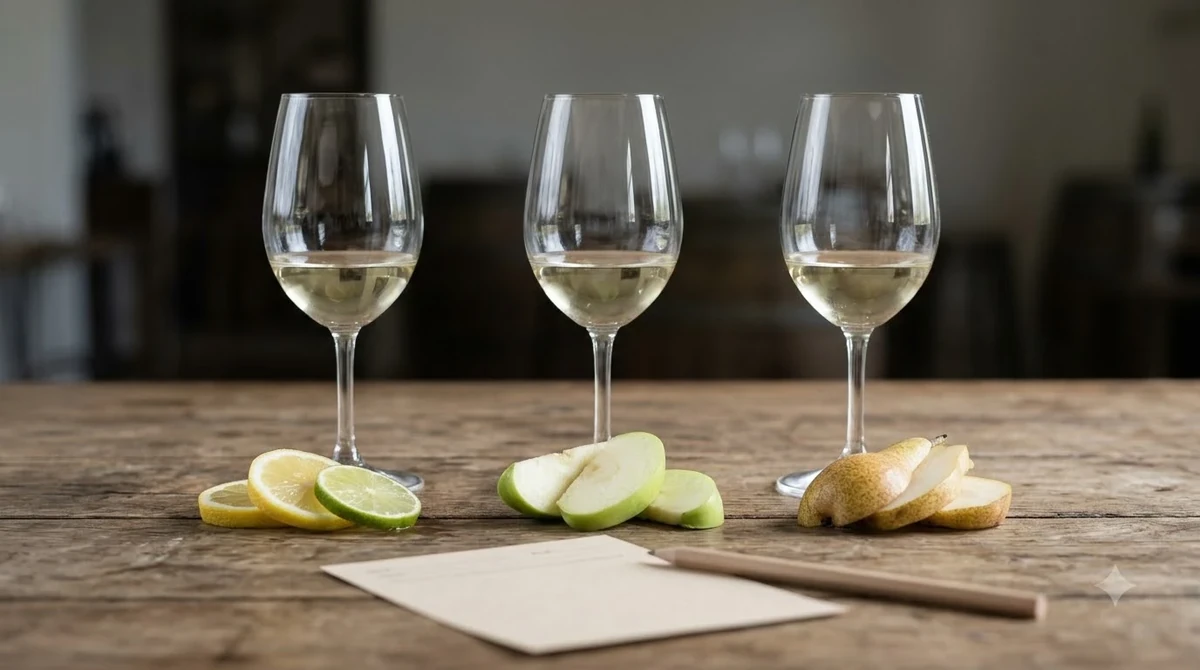
Sev Areni is particularly important to the identity of the region. It is a red grape associated with the vineyards of Vayots Dzor and is used to make wines that reflect the local growing environment. Depending on the producer and winemaking approach, Areni wines can show red cherry, sour cherry, raspberry, herbal, and earthy characteristics. Oak aging may add spice and additional texture, while wines made with limited oak influence can emphasize fresh fruit and acidity.
For visitors accustomed to Cabernet Sauvignon or Merlot, Areni offers an opportunity to explore a different expression of red wine. Rather than focusing only on grape names familiar from international wine lists, ask producers about the vineyard location, altitude, harvest conditions, and fermentation method. These details can explain why two wines made from the same indigenous grape taste noticeably different.
White wine enthusiasts should look for Voskehat, one of Armenia’s best-known indigenous white varieties. It can produce wines with fresh acidity and fruit characteristics that make them useful at the dinner table. Other varieties worth recognizing include Kangun, Mskhali, and Khatoun Kharji.
Armenia’s wine-growing regions contribute different grapes and styles. According to the country’s tourism authority, Armavir is an important center for white grape production, while Vayots Dzor is closely associated with Areni. Tavush also has distinctive local varieties, including Lalvari and Banants. This regional diversity makes the festival particularly interesting because the wines on offer need not come exclusively from Areni itself.
Visitors may encounter several wine styles during the event:
- Red wine: Look for Areni-based wines and other indigenous red varieties. Many Armenian reds work well with grilled meat and traditional savory dishes.
- White wine: Explore Voskehat, Kangun, and other regional varieties for fresh, aromatic expressions.
- Rosé: These wines offer a lighter alternative to reds and can be particularly appealing with grilled vegetables and lighter dishes.
- Orange wine: Made from white grapes using extended skin contact, these wines can have additional texture, color, and savory complexity.
- Traditional-vessel wines: Ask whether a producer uses karas for fermentation or aging and how that choice influences the finished wine.
When tasting, compare wines made from the same grape by different producers. Pay attention to acidity, body, fruit intensity, tannin, and the influence of oak or clay vessels. A simple comparison of three Areni wines can reveal more about regional winemaking than sampling several unrelated bottles without considering their origins.
For additional background on the country’s principal grape-growing areas, the official overview of Armenian wine regions and varieties provides a useful introduction.
Food, Music, and Traditional Festival Activities
The Areni Wine Festival combines wine with Armenian food, grape-harvest traditions, and live cultural performances. Grape stomping is a signature attraction, while music, dancing, and local food vendors create an atmosphere that reflects the community rather than a formal wine conference.
The traditional grape-stomping ceremony is one of the most recognizable parts of the celebration. Grapes are placed in a suitable container or vat, and participants use their feet to crush them and release the juice. This demonstration recalls an older method of processing grapes before modern mechanical equipment became widespread.
It is a symbolic activity as much as a practical one. It connects visitors with the agricultural work behind wine production and gives the festival a participatory element. Depending on the event program, visitors may also encounter competitions, entertainment activities, and demonstrations related to local traditions.
Music and dance are equally important. Traditional Armenian performances help create a distinctly regional atmosphere, while contemporary performers and individual artists can broaden the program. The 2026 event announcement also described live music, dance performances, and additional entertainment throughout the day.
Food is another reason to spend time exploring the festival stalls. Armenian cuisine includes grilled meats, fresh herbs, cheeses, flatbreads, vegetables, and dishes prepared with local ingredients. These foods provide natural opportunities to explore wine pairing.
Grilled lamb, beef, and pork can work particularly well with structured Armenian reds. Areni wines are especially interesting alongside seasoned grilled meat because their fruit and acidity can complement savory flavors without requiring the substantial tannin of a powerful Cabernet Sauvignon.
Cheese is another useful pairing. Fresh cheeses can complement crisp white wines, while more mature or salty cheeses may work with fuller-bodied whites and medium-bodied reds. Flatbreads, herbs, and vegetable dishes provide opportunities to explore rosé and aromatic white wines.
When choosing a wine for a meal, remember that the dish’s seasoning matters as much as its main ingredient. Rich grilled meat can soften the perception of tannin, while strongly acidic sauces need wines with comparable acidity. Very spicy food can make high-alcohol wines seem hotter, so a fresher, lower-alcohol style may be more comfortable with heavily seasoned dishes.
The festival is also a good place to learn how Armenian producers think about food and wine. Rather than limiting questions to grape varieties, ask which regional dishes the winemaker would serve with a particular bottle. Local pairing suggestions can reveal details about traditional cuisine that are not immediately obvious from a tasting note.
How to Plan a Wine-Focused Trip to Areni
A successful visit requires more than arriving at the village on festival morning. Travelers should consider transportation, accommodation, tasting priorities, nearby wineries, and the amount of time they want to spend exploring Vayots Dzor.
For a first visit, allow most of the day for the festival itself. The published 2026 schedule ran for nine hours, from 11:00 a.m. to 8:00 p.m. Although visitors do not need to stay for the entire program, arriving earlier provides more time to explore wine stands, watch the traditional grape-stomping ceremony, and speak with producers before the busiest part of the afternoon.
Travel from Yerevan can be organized in several ways. A private driver is convenient for travelers interested in visiting wineries along the route, while organized tours can simplify logistics for visitors unfamiliar with Armenian roads. Public transportation may be an option, but schedules and onward connections should be confirmed in advance.
It is useful to plan the festival visit around a few specific priorities. For example, a traveler interested in indigenous grapes might focus on tasting several Areni wines, while someone more interested in history could combine the festival with a visit to Areni-1 Cave. Food enthusiasts might devote additional time to regional restaurants and local specialties.
The following sample itinerary offers a practical framework for a full day in the region:
- 9:00 a.m.: Depart Yerevan or your accommodation in Vayots Dzor, allowing extra time for the drive.
- 11:00 a.m.: Arrive in Areni and begin exploring the festival area.
- 12:00 p.m.: Watch the grape-stomping activity and visit the winemaker presentations.
- 1:00 p.m.: Enjoy Armenian food and compare regional wine styles.
- 3:00 p.m.: Explore the village, meet local producers, and enjoy the music and dance program.
- 5:00 p.m.: Continue sampling wines responsibly and explore local food and craft stalls.
- 6:30 p.m.: Begin preparing for your return journey or overnight stay.
This is a suggested itinerary rather than a guaranteed performance schedule. The actual order of ceremonies, demonstrations, and performances can change, so leave some flexibility in your plans.
For travelers considering a longer wine holiday, Vayots Dzor should be the main focus, but Armenia offers several other wine-growing regions. Armavir provides opportunities to discover white varieties, Aragatsotn has contemporary wineries, and Tavush offers distinctive local grapes. A broader itinerary can also include wine bars and restaurants in Yerevan, particularly around Saryan Street.
Wine enthusiasts who enjoy comparing regional celebrations in different countries may also find it useful to explore other event destinations. The Indiana wine festival offers a different American wine-event experience, while the Livermore wine festival provides another opportunity to learn about a distinctive regional wine culture. These events differ considerably in geography and tradition, but each demonstrates how wine festivals connect producers with visitors.
For a wider introduction to destinations and grape-growing areas, browse the site’s Wine Regions resources before putting together a multi-region itinerary.
Wine Tasting Etiquette and Practical Visitor Tips
Festival tastings are more enjoyable when visitors pace themselves, pay attention to serving conditions, and ask producers thoughtful questions. A little preparation helps make the experience more educational, particularly when sampling unfamiliar indigenous varieties.
Start by identifying the grapes in the wines being poured. If a producer presents several examples of Areni, ask whether the grapes come from different vineyards or elevations. Differences in site, harvest timing, and winemaking choices can produce distinct results even when the grape variety remains the same.
Ask about fermentation and aging, too. Some producers emphasize stainless-steel fermentation to preserve fresh fruit, while others use oak barrels or traditional karas vessels. These decisions can affect texture, aroma, tannin, and the way the wine develops in the glass.
Serving temperature is another useful detail. Light reds are generally best served around 55–60 degrees Fahrenheit, while fuller-bodied reds usually benefit from approximately 60–65 degrees. Light whites and rosés are generally more refreshing around 45–50 degrees. Very warm outdoor conditions can make red wine seem heavier and more alcoholic, so temperature can influence the tasting experience.
Visitors should also approach tasting as a comparison rather than a race to sample as many wines as possible. Small pours, water, and occasional breaks make it easier to distinguish individual wines. A notebook or phone note can help record the grape, producer, region, and characteristics of particularly memorable examples.
It is also polite to allow winemakers time to explain their products. Many smaller Armenian producers are closely involved in their vineyards and cellars, and a conversation can provide insight into growing conditions, family traditions, and the challenges of making wine in a mountainous region.
Travel logistics deserve equal attention. Roads in rural Armenia can differ from major highways, and driving times can vary with weather and traffic. Anyone planning to visit multiple wineries should arrange a reliable driver or organized transportation before the festival.
Finally, consider purchasing wine only when you have a practical way to transport it. International travelers should review airline baggage requirements and customs allowances before buying bottles. Wine intended for travel should be packaged securely, particularly when it is being carried over several road and flight connections.
These simple preparations allow visitors to focus on the distinctive wines, people, and traditions that make Areni an interesting destination.
Frequently Asked Questions
Is the Armenia Wine Festival suitable for visitors who do not drink alcohol?
Yes. The Areni celebration includes grape-stomping demonstrations, Armenian music, dancing, local crafts, and regional food. Visitors can enjoy the cultural activities and village atmosphere without participating in wine tastings. The event is also an opportunity to learn about traditional agriculture and the history of Armenian winemaking.
What language is spoken at the Areni Wine Festival?
Armenian is the primary language used by local residents and organizers. Russian is also spoken by some people in the country, while English proficiency varies between producers and vendors. Learning simple Armenian greetings such as “Barev” for hello can make interactions more welcoming.
Can visitors buy Armenian wine directly from producers?
Festival presentations can provide opportunities to meet winemakers and discover their bottles. Availability and purchasing arrangements depend on individual producers and event rules. Ask whether a particular wine is available for purchase at the stand or through the winery’s regular sales channels.
What is a karas in Armenian winemaking?
A karas is a traditional Armenian clay vessel used for winemaking, including fermentation and storage. These vessels are part of the country’s historical wine culture and are associated with ancient production practices. Some contemporary Armenian producers continue to use them as part of their winemaking approach.
What is the difference between Areni and Voskehat wine grapes?
Areni, also known as Areni Noir or Sev Areni, is a red grape, while Voskehat is an indigenous white grape variety. Areni is especially associated with Vayots Dzor and is used for red wines. Voskehat is used to produce Armenian white wines and is an important variety for understanding the country’s indigenous grape heritage.
The Armenia Wine Festival offers an engaging introduction to a wine culture shaped by ancient traditions, indigenous grapes, regional cuisine, and contemporary producers. A visit to Areni provides more than an opportunity to sample unfamiliar bottles: it connects wine enthusiasts with the people and landscape behind Armenian wine. Plan around the early October festival tradition, allow time to explore Vayots Dzor, and approach each tasting as an opportunity to discover another part of Armenia’s remarkable wine heritage.
More in Wine Regions
 Willcox Wine Trail: Discover Arizona’s High-Elevation Wine CountryUpdated Nov 20, 2026
 Yakima Valley Wine Region: Find the Best Styles to TryUpdated Nov 20, 2026
 Vosne Romanee Wine Tasting: Identify Aromas and Choose Better PairingsUpdated Nov 20, 2026
 Yakima Valley Wine Festival: Find the Best Seasonal Wine EventsUpdated Nov 20, 2026
 Wales Vineyards: Discover Cool-Climate Wines and Where to VisitUpdated Nov 20, 2026
 Yountville Wine Festival: Discover Napa Wines and Local FoodUpdated Nov 20, 2026