

We may earn a commission when you buy through links on this page, at no extra cost to you. Learn more.
The armenia wine region is a historic wine-producing area in the South Caucasus, known for ancient winemaking traditions, high-altitude vineyards, volcanic soils, and distinctive indigenous grapes such as Areni Noir and Voskehat. Its five principal growing regions are Vayots Dzor, Ararat, Armavir, Aragatsotn, and Tavush. With archaeological evidence of winemaking dating to approximately 4000 BC, Armenia combines remarkable historical depth with a modern wine industry producing expressive reds, whites, rosés, and orange wines. Its cool mountain nights and sunny growing seasons also help create wines with freshness, aromatic complexity, and a distinctive sense of place.
Armenia may be a less familiar wine destination than France, Italy, or Spain, but its vineyards deserve attention from anyone interested in discovering different grape varieties and wine traditions. The country offers an unusual combination of ancient clay-vessel winemaking, mountainous vineyard landscapes, indigenous grapes, and contemporary producers exploring new expressions of local varieties. Understanding its geography and regional differences makes it easier to recognize what distinguishes Armenian wine in the glass.
Ancient Winemaking History and Armenia’s Wine Geography
Armenia has one of the longest documented histories of winemaking, supported by archaeological discoveries rather than folklore alone. Its position in the South Caucasus, together with its varied elevations and ancient grape-growing traditions, has helped preserve a distinctive wine culture.
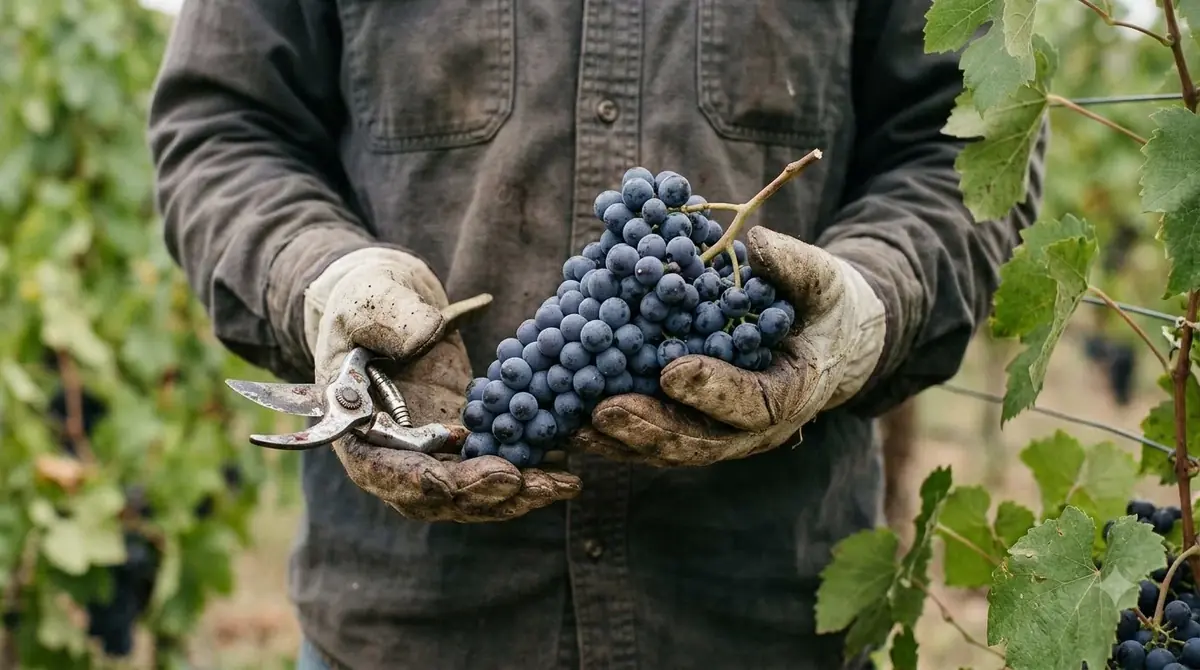
One of the most important archaeological discoveries is the Areni-1 cave complex in Vayots Dzor. Excavations revealed a complete winemaking installation dating to approximately 4000 BC, including a grape press, fermentation vessels, storage jars, and drinking cups. These discoveries demonstrate that organized wine production took place in the area thousands of years ago.
Another important archaeological site is Karmir Blur, near Yerevan. Dating to approximately 650 BC, the site contained grape seeds and hundreds of large clay amphorae. Some vessels carried inscriptions recording volumes and production years, indicating that wine production and storage were organized activities rather than occasional household practices.
However, Armenia’s wine history has experienced significant interruptions. Changes in political control, invasions, imperial influence, the Soviet period, and the restructuring of agriculture affected traditional vineyard ownership and commercial production. Indigenous grapes and traditional knowledge nevertheless survived, helping contemporary winemakers reconnect with older practices.
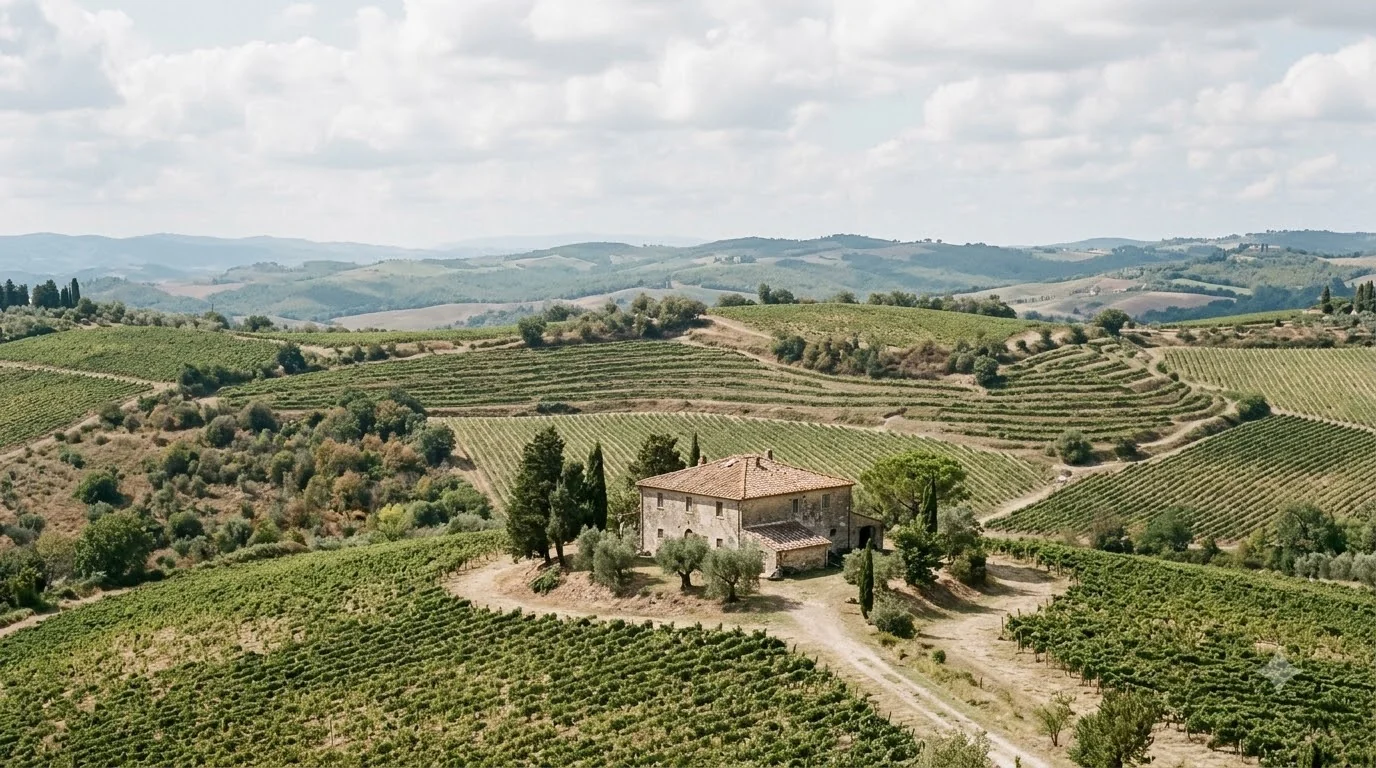
The country’s geography is equally important. Armenia is landlocked and mountainous, with more than 90 percent of its territory situated above 1,000 meters. Its vineyards occupy a range of elevations, creating different growing conditions between warmer valleys and cooler mountain locations.
According to WSET Global, Armenia has approximately 15,000 hectares of vineyards, a relatively modest area compared with major European wine-producing countries. Yet its geographical diversity supports a broad collection of grape varieties and wine styles. The country’s five principal wine-growing regions provide the foundation for understanding this diversity.
The historical and geographical background is particularly useful when comparing Armenia with other smaller mountain wine regions. For example, the Savoie wine region also demonstrates how mountainous terrain can influence vineyard conditions and regional wine identity, although its grape varieties and climate are different.
Climate, Elevation, and Soil Shape Armenian Wine
Armenian vineyards benefit from abundant sunshine, high elevations, and significant temperature differences between daytime and nighttime. Volcanic and limestone-influenced soils, together with a continental climate, help explain the balance of ripeness, acidity, and structure found in many local wines.
According to WSET Global, more than 300 sunny days annually support grape ripening in Armenia. Summers are generally hot and dry, while winters can be severe. Rainfall commonly falls between 200 and 600 millimeters per year, making water management and irrigation important in many vineyard areas.
Elevation is one of the country’s defining viticultural characteristics. Many vineyards sit between 1,200 and 1,600 meters, with some reaching 1,800 meters or higher. The difference between daytime warmth and nighttime temperatures can slow ripening and help preserve acidity while allowing grapes to develop ripe flavors.
These conditions are particularly relevant for red varieties such as Areni Noir. Grapes can achieve sufficient ripeness during sunny days while retaining freshness during cooler nights. This combination can produce red wines with attractive fruit character without requiring extremely heavy extraction or excessive oak influence.
Soils vary considerably across the country. Volcanic rocks, basalt, tuff, limestone, clay, sand, and other mineral materials occur in different locations. Some vineyard soils are relatively poor and well-drained, encouraging vines to produce smaller quantities of concentrated fruit.
The country’s continental climate also presents practical challenges. Frost can threaten vines during winter, and some vineyards require protection. In areas such as the Ararat Valley, irrigation is particularly important because of dry growing conditions. Vineyard orientation matters too, with southern, southeastern, and eastern exposures helping grapes receive sufficient sunlight.
| Growing factor | Typical figure or characteristic | Influence on wine |
|---|---|---|
| Annual sunshine | More than 300 days | Supports grape ripening |
| Annual rainfall | 200–600 mm | Makes water management important |
| Common vineyard elevation | 1,200–1,600 m | Encourages freshness and aromatic development |
| Higher vineyard locations | 1,800 m and above | Creates cooler growing conditions |
| Major soil influences | Volcanic rock and limestone | Contributes to site-specific wine character |
These figures describe broad conditions rather than a uniform national climate. A vineyard in the relatively warm Ararat Valley does not experience the same conditions as a mountain vineyard in Vayots Dzor. That variation is one reason Armenian wines can differ considerably in body, acidity, aroma, and ripeness even when made from related grape varieties.
Tip: When choosing an Armenian wine, consider both the grape and the growing region. An Areni Noir from a high-altitude Vayots Dzor vineyard may show a different balance of acidity, fruit, and structure from a red wine produced in a warmer valley.
Five Major Armenian Wine-Growing Regions
Armenia’s wine production is concentrated in five principal regions: Vayots Dzor, Ararat, Armavir, Aragatsotn, and Tavush. Each has different geographical conditions and grape-growing traditions, making regional identity a useful starting point when exploring Armenian bottles.
Vayots Dzor is perhaps the most internationally recognizable Armenian wine region. It is closely associated with Areni Noir, the country’s signature indigenous red grape. The region’s mountain vineyards, volcanic soils, and substantial elevation differences provide conditions that can produce fresh, structured reds with expressive aromas.
The village of Areni is particularly important because of the nearby Areni-1 archaeological site. Visitors can also explore contemporary wineries and learn how local producers combine traditional methods with modern winemaking. Both red and white wines are produced in the area, although Areni Noir remains its best-known variety.
Ararat is known for abundant sunshine and vineyards spread across a broad valley landscape. Its important grapes include Mskhali, Kakhet, Karmrahyut, and Garan Dmak. The warmer conditions are suitable for producing ripe wines, with local varieties offering different possibilities for red and white wine production.
Armavir is particularly important for white grapes. According to Armenia’s official tourism resource, varieties grown here include Kangun, Mskhali, and Garan Dmak. The region also grows Haghtanak, a red variety associated with dark-berry and peppery characteristics and potential for extended aging.
Aragatsotn has become an important center for modern Armenian winemaking. Its vineyards and wineries offer opportunities to explore different grape varieties and production methods. Voskehat, one of Armenia’s leading white grapes, is particularly relevant to understanding the country’s white-wine identity.
Tavush is often described as one of Armenia’s greener wine-growing areas. Its regional grape varieties include Banants and Lalvari, which contribute to the country’s selection of aromatic white wines. The area offers a different perspective from the drier and more mountainous vineyards associated with Vayots Dzor.
These regions should not be treated as interchangeable geographical labels. Differences in elevation, soil, rainfall, sunlight, and grape selection influence the character of the finished wine. Exploring their individual identities provides a more meaningful introduction to Armenian wine than simply looking at the country as one unified production area.
Indigenous Armenian Grapes to Know
Armenia’s native grape varieties are among its greatest strengths, offering wine drinkers flavors and characteristics that are less familiar than those of international grapes. Areni Noir and Voskehat are the two essential varieties to recognize, while Kangun, Haghtanak, Karmrahyut, and other indigenous grapes add further diversity.
Areni Noir: Armenia’s Signature Red Grape
Areni Noir, also known as Sev Areni, is closely associated with Vayots Dzor and is widely considered Armenia’s leading indigenous red variety. Its natural characteristics make it particularly suited to the country’s mountain vineyards.
Unlike some deeply colored international red grapes, Areni Noir can produce wines with relatively pale, transparent color. Typical aromas include cherry, violet, and peppery spice. Its tannins are generally fine rather than aggressively drying, while medium-to-high acidity gives the wines freshness.
The grape can produce several styles, ranging from fresh, fruit-focused reds to more structured oak-aged wines. Some producers also use it for sparkling wine. Its versatility makes Areni Noir an excellent introduction to Armenian red wine.
For drinkers accustomed to Pinot Noir, Areni Noir may provide a useful comparison because both varieties can produce reds with lighter color, fresh acidity, and refined tannins. However, they are different grapes, and Areni Noir has its own aromatic and structural identity.
Voskehat: A Leading Armenian White Grape
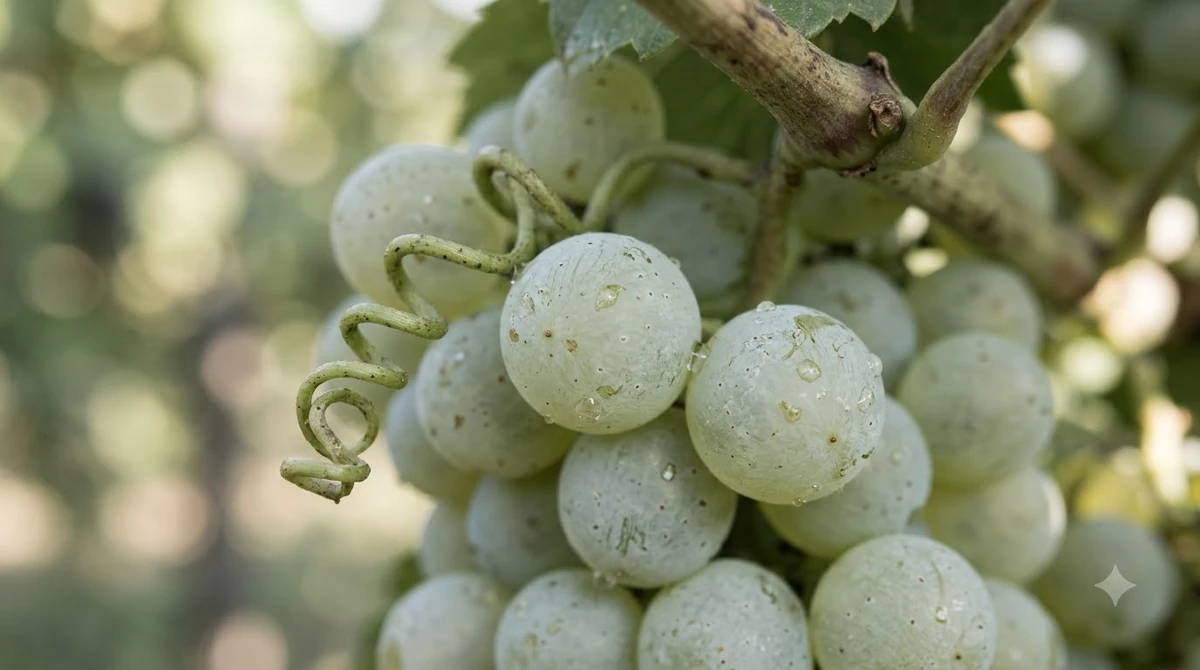
Voskehat is one of Armenia’s most important indigenous white varieties. Its name translates as golden berry, and it is particularly associated with Aragatsotn. The grape ripens late and can accumulate sugar quickly, making vineyard management important for maintaining balance.
Typical Voskehat wines can show pear, stone fruit, melon, and floral aromas. Depending on production choices, the wines may be fresh and unoaked, more textured, or made using skin contact. Some examples also demonstrate an ability to develop additional complexity with bottle aging.
Voskehat is especially interesting for people who enjoy white wines with both fruit character and texture. It offers an alternative to more widely known varieties such as Chardonnay and Sauvignon Blanc without simply imitating either style.
Other Varieties Worth Exploring
Kangun is an indigenous white variety grown in regions including Armavir. It is used for fresh white wines and can also contribute to sparkling wine production.
Haghtanak is an important red variety associated with Armavir. Its name translates as victory, and wines made from it can show dark fruit and peppery characteristics. Its structure makes it interesting for drinkers who prefer more substantial reds.
Karmrahyut is another red grape grown in Armenia, including the Ararat and Armavir areas. It is associated with deeply colored wines and adds another dimension to the country’s native red-wine selection.
Garan Dmak and Mskhali are white varieties found in the country’s warmer growing areas. Alongside Voskehat and Kangun, they demonstrate why Armenian white wine deserves attention rather than being overshadowed by the better-known reds.
International grapes also grow in Armenia. Producers work with varieties such as Cabernet Sauvignon, Merlot, Syrah, Malbec, Chardonnay, and Viognier. These wines can provide a familiar entry point for drinkers who are beginning to explore the country’s less familiar native grapes.
Armenian Wine Styles and Traditional Karas Winemaking
Armenian producers make red, white, rosé, sparkling, and orange wines, using both indigenous and international grapes. Traditional clay vessels called karas also remain part of the country’s winemaking identity, offering an alternative to conventional stainless-steel and oak-vessel production.
Red wines form an important part of Armenian wine culture. Areni Noir is a leading example, offering fruit, floral aromas, and refreshing acidity. Other varieties, including Haghtanak and Karmrahyut, can produce darker and more structured expressions.
White wines provide another important category. Voskehat, Kangun, Mskhali, and Garan Dmak are useful varieties to explore. Depending on the grape and winemaking approach, these wines can range from crisp and aromatic to broader, more textured styles.
Rosé wines offer a lighter alternative, particularly when produced with limited skin contact. Orange wines are also part of the modern Armenian selection. These wines are made from white grapes fermented with their skins, producing a deeper color and additional tannic texture compared with conventional white wines.
What Makes Karas Different?
Karas are traditional Armenian clay vessels used for fermenting and aging wine. Their egg-shaped design, narrow opening, and pointed base are intended to support natural circulation and allow solids to settle during fermentation and maturation.
Some vessels are partially buried underground. This placement can help moderate temperature changes and support relatively stable conditions during winemaking. The vessels also allow some oxygen exchange, influencing the wine’s development without relying on the flavor contributions of oak barrels.
Karas are related in concept to other ancient clay winemaking traditions found around the Caucasus and Mediterranean. However, they have a specific cultural and historical place in Armenia. Their use is not universal, and modern producers choose them according to the style they want to create.
Clay-vessel fermentation can produce wines with a distinctive combination of fruit expression, texture, and earthy character. Skin-contact white wines made in karas may feel broader and more structured than stainless-steel examples. Red wines can also develop a different textural profile depending on the length of fermentation and maturation.
Oak remains another option for Armenian winemakers. Some producers use wooden barrels to add structure and additional flavor complexity, while others prefer to emphasize the natural character of the grape through neutral vessels. The result is a diverse selection of wines rather than one standardized national style.
Food Pairing, Serving Temperature, and Exploring Armenian Wine
Armenian wine works well with a broad range of foods, particularly grilled meats, roasted vegetables, herbs, cheeses, and seafood. Matching the wine’s acidity, tannin, body, and sweetness with the dish is more useful than relying on a country’s traditional food pairings alone.
Areni Noir is a natural starting point for pairing with grilled lamb, beef, and roasted poultry. Its fresh acidity can balance the richness of meat, while its fine tannins provide enough structure without overwhelming more delicate dishes. Herb-seasoned grilled vegetables and mushrooms are also suitable companions.
Haghtanak and other more structured Armenian reds can work with grilled beef, lamb kebabs, and dishes containing substantial amounts of fat. Salt and fat soften the perception of tannin, making structured red wine easier to enjoy alongside rich food.
For white wines, Voskehat and Kangun are useful options with grilled fish, shellfish, chicken, and fresh cheeses. Their acidity can complement dishes with lemon, herbs, or other acidic ingredients. When the food is particularly acidic, choose a wine with equal or higher acidity so the wine does not taste flat.
Orange wines can be especially interesting with roasted vegetables, mushroom dishes, aged cheeses, and herb-heavy preparations. Their additional texture and tannin can help them stand up to foods that might overwhelm a delicate white wine.
Sweet Armenian wines, where available, are best paired with desserts that are no sweeter than the wine itself. Otherwise, the wine may taste comparatively dry or sharp. Fresh fruit desserts and pastries can provide useful pairing opportunities, depending on the wine’s sweetness and acidity.
Recommended Serving Temperatures
Temperature makes a noticeable difference to how Armenian wine tastes. Serving a red wine too warm can emphasize alcohol, while serving a white wine too cold can suppress its aromas and texture.
- Light-bodied Areni Noir: 55–60 F.
- Fuller-bodied Armenian red wines: 60–65 F.
- Fresh Voskehat and Kangun: 45–50 F.
- Fuller-bodied or textured white wines: 50–55 F.
- Armenian sparkling wines: 40–50 F.
These temperatures are useful starting points rather than strict rules. A lighter Areni Noir may benefit from a slight chill, particularly during warmer weather. A fuller red may show its structure and aromatic complexity more clearly when served closer to 60 F than at typical room temperature.
Planning an Armenian Wine Experience
For wine travelers, Vayots Dzor is an especially rewarding starting point. The village of Areni combines an important archaeological heritage with access to contemporary wine producers. Visitors can explore the local wine culture while learning about the relationship between the region’s vineyards and its ancient winemaking history.
Aragatsotn also deserves attention because of its modern wineries and tasting opportunities. Armavir is particularly interesting for white-wine enthusiasts, while Tavush offers an opportunity to discover aromatic local varieties. Ararat provides another perspective through its sunny valley vineyards.
Yerevan is a convenient base for discovering Armenian wine without immediately traveling into the countryside. The official Armenia tourism resource highlights wine bars and restaurants, including establishments around Saryan Street, where visitors can encounter bottles from different producers.
Two events are particularly relevant to wine tourism. The Areni Wine Festival takes place during the first weekend of October in Areni village, while Yerevan Wine Days is held in early June. Both provide opportunities to discover regional wines and learn more about the country’s food and wine culture.
Travelers interested in comparing mountain wine traditions can also explore the Switzerland wine region, where elevation, regional grape varieties, and varied growing conditions also play an important role in shaping local wines. For a broader overview of international wine geography, the Wine Regions resource provides a useful starting point.
For further background on the country’s grape varieties, vineyard conditions, and winemaking heritage, the WSET guide to Armenian wines offers additional professional wine education and regional context.
Frequently Asked Questions
Is Armenia officially considered part of the Old World wine tradition?
Armenia is generally discussed as part of the historic Old World wine landscape because of its long-established viticultural traditions and geographical position in the South Caucasus. However, wine classification into Old World and New World categories is informal rather than a strict legal designation. Armenian producers combine ancient techniques with contemporary international winemaking practices.
Are Armenian grape varieties genetically related to European grapes?
Armenian indigenous grapes belong to the wider Eurasian grapevine species, Vitis vinifera. Genetic research has identified the South Caucasus as one of the important areas in the early domestication of wine grapes. Individual Armenian varieties nevertheless have distinct genetic identities and should not be treated as interchangeable with familiar European cultivars.
Can Armenian wine be made without adding commercial yeast?
Yes. Some Armenian producers use spontaneous fermentation, allowing naturally occurring yeasts associated with the vineyard and winery environment to initiate fermentation. Other producers prefer selected commercial yeast strains for greater control and consistency. The choice depends on the winery’s philosophy, grape condition, and desired wine style.
What does the name Areni mean in Armenian wine terminology?
Areni is the name of both an Armenian village and the country’s celebrated indigenous red grape variety. The grape is also known as Sev Areni, meaning black Areni, and as Areni Noir in international wine terminology. This connection between the village and grape makes the name particularly important in Armenian wine tourism and regional identity.
Does Armenian wine have a protected geographical designation system?
Armenia has a legal framework for geographical indications that can identify wine produced within a designated territory under applicable specifications. The country’s regional wine identity is still developing internationally, and the appearance of a regional name on a bottle does not necessarily mean that it follows the same classification structure as established European appellations. Consumers should distinguish geographical origin from grape-variety information when comparing labels.
The Armenia wine region offers a compelling combination of ancient archaeological heritage, mountain vineyards, indigenous grapes, and evolving winemaking techniques. Starting with Areni Noir from Vayots Dzor and Voskehat from Armenia’s white-wine-producing areas is an excellent way to discover its distinctive character. As more drinkers explore the country’s wines, Armenia’s remarkable regional diversity and long-standing traditions deserve a place in the wider conversation about international wine.
More in Wine Regions
 Willcox Wine Trail: Discover Arizona’s High-Elevation Wine CountryUpdated Nov 20, 2026
 Yakima Valley Wine Region: Find the Best Styles to TryUpdated Nov 20, 2026
 Vosne Romanee Wine Tasting: Identify Aromas and Choose Better PairingsUpdated Nov 20, 2026
 Yakima Valley Wine Festival: Find the Best Seasonal Wine EventsUpdated Nov 20, 2026
 Wales Vineyards: Discover Cool-Climate Wines and Where to VisitUpdated Nov 20, 2026
 Yountville Wine Festival: Discover Napa Wines and Local FoodUpdated Nov 20, 2026