

We may earn a commission when you buy through links on this page, at no extra cost to you. Learn more.
This spritz veneziano recipe combines 3 ounces of Prosecco, 2 ounces of Select Aperitivo, and 1 ounce of soda water over ice, finished with a green olive. The classic Venetian-style drink is bittersweet, sparkling, and easy to build directly in a large wine glass. Chill the ingredients first, add the soda last, and give the drink only a gentle stir so the bubbles stay lively.
Often confused with the orange Aperol Spritz, the Spritz Veneziano has its own Venetian identity: Select Aperitivo, Prosecco, soda, and a green olive. The proportions are simple enough to remember, but ingredient temperature, ice, and garnish all affect how balanced the finished drink tastes. The method below makes one cocktail, with a four-drink scale-up for serving friends.
Spritz Veneziano Recipe: Ingredients and Proportions
Use the classic 3:2:1 ratio: 3 parts Prosecco, 2 parts Select Aperitivo, and 1 part soda water. For one generous drink, that means 3 fluid ounces of sparkling wine, 2 ounces of Venetian bitter aperitivo, and 1 ounce of soda, served over plenty of ice with one green olive.
| Ingredient | One cocktail | Four cocktails | Purpose |
|---|---|---|---|
| Prosecco | 3 oz (90 ml) | 12 oz (360 ml) | Dry fruit, acidity, and bubbles |
| Select Aperitivo | 2 oz (60 ml) | 8 oz (240 ml) | Bittersweet herbal flavor and color |
| Soda water | 1 oz (30 ml) | 4 oz (120 ml) | Length and a clean finish |
| Large green olive | 1 | 4 | Briny garnish |
| Ice | Fill the glass | Fill each glass | Chills and controls dilution |
Use a jigger or measuring cup rather than estimating the pours. The 3:2:1 structure gives the wine the largest share, so the glass retains a clear sparkling-wine character instead of tasting like a straight bitter liqueur with soda. If your glass is especially wide, do not increase all the ingredients just to fill it; use a little more ice and keep the ratio intact.
For four guests, measure 12 ounces of Prosecco and 8 ounces of Select into a chilled pitcher, then divide that mixture among four ice-filled glasses. Add 1 ounce of soda to each glass just before serving, not to the pitcher. This keeps the sparkling element fresher and lets each person receive a newly built drink rather than one that has been sitting and losing its fizz.
Choosing Prosecco and Select Aperitivo
Choose a dry, lively Prosecco and Select Aperitivo for the recognizable Venetian profile. Prosecco brings the fruit and acidity, while Select supplies the deep red color and bittersweet botanical edge that distinguish this drink from a simple wine spritzer.
Prosecco DOC is based on the Glera grape, and the Consorzio Tutela Prosecco DOC permits a range of styles, including sparkling, semi-sparkling, and still wine. For a Spritz Veneziano, choose the sparkling version rather than still Prosecco or the gently fizzy frizzante style. The consortium lists 11 percent as the minimum total alcohol content for sparkling Prosecco DOC, a useful reminder that the wine is not just flavored soda; it forms the drink’s alcoholic and aromatic foundation. The Consorzio Tutela Prosecco DOC production rules also describe the Martinotti method, in which the second fermentation takes place in large sealed tanks.
For sweetness, Brut is a dependable starting point because its dry profile gives the aperitivo room to show its fruit and bitterness. Extra Dry Prosecco is actually a little sweeter than Brut despite the name, so it can make the cocktail rounder if your bottle of Select tastes particularly bitter. Prosecco’s apple, pear, citrus, and floral notes work well with the herbal character of a red bitter aperitivo.
Select is the defining choice for the Venetian version. The brand’s own recipe calls for 5 centiliters of Select with 7.5 centiliters of Prosecco and 2.5 centiliters of soda, plus a large green olive. For the brand’s preparation directions and exact metric quantities, see the official Select Spritz recipe. Keep both bottles cold: the Prosecco DOC consortium recommends serving the wine at 6 to 8 degrees Celsius, or about 43 to 46 degrees Fahrenheit, within the usual 40 to 50 degree range for sparkling wine.
How to Build the Cocktail in the Glass
Build the drink in a large wine glass over ice instead of shaking it in a cocktail shaker. Pour in the chilled sparkling wine, add Select, finish with soda water, and stir briefly; this order makes a clear, lively drink without knocking out too much carbonation.
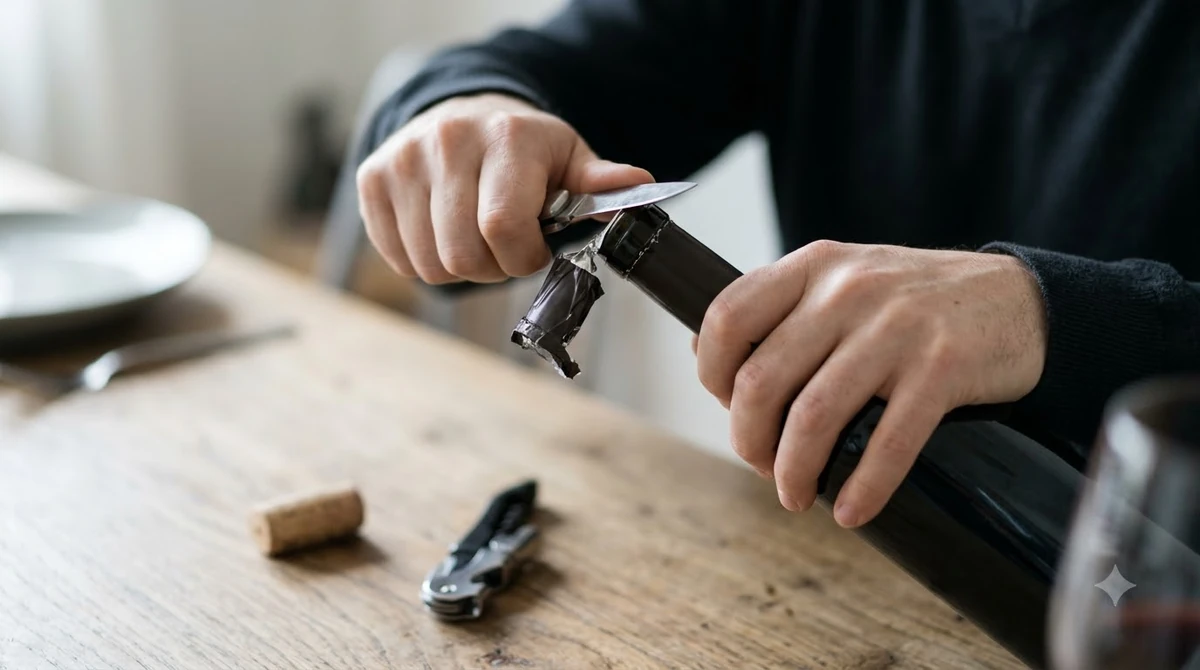
- Fill the glass with ice. Use a large wine or balloon glass and fill it generously with solid cubes. A full glass chills the ingredients and slows melting better than two or three loose cubes floating in a large volume of liquid.
- Add the Prosecco. Measure 3 ounces and pour it slowly over the ice. Let the bubbles settle for a moment if the glass foams, then continue with the next ingredient.
- Pour in the Select. Add 2 ounces down the inside of the glass. The red aperitivo will thread through the sparkling wine; a short stir will bring the color together without flattening the drink.
- Top with soda. Add 1 ounce of cold soda water. Use plain, unflavored soda or seltzer so it brightens the drink without introducing citrus, quinine, or added sweetness.
- Stir and garnish. Make two or three slow turns with a long bar spoon, then add one large green olive on a cocktail pick. Serve straight away while the bubbles are active and the ice is still firm.
Do not shake the ingredients. Shaking a sparkling cocktail forces carbon dioxide out of the Prosecco, creates excess foam, and can make the final texture seem flat sooner. The gentle build method is also easy to repeat for a group: measure each drink into its own glass, then add soda and garnish only at the end.
The olive is more than decoration. Its salty, briny flavor gives the bittersweet Select a savory counterpoint, and that is part of what separates the Venetian serve from the familiar orange-wheel garnish on an Aperol Spritz. Use a firm, large green olive that can sit on a pick without falling apart; a pitted olive is easier to eat, while an unpitted one often keeps a firmer shape. A mild brine is preferable to a strongly seasoned olive stuffed with garlic or hot pepper, which can take over the glass.
Adjusting Bitterness, Sweetness, and Bubbles
The classic recipe should taste sparkling, gently bitter, and faintly fruity rather than sugary. Keep the 3:2:1 proportions for the first glass, then make small changes—about a quarter-ounce at a time—so you can tell whether the drink needs more wine, aperitivo, or soda.
If the cocktail tastes too bitter, add a little more Prosecco rather than a large splash of sweet mixer. An extra quarter-ounce of wine softens the aperitivo’s intensity while keeping the profile recognizably Venetian; Extra Dry Prosecco can also make the glass rounder than Brut. If it seems too sweet or soft, choose a drier Brut and measure the soda carefully. Start at 1 ounce, taste, and add only another small splash if the glass needs a lighter finish. Change one variable at a time so you can identify what improved the balance.
There are several recognizable family variations, but they do not all produce the same Venetian style. Aperol creates a brighter, sweeter orange drink and is commonly paired with an orange slice. Campari brings a firmer, more assertive bitter profile. Select is associated with the modern Venetian serve and its green olive garnish; changing the aperitivo changes the identity and flavor of the cocktail, not just its color.
For another aperitivo-style drink, a sherry cocktail recipe offers a different route to savory, wine-based flavor, while a port and tonic recipe uses fortified wine for a fruitier combination. These are useful alternatives when you want a lower-bubble, deeper-fruited, or more wine-forward profile rather than a classic Prosecco-and-Select spritz. Keep the Spritz Veneziano itself simple: its balance depends on a short ingredient list, cold wine, and restrained mixing.
Tip: If your first glass tastes overly bitter, do not immediately double the soda. Try an extra ¼ ounce of Prosecco first, then adjust the soda by a small splash; this keeps the cocktail from turning thin.
Food Pairings for a Venetian Spritz
Pair a Spritz Veneziano with salty, savory, and lightly fried foods that can stand up to its bitterness and bubbles. Venetian cicchetti, olives, potato chips, fried seafood, and mild cheeses are natural choices because salt and crisp textures complement the cocktail without covering its herbal character.
Start with small bites that echo the olive garnish: marinated olives, salted almonds, grissini wrapped with prosciutto, and thin slices of salami. Fried calamari, small shrimp, or crisp whitebait with lemon also work well; the soda and sparkling wine provide lift against the fried coating, and the olive adds a briny note that fits seafood. Avoid heavily sweet sauces, which can exaggerate Select’s sweet-bitter contrast. Keep spicy seasoning modest because chili heat can make alcohol feel hotter and bitter flavors more pronounced.
For a cheese board, choose fresh or medium-aged options rather than very powerful blue cheese. Fresh mozzarella, young Asiago, ricotta salata, and a mild cow’s-milk cheese give enough richness and salt to sit comfortably beside the drink. Aged hard cheeses can work in small portions, especially with bread or crackers, but strong pungency can dominate the relatively delicate wine aromas. Add sliced fennel, radishes, cucumber, or marinated artichokes for a vegetable component that keeps the spread fresh.
Think about the whole snack plate, not just one ingredient. A board with two salty items, one fried item, one fresh vegetable, and one mild cheese offers contrast without asking any single flavor to carry the pairing. You can find more ideas in the site’s Wine Recipes & Cocktails collection, especially when planning a casual aperitivo hour rather than a full dinner. Serve portions small enough that the cocktail remains the focus and guests can sample several combinations.
Serving Temperature, Glassware, and Make-Ahead Prep
Serve the drink very cold in a large stemmed wine glass, with fresh ice and soda added at the last moment. A sparkling wine temperature of 40 to 50 degrees Fahrenheit is a good target, and the 6-to-8-degree Celsius range recommended for Prosecco DOC falls near the colder end of that window.
A large wine glass gives the Prosecco room to release its aroma while holding enough ice for a long drink. A balloon glass or a large tulip-shaped wine glass works well; the Prosecco DOC consortium recommends a fairly large tulip glass for the wine itself. Avoid a narrow flute, which leaves little room for ice, soda, and a garnish. Use fresh, solid cubes rather than wet or crushed ice, which melts quickly and can blur the balance. Fill each glass close to the top, and chill it for 10 to 15 minutes in a warm room before building the drink.
For a small gathering, chill the Prosecco and Select separately and measure the wine and aperitivo into a pitcher just before guests arrive. Keep the pitcher cold, then pour the mixture over ice and add one ounce of soda to each glass. Do not add ice to the pitcher and do not add the soda far ahead of service; both choices reduce control over dilution and fizz. If you are preparing more than four drinks, work in batches so the final glasses are as cold and lively as the first.
Once opened, keep leftover Prosecco sealed with a sparkling-wine stopper and refrigerated. It is best used soon, because the cocktail depends on active bubbles and an open bottle gradually loses pressure. Open Select can be kept according to its bottle directions, but it is still sensible to store it upright, tightly closed, away from direct sunlight and heat. Do not pre-mix a large quantity of the finished cocktail for later; mix each glass when it is time to serve.
Frequently Asked Questions
Can I make a Spritz Veneziano with still white wine?
Yes. Some older Venetian-style versions use dry white wine such as Pinot Grigio or Soave in place of Prosecco. Difford’s Guide documents a still-wine build with 60 milliliters of Pinot Grigio, 40 milliliters of red bitter, and 20 milliliters of soda, showing how the 3:2:1 structure can work without sparkling wine.
Is Select Aperitivo the same as Aperol?
No. They are separate Italian aperitivo liqueurs with different flavor profiles and places in spritz tradition. Select was created in Venice in 1920 by the Pilla brothers, while Aperol was introduced in Padua in 1919 by the Barbieri brothers; those distinct histories help explain why the Venetian serve is commonly associated with Select.
Where does the name “spritz” come from?
VinePair traces the term to the German word for a splash, connecting it to the 1840s practice of Austrian soldiers adding sparkling water to stronger northeastern Italian wines. That early wine-and-water drink predates the modern combination of sparkling wine, bitter aperitivo, and soda.
Can I use tonic water instead of soda water?
You can, but the result is a variation rather than the standard recipe. Tonic water contains quinine and usually has added sweetness, so it introduces a more pronounced bitter edge and a sweeter finish than plain soda. Start with a half-ounce if experimenting, then adjust the balance before making a full glass.
How can I make a nonalcoholic version?
Use a nonalcoholic sparkling wine, a nonalcoholic bitter aperitivo, and plain soda water, then keep the same visual format with ice and a green olive. Alcohol-free aperitivo products differ widely in bitterness and sweetness, so begin with a smaller amount of the bitter component and adjust to taste. The finished drink will be a spritz-inspired alternative, not the traditional Prosecco-and-Select cocktail.
A well-made Spritz Veneziano does not need elaborate equipment: a jigger, a large wine glass, cold Prosecco, Select, soda, ice, and one green olive are enough. Keep the 3:2:1 ratio as your starting point, serve the drink as soon as it is built, and pair it with salty Venetian-style snacks for a relaxed aperitivo.
More in Food & Wine Pairing
 Risotto With White Wine Recipe: Make a Creamy Dinner at HomeUpdated Nov 20, 2026
 Wassail With Wine Recipe for a Festive Spiced Holiday DrinkUpdated Nov 20, 2026
 Summer Wine Punch Recipe for Easy Homemade EntertainingUpdated Nov 20, 2026
 Bishop Recipe: How to Make a Bright, Citrus-Forward Red Wine CocktailUpdated Nov 20, 2026
 Wine Cupcakes Recipe: Bake Rich Chocolate Cupcakes at HomeUpdated Nov 20, 2026
 What Wine Goes With Truffles: Find the Perfect Pairing for Every DishUpdated Nov 20, 2026