

We may earn a commission when you buy through links on this page, at no extra cost to you. Learn more.
What wine goes with thanksgiving turkey? Pinot Noir is one of the most versatile choices, while Beaujolais, off-dry Riesling, Chardonnay, and sparkling wine also work beautifully with the bird and its sides. Turkey has a mild flavor, so the bigger pairing challenge is the full plate: tart cranberry sauce, buttery stuffing, savory gravy, and sweet potatoes all pull in different directions. Choose wines with refreshing acidity, moderate body, and tannins that do not dominate, then add a second style when the menu or your guests call for it.
Thanksgiving does not need one perfect bottle. A fresh red can carry the roasted flavors, a lively white can refresh the palate between rich bites, and bubbles can welcome guests before dinner. The best combination depends less on whether the turkey is white or dark meat than on how the meal is seasoned and what lands beside it.
Why Thanksgiving turkey calls for a flexible wine
Roast turkey is mild, relatively lean meat with a soft texture, so very powerful reds can take over instead of complementing it. The wine must also cope with a crowded plate, where tart, sweet, salty, buttery, and savory flavors arrive together.

Think of the bird as the central ingredient, not the only pairing target. A young, tannic Cabernet Sauvignon can feel drying beside cranberry sauce and sweet root vegetables, while a low-acid wine may seem heavy next to gravy, butter, cream, and sausage stuffing. A balanced wine gives the meal enough lift without making the turkey taste bland.
Acidity is useful because it refreshes the palate after rich food. Pinot Noir, Riesling, Sauvignon Blanc, and many sparkling wines bring that freshness in different ways. Tannin is the drying sensation familiar in strong black tea; salt and fat can soften it, but tart fruit and sweet vegetables can make a firm red seem harsher.
Body matters as well. A very light wine may disappear beside roasted skin or dark meat, while a dense, high-alcohol red can make the meal feel heavy. Aim for a middle ground: enough texture to meet the food, enough acidity to refresh, and enough fruit to echo autumn herbs and roasted flavors. Decanter’s turkey pairing guide also favors medium-bodied reds with restrained tannins and whites that balance freshness with complexity.
Red wines that complement roast turkey
Pinot Noir and Gamay-based Beaujolais are dependable red choices because their red-fruit character and fresh acidity complement roasted poultry without loading the palate with heavy tannin. For a richer plate of dark meat and gravy, softer Merlot or a fruit-led Grenache blend can also make sense.
Pinot Noir is the easiest starting point for guests who prefer red wine. It typically has low-to-medium tannin and high acidity, with flavors that can suggest cherry, raspberry, cranberry, or gentle earthiness. Those flavors connect naturally with roast turkey, herbs, mushrooms, and cranberry sauce. Choose a medium-bodied style rather than an extremely delicate bottling that may disappear beside stuffing and gravy; Oregon’s Willamette Valley, California, and New Zealand are useful regions to explore.
Beaujolais, made from Gamay, brings lively red fruit, moderate structure, and bright acidity. A Beaujolais-Villages bottling is a good general option; for more character, consider a Cru Beaujolais from Fleurie or Brouilly. Merlot has medium tannin and a softer impression than Cabernet Sauvignon, so a restrained style with plum or cherry notes can suit gravy and roasted vegetables. Grenache-led blends bring juicy fruit and gentle spice for dark meat, while blends dominated by Syrah may feel firmer.
Young Cabernet Sauvignon and other assertive reds are not automatic failures, but their pronounced tannins can overwhelm lean turkey and clash with cranberry sauce or glazed vegetables. Salt and fat in gravy or sausage stuffing soften tannin, so a structured red may taste friendlier with those dishes than with plain breast meat. Serve lighter reds slightly cool, around 55 to 60 degrees Fahrenheit, to keep fruit and freshness clear at the table.
White wines for turkey, gravy, and sweet sides
Off-dry Riesling is the most adaptable white when the menu includes both savory dishes and sweet vegetables. Chardonnay brings more body for roast turkey and creamy sides, while Chenin Blanc and Sauvignon Blanc provide freshness across a broad range of flavors.
Riesling combines high acidity with a range of sweetness levels. A dry Riesling works well with roast turkey, herb stuffing, and savory vegetables; an off-dry version is especially useful with candied yams, honey-glazed carrots, or sweet potato casserole topped with marshmallows. A touch of residual sugar meets the sweetness of those dishes, while acidity keeps the pairing lively. German Kabinett Riesling and examples from New York’s Finger Lakes are useful styles to explore.
Chardonnay suits turkey when you want a white with more weight. A medium-bodied example with balanced acidity can match the bird’s texture and stand up to gravy, mashed potatoes, and bread-based stuffing. Light or moderate oak can add gentle spice, but heavily toasted or buttery versions may feel tiring beside several rich dishes. Chablis is a crisp, mineral-leaning Chardonnay option; fuller styles from Oregon or California can work with a richer menu.
Chenin Blanc is flexible because it is made in dry and off-dry styles. Dry Chenin can bring apple-like fruit and lively acidity to turkey and roasted vegetables, while a slightly sweeter version can bridge toward glazed carrots. Loire Valley wines labeled Vouvray are well-known examples, and California and Washington also produce Chenin Blanc. Sauvignon Blanc offers a crisper, herbal alternative for green vegetables and fresh herbs; Pinot Grigio can also meet the tartness of cranberry sauce with its naturally high acidity. Wine Enthusiast’s Thanksgiving pairing recommendations likewise highlight acidity and versatile styles as useful guides for a mixed holiday plate.
Sparkling wine and rosé for a crowded holiday table
Sparkling wine is an excellent opening pour and a practical match for the meal because its acidity and bubbles refresh the palate. Rosé offers a middle path for guests who want fruit and freshness without committing to a red or a white.
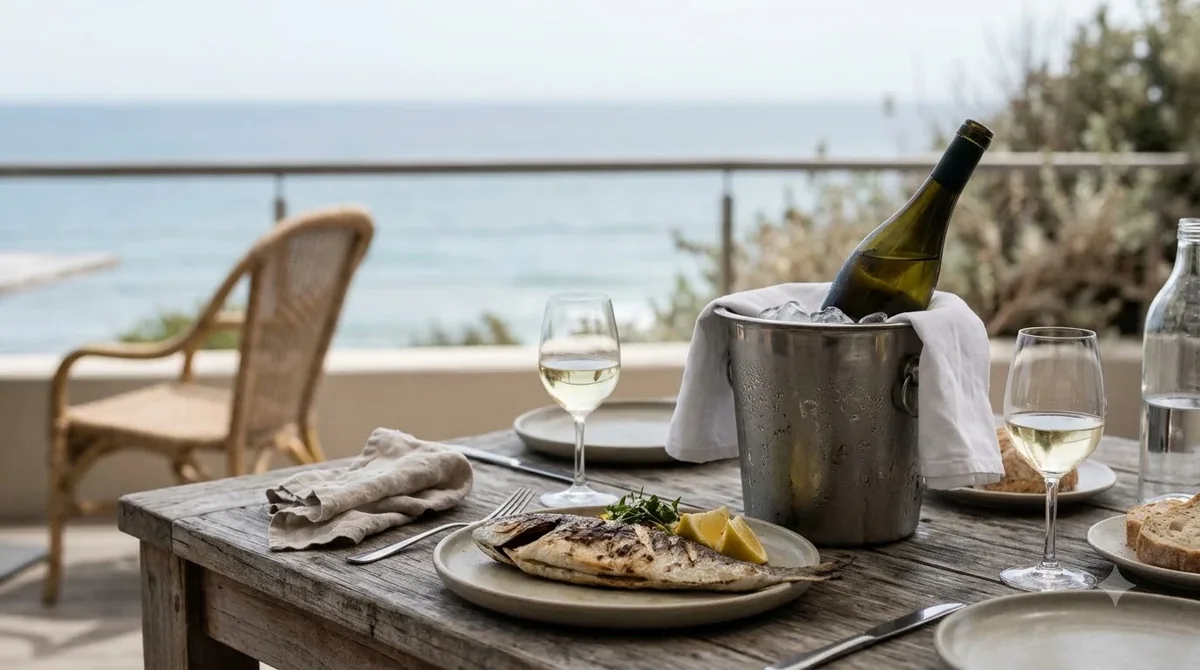
Champagne, Cava, and other traditional-method sparkling wines can work from appetizers through roast turkey. Their bubbles and acidity provide contrast with salty snacks, creamy dips, fried appetizers, and buttery dishes. A Chardonnay-based Blanc de Blancs is often bright and focused, while sparkling rosé adds red-fruit character that can connect with cranberry sauce. Brut and Extra Brut styles are useful for a dry aperitif; a softer sparkling style can suit sweeter dishes.
Prosecco offers a fruit-forward alternative. It is made primarily from Glera and is generally produced using the tank method, preserving fresh fruit and floral aromas. Typical Prosecco is around 11 to 12 percent alcohol by volume, and its lively, uncomplicated style makes it a natural welcome drink. Cava from Spain brings a more savory dimension: wines with Xarel-lo can show orchard fruit and subtle white-pepper character that work with roast turkey. Champagne and Cava undergo a second fermentation in the bottle, contributing texture and fine bubbles.
Dry rosé is another easy crowd-pleaser. A fuller-bodied rosé from Bandol or Navarra can handle roast turkey and savory stuffing, while a fresher Pinot Noir rosé can bring red-berry notes and crisp acidity. Serve rosé around 45 to 50 degrees Fahrenheit. Do not reserve bubbles only for the toast: a dry sparkling wine can accompany appetizers, turkey, and several sides without feeling out of place.
Pair wine with the sides, not just the turkey
The side dishes often determine which bottle will taste best at Thanksgiving. Consider the strongest flavors on the plate: tart cranberry, sweet potatoes, rich gravy, herbed stuffing, and creamy casseroles each ask for a slightly different quality in the wine.
Cranberry sauce is tart and sometimes sweetened, so it needs a wine with enough acidity and fruit to meet it. Pinot Noir and Beaujolais are useful red choices because their red-berry flavors echo cranberry without bringing aggressive tannin; crisp Pinot Grigio or Riesling can also work. Gravy, mashed potatoes, and buttery stuffing are richer and more savory, so they benefit from acidity and enough body to avoid being swallowed by the food. Chardonnay, Chenin Blanc, Champagne, and Beaujolais are all worth considering.
Sweet potato casserole, candied yams, and glazed carrots bring sweetness to the plate. Off-dry Riesling is often the easiest match because its own sweetness meets the dish while its acidity keeps the pairing lively. Herb stuffing and roasted vegetables are more savory and aromatic: Pinot Noir works with mushroom, thyme, sage, and browned bread, while Sauvignon Blanc or dry Chenin Blanc can highlight fresh herbs and green vegetables. Salt in sausage stuffing can also soften the impression of tannin.
Preparation changes the pairing. Smoked turkey has a deeper, more savory flavor than a simply roasted bird, so a fruit-forward red or fuller-bodied white may be more satisfying; the guide to what wine goes with smoked turkey explores those choices. For what wine goes with turkey breast, start with Pinot Noir, Chardonnay, or a crisp white and adjust for the sides. If the menu includes another main course, such as beef brisket, a fuller red may suit that dish better than turkey; see what wine goes with beef brisket for that separate pairing.
Serving temperatures, bottle planning, and leftovers
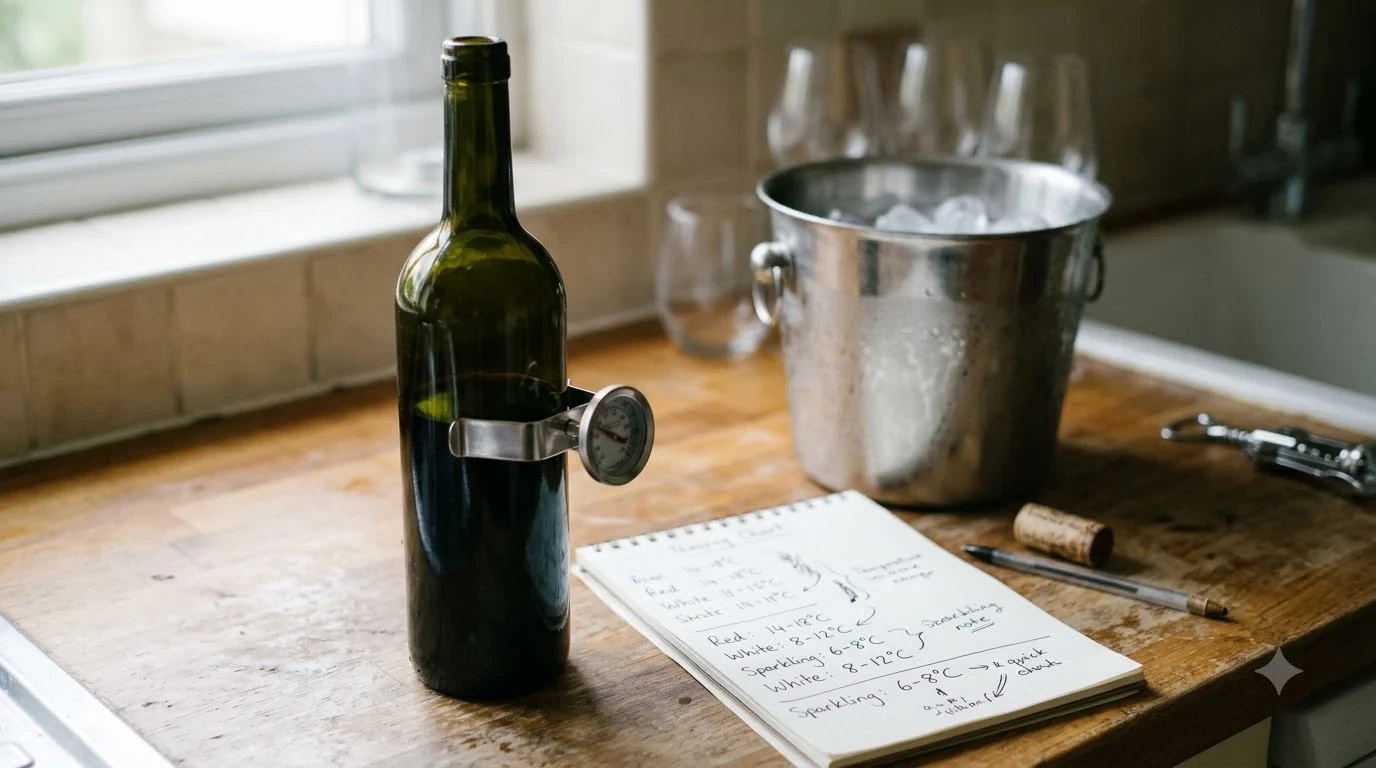
Serving temperature changes how a wine feels: too warm can exaggerate alcohol and mute freshness, while too cold can close down aromas and texture. Chill each style to a practical range so its fruit, acidity, and structure stay in balance throughout the meal.
| Wine style | Serving temperature | Thanksgiving examples |
|---|---|---|
| Sparkling | 40–50°F | Champagne, Cava, Prosecco |
| Light whites and rosé | 45–50°F | Sauvignon Blanc, Pinot Grigio, dry rosé |
| Fuller-bodied whites | 50–55°F | Chardonnay, richer Chenin Blanc |
| Light reds | 55–60°F | Pinot Noir, Beaujolais |
| Full-bodied reds | 60–65°F | Grenache blends, structured Merlot |
| Sweet whites | 43–50°F | Off-dry Riesling, late-harvest styles |
A standard 750-milliliter bottle provides about five 5-ounce pours. For a long meal, plan around the number of guests who drink wine and whether you will serve one or several styles; offering a red and a white often works better than buying only one type in a larger quantity. Keep white and sparkling bottles in the refrigerator or an ice bucket between pours, and give a very cold Chardonnay a few minutes in the glass to open up.
Tip: Put out two or three wines rather than trying to find one bottle that pleases every guest: a light red such as Pinot Noir or Beaujolais, an off-dry Riesling or a balanced Chardonnay, and a sparkling option cover most Thanksgiving plates.
Open young, full-bodied reds 30 to 60 minutes before serving if they seem tight or heavily structured; lighter Pinot Noir and Beaujolais usually need less air. Store unopened bottles on their sides in a cool, dark place near 55 degrees Fahrenheit, away from temperature swings. After dinner, refrigerate opened still wines and aim to finish them within three to five days; sparkling wine is best within one to three days when sealed with a proper stopper. Fortified wines can last several weeks after opening, while bag-in-box wines generally keep for four to six weeks.
Frequently Asked Questions
What is Beaujolais Nouveau, and is it the same as Cru Beaujolais?
No. Beaujolais Nouveau is an early-release wine traditionally launched the week before the US Thanksgiving holiday. Cru Beaujolais comes from named areas such as Fleurie or Brouilly, while Nouveau is made for early drinking and a fresh, youthful style.
Can mature Bordeaux be served with Thanksgiving turkey?
Yes, especially when the wine has had time for its tannins to integrate. Decanter’s turkey pairing coverage notes that a 20-year-old Haut-Médoc can show a softer texture and developed savory aromas that suit a roast dinner. It is a more specialized choice than Pinot Noir, but it can be excellent with rich gravy and roasted vegetables.
What wine should I serve with cold turkey leftovers?
A riper, fruit-forward Pinot Noir is a good option for cold roast turkey. Pairing advice cited by Decanter points to examples from California, Oregon, and New Zealand, where ripe fruit can stand up to chilled meat and sandwich fillings. The same bottle can also work with turkey salad or a leftover sandwich with cranberry relish.
What does Blanc de Blancs mean on a sparkling wine label?
Blanc de Blancs means a white wine made from white grapes. In Champagne, it is commonly made from Chardonnay, although the term is not limited to that grape in every sparkling-wine region. Its fresh citrus and orchard-fruit profile makes it a natural choice before dinner or alongside lighter holiday dishes.
What is orange wine, and can it work with turkey?
Orange wine is generally made from white grapes fermented with their skins for a period of time, which adds color, texture, and tannic structure. That combination of freshness and grip can make it a flexible food wine with roasted vegetables, herbs, and poultry. Choose a less tannic style if cranberry sauce or sweet glazed sides are prominent.
The best Thanksgiving wine is the one that suits the whole plate and the people around the table. Start with Pinot Noir or Beaujolais for red, add Riesling or Chardonnay for white, and use sparkling wine to bring freshness from appetizers through dinner. A little choice at the table makes the meal easier to pair and more enjoyable for everyone.
More in Food & Wine Pairing
 Risotto With White Wine Recipe: Make a Creamy Dinner at HomeUpdated Nov 20, 2026
 Wassail With Wine Recipe for a Festive Spiced Holiday DrinkUpdated Nov 20, 2026
 Spritz Veneziano Recipe: Make a Classic Venetian Aperitivo at HomeUpdated Nov 20, 2026
 Summer Wine Punch Recipe for Easy Homemade EntertainingUpdated Nov 20, 2026
 Bishop Recipe: How to Make a Bright, Citrus-Forward Red Wine CocktailUpdated Nov 20, 2026
 Wine Cupcakes Recipe: Bake Rich Chocolate Cupcakes at HomeUpdated Nov 20, 2026