

We may earn a commission when you buy through links on this page, at no extra cost to you. Learn more.
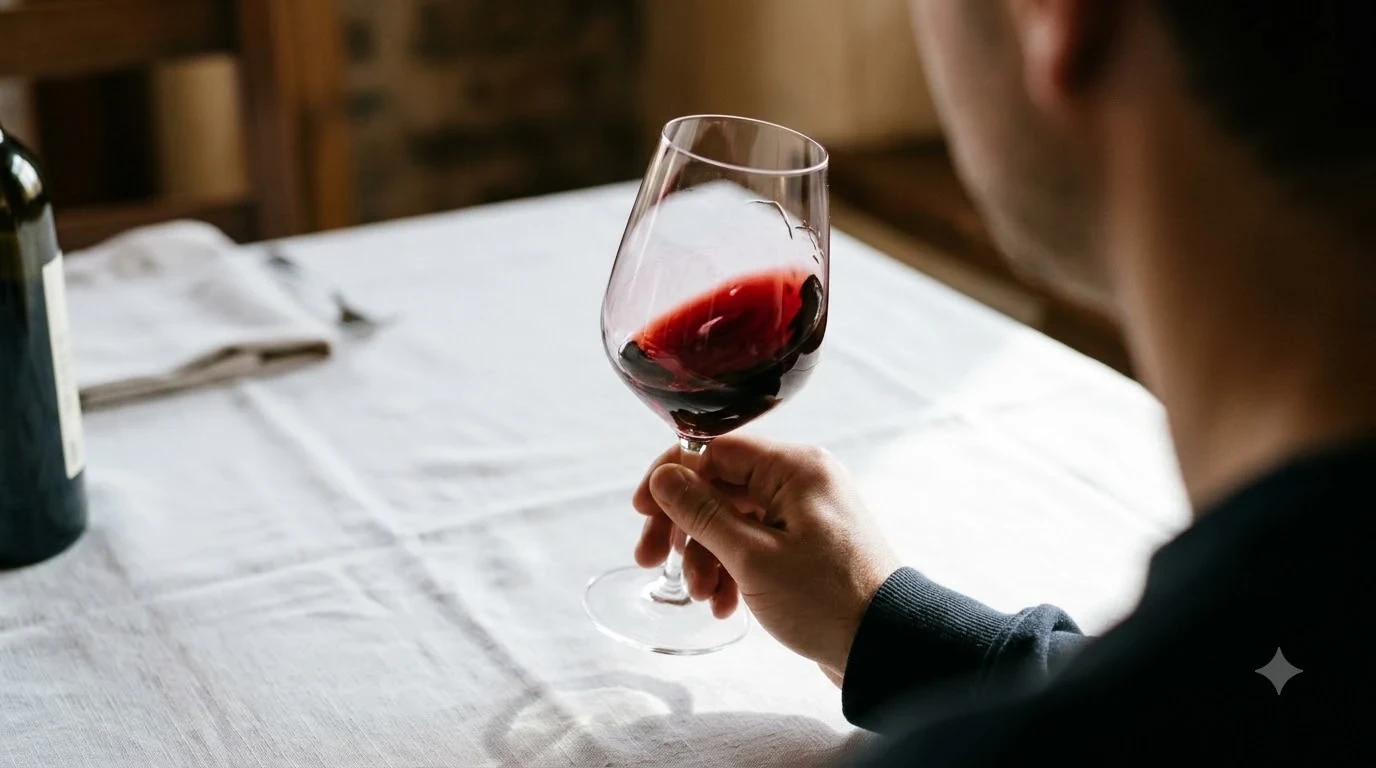
Red Mountain wine comes from a small, sun-drenched appellation in Benton County, Washington, where Cabernet Sauvignon, Merlot and Syrah ripen in gravelly, alkaline soil. The American Viticultural Area (AVA) was approved in 2001 and covers about 4,040 acres, with roughly 2,382 acres planted to vines. The wines are usually bold and structured, with ripe dark fruit and firm tannins.
Red Mountain is one of the smaller appellations in Washington, yet it has a strong reputation among people who follow the state’s wines. The hill is a low ridge that rises between the towns of Benton City and West Richland. This guide explains where the vineyards sit, what the climate and soil do to the grapes, which styles to look for on the label and how to serve these reds at home. If you want the wider picture of how wine country is organized, start with our wine regions guide.
Where Red Mountain Is and Why It Matters
Red Mountain sits in Benton County, in the eastern part of Washington. The AVA surrounds the hill itself, and it was approved by the federal government on April 10, 2001. At the time it was described as the nation’s 141st appellation, which makes it young by European standards, although its vineyards have grown quickly since then.
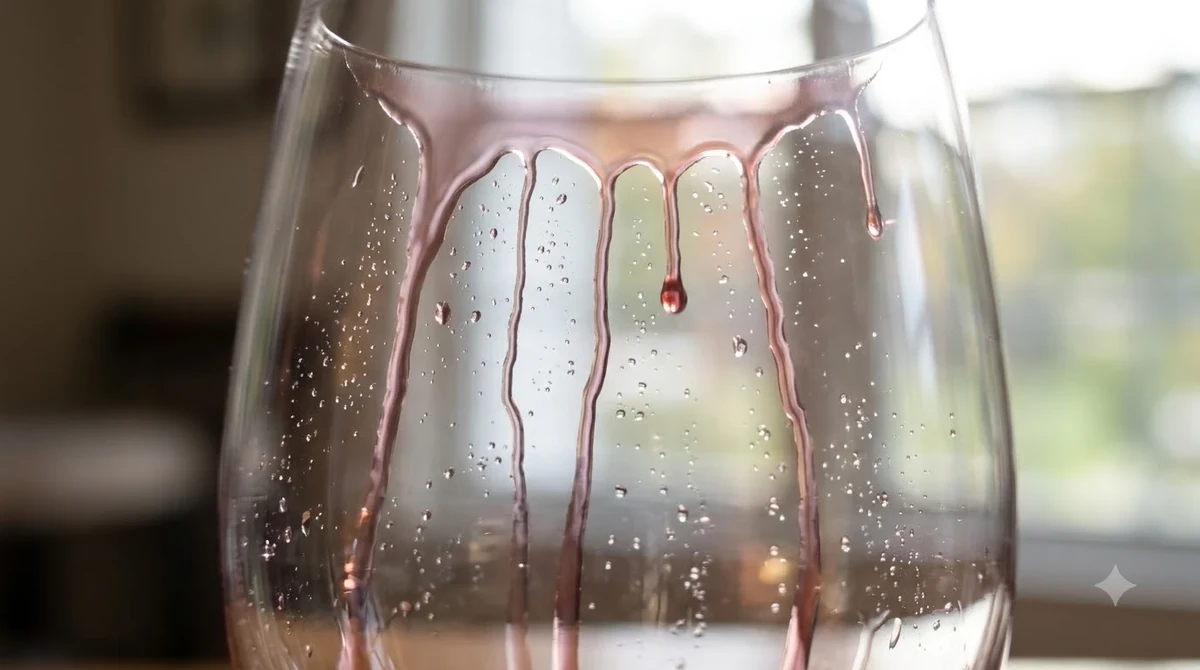
The hill’s position also shapes how people talk about it. Because the AVA is defined by a specific landform, labels that name Red Mountain signal a particular site rather than a general Washington blend. That focus is one reason the appellation appears so often in discussions of Washington reds, even though it is only a small part of the state’s total vineyard area.
Size is the first thing to understand. The AVA covers about 4,040 acres, and roughly 2,382 acres are planted across 27 vineyards. Because the area is compact, many wineries source fruit from the same handful of sites, so the name of the vineyard on a bottle often tells you as much as the name of the region.
Climate and Soil: Why the Grapes Ripen Here
Red Mountain is a warm place to grow grapes, and the climate is the main reason its reds have their character. The Red Mountain AVA entry on Wikipedia classes the area as Winkler Region III, with a growing season of about 187 days and 3,370 growing degree-day units. Summer daytime highs average 90 °F (32 °C), while nights drop below 50 °F (10 °C). That gap between hot days and cool nights helps the grapes build sugar while keeping enough acidity to stay balanced.
The soil matters as much as the weather. Vineyards sit on gravelly, alkaline ground rich in calcium carbonate, and the dominant soil association is Warden-Shano. Loose stones drain water quickly and hold warmth into the evening, which pushes vines to root deeply. Rainfall is low, so the vineyards depend on irrigation, and growers control how much water the vines receive during the season.
| Feature | Red Mountain AVA |
|---|---|
| Location | Benton County, Washington |
| Approved as an AVA | 2001 |
| Total area | About 4,040 acres |
| Planted to vines | About 2,382 acres across 27 vineyards |
| Growing season | About 187 days (Winkler Region III) |
| Summer daytime highs | Average 90 °F (32 °C) |
| Soil | Gravelly, alkaline, rich in calcium carbonate |
| Water | Irrigated vineyards |
Grapes and Wine Styles You Will See
Red Mountain is known mainly for red wine. The primary plantings include Cabernet Sauvignon, Merlot, Sangiovese, Cabernet Franc and Syrah. Cabernet Sauvignon is the anchor for many estate bottlings. It tends to be dark, firm and built for several years of aging, with blackcurrant and cedar notes as it develops.
Syrah usually reads as more savory and peppery than the Cabernets, and it handles the warm climate well. Merlot brings softness and plum-like fruit, which is why it often appears in blends. Chardonnay is also grown in the AVA, but the reds are what give the district its reputation. When you read a label, a blend of Cabernet and Merlot usually signals a rounder, more approachable wine, while a single-variety Syrah tends to show a leaner, spicier profile.
Oak aging shapes many of these reds as well. Winemakers often age Cabernet and Syrah in French or American oak, and the choice of barrel affects how much vanilla, spice and toast shows up in the glass. Ask a retailer whether the wine saw oak, and for how long, if you prefer a fresher fruit style or a richer, more layered one.
How to Serve and Pair Red Mountain Wine
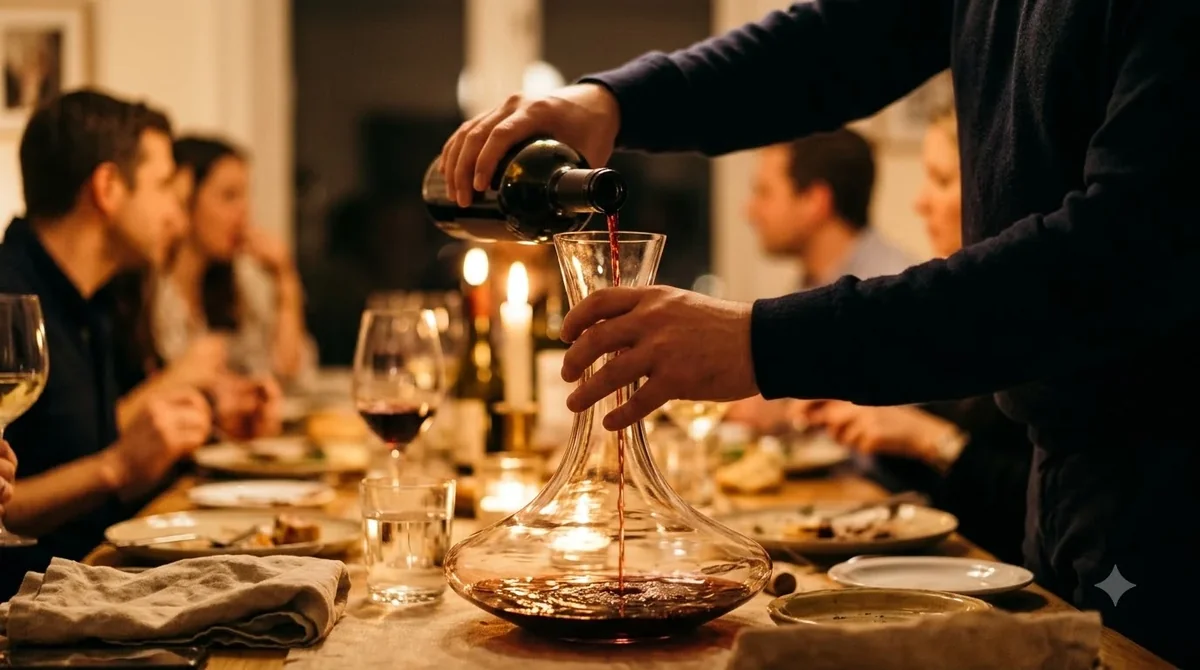
Serving temperature changes how these wines taste. Serve bold reds a little cooler than the typical living-room temperature, so the fruit stays lively and the tannins do not feel hot or heavy. Young Cabernets often soften after a short decant before dinner, and a large Bordeaux-style glass gives the aromas room to open.
These wines are built for hearty food. Grilled steak, lamb chops, roasted root vegetables with rosemary and aged hard cheeses all work well because the wine’s tannins and acidity can stand up to fat and salt. For a Syrah, try smoky barbecue or spiced sausage. For a lighter blend, a pork roast with cherries is an easy match.
Tip: If a bottle tastes tight and closed, give it an hour in the glass or a short decant before judging it. Young tannic reds often open up noticeably over that time.
Buying and Visiting: What to Check
When you shop, look for the appellation name on the label. Under US federal labeling rules, a wine can name an AVA only when at least 85 percent of its grapes come from that area, so a Red Mountain label is a useful sign of where the fruit was grown. Producers often print tasting notes, vintage details and the vineyard name on the back label, which helps you compare bottles.
Vintage variation is normal in any warm, irrigated district, and it matters here. A hot season can push the fruit toward riper, bolder flavors, while a cooler year may yield a lighter, more tightly structured wine. If you find a producer you like, try the next vintage before you decide whether the style suits you for the long term.
If you plan to visit, check tasting room hours before you travel. Many small estates keep limited schedules and some work by appointment, so a short phone call or a look at the winery’s website can save a wasted trip. Tasting rooms in the nearby Tri-Cities area give visitors an easy way to sample several styles in one afternoon.
Frequently Asked Questions
Is Red Mountain a separate wine region from the rest of Washington?
Yes, it is a formal AVA with its own boundaries inside Washington’s wine country. Red Mountain is small, so it is often discussed as a distinct sub-area that shows a particular combination of heat, soil and irrigation.
Which grapes do best on Red Mountain?
Red varieties dominate. Cabernet Sauvignon, Merlot, Syrah and Cabernet Franc are the main plantings. Sangiovese also appears in smaller amounts, and Chardonnay is grown in the district as well.
Do Red Mountain reds need aging?
Many Cabernet-based wines benefit from several years in the bottle, while Merlot and Syrah blends are often ready sooner. Check the producer’s notes on each bottle, because the style varies from winery to winery.
How should I store a bottle at home?
Keep it in a cool, dark place away from heat, sunlight and vibration. A closet or a wine fridge works well. Stored this way, most bottles keep their character until you are ready to open them.
Red Mountain shows what a small, warm district with gravelly soil can do. Read the label for the AVA name, serve the reds slightly cool and give the bigger bottles time to open. For a broader comparison, see how other sun-ripened regions like hunter valley wine and the steep vineyards of douro wine express their own character.
More in Wine Regions
 Willcox Wine Trail: Discover Arizona’s High-Elevation Wine CountryUpdated Nov 20, 2026
 Yakima Valley Wine Region: Find the Best Styles to TryUpdated Nov 20, 2026
 Vosne Romanee Wine Tasting: Identify Aromas and Choose Better PairingsUpdated Nov 20, 2026
 Yakima Valley Wine Festival: Find the Best Seasonal Wine EventsUpdated Nov 20, 2026
 Wales Vineyards: Discover Cool-Climate Wines and Where to VisitUpdated Nov 20, 2026
 Yountville Wine Festival: Discover Napa Wines and Local FoodUpdated Nov 20, 2026