


We may earn a commission when you buy through links on this page, at no extra cost to you. Learn more.
What wine goes with pork schnitzel? Grüner Veltliner is the best overall choice, while dry Riesling, sparkling wine, and crisp Pinot Noir are excellent alternatives. The ideal pairing balances the mild pork with its crispy, golden breadcrumb coating. Fresh acidity refreshes the palate after each bite, while moderate body and restrained tannins keep the wine from overwhelming the meat. Lemon, mustard, potato salad, and mushroom gravy can also influence which bottle works best.
Pork schnitzel is a satisfying dish with a straightforward but important pairing challenge: the meat is relatively delicate, but the fried coating adds richness, salt, and texture. A wine that works beautifully with a plain pork chop might not perform as well alongside a breaded cutlet fried in butter or oil. Austrian white wines offer a particularly good starting point, although sparkling wines, rosé, and lighter reds provide plenty of alternatives. Understanding the coating, garnish, and accompanying sides makes it easier to choose a wine that complements the entire plate.
Why Grüner Veltliner Is the Best Wine for Pork Schnitzel
Grüner Veltliner is the strongest all-around pairing because its fresh acidity, lively fruit, and subtle peppery character complement both pork and fried breadcrumbs. Its Austrian origins also make it a natural choice for a dish closely associated with Central European cooking.

The first reason this wine works is its refreshing acidity. Pork schnitzel is commonly fried until its coating becomes crisp and golden. That coating can leave a rich sensation on the palate, especially when the cutlet is prepared with butter or oil. A fresh white wine helps balance that richness rather than adding another heavy element to the meal.
Grüner Veltliner also offers flavors that suit the savory character of the dish. Depending on its origin and style, it can show green apple, citrus, pear, herbs, and white pepper. These flavors complement the seasoning in the breadcrumbs without competing with the pork. A dry, youthful example is particularly useful when the schnitzel is served with lemon and parsley.
Austria provides several styles worth exploring. Wines from Niederösterreich, including the well-known regions of Wachau, Kamptal, and Kremstal, offer different expressions of the grape. A lighter, fresher bottling suits a simple weekday schnitzel, while a more concentrated version can accompany a larger cutlet with substantial sides.
The Austrian Wine Board specifically recommends fresh and fuller-bodied Grüner Veltliner styles for breadcrumb-coated fried dishes. Its Austrian food and wine recommendations also identify regional white varieties and Gemischter Satz as suitable partners. This is useful guidance because the coating, rather than the pork alone, plays a major role in determining the best wine.
Choose a dry Grüner Veltliner with enough freshness to complement the fried crust. Avoid selecting an especially powerful, heavily oaked white when the schnitzel is thin and delicately seasoned. The objective is to refresh the palate while allowing the pork and its crisp coating to remain the focus.
Dry Riesling, Pinot Blanc, and Other White Wine Alternatives
Dry Riesling is an excellent alternative to Grüner Veltliner, particularly when schnitzel is served with lemon. Pinot Blanc, Sauvignon Blanc, and Albariño also provide useful combinations of freshness, fruit, and moderate weight.
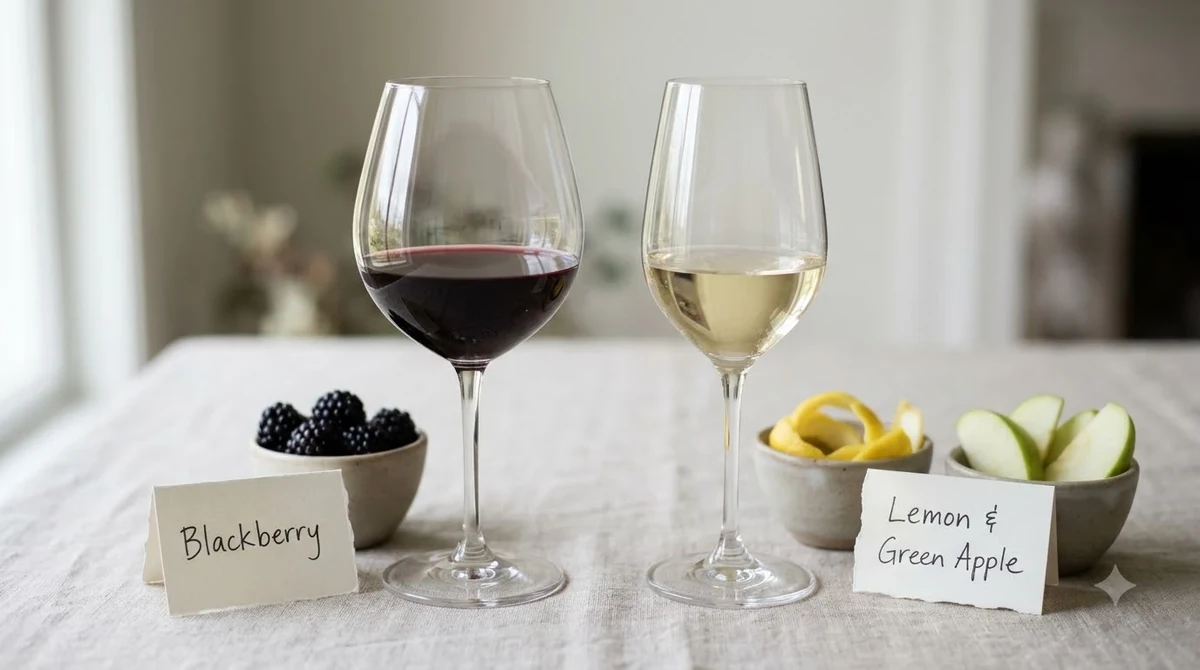
Riesling has naturally high acidity, which makes it particularly effective with fried foods. Its citrus, green apple, peach, and mineral characteristics complement the savory pork and breadcrumb coating. A dry German Riesling from the Mosel or Rheingau, an Alsace Riesling, or a Finger Lakes example can all work well.
Pay attention to sweetness when choosing Riesling. A dry style is the most versatile option for traditional pork schnitzel with lemon, herbs, and potato salad. A slightly off-dry Riesling can be more appealing if the meal includes sweet mustard, caramelized onions, or a noticeably spicy seasoning. The additional fruit and sweetness can soften the impression of heat and balance sweet-savory flavors.
Pinot Blanc, also called Weissburgunder in German-speaking wine regions, is another particularly appropriate option. It typically has a gentler aromatic profile than Riesling, with apple, pear, and subtle citrus flavors. Its moderate body can provide enough substance for a generous pork cutlet without dominating the breadcrumbs.
Sauvignon Blanc is a good choice when the plate includes lemon, fresh parsley, green salad, or a mustard-based dressing. Its pronounced acidity and citrus character make it refreshing alongside fried pork. However, particularly grassy or intensely aromatic examples can become distracting if the schnitzel is simply seasoned with salt and pepper.
Albariño from Rías Baixas in Spain is worth considering as well. Its bright acidity, citrus, stone fruit, and sometimes saline character make it a useful partner for fried food. It is especially appealing when the schnitzel is served with lemon, cucumber salad, or a lightly dressed vegetable side.
For readers comparing other pork preparations, the principles are similar but the sauce can change the ideal style. A useful comparison is our guide to what wine goes with pork roast, where richer cooking methods and savory accompaniments create different pairing opportunities.
Sparkling Wine and Rosé for Crispy Fried Pork
Sparkling wine is one of the most refreshing choices for especially crispy pork schnitzel, while dry rosé provides a fruitier alternative. Both styles offer enough freshness to complement fried breadcrumbs without relying on heavy tannins.
The bubbles in sparkling wine contribute to the overall sensation of freshness. Combined with acidity, they make a useful contrast to the oil and salt in a fried cutlet. This is why Champagne, Cava, Crémant, and Prosecco can all work with schnitzel, although their individual styles create slightly different results.
Traditional-method sparkling wines such as Champagne and Cava undergo their second fermentation in the bottle. They can develop bready, biscuit-like, and yeasty characteristics that echo the toasted breadcrumbs on the pork. These flavors create a particularly appealing connection between the wine and the food.
Prosecco is generally made primarily from Glera grapes using the tank method. Its fresh pear, apple, and floral flavors make it a lighter, fruitier alternative. Choose a dry style for a traditional savory schnitzel rather than a sweeter bottle that could make the meal taste unbalanced.
Understanding sparkling wine sweetness helps avoid confusion when selecting a bottle. The standard sweetness categories, from driest to sweetest, are Brut Nature, Extra Brut, Brut, Extra Dry, Dry, Demi-Sec, and Doux. Despite its name, Extra Dry is sweeter than Brut, so a Brut bottle is often the easiest starting point for a savory meal.
Dry rosé is another versatile option. Wines made from Grenache, Pinot Noir, or other fresh-fruited varieties can provide strawberry, raspberry, watermelon, and citrus flavors. Their acidity helps balance the coating, while their fruit complements the mild pork.
For a particularly rich schnitzel with a substantial breadcrumb crust, choose a traditional-method sparkling wine or a fresh Brut Cava. For a lighter meal with cucumber salad and lemon, a dry rosé or Prosecco can be more appealing.
WSET also recommends sparkling wines for fried foods, identifying their acidity as a useful counterpoint to oil, fat, and salt. Its discussion of traditional-method wines highlights the additional appeal of bready aromas alongside fried dishes. Read its wine pairing guidance for fried foods for more examples of this combination.
Light Red Wines That Complement Pork Schnitzel
Light-bodied red wines can work very well with pork schnitzel, provided they have refreshing acidity and restrained tannins. Pinot Noir, Gamay, and Zweigelt are particularly useful choices because they complement savory pork without overwhelming its delicate texture.
Pinot Noir is the safest red-wine option for most traditional pork schnitzel. It typically offers red cherry, raspberry, cranberry, and subtle earthy flavors, with relatively low-to-medium tannin and high acidity. This combination makes it considerably more suitable than a powerful Cabernet Sauvignon.
Look for Pinot Noir from cooler-climate regions such as Oregon, Burgundy, Germany, or New Zealand. These wines often emphasize freshness and red fruit rather than concentrated sweetness or heavy oak. Their lighter structure allows the pork to remain the center of the meal.
Gamay is another excellent possibility. Beaujolais wines made from this grape can offer bright cherry and raspberry flavors with lively acidity and relatively low tannin. A Beaujolais-Villages or a fresh Beaujolais Cru can accompany a generously seasoned pork cutlet, particularly when the meal includes roasted potatoes or mushrooms.
Zweigelt deserves consideration because it is an important Austrian red grape. Its fruit-forward character and approachable structure make it a sensible regional alternative to Pinot Noir. A fresh, uncomplicated Zweigelt served slightly cool can complement the savory flavors of pork while preserving the crisp impression of the breadcrumbs.
Other possibilities include Schiava from Alto Adige and light Valpolicella from northeastern Italy. Both can provide red-fruit character without the firm tannin associated with more powerful red wines. They are particularly useful if you prefer red wine but do not want the cutlet to be overshadowed.
Serving temperature matters with these reds. Pinot Noir, Gamay, and other light-bodied reds are generally best served between 55 and 60 F. Slightly chilling the bottle before serving makes the fruit feel fresher and keeps the alcohol from becoming too prominent alongside the fried coating.
Decanter’s discussion of pork pairings also identifies Gamay, Pinot Noir, and other fruit-driven reds as useful partners for different pork preparations. Its central recommendation is to consider the cooking method and accompanying flavors rather than choosing wine based on the meat alone. See its guide to wine with pork for additional examples.
Choosing Wine for Lemon, Potato Salad, and Mushroom Sauce
The best wine for pork schnitzel can change considerably depending on the garnish and side dishes. Lemon and acidic salads favor high-acid whites, while mushroom gravy and creamy accompaniments can support a slightly fuller white or a light red.
Traditional schnitzel is frequently served with a lemon wedge. Squeezing lemon over the crust introduces additional acidity, which makes a fresh white such as Grüner Veltliner, dry Riesling, or Sauvignon Blanc particularly appropriate. The wine should have acidity equal to or greater than the food’s acidity to avoid tasting flat.
Potato salad creates another important distinction. A vinegar-based Austrian or German-style potato salad has more acidity than a creamy mayonnaise-based version. For the vinegar-based preparation, choose a crisp white wine such as Grüner Veltliner or dry Riesling. Its freshness will complement the dressing and cut through the richness of the pork.
A creamy potato salad generally allows more flexibility. Pinot Blanc, a restrained Chardonnay, or a fresh dry rosé can all work. These wines have enough body to complement the creamy texture without introducing excessive oak or tannin.
Mushroom gravy changes the pairing again. Its savory, earthy character can make light reds particularly appealing. Pinot Noir and Gamay provide complementary red-fruit and earthy notes, while retaining sufficient acidity to balance the pork and breadcrumb crust.
Chardonnay can also work with mushroom sauce, particularly when it has moderate body and limited oak influence. A fresh, unoaked Chardonnay offers apple, citrus, and pear characteristics that complement the sauce without becoming too rich. A heavily oaked example may be unnecessarily powerful beside a delicate cutlet.
Mustard sauce is another common accompaniment. Its pungency and acidity favor crisp, aromatic whites, particularly Riesling and Grüner Veltliner. If the mustard is sweet, an off-dry Riesling can provide a more harmonious result.
For a plate with several different accompaniments, consider the strongest flavor rather than focusing only on the meat. A schnitzel served with lemon, vinegar-based potato salad, and mustard needs a fresher wine than one served with buttery potatoes and mushroom gravy.
These distinctions also help when comparing other pork dishes. Our guides to what wine goes with pork ribs and what wine goes with pulled pork explain how barbecue sauce, smoke, sweetness, and richer cooking methods influence wine selection.
Serving Temperatures and Practical Pairing Guidelines
Serving temperature can make a noticeable difference to the success of a wine pairing. Crisp whites and sparkling wines should be properly chilled, while light reds benefit from a moderate cool temperature rather than being served warm.
Use the following temperatures as practical starting points for a pork schnitzel dinner. The ranges are intended to preserve freshness, fruit, and balance rather than make the wine excessively cold.
| Wine Style | Serving Temperature | Best Schnitzel Combination |
|---|---|---|
| Grüner Veltliner | 45–50 F | Classic pork schnitzel with lemon |
| Dry Riesling | 45–50 F | Schnitzel with lemon and potato salad |
| Pinot Blanc | 45–50 F | Pork with creamy potato salad |
| Sauvignon Blanc | 45–50 F | Schnitzel with mustard and green salad |
| Chardonnay | 50–55 F | Schnitzel with mushroom gravy |
| Brut Champagne or Cava | 40–50 F | Extra-crispy fried schnitzel |
| Dry Rosé | 45–50 F | Schnitzel with vegetables or salad |
| Pinot Noir | 55–60 F | Pork schnitzel with mushrooms |
| Gamay | 55–60 F | Seasoned pork with roasted potatoes |
These temperatures are particularly helpful when serving several wine styles together. A bottle of sparkling wine should be colder than Pinot Noir, while Chardonnay benefits from being slightly warmer than a light, crisp white. Taking bottles out of the refrigerator shortly before serving allows their aromas and flavors to become more expressive.
Portion size is another useful consideration. A standard serving of wine is approximately 5 oz, and a 750 ml bottle provides about five glasses. For a dinner with four people, one bottle is generally enough for a single moderate pour each, while two bottles allow guests to compare different pairing styles.
The choice of glass can also influence the experience. A standard white wine glass works well for Grüner Veltliner, Riesling, and Pinot Blanc. Sparkling wine can be served in a flute or a tulip-shaped glass, while Pinot Noir benefits from a glass with enough bowl space to release its red-fruit aromas.
Tip: If you are uncertain which wine to serve, open a dry Grüner Veltliner and chill it to approximately 48 F. It is a dependable match for traditional pork schnitzel with lemon, parsley, and potato salad. If you want a second option, serve a lightly chilled Pinot Noir alongside it.
For guests with different preferences, offer one crisp white and one light red rather than several powerful wines. Grüner Veltliner provides the freshness needed for the fried coating, while Pinot Noir offers a softer, fruitier alternative. This simple combination accommodates different tastes without introducing wines that overpower the meal.
For a broader understanding of how acidity, sweetness, tannin, and body affect a meal, explore our Wine Pairing fundamentals. These principles apply beyond schnitzel and can help with everything from roasted pork to vegetable dishes and seafood.
Frequently Asked Questions
Is Austrian wine necessary for authentic pork schnitzel pairing?
No. Austrian Grüner Veltliner is a traditional and particularly suitable choice, but wines from Germany, France, Spain, Italy, and the United States can work just as well. The important qualities are freshness, appropriate acidity, and enough body for the fried coating. A dry Finger Lakes Riesling or Spanish Albariño can be an excellent alternative.
Can you serve Cabernet Sauvignon with pork schnitzel?
You can, but it is generally not the most harmonious choice. Cabernet Sauvignon typically has high tannin and substantial structure, which can dominate the mild pork and delicate breadcrumbs. A lighter red such as Pinot Noir or Gamay is usually a better option, especially when lemon is served with the cutlet.
Does pork schnitzel pair with orange wine?
Yes, particularly when the orange wine has fresh acidity and moderate tannin. Wines made from white grapes with extended skin contact can offer savory, herbal, and sometimes tea-like characteristics that complement seasoned breadcrumbs. Choose a restrained example rather than an intensely tannic style that could overwhelm the pork.
What wine should you serve with schnitzel at a summer dinner?
Dry rosé, Grüner Veltliner, and sparkling wine are particularly suitable for a summer meal. They can be served chilled and complement lighter accompaniments such as cucumber salad, fresh herbs, and lemon. A dry Austrian rosé or Brut Cava also provides a refreshing alternative to conventional still whites.
Does the thickness of the pork cutlet affect the wine pairing?
Yes. A very thin cutlet has a greater proportion of breadcrumb coating relative to meat, so sparkling wine or a crisp white is especially appropriate. A thicker cutlet has more substantial pork flavor and can accommodate a slightly fuller white or light red. The amount of seasoning and the frying method also influence the final balance.
For most traditional pork schnitzel dinners, Grüner Veltliner remains the most reliable choice because it combines freshness, fruit, and savory compatibility. Dry Riesling, Brut sparkling wine, and light Pinot Noir offer excellent alternatives depending on the lemon, sauce, and side dishes. Choose a wine that complements the fried coating without overpowering the pork, and the entire meal will feel more balanced.
More in Food & Wine Pairing
 Risotto With White Wine Recipe: Make a Creamy Dinner at HomeUpdated Nov 20, 2026
 Wassail With Wine Recipe for a Festive Spiced Holiday DrinkUpdated Nov 20, 2026
 Spritz Veneziano Recipe: Make a Classic Venetian Aperitivo at HomeUpdated Nov 20, 2026
 Summer Wine Punch Recipe for Easy Homemade EntertainingUpdated Nov 20, 2026
 Bishop Recipe: How to Make a Bright, Citrus-Forward Red Wine CocktailUpdated Nov 20, 2026
 Wine Cupcakes Recipe: Bake Rich Chocolate Cupcakes at HomeUpdated Nov 20, 2026