

We may earn a commission when you buy through links on this page, at no extra cost to you. Learn more.
What wine goes with mushroom soup? Chardonnay is the best all-around choice for creamy mushroom soup, while Pinot Noir is an excellent alternative for deeply earthy mushroom preparations. Both wines complement mushrooms without overwhelming their savory character. The right choice depends on the amount of cream, butter, herbs, and mushroom intensity in the recipe. A few adjustments to serving temperature and wine style can make either pairing work particularly well.
Mushroom soup combines earthy aromas, savory umami, and a range of textures, from delicate broth to thick, velvety cream. Those characteristics make it particularly interesting to pair with wine. A rich cream of mushroom soup calls for a different bottle than a clear wild mushroom broth or a rustic porcini soup. Chardonnay, Pinot Noir, Chenin Blanc, and dry Sherry all have a place at the table, provided their structure matches the preparation. Understanding the ingredients makes choosing a bottle much easier.
Why Chardonnay Is the Best Starting Point for Creamy Mushroom Soup
Chardonnay is the most dependable starting point for traditional cream of mushroom soup because its medium body complements cream and butter without making the combination feel excessively heavy. Its acidity also provides freshness against the soup’s rich texture.

A lightly oaked or unoaked Chardonnay is particularly useful when mushrooms are cooked with butter, onions, garlic, and a modest amount of heavy cream. The wine’s apple, pear, citrus, and sometimes subtle nutty characteristics complement the ingredients without covering up their savory flavors. A bottle from Burgundy, especially a well-balanced White Burgundy, is a natural choice. These wines can combine restrained fruit, freshness, and enough texture to stand alongside a creamy soup.
For a richer recipe containing substantial butter, roasted mushrooms, or cream added just before serving, consider a Chardonnay with a little more body. A moderately oaked style can contribute hints of vanilla, toasted nuts, and gentle spice. Those characteristics work particularly well with browned mushrooms and caramelized onions.
However, heavily oaked Chardonnay is not automatically better. Too much oak, alcohol, or ripe fruit can make the pairing feel cumbersome, especially when the soup is already rich. Look for a wine that retains freshness rather than one that relies entirely on weight and buttery flavors.
Wine Enthusiast highlights White Burgundy as a particularly suitable match for wild mushroom soup with buttery elements. Sommelier Sadie Farrington explains that the wine’s acidity supports the buttery texture of the preparation. This is a useful principle for everyday cream of mushroom soup: richness needs freshness as well as a wine with sufficient body. The publication’s guide to pairing wine with soup provides additional examples of how texture influences wine selection.
For a straightforward dinner, serve Chardonnay with classic cream of mushroom soup, mushroom soup with thyme, or a version finished with Parmesan. It is also a natural match for soup served with toasted sourdough or a grilled cheese sandwich.
When Pinot Noir Is Better Than White Wine
Pinot Noir is the leading red wine choice for mushroom soup, especially when the recipe emphasizes roasted mushrooms, porcini, shiitake, or other intensely savory varieties. Its relatively low tannin and bright acidity let the mushrooms remain the focus.
Mushrooms have an earthy, sometimes forest-like character that can complement the savory aromas found in Pinot Noir. Depending on the region and bottle age, the wine may show cherry, raspberry, cranberry, dried herbs, forest floor, or subtle mushroom-like notes. These characteristics create a natural connection between the glass and the bowl.
A younger Pinot Noir generally emphasizes fresh red fruit, while a more developed bottle can show additional earthy and savory characteristics. For a soup made with ordinary button mushrooms, a fresh and fruit-forward Pinot Noir is often sufficient. For concentrated porcini or wild mushroom soup, a more savory expression can make a particularly satisfying match.
Choose Pinot Noir from regions such as Oregon’s Willamette Valley, California’s Sonoma Coast, or Burgundy in France. The specific region is less important than finding a wine with restrained tannin, good acidity, and moderate alcohol.
Pinot Noir is especially effective with mushroom soup that includes roasted garlic, caramelized shallots, thyme, or a small amount of red wine in the cooking liquid. It can also accompany a mushroom soup topped with sautéed mushrooms or crispy mushrooms, where the additional browning creates more intense savory flavors.
Avoid choosing a heavily extracted, high-tannin red simply because the soup tastes rich. Cabernet Sauvignon and powerful young Syrah can overpower delicate mushroom flavors. Mushroom umami can also make tannic wines seem more bitter. Pinot Noir provides a gentler structure that is generally easier to balance.
Tasting Table’s discussion of creamy mushroom soup highlights Pinot Noir as a preferred mushroom pairing, noting the relationship between the wine’s earthiness and the ingredient’s savory character. It also explains that bottle age changes the wine’s aromatic profile, offering another way to adjust the pairing to the soup. Its creamy mushroom soup pairing advice also emphasizes the importance of developing mushroom flavor during cooking.
Other White Wines That Work With Mushroom Soup
Chardonnay is not the only white wine worth considering. Chenin Blanc, Sauvignon Blanc, and dry Riesling can work with mushroom soup when their acidity, body, and flavor intensity suit the recipe.
Chenin Blanc: Dry Chenin Blanc is a flexible option for mushroom soup with herbs, leeks, onions, or moderate cream. Its acidity can refresh the palate, while its apple, quince, and subtle floral characteristics complement the mushrooms. A textured Chenin from the Loire Valley is particularly useful when the soup is rich but not excessively buttery. Avoid noticeably sweet styles unless the recipe has a corresponding sweet or spicy element.
Sauvignon Blanc: Sauvignon Blanc works best with lighter mushroom soups that feature fresh herbs, garlic, and vegetable stock rather than large quantities of cream. Its crisp acidity and citrus or herbal flavors provide contrast to the savory mushrooms. A restrained Sancerre or another dry Loire Valley Sauvignon Blanc can be a good choice. Very grassy, sharply acidic examples may distract from a delicate mushroom broth.
Dry Riesling: Dry Riesling is another possibility for a broth-based mushroom soup, particularly one seasoned with ginger, scallions, soy, or a little chili. Its high acidity helps balance salty ingredients and brings freshness to the pairing. Choose a dry example rather than an obviously sweet bottle for a conventional mushroom recipe.
Each style has a slightly different purpose. Chenin Blanc offers texture and freshness, Sauvignon Blanc emphasizes herbal brightness, and Riesling provides pronounced acidity and aromatic detail. The best choice depends on whether the soup is creamy, light, or strongly seasoned.
For additional guidance on choosing bottles according to acidity, body, and food texture, explore this Wine Pairing resource. The same principles apply to other vegetable-based soups, although sweeter ingredients can change the ideal wine style. For example, what wine goes with butternut squash soup requires particular attention to the natural sweetness of the squash.
How Mushroom Varieties and Ingredients Change the Pairing
The type of mushroom and the other ingredients in the pot can change the best wine choice considerably. Mild button mushrooms, concentrated porcini, and savory shiitake do not have identical flavor intensity, so the wine should reflect the finished soup rather than simply its name.
Button mushrooms: These familiar mushrooms have a relatively mild flavor and work well in traditional cream-based soup. Choose Chardonnay, a lighter Pinot Noir, or dry Chenin Blanc. Avoid powerful reds that dominate the soup before its delicate mushroom character becomes apparent.
Cremini mushrooms: Cremini mushrooms offer a deeper, nuttier flavor than standard white button mushrooms. They are excellent with Chardonnay and Pinot Noir, particularly when sautéed in butter before being added to the stock. A modest amount of thyme or black pepper strengthens the savory character without requiring a more powerful wine.
Shiitake mushrooms: Shiitake have pronounced umami and a substantial savory character. They work particularly well with Pinot Noir when roasted or sautéed before being added to soup. For an Asian-inspired broth with soy sauce and ginger, a dry Riesling can provide a brighter alternative.
Porcini mushrooms: Porcini are especially suitable for earthy wine pairings. Their concentrated savory flavor can stand alongside a developed Pinot Noir or a textured Chardonnay. Dried porcini, which are often rehydrated to make soup stock, can contribute an even more concentrated flavor. Use the soaking liquid as part of the broth when appropriate, straining it carefully to remove grit.
Oyster mushrooms: Oyster mushrooms have a more delicate texture and a savory flavor that works with restrained Chardonnay or lighter Pinot Noir. Avoid excessively powerful wines, particularly when the soup contains only a modest amount of mushroom.
Other ingredients matter just as much as mushroom variety. Heavy cream and butter add richness, Parmesan introduces salt and umami, and roasted garlic brings sweetness and depth. Thyme, rosemary, parsley, and sage introduce herbal flavors that can influence the best wine choice.
Cooking technique also makes a difference. Sautéing mushrooms in a pan before adding them to the soup develops browned, savory flavors. Simply boiling raw mushrooms in stock usually produces a lighter result. A soup with deeply browned mushrooms can accommodate a more expressive Pinot Noir than one made with gently simmered button mushrooms.
For a vegan mushroom soup, use Chardonnay with moderate texture or a dry Chenin Blanc. Olive oil can replace butter, while vegetable stock, roasted garlic, and nutritional yeast can provide additional depth. The wine should still have enough freshness to balance the finished soup.
Wine Pairings for Different Mushroom Soup Recipes
The following combinations provide practical starting points for common mushroom soup preparations. Match the wine to the dominant flavor and texture, particularly when a recipe includes additional ingredients such as chicken, cheese, or soy sauce.
| Mushroom soup style | Recommended wine | Why it works |
|---|---|---|
| Classic cream of mushroom | Chardonnay | Body complements cream; acidity refreshes the palate. |
| Wild mushroom soup | White Burgundy | Texture and freshness complement earthy mushrooms. |
| Roasted porcini soup | Pinot Noir | Earthy aromas echo concentrated mushroom flavors. |
| Shiitake and ginger broth | Dry Riesling | High acidity balances salty, aromatic seasoning. |
| Button mushroom soup | Chenin Blanc | Freshness supports delicate mushroom flavors. |
| Mushroom and thyme soup | Pinot Noir | Herbal and earthy characteristics complement each other. |
| Mushroom and Parmesan soup | Chardonnay | Body and acidity work with cheese and butter. |
| Light mushroom vegetable broth | Sauvignon Blanc | Fresh acidity suits a lighter preparation. |
Consider these combinations flexible guidelines rather than fixed rules. For instance, a wild mushroom soup containing a large quantity of cream may work better with Chardonnay than Pinot Noir. Likewise, a shiitake soup with little soy sauce and no chili can accommodate a light red if the broth has sufficient mushroom intensity.
Additional protein can change the equation. Mushroom soup with shredded chicken may call for a different wine than a purely vegetarian version. A lighter Chardonnay or Pinot Noir can accommodate both ingredients, depending on the cream and seasoning. If you are planning a separate poultry course, compare the recommendations for what wine goes with chicken noodle soup and what wine goes with chicken soup for further ideas.
For a multi-course dinner, it is not necessary to serve a completely different wine with every course. A balanced Chardonnay can accompany a creamy mushroom starter and a poultry main course, while a moderate Pinot Noir can move from wild mushroom soup to roasted chicken or a mushroom-based entrée.
Serving Temperature, Portions, and Practical Pairing Tips
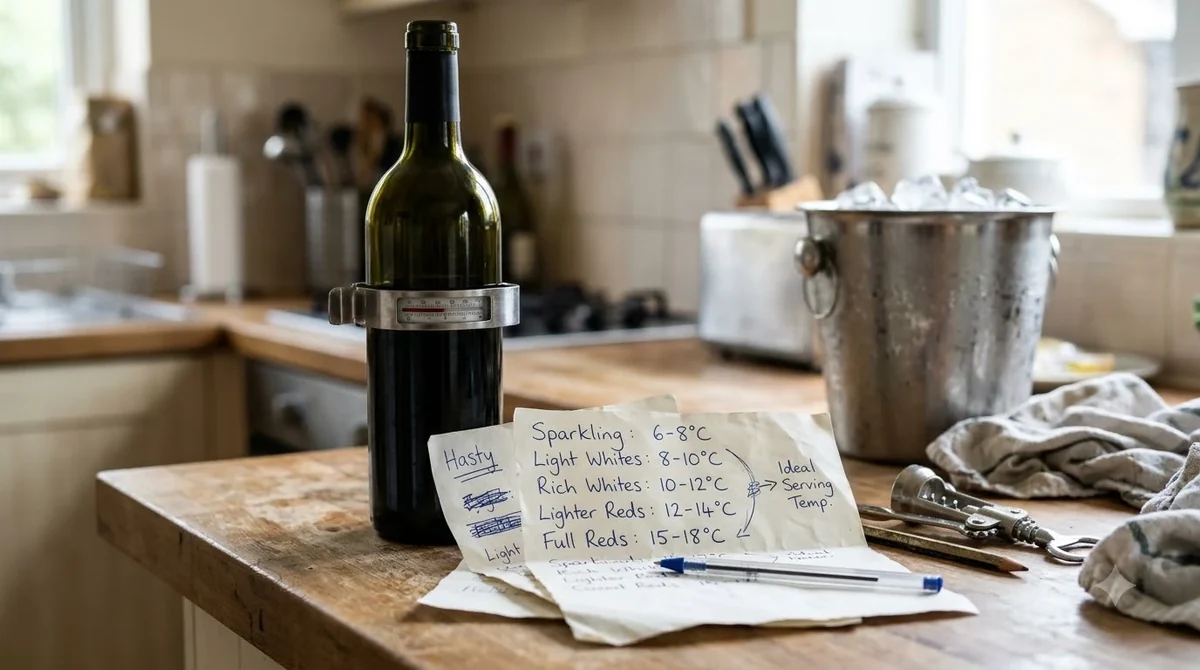
Serving temperature has a noticeable effect on the pairing. Chardonnay should generally be served at 50–55 F, while Pinot Noir is best at 55–60 F. These temperatures allow the wines to show their aromas without excessive warmth or muted flavors.
A Chardonnay served too cold can seem less aromatic and more sharply acidic than intended. Remove it from the refrigerator briefly before pouring if necessary. Pinot Noir served too warm can emphasize alcohol and make its fruit seem less fresh. A short period of chilling can bring it into a more suitable range.
For a typical dinner, use a 5-ounce wine pour. A standard 750 ml bottle contains approximately five such glasses, making it suitable for a small dinner gathering. If mushroom soup is the opening course, a smaller pour may be sufficient before the main course.
Consider the following practical details when preparing the meal:
- Keep the soup warm, not boiling: Serve it hot enough to retain its creamy texture without allowing it to become excessively thick or reduced.
- Finish the seasoning before choosing the wine: Salt, black pepper, herbs, and Parmesan can change how the wine tastes.
- Use acidity to balance richness: A creamy soup generally benefits from a wine with enough freshness to prevent the combination from feeling heavy.
- Keep tannins moderate: Mushroom umami can make a strongly tannic red seem bitter or drying.
- Consider the garnish: Crispy mushrooms, croutons, grated cheese, and fresh herbs all affect the finished flavor.
- Match intensity: A delicate white mushroom soup should not be paired with an overwhelmingly powerful wine.
Tip: If you cannot decide between Chardonnay and Pinot Noir, prepare a small serving of soup and compare both wines with it. Choose Chardonnay if the cream and butter dominate; choose Pinot Noir if roasted mushrooms and earthy flavors are the main attraction.
There is also no need to open an expensive bottle for a successful pairing. A balanced, moderately priced Chardonnay or Pinot Noir can work beautifully. Look for freshness, moderate alcohol, and a suitable body rather than choosing wine solely for its reputation or age.
Once opened, store leftover still wine in the refrigerator with its closure replaced. Most opened still wines remain suitable for drinking for approximately 3–5 days, although freshness gradually declines. This makes it practical to use the remaining wine with another meal rather than opening a new bottle for every soup preparation.
Frequently Asked Questions
Can you cook mushroom soup with the same wine you serve alongside it?
Yes. Dry Chardonnay or Pinot Noir can both be used in mushroom soup, depending on the recipe. Add a modest amount during cooking and allow the alcohol and excess liquid to cook off before finishing the soup. Avoid using a wine that is noticeably sweet or unpleasant to drink on its own.
Is Pinot Grigio suitable for mushroom soup?
Pinot Grigio can accompany a light mushroom broth, especially one with parsley, garlic, and vegetable stock. Its generally lighter body makes it less suitable for a thick soup containing substantial heavy cream or butter. For those richer preparations, Chardonnay is usually a better option.
Does mushroom soup pair with Champagne?
Yes. Brut Champagne can work with mushroom soup that has a light, creamy texture and restrained seasoning. Traditional Champagne undergoes its second fermentation in the bottle, developing bubbles and additional complexity. Its acidity and effervescence offer a contrasting texture alongside the smooth soup.
Can sweet wine accompany savory mushroom soup?
A noticeably sweet wine is generally not the first choice for savory mushroom soup because its sweetness can seem disconnected from the earthy flavors. A dry or very slightly off-dry white is more suitable for most recipes. Sweeter styles are better reserved for soups with distinctly sweet ingredients or pronounced chili seasoning.
Does mushroom soup pair with fortified wine?
Dry Sherry can be an interesting accompaniment, particularly Amontillado, which develops nutty and savory characteristics through its aging process. A small pour can complement mushroom soup with roasted garlic, browned butter, or concentrated porcini. Serve it in a smaller glass than a standard table-wine portion because its alcohol content is generally higher than that of ordinary Chardonnay or Pinot Noir.
For most traditional recipes, Chardonnay is the safest answer to the question of what wine goes with mushroom soup, particularly when cream and butter are prominent. Choose Pinot Noir when roasted mushrooms, porcini, and deeper earthy flavors take center stage. With the right balance of acidity, body, and serving temperature, either wine can turn a simple bowl of mushroom soup into a more satisfying meal.
More in Food & Wine Pairing
 Risotto With White Wine Recipe: Make a Creamy Dinner at HomeUpdated Nov 20, 2026
 Wassail With Wine Recipe for a Festive Spiced Holiday DrinkUpdated Nov 20, 2026
 Spritz Veneziano Recipe: Make a Classic Venetian Aperitivo at HomeUpdated Nov 20, 2026
 Summer Wine Punch Recipe for Easy Homemade EntertainingUpdated Nov 20, 2026
 Bishop Recipe: How to Make a Bright, Citrus-Forward Red Wine CocktailUpdated Nov 20, 2026
 Wine Cupcakes Recipe: Bake Rich Chocolate Cupcakes at HomeUpdated Nov 20, 2026