

We may earn a commission when you buy through links on this page, at no extra cost to you. Learn more.
The ideal sweet red wine serving temperature sits between 49°F and 64°F (9°C to 18°C), depending on whether the bottle is sparkling, still, or fortified. Light, fizzy styles like Brachetto d’Acqui and sweet Lambrusco perform best chilled around 49°F to 54°F, whereas fuller fortified bottles such as Ruby Port shine closer to 54°F to 61°F. Serving sweet red wine cooler than a typical living room keeps residual sugar crisp and prevents alcohol from overshadowing dark fruit flavors.
Serving any red wine straight off a warm kitchen counter can dull its best qualities, and bottles with noticeable residual sugar are especially sensitive to heat. Because sugar, acidity, tannin, and alcohol all respond differently to cold, dialing in the right chill transforms a syrupy pour into something balanced, aromatic, and refreshing.
Sweet Red Wine Serving Temperature by Style
Sweet red wine is not a single uniform category, so the exact sweet red wine serving temperature shifts based on carbonation, body, and fortification. Sparkling reds need a deeper chill to hold onto their bubbles, while aged fortified wines open up best when served closer to cellar temperature.
| Sweet Red Wine Style | Ideal Temperature (°F) | Ideal Temperature (°C) | Fridge Time from Room Temp |
|---|---|---|---|
| Sparkling Sweet Reds (Brachetto d’Acqui, Sweet Lambrusco) | 49°F–54°F | 9°C–12°C | 60–90 minutes |
| Off-Dry & Semi-Sweet Still Reds (Sweet Red Blends, Dornfelder) | 54°F–59°F | 12°C–15°C | 45–60 minutes |
| Tawny Port & Colheita | 50°F–57°F | 10°C–14°C | 45–60 minutes |
| Ruby Port & Late Bottled Vintage (LBV) | 54°F–61°F | 12°C–16°C | 30–45 minutes |
| Vintage Port & Rich Fortified Reds (Banyuls, Recioto) | 60°F–64°F | 16°C–18°C | 20–30 minutes |
According to Wine Folly, aromatic, lightly sparkling sweet reds like Brachetto and Lambrusco belong in the medium-chilled bracket of 49°F to 54°F (9°C to 12°C). That cooler window preserves delicate floral notes of rose petal and wild strawberry while keeping effervescence lively in the glass. If these frizzante or spumante reds warm past 60°F, the carbonation dissipates quickly and the sweetness can feel sticky rather than brisk.
Still semi-sweet and off-dry red blends occupy the middle ground between 54°F and 59°F (12°C to 15°C). Wines made from fruit-forward grapes—including sweet red table blends, semi-sweet Dornfelder, and off-dry Concord or Catawba bottlings—carry softer tannins and vibrant berry character. Cooling them slightly below cellar temperature sharpens their natural acidity so the palate registers fresh blackberry and cherry rather than simple syrup.
Fortified sweet reds require a slightly nuanced split based on how they were aged. Wine Folly notes that wood-aged Tawny Port tastes brightest between 50°F and 57°F (10°C to 14°C), whereas fruit-driven Ruby Port shows best around 54°F to 61°F (12°C to 16°C). Older Vintage Ports and concentrated unfortified dessert reds such as Recioto della Valpolicella sit comfortably at the top of the range around 60°F to 64°F (16°C to 18°C), where gentle warmth unlocks complex layers of dried fig, cocoa, and baking spice.
Why Temperature Changes How Sweet Red Wine Tastes
Serving temperature acts like an equalizer on your palate, shifting the balance between sweetness, acidity, tannin, and alcohol without changing a single drop in the bottle. Understanding how cold and warmth alter those four components makes it easy to adjust any pour on the fly.
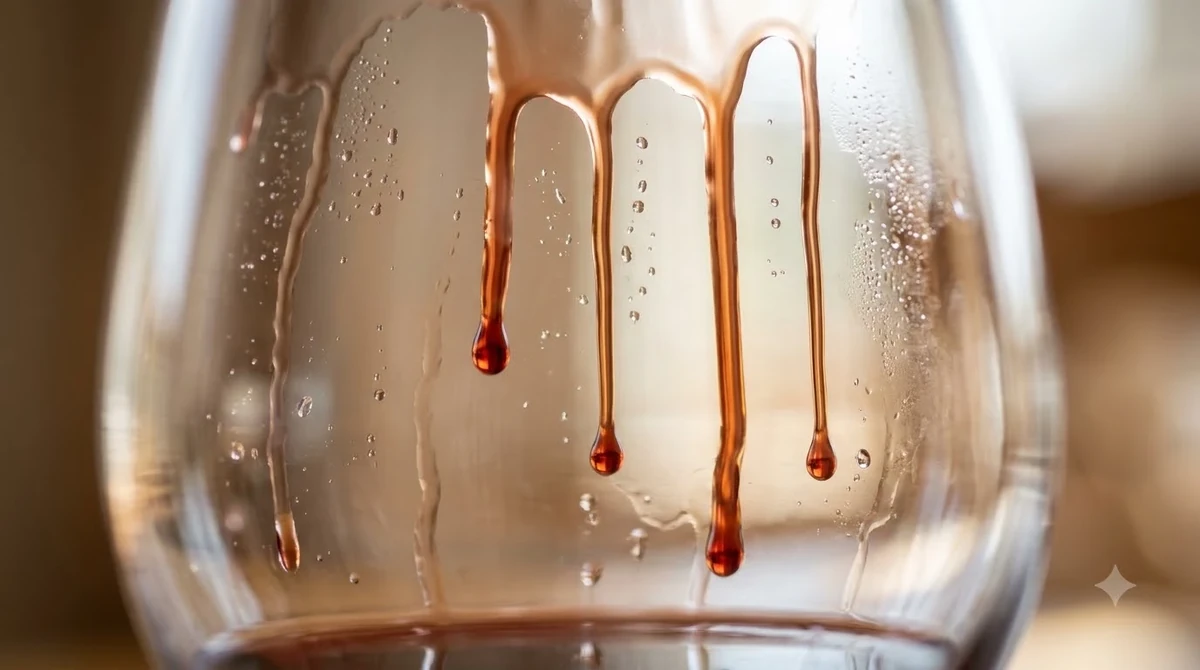
Cold temperatures mute sweetness receptors on the tongue and amplify crispness, which is why dessert wines and sweet sparklers need a solid chill. When a sweet red sits at a modern American room temperature of 68°F to 72°F, residual sugar feels heavier and coats the palate. Dropping that same bottle down into the mid-50s firms up the wine’s acidity, creating a clean, mouthwatering finish that keeps each sip inviting.
Heat also increases the volatility of ethanol, sending sharp alcohol vapors straight into your nose before you even take a sip. This effect is especially noticeable in fortified sweet reds like Port or Banyuls, which carry significantly higher alcohol by volume than standard table wines. As reviewers at Decanter point out, wine warms up rapidly once poured into a glass, so starting slightly cooler than your target range ensures the alcohol stays integrated throughout the evening.
At the same time, over-chilling a structured red wine creates a different set of problems. Standard kitchen refrigerators run around 37°F to 40°F, which is far too cold for any red wine. At fridge temperatures, aromatic compounds stay locked in the liquid, fruit flavors turn muted, and grape tannins feel tight, astringent, and slightly bitter.
How to Chill Sweet Red Wine Quickly and Safely
Most home wine drinkers store bottles in a pantry or kitchen rack near 70°F, meaning nearly every sweet red benefits from a brief chill before uncorking. Choosing the right cooling method depends on how much time you have before guests arrive.
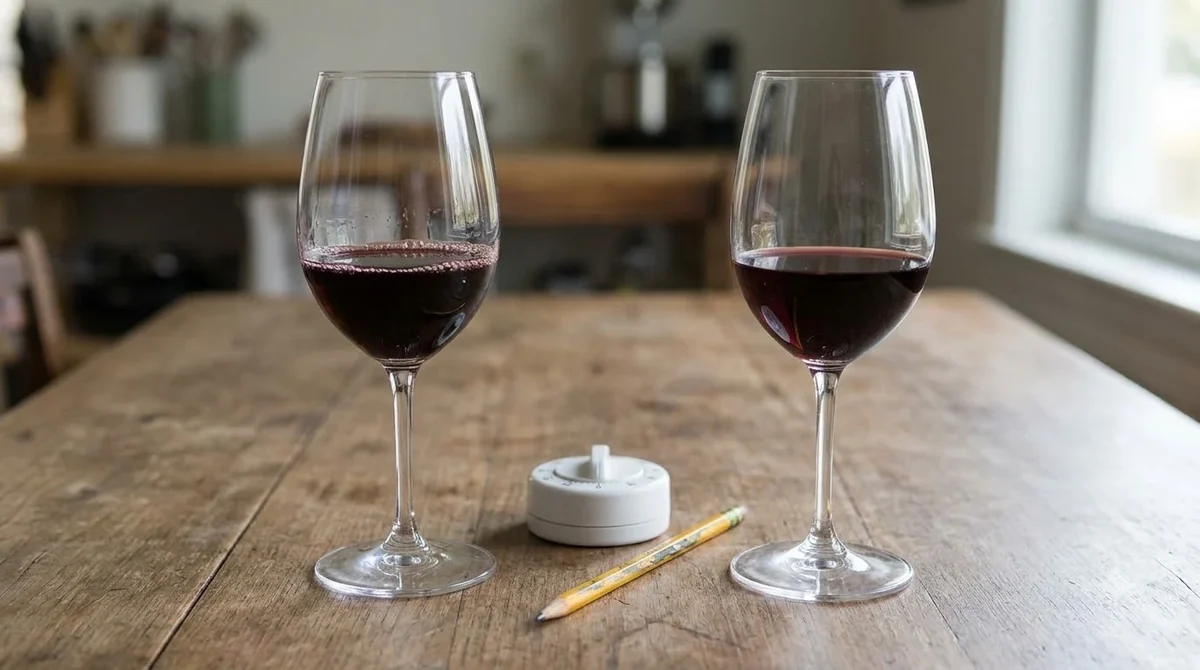
For planned dinners or weekend gatherings, the standard kitchen refrigerator is the simplest tool. Place a still sweet red blend or Ruby Port on the middle shelf for 30 to 45 minutes before serving to bring it down from 70°F into the mid-50s. Sparkling styles like Brachetto d’Acqui or sweet Lambrusco need roughly 60 to 90 minutes in the fridge to reach their 49°F to 54°F sweet spot. If you forget and leave a bottle in the fridge overnight, simply pull it out onto the counter 20 to 30 minutes before pouring so the aromas can wake back up.
When you need a bottle chilled in under 15 minutes, use an ice-water bath instead of the freezer. Fill a bucket or deep mixing bowl halfway with ice cubes and cold water, add a small handful of table salt, and submerge the bottle up to its neck. Water transfers heat away from glass much faster than cold air, dropping a bottle from room temperature to 55°F in about 10 to 12 minutes without risking a frozen cork or shattered glass.
Tip: Pour smaller 2- to 3-ounce servings for fortified sweet reds and keep the bottle in a cool spot between rounds so the wine does not turn overly warm in your glass.
Glassware, Decanting, and Storage After Opening
Getting the temperature right is only half the equation; the shape of your glass and how you handle an opened bottle determine whether those aromas stay vibrant. Matching vessel size and storage habits to the style of sweet red keeps every pour tasting fresh.
Sparkling sweet reds shine in a tulip-shaped sparkling wine glass or a white wine glass rather than a wide-bowled Cabernet goblet. A narrower opening preserves carbonation and focuses floral, red-berry aromatics toward the nose. For fortified sweet reds like Ruby or Tawny Port, a small tulip-shaped dessert wine glass—roughly half the size of a standard red wine glass—concentrates rich dried-fruit and nutty notes while encouraging modest pours.
Most sweet red wines do not require decanting, though mature unfiltered bottles are a notable exception. Sparkling sweet reds should never be decanted because agitation strips away their bubbles, and standard Tawny or Ruby Ports are already fined and filtered before bottling. However, older Vintage Ports and unfiltered Late Bottled Vintage (LBV) Ports develop natural sediment over years in the bottle, so standing the bottle upright for several hours and decanting it slowly before serving keeps grit out of your glass.
Once opened, sweet red wines vary dramatically in how long they stay fresh in the refrigerator. Lightly sparkling sweet reds lose their fizz within one to two days even with a champagne stopper, while still semi-sweet red blends hold their fruit character for three to five days under a tight cork. Fortified sweet reds last much longer thanks to their higher alcohol and sugar content: re-corked Ruby Port stays vibrant in the fridge for several weeks, and oxidative Tawny Port often remains delicious for a month or more.
Comparing Sweet Red Wine to Other Beverage Temperatures
If you regularly serve a mix of wines, beers, or brewed drinks at home, placing sweet red wine on a broader temperature spectrum helps prevent guesswork. Different fermented beverages rely on distinct balances of sugar, acidity, and aromatics that dictate how cold they should be poured.
Within the wine world, sweet reds bridge the gap between chilled dessert whites and cellar-cool dry reds. For example, while a botrytized white dessert wine follows a colder sauternes serving temperature around 45°F to 50°F to keep its honeyed richness crisp, sweet red wines carry phenolic compounds and tannins from red grape skins that prefer slightly warmer conditions. Exploring different categories across Wine by Type shows a clear pattern: the more skin contact and tannin a wine has, the higher its ideal serving window climbs.
That same interplay of sweetness and body appears outside traditional grape wine as well. Honey-based wines vary widely by residual sugar and carbonation, which is why mead serving temperature spans everything from fridge-cold sparkling session meads to lightly chilled sack meads. Similarly, aromatic rice wines respond dramatically to temperature shifts, with sake serving temperature moving from chilled ginjo styles to gently warmed junmai pours depending on acidity and umami. Knowing how temperature shapes sweetness across drinks makes it far easier to dial in any bottle at your table.
Frequently Asked Questions
Should sweet red wine be served chilled?
Yes, sweet red wine should be served slightly chilled rather than at warm room temperature. Sparkling sweet reds like Brachetto d’Acqui taste best at 49°F to 54°F, while still sweet reds and Ports shine between 54°F and 64°F. A brief chill keeps residual sugar refreshing and prevents alcohol from tasting harsh.
How long should I put sweet red wine in the fridge before serving?
From a typical 70°F room, place still sweet red wines and Ruby Port in the refrigerator for 30 to 45 minutes before pouring. Sparkling sweet reds like sweet Lambrusco need 60 to 90 minutes to reach a crisp chill. If a bottle has been refrigerated overnight, let it sit on the counter for 20 to 30 minutes before serving so its fruit aromas open up.
What happens if sweet red wine is served too warm?
When sweet red wine warms past 65°F, the sugar feels heavier and syrupy on the palate because acidity becomes less noticeable. Warmth also makes alcohol vapors more pronounced, which can give fortified styles like Port a hot, burning finish and flatten delicate berry flavors.
Can you put ice cubes in sweet red wine?
Adding a few ice cubes works well for casual, high-energy pours like Ruby Port on the rocks or sweet Lambrusco on a hot afternoon, though melting ice will gradually dilute the wine. For fine Vintage Port or delicate sparkling reds, chilling the bottle beforehand or using frozen grapes keeps the drink cold without watering down its flavor.
Dialing in the right sweet red wine serving temperature requires no special equipment—just a quick stint in the fridge or an ice-water bath before you pull the cork. Whether you are pouring a fizzy Brachetto with fresh berries or a glass of Ruby Port after dinner, serving the bottle slightly cool lets its fruit, acidity, and sweetness meet in effortless balance.
More in Wine Types & Grapes
 Zinfandel Sugar Content: Dry Red vs. White Zinfandel GramsUpdated Nov 21, 2026
 Best Zinfandel Substitute Options for Sipping and CookingUpdated Nov 21, 2026
 Zweigelt Food Pairing: Best Dishes, Cheeses, and Serving TipsUpdated Nov 21, 2026
 Zinfandel Tannins Explained: How Structure Shapes Every BottleUpdated Nov 21, 2026
 Zinfandel Sweetness Level: Dry Red vs. Sweet White Zin ExplainedUpdated Nov 21, 2026
 Xinomavro Food Pairing: Best Dishes, Styles, and Serving TipsUpdated Nov 21, 2026