

We may earn a commission when you buy through links on this page, at no extra cost to you. Learn more.
The best super tuscan food pairing matches the wine’s firm tannins, dark fruit core, and bright Tuscan acidity with rich, savory, protein-heavy dishes like bistecca alla fiorentina, wild boar ragu, and aged sheep’s milk cheeses. Because Super Tuscans blend Sangiovese with Bordeaux varieties such as Cabernet Sauvignon, Merlot, and Cabernet Franc, they carry both the weight to stand up to seared beef and the mouthwatering lift needed for slow-simmered tomato sauces. Serve these full-bodied reds at 60 to 65 degrees Fahrenheit, and decant younger bottles for one to two hours so the tannins soften before the first bite.
Unlike strict regional denominations that lock winemakers into rigid grape formulas, Super Tuscans give producers freedom to blend native Italian vines with French varieties—or bottle pure varietal expressions under Toscana IGT or Bolgheri DOC labels. That stylistic flexibility makes them remarkably adaptable at the dinner table, whether you are serving a classic Tuscan grill menu or a cozy Sunday pasta.
What Makes Super Tuscans Work at the Table
Super Tuscans pair effortlessly with hearty meals because they unite the plush body and structured tannins of Bordeaux grapes with the naturally high acidity of Tuscan terroir. This dual personality lets the wine cut through rendered animal fat while echoing roasted, herbal, and earthy flavors on the plate.
Traditional Tuscan reds like Chianti Classico lean heavily on Sangiovese’s tart cherry snap and brisk acidity, whereas classic Bordeaux blends emphasize cassis, cedar, and firmer tannic grip. When winemakers began planting Cabernet Sauvignon, Merlot, and Cabernet Franc in coastal Bolgheri and inland hillsides during the late 1960s and 1970s, they created wines with deeper color, riper dark berry concentration, and noticeable French oak spice. As Wine Folly notes, these wines range from Sangiovese-led blends like Tignanello to Cabernet-dominant powerhouses and plush Merlot expressions, meaning you can fine-tune your dinner menu to the exact blend in your glass.
From a culinary chemistry standpoint, protein and fat are a Super Tuscan’s closest allies. The astringent polyphenols in Cabernet Sauvignon and young Sangiovese bind directly to dietary proteins and coat fat molecules on your palate, making the wine taste smoother and sweeter while cleansing your mouth between rich bites. Meanwhile, the underlying acidity—preserved by warm Tuscan days and cool coastal or hillside nights—prevents heavy roasts, olive oil, and cream-enriched sauces from feeling sluggish.
Best Meats and Roasts for Super Tuscan Food Pairing
Charred red meats, game, and slow-braised cuts are the gold standard for Super Tuscan food pairing because their savory depth and marbling tame the wine’s firm structure. Cooking over wood, charcoal, or high heat introduces smoky Maillard compounds that mirror the toast, tobacco, and leather notes developed in oak barrels.
At the top of the list sits bistecca alla fiorentina, the thick-cut T-bone steak seared over oak embers and served rare with flaky sea salt and fruity Tuscan olive oil. The rare beef’s juices and fat cap soften even a tightly wound young Bolgheri blend, while the wine’s dark plum and blackcurrant flavors amplify the charred crust. If you prefer other steakhouse cuts, dry-aged ribeye, filet mignon with a peppercorn crust, and grilled lamb chops seasoned with rosemary and garlic all deliver the same structural harmony.
Game meats and slow-cooked braises bring out the wild, Mediterranean herb side of these wines. Venison tenderloin, roasted pheasant with wild mushrooms, and braised lamb shanks pair smoothly with Super Tuscans that feature Cabernet Franc or Syrah in the blend, as those grapes naturally carry hints of black pepper, eucalyptus, and dried bay leaf. For casual gatherings, grilled Italian sausages served alongside white cannellini beans and fried sage offer an easy, rustic match that highlights the wine’s Italian soul without hours of prep.
Pasta, Sauces, and Vegetarian Pairings
Rich, umami-packed pastas and roasted vegetable dishes work wonderfully with Super Tuscans as long as the sauce has enough body, fat, or savory intensity to match the wine’s weight. Delicate cream sauces or light seafood pastas will get overwhelmed, so build your meatless or pasta courses around slow-cooked ragus, earthy mushrooms, and hard aged cheeses.
In Tuscany, pappardelle al cinghiale—wide egg ribbons tossed in a slow-simmered wild boar ragu—is a benchmark pairing, particularly for Sangiovese-forward Super Tuscans. The tomato base and braised meat provide sweet-savory richness, while the wine’s bright acidity slices right through the sauce. Beef short rib ragu, baked lasagna with meat sauce, and pasta finished with shaved black truffles offer similar synergy, echoing the earthy, leathery notes that emerge as these bottles mature.
Vegetarians do not have to sit out when a prized bottle is opened. Meaty portobello mushrooms roasted with garlic, thyme, and a drizzle of truffle oil replicate the savory umami profile of grilled steak. Eggplant parmesan layered with rich marinara, aged Parmigiano-Reggiano, and melted mozzarella also holds its own, especially alongside a Merlot-driven Super Tuscan whose plush plum fruit softens the tang of cooked tomatoes. If you enjoy matching bold reds with hearty plant-based or spiced dishes, you can also explore blaufrankisch food pairing ideas for lighter, peppery alternatives.
Cheese, Charcuterie, and Pairing Quick-Reference
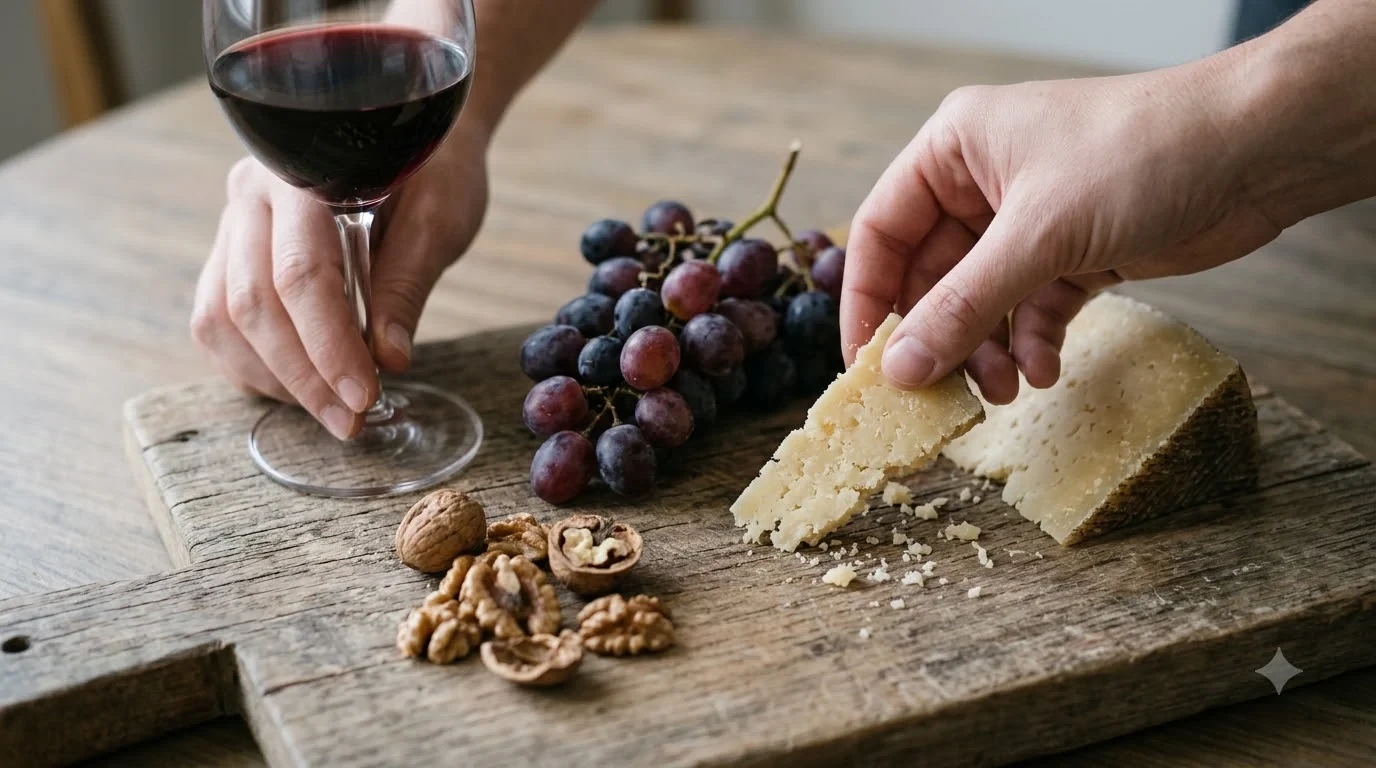
Aged, firm cheeses and cured Tuscan meats make effortless partners for Super Tuscans, especially when you want a low-prep spread that lets a complex bottle take center stage. Avoid soft, high-moisture cheeses like fresh mozzarella or runny brie, which can clash with oak tannins, and reach instead for salty, nutty wheels that have lost moisture over time.
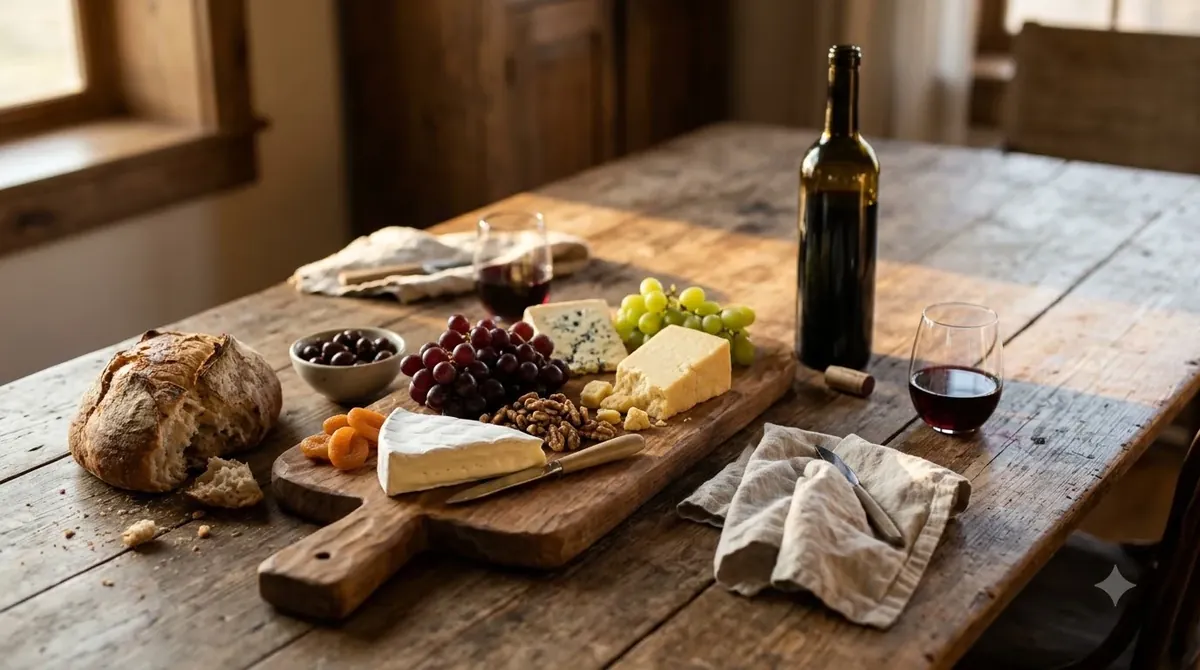
Pecorino Toscano Stagionato—an aged sheep’s milk cheese with a crumbly texture and tangy, nutty finish—is the classic regional choice, alongside 24- to 36-month Parmigiano-Reggiano and aged sharp cheddar. On the charcuterie board, salty prosciutto di Parma, finocchiona (fennel-scented salami), and wild boar salumi balance the wine’s ripe dark fruit with savory fat and spice. According to Wine Enthusiast, sommeliers frequently recommend saving top Super Tuscans for meals built around Florentine steak and deeply aged cheeses so the wine’s layered structure can shine.
| Super Tuscan Style | Dominant Grapes | Ideal Dishes | Why It Works |
|---|---|---|---|
| Sangiovese-Led Blend | Sangiovese with Cabernet Sauvignon or Merlot | Pappardelle with wild boar ragu, eggplant parmesan, roasted pork loin | High natural acidity cuts rich tomato sauces while dark fruit bridges savory herbs |
| Bolgheri / Cabernet-Dominant | Cabernet Sauvignon, Cabernet Franc, Merlot | Bistecca alla fiorentina, dry-aged ribeye, herb-crusted rack of lamb | Grippy tannins bind to marbling and rare beef protein, softening the finish |
| Plush Merlot-Driven | Merlot, Cabernet Sauvignon, Petit Verdot | Braised short ribs, mushroom risotto with truffles, aged Pecorino Toscano | Velvety texture and ripe plum notes complement earthy umami and nutty cheeses |
| Aged Super Tuscan (10+ Years) | Mature Bordeaux or Sangiovese blends | Roast pheasant, veal medallions, pepper-crusted tuna, Parmigiano-Reggiano | Softened tannins and tertiary leather-spice notes match leaner, delicate proteins |
Tip: Match the age of your bottle to the richness of the dish—serve tannic, youthful Super Tuscans with fatty steaks or braised meats, and save older, silkier vintages for leaner roasts like veal, pheasant, or mushroom-focused plates.
How to Serve Super Tuscans for Maximum Flavor
Serving a Super Tuscan slightly below room temperature and giving it proper aeration unlocks its aromatic complexity and keeps alcohol heat from masking subtle fruit and herbal notes. Treating these wines with a little preparation ensures the texture on your palate matches the richness of your food.
Aim for a serving temperature between 60 and 65 degrees Fahrenheit. Because most American dining rooms sit closer to 70 or 72 degrees, placing the bottle in the refrigerator for about 15 to 20 minutes before opening brings it right into the sweet spot. Pour the wine into a large-bowled Bordeaux glass so oxygen can swirl freely across the surface, lifting aromas of black cherry, cedar, tobacco, and Mediterranean scrub.
Decanting is equally important, especially for bottles under eight years old. Pouring a young Super Tuscan into a wide-bottomed decanter one to two hours before dinner softens firm oak and grape tannins while blowing off any initial tightness. For mature bottles aged 10 to 20 years or more, decant gently just 30 minutes prior to serving simply to separate the wine from natural sediment without fading its delicate tertiary bouquet. If you are planning a multi-course dinner and want a contrasting wine for earlier courses, browsing a grenache blanc food pairing guide can help you pick a textured white to precede your red, or you can compare bold Mediterranean reds via carignan food pairing strategies.
Frequently Asked Questions
Can you pair a Super Tuscan with fish or seafood?
Most delicate white fish and shellfish clash with a Super Tuscan’s firm tannins and oak spice, creating a metallic aftertaste. However, an aged, silkier Super Tuscan can work alongside meaty, seared fish such as pepper-crusted ahi tuna or grilled swordfish finished with olive oil and herbs.
What is the difference between pairing Chianti Classico and a Super Tuscan?
Chianti Classico is driven by Sangiovese’s bright sour-cherry acidity and lighter body, making it ideal for classic tomato-based pizzas, antipasti, and lighter pasta dishes. Super Tuscans typically have deeper dark fruit, fuller body, and stronger oak tannins from Cabernet Sauvignon or Merlot, which allow them to handle thick steaks, game, and heavy braises.
Do you need to decant a Super Tuscan before dinner?
Yes, decanting young Super Tuscans for one to two hours allows oxygen to round out assertive tannins and open up layered aromas of dark berries, leather, and dried herbs. Older vintages need only about 30 minutes in a decanter to clear sediment while preserving their nuanced bouquet.
What vegetarian foods go best with Super Tuscan wine?
Earth-driven, savory dishes with plenty of umami and fat are your best vegetarian options. Roasted portobello mushrooms with garlic and truffle oil, baked eggplant parmesan, wild mushroom risotto, and aged hard cheeses like Parmigiano-Reggiano all match the wine’s structure without meat.
Whether you uncork a Sangiovese-led blend for a simmering pot of ragu or decant a coastal Bolgheri bottle for oak-grilled steaks, a thoughtful super tuscan food pairing turns dinner into a memorable occasion. Keep the focus on rich proteins, savory umami, and proper serving temperature, and explore more styles across our Wine by Type hub as you plan your next meal.
More in Wine Types & Grapes
 Zinfandel Sugar Content: Dry Red vs. White Zinfandel GramsUpdated Nov 21, 2026
 Best Zinfandel Substitute Options for Sipping and CookingUpdated Nov 21, 2026
 Zweigelt Food Pairing: Best Dishes, Cheeses, and Serving TipsUpdated Nov 21, 2026
 Zinfandel Tannins Explained: How Structure Shapes Every BottleUpdated Nov 21, 2026
 Zinfandel Sweetness Level: Dry Red vs. Sweet White Zin ExplainedUpdated Nov 21, 2026
 Xinomavro Food Pairing: Best Dishes, Styles, and Serving TipsUpdated Nov 21, 2026