

We may earn a commission when you buy through links on this page, at no extra cost to you. Learn more.
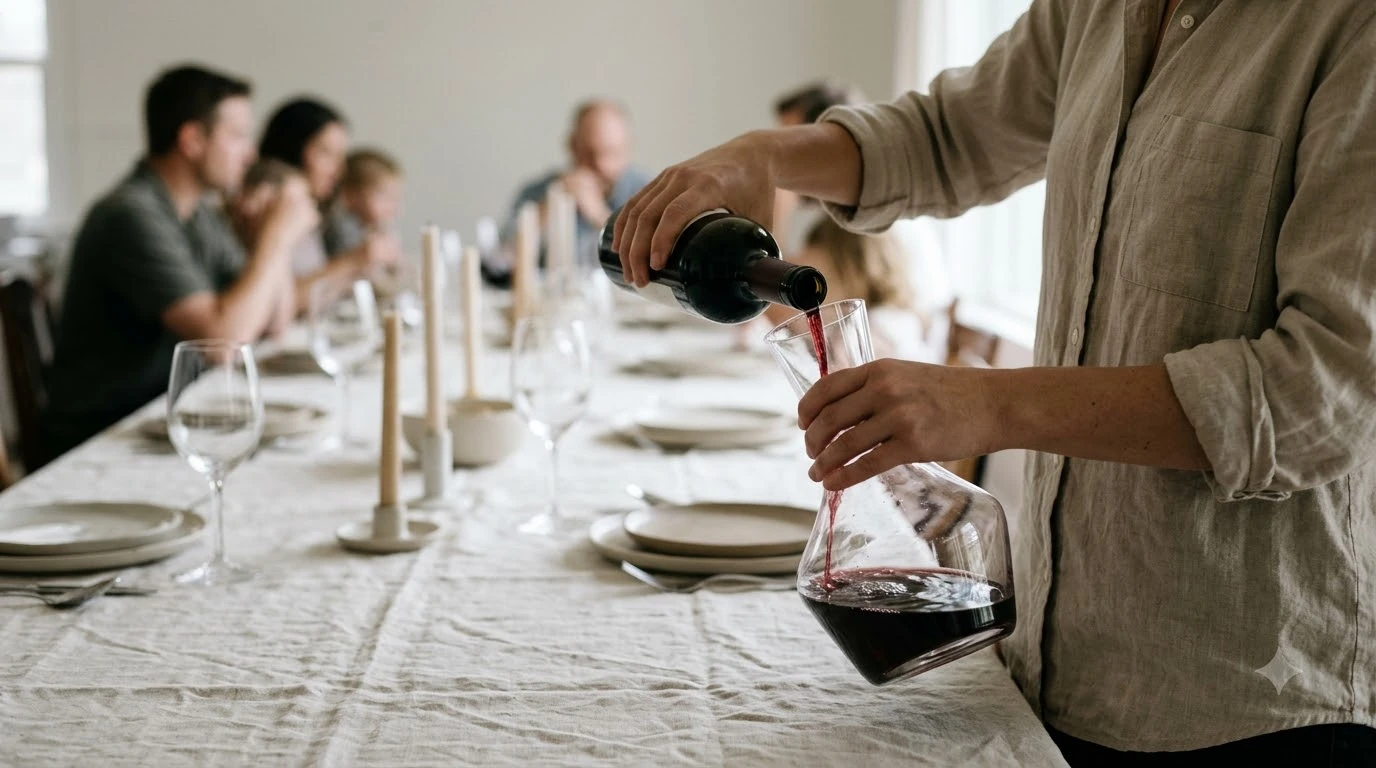
What wine goes with falafel? Sauvignon Blanc is one of the best choices because its refreshing acidity and herbal flavors complement the chickpeas, parsley, cilantro, garlic, and spices in traditional falafel. Dry rosé is another excellent option, particularly for falafel sandwiches with creamy tahini and fresh vegetables. For a crispier, richer preparation, sparkling wines such as Cava and Prosecco provide refreshing acidity and bubbles that work beautifully with fried food.
Falafel brings together several flavors and textures that make wine pairing particularly interesting. The chickpeas contribute an earthy, nutty foundation, fresh herbs provide aromatic character, and cumin, coriander, and garlic add savory complexity. Frying creates a crisp exterior, while accompaniments such as tahini, lemon, pickled vegetables, and hot sauce introduce additional richness, acidity, and spice. The best wine depends on the complete dish rather than the chickpea fritter alone. Fortunately, several accessible white, rosé, and sparkling wines make excellent companions.
Best Wines to Serve With Falafel
Sauvignon Blanc, dry rosé, and sparkling wine are three particularly dependable choices for traditional falafel. They offer enough freshness to complement fried chickpeas and enough aromatic character to work with parsley, cilantro, cumin, and garlic.
Sauvignon Blanc is an excellent starting point. Its pronounced acidity and herbal flavors make it a natural match for green herbs and fresh vegetables. Bottles from Marlborough in New Zealand often feature citrus, gooseberry, and fresh herb characteristics, while Sauvignon Blanc from France’s Loire Valley can offer a more restrained combination of citrus, mineral, and grassy notes. Both styles work well with falafel served with lemon, cucumber, parsley, and tomato.
Dry rosé offers a slightly different approach. It combines refreshing acidity with red-fruit flavors, making it versatile enough for both the earthy chickpea filling and the richness of tahini. A Provence-style rosé is a particularly useful option because its restrained fruit, crisp finish, and dry character complement a range of Mediterranean ingredients. Grenache-based rosé can provide somewhat more generous strawberry and watermelon flavors.
Sparkling wine deserves a place among the best pairings, especially when falafel is freshly fried. The combination of bubbles and acidity provides a refreshing contrast to the oil and crisp coating. Brut Cava from Spain and Brut Prosecco from Italy are accessible choices. Champagne is another possibility when a more traditional-method sparkling wine is desired.
Wine Folly also recommends Grenache Blanc and Viognier alongside Sauvignon Blanc for falafel. These alternatives are particularly useful when the dish includes a generous portion of creamy tahini. Grenache Blanc generally offers a fuller texture, while Viognier contributes aromatic stone-fruit character. Both can complement the richness of sesame without requiring a heavily oaked wine. Its guide to wine and Middle Eastern food pairings also explains why acidity and herbal flavors are useful with garlic, parsley, and other common ingredients.
The following comparison provides a practical starting point for choosing a bottle.
| Wine style | Typical characteristics | Best falafel preparation | Serving temperature |
|---|---|---|---|
| Sauvignon Blanc | High acidity, citrus, herbs | Classic falafel with parsley and lemon | 45–50°F |
| Dry Provence rosé | Fresh red fruit, crisp acidity | Falafel sandwiches and mixed platters | 45–50°F |
| Brut Cava | Dry, refreshing, lively bubbles | Deep-fried falafel with tahini | 40–50°F |
| Grüner Veltliner | High acidity, citrus, white pepper | Falafel with cucumber and fresh herbs | 45–50°F |
| Grenache Blanc | Medium body, citrus, ripe fruit | Falafel with creamy tahini | 45–50°F |
| Viognier | Aromatic, peach, apricot | Falafel with rich sesame sauce | 50–55°F |
| Light Pinot Noir | Low-to-medium tannin, red fruit | Falafel with roasted vegetables | 55–60°F |
These temperatures are practical serving targets rather than strict requirements. The lighter whites and rosé benefit from being chilled, while a light red such as Pinot Noir is more expressive when served slightly cool rather than refrigerator-cold. For a mixed platter containing several sauces and vegetables, dry rosé or Sauvignon Blanc is usually the most flexible choice.
Why Acidity and Herbal Flavors Matter
Acidity is one of the most important qualities in a wine served with falafel. It refreshes the palate after fried food, balances rich sauces, and helps the wine remain lively alongside lemon and pickled vegetables.
Traditional falafel is not simply a plain chickpea preparation. Recipes commonly combine chickpeas or fava beans with parsley, coriander, onion, garlic, cumin, and other seasonings. The mixture is shaped into small balls or patties and fried until golden. The result combines earthy flavors with fresh herbal aromas and a rich, crisp exterior.
This combination explains the appeal of Sauvignon Blanc. The grape naturally produces wines with pronounced acidity and recognizable herbal and citrus characteristics. Those qualities complement parsley and coriander without making the chickpeas taste heavier. The acidity also provides contrast to the oil left behind by frying.
Grüner Veltliner is another strong candidate. Austrian examples frequently display green apple, citrus, white pepper, and subtle herbal notes. White pepper is especially useful with falafel because it connects naturally with cumin, coriander, and other savory seasonings. The grape’s freshness also works with cucumber, lettuce, and lemon.
Albariño offers another alternative. This Spanish white grape is associated with lively acidity, citrus, and stone-fruit flavors. Its refreshing profile makes it suitable for falafel with chopped tomato, cucumber, fresh parsley, and lemon dressing. It can also work well with a plate that includes hummus and other vegetable-based dips.
Acidity becomes even more important when the meal includes acidic ingredients. Lemon juice, pickled turnips, pickled cucumbers, and vinegar-based salads can make a low-acid wine seem flat. A wine with equal or greater acidity than the food generally maintains better balance.
The same principle applies to other meals. For example, readers exploring Wine Pairing can apply the same acidity-matching approach to salads, tomato-based dishes, and other foods with pronounced citrus or vinegar flavors.
Herbal character is helpful, but excessive intensity is unnecessary. A highly aromatic white can complement the spices, yet the wine should not overpower the chickpeas. A fresh, moderately flavored Sauvignon Blanc or Grüner Veltliner generally offers a better balance than a very heavy, highly alcoholic white.
Choosing Wine for Tahini, Lemon, and Garlic Sauce
Tahini changes the pairing because its creamy, nutty sesame flavor adds richness to an otherwise earthy and herbaceous dish. Wines with fresh acidity and moderate body are particularly effective, while aromatic whites can provide additional flavor without overwhelming the sauce.
Classic tahini sauce is generally made with sesame paste, lemon juice, garlic, water, and salt. Its texture can be thick and creamy, and its nutty flavor remains noticeable even when the sauce is diluted. A wine that is too delicate may disappear beside a generous serving, while a heavily oaked wine can make the combination feel excessively rich.
Grenache Blanc is a useful choice for this preparation. Depending on the region and winemaking approach, it can offer citrus, pear, melon, and a fuller texture than many lighter white wines. That additional weight helps it stand alongside creamy sesame sauce while retaining enough freshness for the fried chickpeas.
Viognier is another possibility. Its aromatic profile often includes peach, apricot, and floral notes. These characteristics provide a pleasant contrast to sesame and garlic. A dry example is preferable because a strongly sweet wine can seem disconnected from the savory character of the meal.
For a more restrained option, try a dry Chenin Blanc. Loire Valley Chenin Blanc can offer apple, quince, citrus, and firm acidity, depending on the appellation and style. It provides enough texture for tahini while retaining freshness alongside lemon and vegetables.
Matching the other sauces
Garlic sauce calls for wines with freshness rather than excessive oak or alcohol. Sauvignon Blanc and Albariño are useful because their acidity and aromatic qualities complement raw garlic and fresh vegetables.
Yogurt-based sauces introduce another element. Their creamy texture and gentle tang generally work well with dry rosé, Grüner Veltliner, and fresh Sauvignon Blanc. A dry rosé is especially convenient when the plate includes both tahini and yogurt sauces because its fruit provides flexibility across different flavors.
Lemon dressing and pickled vegetables require particular attention. They can make a soft, low-acid wine taste dull. Choose a crisp white or sparkling wine that maintains its freshness alongside these sharper ingredients.
For readers comparing other rich, savory dishes, the principles are also useful when selecting wine with eggplant parmesan, where tomato acidity, cheese, and the texture of fried eggplant influence the final pairing.
Tip: If the falafel is served with a large portion of tahini, choose a medium-bodied white such as Grenache Blanc or dry Chenin Blanc. If lemon, pickles, and fresh herbs dominate the plate, choose a higher-acid Sauvignon Blanc or Albariño instead.
Pairing Wine With Spicy and Different Falafel Styles
Spicy falafel needs a different approach from a mild, herb-heavy preparation. When chili sauce or harissa becomes prominent, lower-alcohol wines with little tannin and refreshing fruit generally work better than powerful reds.
Traditional falafel seasoning can include cumin, coriander, black pepper, and aromatic spices without producing substantial chili heat. However, modern preparations frequently include cayenne, chili flakes, harissa, or hot green sauce. These additions change the balance of the meal.
Alcohol can make chili heat feel more intense, while tannin can increase the perception of dryness and bitterness. This is why a full-bodied Cabernet Sauvignon or heavily structured Syrah is usually an unsuitable choice for particularly spicy falafel.
An off-dry Riesling is a useful alternative when the dish has noticeable chili heat. Its high acidity preserves freshness, while a small amount of residual sugar provides contrast to the spice. The wine’s aromatic citrus and stone-fruit character can also complement cumin and coriander.
Gewürztraminer is another option for aromatic, moderately spicy preparations. Its pronounced floral, lychee, and tropical-fruit characteristics can complement warm spices. A dry or slightly off-dry version works depending on the heat level and the amount of sweetness in accompanying sauces.
Different serving styles
Falafel sandwiches: A sandwich usually combines falafel with pita, lettuce, tomato, cucumber, pickles, and tahini. Dry rosé is an excellent all-around match because it has enough fruit to complement the fried chickpeas and enough acidity for the vegetables. Sauvignon Blanc is particularly good when lemon and fresh herbs dominate.
Falafel bowls: Grain bowls can contain rice, quinoa, hummus, chopped vegetables, roasted peppers, and several sauces. Grüner Veltliner or Albariño provides freshness without dominating the other ingredients. A dry rosé is also useful when the bowl includes both roasted vegetables and fresh salad.
Falafel wraps with hot sauce: When harissa or chili sauce is prominent, choose an off-dry Riesling or a lower-alcohol dry rosé. Avoid high-alcohol wines and strongly tannic reds, which can make the chili feel more aggressive.
Baked falafel: Baking produces a different texture from deep-frying, often with less surface oil and a somewhat drier crust. Sauvignon Blanc and Grüner Veltliner remain good options, while a light-bodied rosé can complement roasted vegetables and herbs.
Falafel with hummus: Hummus adds chickpea richness, sesame, lemon, and garlic. A fresh Albariño, Assyrtiko, or dry rosé can accommodate these flavors. Wine Folly also identifies aromatic whites as useful matches for the tahini and garlic components found in Middle Eastern dishes.
For particularly spicy plates, serve the wine slightly cooler within its appropriate temperature range. This helps preserve its refreshing character and makes it easier to enjoy alongside the heat.
Can Red Wine and Sparkling Wine Work With Falafel?
Red wine can accompany falafel, but lighter-bodied examples with low or moderate tannin are preferable. Sparkling wine is generally more versatile because its acidity and carbonation complement the fried texture and salty accompaniments.
Traditional falafel does not have the same protein and fat structure as a grilled steak or roast beef. Consequently, a strongly tannic red can seem harsh beside chickpeas, herbs, and lemon. Cabernet Sauvignon and powerful Syrah are generally less suitable than wines with softer structure.
Pinot Noir is one of the better red choices. Its low-to-medium tannin, relatively high acidity, and red-fruit character make it more adaptable to vegetable-based meals. A lightly chilled Pinot Noir from Oregon or Burgundy can complement falafel with roasted peppers, mushrooms, and smoky eggplant.
Barbera is another option. Its naturally high acidity and fruit-forward character make it useful with savory seasonings and tomato-based accompaniments. A relatively fresh Italian Barbera can work when the falafel is part of a larger meal containing roasted vegetables and richer dips.
Young, fruit-forward Grenache can also work, especially when the falafel is served with grilled vegetables rather than sharp pickles and large quantities of lemon. Choose a softer style without pronounced oak or excessive alcohol.
Why sparkling wine is particularly successful
Fried falafel has a crisp exterior that contrasts with its soft interior. The oil used in frying adds richness, while salt and spices make each bite flavorful. Sparkling wine provides both acidity and carbonation, creating a refreshing contrast between bites.
Brut Cava is a strong choice. Traditional-method production gives it fine bubbles and a dry profile that works with the crisp coating. Its refreshing acidity is particularly useful when the plate includes tahini, hummus, and pickled vegetables.
Prosecco is another approachable option. It is made primarily from the Glera grape and generally uses the tank method for its secondary fermentation. Its fresh fruit characteristics and lively bubbles make it a pleasant match for falafel sandwiches and casual meals. Prosecco commonly has an alcohol level around 11–12% ABV.
Champagne can also pair successfully with falafel. Its bottle-fermented production and acidity provide a refreshing counterpoint to fried chickpeas. A Brut style is particularly versatile for savory food.
Pay attention to the sweetness classification when choosing sparkling wine. The typical order from driest to sweetest is Brut Nature, Extra Brut, Brut, Extra Dry, Dry, Demi-Sec, and Doux. Brut is usually the most dependable choice for traditional savory falafel. Extra Dry Prosecco is slightly sweeter than Brut, so it can work with a mildly spicy preparation, but it is not necessary for a standard falafel plate.
For a broader dinner that includes several dishes, consider how other foods influence the selection. A stronger red might be suitable for a separate beef course, such as one covered in our guide to what wine goes with beef brisket, but that does not mean it will be equally successful with fried chickpeas and lemon-based sauces.
Serving Temperatures and Practical Pairing Tips
Serving temperature can make a noticeable difference to a falafel and wine pairing. Light whites, dry rosé, and sparkling wines should be chilled, while fuller-bodied whites and light reds benefit from slightly warmer temperatures.
For Sauvignon Blanc, Albariño, Grüner Veltliner, and most dry rosé, aim for 45–50°F. This range preserves freshness and keeps the wines refreshing alongside fried food. Sparkling wine is generally best served between 40–50°F, depending on the style and personal preference.
Fuller white wines such as Viognier and some Grenache Blanc benefit from a slightly warmer serving temperature of 50–55°F. This allows their aromatic characteristics and fuller textures to show without losing their freshness.
Light reds such as Pinot Noir are best served around 55–60°F. Chilling them briefly can make them more refreshing alongside vegetables and fried foods. Avoid serving them too cold, as very low temperatures can mute their aromas.
Planning a falafel and wine meal
For a simple dinner, begin with a dry rosé or Sauvignon Blanc and build the meal around complementary ingredients. Serve freshly fried falafel with pita, chopped cucumber, tomato, parsley, hummus, and tahini. Add lemon wedges and pickled vegetables for freshness.
If the meal includes several dips, consider choosing a wine that can accommodate the entire spread rather than trying to find an individual match for every bowl. Dry rosé is particularly useful for this purpose because it combines fruit, acidity, and moderate body.
For a sparkling wine dinner, Brut Cava provides a useful alternative. Its acidity and bubbles are especially appealing with fried appetizers. Serve it in regular wine glasses if you want to appreciate more of its aromas rather than focusing exclusively on the bubbles.
Portion size is another practical consideration. A standard wine pour is approximately 5 ounces, and a 750 ml bottle provides about five standard glasses. For a meal serving four people, one bottle therefore provides a modest amount per person, while two bottles allow more flexibility for a longer dinner.
When opening several wines, begin with sparkling wine, followed by lighter whites, fuller whites, rosé, and finally light reds. This order helps preserve the freshness of the more delicate wines before moving to styles with greater body and intensity.
Opened still wines generally keep for approximately 3–5 days in the refrigerator when properly resealed. Sparkling wine is usually best enjoyed within 1–3 days after opening, using a suitable sparkling-wine stopper. Keeping the remaining wine cold helps preserve its freshness between servings.
Ultimately, the most useful strategy is to consider the strongest flavors on the plate. Lemon and pickles point toward high acidity, tahini calls for freshness with some body, and chili suggests lower alcohol and softer structure. Matching these characteristics is more reliable than choosing a wine simply because it is traditionally associated with Mediterranean cuisine.
Frequently Asked Questions
Does falafel traditionally contain chickpeas or fava beans?
Both ingredients are used, and some recipes combine them. Chickpea-based falafel is particularly familiar in many international restaurants, while fava bean preparations are traditional in parts of Egypt. The legume used influences the final flavor, with fava bean versions often having a distinctive earthy character.
Is falafel traditionally served hot or cold?
Falafel is generally served hot or warm shortly after frying. Its crisp exterior is most enjoyable when freshly prepared, although it can also be eaten at room temperature in sandwiches and salads. Cold falafel is often less crisp because the fried coating absorbs moisture as it rests.
Can orange wine pair with falafel?
Yes, particularly a fresh, dry skin-contact white with restrained tannin. Georgian Rkatsiteli and other lightly macerated white wines can complement cumin, sesame, and roasted chickpea flavors. Avoid heavily tannic examples when the plate contains substantial lemon juice and sharp pickles.
Is Greek Assyrtiko suitable for a falafel platter?
Assyrtiko is a strong option because it is known for pronounced acidity and citrus-driven flavors. Wines from Santorini can also show mineral characteristics and a distinctive saline impression. These qualities work particularly well with lemon, olives, cucumber, and sesame-based sauces.
Does falafel pair better with wine from a particular country?
There is no single country that produces the only suitable wine for falafel. Greek Assyrtiko, Austrian Grüner Veltliner, Spanish Albariño, French rosé, and New Zealand Sauvignon Blanc all offer useful pairing characteristics. Choosing according to acidity, body, aromatic intensity, and the accompanying sauces is more important than selecting a wine from a particular national tradition.
For most falafel meals, Sauvignon Blanc, dry rosé, and Brut Cava are the most dependable choices. Adjust the bottle to the accompaniments: choose a fuller white for creamy tahini, an aromatic Riesling for chili heat, and a light Pinot Noir for roasted vegetables. With the right balance of freshness, fruit, and acidity, falafel makes an excellent centerpiece for a relaxed wine-friendly meal.
More in Food & Wine Pairing
 Risotto With White Wine Recipe: Make a Creamy Dinner at HomeUpdated Nov 20, 2026
 Wassail With Wine Recipe for a Festive Spiced Holiday DrinkUpdated Nov 20, 2026
 Spritz Veneziano Recipe: Make a Classic Venetian Aperitivo at HomeUpdated Nov 20, 2026
 Summer Wine Punch Recipe for Easy Homemade EntertainingUpdated Nov 20, 2026
 Bishop Recipe: How to Make a Bright, Citrus-Forward Red Wine CocktailUpdated Nov 20, 2026
 Wine Cupcakes Recipe: Bake Rich Chocolate Cupcakes at HomeUpdated Nov 20, 2026