


We may earn a commission when you buy through links on this page, at no extra cost to you. Learn more.
Strawberry wine food pairing works best when you match the bottle’s sweetness and crisp berry acidity against salty cheeses, lightly spiced dishes, and fruit-forward desserts. Because commercial strawberry wines range from bone-dry sparkling styles to lush, sweet table bottles around 8.5 to 13 percent ABV, pairing relies on balancing residual sugar with salt, fat, or gentle heat. Chilling the bottle to roughly 43 to 50 degrees Fahrenheit keeps its bright aromatics lively on the palate.
Long dismissed as overly syrupy novelty pours, fruit wines have entered a far more thoughtful era. As VinePair notes in its coverage of modern fruit winemakers, craft producers are fermenting local berries with serious cellar techniques to build dry, structured, and complex bottles alongside traditional off-dry favorites. Understanding where your specific bottle falls on the sweetness spectrum unlocks dozens of rewarding dinner and dessert combinations.
What Is Strawberry Wine?
Strawberry wine is a fermented beverage made entirely or primarily from crushed strawberries rather than traditional wine grapes. Winemakers extract juice from ripe berries, adjust sugar and acidity levels to support healthy yeast activity, and ferment the must into a light-bodied, aromatic wine.
Unlike grape-based rosé, which merely smells like red berries while retaining grape tannins and tartaric acid, true strawberry wine gets its color, malic and citric acids, and jammy aromatics directly from the fruit itself. Because whole strawberries naturally contain lower sugar concentrations than ripe wine grapes, producers typically add cane sugar or honey before fermentation to reach standard table wine strength, usually landing between 8.5 percent and 13 percent ABV depending on the house style.
Some regional wineries also blend fermented strawberry juice with neutral white grapes or apples to round out the mid-palate, while purist craft estates bottle 100 percent varietal berry harvests. Regardless of the exact cellar recipe, the finished pour carries an unmistakable nose of fresh-picked summer fruit, wild blossoms, and subtle green-leaf freshness.
Flavor Profile and Styles of Strawberry Wine
Strawberry wine spans three primary styles—dry, off-dry, and sweet dessert—each bringing distinct acidity, residual sugar, and carbonation levels to the table. Identifying which style sits in your glass is the single most important step before planning a meal.
Dry and sparkling strawberry wines represent the fastest-growing segment among artisanal producers in North America. Fermented until little or no residual sugar remains, these bottles trade candy-like sweetness for brisk, mouthwatering acidity, delicate herbal notes, and a clean mineral finish. When bottled with gentle carbonation or made via sparkling methods, they behave much like a dry Crémant or pet-nat rosé.
Off-dry or semi-sweet expressions remain the classic style found at farm wineries across the Midwest, Southeast, and New England. These wines balance a plush wave of ripe berry sweetness with enough natural tartness to keep the palate refreshed. At the far end of the spectrum sit sweet dessert strawberry wines, which boast rich, pastry-like aromas of strawberry compote, vanilla, and candied fruit, often bottled slightly lower in alcohol or fortified for extra viscosity.
How to Serve Strawberry Wine for Optimal Flavor
Serve strawberry wine well-chilled between 43 and 50 degrees Fahrenheit (6 to 10 degrees Celsius) in a standard white wine glass to preserve its delicate fruit aromatics and crisp acidity. Serving it too warm makes sweet bottles taste heavy and cloying, while freezing temperatures mute the subtle floral notes.
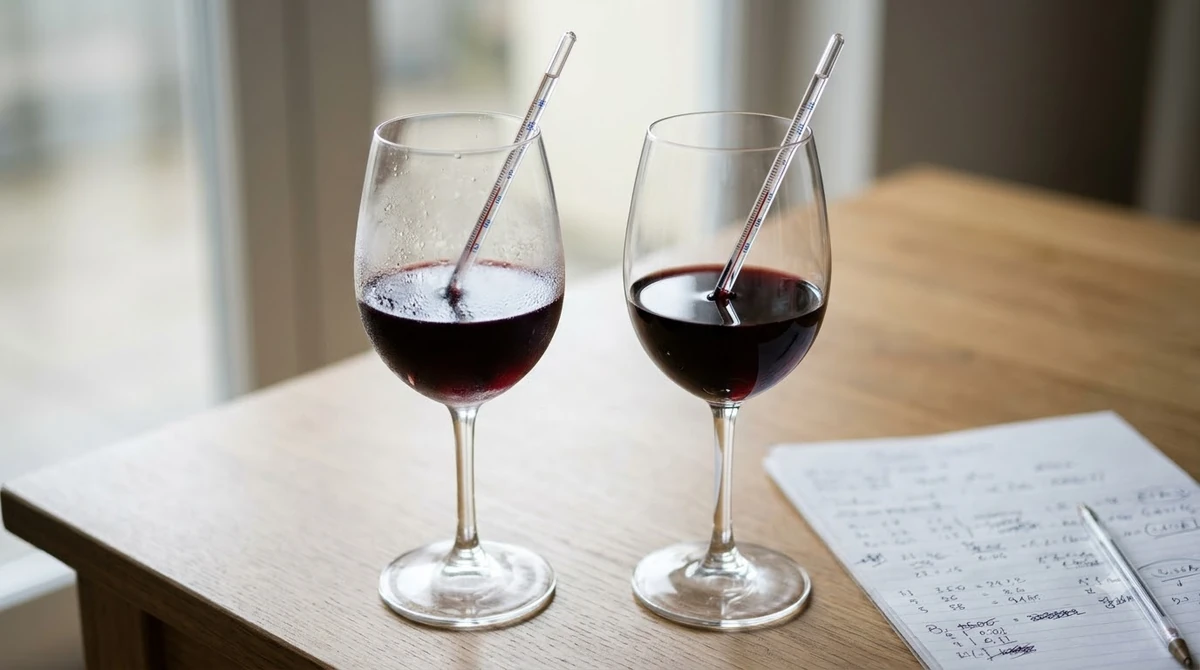
About thirty to forty-five minutes in a standard household refrigerator brings a room-temperature bottle right into the ideal serving zone. If you are pouring a sparkling or dry craft strawberry wine, aim for the colder end of that range, closer to 43 to 45 degrees Fahrenheit, so the bubbles stay tight and refreshing. Semi-sweet and dessert styles open up nicely closer to 48 to 50 degrees Fahrenheit.
Choose a medium-sized tulip-shaped white wine glass rather than a wide bowl or tiny cordial glass. The narrower rim concentrates fragile berry esters toward the nose while directing the wine toward the center of the tongue, where acidity and sweetness register in harmony. If you explore other aromatic bottles across our Wine by Type guide, you will notice this same glass shape works wonders for aromatic whites and rosés alike.
Tip: Taste your bottle before finalizing dinner—if the wine tastes noticeably sweet on its own, add a pinch of flaky sea salt or a squeeze of fresh lemon to your dish to keep the pairing from feeling heavy.
Best Strawberry Wine Food Pairing Ideas by Style
Successful strawberry wine food pairing hinges on two classic culinary rules: contrasting sweetness with salty, savory ingredients, or matching sweet wines with desserts of equal or slightly lower sweetness. Below is a quick reference table matching each style of strawberry wine with its strongest food partners.
| Strawberry Wine Style | Sweetness & Body | Best Savory Pairings | Best Cheese & Dessert Pairings |
|---|---|---|---|
| Dry & Sparkling | Bone-dry, crisp, light-bodied | Prosciutto-wrapped melon, grilled shrimp, summer salads with vinaigrette | Fresh chèvre, burrata, strawberry shortcake with unsweetened cream |
| Off-Dry / Semi-Sweet | Lightly sweet, medium acidity, juicy | Teriyaki chicken, pork tenderloin with fruit glaze, spicy Thai noodles | Aged Gouda, Brie, honey-drizzled ricotta crostini |
| Sweet / Dessert | Lush, rich, jammy finish | Salty charcuterie boards, spicy blue-cheese burgers, pâté | Dark chocolate brownies, vanilla panna cotta, almond tart |
With dry and sparkling bottles, lean into bright, fresh daytime fare. A spinach and arugula salad tossed with toasted pecans, feta cheese, and a light balsamic vinaigrette echoes the berry notes in the glass without overwhelming the wine’s delicate frame. Grilled chicken breasts or cedar-plank salmon brushed with herbs also pair cleanly, much like the lighter red-fruit matches you might explore in a blaufrankisch food pairing.
Off-dry strawberry wines shine alongside dishes featuring sweet-and-savory glazes or moderate chili heat. Because residual sugar tames capsaicin burn on the palate, a chilled semi-sweet strawberry wine cools down spicy Thai basil chicken, sweet-chili glazed pork chops, or barbecue pulled pork sandwiches. As Wine Enthusiast’s guide to pairing wine with berries highlights, pairing fruity, gently sweet wines with salty cheeses or spicy Latin fare keeps rich fruit flavors from veering into syrupy territory.
When pouring a rich, sweet strawberry wine, build a board centered on contrast. Creamy Brie, tangy goat cheese, or sharp blue cheese provides a salty, savory anchor that cuts right through the wine’s jammy sweetness. For dessert, avoid frosting or caramel sauces that are sweeter than the wine itself; instead, opt for bitter dark chocolate truffles, plain pound cake with whipped cream, or an almond frangipane tart.
Foods to Avoid with Strawberry Wine
Avoid pairing strawberry wine with overly sugary desserts, heavily tannic red meats, and raw cruciferous vegetables, as these combinations clash with the wine’s delicate fruit profile and absence of grape tannins. Even the best bottle will taste flat or metallic next to the wrong plate.
The most common mistake is serving a semi-sweet strawberry wine alongside heavily frosted birthday cake, milk chocolate, or syrupy fruit pies. When a dessert contains more sugar than the wine, the dish strips the wine of its fruit character and leaves behind a thin, sour finish. Always ensure the wine is at least a touch sweeter than whatever dessert sits on the fork.
Heavy, charred steaks and rich braised beef dishes also overwhelm strawberry wine. Without the structural tannins found in grape reds—such as those featured in a carignan food pairing—strawberry wine cannot cut through thick beef fat, leaving the palate feeling coated. Similarly, raw broccoli, asparagus, and artichokes contain sulfur and cynarin compounds that make fruity berry wines taste unpleasantly bitter.
How to Choose a Quality Bottle for Dinner
Look for bottles made from 100 percent real fruit juice without artificial flavorings, and check the back label for ABV and sweetness indicators to match your menu. A thoughtful producer will clearly state whether the wine is dry, semi-sweet, or sweet.
Start by examining the ingredient list and winery notes. Reputable regional wineries list the specific strawberry harvest or farm source and ferment real crushed berries rather than blending neutral grape alcohol with synthetic strawberry syrups. Checking the alcohol percentage also gives a helpful clue: dry table versions frequently sit around 11 to 13 percent ABV, while lighter, sweeter patio styles often hover closer to 8.5 to 10 percent ABV because fermentation was stopped early to retain natural fruit sugar.
If you enjoy dry, aromatic styles that bridge the gap between fruit wines and crisp white wines, you may also appreciate dry Mediterranean whites—explore our grenache blanc food pairing guide for more ideas on matching textured, fruit-driven bottles with everyday meals.
Frequently Asked Questions
Should strawberry wine be served chilled or at room temperature?
Strawberry wine should always be served chilled between 43 and 50 degrees Fahrenheit (6 to 10 degrees Celsius). Chilling sharpens the wine’s natural berry acidity and keeps sweeter styles from tasting syrupy or flat on the palate.
Does strawberry wine pair well with savory dinner dishes?
Yes, both dry and off-dry strawberry wines pair wonderfully with savory foods when balanced properly. Dry bottles complement roast chicken, grilled shrimp, and herb salads, while semi-sweet bottles excel alongside teriyaki glazes, pork tenderloin, and mildly spicy Asian or Latin dishes.
What cheese goes best with sweet strawberry wine?
Salty, creamy cheeses such as triple-cream Brie, fresh goat cheese, feta, and sharp blue cheese create the strongest match with sweet strawberry wine. The salt and rich dairy fat balance the wine’s residual sugar while highlighting its fresh berry aromas.
Why does strawberry wine sometimes taste sour next to dessert?
If a dessert is sweeter than the wine, the sugar on your palate dulls your perception of fruit and amplifies the wine’s acidity, making it taste thin or sour. Pair sweet strawberry wine with moderately sweet treats like dark chocolate, almond cake, or whipped cream rather than sugary frostings.
Whether you uncork a crisp, sparkling craft bottle for a summer picnic or pour a chilled semi-sweet glass alongside spicy takeout, strawberry wine rewards simple, flavor-balanced cooking. Keep the bottle well chilled, lean on salty cheeses or gentle spice to counter residual sugar, and let the bright berry character shine at the table.
More in Wine Types & Grapes
 Zinfandel Sugar Content: Dry Red vs. White Zinfandel GramsUpdated Nov 21, 2026
 Best Zinfandel Substitute Options for Sipping and CookingUpdated Nov 21, 2026
 Zweigelt Food Pairing: Best Dishes, Cheeses, and Serving TipsUpdated Nov 21, 2026
 Zinfandel Tannins Explained: How Structure Shapes Every BottleUpdated Nov 21, 2026
 Zinfandel Sweetness Level: Dry Red vs. Sweet White Zin ExplainedUpdated Nov 21, 2026
 Xinomavro Food Pairing: Best Dishes, Styles, and Serving TipsUpdated Nov 21, 2026