

We may earn a commission when you buy through links on this page, at no extra cost to you. Learn more.
What wine goes with crawfish? Sauvignon Blanc, dry rosé, and Riesling are three of the best choices, offering refreshing acidity and fruit that complement sweet crawfish meat, buttery sauces, and Cajun seasoning. For a particularly spicy crawfish boil, choose an off-dry Riesling or sparkling rosé to help balance the heat. For creamy crawfish étouffée, consider Chardonnay or Chenin Blanc with enough acidity to refresh the palate. The best bottle depends on how the crawfish is prepared, how much spice is involved, and whether the meal emphasizes butter, garlic, or seafood sweetness.
Crawfish is a Louisiana favorite with a distinctive combination of delicate shellfish flavor, savory seasoning, and rich cooking ingredients. A traditional crawfish boil can include cayenne pepper, paprika, garlic, lemon, corn, potatoes, and smoked sausage. Other preparations, including étouffée, fried crawfish tails, and crawfish pasta, introduce cream, butter, breading, and additional layers of flavor. These differences matter because a wine that works beautifully with a lightly seasoned crawfish tail might struggle alongside a heavily spiced boil. Understanding acidity, sweetness, body, and serving temperature makes it easier to select a bottle that complements the entire meal.
Why Acidity and Freshness Matter With Crawfish
The best crawfish pairings generally combine lively acidity, fresh fruit, and moderate alcohol. These characteristics refresh the palate between bites without overpowering the shellfish’s naturally delicate sweetness.
Crawfish has a mild, slightly sweet flavor that resembles shrimp and lobster. Its meat is relatively delicate, so heavily oaked whites and powerful reds can distract from its natural character. A crisp Sauvignon Blanc, dry Riesling, or Albariño offers a more balanced starting point. These wines bring citrus, orchard fruit, and freshness that complement seafood without making the pairing feel heavy.
Seasoning changes the equation. Louisiana crawfish boils frequently include cayenne, black pepper, garlic, lemon, and concentrated seafood seasoning. Salt and spice can make a wine taste different from how it tastes on its own. High acidity helps refresh the palate, while moderate fruitiness provides a pleasant contrast to savory ingredients. If the seasoning contains substantial chili heat, a small amount of residual sugar can make the pairing more comfortable.
Butter is another important consideration. Crawfish is frequently served with melted butter, garlic butter, or rich dipping sauces. These ingredients add weight and fat, making refreshing wines particularly useful. Sauvignon Blanc and sparkling wine provide a crisp contrast, while a fuller Chardonnay can complement the richness when the preparation is creamy rather than heavily spiced.
The distinction between seafood flavor and seasoning is central to successful pairing. A mild crawfish preparation benefits from a dry, mineral-driven wine. A strongly seasoned boil may need more fruit and a little sweetness. A rich sauce generally calls for additional wine body, provided the wine retains enough acidity.
Tip: Match the wine to the strongest ingredient in the dish, not just the crawfish. For a spicy boil, prioritize fruit and refreshing acidity. For buttery étouffée, look for a fuller white with balanced acidity.
Sauvignon Blanc, Riesling, and Other White Wines
White wine is usually the most dependable category for crawfish. Sauvignon Blanc works particularly well with lemon, garlic, and herbs, while Riesling offers greater flexibility when chili heat becomes the dominant flavor.
Sauvignon Blanc is an excellent all-purpose choice for crawfish boils. Its naturally high acidity and citrus-driven profile complement lemon, garlic, parsley, and the mild sweetness of shellfish. New Zealand Sauvignon Blanc often has pronounced grapefruit and tropical-fruit notes, while French examples from the Loire Valley can emphasize citrus, herbs, and mineral character. Both styles can work, although a particularly aggressive grassy profile may compete with delicate seafood.
Riesling is especially useful when crawfish seasoning contains generous amounts of cayenne or hot pepper. Dry Riesling offers high acidity and refreshing citrus flavors, while off-dry Riesling introduces a little residual sweetness. That sweetness can help moderate the perception of chili heat without making the seafood taste sugary. German Riesling from Mosel is a useful place to explore, particularly when the dish is strongly seasoned.
Albariño provides another appealing option. This Spanish white grape, particularly associated with Galicia, produces wines with fresh acidity, citrus, and stone-fruit characteristics. Its lively structure suits shellfish, lemon, and salty seafood seasoning. It is particularly attractive for simply prepared crawfish, garlic-forward dishes, and seafood platters where the natural flavor of the meat remains prominent.
Pinot Grigio is a straightforward alternative for people who prefer a lighter, less aromatic wine. Italian examples often emphasize crisp apple, pear, and citrus. They work well with simply boiled crawfish, mild garlic preparations, and lightly seasoned seafood. Choose a fresh, dry style rather than one with excessive weight or noticeable sweetness.
Chenin Blanc deserves consideration when crawfish is served in a richer preparation. Its acidity and orchard-fruit character can complement butter, cream, and savory sauces. Depending on the producer and region, Chenin Blanc can range from completely dry to noticeably sweet. A dry example from the Loire Valley is particularly suitable for creamy crawfish dishes.
For a quick comparison, consider the following characteristics before choosing a bottle:
| Wine | Acidity | Sweetness | Best Crawfish Preparation |
|---|---|---|---|
| Sauvignon Blanc | High | Usually dry | Traditional boil, garlic, lemon |
| Riesling | High | Dry to off-dry | Spicy Cajun boil |
| Albariño | High | Usually dry | Simply boiled crawfish |
| Pinot Grigio | Medium-high | Usually dry | Mild seafood preparations |
| Chenin Blanc | High | Dry to sweet | Creamy crawfish dishes |
| Chardonnay | Medium | Usually dry | Butter-based étouffée |
These are general grape-style characteristics rather than guarantees for every bottle. Climate, winemaking, residual sugar, and oak treatment can change the final wine considerably. For example, a cool-climate Chardonnay may have more noticeable acidity than a ripe, heavily oaked example. Similarly, an off-dry Riesling can be considerably sweeter than a traditional dry Riesling.
The Alsace wine region’s seafood pairing recommendations specifically identify Riesling as a refined match for crawfish and other crustaceans, emphasizing its ability to respect delicate seafood flavors. That recommendation makes dry Riesling particularly appealing when the crawfish is simply prepared rather than overwhelmed by heavy seasoning.
Best Wines for a Spicy Cajun Crawfish Boil
A traditional Cajun crawfish boil calls for a refreshing wine with enough fruit to complement pepper, garlic, and seasoning. Off-dry Riesling, sparkling rosé, and Brut Prosecco are particularly useful because they combine freshness with either a touch of sweetness or palate-cleansing bubbles.
The most important ingredient to consider is chili heat. Cayenne and other hot peppers can make alcohol and tannin seem more pronounced. A powerful Cabernet Sauvignon or high-alcohol Syrah can therefore become unpleasant beside an aggressively seasoned boil. A refreshing white or sparkling wine is generally a safer choice.
Off-dry Riesling is one of the strongest choices for spicy crawfish. Its acidity keeps the wine lively, while a little residual sugar provides contrast to the heat. The citrus and stone-fruit flavors also complement lemon, garlic, and the natural sweetness of the shellfish. A German Kabinett Riesling is worth considering when the seasoning is particularly intense.
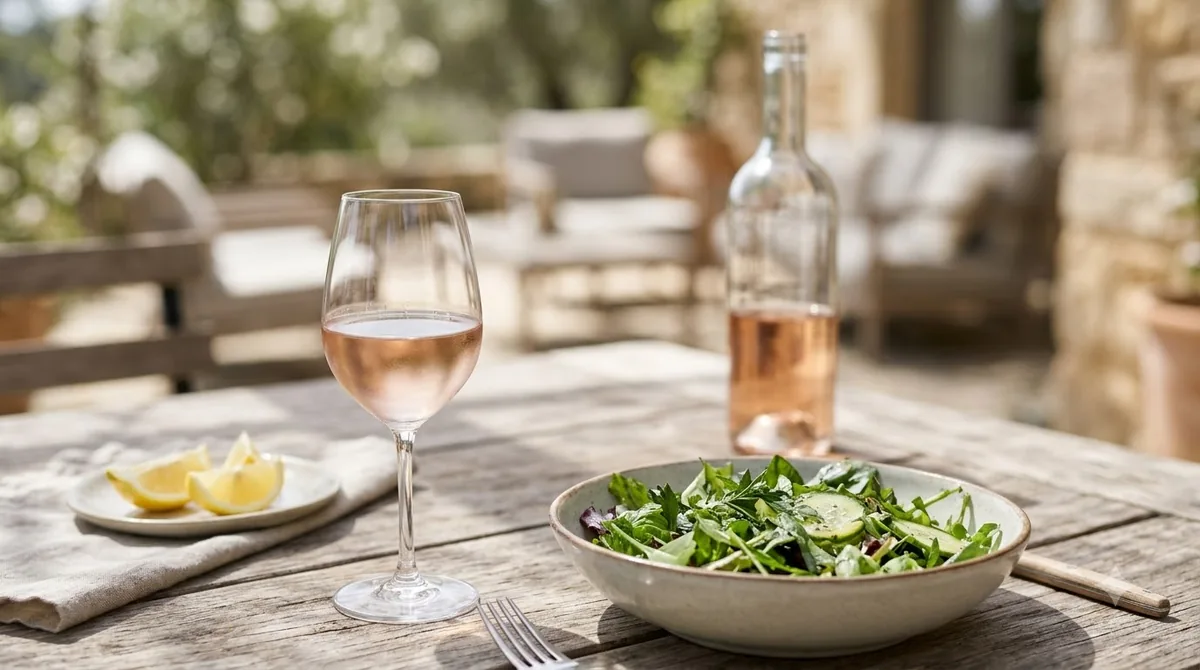
Sparkling rosé is another excellent option, especially for outdoor gatherings. Its bubbles refresh the palate, while red-fruit flavors complement the savory seasoning. New Orleans sommeliers interviewed by Wine Enthusiast have recommended sparkling rosé for spicy crawfish because the carbonation helps refresh the mouth between bites. The combination of fruit, acidity, and bubbles makes it particularly suitable for long communal meals.
Brut Prosecco can also work well. Made primarily from Glera grapes in northeastern Italy, Prosecco generally offers fresh pear, apple, and citrus characteristics. Its tank-fermented style emphasizes youthful fruit and approachable bubbles. Brut is a sensible choice for salty, seasoned crawfish, while Extra Dry Prosecco has a little more sweetness and can be useful if the seasoning is hotter.
There is also a distinction between spicy and salty seasoning. Salt can make wine seem softer and bring out fruit characteristics, while concentrated chili heat can make alcohol feel stronger. A wine that handles saltiness beautifully may not necessarily be the best choice for an extremely hot boil.
For a group gathering, consider offering two different bottles. A dry Sauvignon Blanc provides a refreshing option for guests who prefer completely dry wine, while an off-dry Riesling accommodates people who want something fruitier alongside spicy crawfish. Sparkling rosé can serve as a third option when the meal is festive or particularly rich.
The broader principle is useful for other Southern dishes as well. Wines that balance chili, salt, and rich ingredients can also work with barbecue and strongly seasoned meats. The same attention to acidity and seasoning helps when selecting what wine goes with beef brisket, although the heavier texture of brisket allows for more structured red wines than crawfish does.
For additional regional pairing ideas, Wine Enthusiast’s interviews with three New Orleans wine professionals offer specific recommendations for crawfish boils, étouffée, and other Louisiana dishes. Their suggestions include sparkling rosé, Brut Prosecco, and mineral-driven Riesling, illustrating how different wine styles can work with the same seafood depending on seasoning and texture.
Wine Pairings for Crawfish Étouffée, Pasta, and Fried Crawfish
Not every crawfish dish has the intense seasoning of a traditional boil. Creamy étouffée, buttery pasta, and fried crawfish tails require different wine characteristics, particularly when sauce, cooking fat, and breading become more prominent than chili heat.
Crawfish étouffée typically combines crawfish tails with a thick, savory sauce made with butter, vegetables, stock, and seasonings. The richness makes a medium-bodied white particularly appealing. Chardonnay with restrained oak can match the sauce’s texture, while sufficient acidity keeps the wine from seeming heavy. An unoaked or neutral-oak Chardonnay is often more versatile than a strongly buttery, heavily toasted example.
Chenin Blanc is another strong choice for étouffée. Its acidity provides contrast to the creamy sauce, while apple, pear, and citrus flavors complement the seafood. Dry Loire Valley Chenin Blanc is a practical starting point. If the étouffée is particularly spicy, an off-dry Riesling may be more suitable than a completely dry white.
Crawfish pasta requires attention to the sauce. A dish made with garlic, olive oil, and herbs usually benefits from Sauvignon Blanc or Pinot Grigio. Cream-based pasta, including crawfish dishes with Parmesan or a rich cream sauce, can handle Chardonnay or Chenin Blanc. The wine should have enough acidity to balance the sauce rather than simply matching its richness.
Fried crawfish tails call for freshness and bubbles. The fried coating introduces oil and a crisp texture, while dipping sauces can add additional fat and spice. Brut sparkling wine, Cava, and Sauvignon Blanc are useful choices. Their acidity helps contrast the fried coating, while carbonation provides a refreshing sensation between bites.
Crawfish bread is another preparation where the accompanying ingredients matter. Cheese, bread, butter, and crawfish create a richer dish than a simple seafood boil. Sauvignon Blanc can provide a bright contrast, while a dry rosé offers more fruit and a little additional weight. If the bread contains substantial melted cheese, a Chardonnay with balanced acidity is also worth considering.
Crawfish pie combines pastry, seafood, and savory filling. A medium-bodied Chardonnay or dry rosé can complement the buttery pastry without overpowering the filling. For a particularly rich version, choose a white with sufficient body and freshness rather than a very delicate, low-intensity wine.
These examples illustrate why the sauce should influence the final selection. A dry white can work beautifully with garlic and olive oil, while a fuller white may be more appropriate for cream, cheese, or pastry. The same logic applies to other rich dishes, including what wine goes with eggplant parmesan, where tomato acidity, cheese, and fried ingredients all influence the choice.
Can Red Wine Go With Crawfish?
Red wine can accompany crawfish, but lighter-bodied styles with restrained tannins are considerably more suitable than powerful, heavily structured reds. Pinot Noir and chilled light-bodied Italian reds are the best starting points for people who prefer red wine with seafood.
Pinot Noir is a practical choice because it generally has low-to-medium tannin and relatively high acidity. Its red-cherry, raspberry, and earthy characteristics can complement the sweetness of crawfish without overwhelming the meat. Choose a lighter style from Oregon or Burgundy rather than a heavily extracted, high-alcohol example. Serving it slightly cool helps maintain freshness.
Pelaverga is a less familiar alternative. This Italian red grape from Piedmont can produce light-bodied wines with bright acidity, gentle tannins, and red-fruit character. Swirl Wine Bar & Market in New Orleans has specifically highlighted Scarpa Pelaverga Verduno as an interesting chilled-red option for boiled crawfish. Its lighter structure makes it more appropriate for seafood than a powerful red with firm tannins.
Schiava, also known as Vernatsch in parts of northern Italy, can be another useful alternative. It generally produces light-bodied reds with fresh red-fruit flavors and gentle tannins. A slightly chilled bottle can complement simply seasoned crawfish and dishes containing mild sausage or herbs.
There are, however, several reds that are less suitable. Cabernet Sauvignon generally has high tannin, while Syrah can have medium-plus to high tannin and substantial alcohol. These characteristics can amplify chili heat and compete with delicate seafood. Merlot is softer than Cabernet Sauvignon, but its medium tannin and fuller body do not automatically make it a better choice for a spicy boil.
Heavy tannins can also interact poorly with delicate seafood flavors. The wine may seem drying, bitter, or disproportionately powerful beside the crawfish. Oily fish can clash with tannic reds as well, which is another reason to approach full-bodied red wines cautiously with seafood.
If red wine is the preferred style, focus on freshness rather than power. Choose a light Pinot Noir, Pelaverga, or Schiava, chill the bottle slightly, and serve modest pours. These wines are best suited to mild crawfish preparations rather than extremely spicy boils.
Serving Temperatures, Glasses, and Bottle Planning
Serving temperature can make a significant difference to a crawfish pairing. Light whites, rosé, and sparkling wines should be served cool enough to feel refreshing, while fuller whites benefit from slightly warmer temperatures that allow their aromas and textures to develop.
The following temperatures provide practical starting points for a crawfish meal:
| Wine Style | Serving Temperature | Best Application |
|---|---|---|
| Sparkling wine | 40–50°F | Spicy boils and fried crawfish |
| Light white wine | 45–50°F | Sauvignon Blanc and Pinot Grigio |
| Rosé | 45–50°F | Traditional crawfish boils |
| Full-bodied white | 50–55°F | Chardonnay and creamy étouffée |
| Light-bodied red | 55–60°F | Pinot Noir and Pelaverga |
A standard 750 ml bottle contains approximately five 5-ounce servings. For four guests, one bottle may be sufficient if wine is only a small part of the meal. For a longer crawfish gathering where guests are drinking wine throughout the afternoon, planning two bottles per four guests provides a more comfortable amount. Individual consumption varies, so consider the other beverages being served.
Glassware does not need to be complicated. Standard white-wine glasses work well for Sauvignon Blanc, Riesling, and Albariño. Sparkling wine can be served in tulip-shaped glasses that preserve its aromas while retaining carbonation. A standard red-wine glass is suitable for Pinot Noir and other light reds.
Outdoor crawfish boils introduce another challenge: temperature control. Bottles can warm quickly in direct sunlight, particularly during Louisiana’s spring and summer gatherings. Keep white wine, rosé, and sparkling wine in an ice bucket or cooler between pours. Avoid leaving bottles directly on a hot table or beside cooking equipment.
Opening several bottles at once is not always necessary. Start with one crisp white and one sparkling or rosé option, then open additional bottles as needed. If the menu includes both a spicy boil and a creamy crawfish dish, having a dry Sauvignon Blanc and a fuller Chardonnay provides a useful contrast.
For readers exploring other combinations of food, wine, and serving styles, the general principles in our Wine Pairing guide provide a useful foundation for matching acidity, sweetness, tannin, and body to different ingredients.
Choosing the Right Bottle for Your Crawfish Gathering
The best bottle depends on the menu, the seasoning intensity, and the preferences of the people sharing the meal. A small amount of planning makes it possible to select wines that work across several crawfish preparations without buying an unnecessarily large range of bottles.
For a traditional Louisiana boil with cayenne, garlic, lemon, and plenty of seasoning, Sauvignon Blanc is a reliable starting point. It is dry, refreshing, and sufficiently acidic to complement salty and buttery ingredients. If the seasoning is particularly hot, an off-dry Riesling provides a more forgiving combination of sweetness and acidity.
For a celebratory outdoor gathering, sparkling rosé or Brut Prosecco adds a festive touch. Both offer refreshing bubbles, while their fruit characteristics complement the sweetness of the crawfish. Sparkling rosé is especially versatile when the meal includes several preparations, from boiled shellfish to fried tails.
For a creamy crawfish étouffée, choose a Chardonnay or dry Chenin Blanc. These wines have more body than many crisp seafood whites, allowing them to stand up to a richer sauce. Avoid excessive oak if the dish is delicate, because pronounced vanilla, toast, and buttery flavors can dominate the shellfish.
For a simple seafood preparation with minimal spice, dry Riesling, Albariño, or Pinot Grigio offers a more delicate match. These wines let the seafood remain the focus. If the table includes a variety of crawfish dishes, dry rosé is a particularly practical compromise.
It is also helpful to think about the other food on the table. Corn, potatoes, sausage, garlic butter, and dipping sauces can change the character of the meal. A wine that pairs with crawfish meat alone may not be ideal when the strongest flavor comes from spicy sausage or a rich butter sauce.
There is no requirement to choose an expensive or unusual wine for a communal crawfish boil. A fresh, well-made bottle that complements the seasoning is more useful than a complex wine whose subtle characteristics disappear beneath cayenne and garlic. Focus on balance, freshness, and appropriate sweetness rather than prestige or elaborate tasting descriptions.
Frequently Asked Questions
Is Chardonnay a good wine to drink with crawfish?
Yes, Chardonnay can be a good choice, especially with crawfish étouffée, creamy pasta, and garlic-butter preparations. A Chardonnay aged in neutral oak or made without oak is often preferable when the seafood flavor is delicate. For an extremely spicy crawfish boil, Sauvignon Blanc or off-dry Riesling is generally a more suitable choice.
Does Moscato go with crawfish?
Moscato can work with mildly seasoned crawfish if the wine’s fruitiness complements the preparation. However, its sweetness and generally lower acidity can make it less versatile with salty, buttery, or heavily seasoned seafood. A dry or off-dry Riesling usually offers a better balance of freshness and sweetness for Cajun seasoning.
Can Champagne be served with a crawfish boil?
Yes, Champagne is a suitable choice, particularly Brut styles with refreshing acidity and fine bubbles. Traditional Champagne undergoes its second fermentation in the bottle, which contributes to its characteristic texture and complexity. Its crisp structure works especially well with fried crawfish, salty seasoning, and rich seafood appetizers.
Should you decant red wine before serving crawfish?
Most light-bodied reds served with crawfish do not require extensive decanting. A young, particularly concentrated full-bodied red may benefit from 30–60 minutes of aeration, but that style is rarely the first choice for a spicy seafood meal. For Pinot Noir or Pelaverga, opening the bottle shortly before serving is generally sufficient.
How long does opened wine last after a crawfish gathering?
Opened still wines generally retain their best qualities for approximately 3–5 days when refrigerated and properly resealed. Sparkling wines usually last around 1–3 days with an appropriate sparkling-wine stopper. Their aromas and carbonation gradually diminish after opening, so sparkling bottles are best enjoyed during the gathering.
For most crawfish gatherings, Sauvignon Blanc, off-dry Riesling, and dry rosé provide the best combination of freshness, fruit, and versatility. Choose sparkling wine for fried preparations and celebrations, or a fuller Chardonnay for creamy étouffée. Above all, match the wine to the seasoning and sauce so that the delicate sweetness of the crawfish remains an important part of the meal.
More in Food & Wine Pairing
 Risotto With White Wine Recipe: Make a Creamy Dinner at HomeUpdated Nov 20, 2026
 Wassail With Wine Recipe for a Festive Spiced Holiday DrinkUpdated Nov 20, 2026
 Spritz Veneziano Recipe: Make a Classic Venetian Aperitivo at HomeUpdated Nov 20, 2026
 Summer Wine Punch Recipe for Easy Homemade EntertainingUpdated Nov 20, 2026
 Bishop Recipe: How to Make a Bright, Citrus-Forward Red Wine CocktailUpdated Nov 20, 2026
 Wine Cupcakes Recipe: Bake Rich Chocolate Cupcakes at HomeUpdated Nov 20, 2026