

We may earn a commission when you buy through links on this page, at no extra cost to you. Learn more.
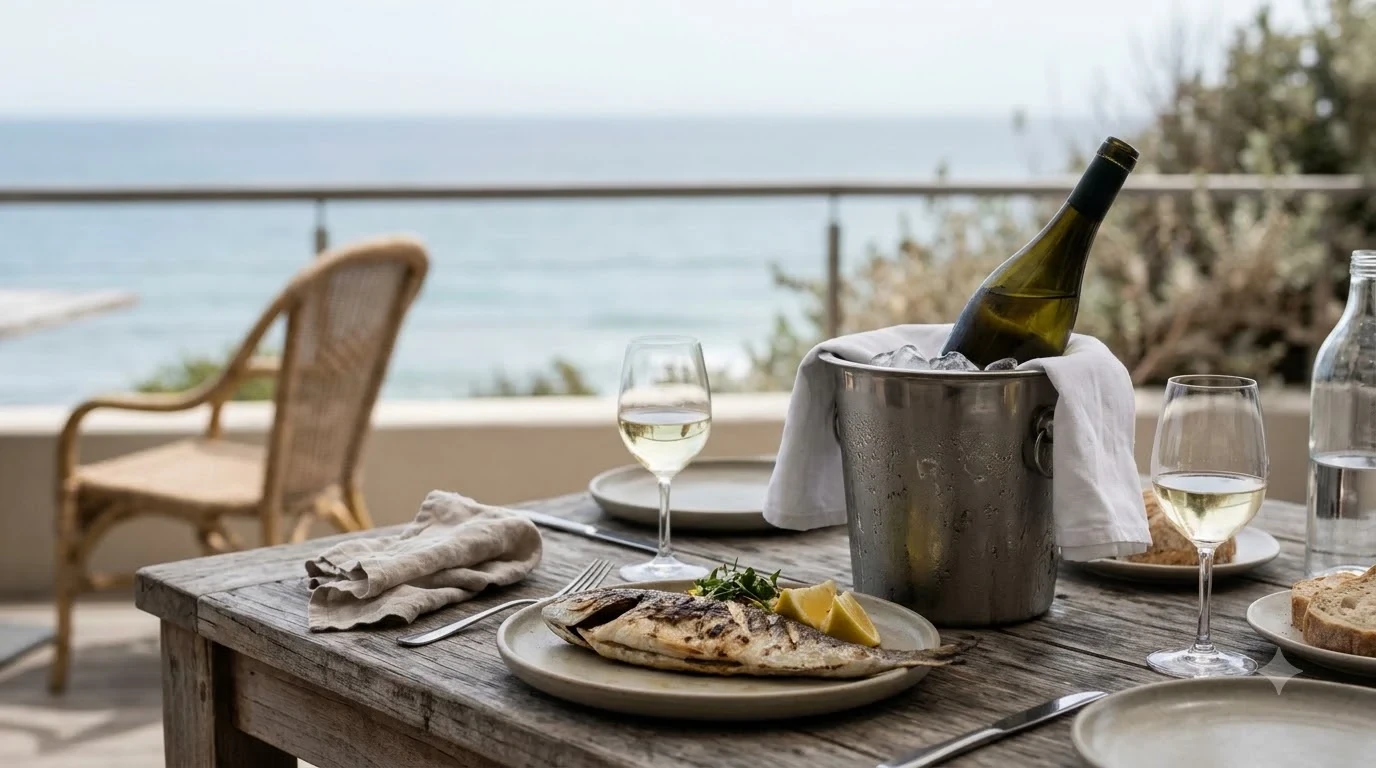
Kim Crawford rosé is a pink wine from the Kim Crawford brand, a New Zealand winery label that lists several rosé products on its site, including a Hawke’s Bay rosé and a rosé piquette. The brand’s own website does not publish grape varieties or a sweetness level for its rosé, so the back label is the best place to confirm those details. Rosé from this style of producer is usually fresh and fruit-forward, and it is easy to serve chilled with a wide range of food.
Rosé can be confusing on the shelf because the same color can come from different methods and styles, and brand names do not always make the difference clear. This guide looks at what the Kim Crawford brand says about its rosé, what to check on the label, and how to serve and pair a pink wine from this kind of label.
About the Kim Crawford Brand
Kim Crawford presents itself as a New Zealand wine brand. Its website uses the line “Two words, New Zealand” in its vineyard section, and the product listings show New Zealand as the general origin for most of the range. The site lists Marlborough for Sauvignon Blanc and Pinot Noir, and Hawke’s Bay for Chardonnay, Pinot Gris and a rosé, so the region can change from one bottle to the next.
That matters for a rosé buyer. A brand with products from more than one region can offer very different styles under one name. When you check a bottle, the region on the label tells you more about the wine’s likely character than the brand name alone.
The Rosé Products on the Site
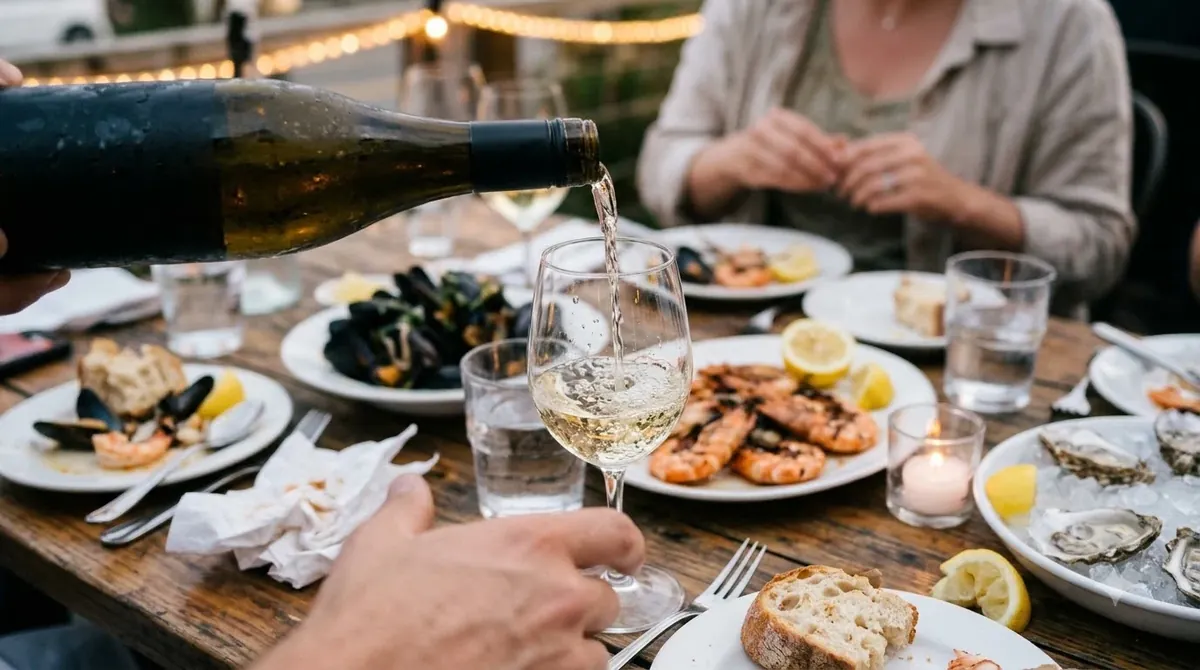
The brand’s site lists more than one pink wine. Its rosé is shown with France as the origin, a Hawke’s Bay Rose lists Hawke’s Bay as the region, and a Rose Piquette lists New Zealand. The site also includes a cocktails heading with the line “Mix, sip, enjoy,” which suggests the brand sees its wines as flexible for both simple pours and mixed drinks.
The product names are a good reminder to read beyond the headline. A rosé can differ in origin, style and sweetness, even when the brand is the same. The table below sums up the differences you should look for when you pick a bottle.
| What to check | Where to find it | Why it matters |
|---|---|---|
| Origin | Front or back label | Shows whether the wine is from New Zealand, France or another region |
| Region | Back label | Hawke’s Bay and other regions can give different fruit character |
| Sweetness | Back label or product sheet | Sets the wine between dry and off-dry |
| Grape or blend | Back label | The brand’s site does not list varieties for every rosé |
How Rosé Gets Its Color
Rosé gets its pink color from red grape skins, but it is not made by blending red and white wine in most cases. Winemakers usually let the juice sit in contact with the skins for a short time, so it picks up some color and flavor. The longer the contact, the deeper the pink. Some producers also run off a small amount of juice from a red fermentation, which gives a rosé as a side product. The method and the length of contact shape the color, aroma and body of the final wine.
For a buyer, the practical point is that the color is only a guide. A pale rosé is not always drier, and a deep pink is not always sweeter. Check the sweetness on the label and the origin, and you will have a better idea of what is in the glass.
How to Serve Kim Crawford Rosé
Serve rosé chilled, but not so cold that the aromas disappear. A standard white wine glass with a modest bowl works well, since it keeps the fruit aromas close to the rim. Because rosé is usually meant to be enjoyed fresh, it is rarely a wine to hold for years. Check the vintage on the bottle, and if the producer gives a drinking recommendation on the label or product sheet, follow it.
Storage is simple for most rosés. Keep unopened bottles out of direct sunlight and away from heat, such as a sunny window or a warm kitchen counter, and keep them cool until you are ready to chill them for serving. Once opened, a rosé that is kept in the refrigerator will hold its fresh fruit for a day or two, although the aromas soften over time, so finish the bottle within that window if you can. Remember to take the bottle out a little before you plan to serve it if it has been stored very cold, because a rosé served too icy can taste muted.
For a casual gathering, chill several bottles in advance and keep them in an ice bucket or the refrigerator. If you pour a rosé for a group, pour smaller amounts so the wine stays cool in the glass, and recork any leftovers.
Food Pairings for Rosé
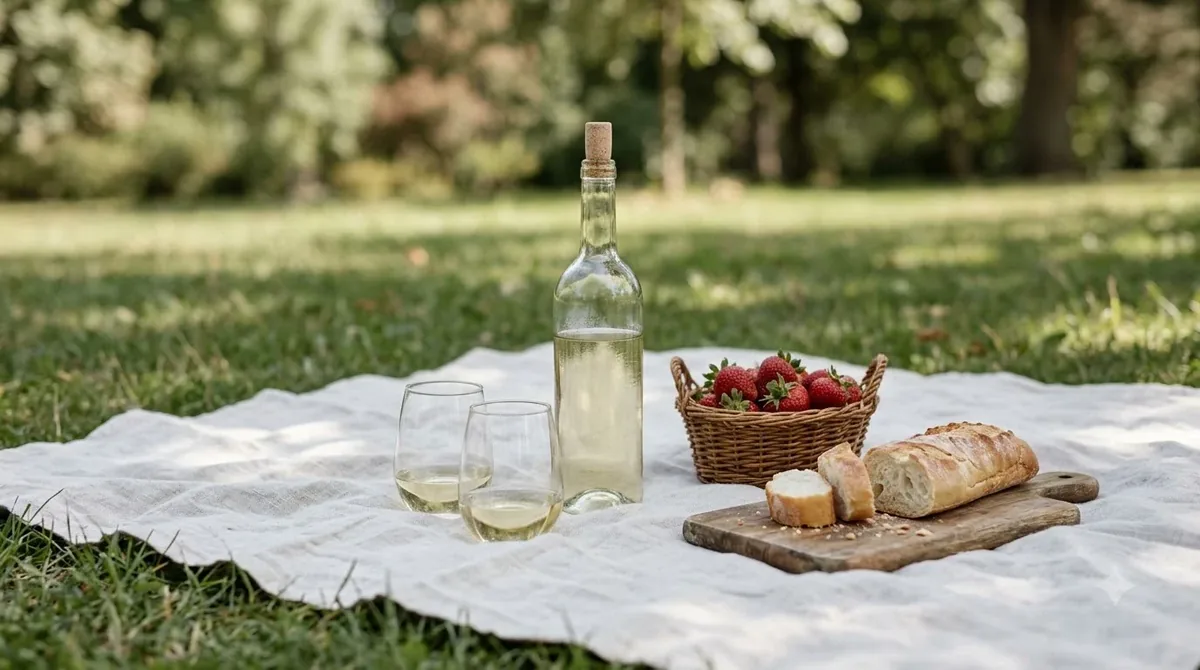
Rosé is one of the most flexible wines at the table because its fruit and acidity suit many dishes. Light salads, grilled chicken, shrimp and tomato-based pastas all pair well. A drier rosé works with seafood, herbs and vinaigrette, while an off-dry style can handle spicy food and fruit salsas. Lean toward lighter dishes, since a very rich sauce can overwhelm the fresh fruit.
For a casual spread, pair rosé with soft cheeses, fresh fruit and cured meats. It also works as an aperitif before a meal, which makes it a good choice when guests arrive and you are not yet serving the main course.
Choosing the Right Bottle
When you shop, decide what you want from the pink wine first. A dry rosé suits a seafood dinner or a warm-weather picnic, while a sweeter style can work for brunch or spicy takeout. Read the back label for the sweetness and origin, and if the bottle does not say, ask a shop staff member which style is closest to what you want. Compare two or three bottles side by side to see how the fruit and acidity differ.
If you are exploring more rosés from other producers, the Avaline rosé profile on this site is a useful comparison point for how a pink wine can differ from brand to brand. For a wider view of how producers position their wines, the wine brands section is a good next step, and the A to Z Wineworks guide shows how a label’s style can vary across regions.
Frequently Asked Questions
Where is Kim Crawford rosé made?
The brand’s site lists different origins for its rosé products. One rosé is listed with France as the origin, a Hawke’s Bay Rose is listed for Hawke’s Bay, and a Rose Piquette is listed as New Zealand. Check the label of the bottle you buy.
Is Kim Crawford rosé sweet or dry?
The brand’s website does not describe the sweetness level for its rosé products. Check the back label or product sheet for a dry or off-dry statement before you buy.
How should I serve Kim Crawford rosé?
Serve it chilled but not icy, in a standard white wine glass. Keep unopened bottles cool and refrigerate leftovers after opening.
What food goes well with rosé?
Light salads, grilled chicken, shrimp, tomato pasta and soft cheeses all suit rosé. A drier style works with seafood, while an off-dry style can handle spicy food.
Kim Crawford rosé is easiest to choose when you read the label for origin and sweetness, then match the style to the meal. Serve it chilled, drink it fresh, and pair it with lighter dishes. For more on how brands present their products, return to the wine brands section of this site.
More in Wine Brands
 Underwood Wine Price: Compare Bottles, Cans, and Pack SizesUpdated Nov 21, 2026
 Zenato Wine Price: Compare Styles and Choose the Right BottleUpdated Nov 21, 2026
 Zuccardi Wine Price: Compare Bottles and Find the Right RangeUpdated Nov 21, 2026
 Yellow Tail Moscato Review: Taste, Sweetness and Serving TipsUpdated Nov 21, 2026
 Wolf Blass Yellow Label Review: Choose Your Best StyleUpdated Nov 21, 2026
 Wolffer Estate Rose Review: Choose the Right Bottle for Your TableUpdated Nov 21, 2026