

We may earn a commission when you buy through links on this page, at no extra cost to you. Learn more.
Murphys vineyards sit in the Sierra Nevada foothills of Calaveras County, California, where the historic village of Murphys has grown into a wine stop with more than two dozen tasting rooms along its main street. The area is best known for Zinfandel and other warm-day, cool-night reds, and its wineries are close enough together that a visitor can taste at several estates in one afternoon. Its gold-rush history is part of the appeal, so many visitors combine a tasting with a walk through the old town.
This guide explains where the Murphys vineyards are, what the Sierra Foothills climate means for the wines you will taste, and how to plan a visit. It also covers the practical side of a foothill wine trip, from driving times to what to ask at the tasting bar.
Where the Murphys vineyards are
Murphys is a small community in Calaveras County, in the Sierra Nevada foothills east of the Central Valley. Wikipedia’s entry describes it as an unincorporated village at about 2,172 feet of elevation, with a population of just under 2,000 at the 2020 census. The town grew from a gold-mining camp founded by the Murphy brothers, and its historic buildings still shape the main street.
Wine arrived more recently. The village’s main street is now lined with tasting rooms, and the surrounding hillsides hold vineyards of varied size. Because the town is compact, you can walk between several tasting rooms without needing a car for every stop, which sets Murphys apart from more spread-out wine regions.
How the Sierra Foothills climate shapes the wines
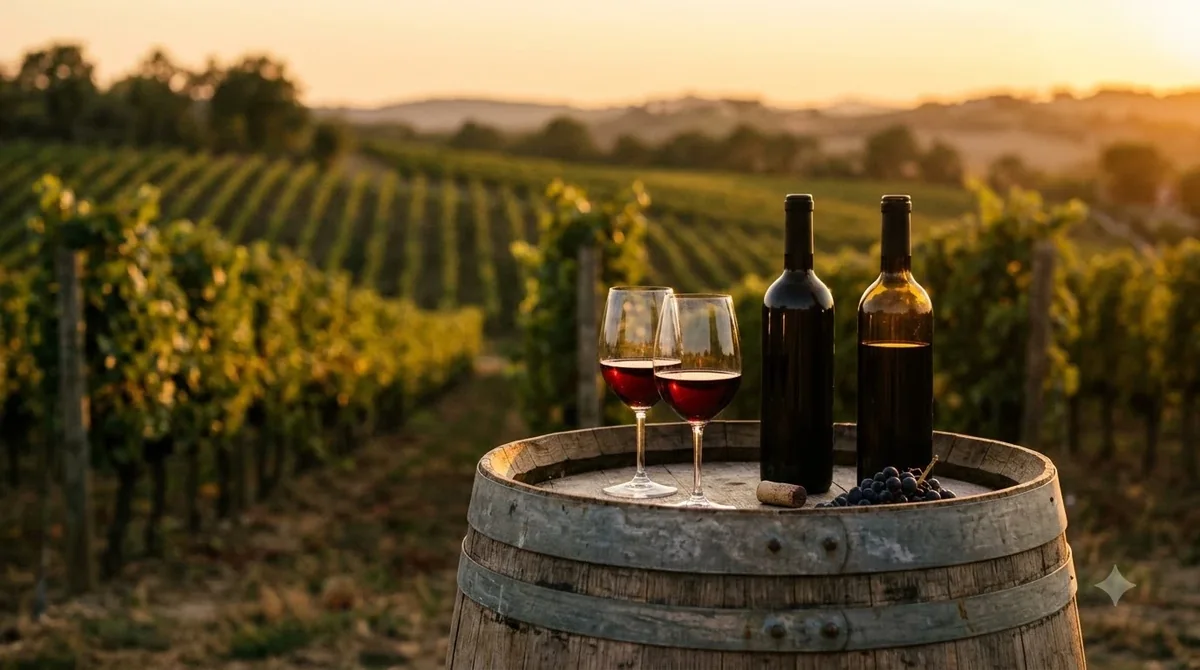
Murphys falls inside the Sierra Foothills American Viticultural Area, which was established in 1987. The AVA sits at a range of elevations, and vineyards there are generally planted between about 1,500 and 3,000 feet. Warm summer days and cool nights are the main climate feature, and that temperature swing helps grapes keep their acidity while they ripen.
Zinfandel is the grape that defines much of this region. Wine Folly’s Zinfandel guide describes the Sierra Foothills style as one with high aromatic intensity, lighter color and lively acidity, with flavors of raspberry, cherry and sweet baking spice. That brighter profile sets foothill Zinfandel apart from the heavier, jammier bottles many visitors expect from warmer areas like Lodi or Paso Robles.
The same guide notes that Zinfandel is best served at 60 to 68°F (15 to 20°C) and that a 30-minute decant helps fuller-bodied examples open up. That is useful advice at a tasting bar, where a red can sit on the counter for a while before you pour it. Ask for a moment to let a bold red settle if it tastes flat.
Wines and styles to taste in Murphys
Murphys tasting rooms pour a wide range of wines, and the mix changes from one estate to the next. Zinfandel and Cabernet Sauvignon are common reds in the Sierra Foothills, and Chardonnay is the most common white. Many rooms also pour blends, rosé and dessert wines, so ask what the winemaker is most proud of in the current vintage. Ironstone Vineyards, a family-owned estate in Murphys, is one example of a larger local operation; its own history page describes the winery’s start in 1990 and its tasting room.
| Style | What to look for | Good with |
|---|---|---|
| Foothill Zinfandel | Raspberry, cherry, sweet baking spice, bright acidity | Barbecue, burgers, sharp cheddar |
| Cabernet Sauvignon | Dark fruit and structured tannins in the warmer sites | Roast lamb, grilled steak |
| Chardonnay | The most common white, in crisp or fuller styles | Roast chicken, creamy pasta |
| Blends and rosé | Easy-drinking fruit, often a good choice for a warm afternoon | Picnic lunches and salads |
Tip: Ask staff which vineyard each wine comes from. Single-vineyard bottles often show more clearly how elevation and soil change the glass.
How to plan a visit to the Murphys vineyards
A good plan uses the town as a base. Park once, then walk between tasting rooms on the main street, leaving room for a long lunch. Because the village is small, you can pick up a bottle at one room and taste at another without driving. Check opening hours before you go, since some tasting rooms close early on weekdays.
Plan one or two estates outside town if you want a more rural day. Some wineries sit on hillsides and farm roads, where the drive is slower and cell service can be patchy. A driver or a guided tour makes that trip easier, especially after several tastings.
Timing matters too. Spring and fall are the most comfortable seasons for walking the town and sitting outside, while summer can be hot. Murphys also hosts seasonal events, such as local wine weekends, so check the calendar if you want a busier visit with more activity on the street.
The town’s past gives a visit more texture. Murphys began as a gold-mining camp, and fires destroyed the village several times in the nineteenth century before it settled into the quieter community visitors see today. Wikipedia’s entry notes that the historic Murphys Hotel is among California’s oldest continually operating hotels, and it is a good place to stop for a meal between tastings. Plan a slow stroll past the old storefronts before the afternoon pours begin, since the street is easiest to enjoy when the tasting rooms are just opening.
The vineyard and tasting-room style here will feel familiar if you have visited the Santa Ynez Valley vineyards, where small estates also sit beside a working town. For comparison with a different growing region, the New Mexico vineyards guide shows how a high-elevation setting changes the wines, and the Wine Regions guide explains the main factors.
Tasting etiquette and what to ask
Tasting rooms in Murphys are usually relaxed, and staff often explain how each wine was made. Ask how the grapes were grown, whether the winery farms its own vineyards or buys fruit from growers, and how long the wine was aged. Those answers help you understand why two reds from the same town can taste so different.
Taste each pour slowly and remember that tasting rooms typically serve small amounts. You do not need to finish every glass. If you plan to buy, ask whether the winery ships to your state, since shipping rules differ and a bottle bought on the road may be easier to carry home.
Many smaller estates sell most of their wine at the tasting room or through a mailing list. A visit is the best way to find bottles that never reach wide distribution, and a club membership can make later orders easier.
Frequently Asked Questions
What are the Murphys vineyards known for?
The Murphys area is known for foothill-style reds, especially Zinfandel, which often shows raspberry and cherry fruit with bright acidity. Cabernet Sauvignon and Chardonnay are also common, and many tasting rooms pour blends and rosé.
Can I visit Murphys wineries on foot?
Yes, for many of the tasting rooms on the main street. The village is compact, so you can walk between several stops. Estates farther out on rural roads require a car or a driver.
How far is Murphys from the Central Valley?
Murphys sits in the Sierra Nevada foothills, east of the Central Valley. The drive takes a few hours depending on where you start and traffic, and the last stretch is through hill roads that are slower than highways.
Do I need reservations for Murphys tasting rooms?
Reservations help for weekends, holidays and larger estates, which may limit the number of guests per slot. Smaller rooms on the main street often take walk-ins, but calling ahead is useful for a planned lunch or a private tasting.
A Murphys vineyard visit rewards a simple plan: walk the main street, pick one estate outside town if you want a rural day, and let the foothill Zinfandel guide what you take home. Once you know how the warm days and cool nights shape the wines, the village tasting rooms make more sense.
More in Wine Regions
 Willcox Wine Trail: Discover Arizona’s High-Elevation Wine CountryUpdated Nov 20, 2026
 Yakima Valley Wine Region: Find the Best Styles to TryUpdated Nov 20, 2026
 Vosne Romanee Wine Tasting: Identify Aromas and Choose Better PairingsUpdated Nov 20, 2026
 Yakima Valley Wine Festival: Find the Best Seasonal Wine EventsUpdated Nov 20, 2026
 Wales Vineyards: Discover Cool-Climate Wines and Where to VisitUpdated Nov 20, 2026
 Yountville Wine Festival: Discover Napa Wines and Local FoodUpdated Nov 20, 2026