

We may earn a commission when you buy through links on this page, at no extra cost to you. Learn more.
Soave tasting notes center on crisp orchard fruit, white blossoms, citrus zest, and a signature savory finish of crushed almond and sea salt. Made primarily from the native Garganega grape in northeastern Italy’s Veneto region, this dry white wine ranges from light, zippy stainless-steel bottlings to fuller, textural hillside selections aged on lees or in oak. Most bottles land around 12 percent ABV, offering lively acidity and mineral grip rather than heavy oak or residual sweetness.
Pronounced “swah-vay,” Soave takes its name from a medieval walled town just east of Verona. Though its reputation suffered during decades of mass-market overproduction, modern hillside producers have reclaimed its standing among Italy’s most expressive white wines—whether you are exploring Italian whites for the first time or comparing classic Wine by Type categories.
What Soave Is
Soave is a dry white wine appellation in the Veneto region of northern Italy, anchored by the indigenous Garganega grape. Under regional regulations, Garganega must make up at least 70 percent of the blend, with the remaining portion permitted from Trebbiano di Soave (genetically identical to Verdicchio) or Chardonnay in standard DOC bottlings.
Garganega is a late-ripening, thick-skinned white variety that has grown in the hills near Verona for over a millennium. According to the Consorzio Tutela Vini Soave, the region covers roughly 6,500 to 7,000 hectares farmed by around 3,000 small growers, making it one of the most densely planted viticultural zones in Italy. When yields are kept low on steep slopes, Garganega produces structured, age-worthy whites capable of developing remarkable depth over several years in bottle.
While the overwhelming majority of Soave is dry and still, the appellation also encompasses a traditional sweet style called Recioto di Soave DOCG. For Recioto, winemakers air-dry healthy Garganega bunches after harvest—a method known as appassimento—to concentrate sugars and aromas before fermentation. Outside of Recioto, however, every bottle labeled Soave, Soave Classico, or Soave Superiore is fermented dry.
Flavor Profile and Styles of Soave
In the glass, Soave pours a pale straw yellow, occasionally flashing faint greenish highlights in youth, and delivers an aromatic profile built on restraint, precision, and layered texture. Rather than shouting with tropical fruit or overt oak spice, it unfolds gradually with white peach, honeydew melon, green apple skin, Meyer lemon, and delicate white wildflowers such as acacia and elderflower.
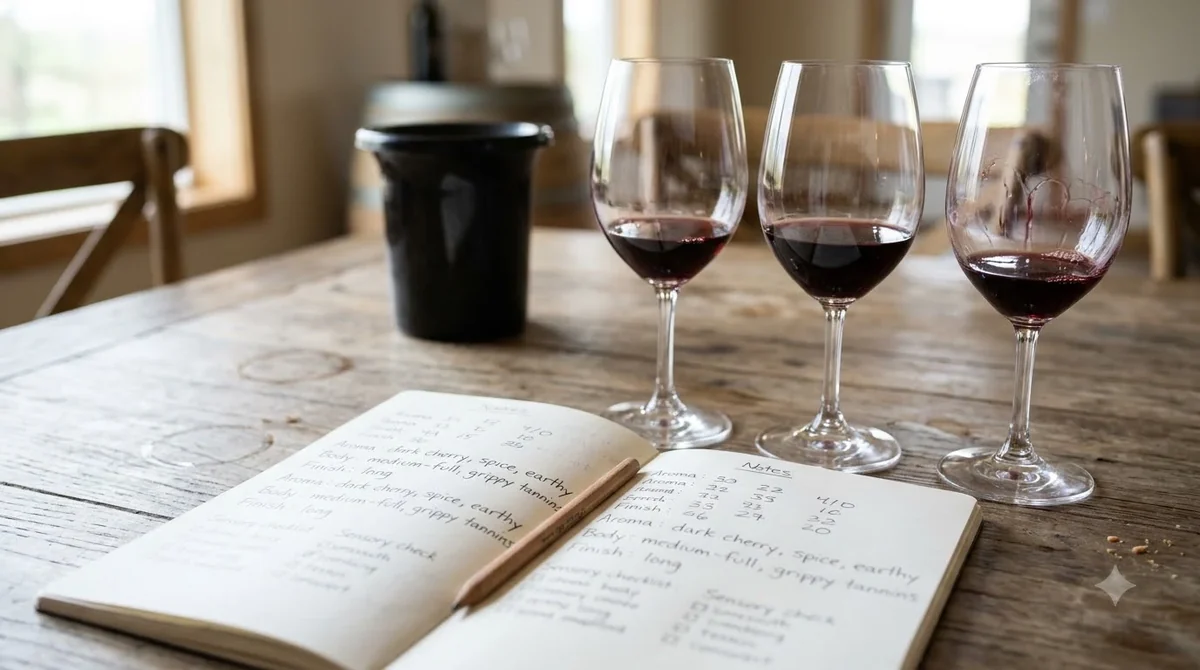
Reviewers at Wine Folly note that sweet marjoram, tangerine zest, and a distinct saline mineral edge frequently appear alongside stone fruit, culminating in a subtly bitter toasted-almond finish that defines Garganega. That gentle almond bitterness acts like a squeeze of lemon on seafood, cleansing the palate and inviting another sip.
Winemaking choices divide Soave into two clear stylistic camps. Stainless-steel and glass-lined concrete fermentations preserve bright malic acidity, crisp green pear, and brisk citrus, resulting in an effortless, refreshing white around 11.5 to 12 percent ABV. Conversely, hillside wines aged on fine lees or in large neutral oak casks gain creamier mid-palate weight, subtle spice, and notes of baked pear, hazelnut, and flinty wet stone.
With three to seven years of bottle age, top hillside bottlings undergo a compelling transformation. Primary apple and blossom notes mellow into beeswax, dried apricot, saffron, and smoky volcanic earth—a progression that sets aged Soave apart from simpler everyday Italian whites.
| Style / Tier | Primary Aromas & Flavors | Body & Texture | Aging & Vinification |
|---|---|---|---|
| Soave DOC (Everyday) | Green apple, pear, lemon zest, white blossoms, light almond | Light-bodied, crisp, brisk acidity | Stainless steel; meant to be enjoyed within 1 to 2 years |
| Soave Classico DOC | White peach, honeydew, marjoram, tangerine, wet stone, bitter almond | Light-to-medium body, silky mouthfeel, saline finish | Stainless steel or concrete, often with lees contact; ages 2 to 5 years |
| Soave Superiore DOCG / Single Cru | Ripe apricot, baked pear, toasted hazelnut, honey, smoky flint | Medium-bodied, layered, creamy yet taut acidity | Extended lees aging and/or large oak casks; ages 5 to 10 years |
| Recioto di Soave DOCG | Candied orange peel, dried fig, acacia honey, sweet almond | Luscious, sweet, balanced by vibrant natural acidity | Appassimento air-dried grapes; rich dessert style |
Where Soave Grows
Soave sits in the pre-Alpine foothills east of Verona, bordered by Valpolicella to the west and cooled by evening breezes descending from the Lessini Mountains. That diurnal temperature swing—warm sunny days followed by crisp nights—allows late-ripening Garganega to build ripe stone-fruit aromatics while retaining firm natural acidity.
Soil composition is the single biggest driver of flavor differences across the region. The historic heartland, Soave Classico, spans steep volcanic hillsides around the towns of Soave and Monteforte d’Alpone, where dark basalt and tuff soils impart a smoky, flinty, almost salty mineral backbone. Just to the west in valleys like Illasi and Mezzane, alluvial limestone and chalky soils yield wines with brighter floral lift, linear acidity, and softer fruit.
To help drinkers identify these micro-terroirs, Italian authorities officially recognized 33 Unità Geografiche Aggiuntive (UGAs)—single-vineyard or hillside cru designations—such as Foscarino, Monte Carbonare, and Calvarino. When a bottle carries one of these cru names on the label, you can expect heightened concentration and a pronounced sense of place.
How to Serve Soave
Serve youthful Soave well chilled at 45 to 50 degrees Fahrenheit (7 to 10 degrees Celsius) to spotlight its snappy citrus, green apple, and floral freshness. If a bottle has been sitting at room temperature, roughly 30 to 45 minutes in a standard refrigerator brings it right into the ideal window.
For richer Soave Classico, single-cru bottlings, or older vintages, allow the wine to warm slightly toward 50 to 52 degrees Fahrenheit (10 to 11 degrees Celsius). Serving aged or lees-textured bottles slightly warmer prevents the cold from muting their toasted almond, beeswax, and volcanic mineral nuances—much like how you would treat structured sancerre tasting notes from limestone slopes.
Pour a five-ounce serving into a standard white wine glass with a tulip-shaped bowl that tapers gently toward the rim, concentrating delicate blossom and orchard aromas. Young Soave needs no decanting, though giving a fuller Classico or Superiore fifteen minutes of air in the glass helps its herbal and mineral layers unfurl. Store opened bottles re-corked in the refrigerator and finish within two to three days.
Tip: If your Soave tastes overly sharp or neutral straight out of the fridge, let your glass sit on the table for ten minutes—a few degrees of warmth unlocks its signature marjoram, honeydew, and creamy almond finish.
Food Pairing with Soave
Soave’s combination of brisk acidity, moderate alcohol, and subtle saline bitterness makes it one of the most adaptable dinner-table whites in Italy. It excels alongside coastal seafood, where its citrus lift cuts through richness while its mineral finish echoes the brine of shellfish.
Classic regional pairings include spaghetti alle vongole (clams in garlic and white wine), seared sea scallops, grilled branzino, and saffron or asparagus risotto, where the wine’s rounded mid-palate mirrors the creamy starch of Arborio rice. Its herbal and orchard-fruit profile also complements roasted chicken with lemon and thyme, fried calamari, sushi, and fresh cheeses like burrata, young goat cheese, or mild Monte Veronese.
What to skip: heavily charred red meats, fiery chili-laden dishes, and overtly sugary desserts will overpower Soave’s delicate aromatics. Save bold grilled meats for structured reds—if you enjoy exploring red profiles as well, compare grenache tasting notes for spicy berry warmth or petit verdot tasting notes for deep, tannic intensity.
How to Choose a Bottle of Soave
Reading the front label carefully is the easiest way to match a bottle of Soave to your mood and meal. Look first for the word “Classico” or “Superiore” alongside “Soave,” which guarantees the grapes came from the original volcanic hillside vineyards rather than the flatter, higher-yielding valley floor.
Check the back label or producer notes for clues about vessel aging and grape composition. Bottles made from 100 percent Garganega aged on lees in concrete or stainless steel deliver pure volcanic minerality and crisp orchard fruit, whereas blends incorporating Trebbiano di Soave tend to feel even zippier and more floral.
Finally, pay attention to vintage dates. For standard Soave DOC, choose the most recent harvest available—ideally within one to two years of the vintage—so the fruit remains bright and lively. For hillside Classico or Superiore bottlings from respected names like Pieropan, Inama, Suavia, Gini, or Prà, bottles with two to five years of age often show extra complexity and textural polish.
Frequently Asked Questions
Is Soave wine sweet or dry?
Standard Soave, Soave Classico, and Soave Superiore are all dry white wines with virtually no residual sugar. Ripe stone fruit and honeydew aromas can sometimes give an impression of sweetness on the nose, but the finish is crisp, savory, and dry. The only sweet version is Recioto di Soave DOCG, a specialty dessert wine made from air-dried grapes.
What grape is used to make Soave?
Soave is made primarily from Garganega, a native white grape variety that must account for at least 70 percent of the blend under appellation rules. Winemakers may blend in up to 30 percent Trebbiano di Soave (known elsewhere in Italy as Verdicchio) or Chardonnay in DOC wines, though many top hillside bottlings are 100 percent Garganega.
How does Soave compare to Pinot Grigio?
While both come from northern Italy and offer crisp refreshment, Soave typically has a slightly fuller, silkier mid-palate and more pronounced mineral and almond complexity than standard Pinot Grigio. Pinot Grigio leans toward sharper citrus and green-apple simplicity, whereas hillside Soave Classico layers stone fruit, wild herbs, and volcanic salinity.
Does Soave wine age well?
Entry-level Soave DOC is crafted for immediate enjoyment within one to two years of the harvest while its floral and citrus notes are freshest. However, low-yield Soave Classico and Soave Superiore DOCG wines grown on volcanic soils can age gracefully for five to ten years, developing notes of beeswax, toasted hazelnut, dried apricot, and flint.
Whether you pour a chilled glass of stainless-steel Soave on a warm afternoon or open a single-vineyard Classico beside seafood risotto, knowing what to look for in the glass turns an overlooked Italian classic into a staple. Start with a hillside Classico bottling to experience Garganega’s signature balance of orchard fruit, sea salt, and toasted almond firsthand.
More in Wine Types & Grapes
 Zinfandel Sugar Content: Dry Red vs. White Zinfandel GramsUpdated Nov 21, 2026
 Best Zinfandel Substitute Options for Sipping and CookingUpdated Nov 21, 2026
 Zweigelt Food Pairing: Best Dishes, Cheeses, and Serving TipsUpdated Nov 21, 2026
 Zinfandel Tannins Explained: How Structure Shapes Every BottleUpdated Nov 21, 2026
 Zinfandel Sweetness Level: Dry Red vs. Sweet White Zin ExplainedUpdated Nov 21, 2026
 Xinomavro Food Pairing: Best Dishes, Styles, and Serving TipsUpdated Nov 21, 2026